Idaho is a state of altitude and of two very different climates, and both show up in photographs. The south and centre are high, dry and clear: the Sawtooth Valley sits above six thousand feet, Sun Valley and the Teton side not far below, and at those elevations there is a seventh less atmosphere overhead than at sea level. Direct sun is harder, shadows are deeper than the temperature suggests, the sky is a deeper blue so open shade reads markedly cool, and the air is clear enough that mountains hold real detail on a long lens.
The Panhandle, north of the Salmon River, is a different place — an inland maritime climate where Pacific moisture reaches far enough east to grow western red cedar and hemlock, which means dense forest, soft overcast, and shade that blocks rather than dapples.
The species decide the shade everywhere in this state. Lodgepole and ponderosa hold their needles high and sparse and throw a moving dapple that is the hardest light a photographer meets outdoors; Douglas fir, grand fir, cedar and hemlock block almost everything and give a clean soft edge. Knowing which stand you are standing in is the practical difference between a usable portrait position and an unusable one. Two seasonal facts govern scheduling. Wildfire smoke can fill any Idaho valley from July into September, removing distant backgrounds entirely — which argues for weighting a late-summer day toward closer frames.
And late September into early October is the best window in the state: the aspen turn, and because a grove is clonal — genetically one organism — a whole stand goes gold at once, giving blocks of uniform colour against near-black conifer, with the first snow back on the peaks and the clearest air of the year.
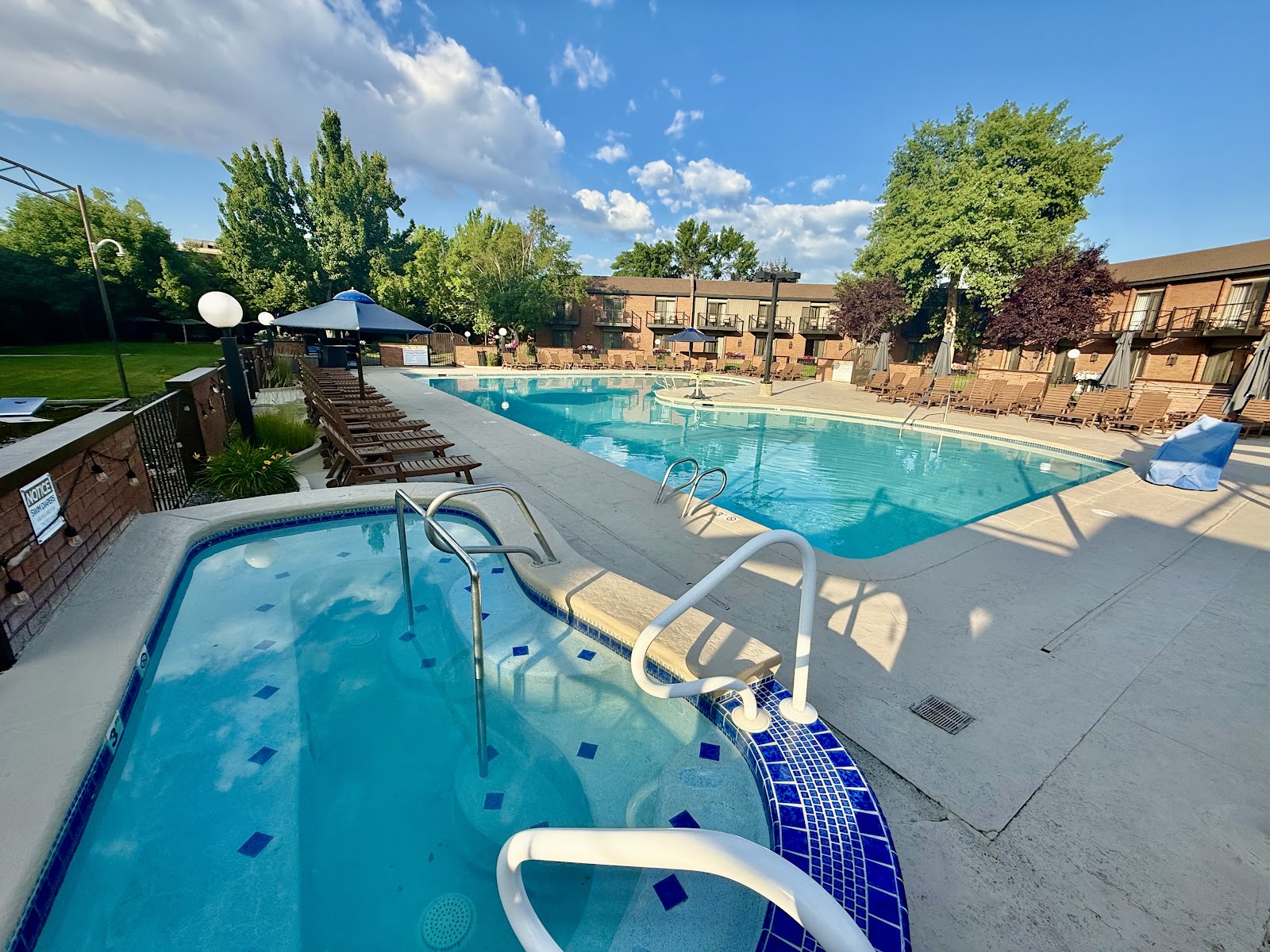
The Riverside Hotel, Boise: The Light Through a Day
A riverside Boise hotel taken hour by hour, where the river corridor is the valley's only real shade.

The Owyhee Hotel, Boise: A Building Converted Twice
A historic Boise hotel converted and reworked — and what two layers of building logic mean for a photographer.
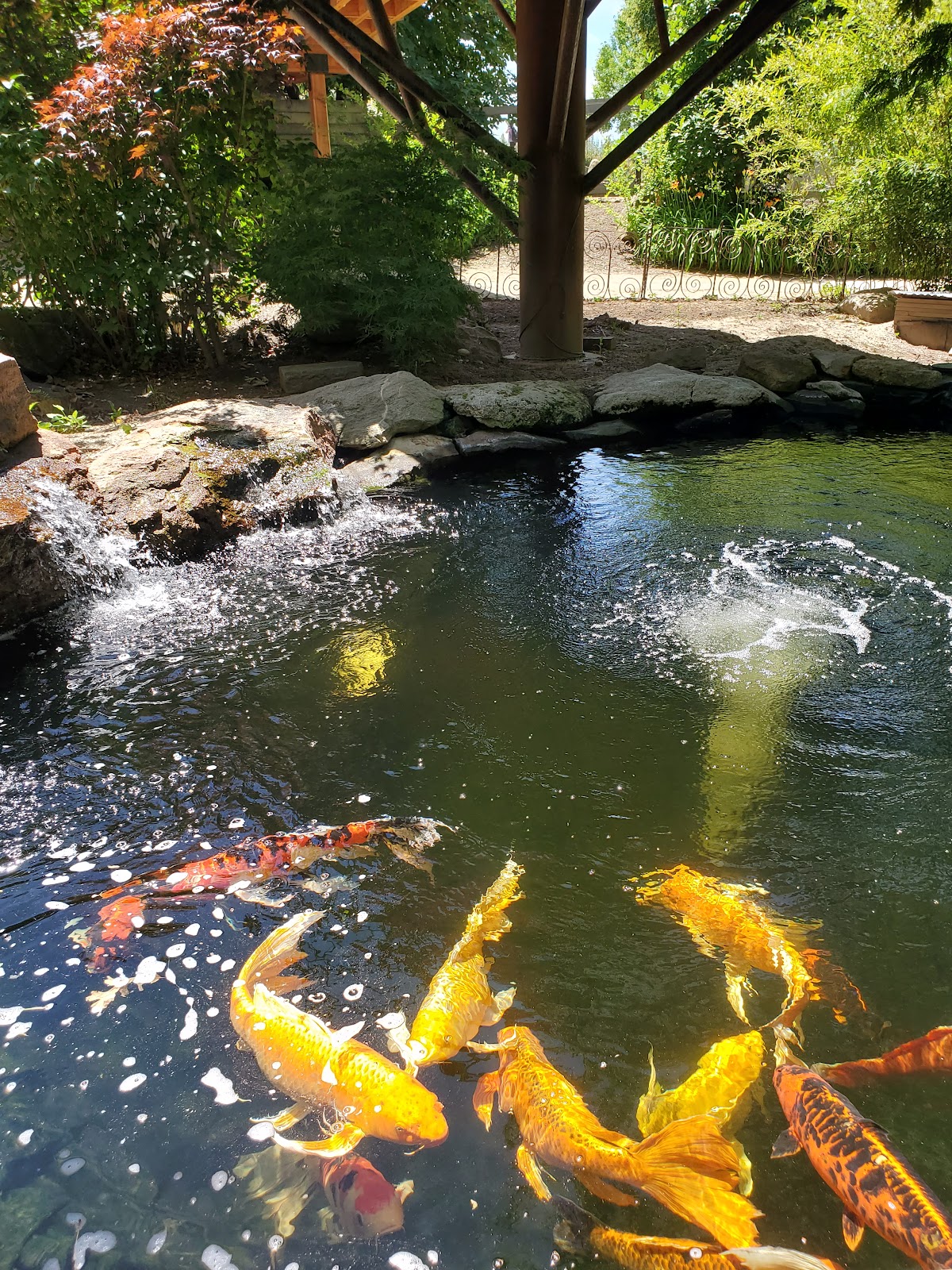
The Idaho Botanical Garden, Boise: A Walk Through the Site
A high desert Boise garden walked in the order a wedding day uses it — beds, shade, structures and foothills.
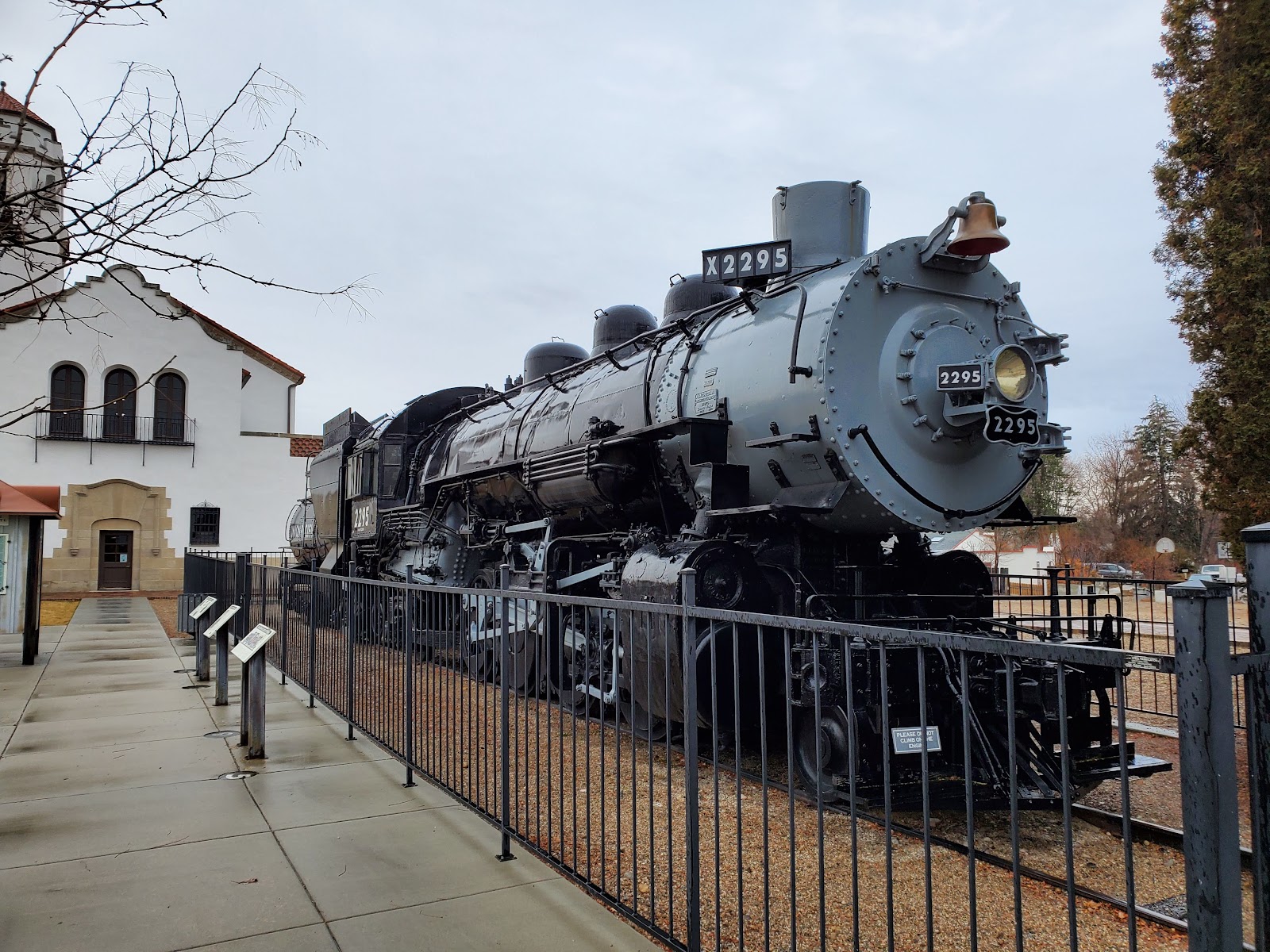
The Boise Depot, Idaho: The One Decision That Governs Everything
A hilltop Boise depot above the valley — where one decision about the subject governs everything.
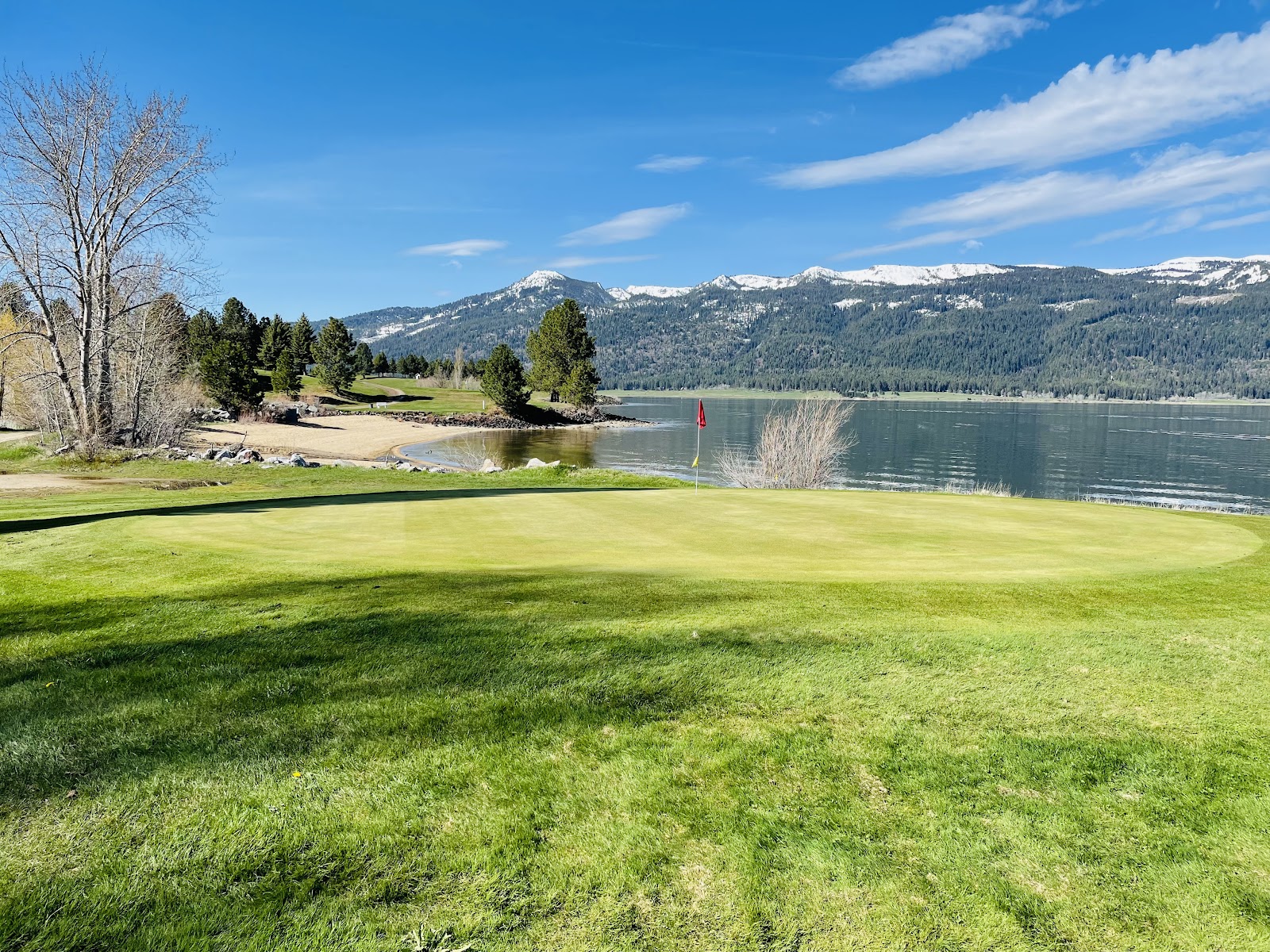
Cascade Golf Course, Cascade: What It Suits and What It Does Not
A golf course in a high Idaho valley beside a reservoir — open, level and clean, in a climate whose sun is harder than it feels.
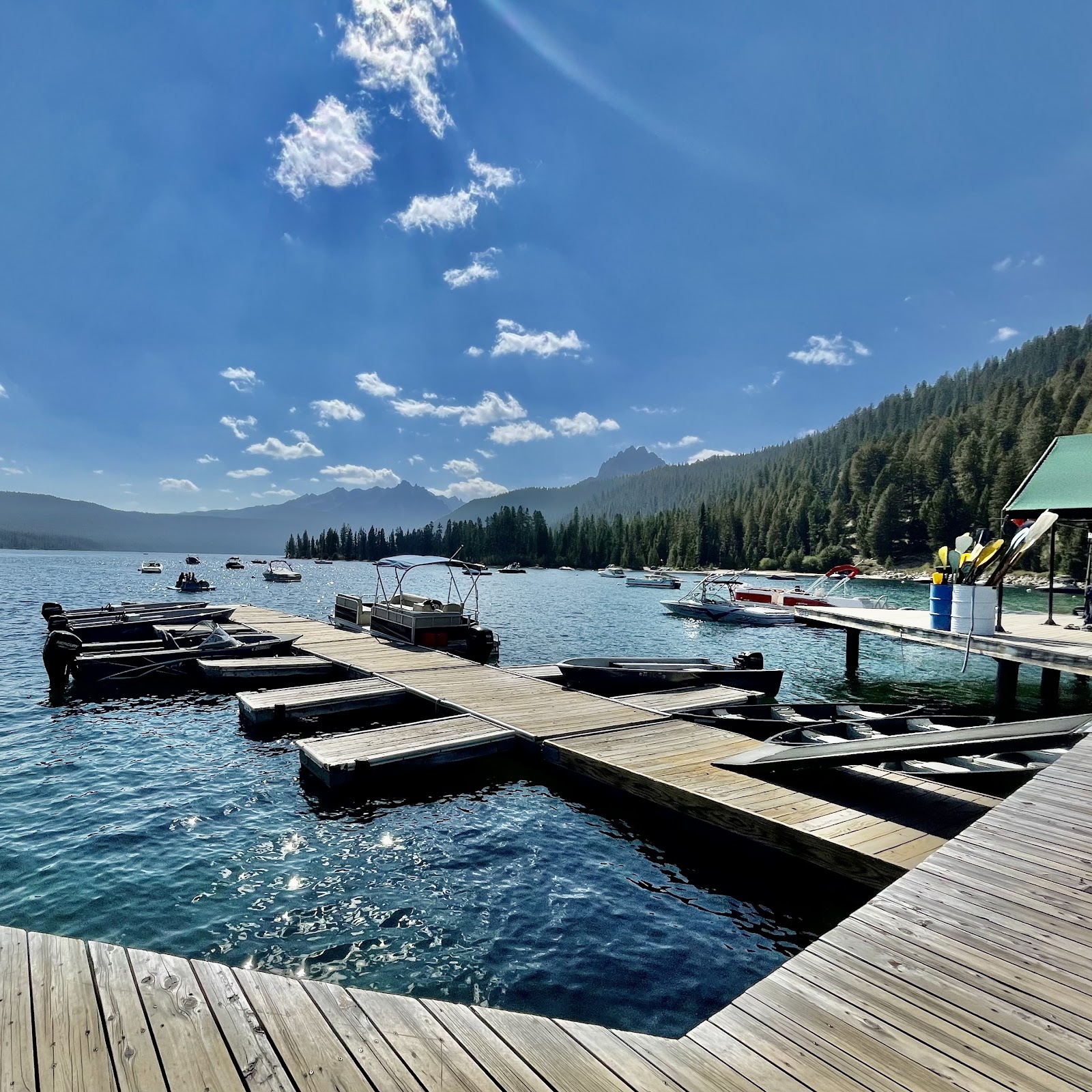
Redfish Lake Lodge, Stanley: A Walk Through the Site
A lodge on an alpine lake below the Sawtooth Mountains — high, clear, cold, and with a view most sites only claim.
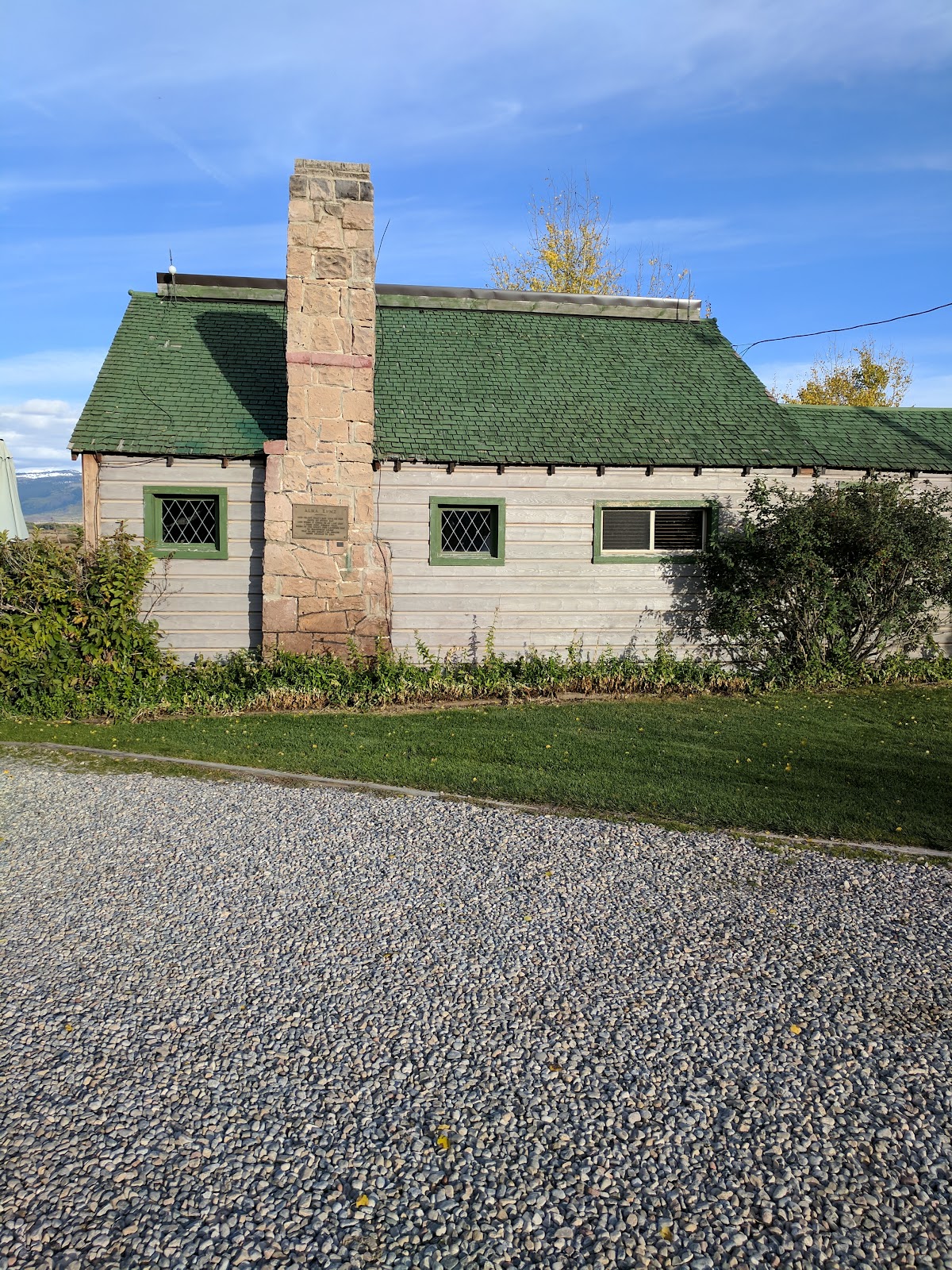
Teton Valley Lodge, Driggs: The Light Through the Day
A lodge on the Idaho side of the Tetons — which means the range is lit in the evening rather than at sunrise.
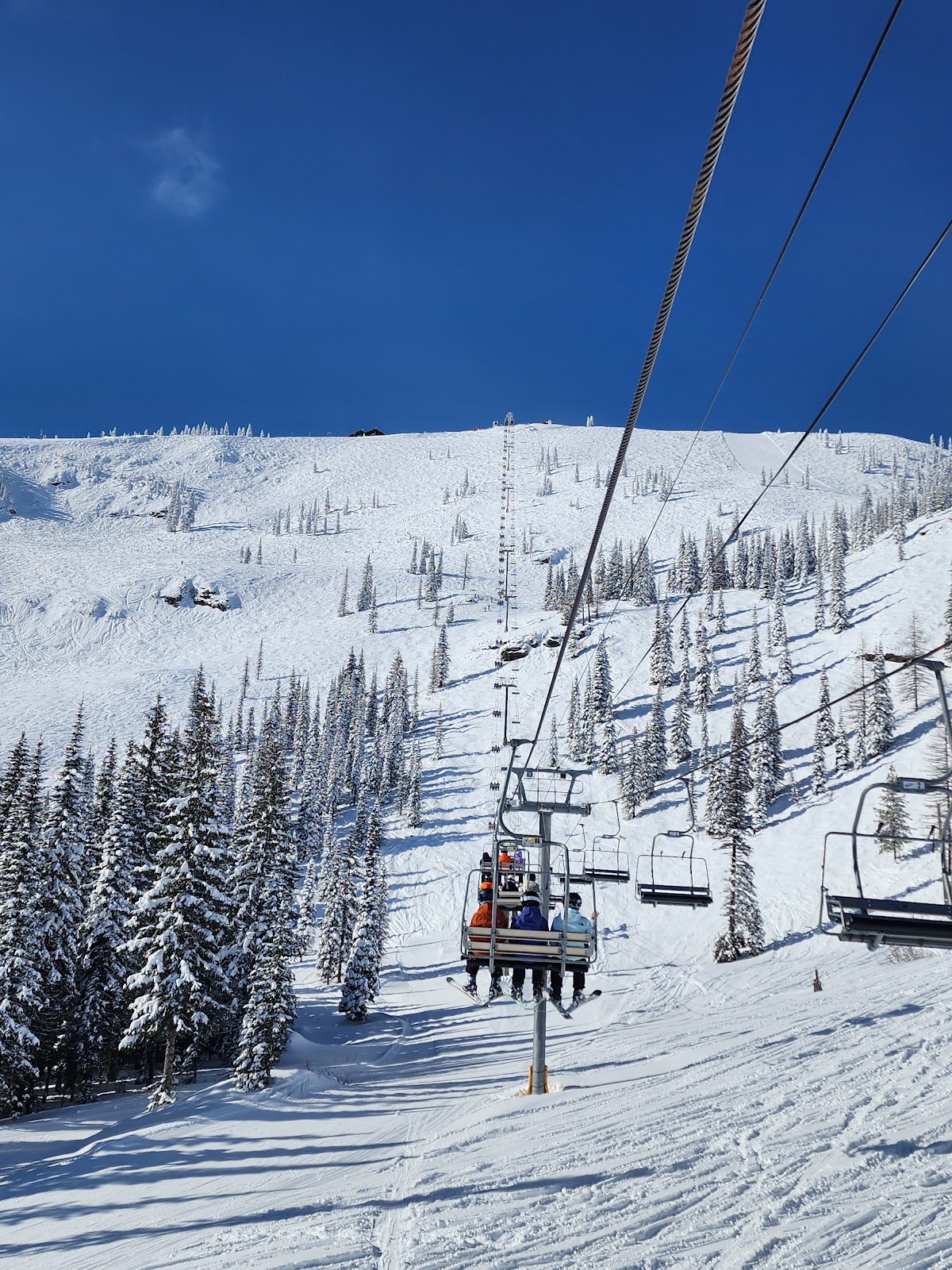
Schweitzer Mountain Resort, Sandpoint: The One Decision That Governs Everything
A ski mountain above Lake Pend Oreille in north Idaho — and one decision, about elevation, that settles everything else.
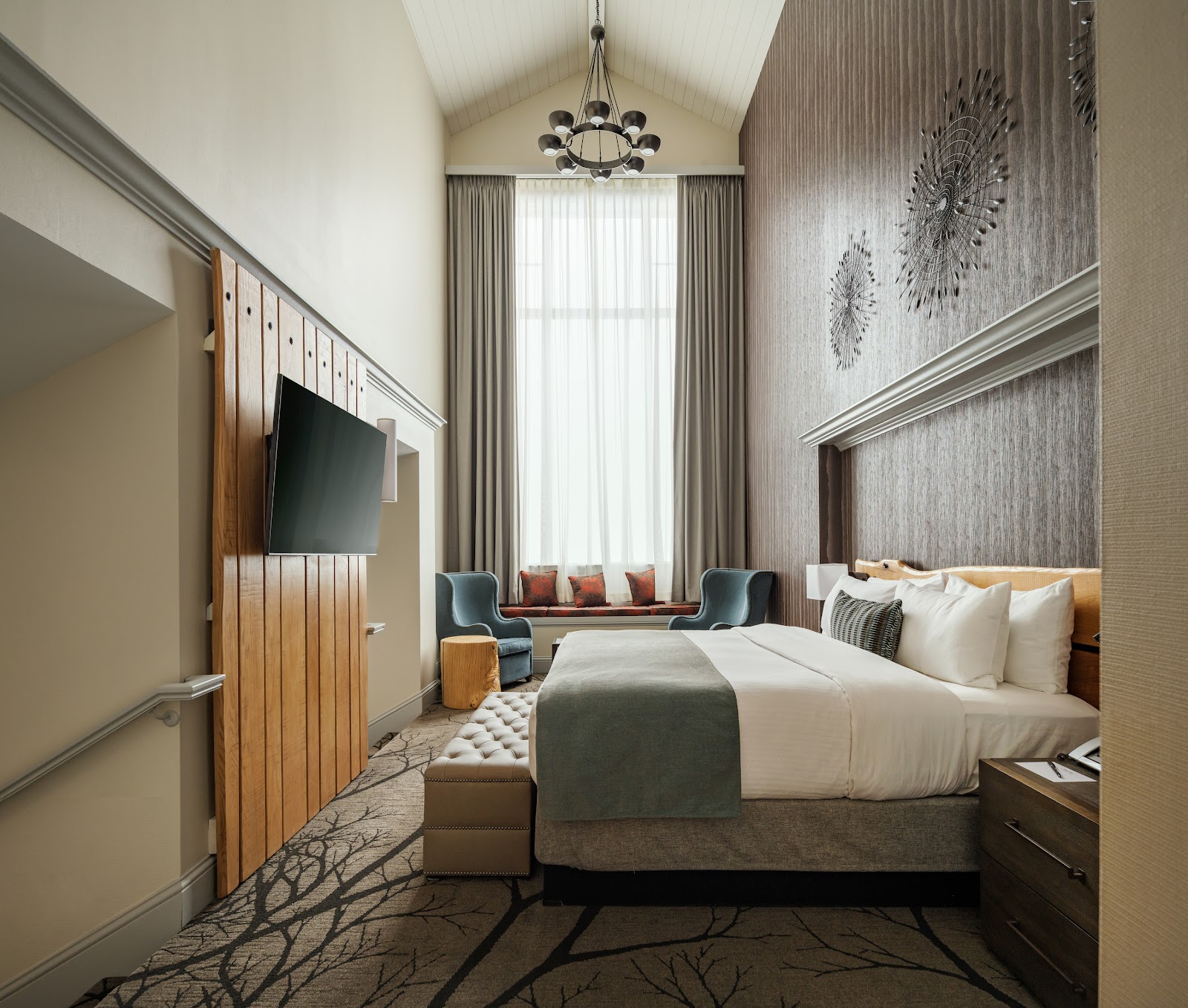
Shore Lodge, McCall: The Light Through the Day
A lodge on a clear mountain lake in central Idaho — read hour by hour, because a lake is a different surface in every one of them.
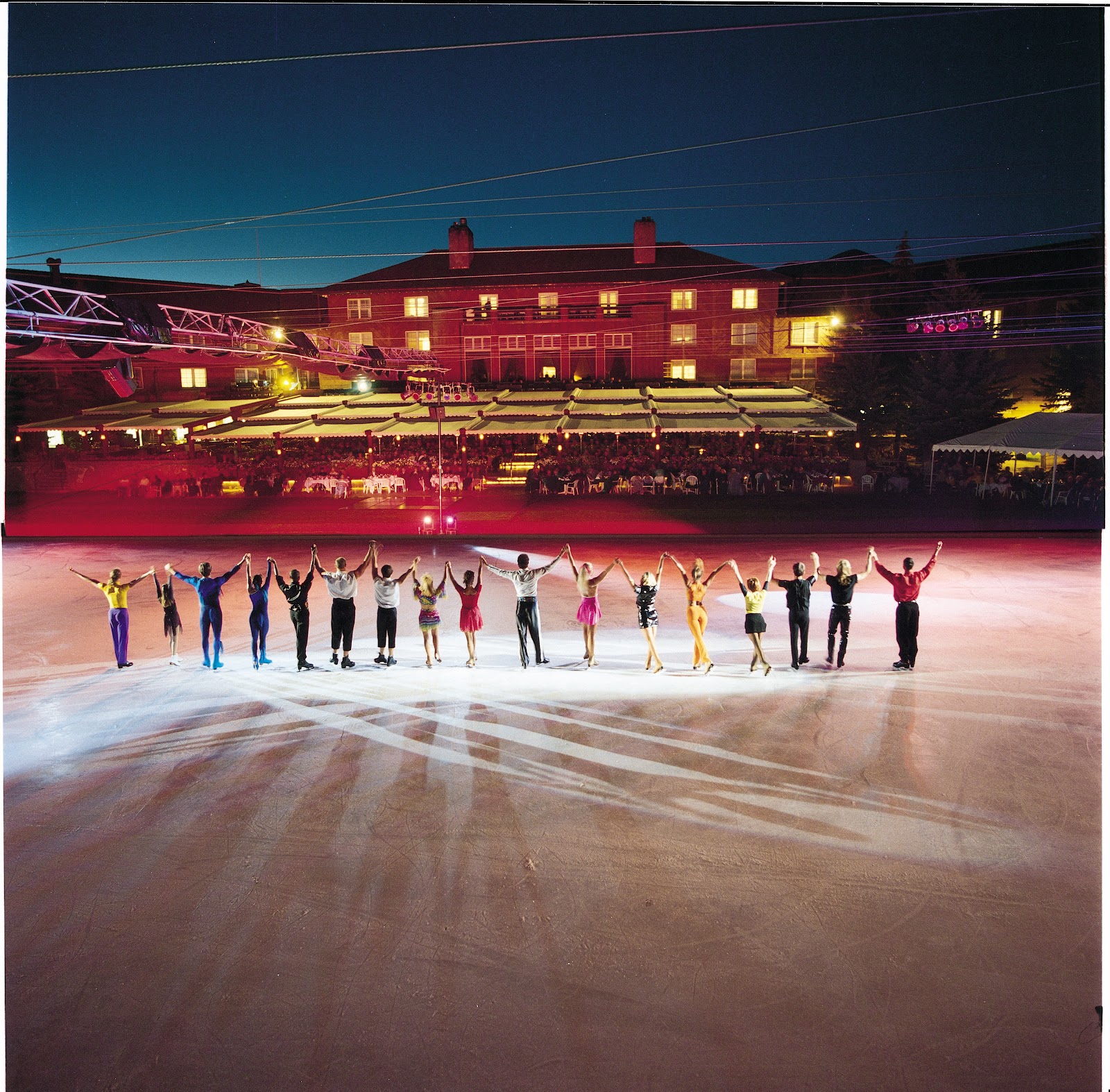
Sun Valley Resort: The Site’s Own Logic
A purpose-built mountain resort in a high Idaho valley — designed as one composition rather than accumulated, which shows.