Two materials govern photographs in Vermont and the first is paint. New England vernacular is timber frame with clapboard or board siding, painted — traditionally white for houses and red for barns — and white paint reflects around eighty percent of the light falling on it against skin's thirty-five. In direct sun that gap puts a wall two stops or more above a correctly exposed face, which means a frame containing both will either blow the clapboard to white, losing the thin linear trim that carries the architecture, or hold the wall and leave faces two stops under.
In open shade the ratio collapses, because both surfaces are then lit by the same soft skylight and a white Greek Revival facade holds every detail of its corner boards, window surrounds and cornice returns without any help. So the frames against white buildings are shade frames — and Vermont gives a great many overcast days, which for this building stock is a gift rather than a compromise. Photographers arriving from brighter regions treat flat grey as a problem; here it is the correct condition, producing perhaps a two-thirds-of-a-stop range across an entire facade.
A red barn is the opposite and easier: a mid-toned warm surface that takes low sun beautifully and bounces a warm cast onto anything near it. And snow, which covers the ground for months, solves the exposure problem by removing the contrast while bouncing light upward into faces — so a white facade under overcast with snow below it is a scene with about a stop of range in it and free fill. The second material is sugar maple, and it is the reason Vermont's autumn is famous rather than merely pleasant: it produces a scarlet and orange that no other North American maple matches.
Mixed with yellow birch, bronze beech and near-black spruce and fir, it gives the combination the state is known for.
The timing is predictable within a fortnight and it moves with elevation and latitude — northern Vermont and higher ground peak in late September, southern valleys in the first half of October. On any site with a mountain above it the colour descends the slope over about ten days, which means a single date can catch peak somewhere on the hillside even if it has passed above or not arrived below. That is a real advantage of relief.
Above a certain elevation the hardwoods give way to conifer, so a mountainside in autumn shows a colour band below a dark band with a visible transition — which reads at distance in a way individual trees do not, and is one of the most distinctive things about a northern New England mountain. European larch, where it was planted, extends the season: a deciduous conifer that turns clear gold in mid to late October, a fortnight after the maples, and then drops entirely. The honest cost of the peak fortnight is other people.
Vermont in foliage season is extremely busy — accommodation fills months ahead, roads are slow, and the most photographed villages are crowded. Booking far in advance and working early are the only answers, and that trade cannot be separated from the season. Two further seasons matter. Late winter brings sugaring, the most specifically Vermont thing available: sugar maple sap runs when nights freeze and days thaw, roughly late February into early April, and a sugarhouse boiling with steam pouring into cold air is a frame nothing else in this library offers. It is weather-dependent rather than calendrical and the run can be over in three weeks.
And mud season follows, which is notorious for good reason — from late March into April the ground thaws from the top while remaining frozen beneath, so meltwater cannot drain and unpaved surfaces become genuinely impassable rather than merely soft. Gravel roads, farm yards and carriage drives may be unusable, and some are closed. Late April and early May are the least photogenic weeks of the Vermont year: snow gone, grass not greened, trees not leafed. Three closing notes.
Vermont sits between about forty-three and forty-five degrees north, the furthest north in this library's continental venues, and the numbers show it: a midsummer day of fifteen and a half hours, a midwinter one under nine, and civil twilight running thirty-four to thirty-six minutes — the longest figures here, which turns the blue hour into a genuine working session where three or four setups fit comfortably rather than one being rushed. In June it lands near half past nine, after dinner; in December around half past four, comfortably before a reception.
Vermont hardwoods cast solid shade with no dapple, dense rounded crowns of broad leaves, so a midday portrait under one is straightforward — the opposite of the filigree canopies in this library's arid regions. And paper birch is the close-range background worth hunting: white bark peeling in papery layers, which against dark conifer or deep water is one of the best natural portrait backdrops in the northeast.
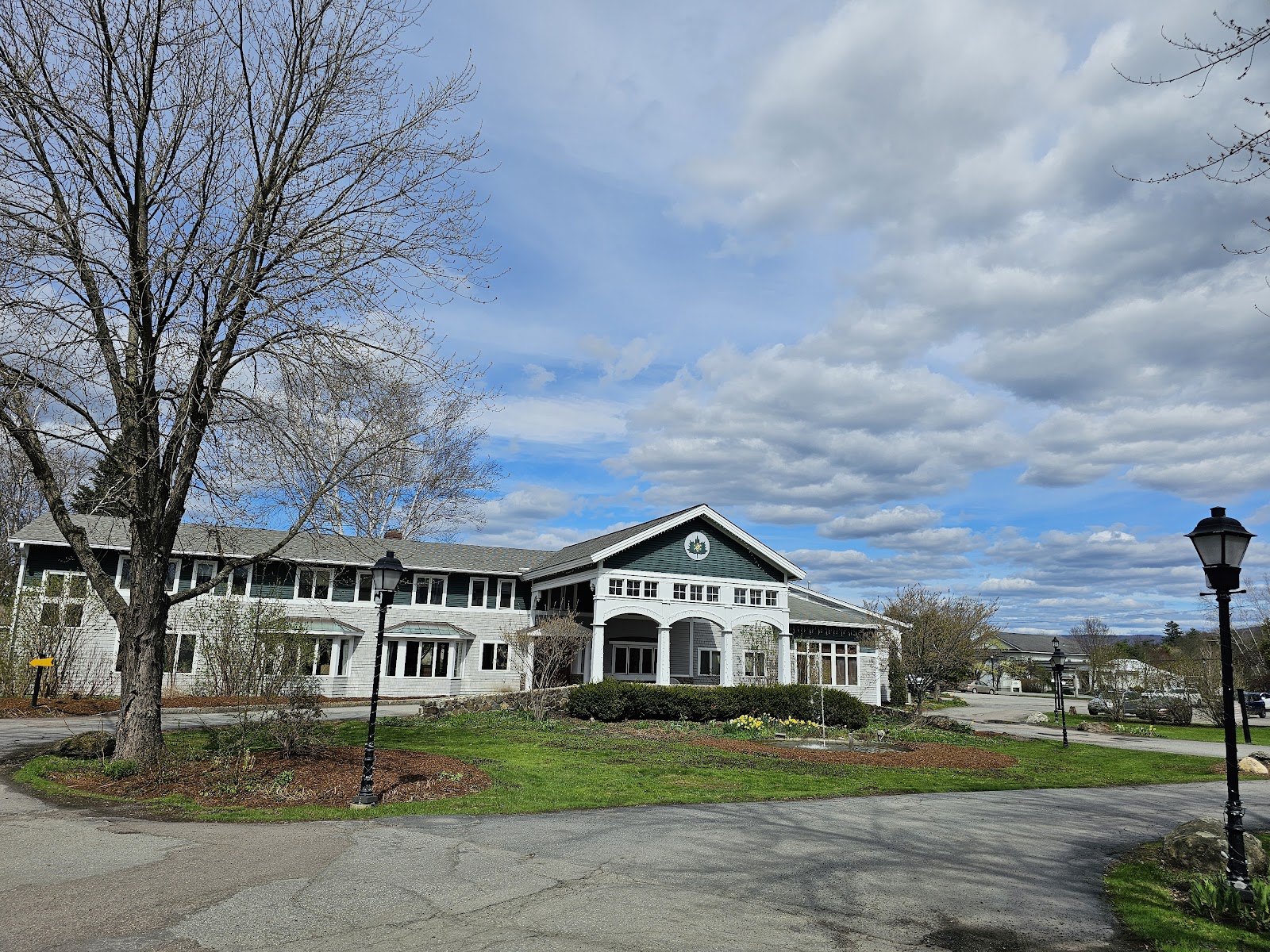
The Stoweflake Mountain Resort, Stowe: One Frame, and How It Is Made
A resort in the Stowe valley below Mount Mansfield — the highest ground in Vermont, and the one frame it gives.
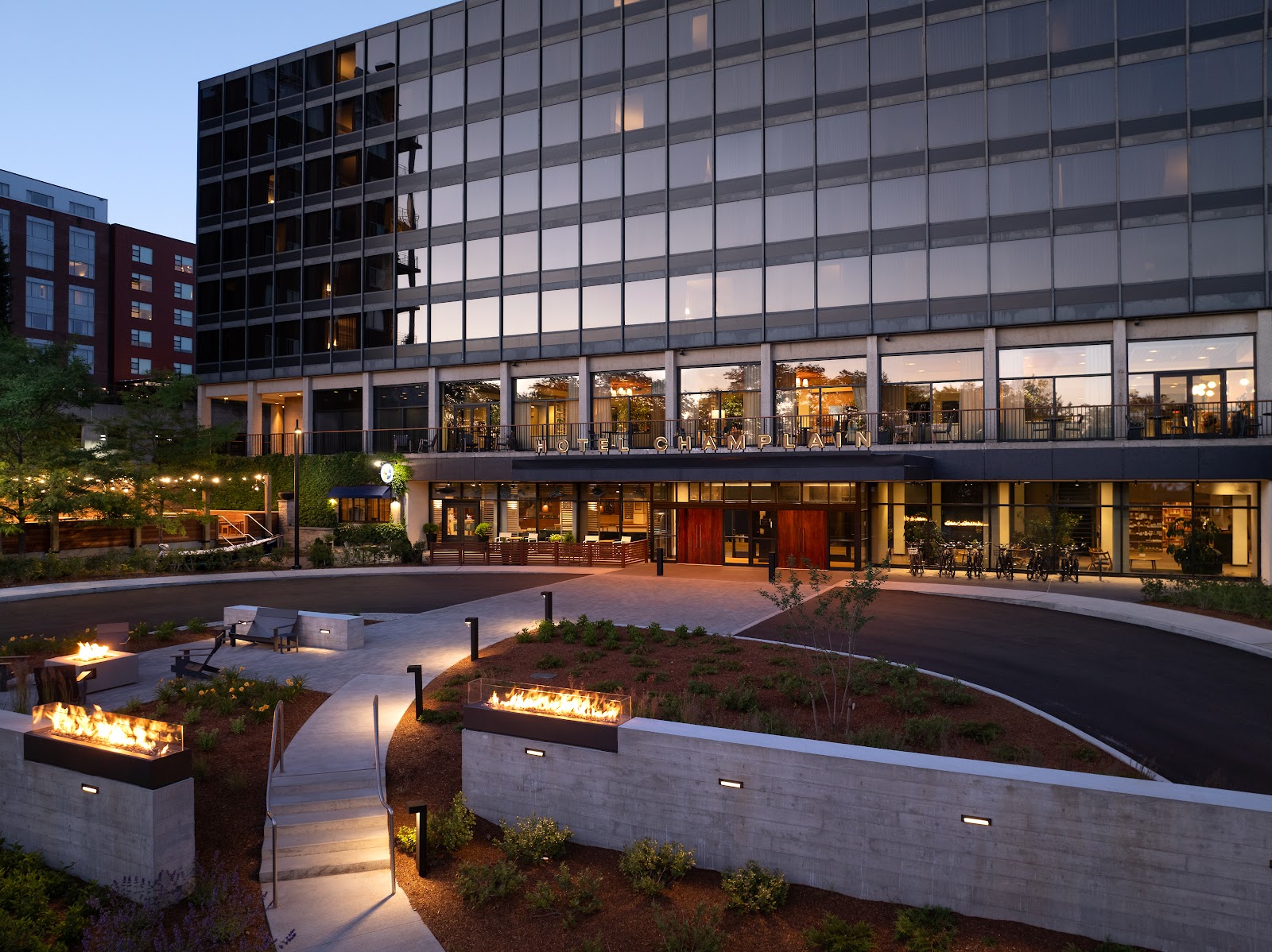
The Hilton Burlington: The One Decision That Governs Everything
A lakefront hotel on Lake Champlain — with the lake and the Adirondacks on one side and the city on the other.
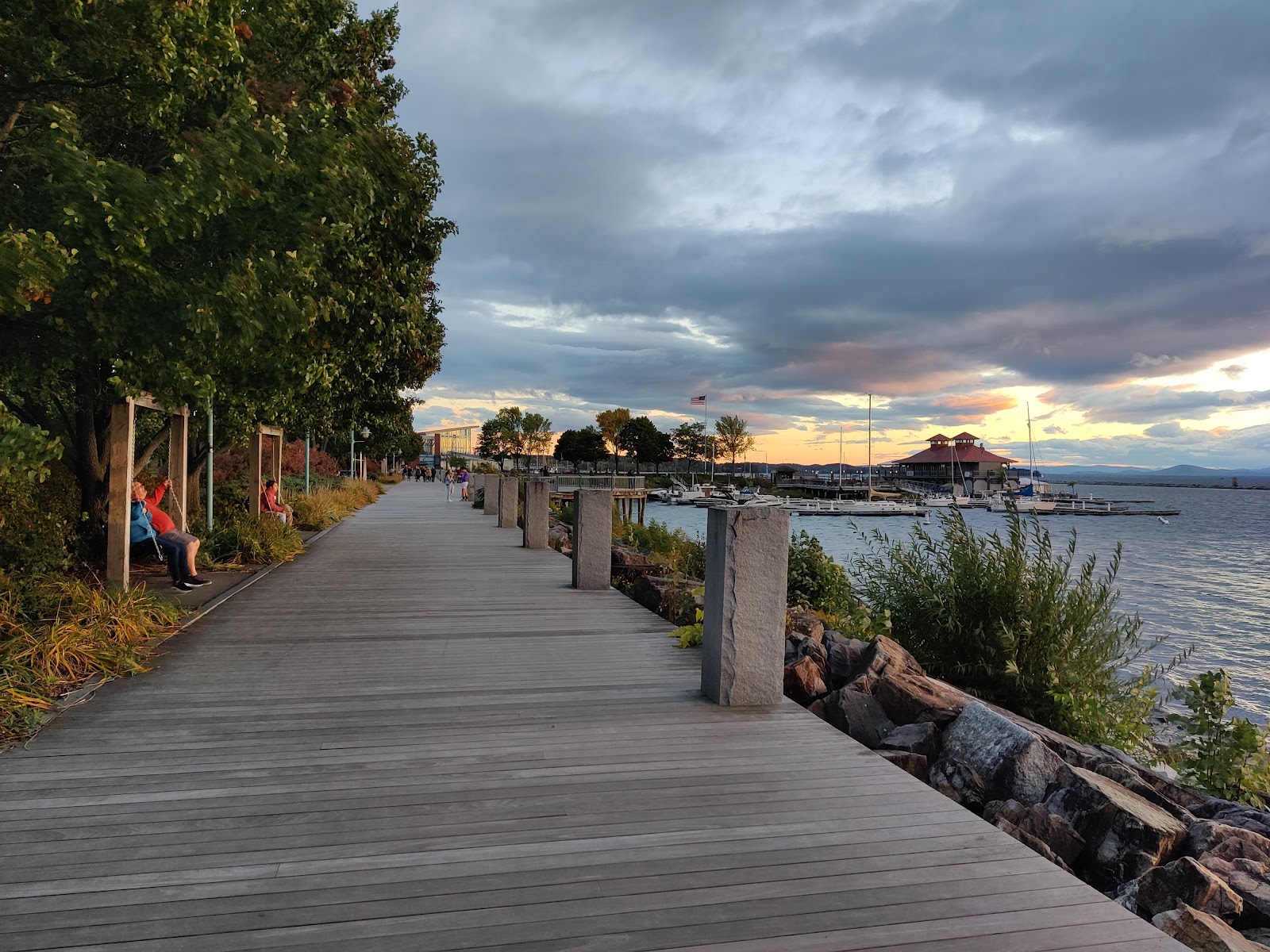
The Burlington Waterfront: The Light Through the Day
A lakefront on Lake Champlain facing west — water in front, and the Adirondacks rising behind it.
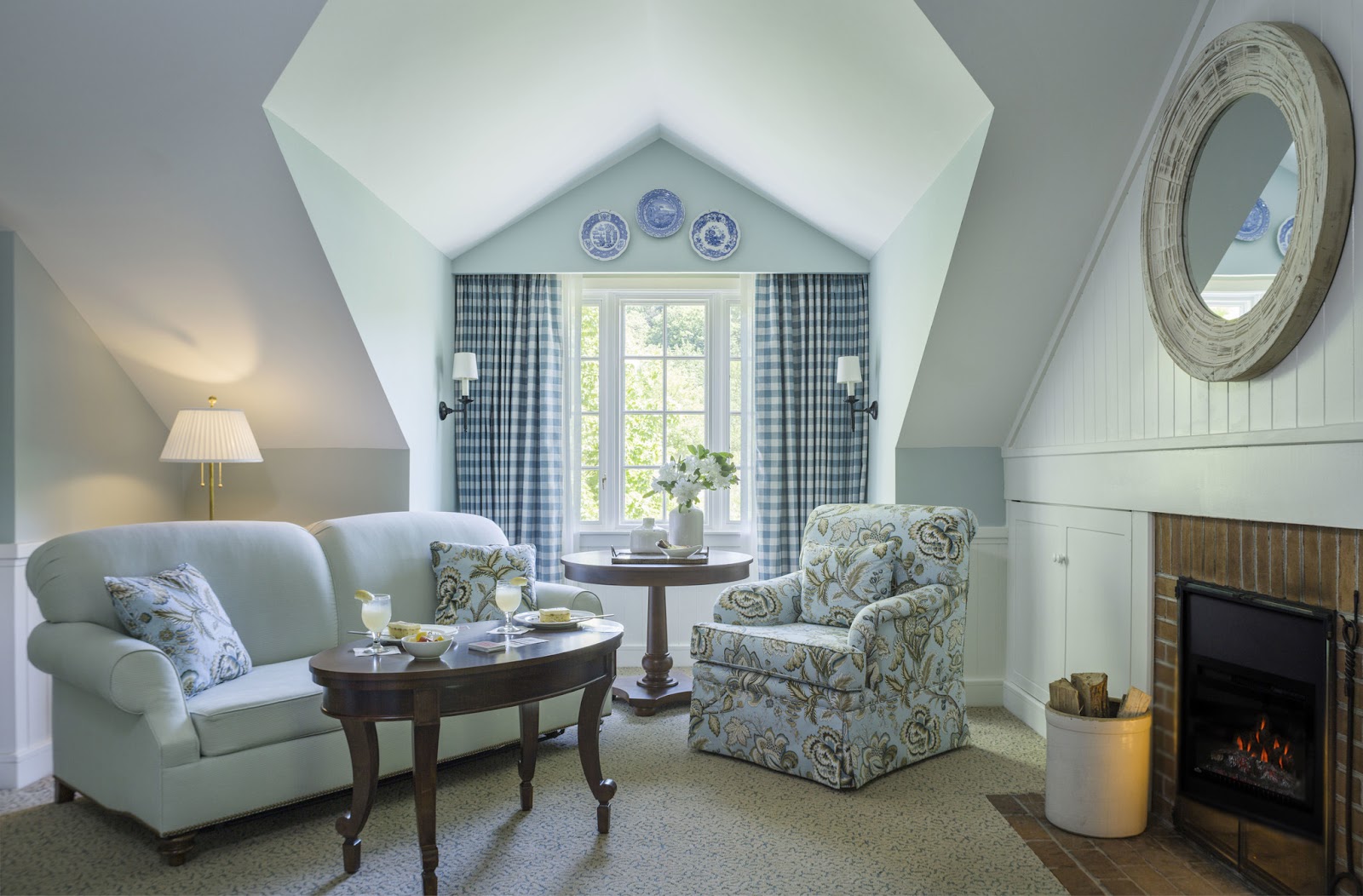
The Woodstock Inn, Woodstock: The Venue’s Own Logic
A large New England inn facing the village green at Woodstock — a building whose logic is the green in front of it.
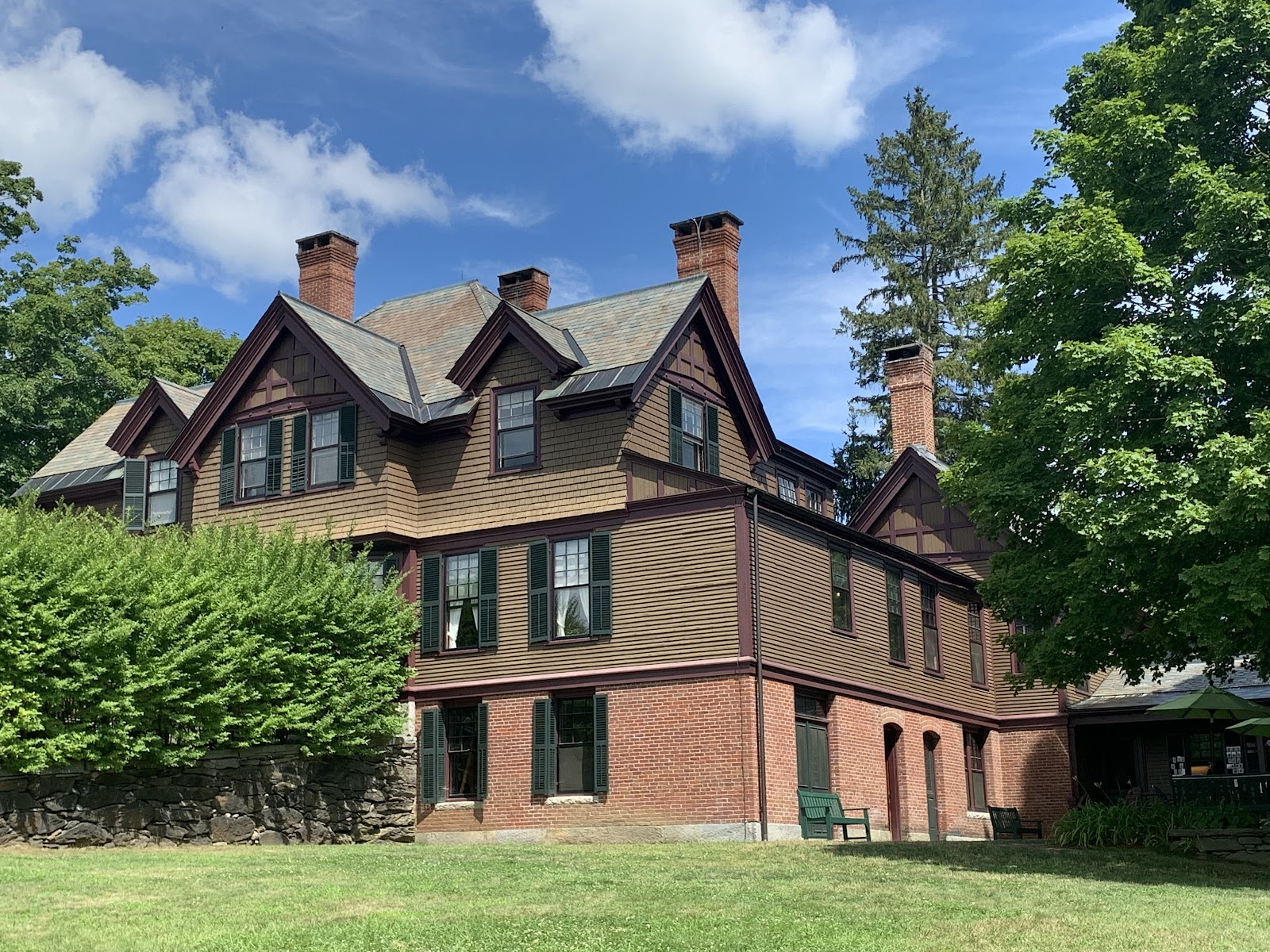
The Billings Farm, Woodstock: A Walk Through the Site
An 1871 dairy farm in Woodstock — still working, with Jersey cattle and a restored farmhouse.
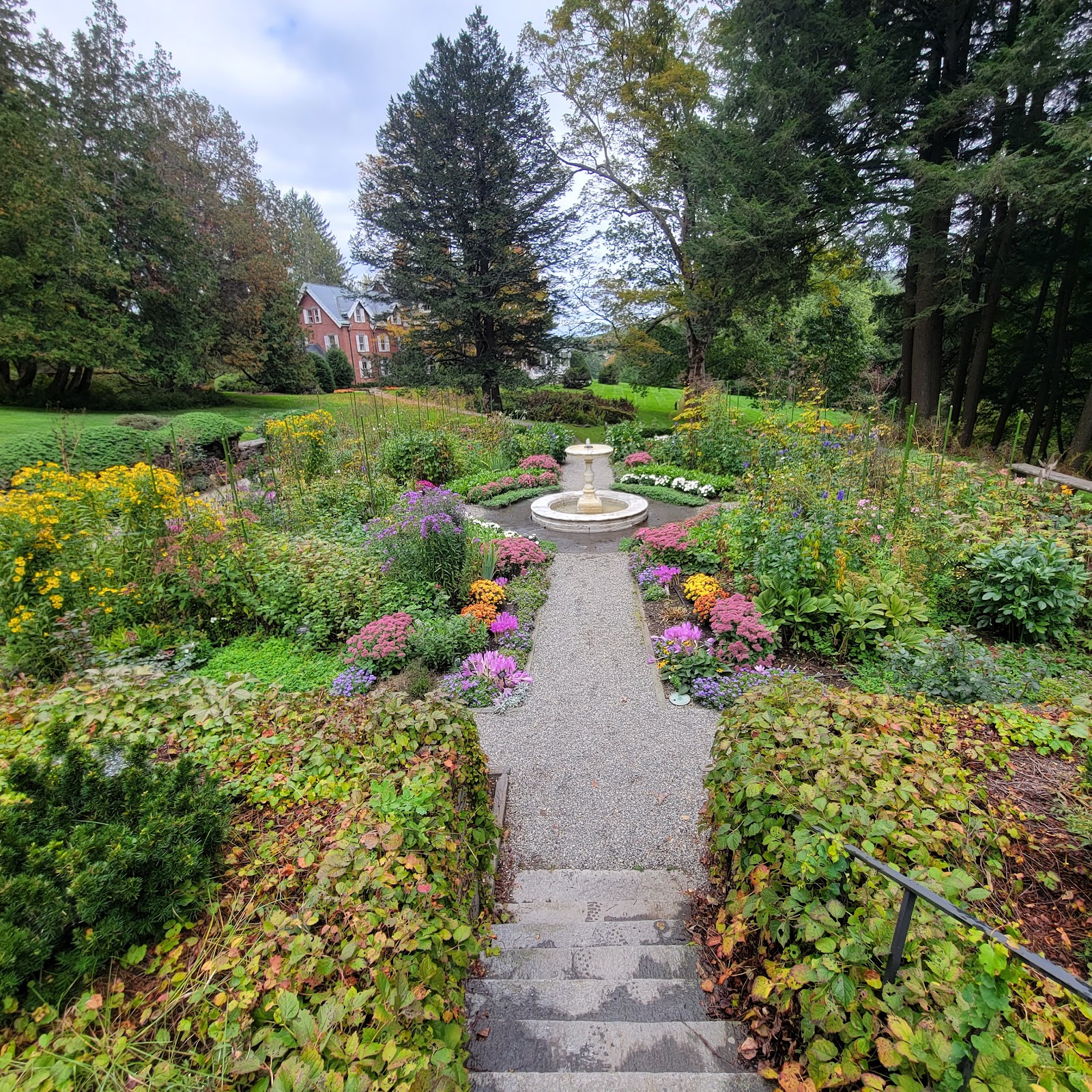
The Marsh-Billings-Rockefeller Park, Woodstock: The Problem, and Four Ways Out of It
A national historical park on what is claimed as America's first planned managed forest — a wood that was designed.