Two things shape photographs in Cedar Rapids and the first is the river. In June 2008 the Cedar River crested at about thirty-one feet — some nineteen feet above flood stage — and inundated a large part of the city including the Czech Village neighbourhood. What followed is visible in the built fabric: buildings raised on new foundations, one museum physically lifted and moved to higher ground, and substantial flood protection along the banks. For a photographer that means two practical things.
Riverside frames need scouting, because a city that flooded catastrophically has since built levees, floodwalls and revetment, and the difference between a planted embankment and a concrete floodwall is considerable — both may exist within a few hundred metres and only a site visit distinguishes them. And spring carries real risk: snowmelt plus spring rain raises the Cedar from March into June most years, which can close a riverside path or put a low bank underwater. Worth asking about rather than discovering. The second is the shade, and it is good news.
Iowa hardwoods — sugar maple, bur oak, hackberry, basswood — carry dense rounded crowns of broad leaves and cast genuine solid shade with no dapple to manage. That is worth stating plainly because it is the opposite of the arid regions elsewhere in this library, where canopies are filigree and midday shade barely exists. Under an Iowa hardwood at noon a face is evenly lit and a portrait is straightforward.
Bur oak is the signature of the uplands here — the original vegetation was oak savanna, scattered large-crowned oaks over prairie grass maintained by fire — and a surviving specimen is enormous, broad and gnarled, with thick corky bark that photographs as strong texture at close range. The exception to the rule is black walnut, whose compound leaves and sparse crown dapple rather than shade; do not stand anyone under one at midday.
The seasons here are emphatic and the best fortnight is clear. Mid to late October is the year's peak: eastern Iowa is dissected till plain with real relief along its rivers, and the hardwoods in those valleys turn properly — sugar maple to scarlet and orange, hickory and oak to bronze and russet, cottonwood along the banks to clear yellow. Because the terrain has slope, the colour reads in mass across a valley side rather than tree by tree; and on an estate with century-old specimens it appears as individual events, which means a single maple can fill a background.
A warm dry autumn delays and dulls it while a cool wet one brings it forward and intensifies it, so plan a fortnight either side of the third week rather than a specific weekend. Spring's two-week window is the other one worth knowing: before the canopy closes in early May, light reaches the woodland floor and the spring ephemerals appear — Virginia bluebells, trillium, spring beauty, Dutchman's breeches — in real quantity, which is genuinely spectacular and gone in a fortnight.
Summer is humid, green and long-lit, with fifteen hours twenty of daylight at the solstice, and water vapour scatters light enough to fill shadows — a sunlit lawn in July carries perhaps a stop and a half less contrast than the same sun angle in a dry climate, which makes midday workable and the sky paler. Winter is cold, snowy and short: about nine hours in December, with long stretches of flat grey overcast that is soft and kind to faces and gives masonry nothing, because brick without shadow loses its texture entirely. Two compensations.
Bare hardwoods against a grey sky read as fine black branch structure, a graphic frame no leafed tree can make and one available for four months. And snow suits irregular architecture unusually well — white ground reduces a frame to tone and line, so gabled, turreted, asymmetrical massing reads more clearly than it does against summer green. Civil twilight here runs about thirty-two minutes, which is generous — half again what the Texas venues in this library get — turning the blue hour into a working session rather than a scramble.
In December it arrives around five in the afternoon, putting a lit exterior frame comfortably before the reception; in June near nine-thirty, which puts it after dinner. Brick is the city's material and it needs raking light: a brick elevation under a frontal midday sun is an even field with no modelling, and at a low angle every joint and reveal appears. It also goes genuinely warm in low evening light, which pairs well with a warm-gelled key and badly with an ungelled one.
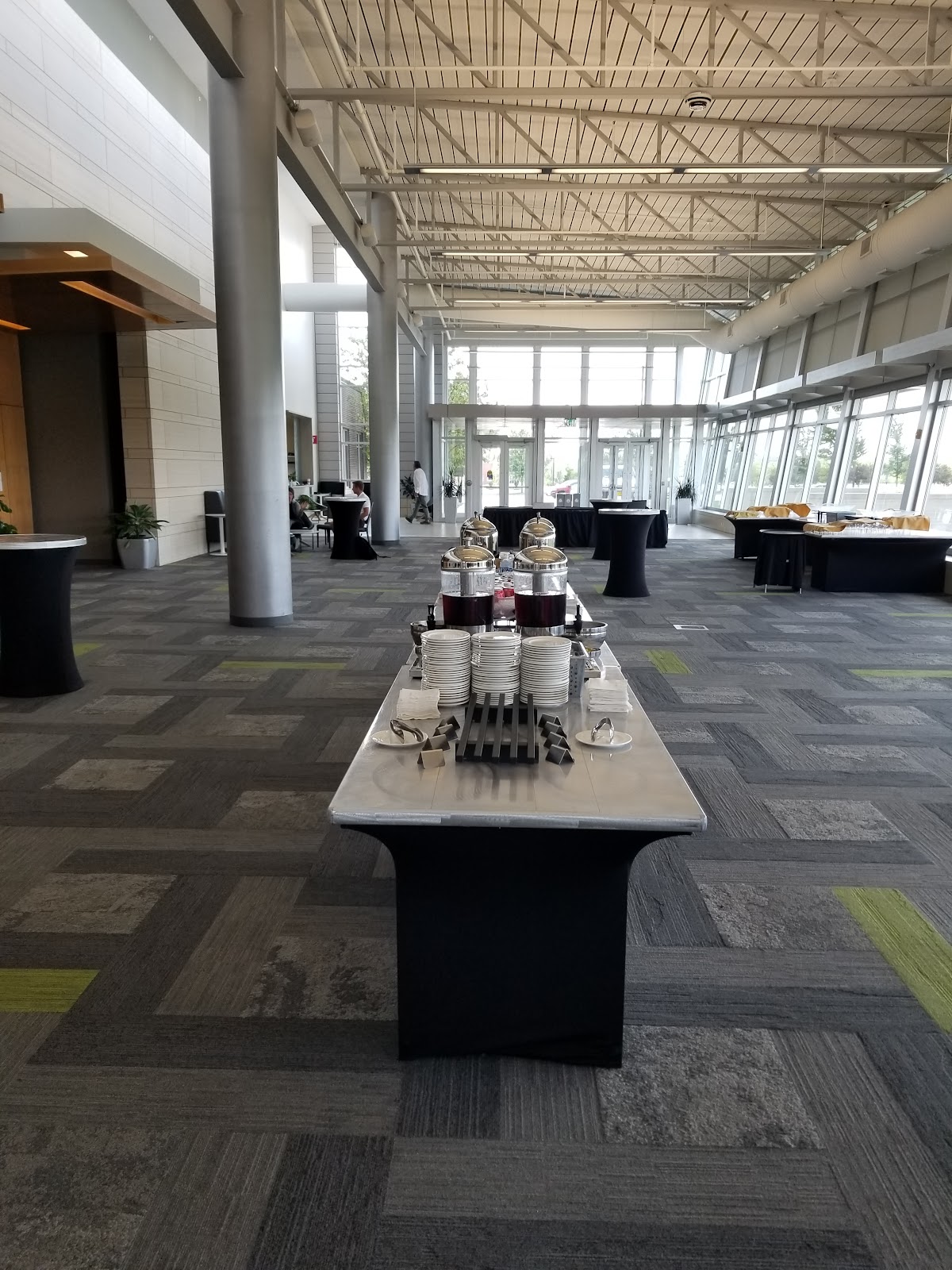
The Kirkwood Civic Center, Cedar Rapids: Field Notes
A purpose-built conference and event centre in Cedar Rapids — competent, capable, and photographically neutral.
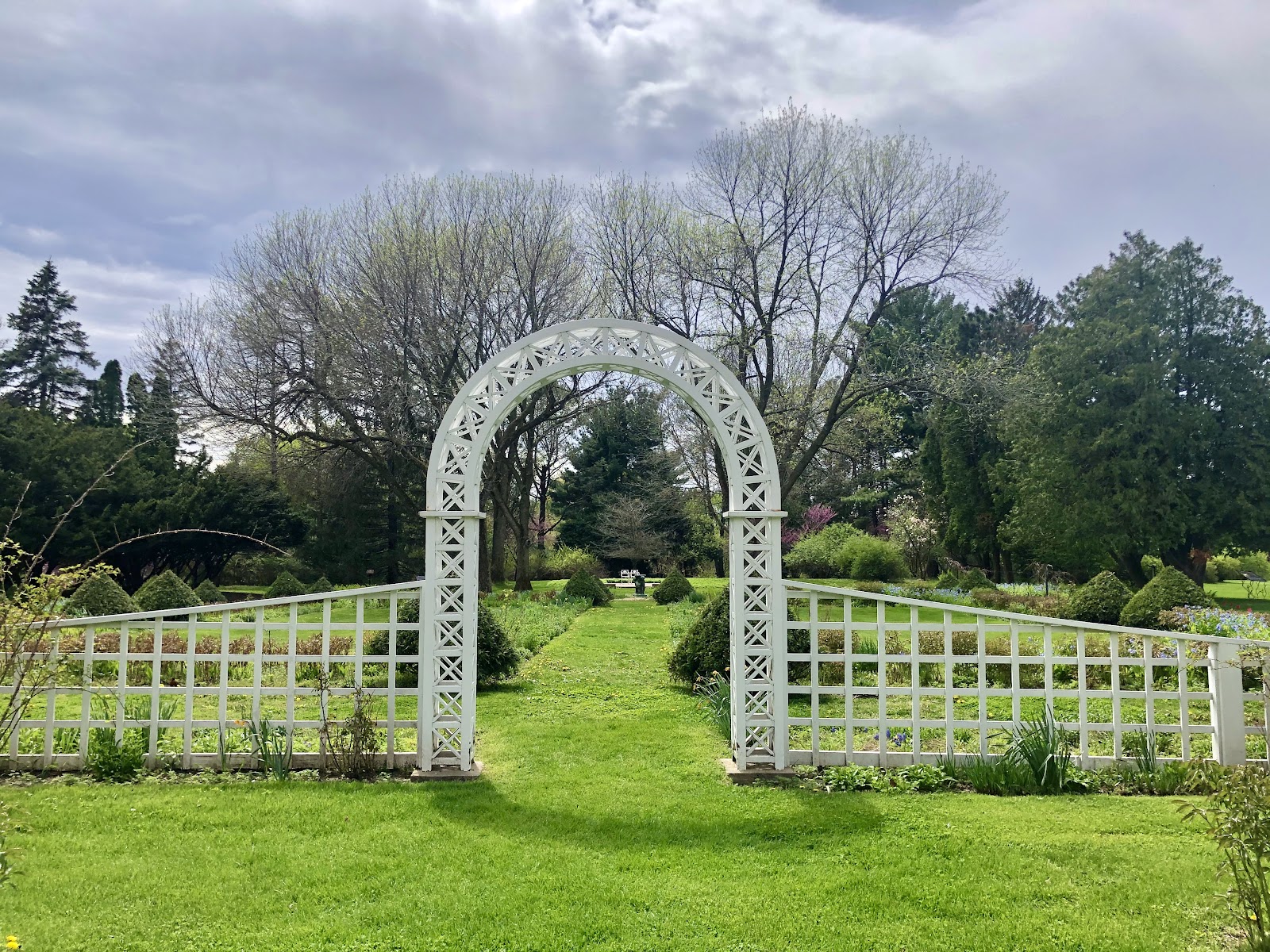
The Brucemore Mansion, Cedar Rapids: A Walk Through the Building
An 1880s Queen Anne mansion on a wooded estate inside Cedar Rapids — irregular, gabled and deliberately picturesque.
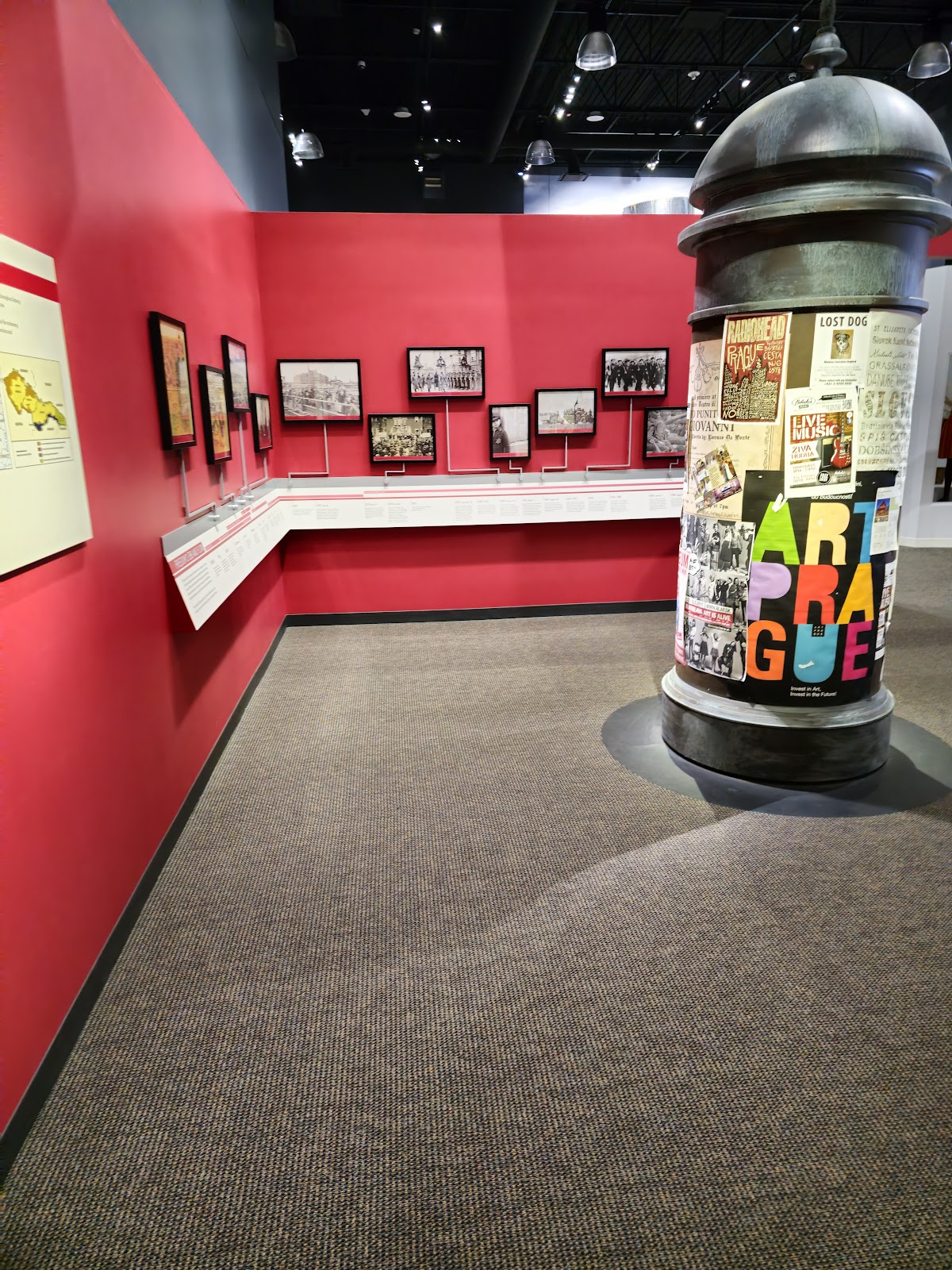
The National Czech & Slovak Museum: The Venue’s Own Logic
A museum of Czech and Slovak immigration in Cedar Rapids — a building that was physically lifted and moved after a flood.