Cincinnati sits at about thirty-nine degrees north in a basin on the Ohio River, with hills rising three hundred feet or more on both sides — and that topography is the first thing that distinguishes it from the rest of Ohio. Most of the state is flat glaciated till plain; Cincinnati sits near the southern limit of the ice, where the glaciers stopped and left the older, dissected landscape intact. So this is a city of hills, river bluffs and steep streets, and it has the two photographic consequences that relief always brings: elevated vantage points with genuine views, and valley fog. The fog is worth planning an alarm around.
On clear calm mornings, particularly in September and October after a cool night following a warm damp day, cold air pools in the river basin and fills it with fog while the hilltops stay clear — which means a venue on high ground can look down on a city submerged in cloud. It is unpredictable and it is spectacular, and it is available to the hilltop venues in a way it is not anywhere in Columbus. The second distinguishing fact is the building stock.
Cincinnati grew rich and fast in the nineteenth century on river trade and a very large German immigrant population, and Over-the-Rhine holds the largest surviving collection of Italianate architecture in the United States — block after block of brick tenements and commercial buildings with bracketed cornices, tall narrow windows and ornamental hoods. Photographically that gives an unusually consistent streetscape: facades repeating at a regular rhythm, so a long lens down a street stacks near-identical cornices into a pattern frame that few American cities can offer at this density.
The brick is a deep red-brown that goes genuinely warm in low evening light, which pairs well with a warm-gelled key and badly with an ungelled one.
Three practical matters govern the work here. The light is humid continental, and Ohio summers are humid enough to change the numbers: water vapour scatters light and fills shadows, so a sunlit street in July carries around two stops less contrast than the same sun angle in a dry climate. Midday portraits are genuinely workable as a result, and the trade is a paler sky and hazier long lenses across the valley in August.
Ohio hardwoods cast solid shade rather than dapple — sugar maple and oak give clean even cover at any hour, and American beech, with its smooth unmarked pale grey bark, is the best natural portrait background in the region. Sycamore along the river is the other one to look for, its bark mottled white, grey and tan and peeling in plates.
The season is mid to late October, and the valley's relief means the colour reads in mass across whole hillsides rather than tree by tree — plan a fortnight either side of the third week, since a warm dry autumn delays and dulls it and a cool wet one intensifies it. And winter is the honest constraint: the Ohio basin traps cold air under temperature inversions for weeks at a time, producing long stretches of flat grey overcast. That is soft even light, kind to faces and ruinous for architecture, because brick and carved stone without shadow have no modelling whatsoever.
It is the weather for working indoors, and Cincinnati's venues are unusually well equipped for it — a Gothic concert hall, a hilltop museum, a Federal house, a windowless casino. Two closing notes. Civil twilight runs about thirty minutes, which is a workable blue hour rather than a scramble, and a lit facade against a deep blue post-sunset sky is frequently a better exterior frame than anything daylight offers. And the Roebling Suspension Bridge is the city's landmark: completed in 1866, briefly the longest suspension bridge in the world, and built by the engineer who went on to design the Brooklyn Bridge on the same principles.
It wants a long lens and a low camera — compression stacks the cables and gives the structure mass, where a wide lens from street level renders it as a thin line and wastes it.
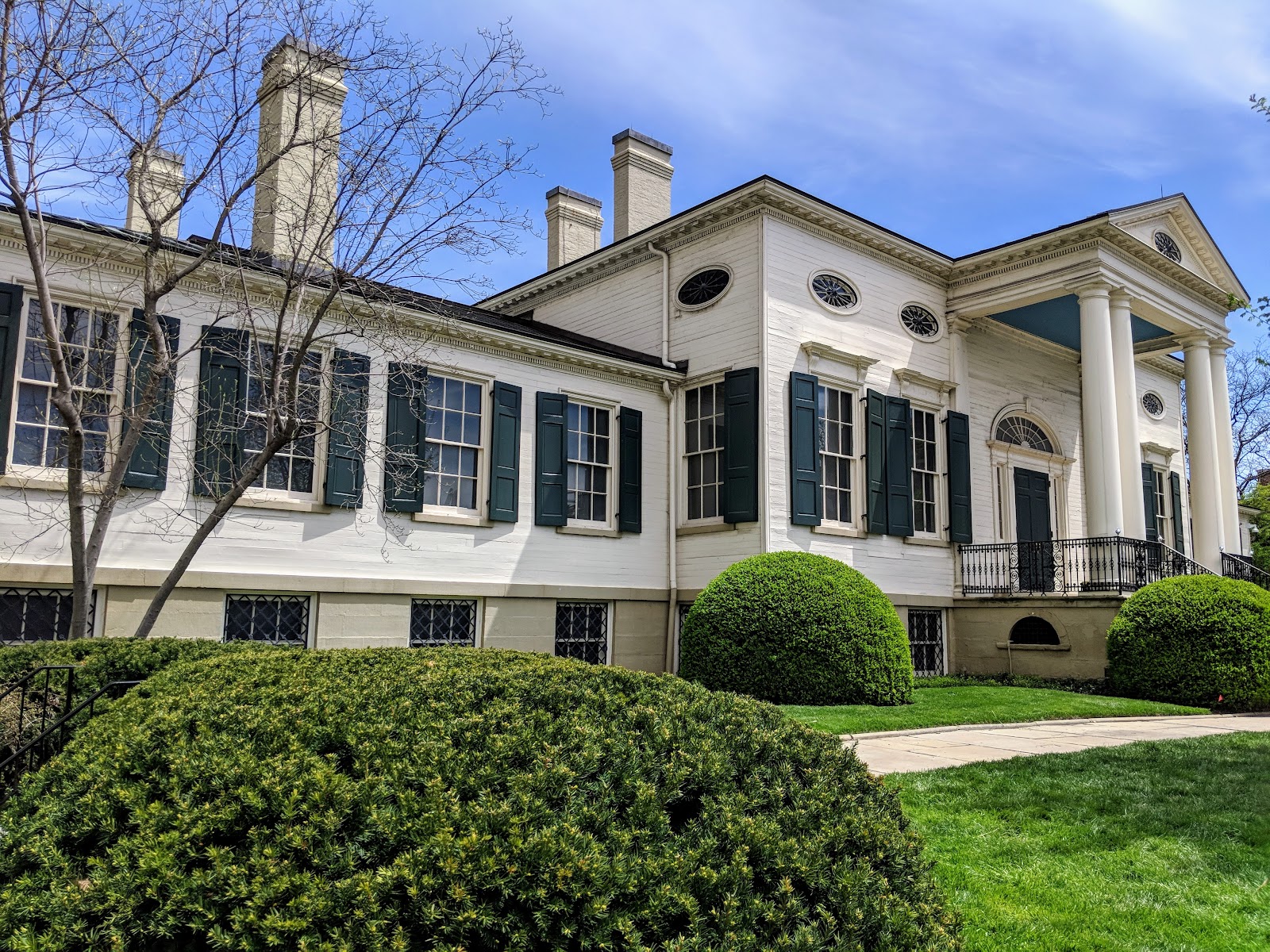
The Taft Museum of Art, Cincinnati: One Frame, and How It Is Made
An 1820 Federal house — one of the finest of its date in America — with a portico that makes a single very good frame.
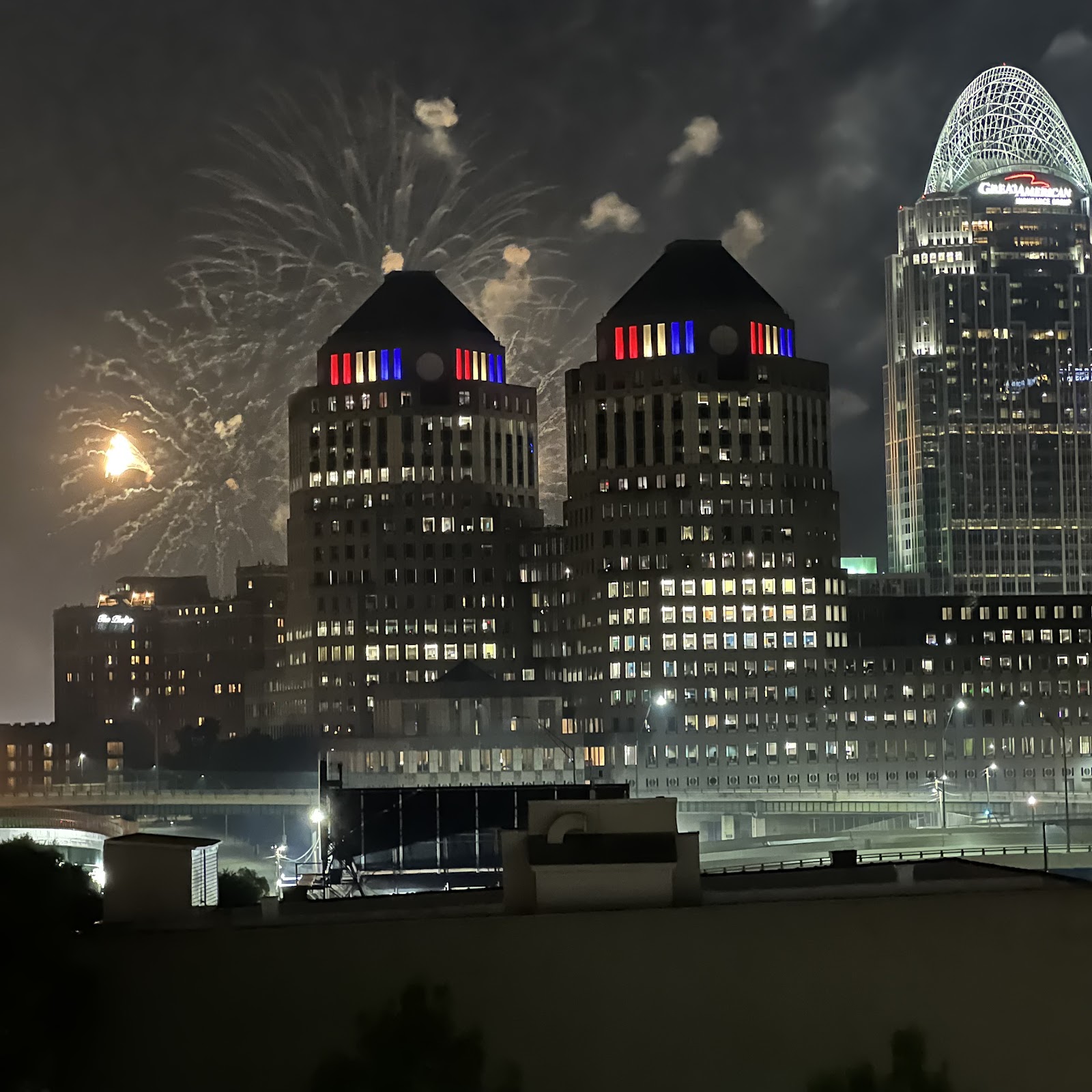
The Hard Rock Casino, Cincinnati: The One Decision That Governs Everything
A casino venue in downtown Cincinnati — a building deliberately built without a single usable window.
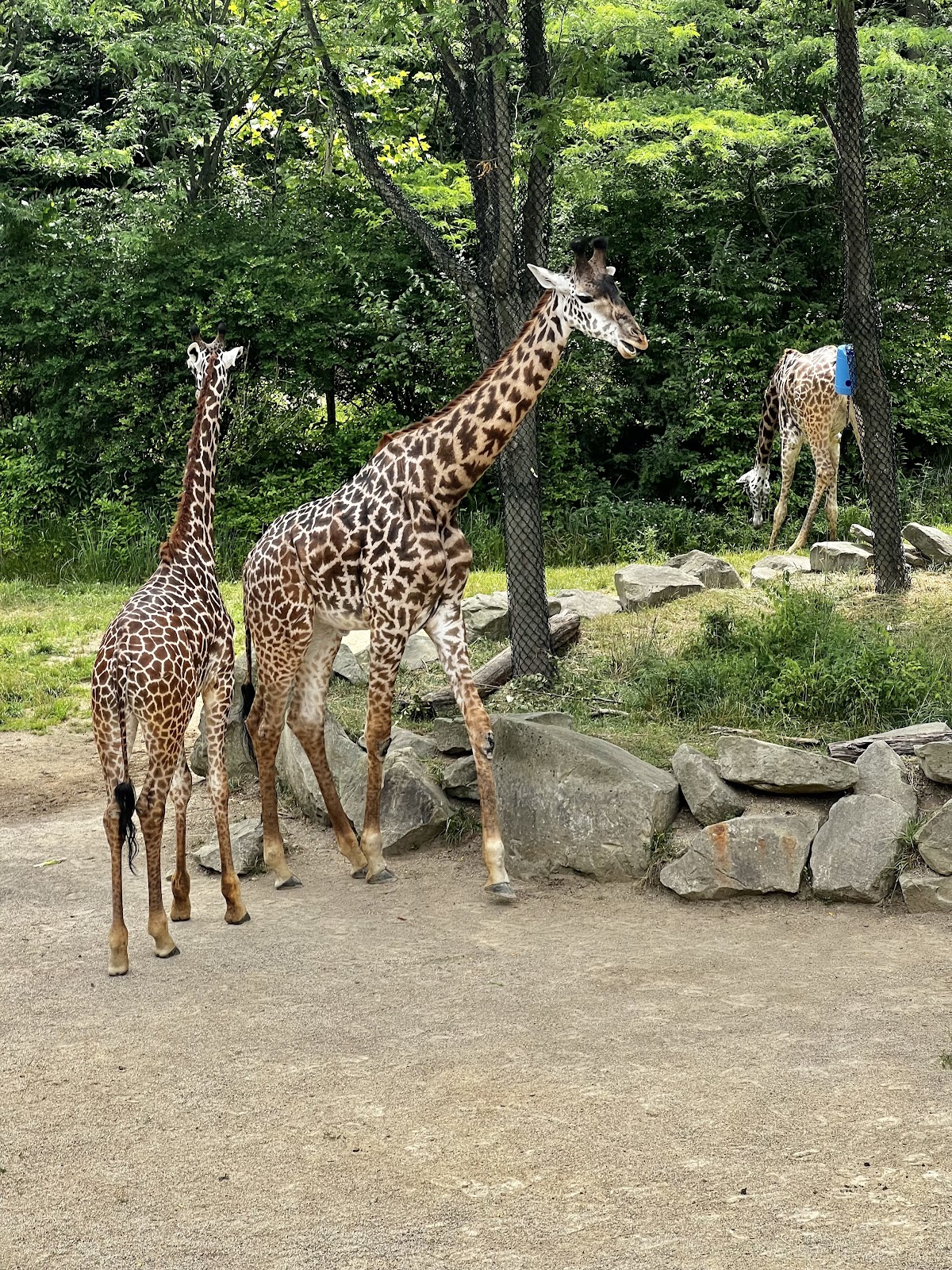
The Cincinnati Zoo: The Problem, and Four Ways Out of It
America's second-oldest zoo and a serious botanical garden — where the barriers are the photographic problem.
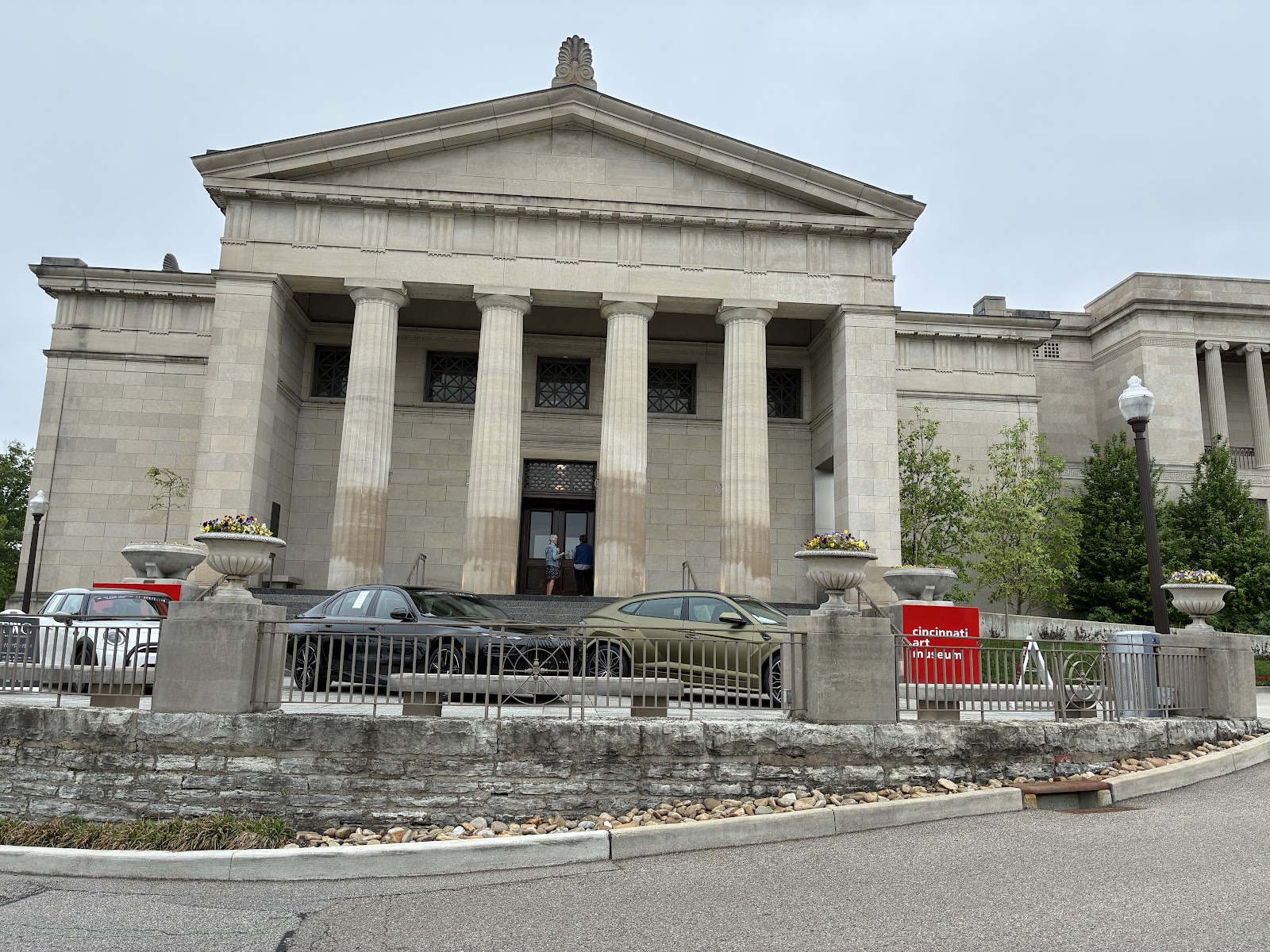
The Cincinnati Art Museum: The Venue’s Own Logic
An 1886 museum on the Eden Park hilltop, designed around a single problem: how to light a painting.
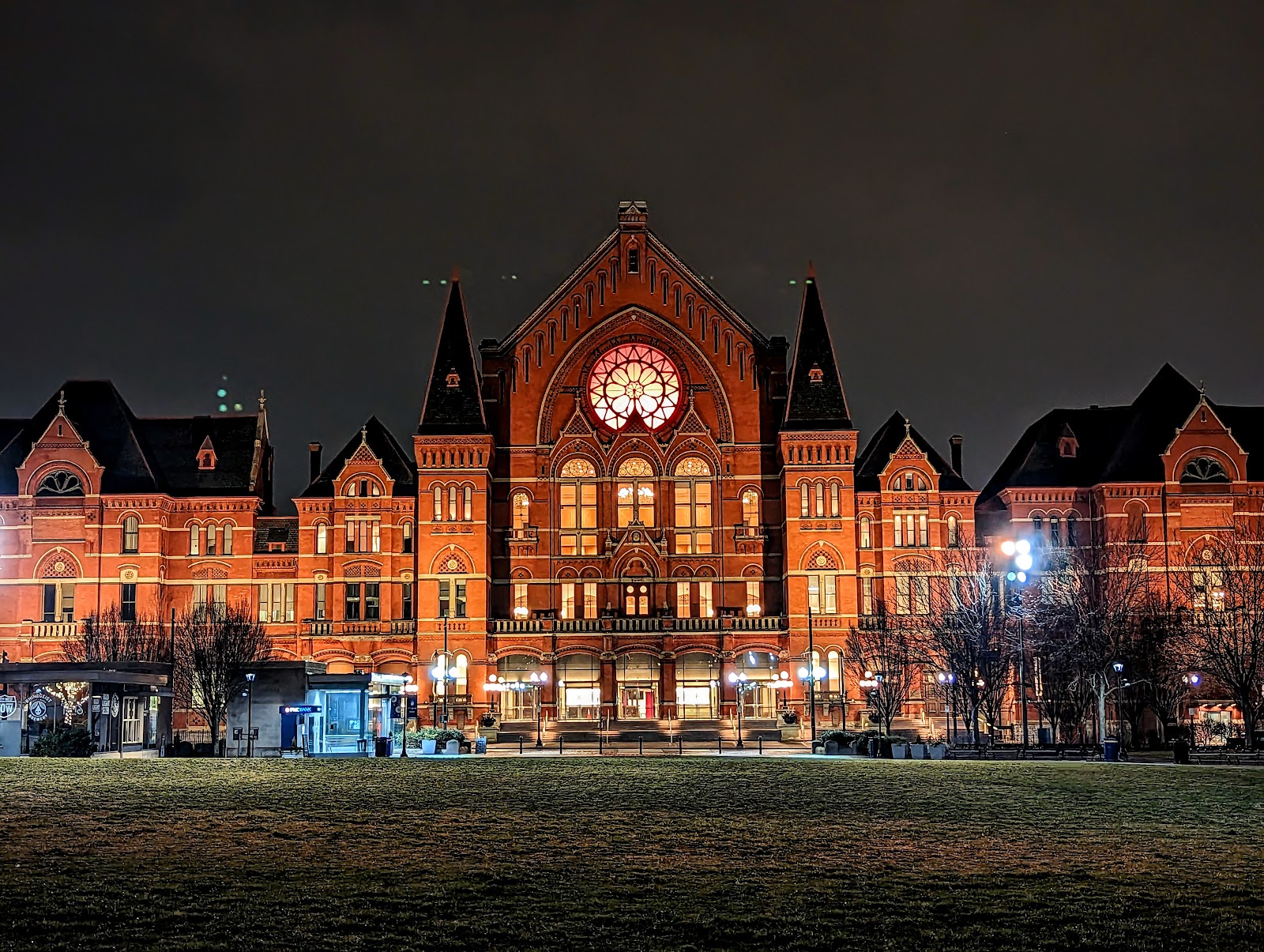
The Cincinnati Music Hall: A Walk Through the Building
An 1878 Venetian Gothic concert hall in Over-the-Rhine, built when Cincinnati was the sixth-largest city in America.