Grand Rapids was a furniture city, and the building stock it left behind is the reason most of its wedding venues look the way they do. From the 1870s into the 1930s this was one of the great American centres of furniture manufacturing, which produced substantial brick and heavy-timber industrial construction — multi-storey factories and warehouses built to carry machinery and stacked lumber. A venue in one of those buildings inherits a specific and demanding set of conditions, and the first is that almost nothing in it reflects light.
Exposed brick returns perhaps ten to twenty percent of what falls on it and aged structural timber often less, which makes a room finished in both an optical light trap. Bouncing a flash off a wall or ceiling returns almost nothing, so every frame works direct through a modifier, and a rim light from behind matters more here than almost anywhere — a subject lit only frontally against a near-black background loses their edges entirely. The compensation is the windows.
A factory needed daylight before electric lighting was dependable, so the glazing was made as large as the structure allowed, and a subject standing two metres in from one of those windows is lit as if by a softbox the size of a door. The falloff into the dark interior behind them is the gift of a light-absorbing room: in a pale-walled space the light bounces and the background stays bright, but here it dies immediately, so the subject separates from near-black with no effort at all. That is the best portrait condition in the building type and it costs nothing.
The other inheritance is the post grid — columns every three to five metres in both directions, which means there is a post behind almost any head, and which used deliberately is a perspective engine: a low camera along a line of posts with a moderate telephoto compresses them into a receding rhythm that gives real depth.
The climate is what most distinguishes this city from the rest of the Midwest, and it comes from Lake Michigan thirty miles west. Cold air crossing relatively warm open water picks up moisture and drops it on the downwind shore, which is why Grand Rapids receives far more snow than its latitude alone would suggest — something in the region of six or seven feet in a season, concentrated in bands that can dump heavily while it stays clear a few miles inland.
For a winter wedding that is a material planning fact rather than a background detail: not a general likelihood of snow but a genuine chance of a great deal of it in a short window, which makes a venue where everything happens under one roof the correct answer. Lake-effect snow largely stops once the lake ices over in late winter, so February is often drier than December — counterintuitive and occasionally useful when choosing a date. The same mechanism produces cloud, and west Michigan is among the cloudier parts of the country through the winter, with long stretches of flat grey.
That light is soft and even and kind to faces, and it gives brick architecture nothing at all, because masonry without shadow loses its texture entirely. The useful rule that follows is that overcast is good news indoors and bad news outdoors here: on a grey day, work the windows and the interiors, and take the exterior frames at blue hour when the building's own lights do the work instead of the sun.
Civil twilight runs about thirty-two minutes at this latitude, a genuine working window rather than a scramble, and the frame worth scheduling is an industrial exterior with the interior lit fifteen minutes after sunset — brick going deep and warm, the enormous factory windows glowing, and the sky still holding blue. That is the only condition in which those windows read from outside. In December it lands around half past five, comfortably before a reception; in June nearer half past nine, which puts it after dinner and is easier on everyone. Two closing notes.
The Grand River runs through the middle of the city and is the one element providing reflection and a horizon in an otherwise built environment — a low camera at the water's edge with the far bank compressed behind gives depth a street frame cannot, and at dusk the water doubles whatever is lit, with a reflection sitting about a stop darker than what it reflects. And Michigan hardwoods cast solid shade rather than dapple: a sugar maple has a dense rounded crown of broad leaves and gives clean even cover with no hard patches to manage, so a midday exterior portrait under one is straightforward.
Colour peaks mid to late October here, slightly later than inland Michigan at the same latitude, because the lake moderates the temperature.
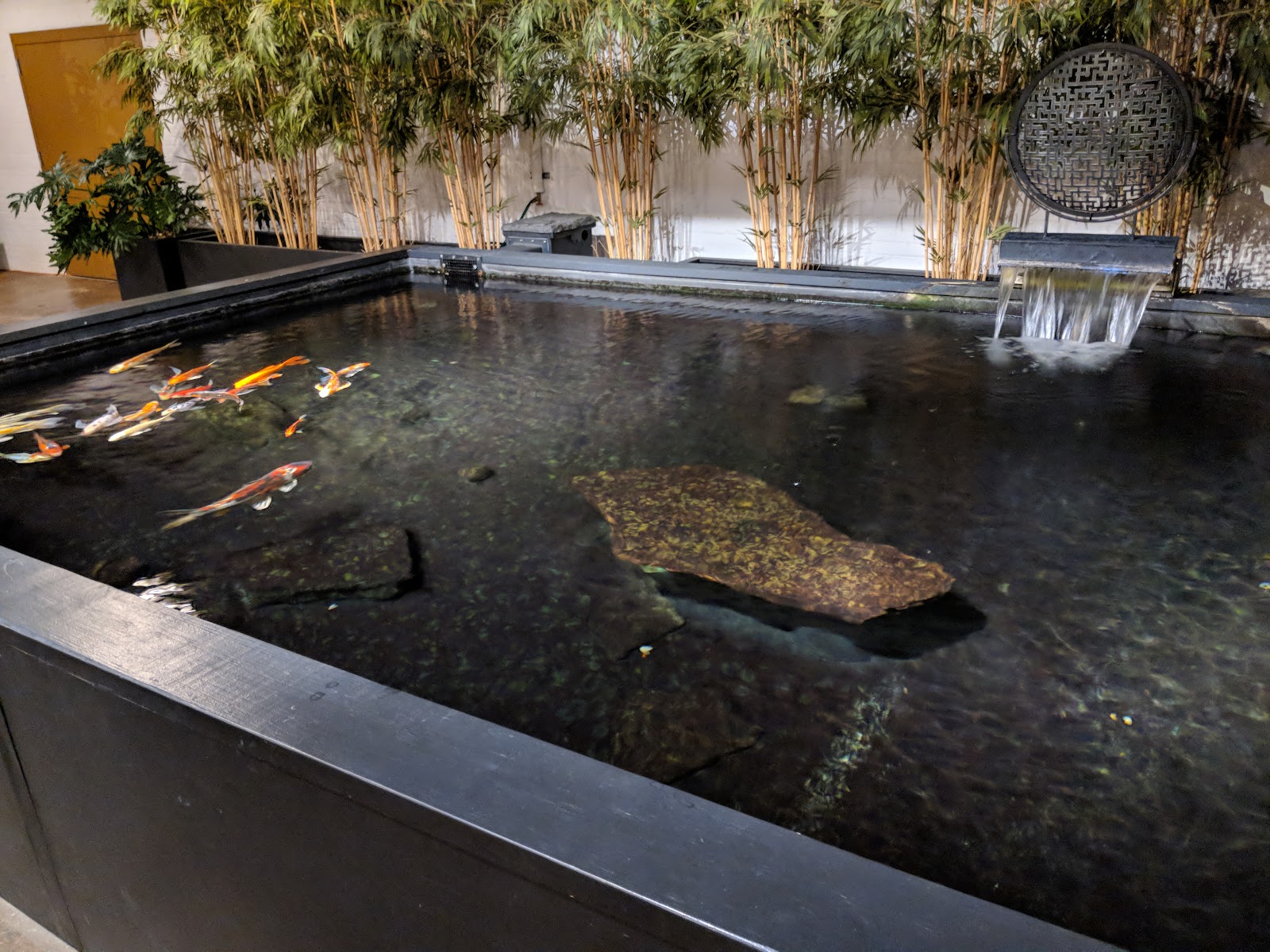
The Goei Center, Grand Rapids: One Frame, and How It Is Made
A converted industrial building in Grand Rapids — and one frame that only a dark room can produce.
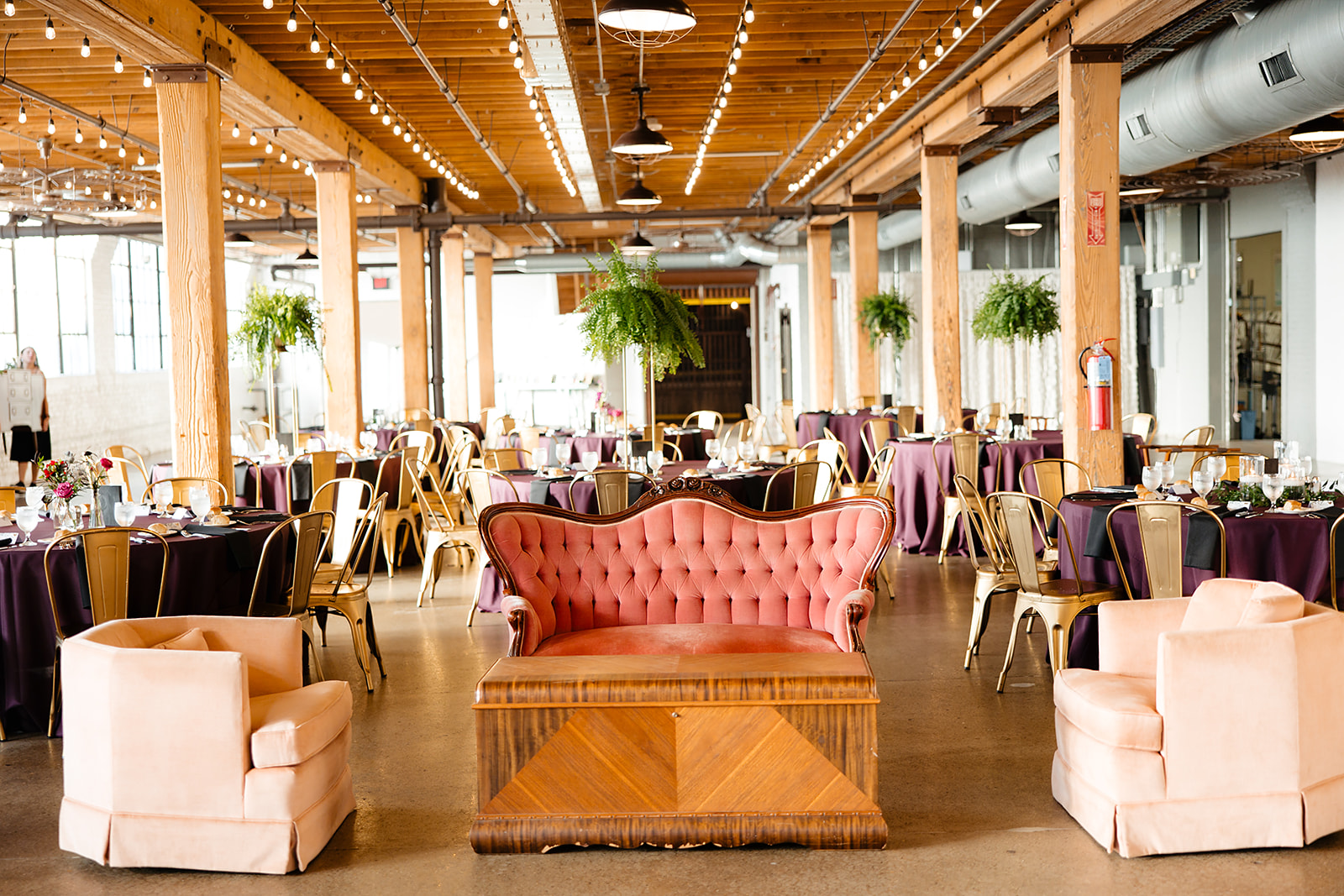
The Cheney Place, Grand Rapids: Field Notes
A converted industrial building in the old furniture city — brick walls, timber posts and very little that reflects light.
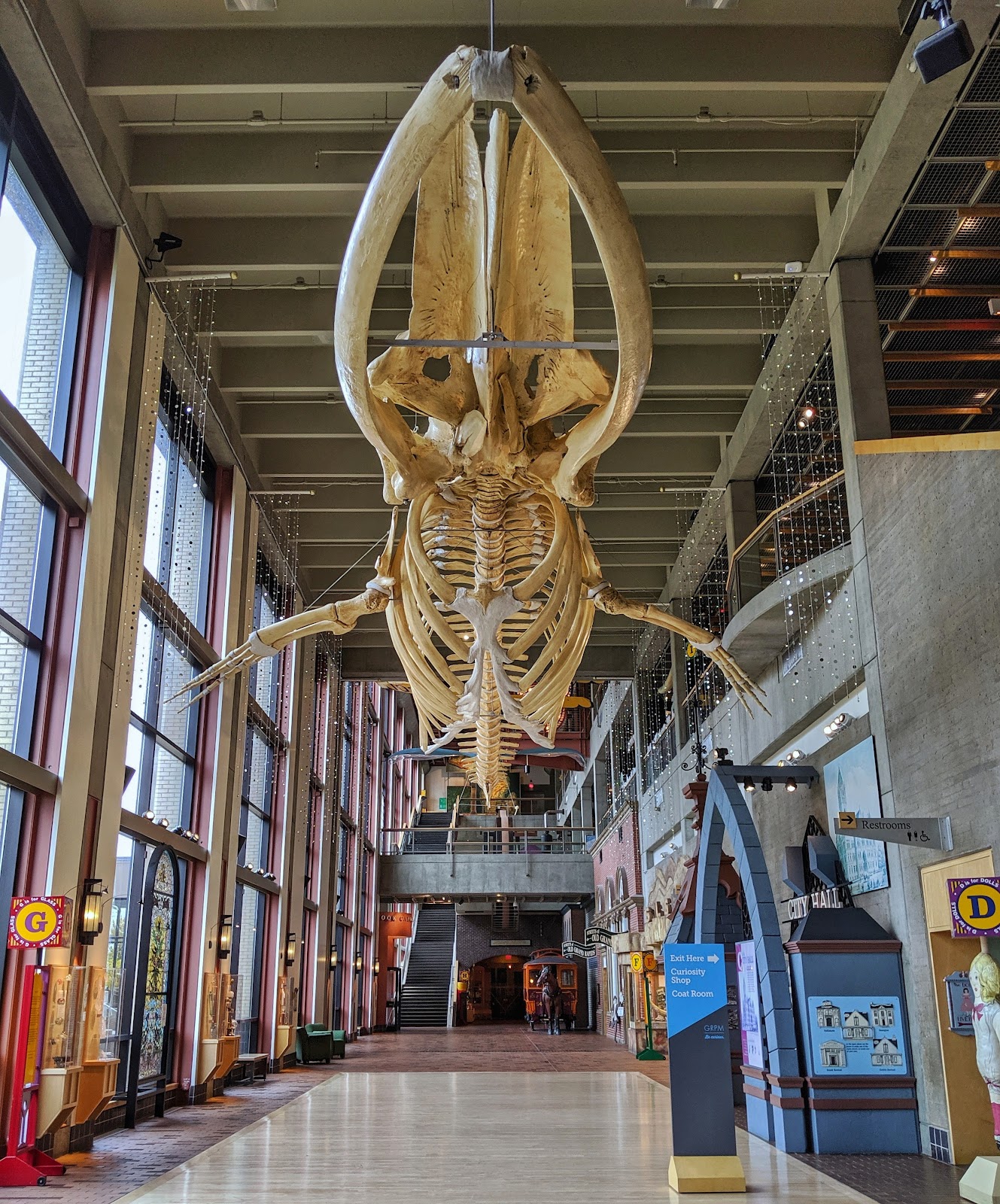
The Grand Rapids Public Museum: The Light Through the Day
A riverside museum in Grand Rapids with a restored 1928 carousel turning inside a glass pavilion over the Grand River.