Columbus sits at about forty degrees north at roughly nine hundred feet, and the single most important thing about photographing here is the terrain: there isn't any. Central Ohio is a glaciated till plain, scraped flat by ice and left without relief — which means no distant views, no elevated vantage points, no valley fog and no landscape to put behind anyone. That is worth saying plainly because it changes where the pictures come from. In a city with hills, the outdoor frames are about the setting; here they are about the planting, the architecture and the water, and a venue's interior matters proportionally more.
It also means the sky is a large part of every wide frame, and a flat horizon gives you all of it. The compensating fact is the light, and it is genuinely different from the dry-climate venues elsewhere in this library. Ohio summers are humid, and water vapour scatters light in every direction — which fills shadows and softens their edges, so a sunlit lawn in July carries perhaps two stops less contrast than the same sun angle in Arizona. The practical consequence is that midday outdoor portraits are workable here.
Open shade at noon, exposed normally, gives a usable face rather than black eye sockets, because the atmosphere is doing the fill that a desert sky refuses to do. The cost is a paler, less saturated sky and noticeably hazier long lenses in August.
The trees do the rest of the work, and Ohio hardwoods behave unlike the canopies in this library's drier regions. Sugar maple and oak carry dense rounded crowns of broad leaves and cast clean solid shade — no dapple to manage, no hard patches across a face, just even cover at any hour. Under an Ohio hardwood, midday is straightforward. American beech is the background worth hunting for: smooth pale grey bark, almost unmarked, so a mature trunk is a large uniform light-toned surface and effectively a natural studio backdrop.
Sycamore grows along the Scioto and the Olentangy and is the other distinctive one, its bark mottled white, grey and tan and peeling in irregular plates. Ginkgo is worth timing rather than finding: it turns a uniform clear yellow and then drops almost its entire canopy within a day or two, leaving a solid yellow carpet beneath a bare tree — often a single weekend in late October. Which points at the season.
Mid to late October is the best fortnight of the year in Columbus, when sugar and red maple turn scarlet and orange and oak and hickory go bronze; a warm dry autumn delays and dulls it and a cool wet one brings it forward, so plan a fortnight either side of the third week rather than a specific weekend. Spring is the short brilliant alternative — magnolias flowering on bare branches in late March, tulips in April, everything leafed by early May — and it is the least reliable season in the state, capable of frost, heat and thunderstorms inside a single fortnight.
Winter is honest: a nine-hour December day, and long stretches of flat grey overcast when the region sits under a temperature inversion. That light is soft and even and flatters faces, and it gives architecture nothing at all, because masonry without shadow has no modelling. It is the weather for working indoors, and it is the strongest argument for choosing a Columbus venue with a real interior — a glasshouse, a ballroom, a nave, a gallery — rather than one that depends on its grounds.
Civil twilight here runs about thirty-one minutes, which is a genuine working blue hour rather than a scramble, and in December it arrives around five in the afternoon, putting a lit exterior frame comfortably before the reception instead of in the middle of it.
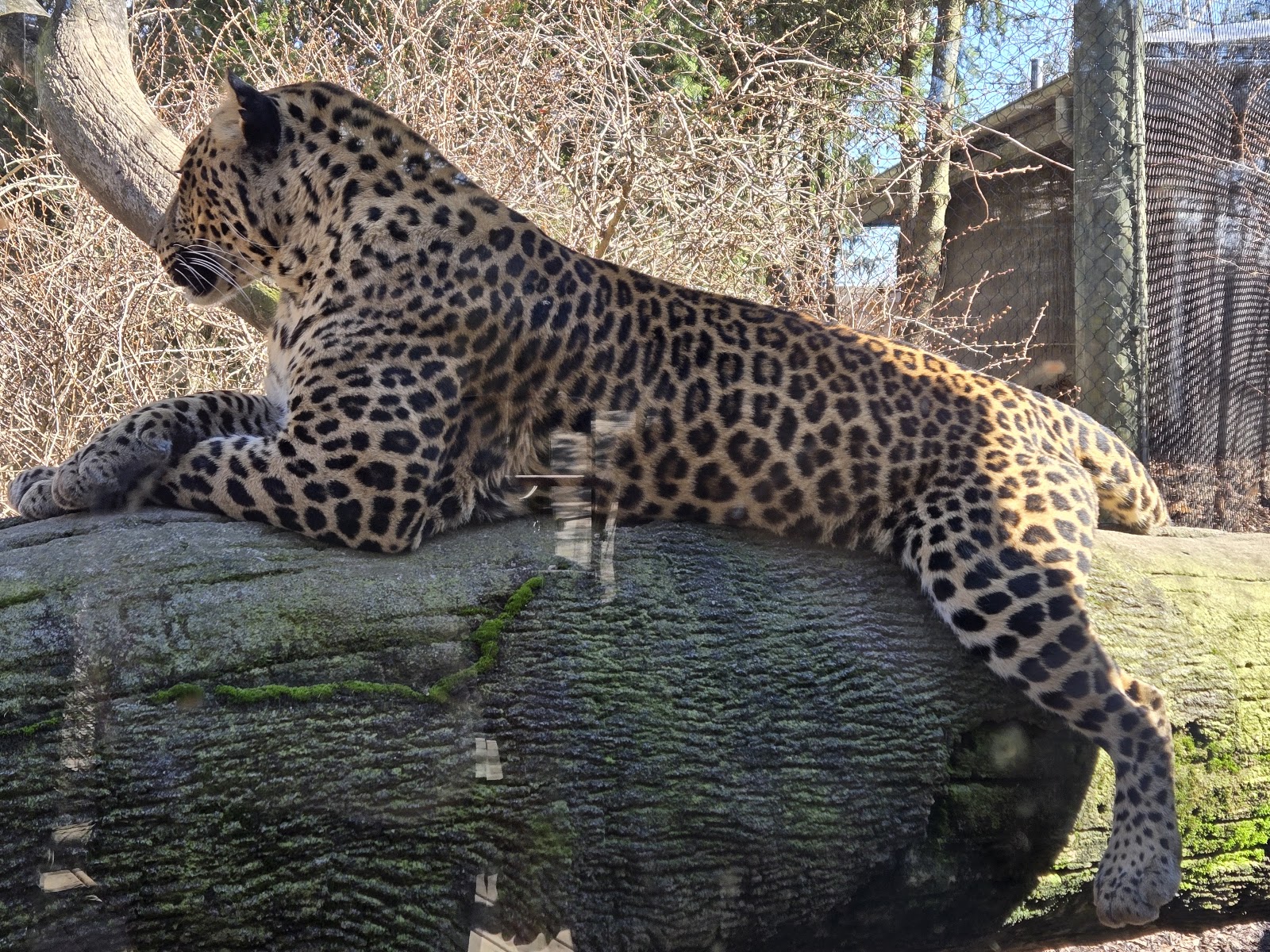
The Columbus Zoo: Field Notes
A very large zoo on the Scioto north of Columbus — where the sheer size of the site is the first problem to solve.
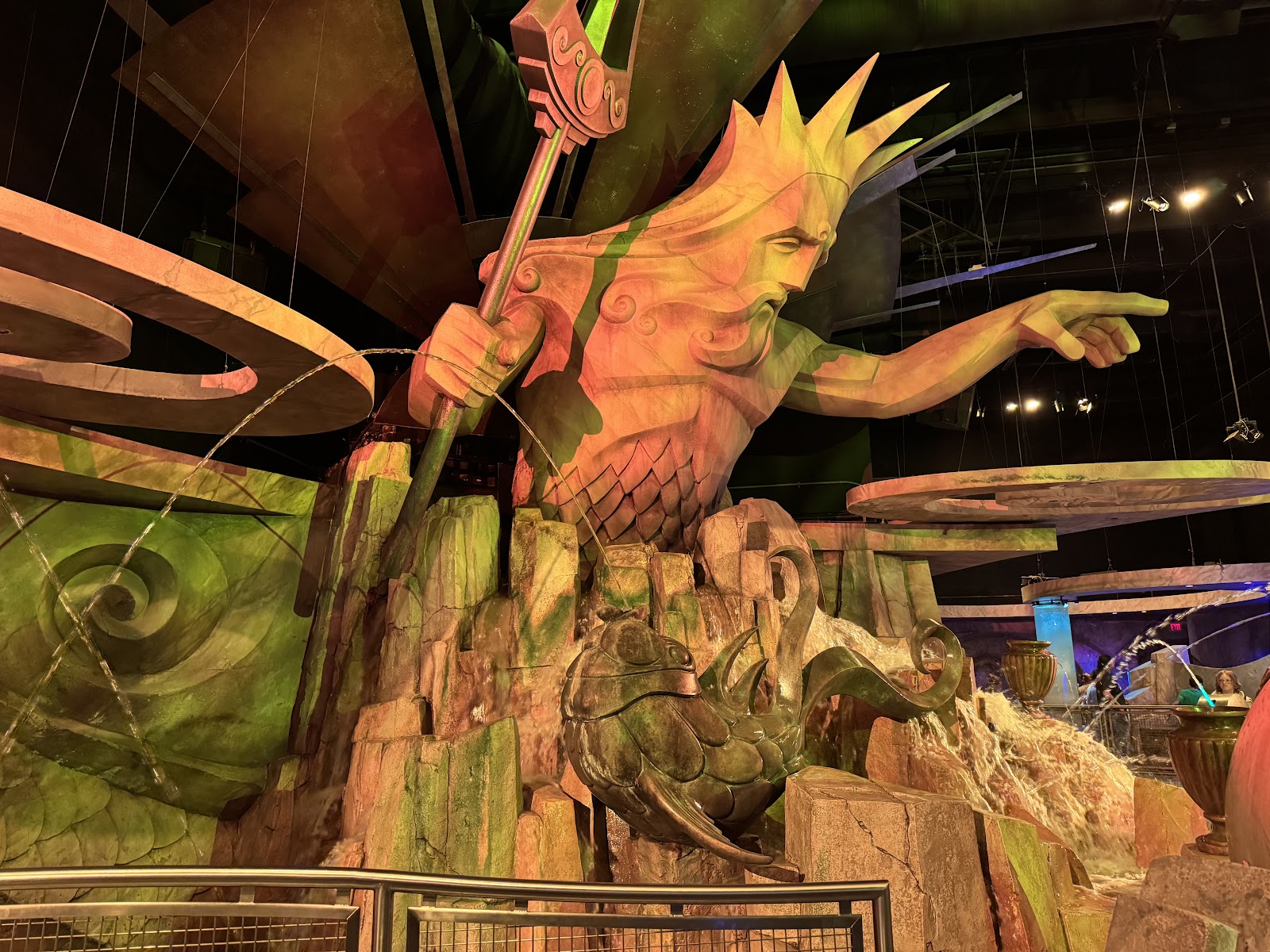
COSI Columbus: What It Suits, and What It Does Not
A science centre occupying a 1924 high school with a sweeping 1999 addition, on the west bank of the Scioto.
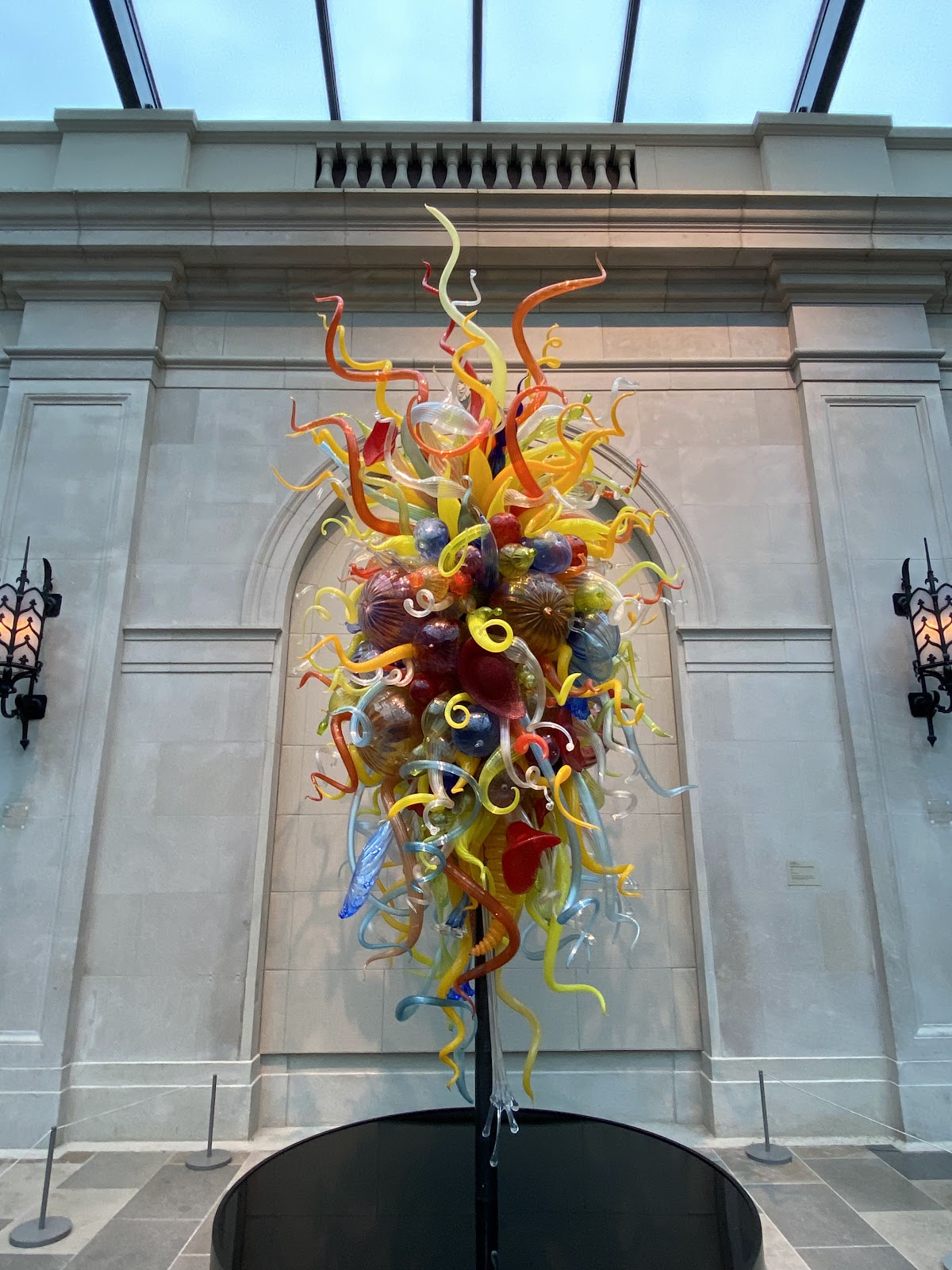
The Columbus Museum of Art: The Venue’s Own Logic
A 1931 Renaissance Revival museum joined to a 2015 glass wing — two buildings that light people in opposite ways.
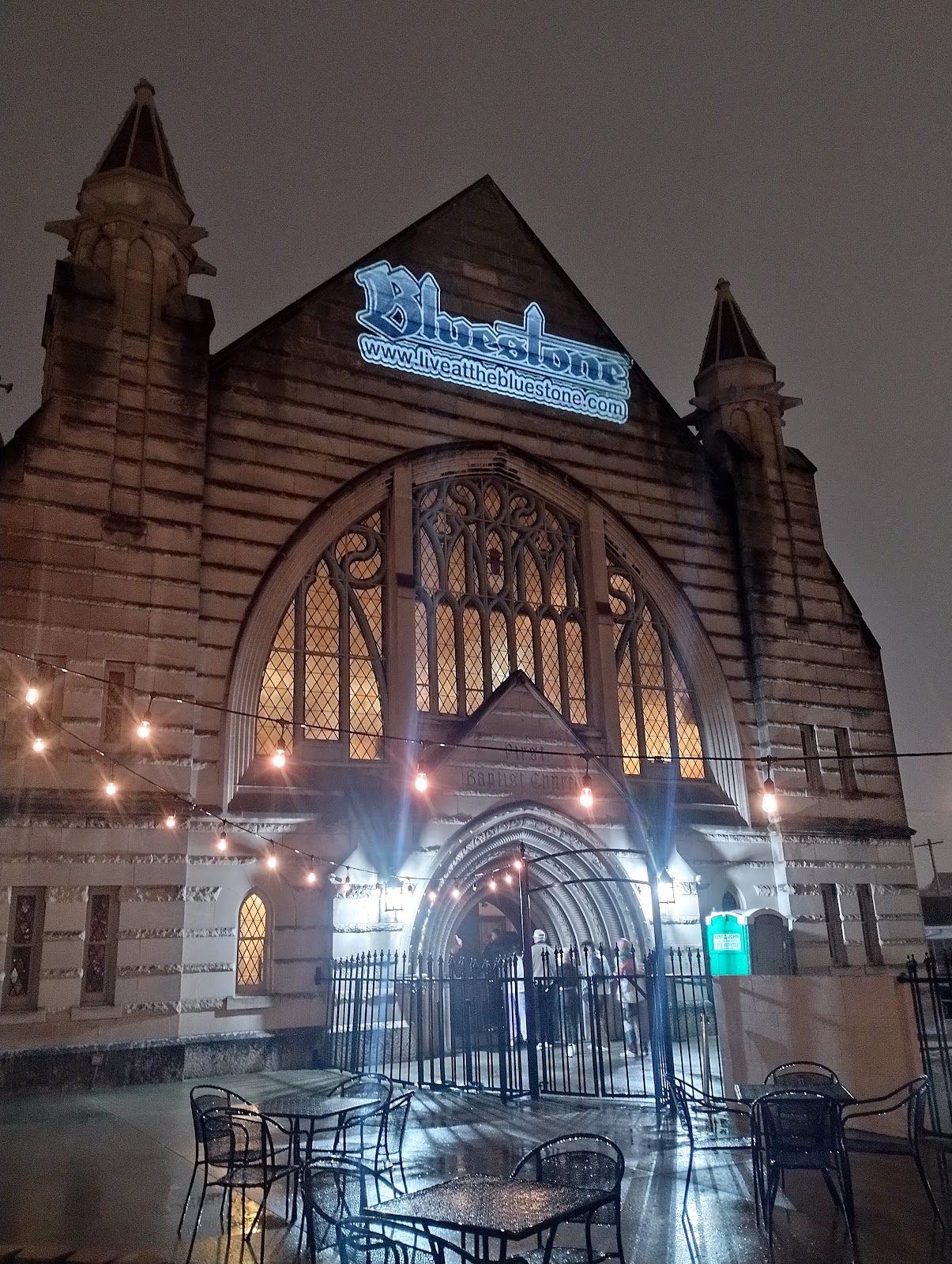
The Bluestone, Columbus: Field Notes
A former stone church downtown, now a music and event venue — the architecture of worship running a bar.
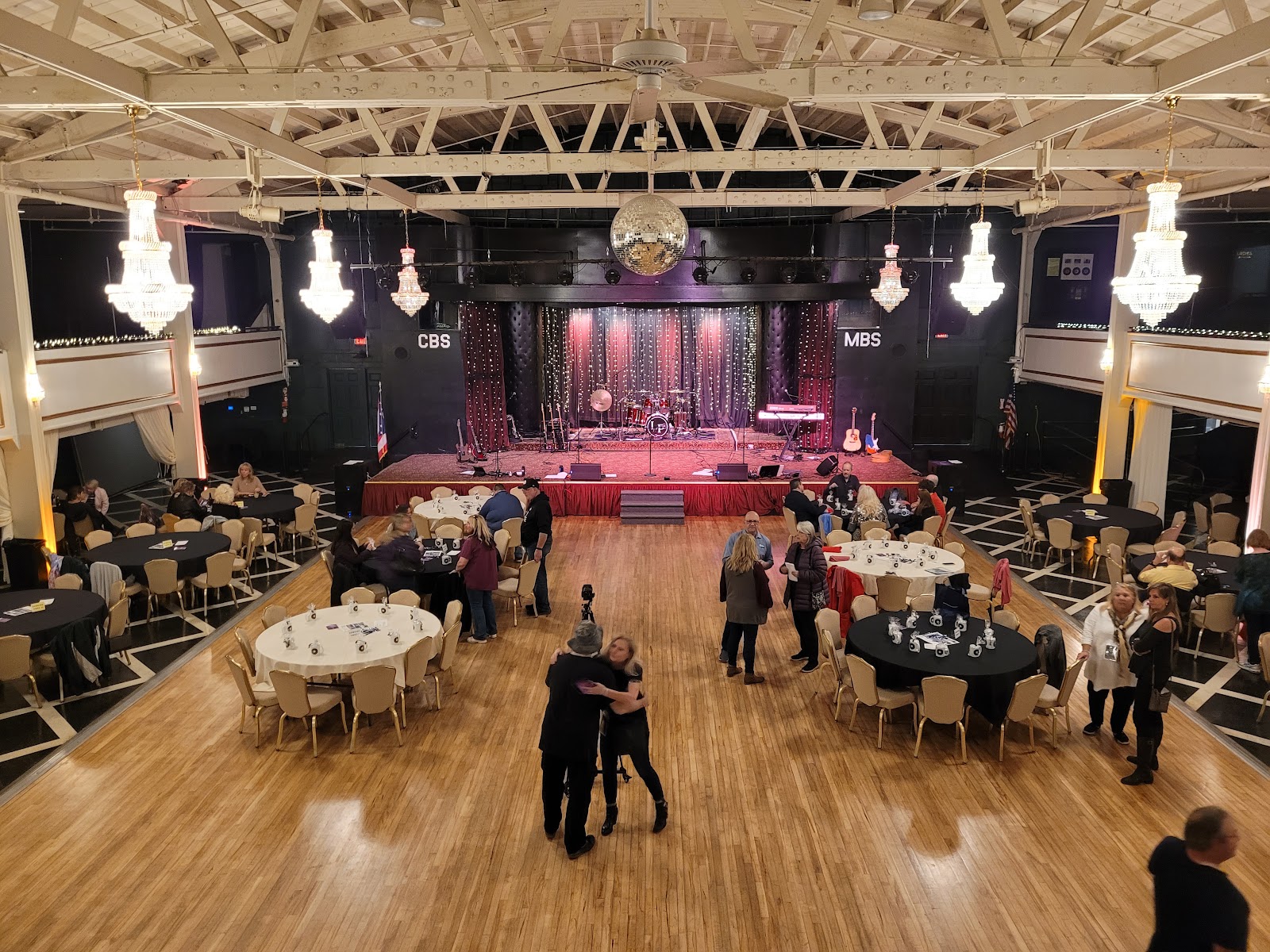
The Valley Dale Ballroom, Columbus: The One Decision That Governs Everything
A 1918 big-band ballroom with a sprung maple floor and a ceiling painted as a night sky.
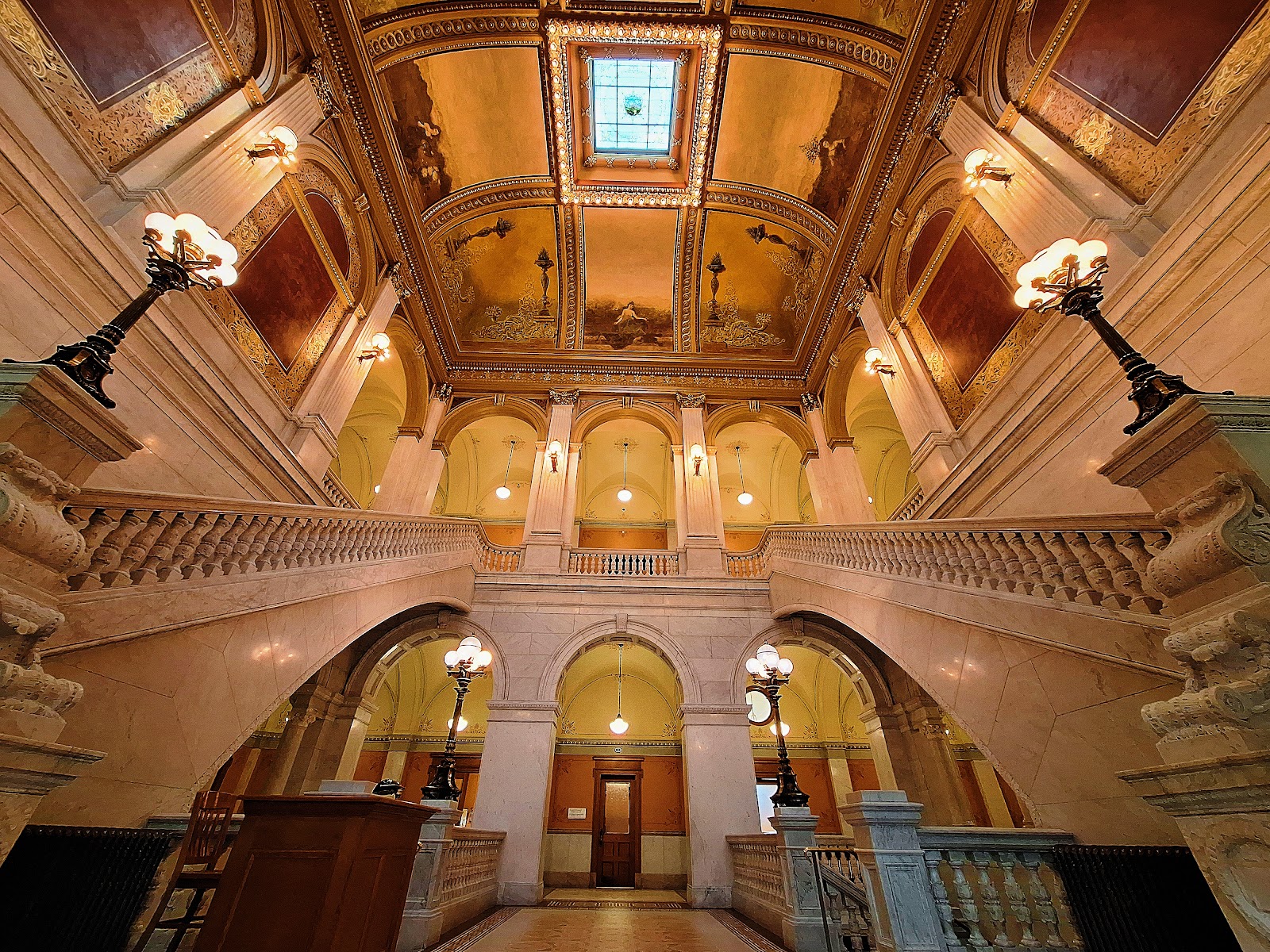
The Ohio Statehouse, Columbus: A Walk Through the Building
An 1861 Greek Revival capitol — and one of the very few American statehouses with no dome at all.
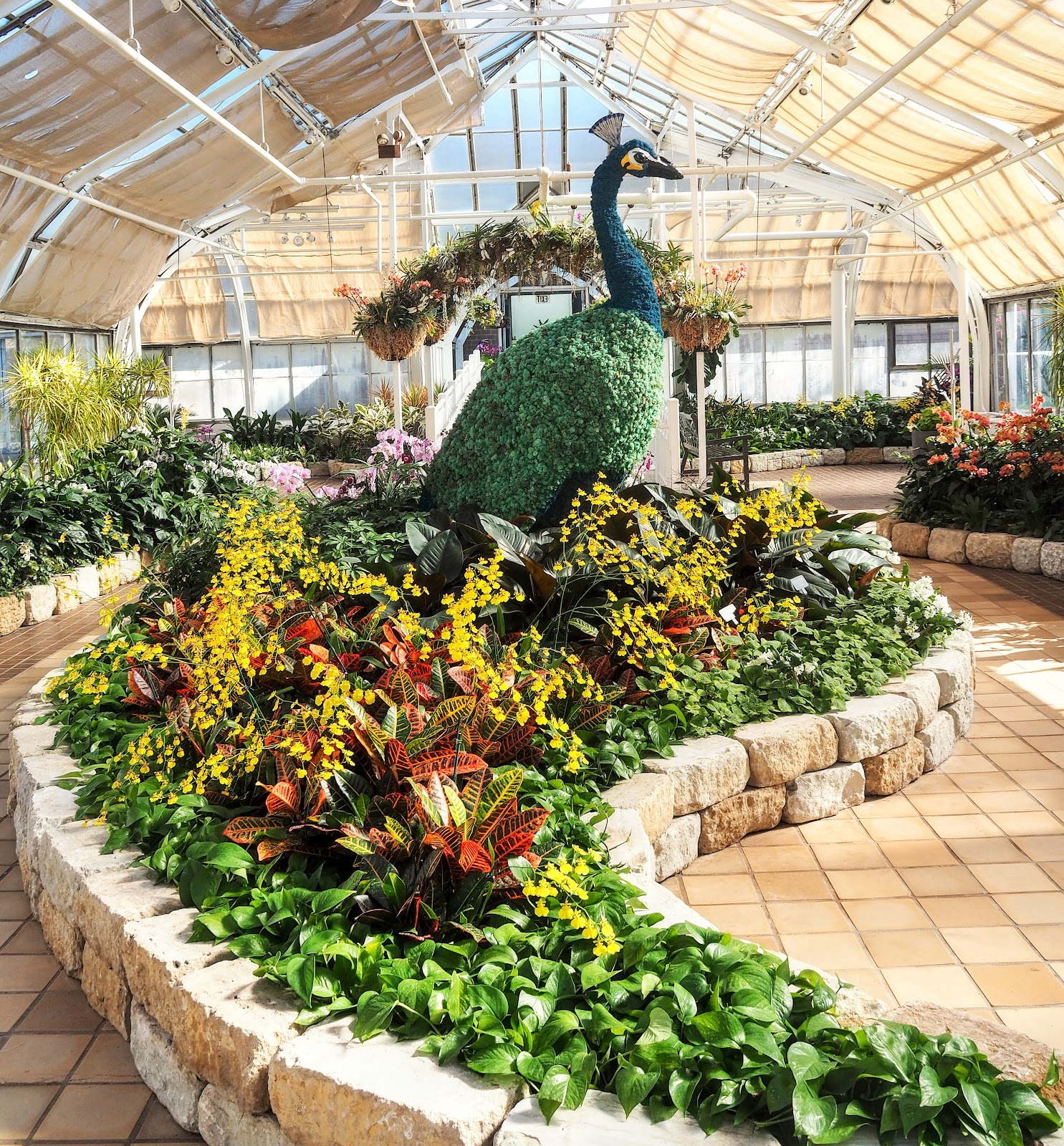
The Franklin Park Conservatory, Columbus: The Light Through the Day
An 1895 Victorian glasshouse in Columbus — a building that is nothing but a roof made of light.