Hot Springs sits in the Ouachita Mountains, and the Ouachitas do something almost no other range in North America does: they run east to west rather than north to south. That sounds like a geography note and it is a lighting fact with real consequences. In a normal range, with ridges running north–south, the slopes face east and west — so one side is lit in the morning, the other in the afternoon, and a shaded position has a two-hour life. Here, with ridges running east–west, the slopes face north and south. A north-facing slope, wall or garden is in shade all day, every day, all year.
A south-facing one has sun on it from morning to evening. For a photographer that is unusually useful, because it means the shade does not move: a position found once works at any hour, which removes the pressure to compress a portrait block into a narrow window. So the single most valuable question about any venue here is which way it faces.
The valley's alignment gives a second advantage. Because it runs east to west, the sun travels along its length rather than across it, so low sun at either end of the day runs unobstructed down the valley instead of being cut off early by a ridge — which makes the last hour before sunset longer and cleaner than in most hilly country. Beyond that, three local conditions matter.
The hardwood forest is dense, which makes full shade abundant and dappled light the main hazard: bright patches and deep shadow on the same face exceed what any sensor holds, and at about thirty-four and a half degrees north the contrast is severe rather than merely awkward. Morning fog is frequent, because a humid valley with water in it and ridges on both sides produces it readily — and fog is diffusion at landscape scale, separating treelines into grey layers in a way no clear morning gives.
And the thermal springs produce a frame only winter offers: hot water meeting cold air makes visible steam, soft, moving and entirely specific to this place, which means a January wedding here can have a picture a July one cannot. Autumn colour usually peaks from late October into the first week of November, and in a valley with ridges on both sides it reads in whole hillsides rather than patches. The guides below take each venue on its own terms.
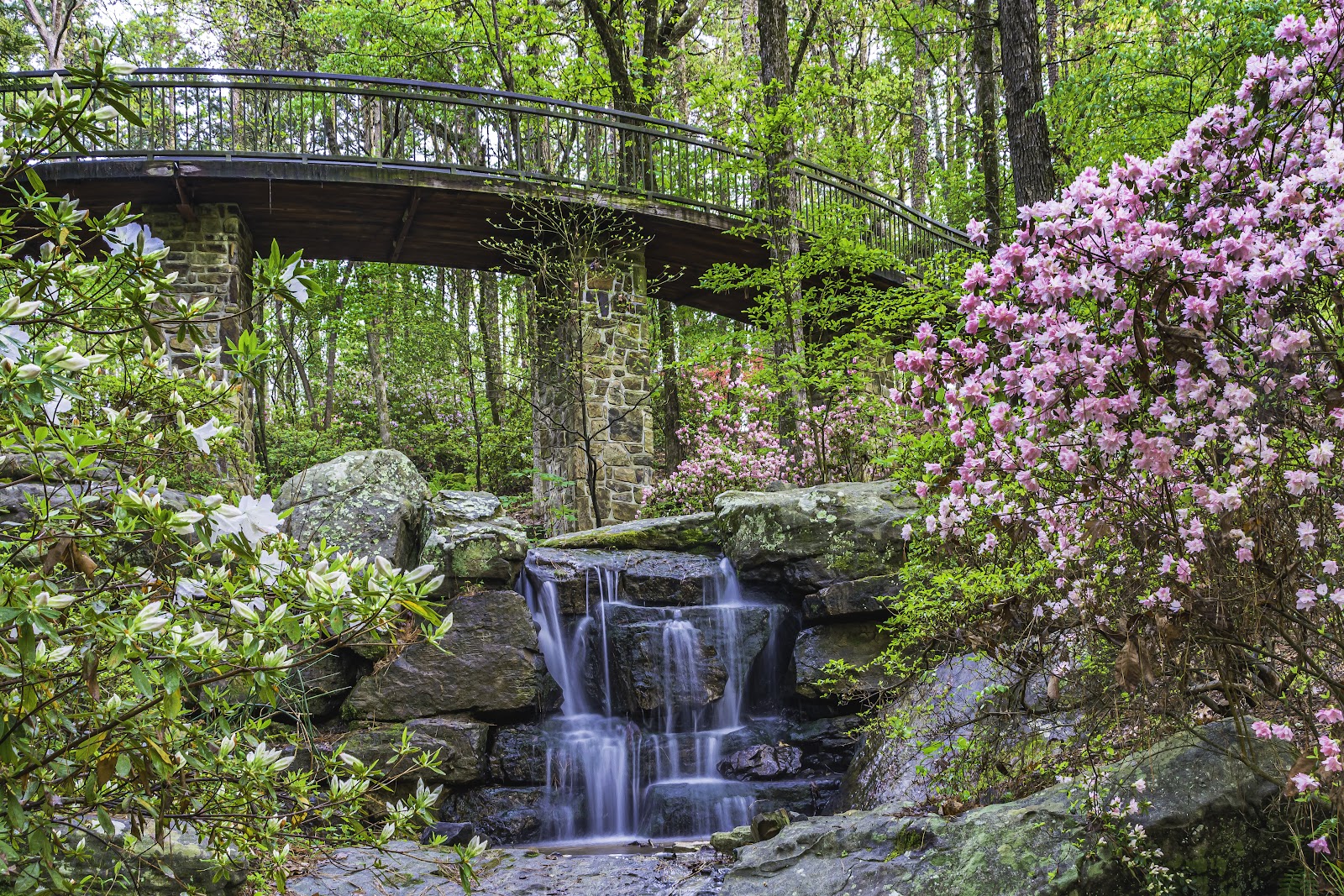
Garvan Woodland Gardens, Hot Springs: A Walk Through the Site
A woodland garden on a Hot Springs lake peninsula, walked in the order a wedding day uses it.
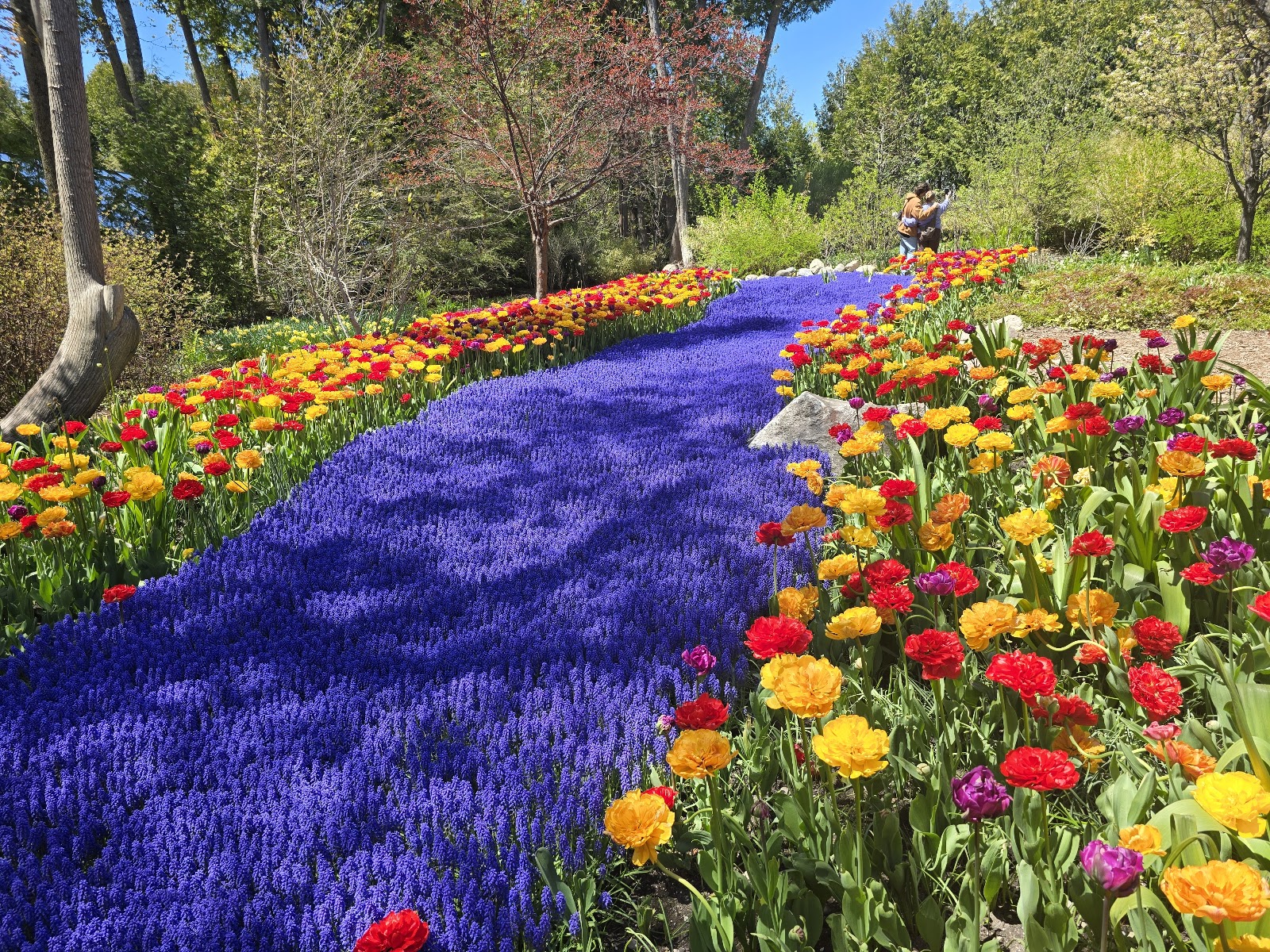
The Garden at The Grand, Hot Springs: The One Decision That Governs Everything
A Hot Springs garden venue where one question — which way does it face — governs the whole day.
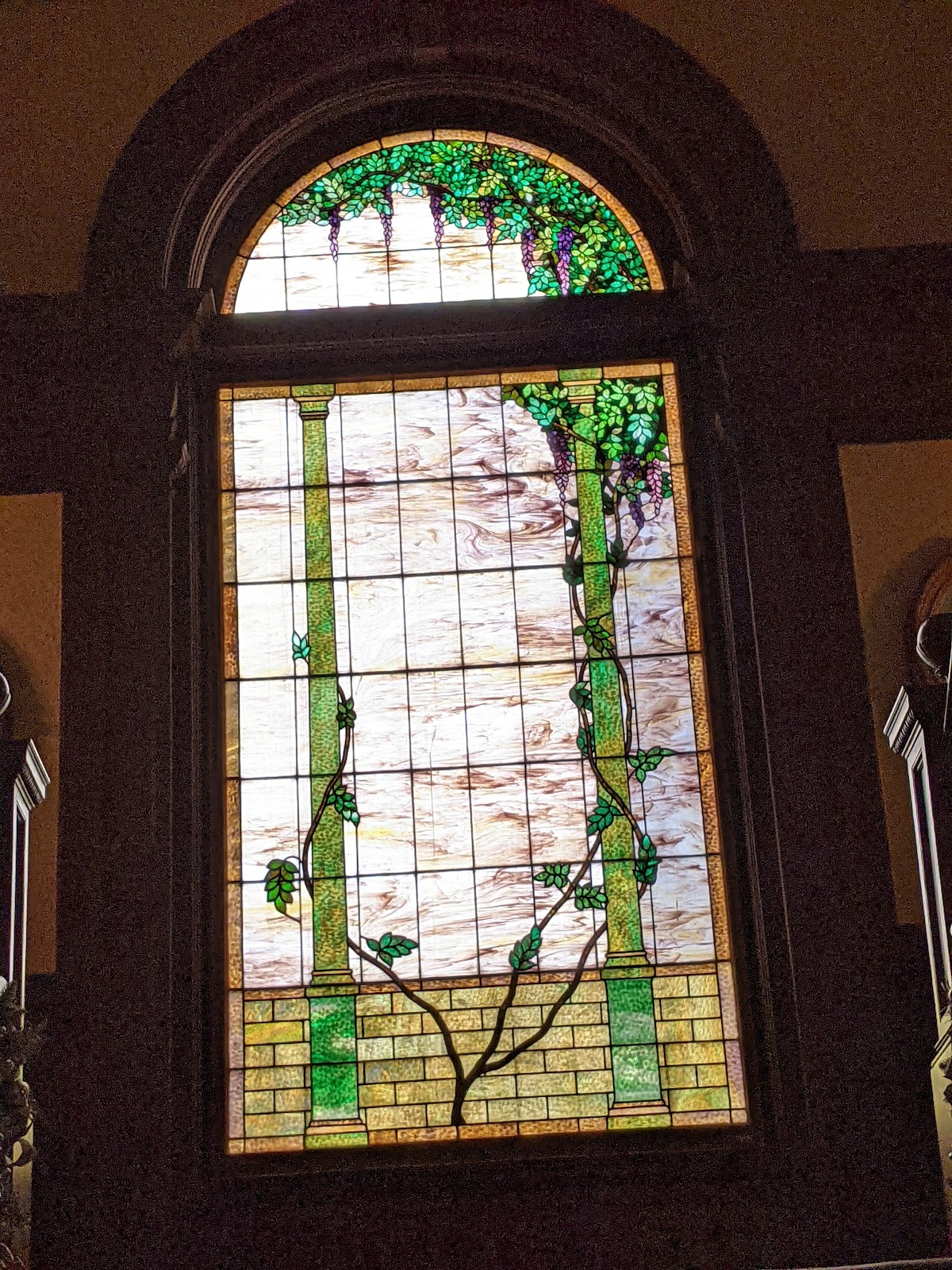
The Alexander Mansion, Hot Springs: Field Notes on a Valley House
A historic Hot Springs house in a valley between east–west ridges — and what that unusual geography does to the light.