Milwaukee's building material is the first thing worth knowing, because it exists at scale nowhere else. Cream City brick is a pale yellow-buff brick made from local clay high in lime and low in iron, which is why it fires pale rather than red — and the city's nineteenth-century stock is substantially built of it. In low evening light it goes a genuine pale gold rather than the red-orange that most American brick produces, which is a distinctive palette and one that pairs well with a warm-gelled key and badly with an ungelled one.
Like any masonry it needs raking light: a frontal midday sun renders it as a flat pale field, and a low sun brings out every joint and reveal. The second thing is Lake Michigan, which shapes the weather of this shore more than the latitude does. The lake is a thermal mass on an enormous scale and it lags the seasons in both directions. Spring is late and cool because the water stays near freezing into May, which delays leaf-out and makes April a genuinely difficult date — cold, grey, with the trees not yet out.
Autumn is mild and extended because the water holds summer heat into November, which pushes the colour later and keeps outdoor spaces pleasant longer. So the season is shifted rather than simply short, and that asymmetry is the single most useful thing to know when choosing a date here. The temperature difference also produces lake fog in spring and early summer: warm air moving over cold water condenses, and fog forms over the lake and drifts onto the shore, sometimes stopping a few streets inland. A masonry city or a white sculptural building half-dissolved in fog is a frame nothing else gives, and it is entirely unplannable.
The lake breeze is the daily version — on a warm day the water-land difference drives an onshore flow that builds through the afternoon, which makes the lakefront reliably breezier than inland. No unweighted light stands there, and a five-hundredth of a second for hair and fabric.
The shore faces east, which has a clean and frequently overlooked consequence: the sun rises over the water and sets behind the city. Sunrise is the water frame; sunset puts warm light on the buildings with the lake in shade behind them. Those are two different pictures and knowing which one a schedule permits matters more than any technique. Open water reflects the sky, making it a large low-angle source that fills under the chin and lifts eye sockets — strongest at grazing angles, so the last hour — and it gives a true horizon, tens of miles of sightline with nothing in it, which no inland city can offer.
A low camera turns a rippled surface into a bright specular path running toward the lens, and dropping to knee height lengthens it considerably. Ranking the year: late September into mid-October is the best window and it is not close. The inland hardwoods turn properly — sugar maple to scarlet and orange, oak to russet, basswood and hickory to yellow — the air reaches its clearest of the year, which restores the long lake sightline that summer haze removes, and the water is still mild and often calm.
That clarity matters here more than at most places, because several of Milwaukee's venues depend on compressed distant views that read sharply in October and softly in August. Summer is long-lit at fifteen hours twenty-five — the most schedule room of any season — and humid enough to fill shadows by about a stop and a half against a dry climate. Winter is cold, snowy and short, about eight hours fifty-five of daylight in December, with long stretches of flat grey overcast that flatters faces and gives masonry nothing.
But this shore produces genuinely unusual winter conditions worth knowing about: shelf ice builds along the lakefront in a hard winter, sometimes in strange formations; spray freezes on railings and structures; and steam fog rises off open water when the air is far colder than the lake. Those are rarely photographed at weddings and they are striking, with the honest caveat that standing on an exposed Milwaukee lakefront in January is brief work. Two closing notes.
Wisconsin hardwoods cast solid shade with no dapple — dense rounded crowns of broad leaves — so a midday portrait under one is straightforward, which is the opposite of the filigree canopies in this library's arid regions. And civil twilight here runs about thirty-three minutes, among the longer figures in this library, which makes the blue hour a genuine working session rather than a scramble: three or four setups fit comfortably.
In December it arrives around five in the afternoon, putting a lit exterior frame comfortably before the reception; in June near nine-thirty, which puts it after dinner and — for anywhere that closes to the public — after the crowds have gone, which is the best possible combination of empty space and good light.

The Milwaukee Zoo: Field Notes
A large zoo in Milwaukee, where a northern climate compresses the outdoor season into about five usable months.
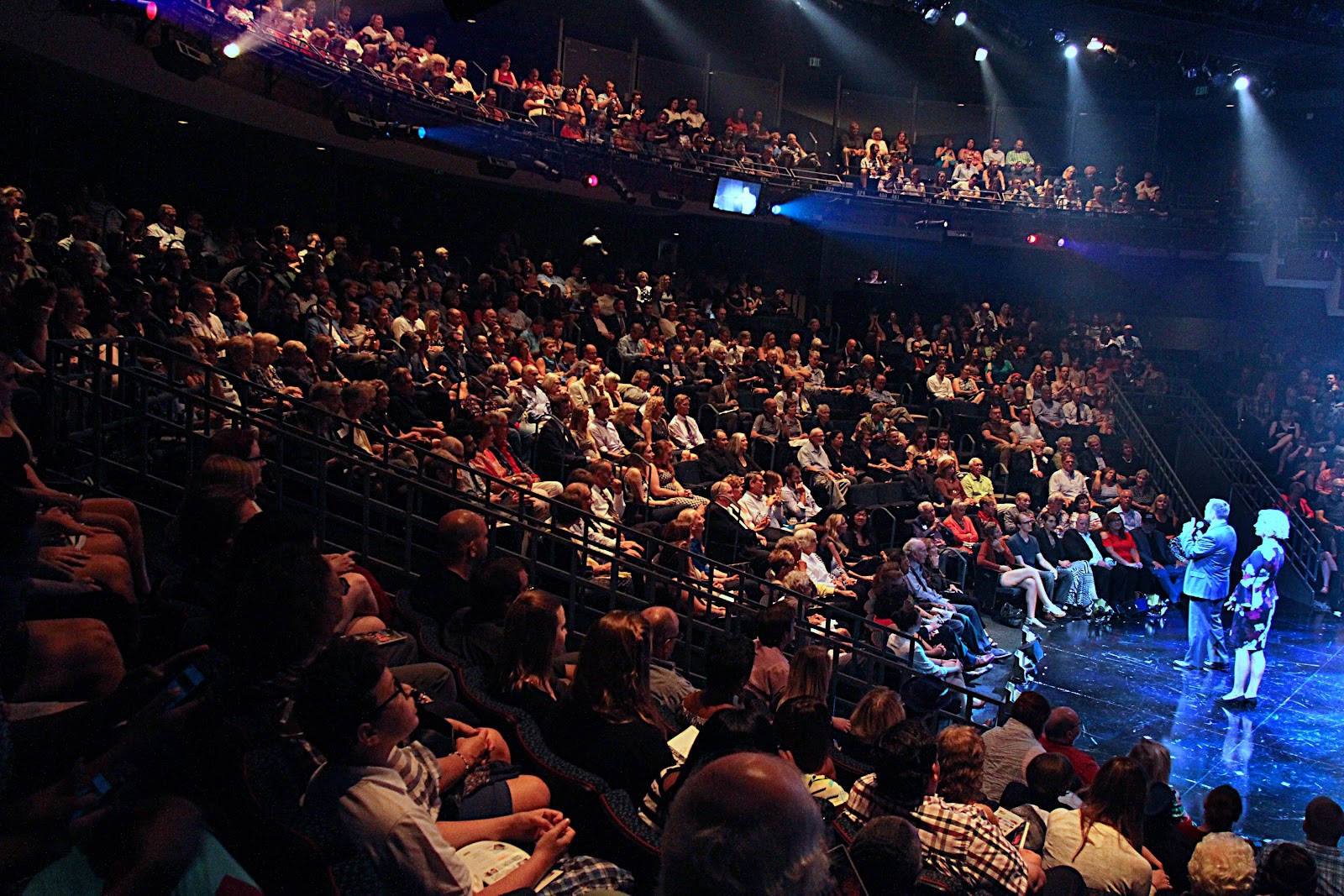
The Milwaukee Repertory Theater: A Walk Through the Building
A theatre complex built into a former riverside power station — industrial structure with performance spaces inside it.
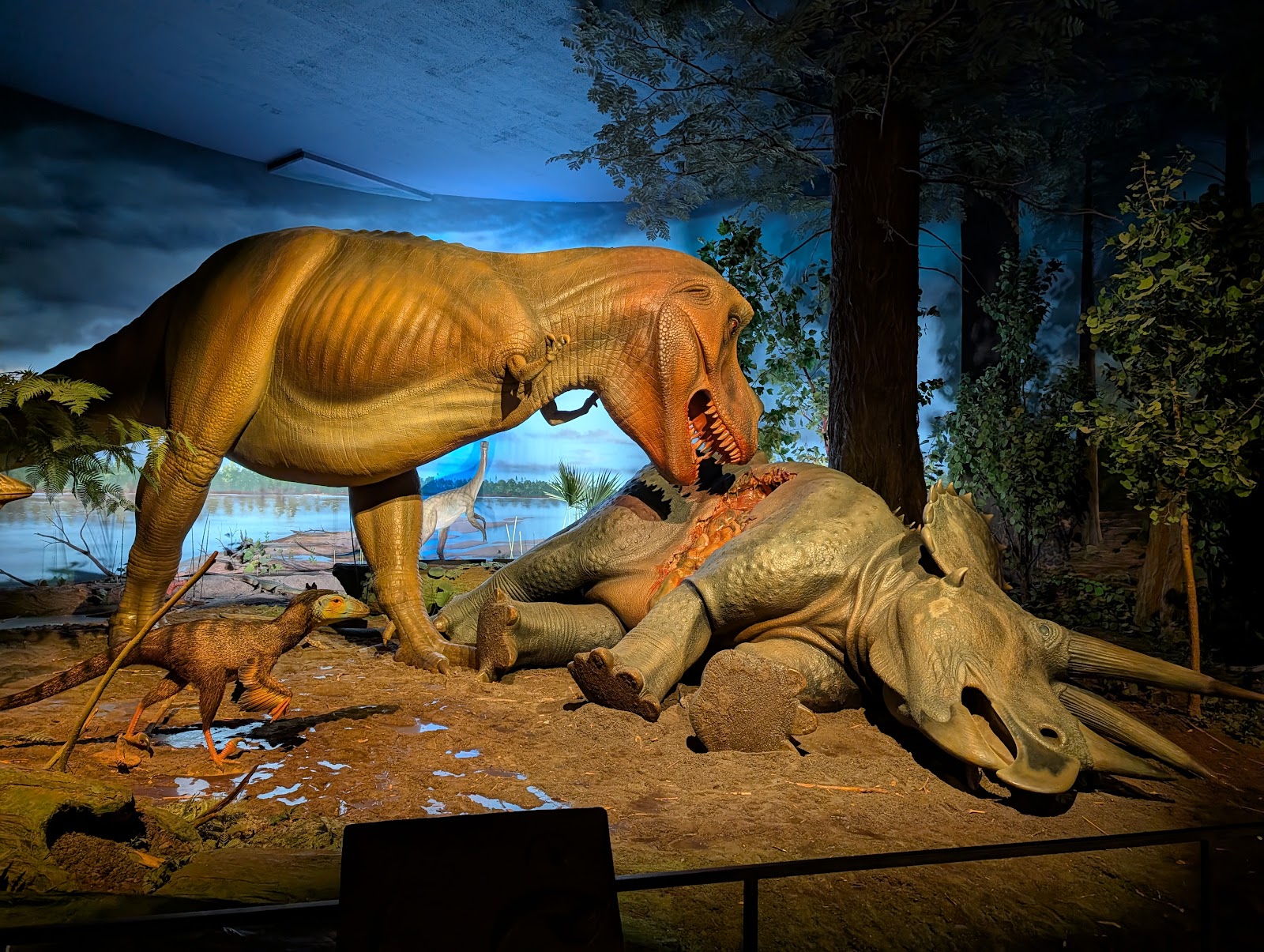
The Milwaukee Public Museum: The Problem, and Four Ways Out of It
A natural history museum built around walk-through dioramas — immersive sets with their own theatrical lighting.
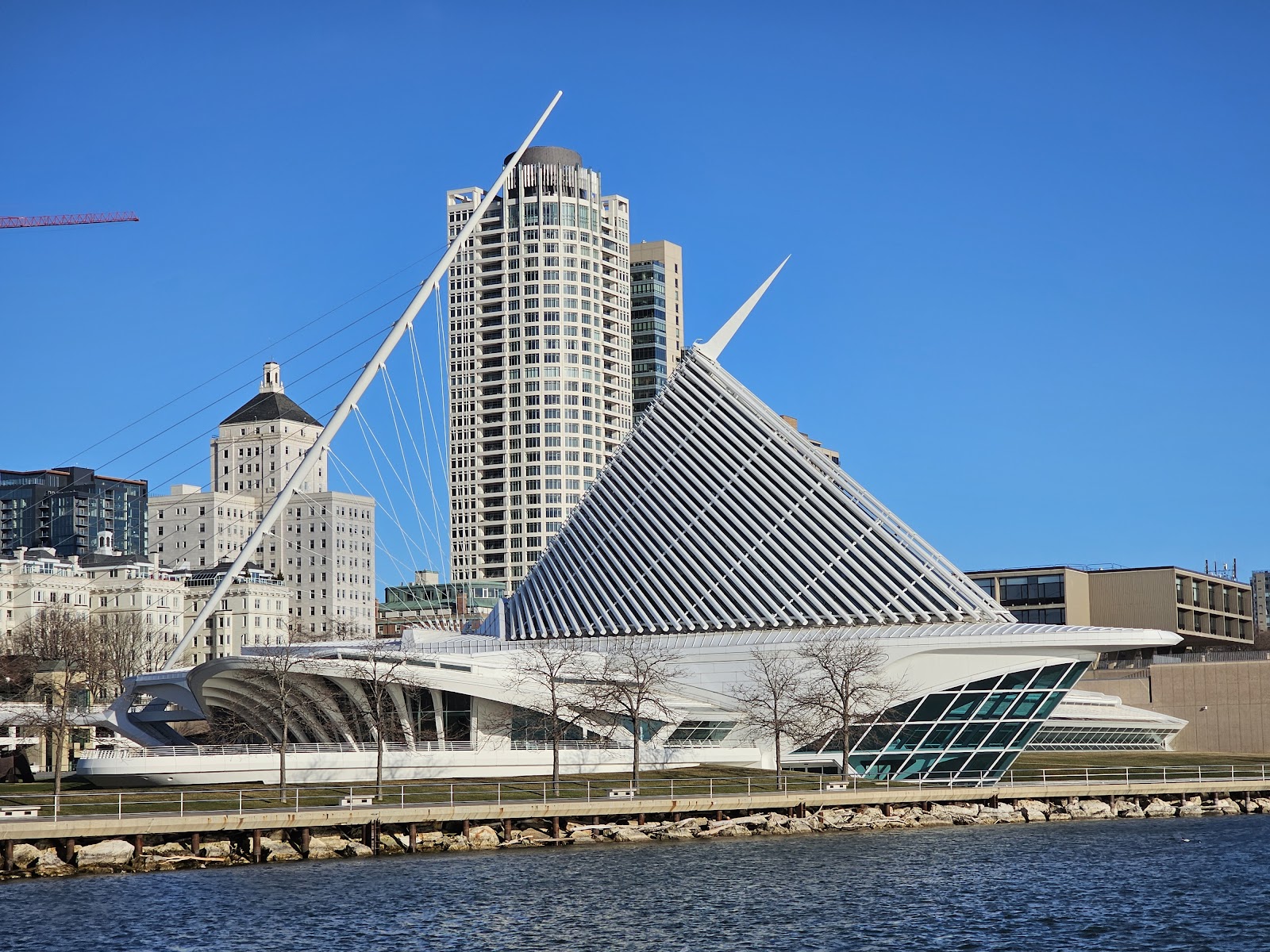
The Milwaukee Art Museum: One Frame, and How It Is Made
An art museum on Lake Michigan with a roof that opens — a moveable sunscreen of steel fins with a two-hundred-foot wingspan.