Two numbers shape every hour in Orlando and both come from the latitude. The midsummer noon sun reaches about eighty-five degrees — within five degrees of directly overhead, and the highest figure in this library — which is a genuinely extreme condition dominating the middle of the day from roughly May through September. And civil twilight runs about twenty-one minutes, the shortest figure here, so the end of the day is brief and the balance point where the sky and any artificial lighting are equal lasts perhaps eight or ten minutes of that.
Between them the day has a sharp shape: a difficult middle and two short good ends, with the ends shorter than a northern photographer's instincts expect. The third governing fact works the other way, and it is the humidity. Central Florida summer dewpoints sit in the mid-to-high seventies, which means water vapour scatters light in every direction and fills shadows substantially — a sunlit lawn in July here carries perhaps two and a half stops less contrast than the same sun angle in Arizona.
So the overhead sun is extreme and the fill is generous, and those partly cancel: a midday portrait in open shade at this latitude is genuinely workable, where the same sun angle in a dry climate would be unusable. The desert rule does not apply here with anything like the same force. The costs are a pale washed sky that contributes nothing to a wide frame, noticeably hazed long lenses, and one equipment problem that matters more in Orlando than almost anywhere: lenses fog within seconds moving from an air-conditioned interior into humid outdoor air, and take minutes to clear.
On a day alternating between cooled ballrooms and subtropical exteriors that is repeated rather than occasional, and the fix is to carry the camera warm rather than leaving it in the cool while waiting. The practical answer to the overhead sun is live oak. Evergreen, broad, dense and low-crowned, holding its leaves year-round, it blocks the direct beam almost entirely and gives solid shade with no dapple — in January as in July, because the canopy never leaves. The trade is that the canopy is dark, several stops below open paving, so a subject under one with sunlit ground beyond is a four-stop frame.
Spanish moss on the limbs glows when backlit; dwarf palmetto in the understorey is translucent and places a frame geographically; and sabal palm, the state tree, gives almost no shade but makes a strong graphic vertical against open sky.
Orlando's distinctive venue type is the themed resort complex, and there the operating rules matter more to a photographer than the light does. Commercial photography on a property of that kind is governed by specific terms — which photographers may work, in which locations, at which hours, with what equipment — and those terms are enforced consistently rather than case by case. The answer may confine coverage to the booked venue rather than the wider property, which is a legitimate policy and a substantial difference from what a couple who visited as guests imagines.
That has to be settled in writing before a deposit rather than discovered on the day, and it is the single most consequential question about this city's venues. Scale is the other resort consequence: a complex measured in kilometres with internal buses, boats or walkways means moving a wedding party between two locations is a loading, travelling and unloading operation. Thirty minutes is realistic for a party of thirty, and a twenty-one-minute twilight will not wait for a badly planned transition. Three seasonal notes.
December through April is the season and it reverses most of this library: mild, dry, sunny and comfortable, with a December noon sun of about thirty-eight degrees that models rather than flattens, and evergreen planting so a January frame looks much like an October one. A winter date here is a genuinely better photographic proposition than a summer one — and it is also the busiest time in Orlando, which is worth knowing when booking. June through September is the constraint: afternoon temperatures in the nineties with oppressive humidity, which for a party in formal clothing is a welfare matter rather than a comfort one.
The practical shape of a summer day is the two ends outdoors and the middle indoors or under canopy, which means the grounds are available for perhaps four hours of a fourteen-hour day. And central Florida sits between two coasts, so sea breezes advancing from each side converge inland — producing towering cumulus through the late morning and thunderstorms in the early afternoon, almost daily in the wet season. That is dramatic and hazardous in equal measure: this region receives more lightning than anywhere else in the United States, which means an outdoor ceremony in summer needs a covered alternative that genuinely exists and is reachable in minutes.
Large venues will have a lightning protocol of their own and it takes precedence over a schedule. Hurricane season runs June through November. The compensation is that the half hour after a cell passes is the best light of the year — washed air, wet paving reflecting the sky, saturated planting, a low sun under a broken ceiling — and wet themed architecture in particular saturates in a way it never does dry. Two closing facts.
Central Florida is karst, a limestone landscape dissolved into sinkholes, which is why it is dotted with shallow warm lakes rather than crossed by rivers; those reflect sky more than colour, and a low camera turns a rippled surface into a specular path running the depth of the frame. And the ground is flat, with no relief to speak of — no elevated viewpoints, no slopes to separate a subject from a background, and a horizon level in every direction, which makes any camera tilt immediately obvious.
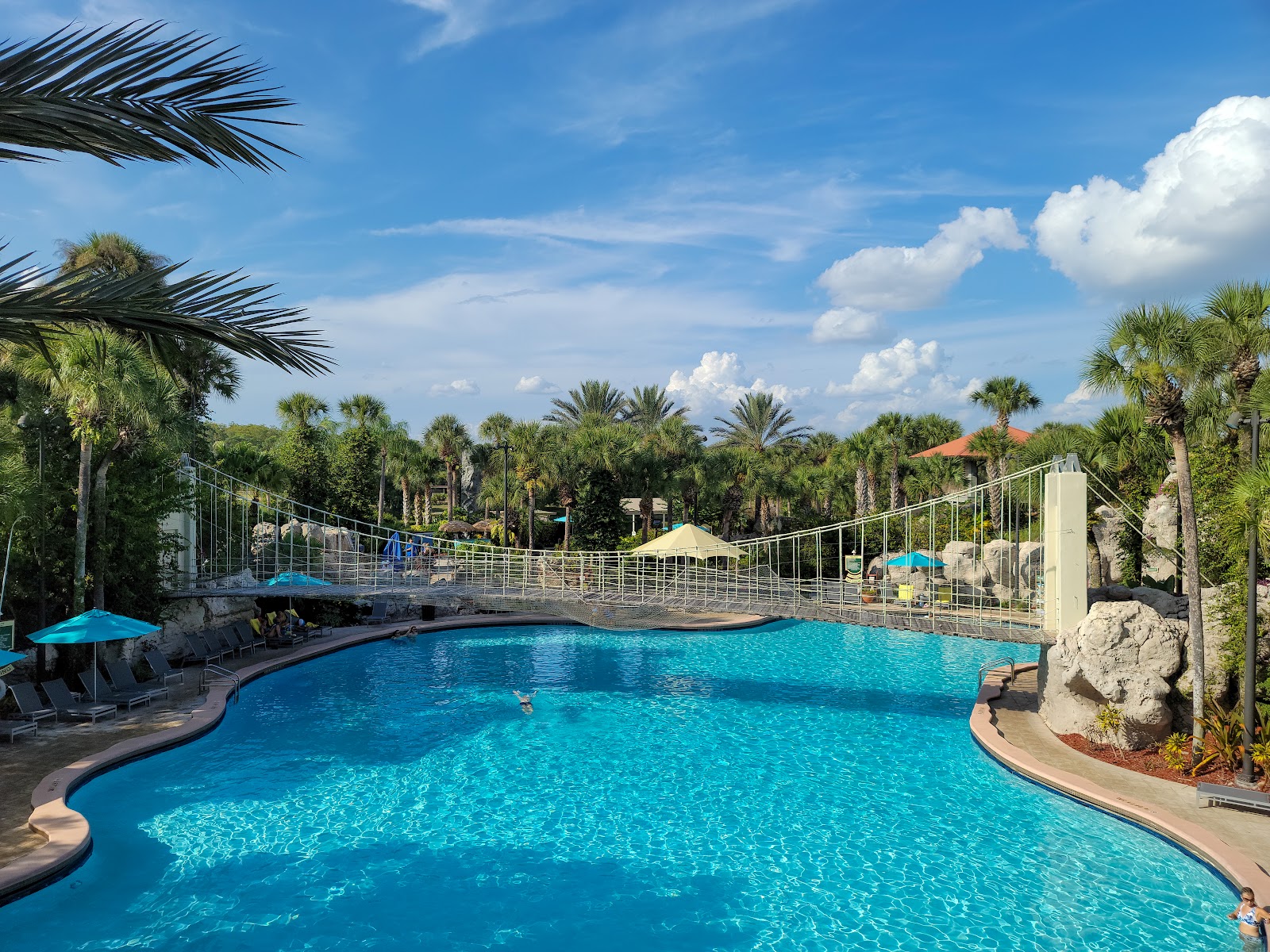
The Hyatt Regency Grand Cypress, Orlando: The Light Through the Day
A large resort near Orlando with a lake, mature subtropical planting and a very high summer sun.
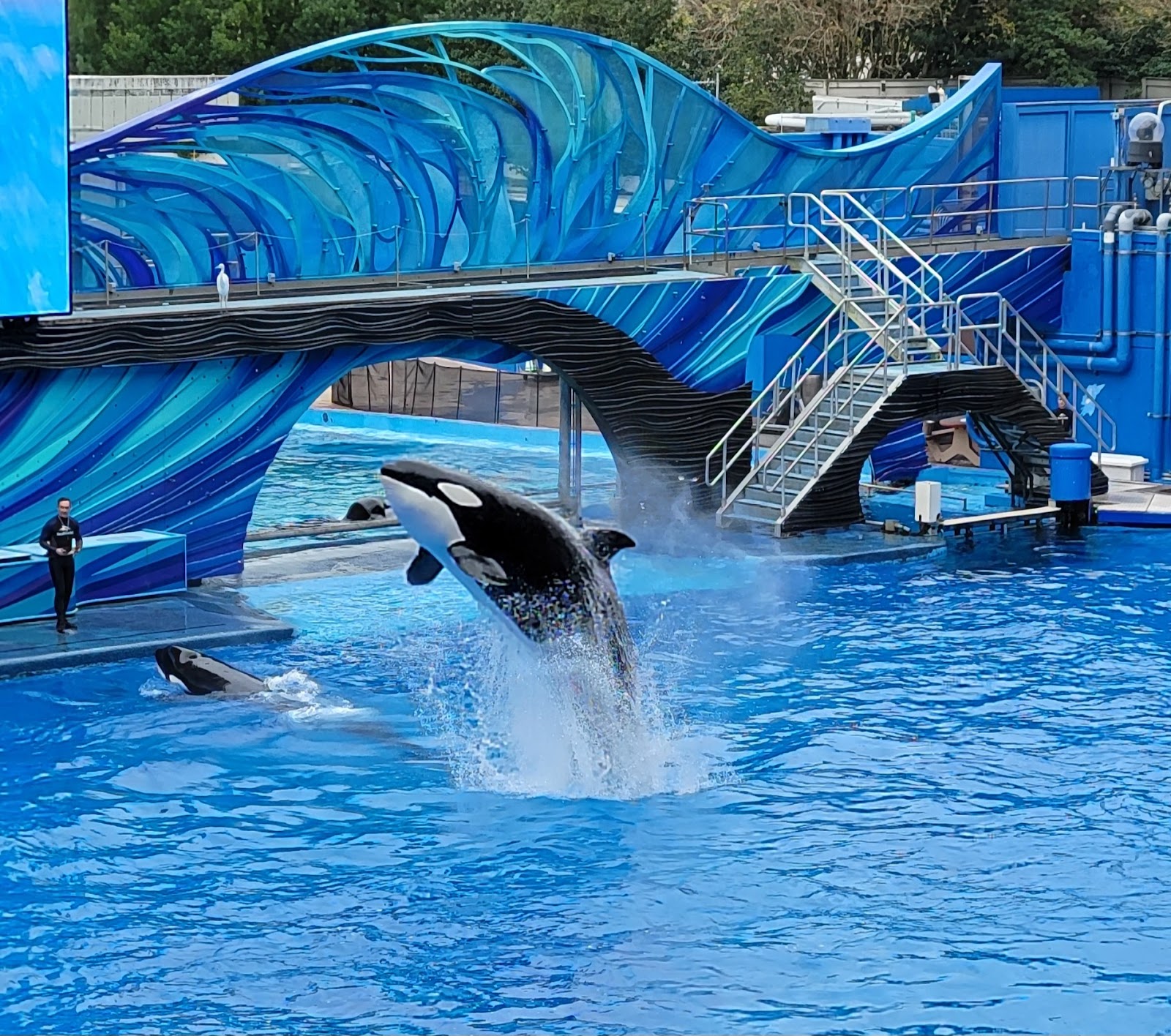
The SeaWorld Orlando: Field Notes
A marine park in Orlando — aquarium glass, open lagoons, and a park that is busy at almost every hour.
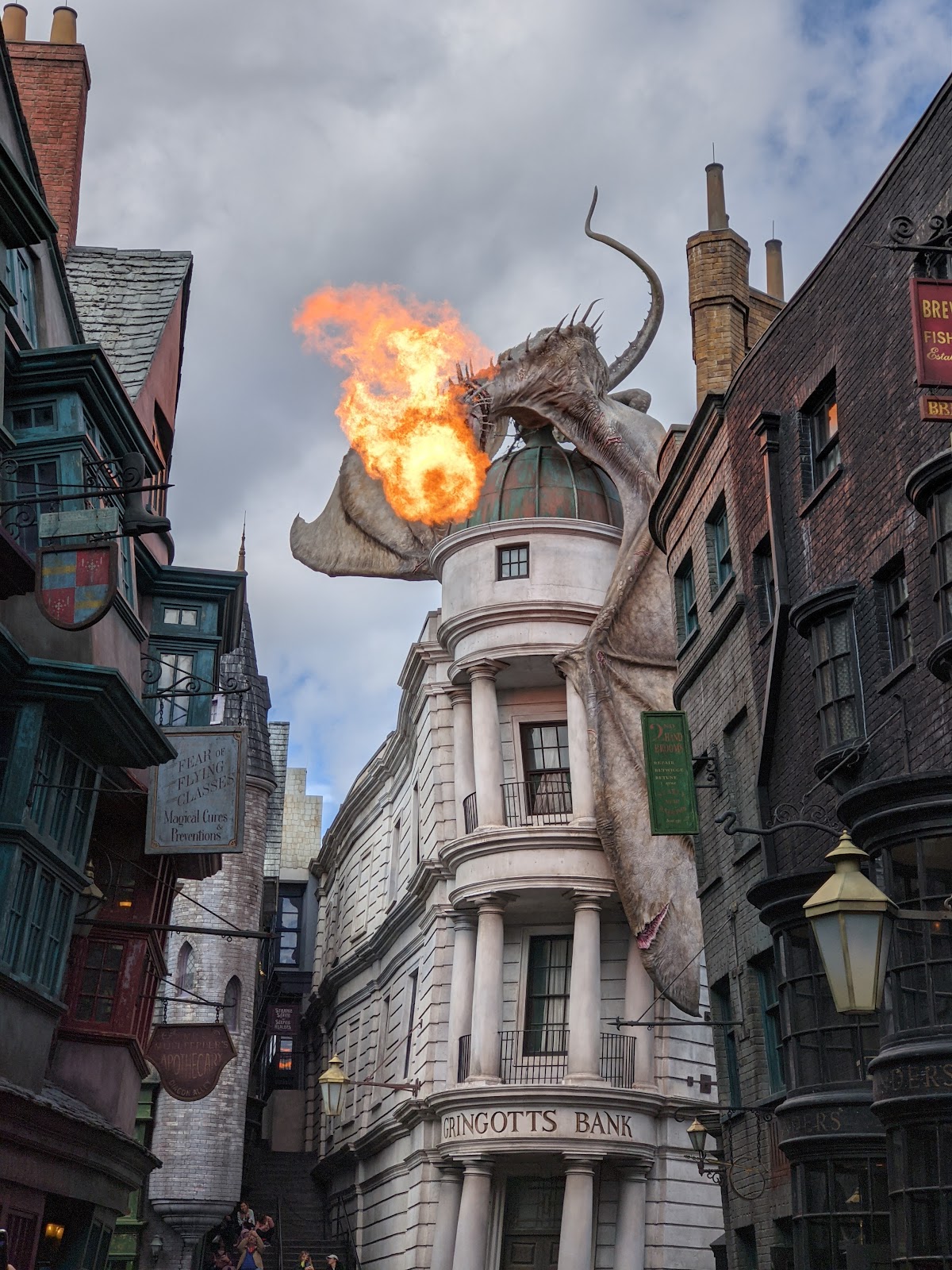
The Universal Orlando Resorts: The One Decision That Governs Everything
A themed resort complex in Orlando, where each hotel commits to a design idiom and none of them is neutral.
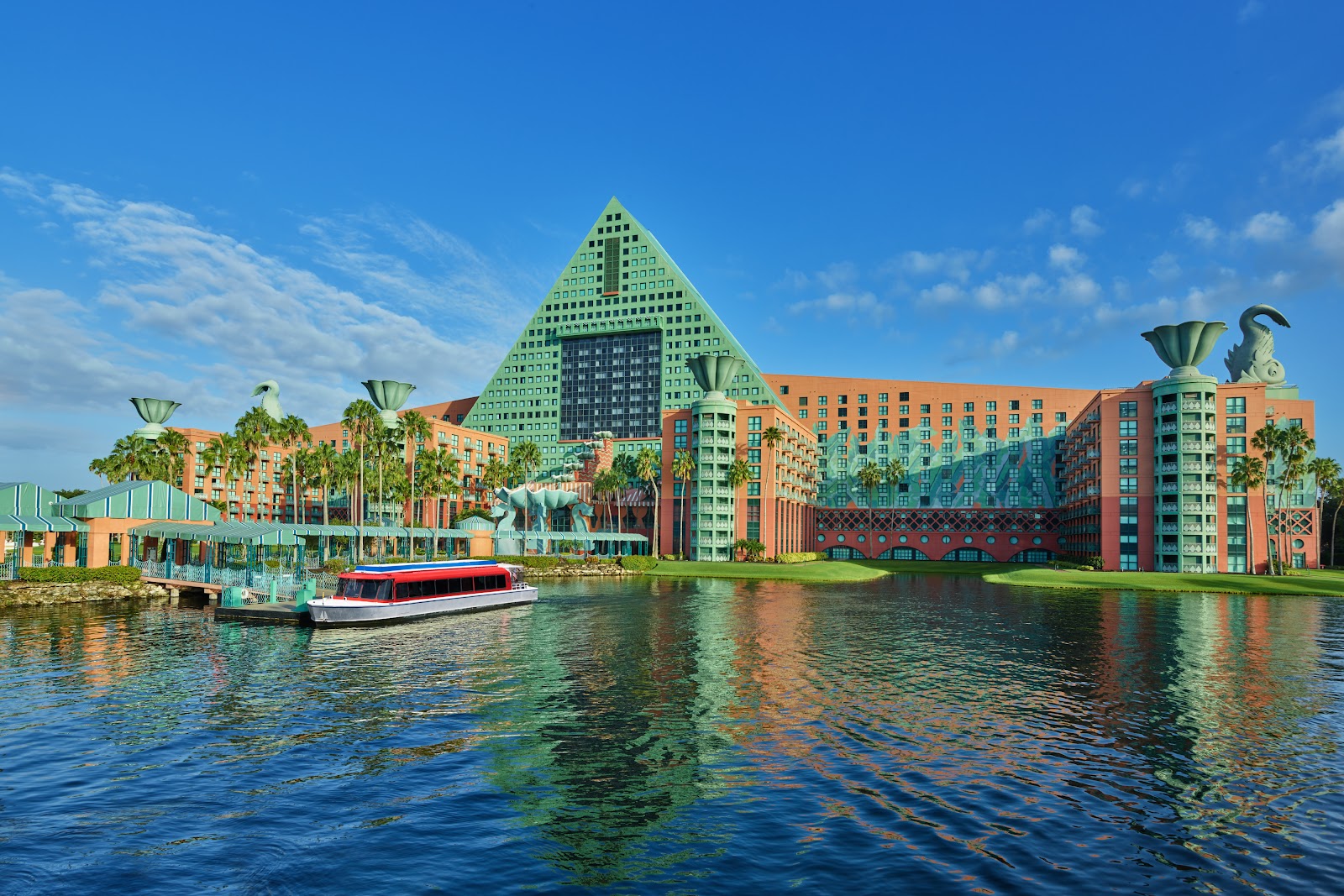
The Walt Disney World Resorts: What It Suits, and What It Does Not
A very large themed resort complex near Orlando — and a venue where the rules matter more than the light.