The first thing to say about Ohio is that it is cloudy, and that this is good news. The northern part of the state sits under one of the most persistently overcast skies in the country, because Lake Erie manufactures cloud: air moving over open water picks up moisture and dumps it downwind, which is why Cleveland has so many grey days and why its winters are what they are. For a photographer, heavy overcast is not a problem to be survived.
It is a softbox the size of the sky — no hard shadows, no squinting, no blown highlights on a white dress, and light that is the same in every direction so a couple can be posed anywhere. The single most common mistake here is treating an overcast forecast as a disaster and moving everything indoors. The correct response is usually the opposite.
What overcast does cost you is modelling and sky. Flat light makes faces flat, so it wants a little direction — an open doorway, a wall on one side, a slightly low camera position — and it makes the sky a featureless white that is better excluded from the frame than fought with. The south of the state behaves differently. Cincinnati is two hundred and fifty miles from the lake, sits in the Ohio River valley, and has real hills.
Hills to the west take the sun early, so the usable end of the day there comes before the published sunset, and it is worth checking the site's own horizon rather than an app. The collection itself leans institutional: the Cleveland Museum of Art with its glazed atrium, Playhouse Square — the largest theatre district in the country outside New York — the Cincinnati Music Hall's 1878 Venetian Gothic interior, and several zoos and science centres. That matters practically, because a collection-holding institution is governed by conservators, not by an events manager.
Flash limits, tripod bans and restrictions attached to loaned works are decided elsewhere and are rarely negotiable on the day. Ask early, in writing, and build the shot list around the answer. These guides flag where that applies and what each interior needs.
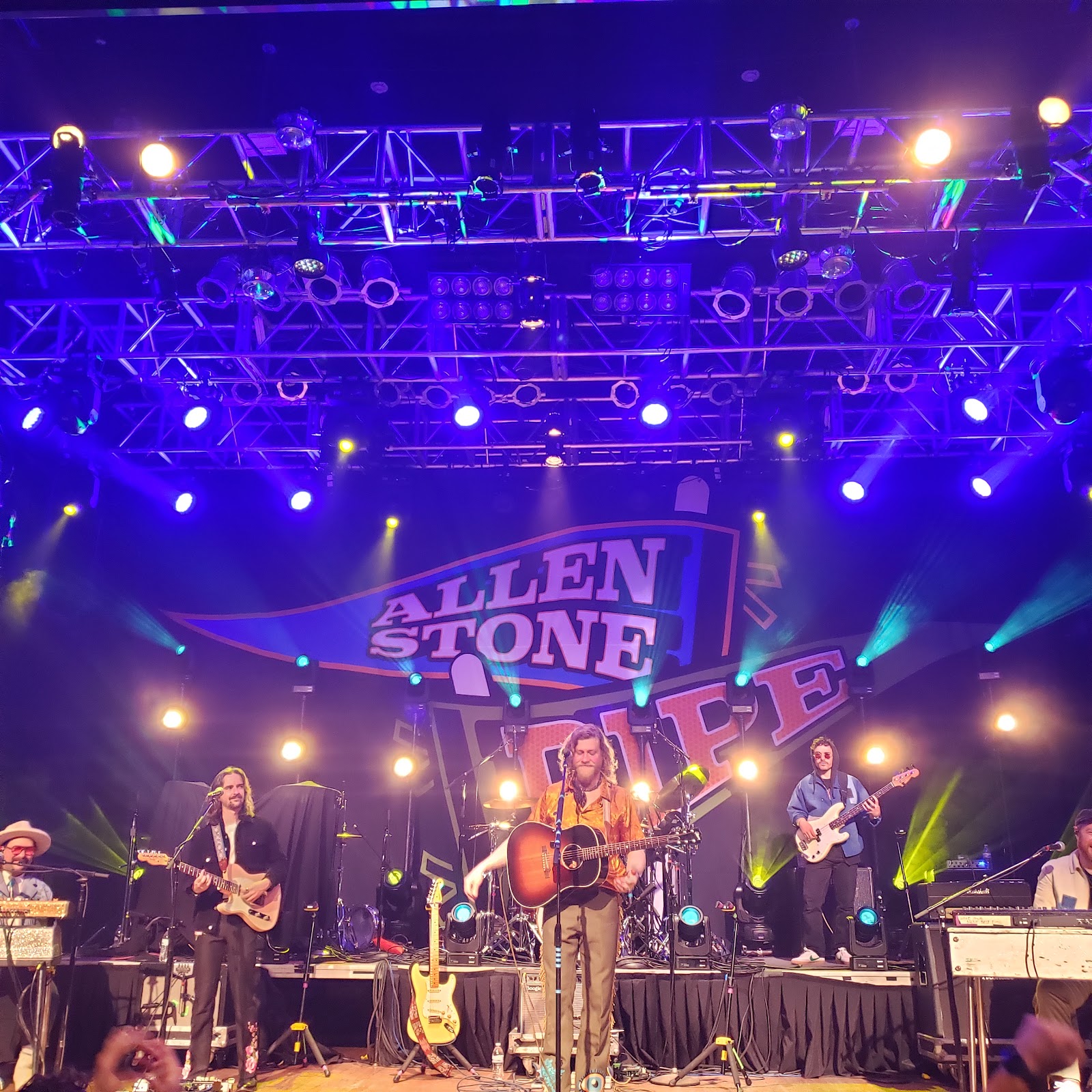
The House of Blues, Cleveland: What It Suits and What It Does Not
A music venue in downtown Cleveland, known for spaces that feel both intimate and expansive.
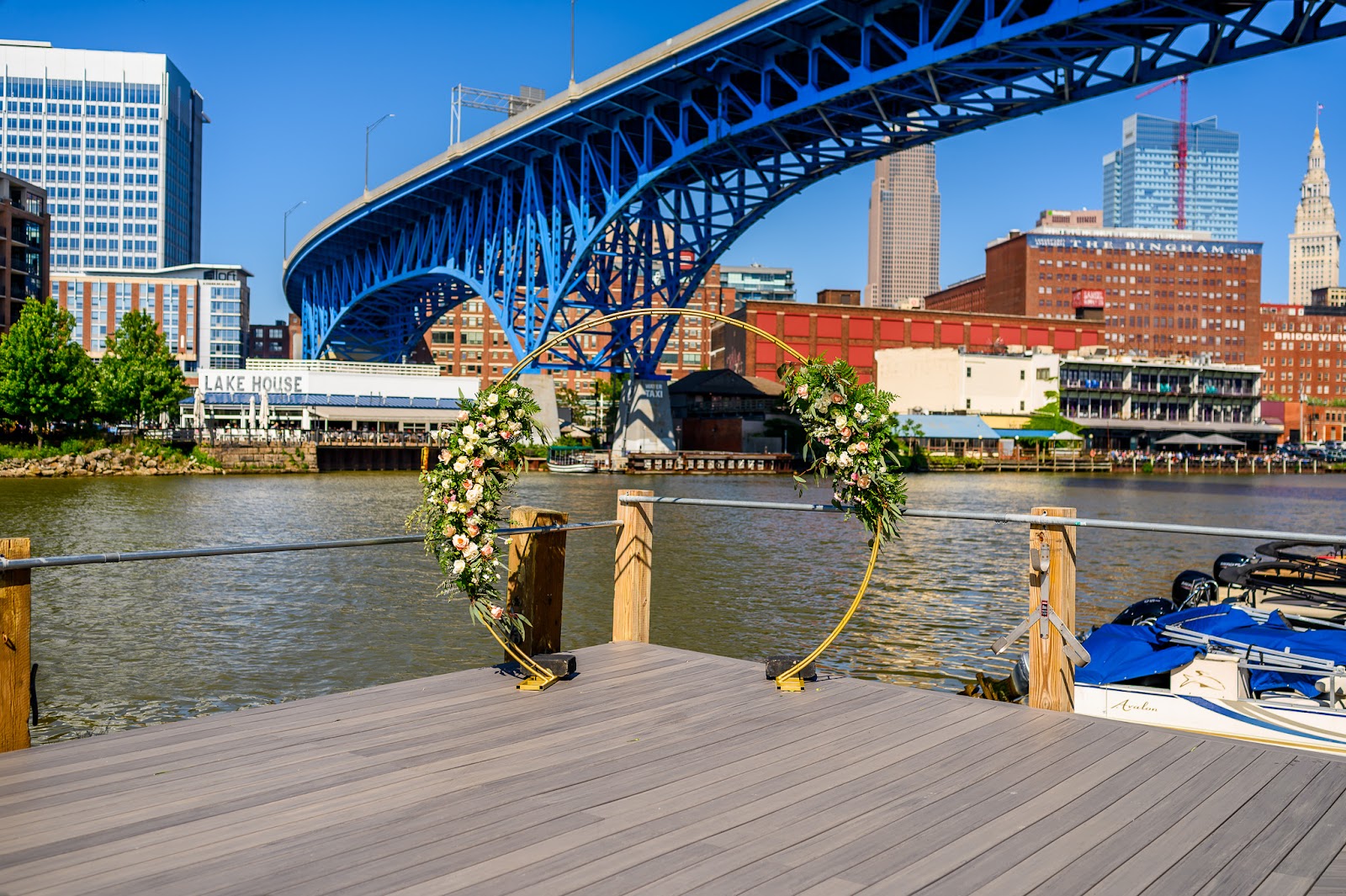
The Music Box Supper Club, Cleveland: How the Light Moves
A Cleveland supper club with exposed brick walls and large panoramic windows looking over the Cuyahoga.
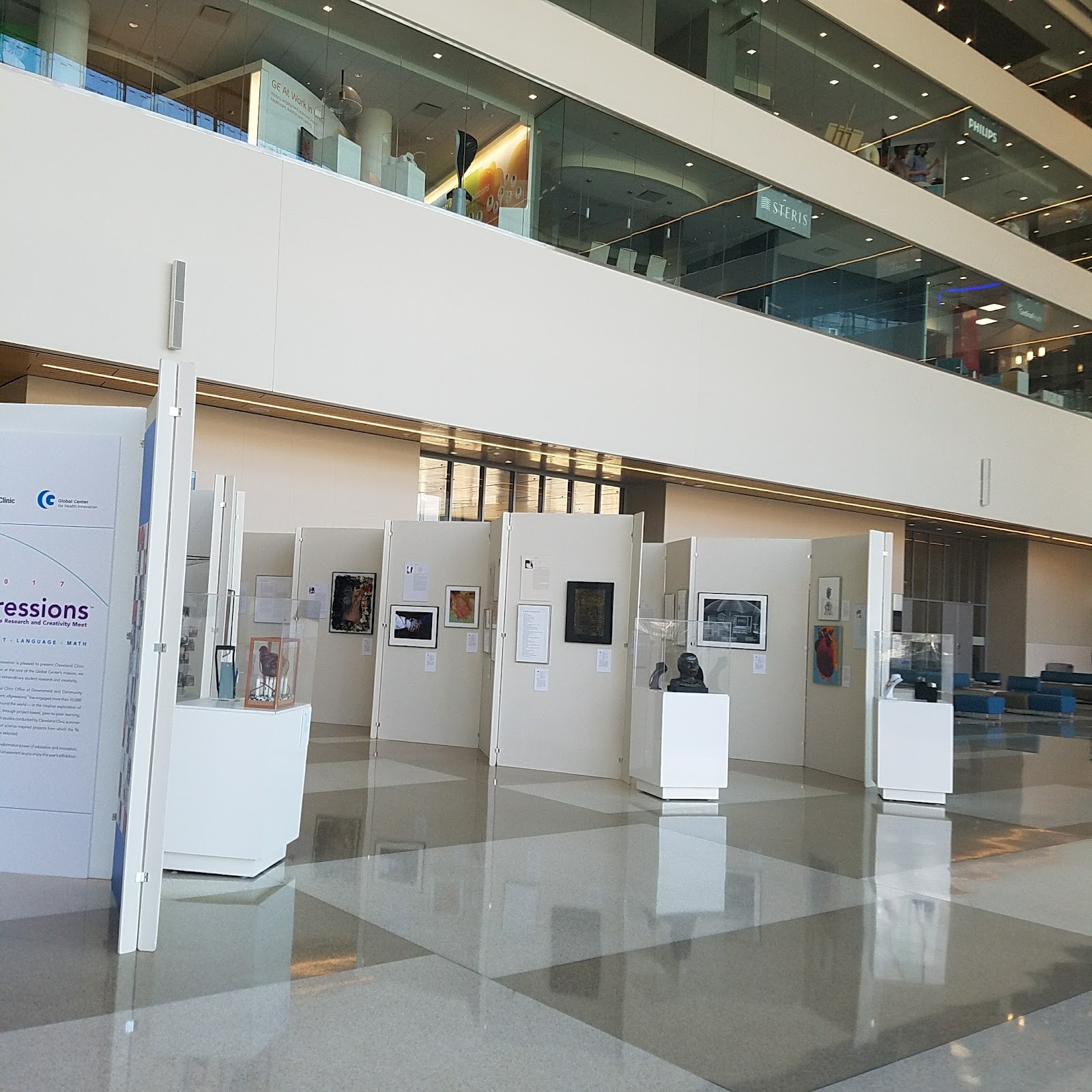
The Huntington Convention Center, Cleveland: Photographing a Convention Venue
A modern convention centre in the heart of downtown Cleveland, with large flexible spaces and glazed public areas.
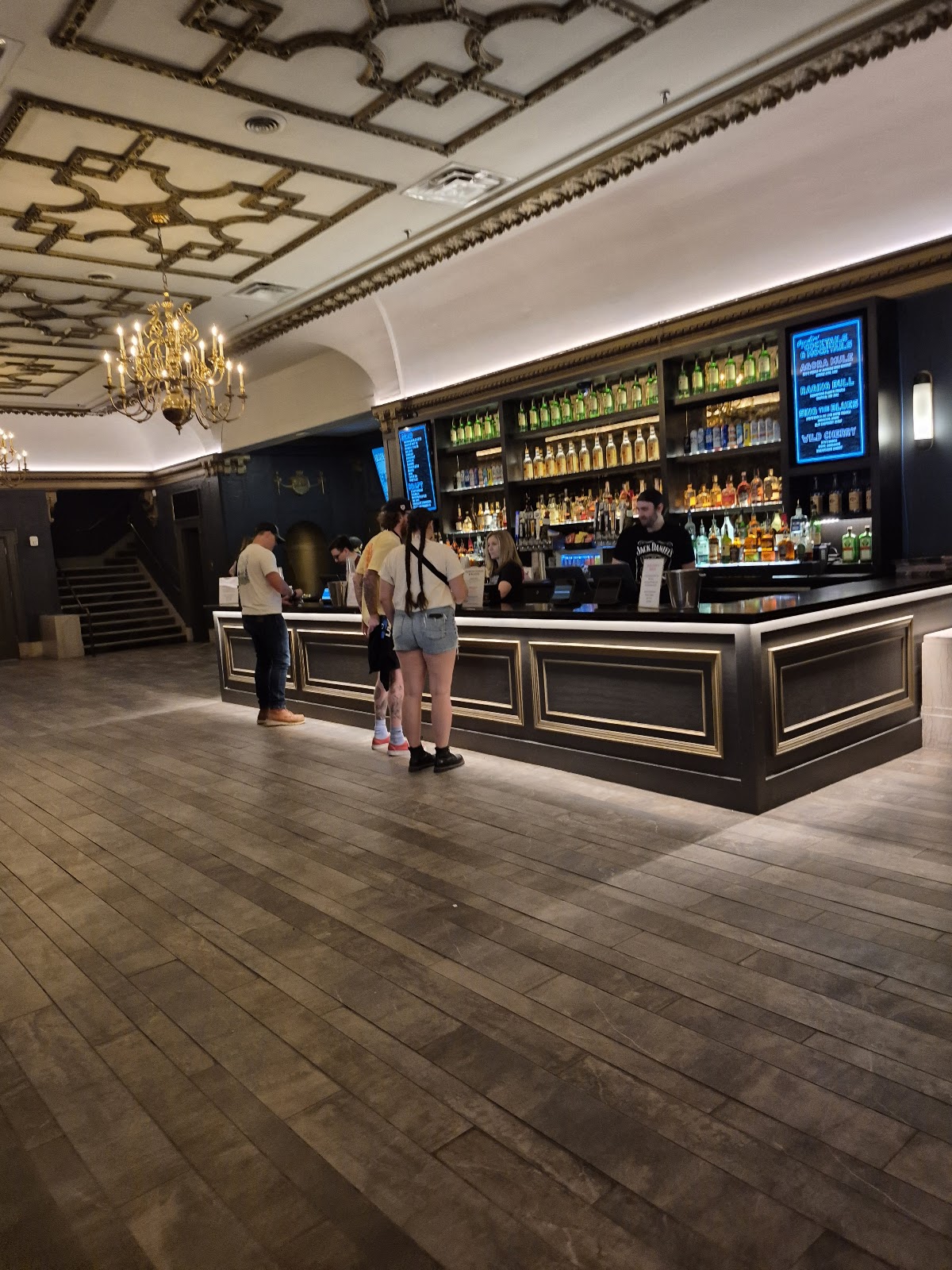
The Agora, Cleveland: Photographing a Vaudeville Theatre Turned Music Venue
A historic Cleveland venue with roots as an early twentieth-century vaudeville theatre, now a music room.
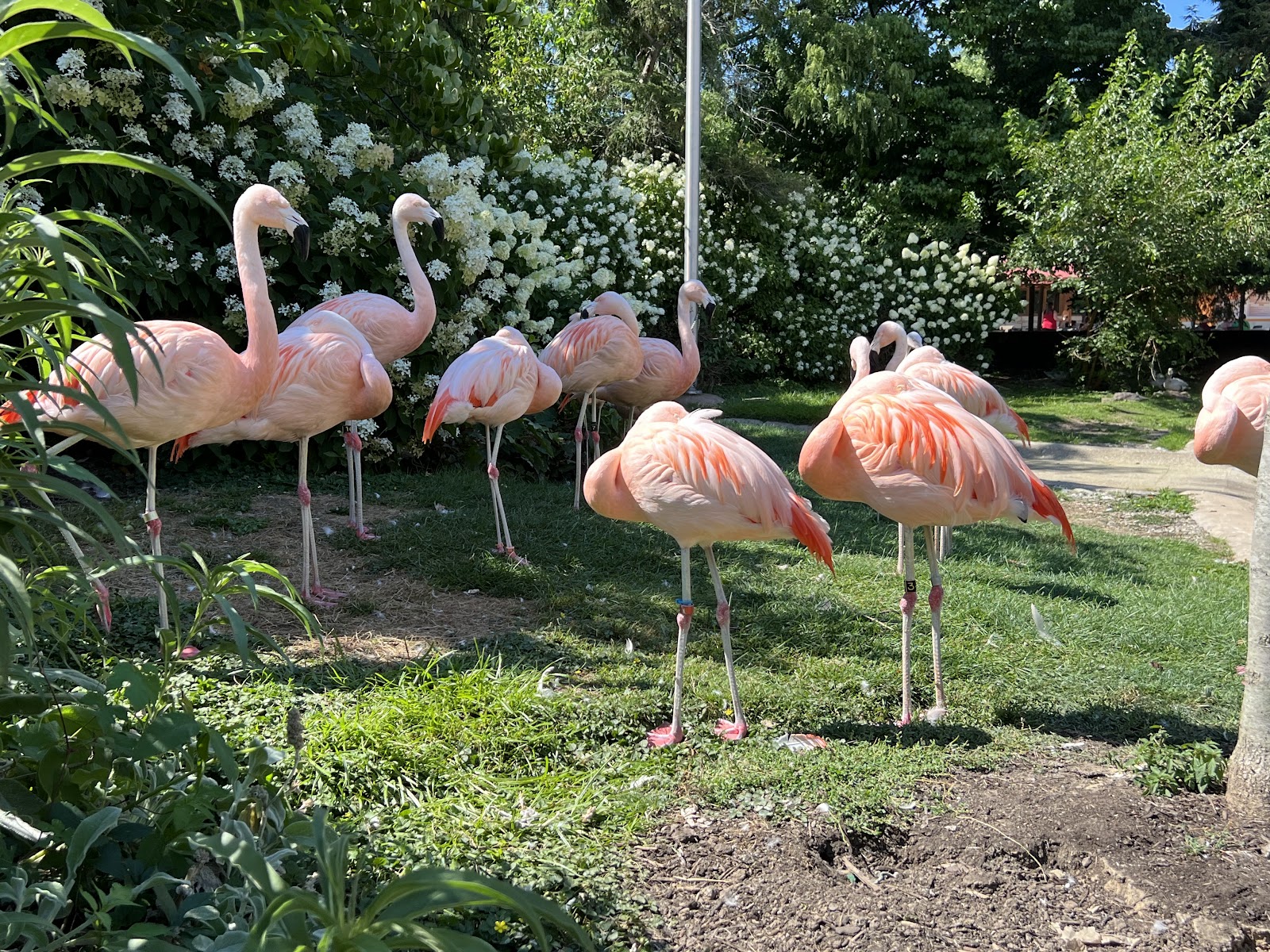
The Cleveland Zoo: Four Ways Out of the Fencing Problem
A zoo in Cleveland set among the mature woodland of a river valley, with indoor and outdoor event spaces.
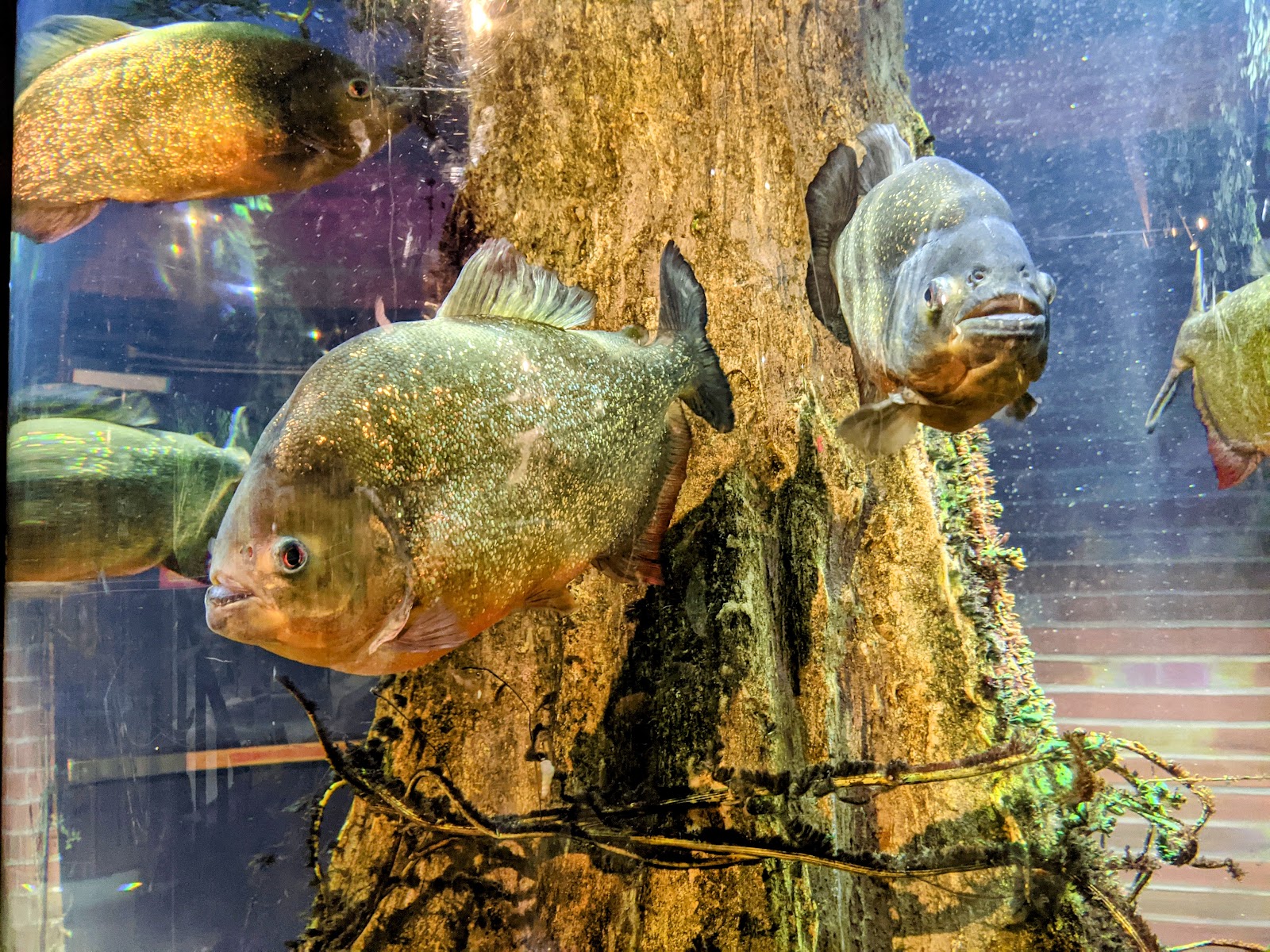
The Greater Cleveland Aquarium: Four Ways Out of the Blue Light Problem
An aquarium in Cleveland housed within a converted industrial powerhouse building on the Cuyahoga.
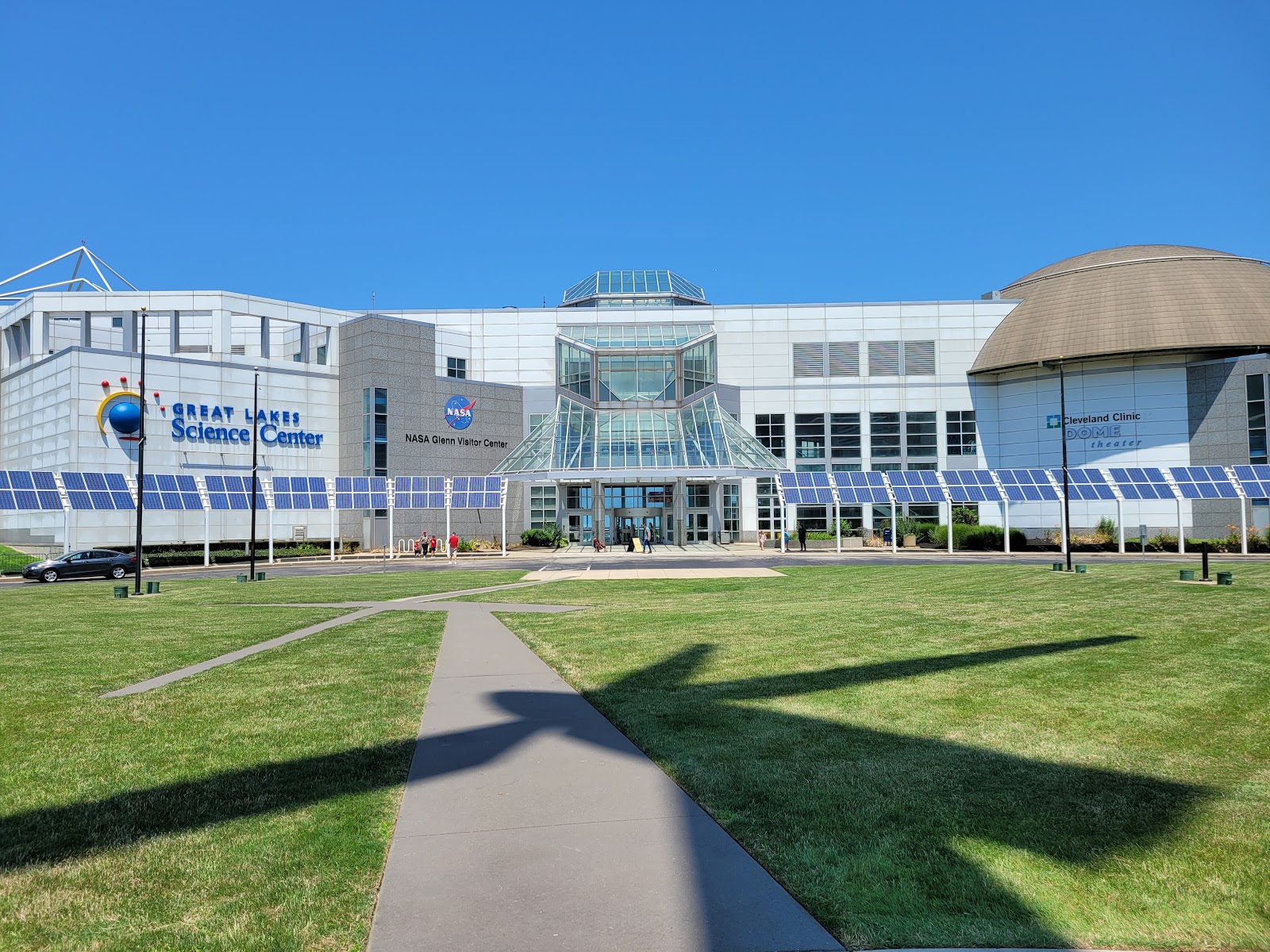
The Great Lakes Science Center, Cleveland: The One Decision That Governs Everything
A science centre on the Cleveland lakefront, with sweeping architecture, expansive glass facades and exhibit halls.
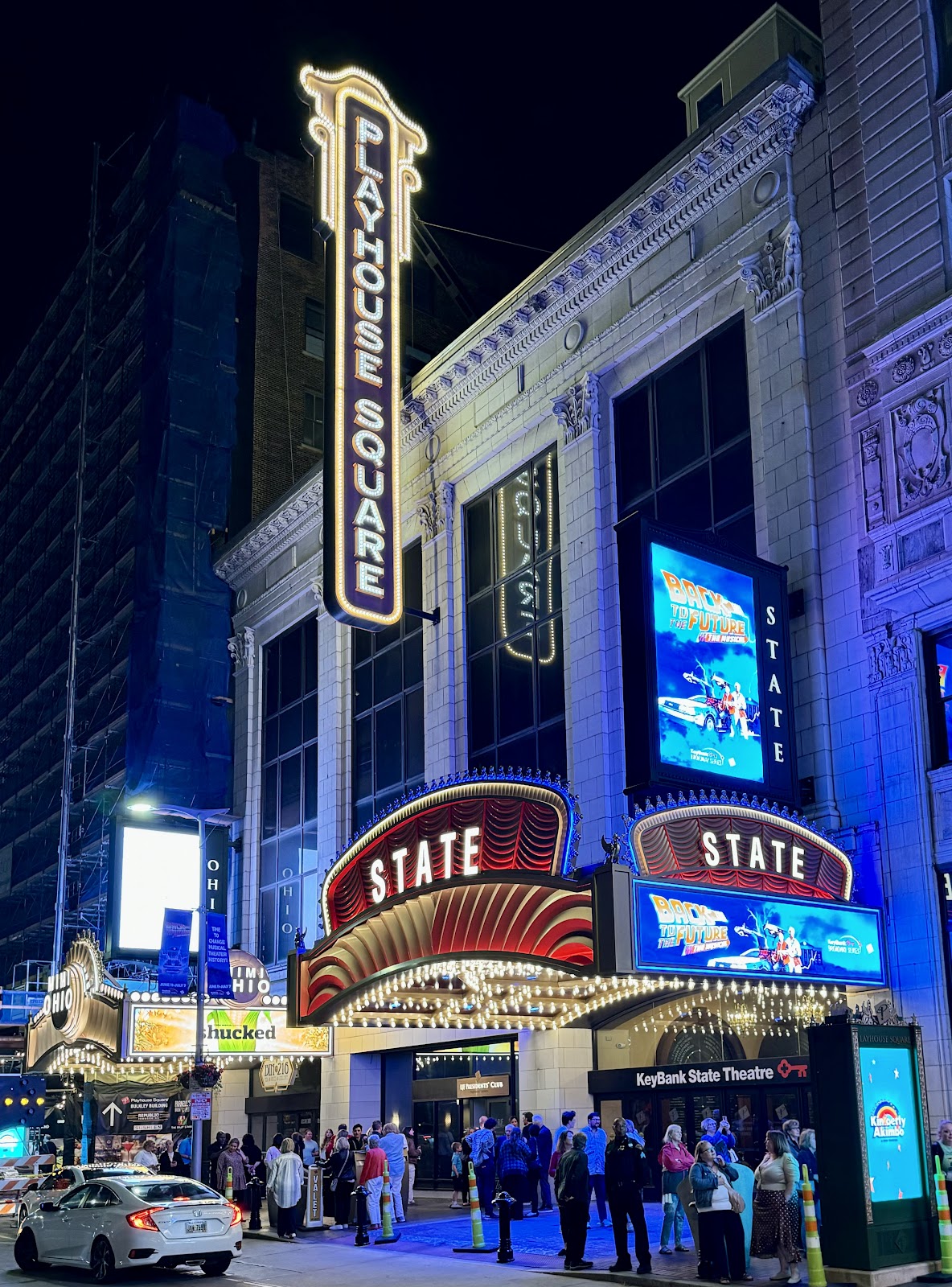
The KeyBank State Theatre, Cleveland: The One Decision That Governs Everything
A restored 1920s theatre in Cleveland's Playhouse Square, with an elaborate lobby and a large auditorium.
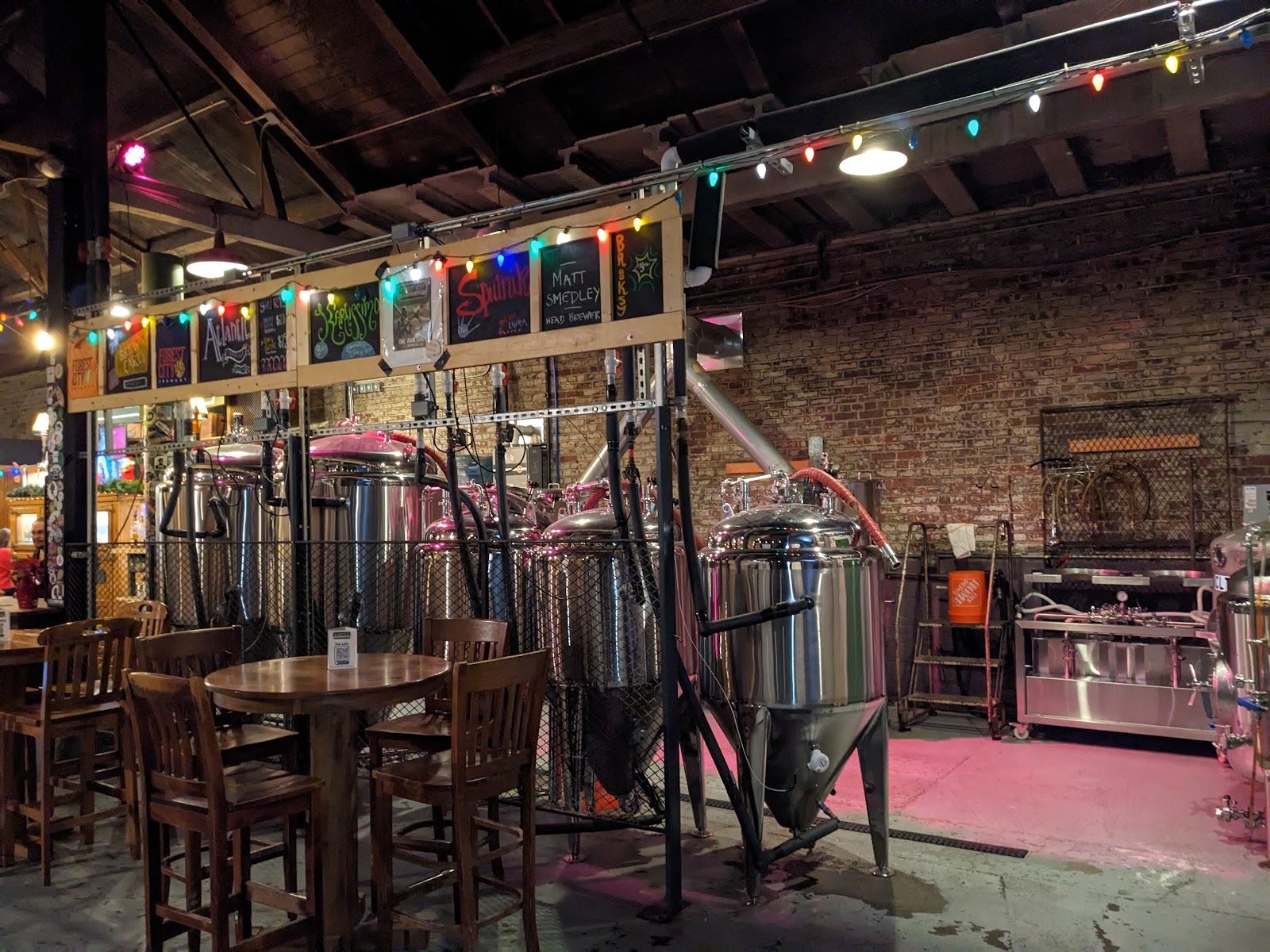
The Forest City Brewery, Cleveland: Field Notes on a Brewery Venue
A brewery venue in Cleveland with a taproom, brewing equipment and outdoor beer garden space.
The FirstEnergy Powerhouse, Cleveland: Field Notes on a Converted Power Station
A converted power station in Cleveland's Flats, with high ceilings, exposed brick walls and very large windows.