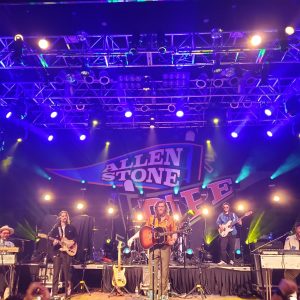
 The House of Blues, Cleveland: What It Suits and What It Does Not
The Forest City Brewery, Cleveland: Field Notes on a Brewery Venue
Stainless steel tanks are mirrors, a taproom is dim and warm, and a beer garden is open sky. Three sets of rules.
The Forest City Brewery is a Cleveland brewery venue, and the material we have on it is candid enough to say only that it might be worth a look — so this guide is written from the venue type rather than from a tour, which we would rather state than imply otherwise.
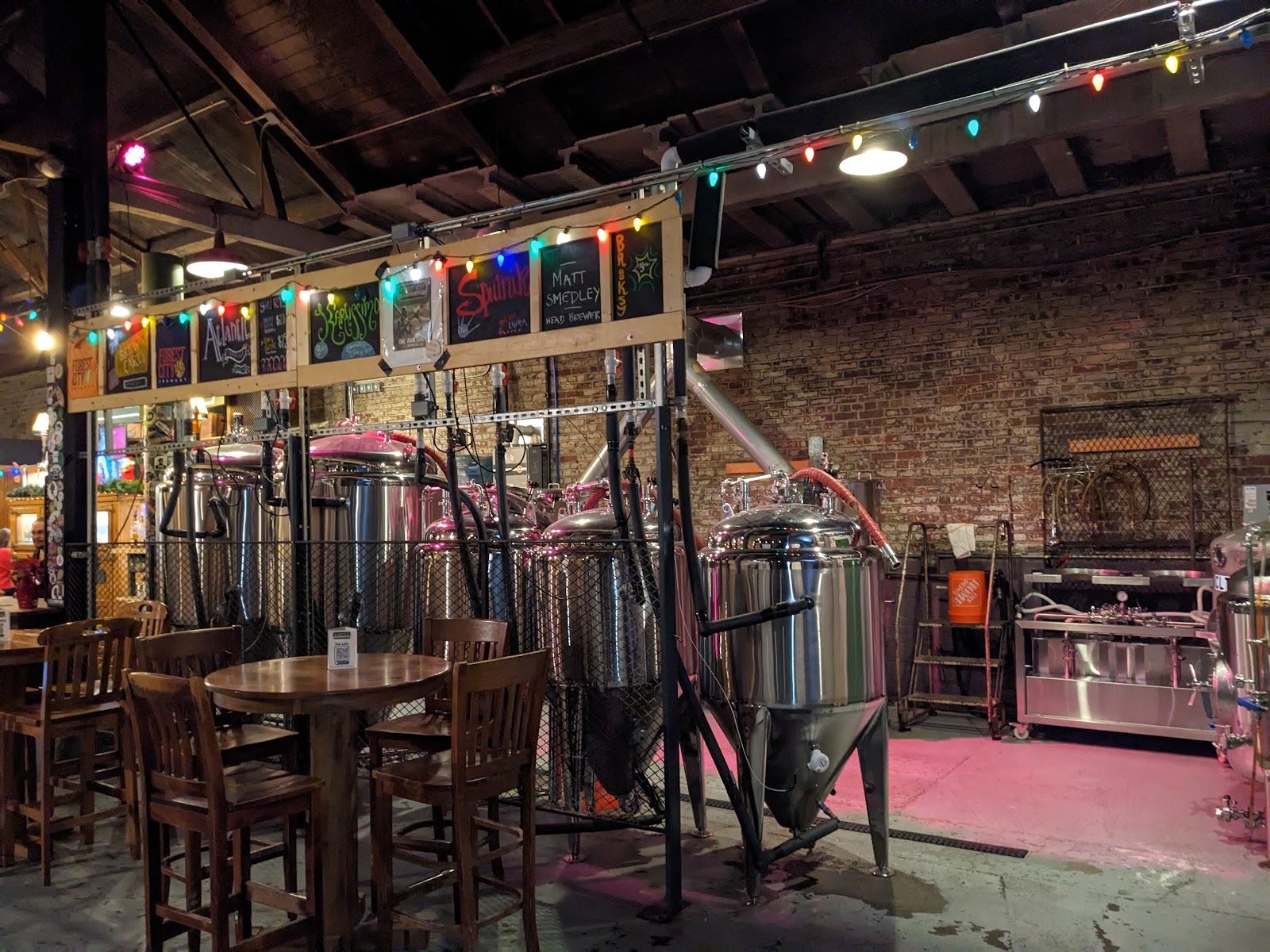
Breweries are consistent enough for that to be useful. A working brewery venue has three components and they behave in completely different ways. There is brewing equipment: large stainless vessels, pipework and hoses, which are specular rather than merely shiny and which therefore reflect the whole room. There is a taproom: timber, brick, low warm lighting and a bar, which is a dim warm interior with a bar’s particular problems. And there is usually outdoor space — a yard or beer garden — which is open sky, hard surfaces and no shade.
These are field notes: what you will meet and what each one needs. We have not photographed a wedding at the Forest City Brewery; brewery venues behave consistently. Which areas a booking includes, whether the brewhouse is accessible and what is safe to stand near, and whether the yard has any cover are the questions for their team — the second matters because a working brewery has hot surfaces, wet floors and moving equipment.
The Forest City Brewery at a glance
| Where | Cleveland, Ohio |
| Character | A brewery with taproom, brewing equipment and outdoor space |
| Three components | Specular stainless, a dim warm taproom, and open-sky yard |
| The safety question | Hot surfaces, wet floors and access to a working brewhouse |
| Ask first | Areas included, brewhouse access and safety, yard cover |
What you meet, and what each one needs
Stainless vessels are the first condition and they are the one people underestimate. Polished stainless is not simply shiny — it is specular, which means it does not have a brightness of its own but shows an image of whatever is around it. A tank under a bank of lights photographs as a set of bright bars; the same tank in a dim room photographs as a dark cylinder with a few highlights. Changing the exposure does not change that; changing what is around the tank does.
The consequence is that a photographer’s position relative to a vessel is technical rather than compositional. Standing so that a window, a light or a pale wall is behind the camera puts that object into the steel; moving two metres to one side removes it. The way to work is to look at the surface first, find where the reflection is clean, and put the camera there.
Your own lights obey the same rule and more strictly. A softbox aimed anywhere near a tank appears in it as a bright rectangle, which is either a deliberate highlight that describes the curve of the vessel or an obvious intrusion — on curved steel those are the only two options, and the difference is where the source sits relative to the curve.
The useful technique is to light the people and let the steel take care of itself: one source, off the camera axis at face height, angled so that its reflection lands on part of the vessel away from the frame’s centre of interest.
Steel is also cool, which is the opposite of everything else in a brewery — so a frame containing both warm timber and cool stainless has two colour influences pulling in different directions, and a custom white balance set on a face in the position being used is the only way to keep a sequence matching itself.
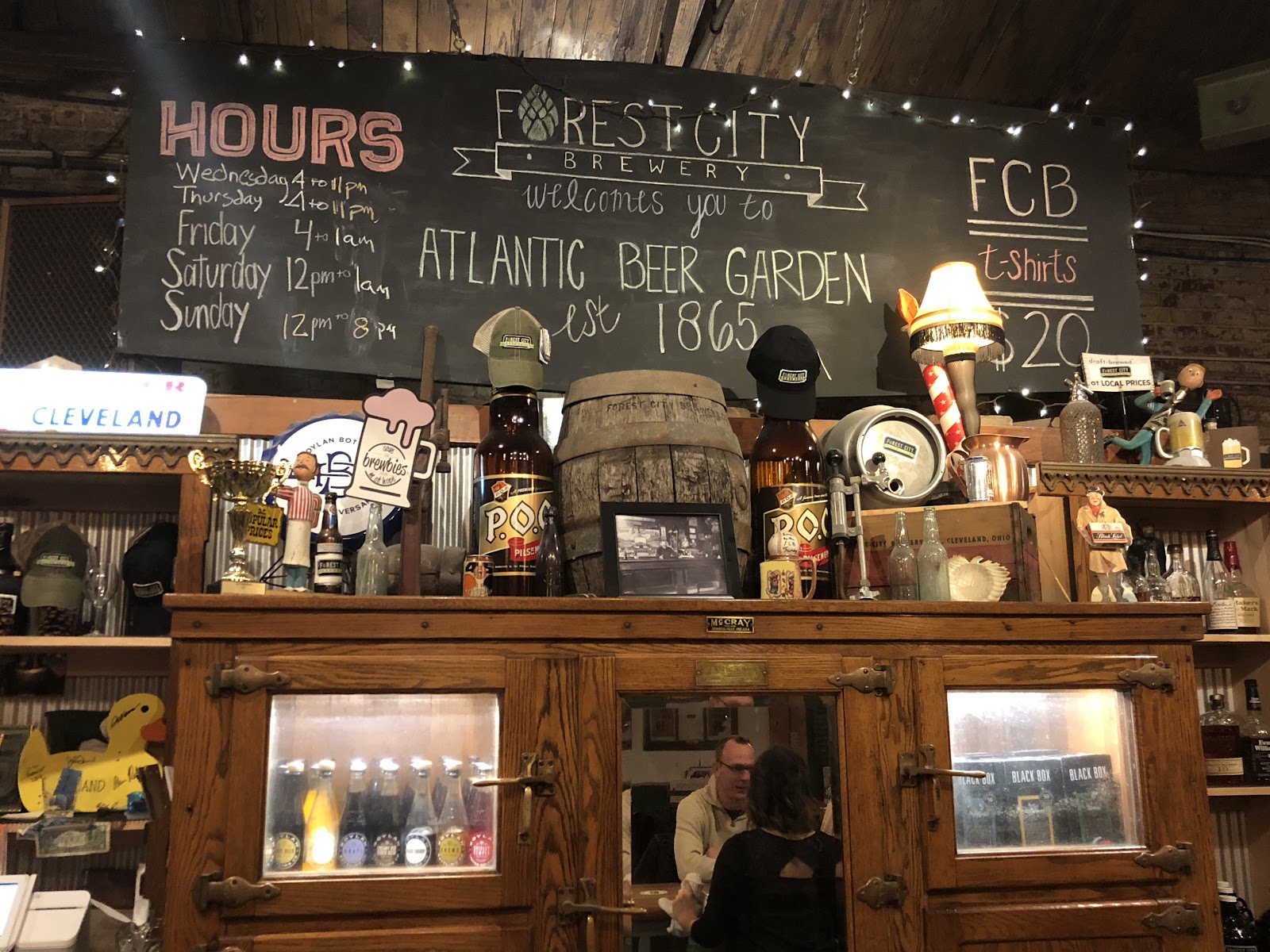
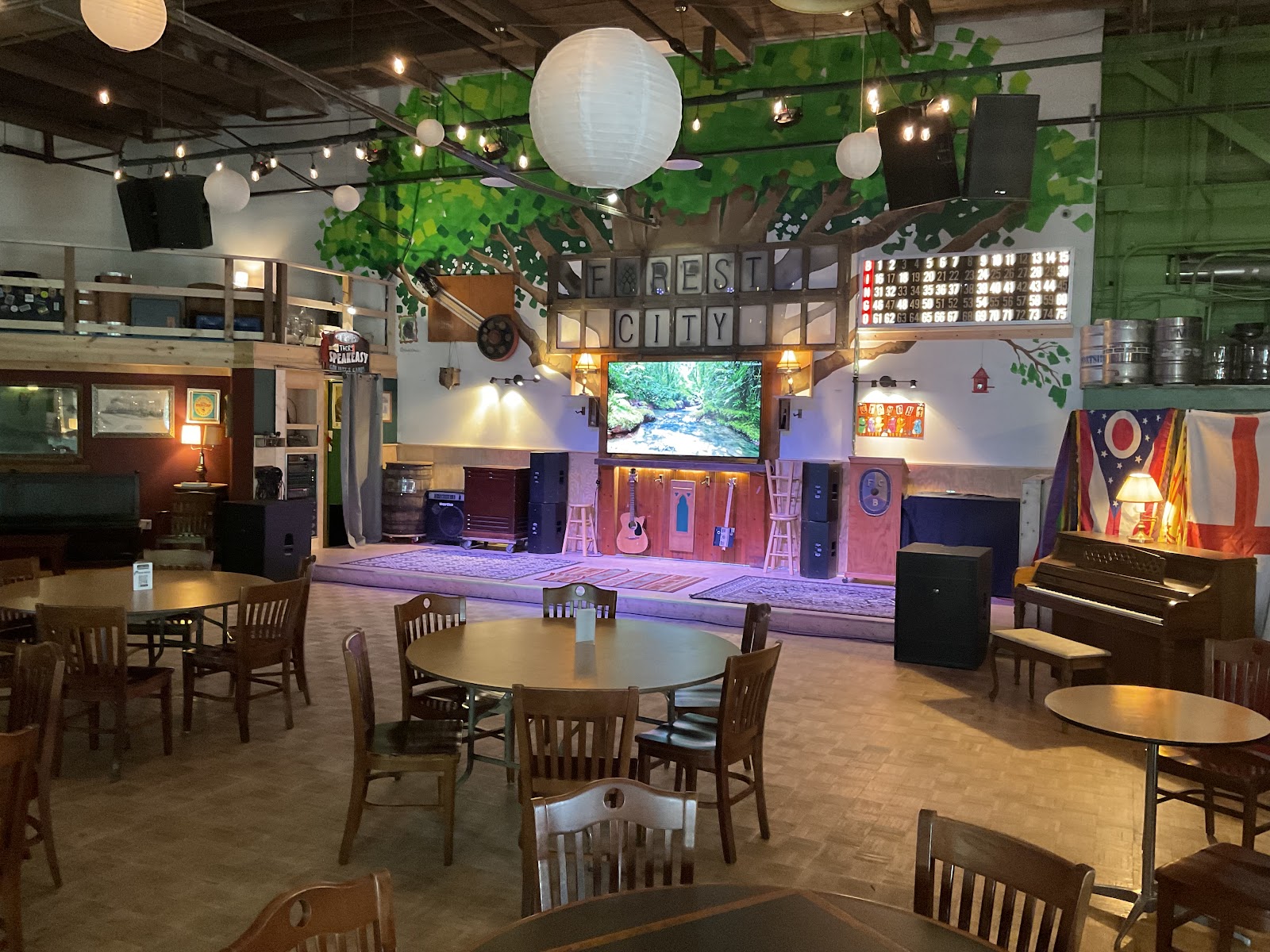
The taproom is the second condition and it is a dim warm interior. Timber, brick and low decorative lighting absorb rather than return light, so the ambient is lower than it looks and bounce returns a fraction of what it would in a pale room — test it once on arrival. Both materials need raking light to show their texture: along them, grain and mortar lines; at them, a brown field.
Bar lighting is the taproom’s specific problem, because a bar back is usually the brightest thing in the room and often coloured. A bright bar behind a subject pulls the eye off the face, and a coloured one throws its colour onto nearby skin — so one gelled source owning the faces, with white balance set to it, handles both.
Filament fittings and pendants are the compensation: at a wide aperture they become warm points of light behind a subject, which is what a taproom does beautifully, provided a bright fitting is not sitting immediately beside a head.
The yard, and the shape of the day
The outdoor space is the third condition and it behaves like any hard-surfaced open yard. Light arrives from above, which darkens eye sockets and marks the line under the nose; fill comes off paving rather than foliage, which means it is neutral rather than warm; and there is no shade except the building’s own shadow, which moves.
Learning where the shade line will be at the ceremony hour rather than at the site-visit hour is the most useful preparation, and the overhead fix should be ready: a reflector held low, a lifted chin, or a small source at face height. Because paving already returns some light, the correction needed is small.
Any overhead cover — an awning, a canopy, a pergola, a roof overhang — is the best light on the property, because a roof above with an open side becomes a large directional source at architectural scale, available all day regardless of the sun and working in rain. At a brewery venue that is usually the covered part of the yard, and it is worth identifying first.
Yards also have a background problem worth deciding about rather than accepting: fencing, bins, kegs, service doors and neighbouring buildings are all potentially behind a subject. Either compose to exclude them, or use a long lens at a wide aperture so the yard becomes an unreadable soft field. Kegs and crates used deliberately as a foreground are a different matter and can work well; the failure is letting them drift into the edge of a frame.
Because the taproom does not change through the day and the yard does, the running order should be built around the yard: the last ninety minutes outside, when low sun rakes across paving and brick and the heat of a humid afternoon has broken, with everything else fitted around it.
The dusk crossing works at a taproom window or at the yard door: for roughly twenty minutes after sunset the outside falls to about the brightness of the interior lighting, and one exposure holds the lit room, the couple and the yard beyond. It happens once.
One practical note on a working brewery. Hot surfaces, wet floors, hoses and moving equipment are real, and a brewhouse is not designed for formal shoes or long dresses. Asking what is safe to stand near, and whether anything must be kept clear, is a matter of consequence rather than courtesy — and it is better established in advance than negotiated in front of guests.
- Look at the steel before looking through the viewfinder
- Light the people and let the tanks take care of themselves
- Set a custom white balance on a face; warm timber and cool steel pull apart
- Find the covered part of the yard first; it is the best light there
- Ask what is safe to stand near in a working brewhouse
Outside, and Cleveland's year
Cleveland’s older commercial and industrial fabric is the outdoor extension and it is coherent material: brick, stone and steel at a largely low-rise scale, which means low sun reaches street level and runs the length of a block. Both brick and stone show their texture only when light runs along them, so a short walk to find which side is being raked is worth more than any accessory.
Alleys and service sides are the most dependable positions: walls on both sides give directional light and a contained background with nothing distracting in it, plus shelter — and at a brewery they are a coherent extension of the interior rather than a change of subject.
Cleveland’s weather is the fact that most shapes a venue with an outdoor component, and it is worth being straightforward about. This is one of the cloudiest major cities in the country, with persistent overcast through much of the late autumn, winter and spring.
For a yard that is largely good news: overcast is an enormous diffuser, giving soft even light with open shadows and no hard edge anywhere, which removes the yard’s hard overhead sun problem entirely. Position stops mattering and nothing needs carrying. Add half a stop to a stop for the bright grey sky, and bring shape back subtractively by placing people near something dark, because a uniformly grey sky has no direction and adding a flash usually makes a frame worse.
The cost is that raking light on brick — the condition the material is made for — needs sun, and from November to April in this city that is not reliable. On a grey day a brick yard is a flat brown enclosure, which is usable and is not what it is capable of.
Summer is humid with afternoon thunderstorms common rather than rare, which at a venue whose ceremony may be in a yard makes the wet-weather plan a real question: what it is, how many it holds, and by what time the call is made. A taproom is a partial answer and a covered yard a better one.
Winter brings lake-effect snow, which is localised, sudden and heavy — a logistics question for guests as much as a photographic one, and also the best natural fill there is, lifting exactly the shadows a low sun carves while fooling a meter by about two stops. Snow on a brick yard with warm taproom windows behind it is a genuinely good frame and it only exists for a few weeks.
And a heated taproom with cold outside air fogs a lens comprehensively in both directions, so let equipment come towards the temperature of where it is going before it gets there — which at a venue with repeated indoor-outdoor movement means planning one excursion rather than several.
More frames from The Forest City Brewery
The Forest City Brewery wedding photography: common questions
Why are stainless tanks difficult?
Because polished stainless is specular, not merely shiny — it shows an image of whatever is around it. A tank under lights photographs as bright bars; the same tank in a dim room as a dark cylinder.
How do you work around that?
Look at the steel before looking through the viewfinder, find where the reflection is clean, and put the camera there. Light the people, and angle your source so its reflection falls away from the frame’s centre.
What is the colour trap?
Warm timber and brick pulling one way and cool stainless the other in the same frame. A custom white balance set on a face in position is the only way a sequence matches itself.
What is the taproom's specific problem?
The bar back. It is usually the brightest thing in the room and often coloured, so it pulls the eye off a face and throws colour onto skin. One gelled source owning the faces handles both.
What is the best light in the yard?
Any overhead cover — an awning, pergola or roof overhang. A roof above with an open side is a large directional source, available all day and working in rain.
What has to be asked about a working brewery?
What is safe to stand near, and what must be kept clear. Hot surfaces, wet floors and hoses are real, and a brewhouse is not designed for formal shoes or long dresses.
More Cleveland, OH venue guides
We are writing a photographer’s guide to every venue we would happily shoot in Cleveland, OH. Here are three more, plus the full index:
- The Great Lakes Science Center, Cleveland: The One Decision That Governs Everything
- The Greater Cleveland Aquarium: Four Ways Out of the Blue Light Problem
- The House of Blues, Cleveland: What It Suits and What It Does Not
All Cleveland, OH Wedding Venues →
Planning a wedding at The Forest City Brewery?
Find the covered yard and settle the safety questions. Tell us your date.