 The Thunderbird Inn: Field Notes on a 1964 Motor Inn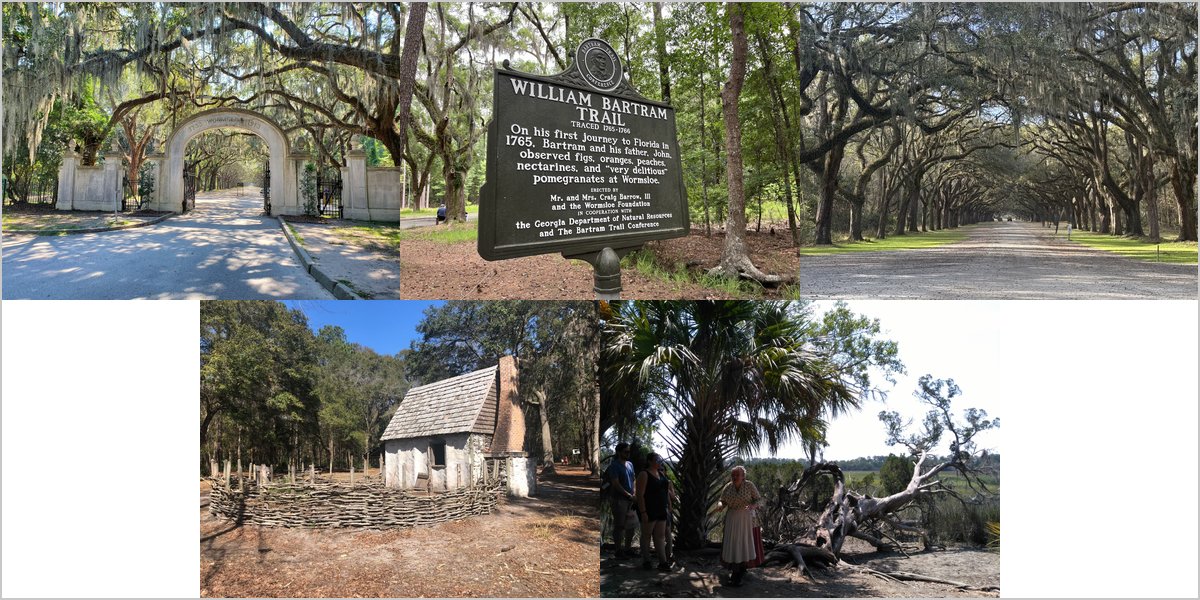
April 18, 2026
Wormsloe Historic Site: The Oak Avenue and How to Time It
The oak avenue is one of the most photographed places in the American South, and it behaves like a tunnel. Almost everything about the timeline follows from that.
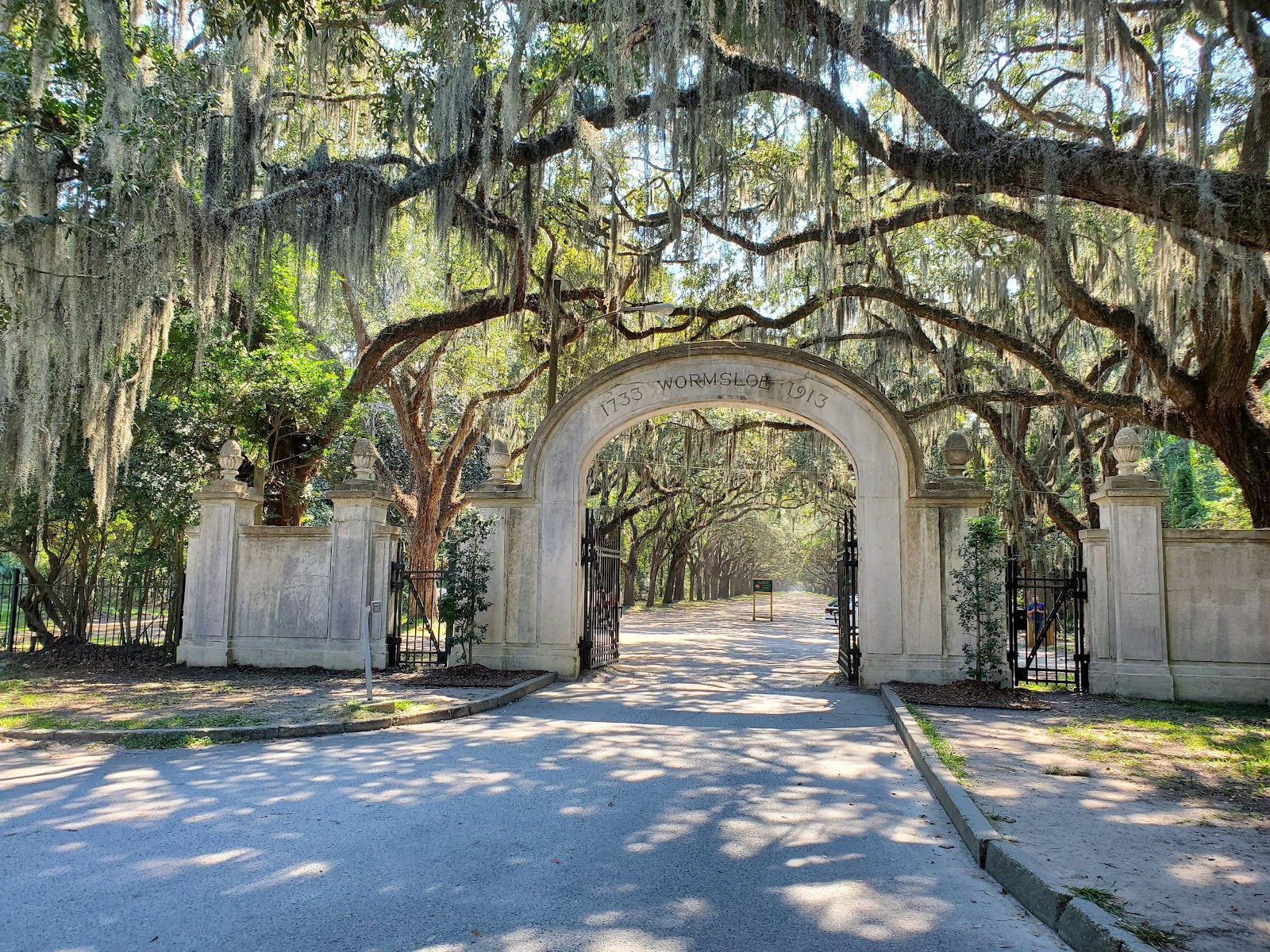
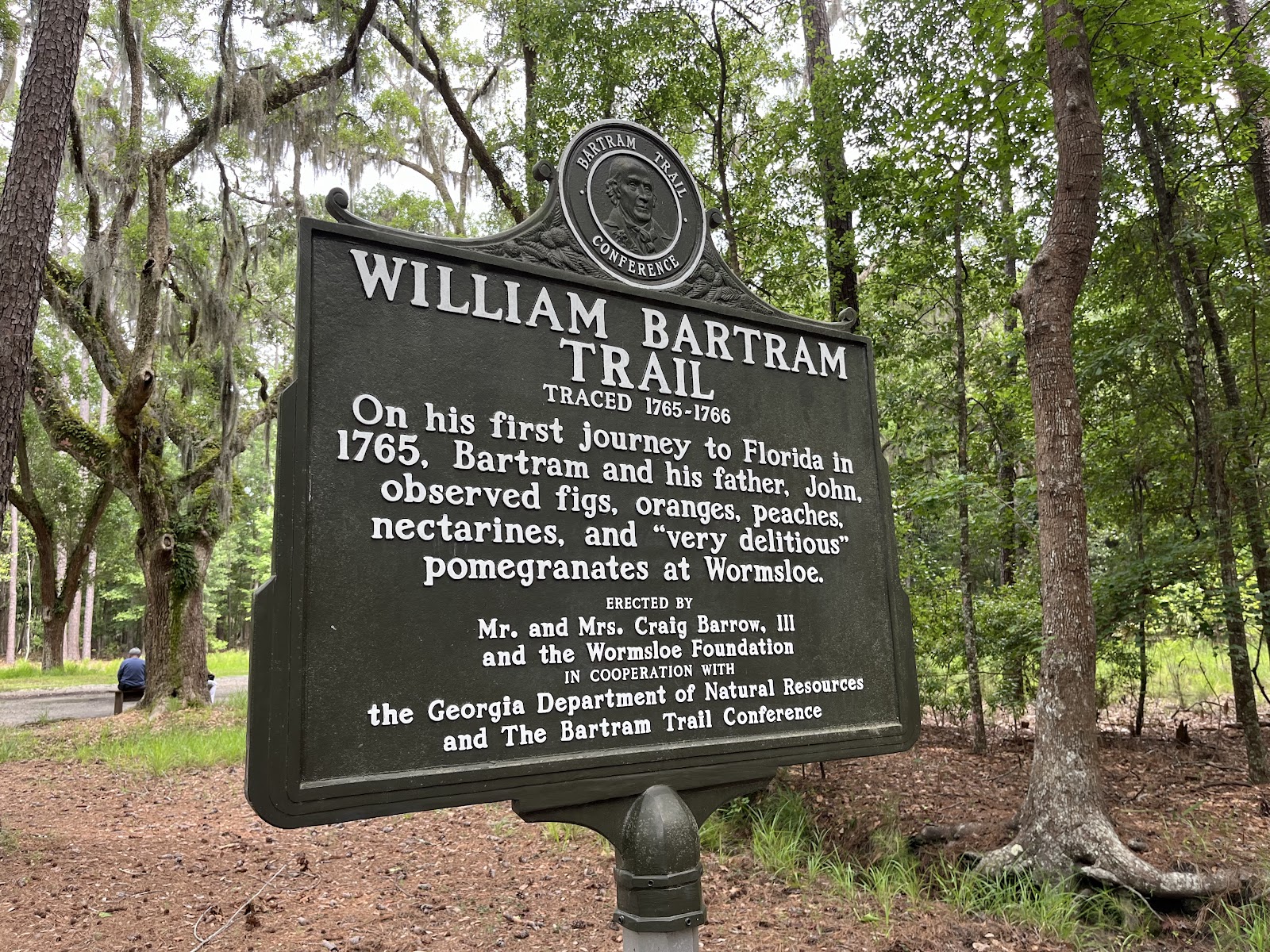
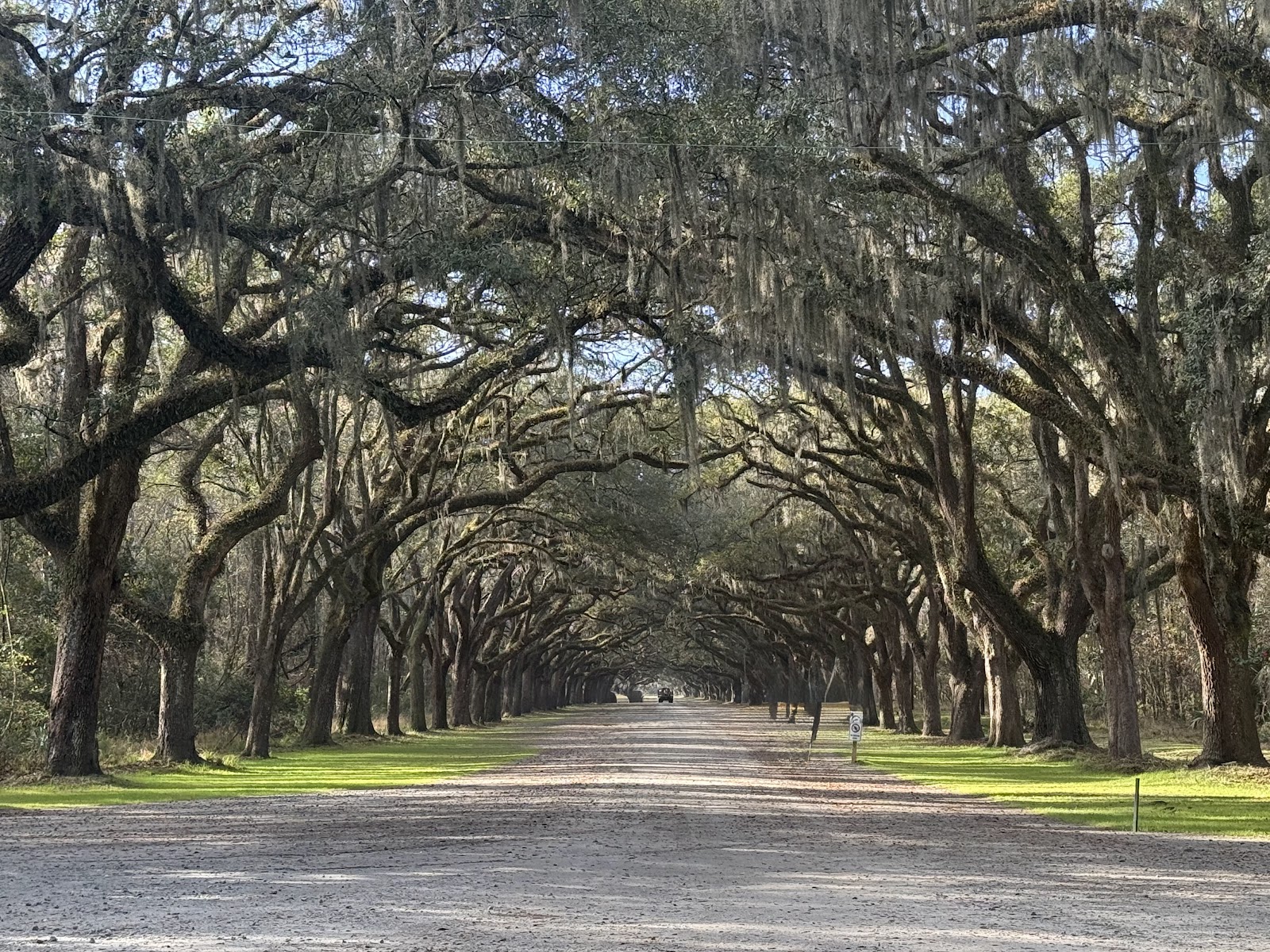
Wormsloe Historic Site sits on the Isle of Hope outside Savannah, and its defining feature is the entrance avenue: roughly 400 live oaks, planted in the early twentieth century, draped in Spanish moss, running about a mile and a half from the arched gate to the tabby ruins of the colonial Wormsloe estate — the oldest standing structure in Georgia.
Photographically the avenue is a tunnel, and tunnels behave in a particular way. Light enters mainly from the two open ends and from gaps in the canopy, which means the light along the avenue is directional along its axis rather than falling from above. That produces the glowing, hazy, backlit look the place is famous for — and it only happens at certain times of day.
This is a light-and-timeline guide built on that. We have not photographed a wedding at Wormsloe. The geometry of the avenue and the behaviour of live oak canopy are matters of record; permits, which areas may be used for a ceremony and what the site allows are for the Georgia state parks service, and a heavily visited historic site will have firm rules.
Wormsloe Historic Site at a glance
| Where | Isle of Hope, outside Savannah, Georgia |
| The avenue | About 400 live oaks with Spanish moss, running roughly a mile and a half |
| At the end | Tabby ruins of the colonial estate — the oldest standing structure in Georgia |
| Light | A tunnel: directional along the axis, backlit and hazy at the right hours |
| Assume | State historic site permits, fixed hours and restrictions on where you may work |
How light moves down a live oak avenue
Live oaks have wide, low, spreading crowns, and when planted in two rows they meet overhead and close the canopy almost completely. The result is a corridor where very little light comes straight down and most of it comes along the length of the avenue from the open ends, plus scattered shafts through gaps.
That axial light is what makes the famous photograph. When the sun is low enough to shine along the avenue rather than across it, the whole corridor fills with backlight, the Spanish moss glows because it is translucent, haze and pollen in the air catch the light, and the trunks become dark silhouettes receding into brightness. It is genuinely spectacular and it is entirely dependent on the sun’s angle.
When the sun is high, none of that happens. Midday gives you dappled patches on the road and a dark green corridor with no direction and no glow. It is pleasant and it is ordinary, and it is what most visitors photograph because it is when most visitors come.
So the single most important thing to know is which way the avenue runs, and therefore at what time of day the sun aligns with it. That alignment is the venue. Everything else is secondary.
Spanish moss, and why it needs backlight
Spanish moss is not a moss but an epiphyte, and optically the important thing about it is that it is thin and translucent. Lit from the front it is a dull grey-green and reads as untidy. Lit from behind it glows, picks up colour, and becomes the most beautiful element in the frame.
This is why front-lit photographs of Southern oak avenues look flat and disappointing while backlit ones look magical. It is not the photographer’s skill; it is the direction of the light relative to a translucent subject. The moss is a filter, and filters need something behind them.
Practically: always work with the light coming toward you through the moss. Expose for the couple’s faces, which will be in shadow relative to the glowing background, and accept that the bright end of the avenue will be well overexposed. A little fill on faces — a reflector or a gentle flash — keeps skin from going too dark without killing the glow.
The heat, the bugs and the humidity, honestly
Coastal Georgia in summer is hot and very humid, and this is a wooded site near water. Three practical consequences that affect photographs rather than just comfort.
Lens fogging: moving a cool lens from an air-conditioned car into this air produces immediate condensation that takes ten to twenty minutes to clear. Let equipment acclimatise before you need it. Humidity also puts haze in the air, which is actually helpful along a backlit avenue — it is what makes the light visible as beams.
Insects: a wooded site near marshland has mosquitoes and biting midges, particularly at dawn and dusk, which are exactly the hours you want to be working. This is worth flagging to the couple and the party in advance, because it affects how long anyone will stand still.
Heat in formalwear: a mile-and-a-half avenue is not something to walk in a dress in July. Establish whether vehicle access to the far end is possible, because if it is not, the ruins at the end of the avenue may be effectively out of reach.
The timeline, and the tabby ruins
The plan follows the sun’s alignment with the avenue, not the ceremony time.
- Establish the avenue’s orientation and the alignment hour first. This is the one piece of homework that determines the quality of the entire gallery.
- Put the couple’s portraits in that window, whatever time it falls. If it is morning, do a first look; if it is evening, plan portraits after the ceremony.
- Work backlit, always, with a little fill on faces and the far end of the avenue allowed to overexpose.
- Budget for the distance. A mile and a half is not walkable in formalwear in summer heat. Confirm vehicle access before planning anything at the ruins.
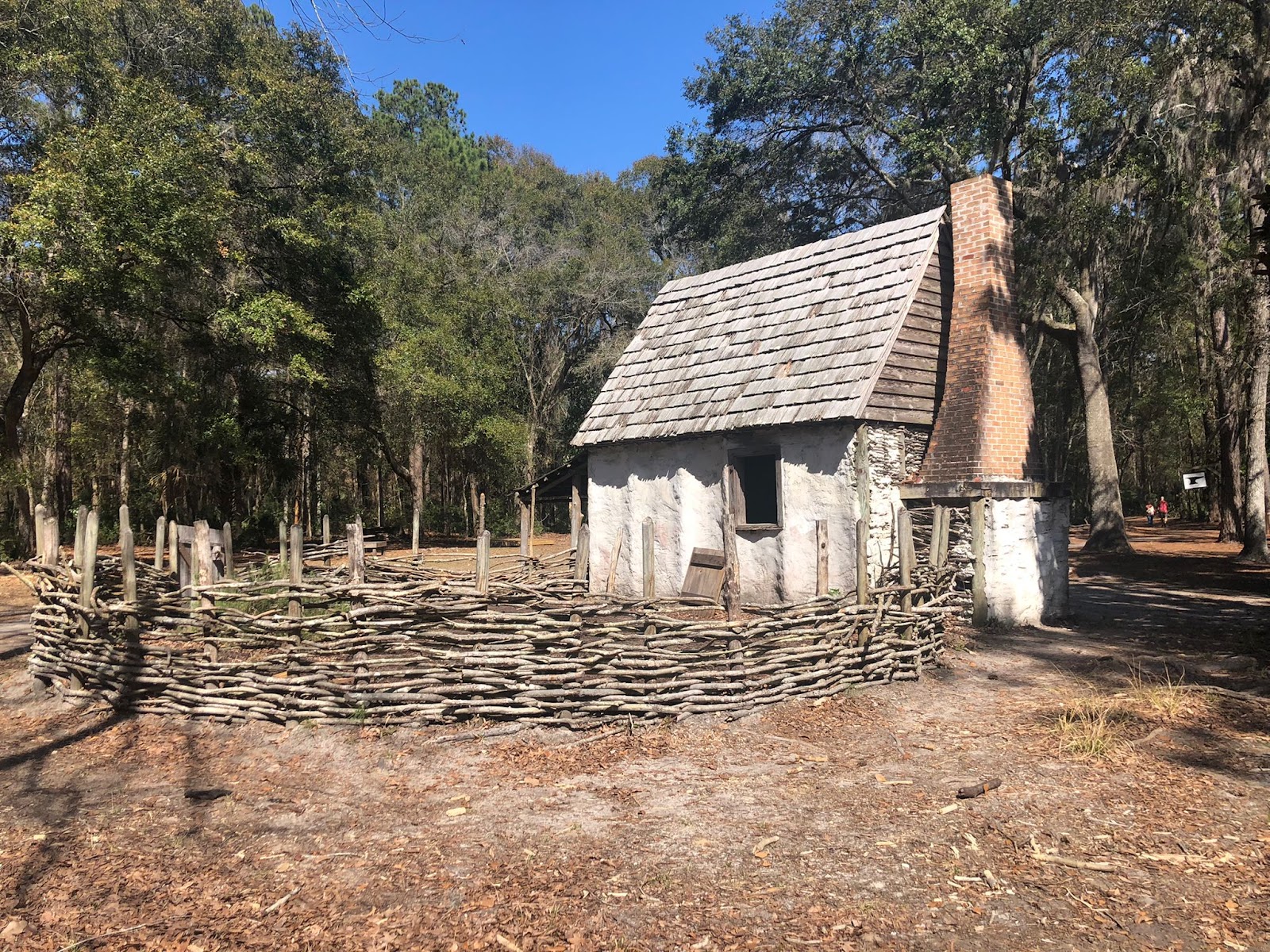
- Use the tabby ruins as contrast. Tabby — a colonial concrete of lime, sand and oyster shell — has a rough pale texture that holds raking light beautifully, and it gives you a hard architectural frame after the soft organic avenue.
What works in your favour
- One of the most distinctive locations in the American South — instantly recognisable
- Backlit Spanish moss is a genuinely unique photographic subject and it glows
- Humidity haze makes the light visible as beams along the avenue
- Tabby ruins give a hard architectural contrast to the soft avenue
- Closed canopy means the avenue is shaded and workable even in strong sun
What to plan around
- The famous light only happens when the sun aligns with the avenue’s axis — miss it and the place is ordinary
- Front-lit Spanish moss looks dull; the shot depends entirely on working backlit
- Severe heat and humidity, lens fogging, and mosquitoes at exactly the best hours
- A mile-and-a-half avenue is not walkable in formalwear; vehicle access must be confirmed
- A state historic site with permits, fixed hours and restrictions — plan around them
More frames from Wormsloe Historic Site
Wormsloe Historic Site wedding photography: common questions
When is the best time of day at Wormsloe?
Whenever the sun aligns with the avenue’s axis, which depends on which way the avenue runs. At that hour light travels down the corridor, the Spanish moss glows because it is translucent, and haze in the air makes the beams visible. When the sun is high, none of it happens and the avenue is merely a pleasant green tunnel.
Why does Spanish moss look dull in some photographs?
Because it was front-lit. Spanish moss is thin and translucent, so lit from the front it reads as a dull grey-green and looks untidy. Lit from behind it glows and picks up colour. Always work with the light coming toward you through the moss, exposing for faces and letting the far end overexpose.
How do you stop faces going too dark when backlighting?
A little fill — a reflector or a gently dialled flash — is enough. Expose for the couple’s faces and accept that the bright end of the avenue will be well overexposed; that blown background is the glow you came for. What you must not do is expose for the background, which silhouettes everyone.
Can we walk the whole avenue?
Not comfortably in formalwear, especially in summer. It runs about a mile and a half. Confirm whether vehicle access to the far end is possible, because if it is not, the tabby ruins at the end may be effectively unreachable for a wedding party.
What should we know about the climate?
It is hot and very humid. A cool lens brought from an air-conditioned car fogs immediately and takes ten to twenty minutes to clear, so let equipment acclimatise. Mosquitoes and midges are active at dawn and dusk — exactly the hours you want to shoot — so flag that to the party in advance.
More Savannah venue guides
We are writing a photographer’s guide to every venue we would happily shoot in Savannah. Here are three more, plus the full index:
- The Cotton Sail Hotel: Building the Shot List on River Street
- The Forsyth Park Fountain: A Photographer Answers Your Questions
- The Hamilton-Turner House: A Season-by-Season Guide
Planning a wedding at Wormsloe Historic Site?
One piece of homework decides this venue: which way the avenue runs, and therefore when the light comes down it. Tell us your date and we will work that out and build the day around it.