Delaware divides on a line, and for a photographer the line matters more than anything else about the state. The Fall Line runs across the top of it: above that boundary, in the north around Newark and New Castle, the hard rock of the Piedmont gives rolling country, stream valleys, hardwood woodland and genuine relief. Below it — nine-tenths of the state — the Atlantic Coastal Plain is flat, sandy and pine-covered for a hundred miles.
Relief is the most useful topographic feature a photographer has: from below the subjects on a rise they stand against open sky with no horizon behind them, the cleanest background in any weather, and from above them the landscape fills the space instead. On the coastal plain neither is available by walking, which leaves camera height at close range as the only variable — so kneeling and lying stop being refinements and become the primary technique. The state also has three quite different kinds of water and they behave nothing like each other.
The Atlantic beaches face east, which means the sun rises out of the water and sets over the land: the sun-over-water frame belongs to dawn, and the evening beach is lit by a shadowless afterglow with a pink band above the horizon. Delaware Bay at Lewes has a moderate tidal range of around five feet. And the inland bays behind the barrier — shallow, brackish, marsh-fringed lagoons connected to the sea through narrow inlets — often run under two feet, which makes their shorelines the most reliable in the state and, crucially, gives them a west-facing aspect.
A day that wants both a sunrise over the ocean and a sunset over water can have both, a few miles apart.
Two species and one plant do most of the background work here. American holly is the state tree and the one to locate at every venue: evergreen, dense and very dark, it is one of the few genuinely near-black backgrounds available anywhere in Delaware, and a subject a metre inside a holly mass has soft directional light in front and three or four stops of dark behind, at any hour of any day. Loblolly pine dominates the coastal plain and does the opposite — tall with a high open crown, it dapples badly in direct sun and is background material rather than cover.
And salt marsh cordgrass, which fringes every inland bay, is the largest seasonal background change in the state: green through summer, gold through September and October, tawny into late autumn and pale straw all winter. That matters because green is the least useful background colour there is — skin sits close to it in luminance and complementary to it in hue — so the marsh is bland for five months and excellent for seven. The calendar follows from all of it.
Spring on this coast is the fog season, when warm air crossing an ocean still cold from winter produces advection fog that erases the horizon; in the north, April brings dogwood and redbud lit directly before the canopy closes, which is the best fortnight of the Piedmont year. Summer is the busiest and the hardest, with a seventy-five-degree noon sun on pale sand and no natural shade.
And September through November is the strongest window in the state: clear air, empty beaches, the calmest conditions of the year, a turning marsh, and a coastal-plain autumn that arrives late — the second half of October into early November, with sweetgum purple-red and red maple scarlet against dark pine and near-black holly.
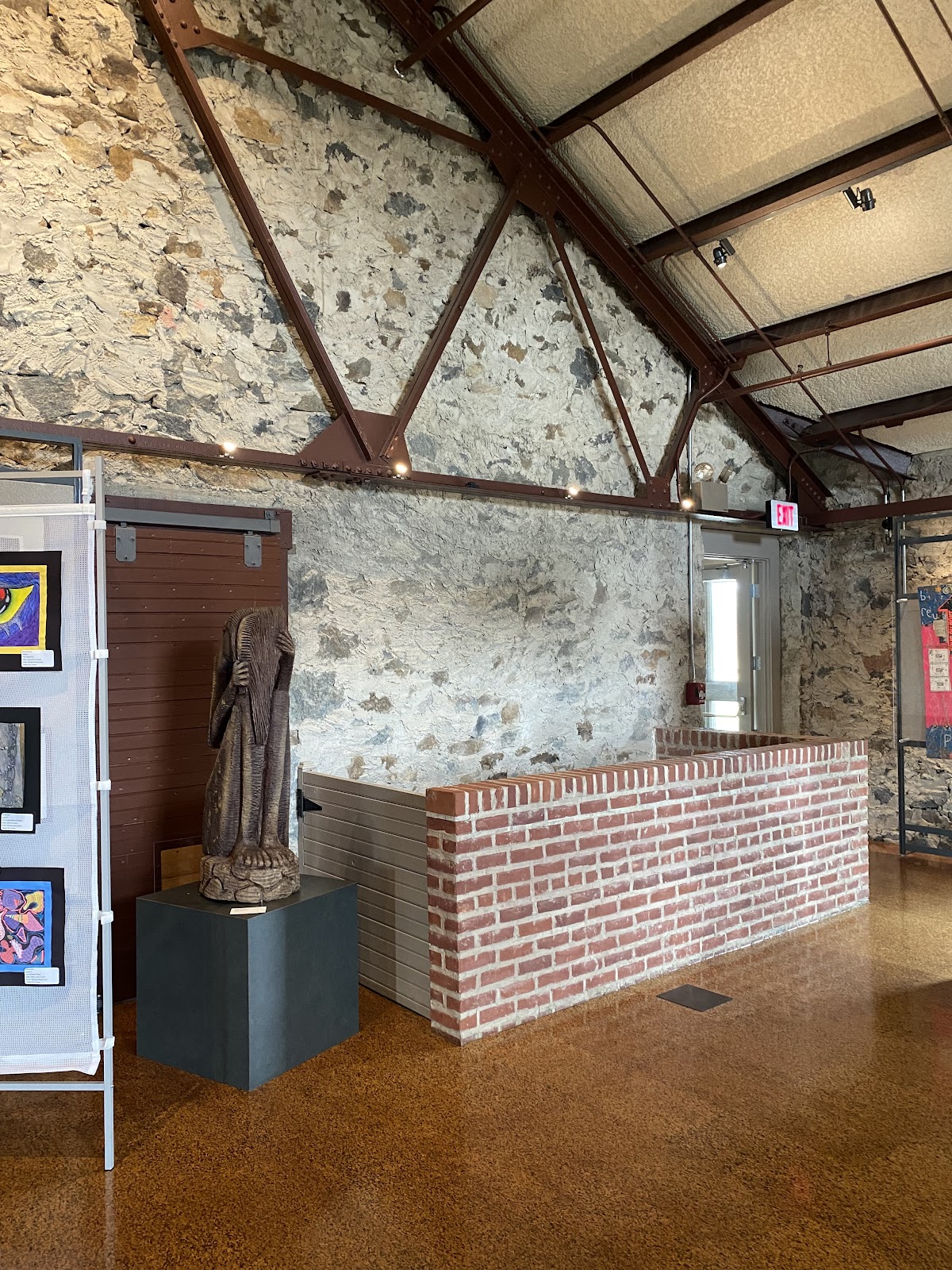
The Blue Ball Barn, Wilmington: A Walk Through a Converted Barn
A converted Wilmington stone barn walked in the order a wedding day uses it — doors, hall, loft and grounds.
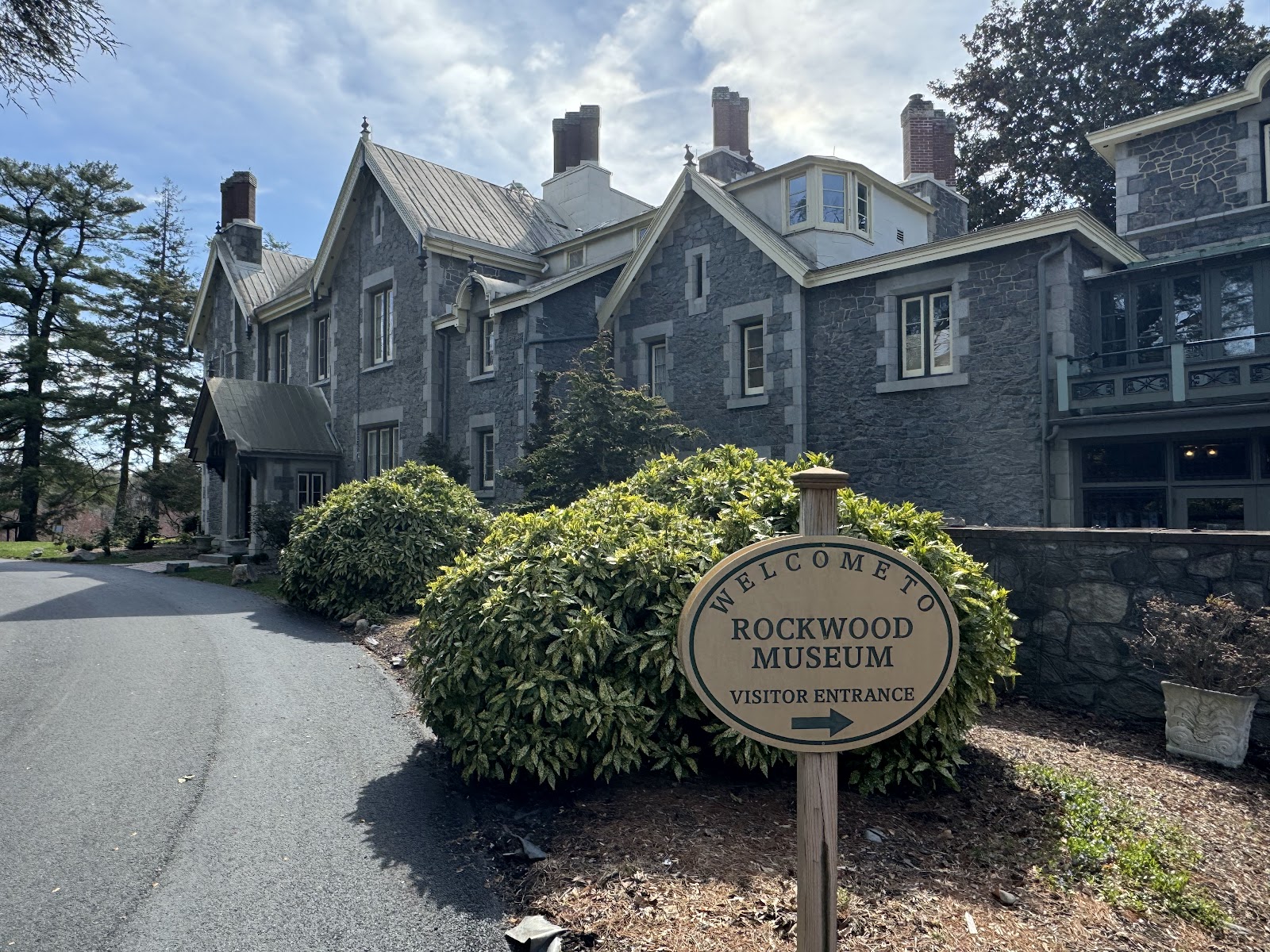
Rockwood Park, Wilmington: The One Decision That Governs Everything
A Wilmington park with a historic house — where one decision about the subject governs the whole gallery.
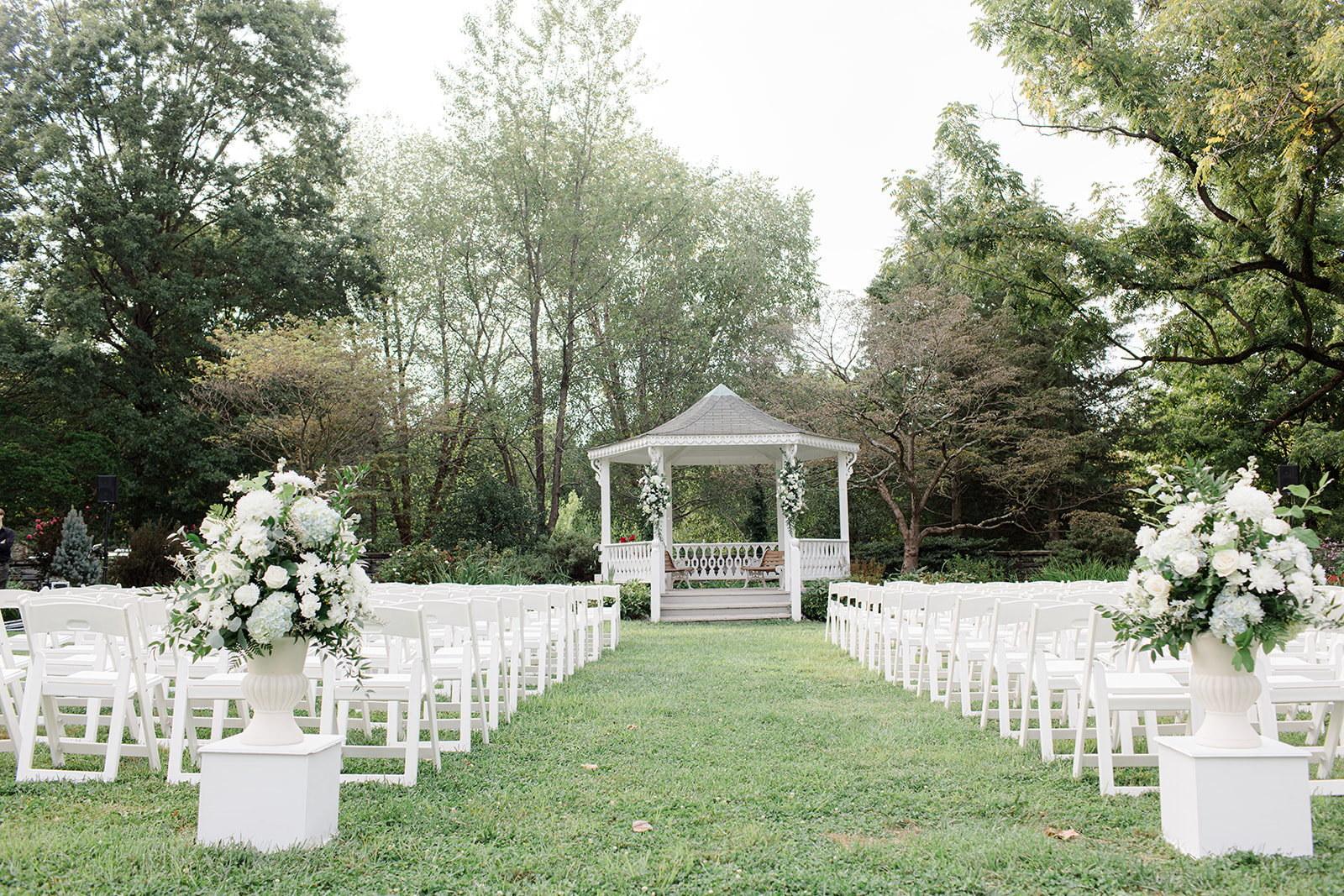
Bellevue Hall, Wilmington: What It Suits, and What It Does Not
A Wilmington estate house with mature grounds — strong where it counts, and demanding in four specific ways.
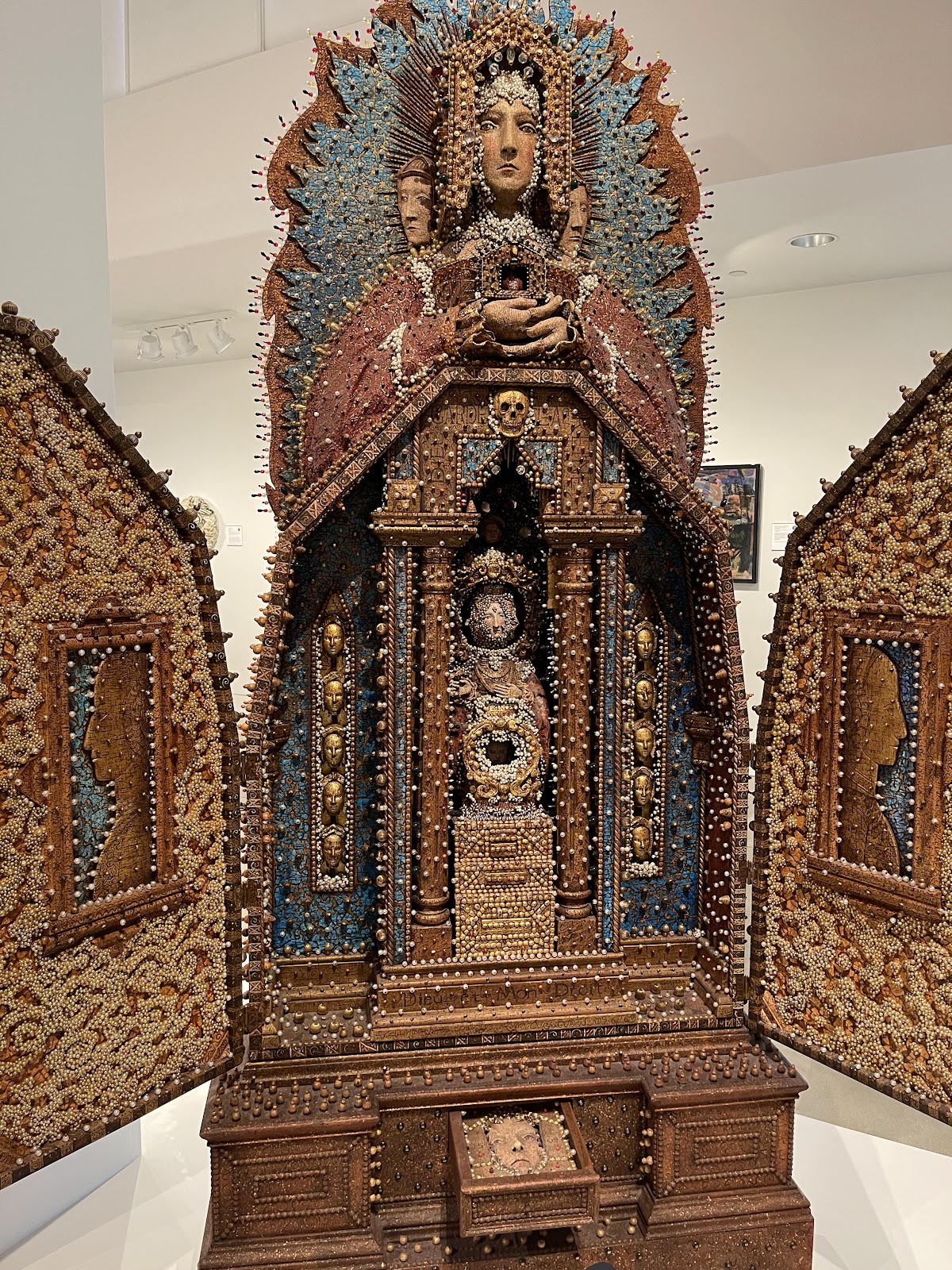
The Delaware Art Museum, Wilmington: One Frame, and How It Is Made
A Wilmington art museum — and the one frame the split between gallery and atrium exists to give.
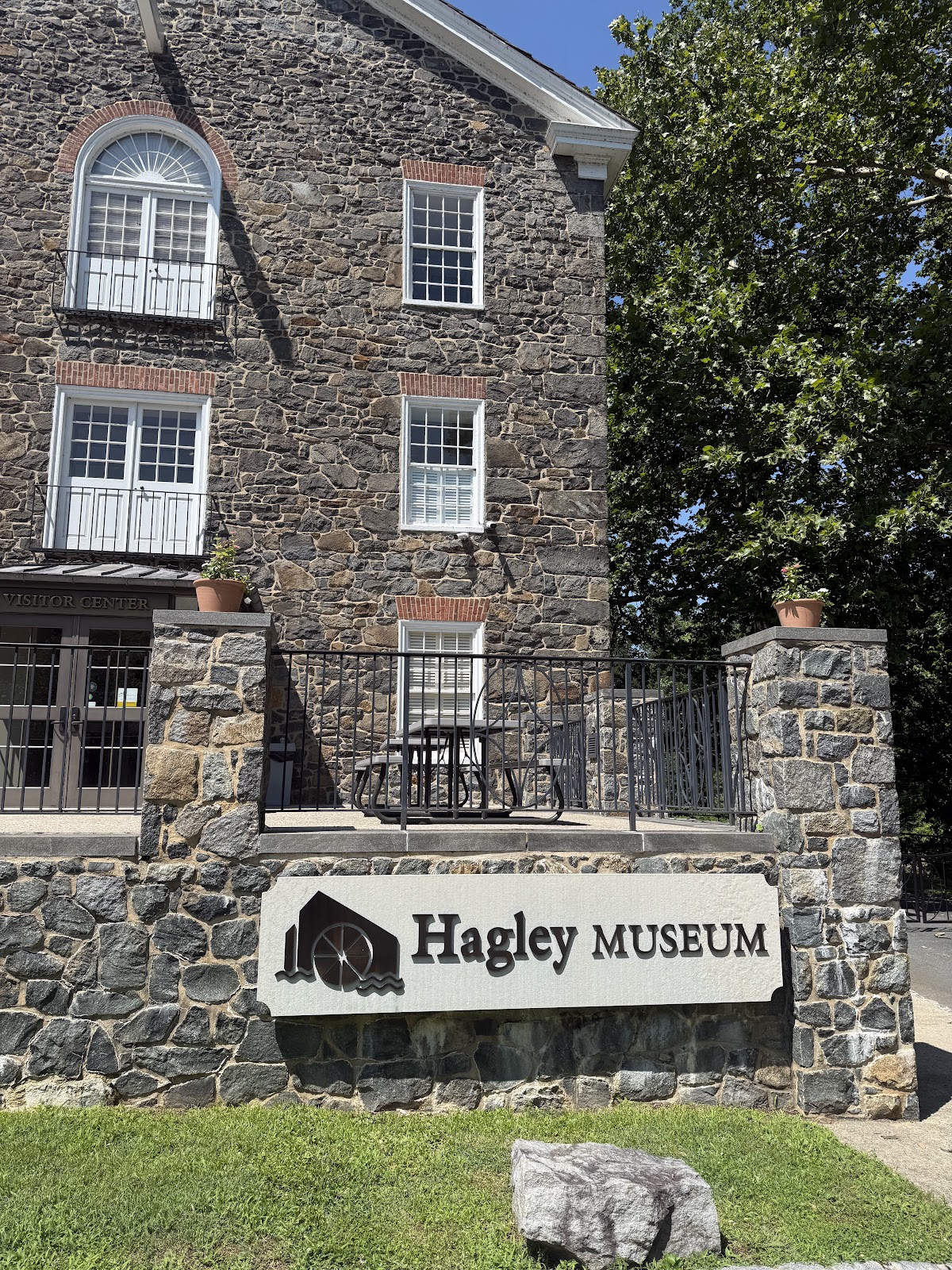
The Hagley Museum, Wilmington: Field Notes on a Mill Valley
A former mill site on the Brandywine — dark stone, a wooded valley and water, each with its own answer.
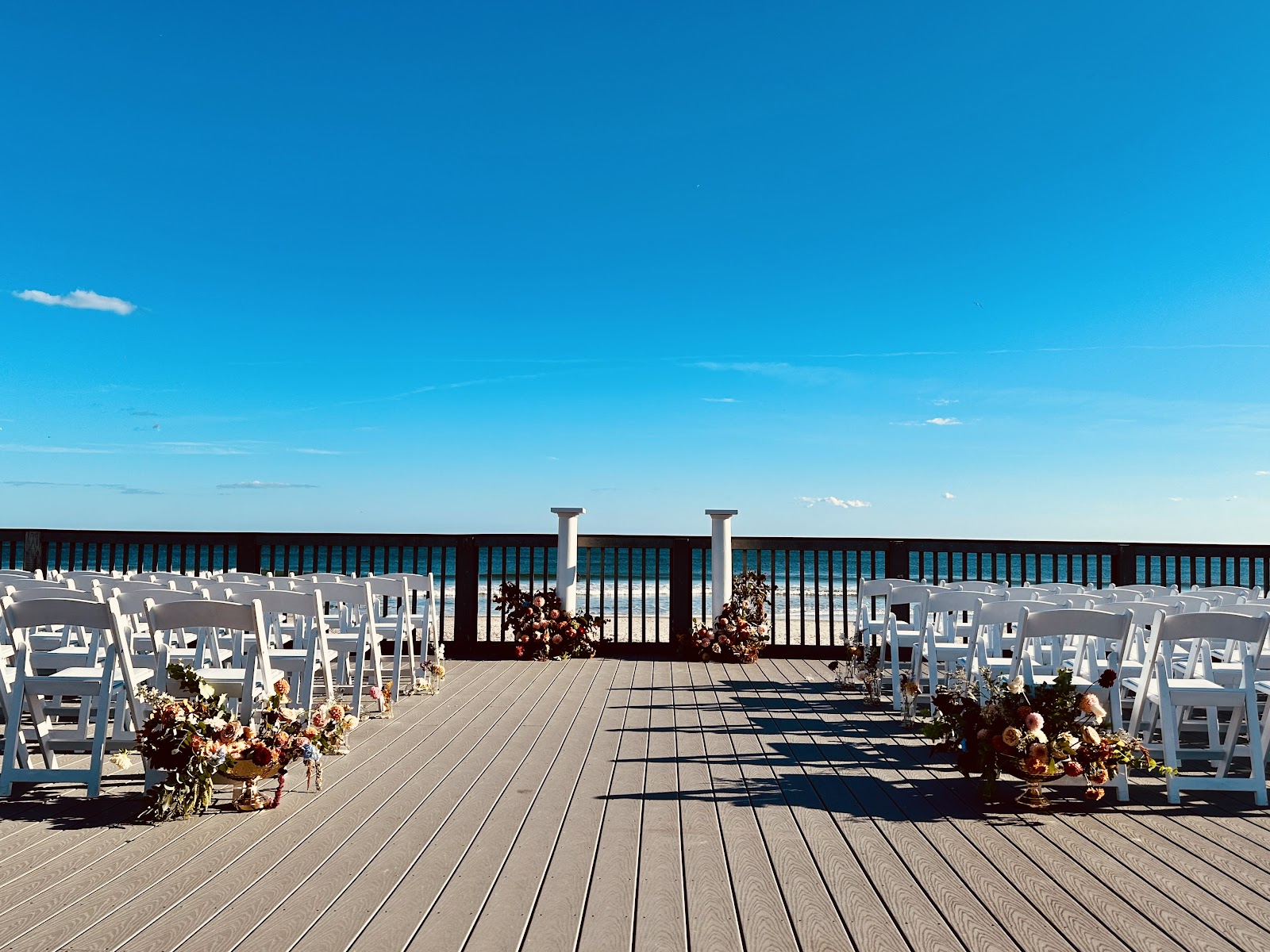
The North Beach Clubhouse, Dewey Beach: The Problem, and Four Ways Out
A Dewey Beach clubhouse on a barrier strip — where wind is the problem and four things solve it.
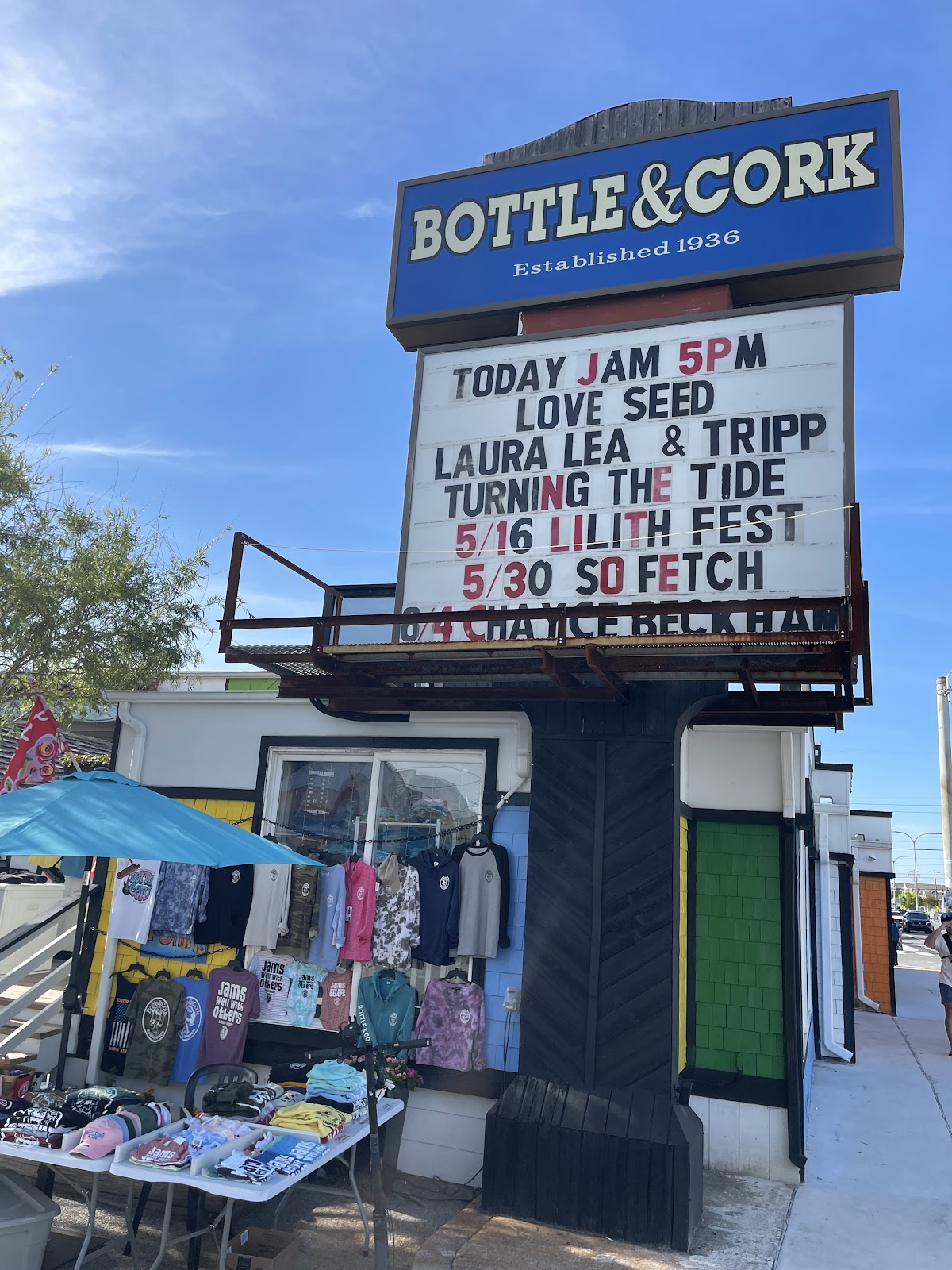
The Bottle & Cork, Dewey Beach: The Light Through a Day
A Dewey Beach music venue taken hour by hour, where the room has no daytime and the shorelines do.
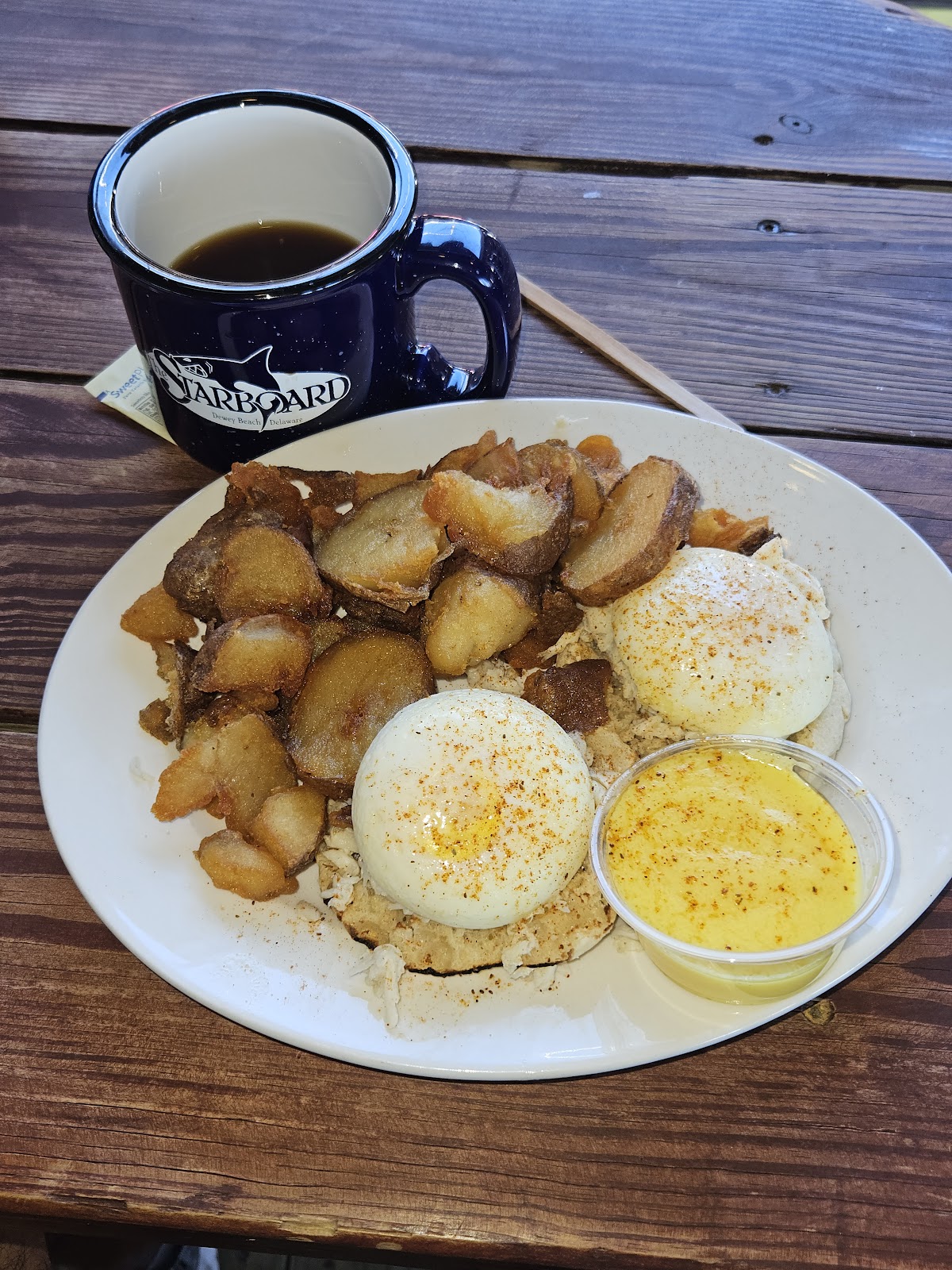
The Starboard, Dewey Beach: A Venue Built for the Season
A Dewey Beach resort venue built for summer volume — and what that design logic means for a photographer.
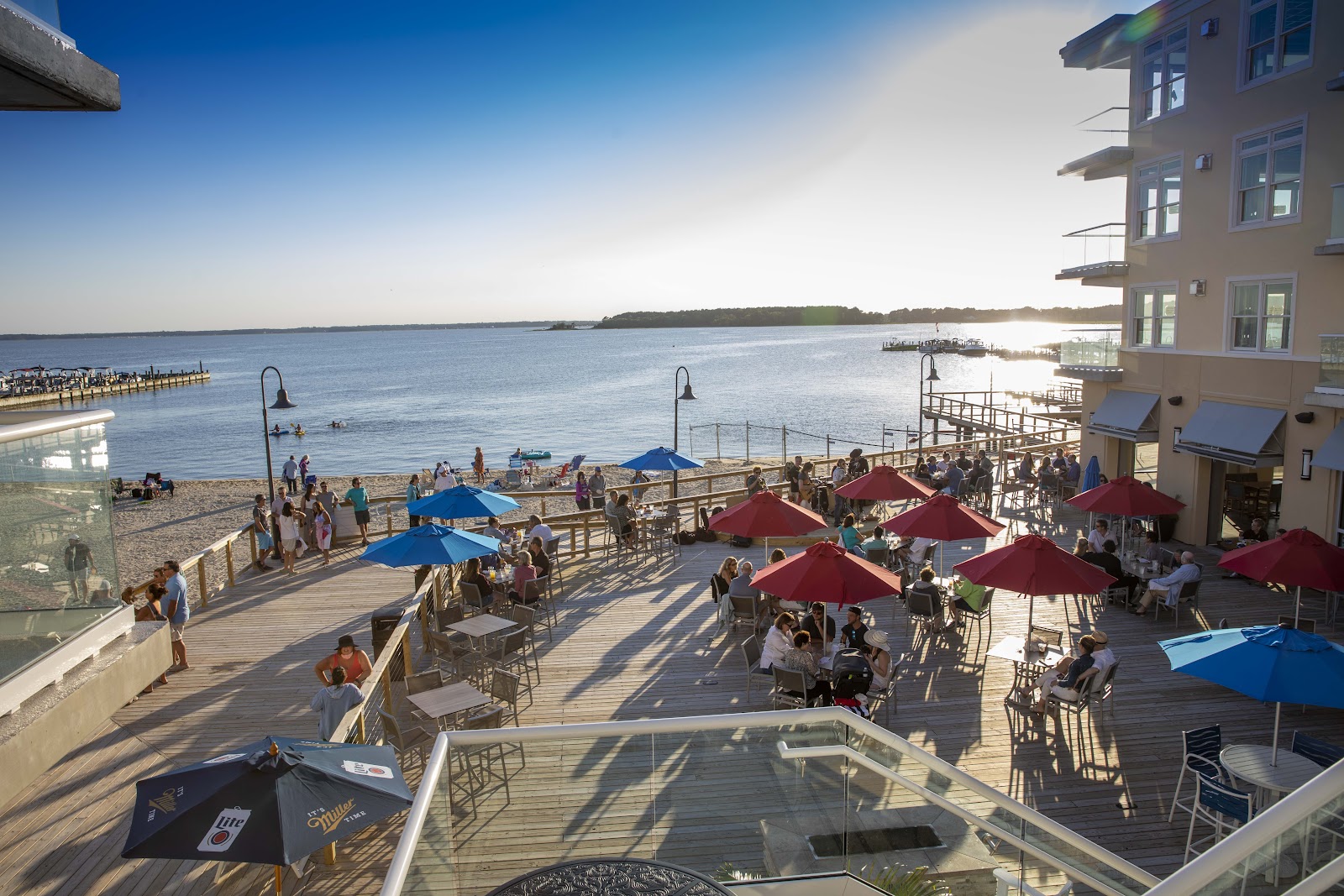
Lighthouse Cove, Dewey Beach: A Walk Through a Bayside Site
A bayside Dewey Beach site walked in the order a wedding day uses it — rooms, decks, waterline and out.
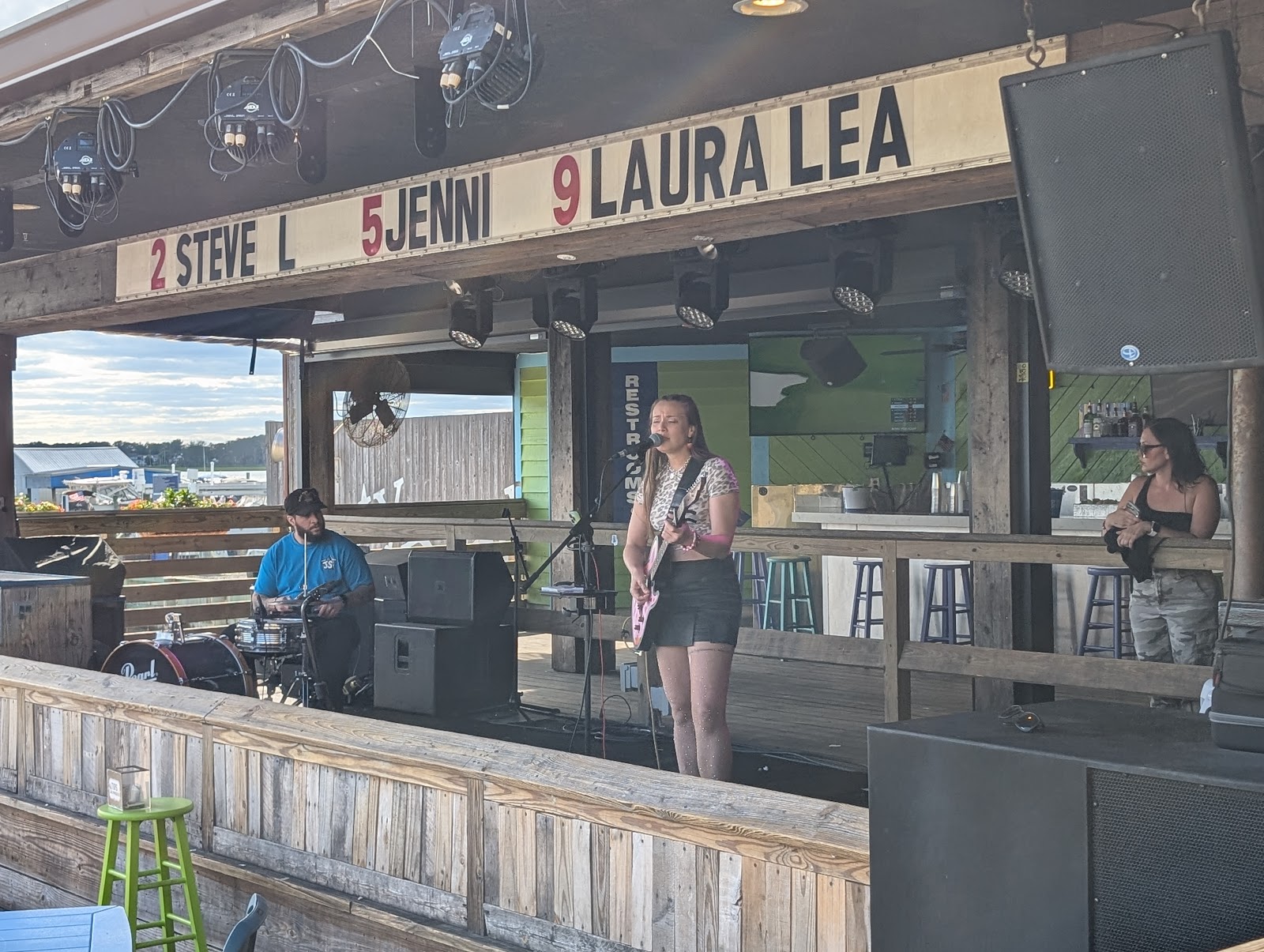
The Rusty Rudder, Dewey Beach: The One Decision That Governs Everything
A Dewey Beach venue between ocean and bay — where one decision about which water to use governs everything.