 The Blue Ball Barn, Wilmington: A Walk Through a Converted Barn
The Hagley Museum, Wilmington: Field Notes on a Mill Valley
The stone here absorbs instead of reflecting. That single material fact reverses the usual advice.
A mill site in the Brandywine valley gives a photographer three conditions, and the first of them runs against the instinct most photographers bring from elsewhere.
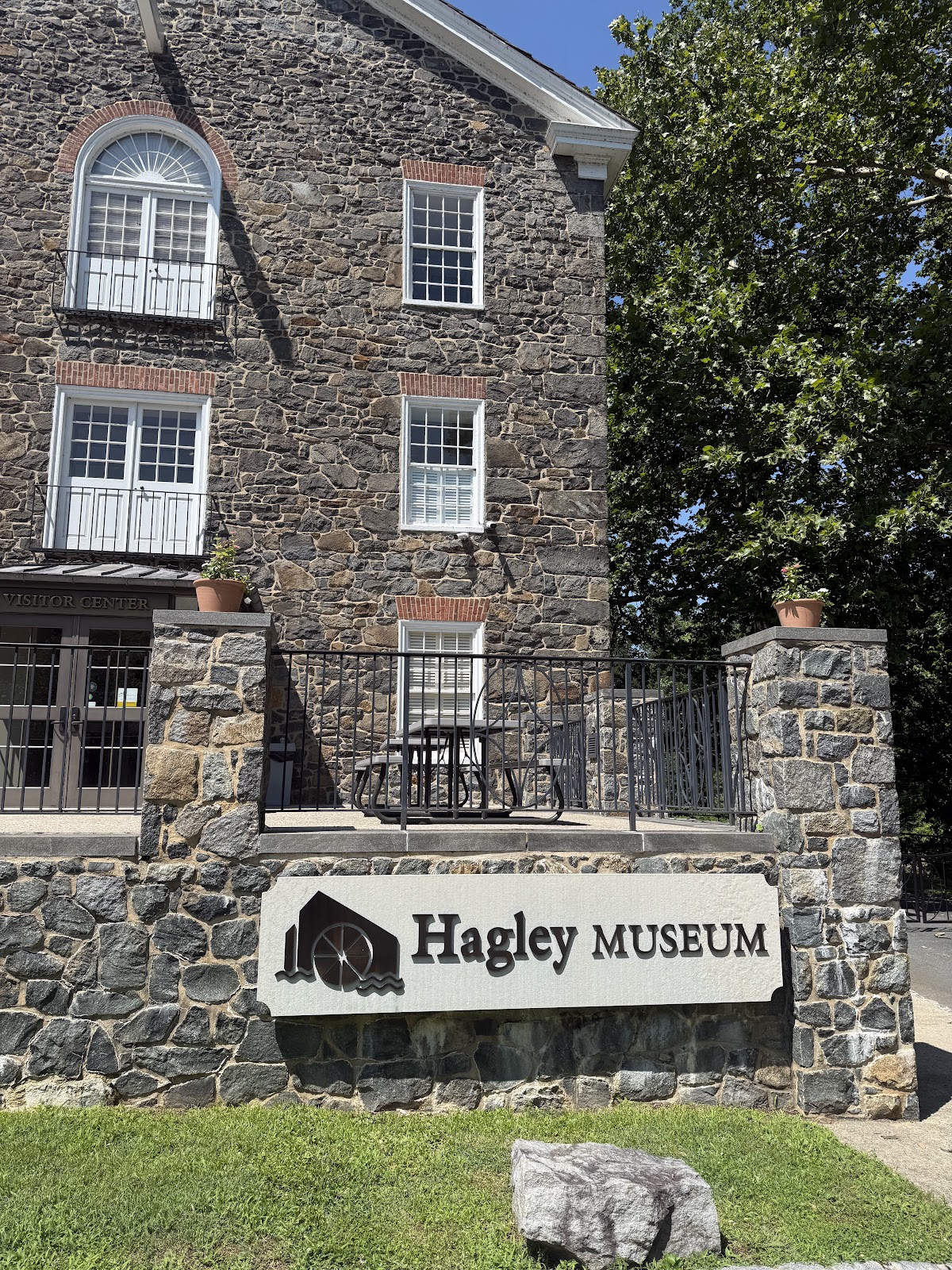
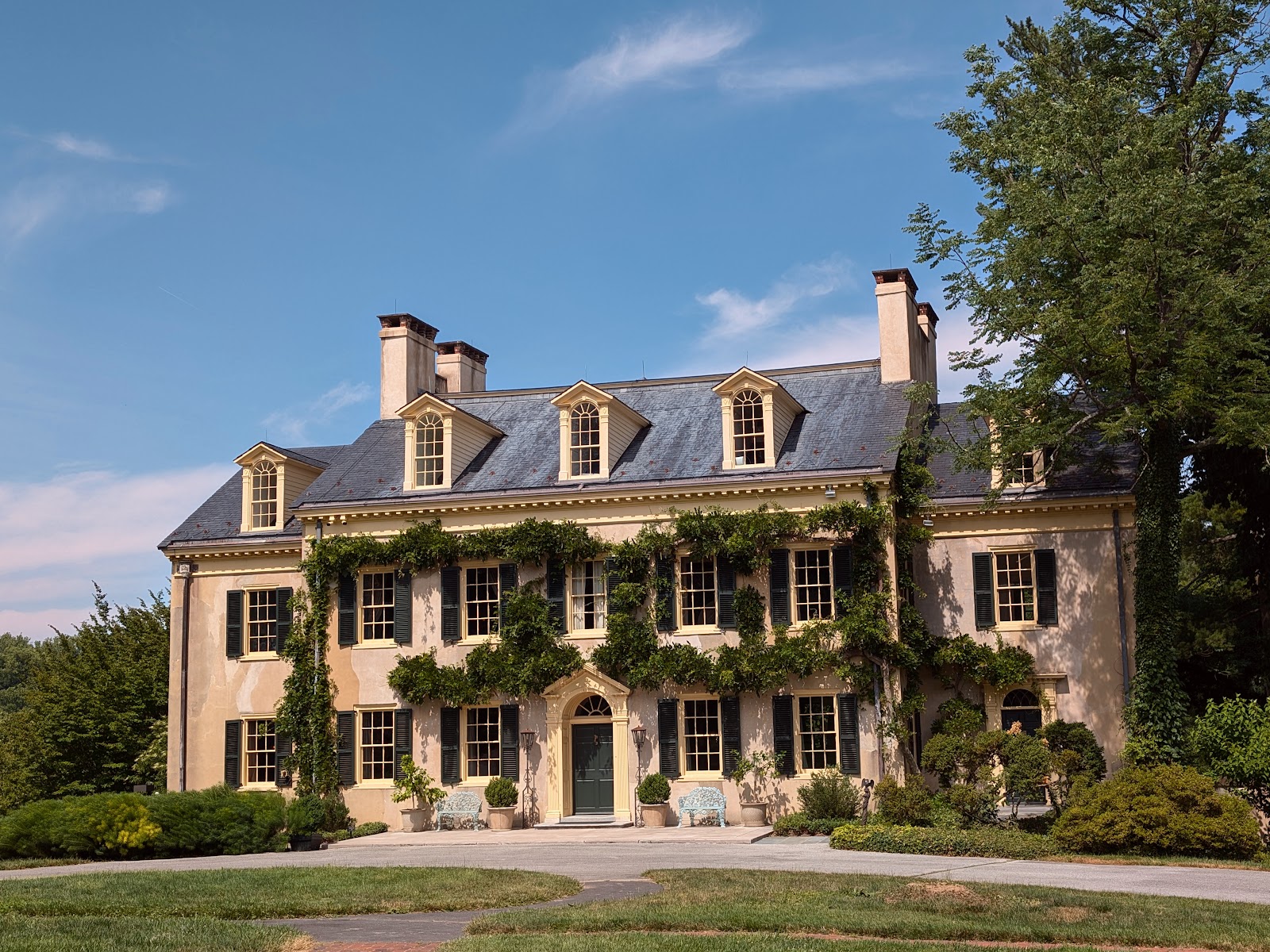
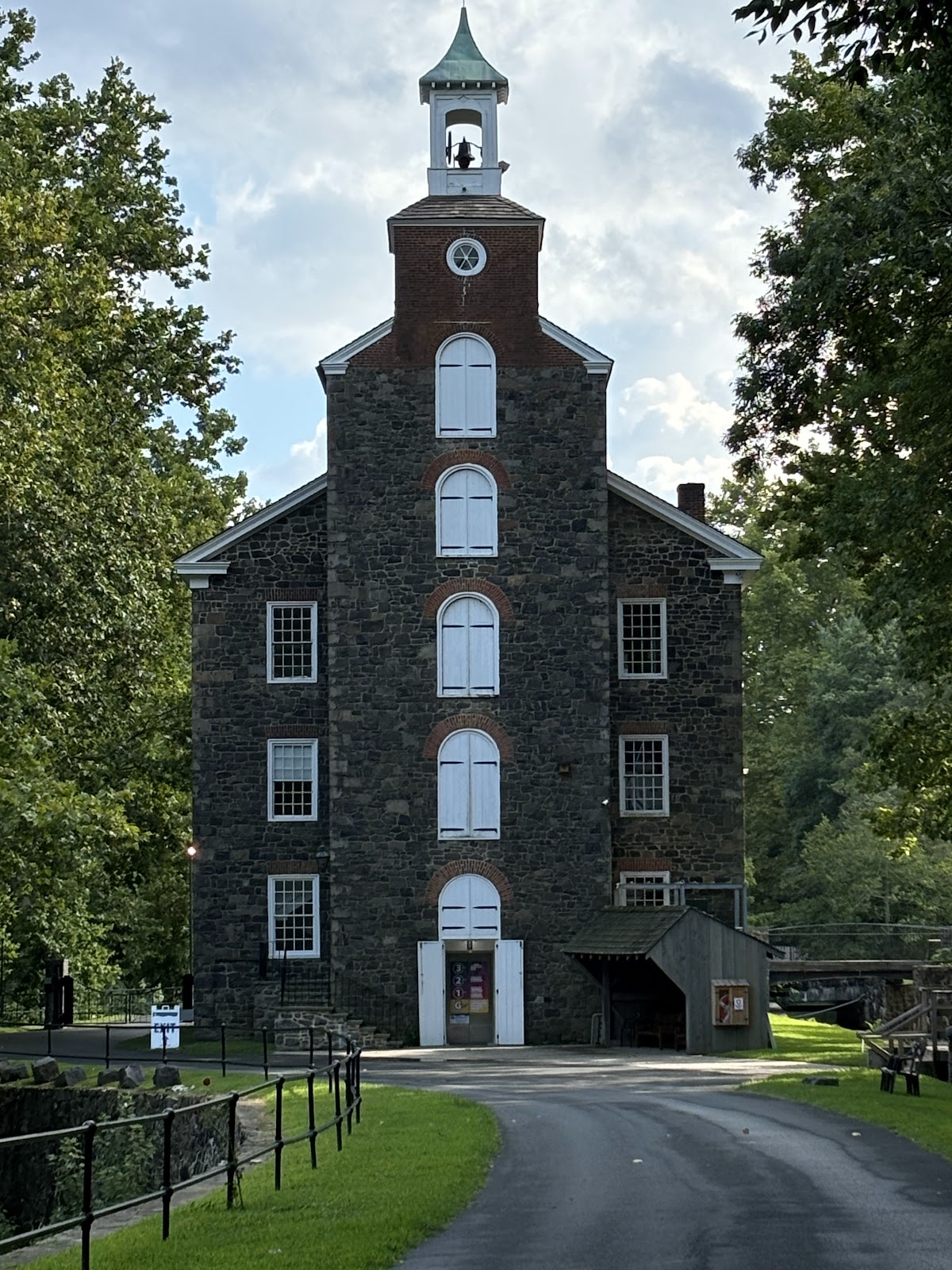
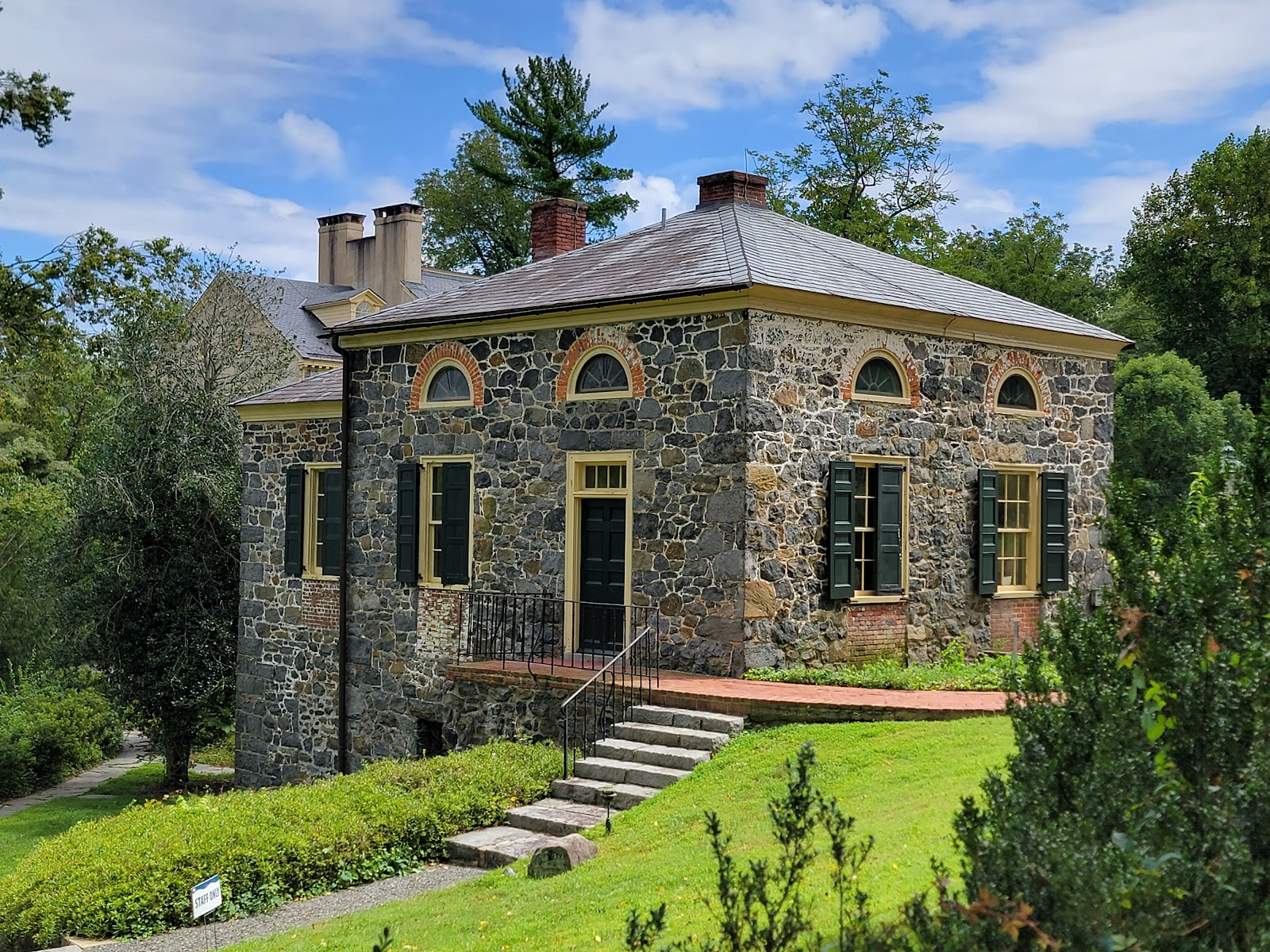
The stone is dark. Local building stone in this part of Delaware is a coarse grey-to-brown fieldstone, and unlike the pale limestone of the Midwest or the stucco of the South it absorbs light rather than reflecting it. A sunlit dark stone wall is not a light source; it is a light sink. That reverses the usual advice about standing near a lit wall, and it makes the stone an excellent background rather than a useful reflector.
The valley shadows early. Mills were built where the water was, which means low in a narrow wooded valley — so the ridges and the canopy take the sun off the site long before nominal sunset, and the period of direct light on the buildings is shorter than a table suggests.
And the water is present throughout, because that is why the site exists. A creek and its races reflect, bounce light upward and make shutter speed a decision.
These are field notes on all three. We have not photographed a wedding at the Hagley Museum; mill sites, dark stone and wooded valleys behave consistently. Which areas are included, the rules on flash and proximity to collections, and what the covered alternative is are questions for their team.
The Hagley Museum at a glance
| Where | The Brandywine valley, Wilmington, Delaware |
| The stone | Dark coarse fieldstone that absorbs rather than reflects |
| The valley | Low, narrow and wooded, so the sun leaves early |
| The water | Reflection, upward fill, and a shutter-speed choice |
| Ask first | Areas included, flash and collection rules, covered alternative |
What you meet, and what each one needs
Dark stone is the first condition and the useful thing about it is exactly what makes it useless as a reflector: it absorbs. A coarse dark fieldstone wall returns very little of the light falling on it, which means two things follow.
It is an excellent background. A subject standing three metres in front of a dark stone wall is separated by two or three stops with no equipment at all, because the wall is simply darker than the face. That is free separation and it is the opposite of the pale-wall problem, where the background is as bright as the subject and the picture flattens.
And it is no help as fill. Standing near a lit dark wall does not brighten the shadow side of a face the way a pale wall would — so the light on a subject has to come from the sky, from water, from pale ground, or from a source. That is worth knowing in advance, because the instinct to position someone relative to a lit wall produces nothing here.
The texture is the compensation and it needs raking light. Coarse fieldstone reads as stone only when light runs along it, lifting every course and every irregularity; the same light facing it flattens the wall into a dark field. So the elevations worth photographing are the ones the sun is skimming rather than striking square, and a short walk to find them is worth more than any accessory.
The wooded valley is the second condition and it decides the timing. A narrow valley with ridges and mature canopy on both sides loses the sun early, which means the single most useful question to ask is when the sun leaves the site — the venue will know precisely, and it is worth more than any planning from a sunset table.
What the valley gives in exchange is a long period of open shade, which is genuinely good light rather than a waiting period: soft, downward, no hard shadows. Its one deficiency is direction, supplied by geometry rather than equipment — standing near a wall, a treeline or a structure blocks the light from one side and restores the modelling.
Full shade is the absolute rule under canopy. Dappled light through a thin one puts bright patches and deep shadow on the same face at a ratio nothing holds, and at this latitude — about forty degrees north, with a June midday sun around seventy-three degrees above the horizon — it is severe rather than merely awkward. Ten minutes on arrival identifying which shade is genuinely full is the most valuable ten minutes of the day.
Dense canopy also throws green onto skin from whichever side it is thickest, localised so global white balance cannot remove it. A custom white balance set on a face in the actual position is the fix, and a metre further from the foliage roughly halves it.
The water, the interiors, and the rules
The water is the third condition and it does three separate things.
It reflects, which doubles anything lit and gives a second version of the buildings and the canopy for nothing — and camera height decides whether you get it. Low across the surface sees a mirror; high looking down sees the bed. Half a metre is the whole difference, and on a shallow creek the low position is nearly always the answer.
It bounces light upward, filling exactly the shadows a high sun carves under eyes and chins — which means a shaded position beside water is materially better light than the same shade beside grass, and in a valley where dark stone provides no fill at all, the water is doing a job nothing else on site does.
And it moves, which makes shutter speed a deliberate choice: a long exposure turns a millrace into a smooth white field and strengthens reflections, a short one holds every drop. In daylight the long version needs a neutral density filter, and a polariser is the other filter worth carrying, because water in sun produces specular highlights several stops above everything else which clip completely and fool any meter.
The practical caution is real: a millrace and a creek are cold, fast and uneven underfoot, the banks are frequently stone and slippery, a long dress near moving water is a hazard, and a camera dropped in is finished. Frames near water should be composed so nobody needs to stand on an edge.
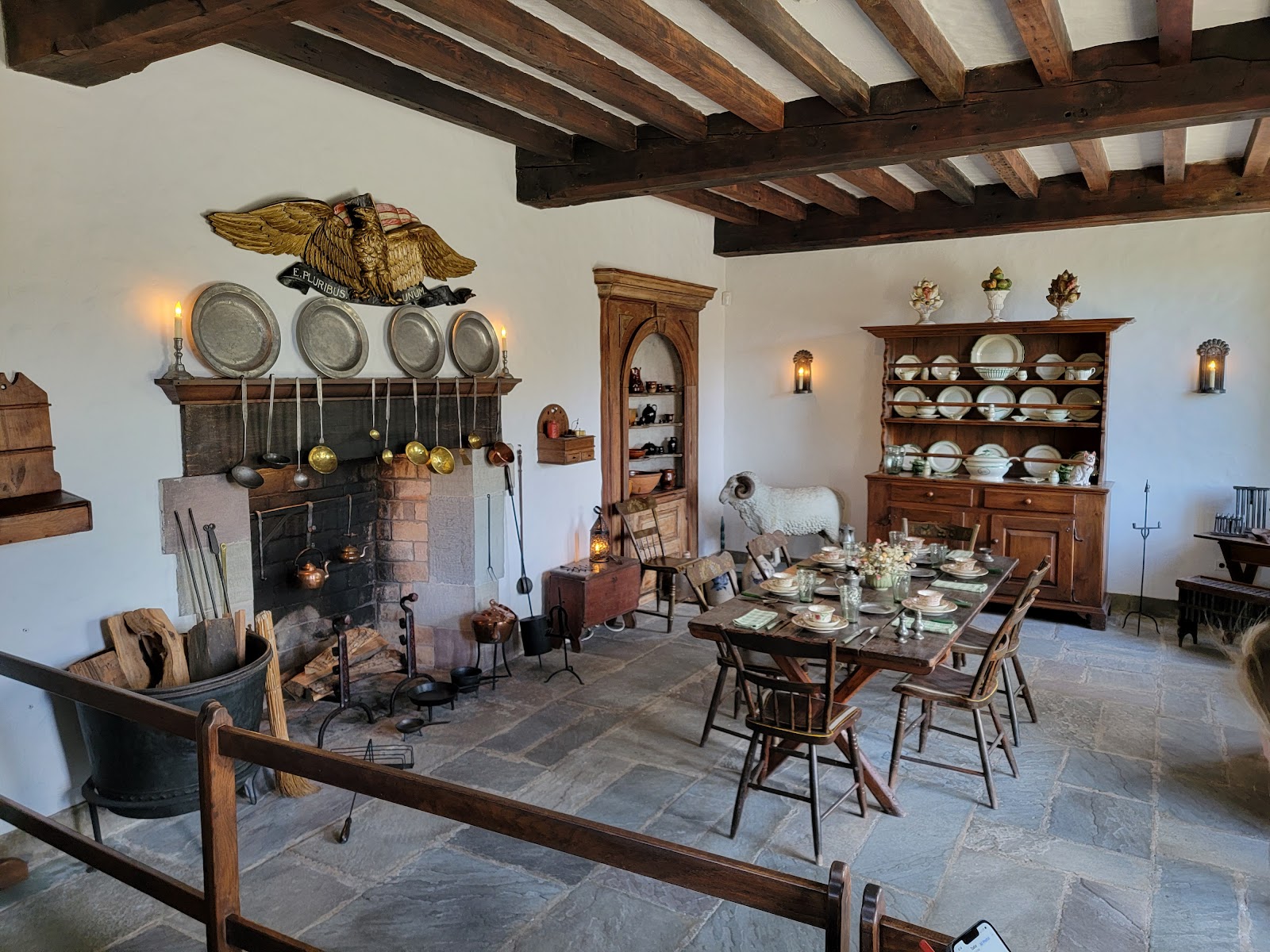
Inside, mill buildings have a distinct character: thick stone walls, deep window reveals, timber floors and exposed structure. The deep reveal is the best interior light on any site of this kind — a window set in a thick wall sits at the bottom of a shaft, which shades the glass from direct sun and restricts the light to a narrow directional band. That is a soft, sun-proof, directional source built into the architecture.
The working method is the ordinary one: every overhead fitting switched off so the room has one colour of light, two to three metres back from the glass, and the shaded side of the building. And because the walls are dark stone rather than pale plaster, the room is a stop or two below what its windows suggest — measure it rather than estimating, and test bounce with one frame, because a dark stone or timber ceiling returns almost nothing.
The rules are the last condition and at a museum site they shape the day more than any technique. Expect restrictions on flash near collections, on where stands may be placed, on whether anything may be moved, and on numbers in a space — all protecting things that cannot be replaced. Those belong in the booking conversation, and the working assumption that follows is: no stands, a source in a hand or on a bracket, and the large formals outdoors.
At a site with extensive grounds that is not a limitation at all.
- Dark stone is a background, not a reflector — three metres gives free separation
- Rake the stone to make it read; face-on it flattens to a dark field
- Ask when the sun leaves the valley; a table will not tell you
- Camera low at the water; carry a polariser and a neutral density filter
- Use the deep window reveals — a sun-proof directional source, built in
The Brandywine year
The valley’s seasons are four emphatic ones and the canopy is what changes most.
Spring, from mid-April into May, gives new foliage — thin, bright, translucent and the best green of the year — plus flowering trees, and a canopy that has not yet closed, so more light reaches the ground and the dappling problem is at its mildest. It is the best outdoor window of the year for a wooded valley, and it is short.
Summer gives the densest canopy, which means the deepest shade and the strongest dappling, and also the most reliable full-shade positions. It is hot and genuinely humid, and the humidity rather than the heat is the photographic fact: moist air scatters light, which softens shadows and slightly flattens distance. Severe afternoon thunderstorms are a real possibility, which on a wooded site near water is a genuine hazard rather than an inconvenience, and it means a named covered alternative with a known capacity, agreed at booking.
The fogging problem is severe in this climate and it runs the opposite way from a cold one: a body carried from an air-conditioned interior into July air fogs on every surface at once, and beside moving water the air is more humid still. Opening a bag twenty minutes before going out is the whole fix.
Autumn is the season this landscape is known for and it is worth building a date around. The deciduous colour in the Brandywine valley usually peaks from late October into the first week of November, and in a narrow wooded valley that colour reads in bulk — whole hillsides above and the whole of it reflected in the creek below, so it appears twice.
Morning fog is the autumn bonus and it is frequent here, because a humid valley with running water in it and ridges on both sides produces it readily. Fog is diffusion at landscape scale: it separates successive treelines into grey layers, softens everything, and gives a frame no clear morning does. It burns off, so it is an early opportunity rather than something to schedule.
Winter strips the canopy entirely and changes the site from green to graphic: bare branches, open sightlines, the stone buildings fully visible rather than half-hidden, and the creek running black between them. For a site whose subject is architecture and water rather than planting, that is arguably the better condition — and the December midday sun at this latitude reaches only about twenty-seven degrees above the horizon, which means the whole short day is raking light, exactly what coarse dark stone needs.
Snow is occasional rather than reliable here. When it comes it is the best natural fill available outdoors, lifting exactly the shadows a low sun carves while fooling a meter by about two stops — and snow against dark fieldstone is a strong contrast, because the two are at opposite ends of the tonal range.
The winter constraint is the short day, which compresses the outdoor block into a couple of hours and means the positions should be decided in advance rather than explored — and in a valley that loses the sun early, those hours are earlier than a table suggests.
More frames from The Hagley Museum
The Hagley Museum wedding photography: common questions
Why is dark stone different from pale stone?
It absorbs rather than reflects. That makes it an excellent background — two or three stops of free separation — and useless as fill, which reverses the usual advice.
How should the stone itself be photographed?
Raked. Coarse fieldstone reads as stone only when light runs along it; light facing it flattens the wall into a dark field.
What is the most useful question to ask?
When the sun leaves the site. A narrow wooded valley loses it early, and the venue will know precisely because everything they do depends on it.
What does the water do?
It reflects, it bounces light upward to fill facial shadows, and it makes shutter speed a choice. On a site where the stone provides no fill, that matters more than usual.
What is the best interior light?
The deep window reveals. A window set in a thick stone wall is shaded from direct sun and restricted to a narrow directional band — a soft source built into the architecture.
When is the valley at its best?
Mid-April into May for new foliage and an open canopy, and late October into early November for colour that appears twice — on the hillsides and in the creek.
More Delaware venue guides
We are writing a photographer’s guide to every venue we would happily shoot in Delaware. Here are three more, plus the full index:
- Lighthouse Cove, Dewey Beach: A Walk Through a Bayside Site
- The North Beach Clubhouse, Dewey Beach: The Problem, and Four Ways Out
- The Rehoboth Beach Country Club: The Light Through a Day
Planning a wedding at The Hagley Museum?
Dark stone changes the rules. Tell us your date and we will work to them.