 The Blue Ball Barn, Wilmington: A Walk Through a Converted Barn
Rockwood Park, Wilmington: The One Decision That Governs Everything
A house in a park can be the subject or the setting. Only one of those at a time.
At a park with a historic house in it, the governing decision is which of the two is the subject — and it is a decision rather than a preference, because the two produce entirely different galleries from the same afternoon.
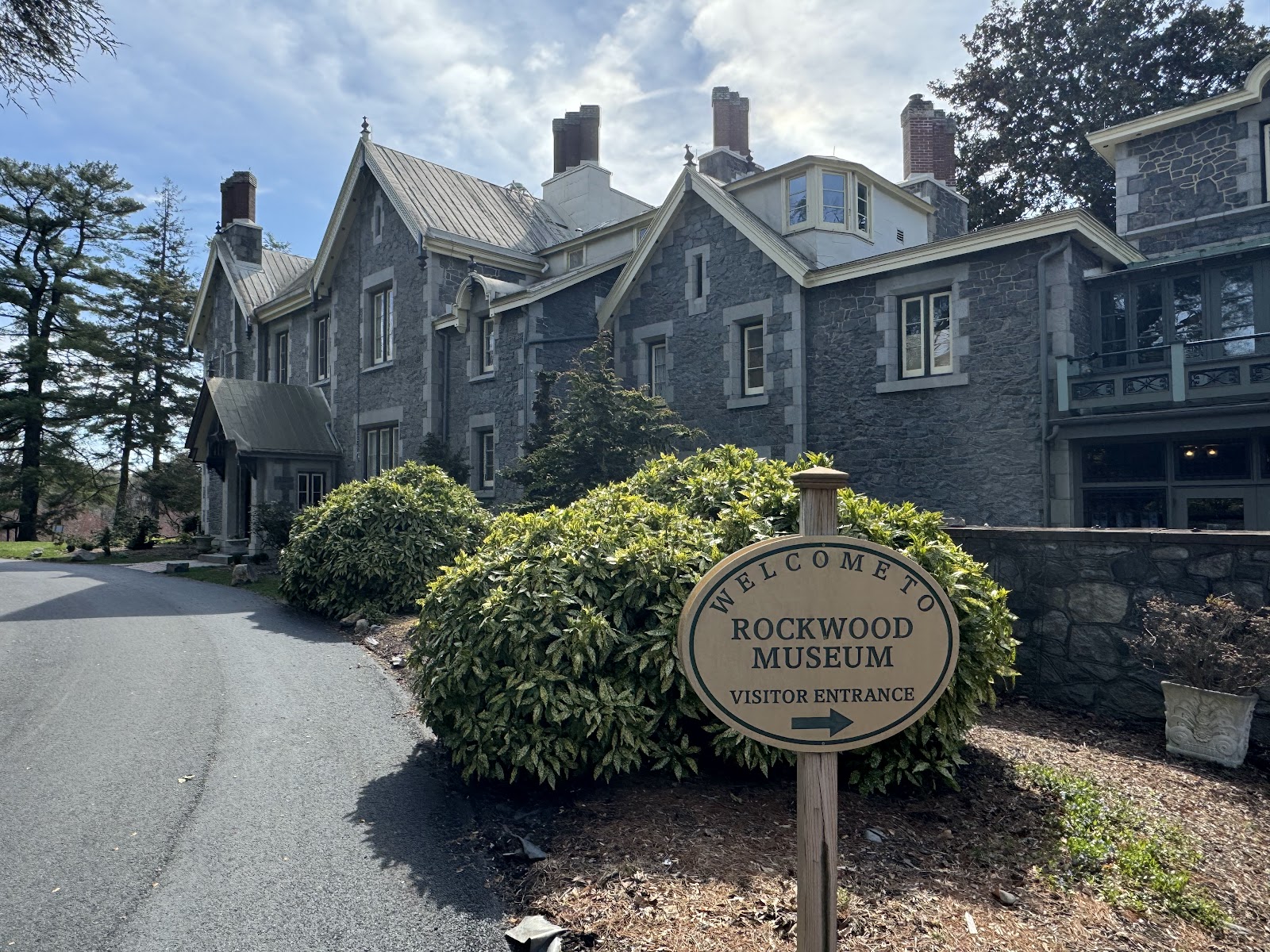
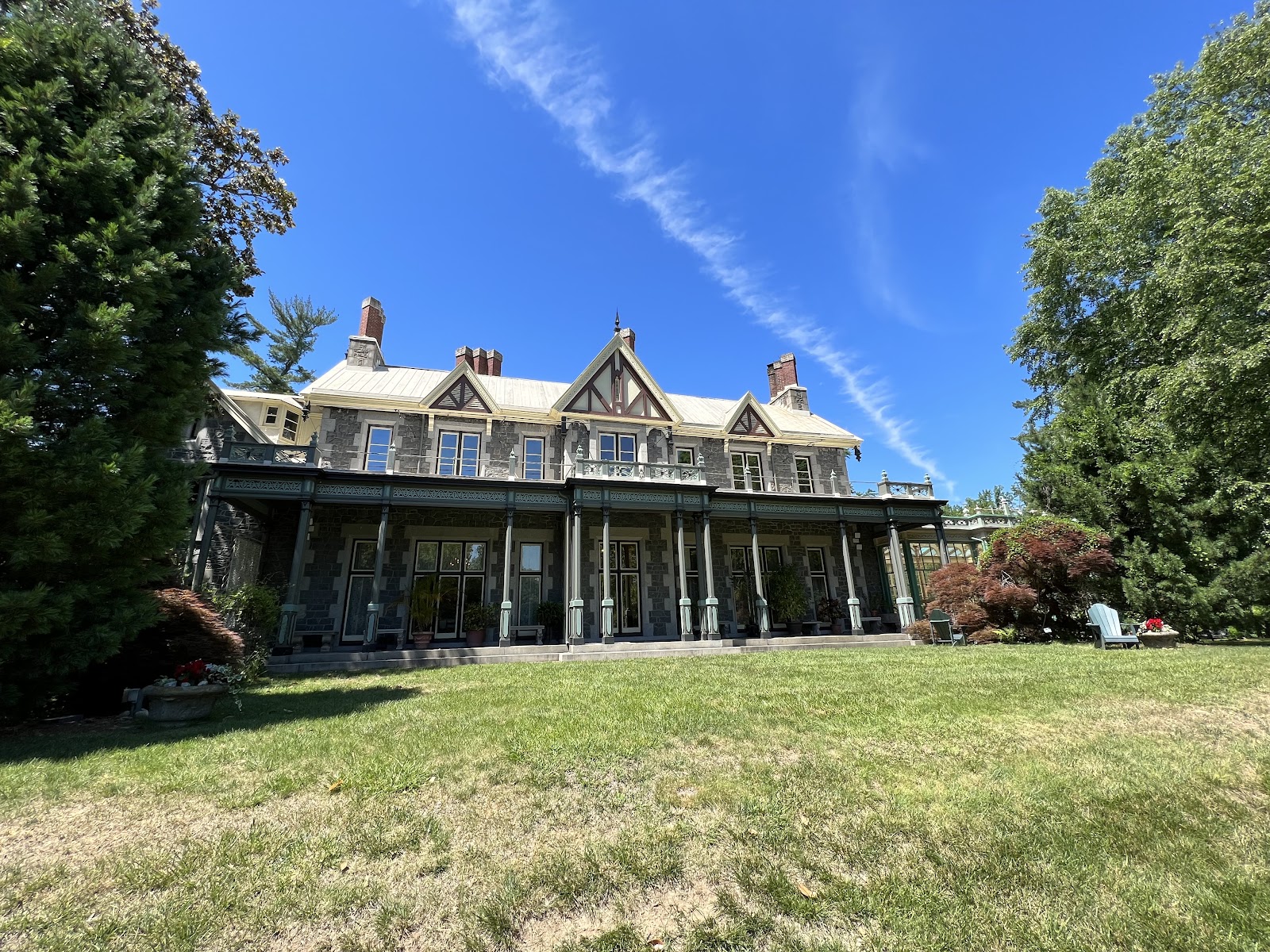
The house as subject means architecture: the building whole from a distance that a park allows and a street does not, the stone raked by low sun, the interiors, the terrace, the detail. Those frames say where the day happened and they are recognisably this place.
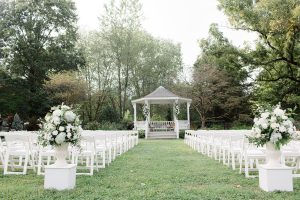
The landscape as subject means the couple in an open designed park: specimen trees, broad lawn, long sightlines, sky. Those frames are about space and scale, and the house is either absent or a small element in them.
Both are correct and a good gallery contains some of each. What produces an incoherent one is not deciding — drifting between the two gives a set of pictures where the house is half in and half out of frame, at the wrong scale for either reading.
We have not photographed a wedding at Rockwood Park; historic houses in designed parkland behave consistently. Which rooms and areas are included, the rules on flash and furniture, and what the covered alternative is are questions for their team.
Rockwood Park at a glance
| Where | Wilmington, Delaware |
| The decision | House as subject, or landscape as subject |
| House | Whole from a distance, stone raked by low sun, interiors, terrace detail |
| Landscape | Specimen trees, broad lawn, long sightlines, sky |
| Ask first | Rooms and areas included, flash and furniture rules, covered space |
The house as subject, and the landscape as subject
If the house is the subject, the first thing to exploit is the distance a park gives. An urban venue cannot be photographed whole because there is nowhere to stand back; a house in parkland can, and that single frame — the building entire with the couple in front of it — is worth making properly rather than as an afterthought.
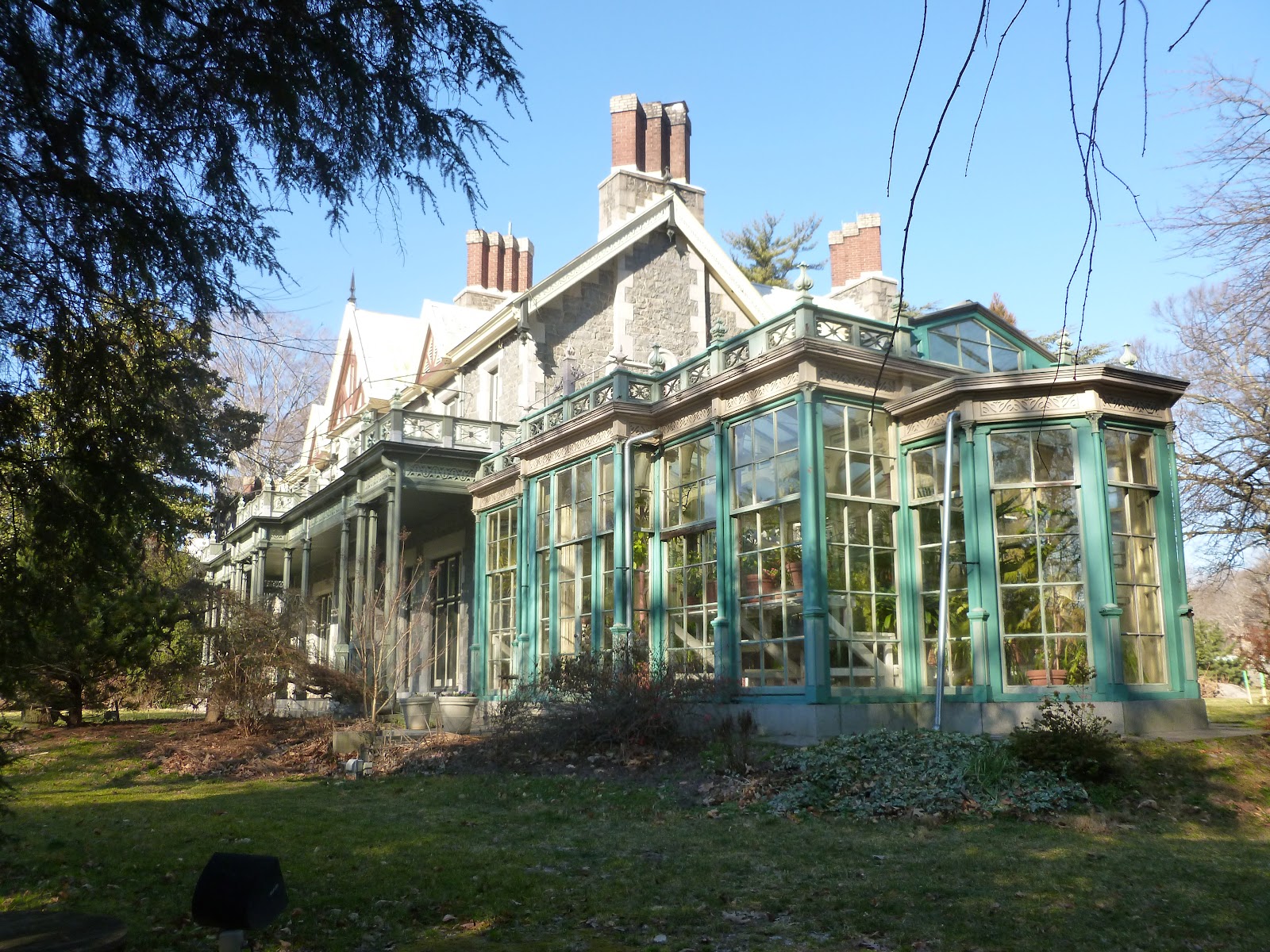
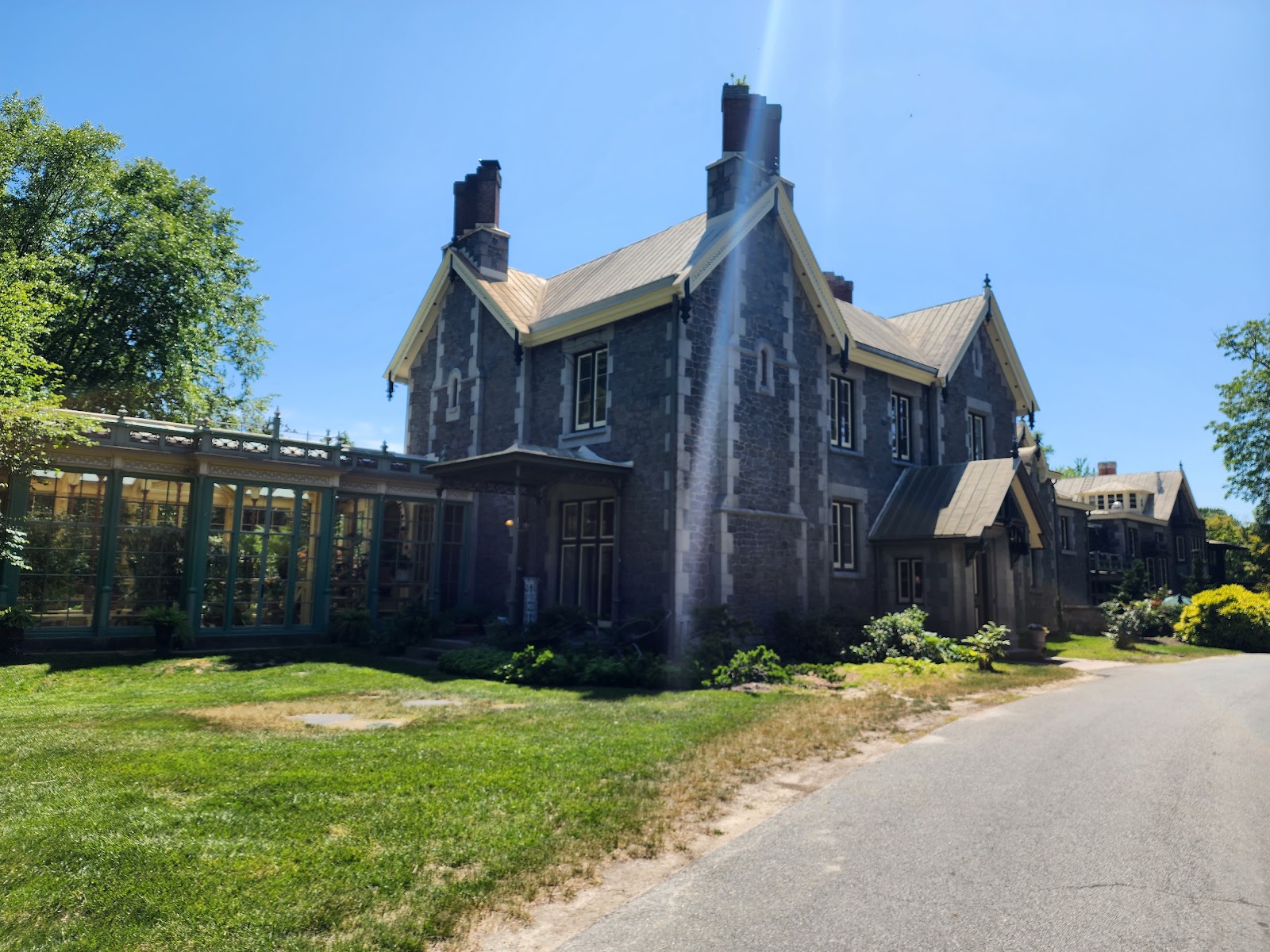
The condition is raking light. Local building stone in this part of Delaware is a coarse dark fieldstone, which means it absorbs rather than reflects: it reads as stone only when light runs along it, lifting every course, and flattens into a dark field when light faces it square. So the hour and the elevation matter together, and a short walk round the house to find which face is being skimmed is worth more than any accessory.
The dark stone has a second consequence that reverses a common instinct. A pale wall is a reflector and a dark one is not, so standing someone near a lit dark wall does nothing for the shadow side of their face — but it makes an excellent background, giving two or three stops of free separation. Dark stone is for standing in front of, not for being lit by.
The terrace and the steps are the house-as-subject frames that most photographers underuse. A balustrade, a flight of steps or a terrace edge gives elevation, a line and a way to arrange a group in rows — which is exactly what a large formal needs and what open lawn cannot provide. A camera above a group on steps sees faces rather than the backs of heads.
If the landscape is the subject, the assets are different and they are specific to designed parkland rather than to any green space.
Mature specimen trees are the first. A tree planted alone to be seen from all sides has a broad crown, a clean trunk and space around it — which gives full shade across a large area and makes it a subject in its own right. That matters because full shade is the whole game in this climate: dappled light through a thin crown puts bright patches and deep shadow on the same face at a ratio nothing holds, and at about forty degrees north the contrast is severe rather than awkward.
Broad lawn is the second and low sun is what makes it work. Mown grass at midday is a flat green field; the same ground at seven in the evening has texture in every blade and every mowing line, and those lines are strong graphic elements that either lead into a frame or cut across it depending entirely on where the camera stands.
Designed sightlines are the third. Parkland has axes — an avenue, a vista, a path to a focal point — and a subject placed on an axis with the view receding behind them is separated by depth alone, with no equipment and no lighting decision at all.
What follows from the decision
Once the subject is chosen, the schedule follows, and the two answers want different hours.
The house wants the last ninety minutes, because that is when low sun rakes the stone and the building reads as material rather than as a shape. It also wants a known elevation, which means establishing on arrival which face the sun will be skimming at the planned hour.
The landscape wants two windows: full shade at any hour under the specimen crowns, which is available all day and is where the portrait volume belongs; and the last forty minutes on open lawn, when the grass has texture and the light comes across faces rather than down onto them.
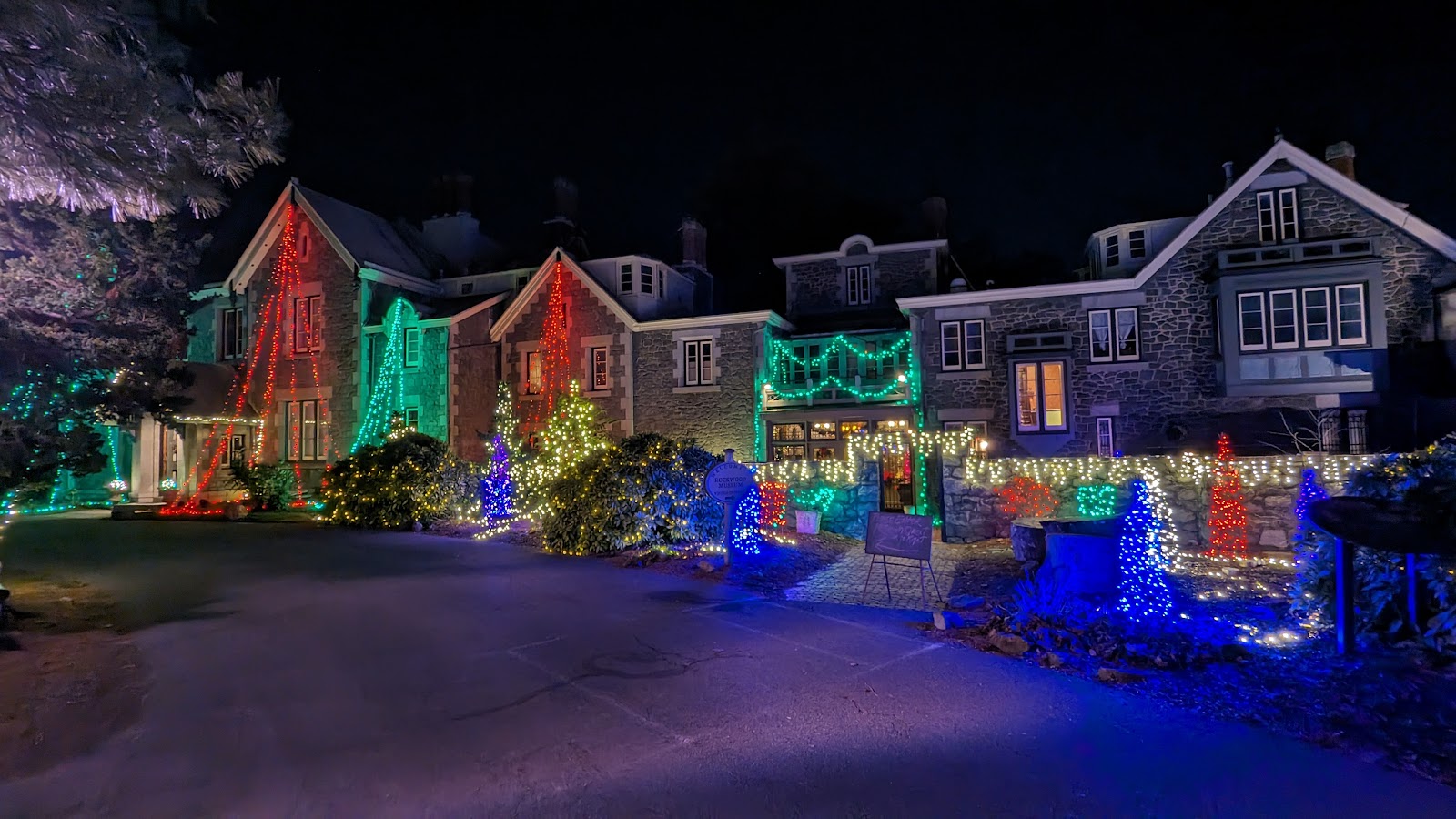
Both share the crossing, which is the one unmovable frame: twenty-five to forty minutes after sunset, when the sky still holds colour at about the brightness of the house’s own lighting, so one exposure holds couple, house and sky. That belongs to the house-as-subject reading, and it is worth ten scheduled minutes because the interiors are available at other hours and this is not.
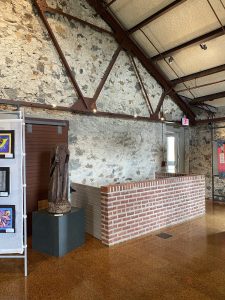
The interiors follow the house reading and they are demanding rather than generous. Tall ceilings mean a bounced flash returns very little in the principal rooms while upstairs rooms frequently work — one test frame each. Warm absorbent surfaces put a room a stop or two below a pale one and throw warm light onto the shadow side of a face from several directions, which one warm-gelled source with white balance set to the gel handles and a global correction does not.
There is no distance in a furnished room, so the doorway is the camera position: standing in one gains two or three metres at no cost and lets a photographer shoot through rooms rather than into them, which gives depth and reads as a house.
And the rules matter more than any technique. A historic interior contains textiles, paper and finishes that fade or damage irreversibly, so expect restrictions on flash, stands, moving furniture and numbers per room — the terms of using the building rather than obstacles to negotiate. The working assumption is no stands, a source in a hand, and the groups outdoors or on the terrace steps.
The weather plan is the last consequence and it is not optional at a venue whose asset is parkland. Severe afternoon thunderstorms are a real possibility here from late spring, which means a named covered space with a known capacity, agreed at booking. And the compensations are real: wet lawn and wet stone both photograph better than dry, and a shower followed by clearing gives the best light of any day because the air is washed clean.
- Choose house or landscape per frame; half-in fails at both readings
- Rake the dark stone — it absorbs, so face-on it flattens to nothing
- Dark stone is a background, not a reflector: three metres of free separation
- Full shade under a broad specimen crown, never dappled light through a thin one
- Terrace steps for the groups; open lawn cannot arrange rows
The Brandywine year
The seasons matter more here than at a building, because half the venue is planting and it changes completely.
Spring, from mid-April into May, is the best outdoor window and it is short. New foliage is thin, bright and translucent, flowering trees are in bloom, and the canopy has not closed — so more light reaches the ground and the dappling problem is at its mildest. A designed park in late April is at its peak and it lasts a couple of weeks.
Summer gives the densest canopy, which means the most reliable full shade under the specimen crowns and the strongest dappling at their edges. It is hot and genuinely humid, and the humidity rather than the heat is the photographic fact: moist air scatters light, which softens shadows and slightly flattens distance — good for faces, mildly against a long vista.
The fogging problem is the equipment issue in this climate: a body carried from an air-conditioned interior into July air fogs on every surface at once and does not clear quickly, so a bag opened twenty minutes before going out is the whole fix — and in a historic house cooled hard for its collection the difference is larger than usual.
Autumn is what this country is known for and in designed parkland it behaves differently from woodland. Colour usually peaks from late October into the first week of November, and specimen trees turn individually at their own times — which means a single enormous crown in full colour above a still-green lawn is a frame a uniform wood cannot give. It also means the peak is less sharply defined and the season effectively longer.
Morning fog is frequent in autumn in this rolling wooded country, and fog is diffusion at landscape scale: it separates successive trees and treelines into grey layers, softens everything, and gives a frame no clear morning does. It burns off, so it is an early opportunity rather than something to schedule.
Winter strips the canopy and reveals the park’s structure — the axes, the avenues, the terraces and the house itself become fully visible rather than half-screened, which for a designed landscape is arguably more legible than summer, and which strongly favours the house-as-subject reading.
The December midday sun at this latitude reaches only about twenty-seven degrees above the horizon, which makes the whole short day raking light: exactly what coarse dark stone, mown ground and bare branch structure all need. It also means the interiors are better in winter than in summer, because a low sun comes into tall windows at an angle rather than from overhead, so the light is directional and usable through the whole short day instead of for two hours at each end.
In a house whose main interior problem is dark absorbent rooms, that is a substantial gain rather than a marginal one. Snow is occasional rather than reliable, and when it comes it is the best natural fill available outdoors and turns the ground into an enormous reflector that brightens every window in the building.
The winter constraint is simply the short day, which compresses the outdoor block into a couple of hours and means the positions should be decided in advance rather than explored.
More frames from Rockwood Park
Rockwood Park wedding photography: common questions
What is the one governing decision?
Whether the house or the landscape is the subject. Both are valid, but half-in fails at both readings and produces an incoherent gallery.
Why does the stone need raking light?
Because local fieldstone is coarse and dark, so it reads as stone only when light runs along it and flattens into a dark field when light faces it square.
Can you use the stone as a reflector?
No — dark stone absorbs. It is an excellent background, giving two or three stops of free separation, and no help at all as fill.
Where do the large groups go?
The terrace steps, which give elevation, a line and a way to arrange rows. Open lawn cannot do that.
Which frame is unmovable?
The crossing, twenty-five to forty minutes after sunset. The interiors are available at other hours; that one is not.
Which season favours which reading?
Winter favours the house, because the bare canopy makes the architecture and the park’s structure fully visible. Spring and autumn favour the landscape.
More Delaware venue guides
We are writing a photographer’s guide to every venue we would happily shoot in Delaware. Here are three more, plus the full index:
- The Rusty Rudder, Dewey Beach: The One Decision That Governs Everything
- The Salt Air, Rehoboth Beach: One Frame, and How It Is Made
- The Starboard, Dewey Beach: A Venue Built for the Season
Planning a wedding at Rockwood Park?
House or landscape, chosen per frame. Tell us your date and we will choose.