One rock formation explains most of Kentucky, and knowing it makes the whole state legible from a car window. Under the Inner Bluegrass lies Ordovician limestone that is unusually rich in phosphate. Rain dissolves it, the minerals go into the soil, the soil grows grass with a high mineral content, and animals that eat that grass build bone well — which is why this became horse country rather than something else. The same limestone filters groundwater on its way through, adding calcium and stripping out iron, and iron ruins whiskey. So the bourbon industry settled where the rock was rather than where the transport was.
One formation produced two industries, and between them they produced the entire look of the region: open pasture, dry-laid stone walls built without mortar from stone lifted out of the fields, dark creosote plank fencing running for miles, and big open-grown trees. Those last are worth looking for specifically at any rural venue here. Parts of this region were originally savanna-woodland rather than closed forest — widely spaced trees over grass — and the surviving specimens, mostly bur oak and blue ash, have enormously wide low crowns instead of the tall narrow shapes a forest produces.
One of those is a natural room: it shades forty people and frames a ceremony with no structure at all, and it is usually a better outdoor position than anything the venue will suggest. The fences divide into two photographic types and they want opposite light. Dry-laid limestone walls are textural: in raking light every stone throws its own small shadow and the whole wall reads as material, while at midday it flattens to a grey line, so early or late only.
Dark plank fences are graphic rather than textural — they draw a hard line across pasture and absorb light rather than reflecting it, so they stay dark at any exposure that keeps grass correct. Use one as texture and the other as a leading line. The stone itself is cool, a hard grey fossil-bearing limestone laid down as a shallow tropical sea floor, and it goes genuinely blue in shade. Warm it deliberately in post or Kentucky exteriors will look lifeless beside the warm interiors from a still house.
It is karst country too, which means springs, sinkholes and creeks that run clear and shallow over pale stone rather than muddy — a low camera at a stony creek in the last hour throws a broken specular pattern that is one of the better rural backgrounds in the state.
The state's distinctive venue type is the working distillery, and it comes with one question that has to be asked before anything aesthetic: which rooms permit flash and electrical equipment. A working distillery has areas where alcohol vapour makes the atmosphere a classified environment, and the restrictions there are a safety matter rather than a preference. The room you most want may be ambient-only, and ambient in a masonry building with small openings is not generous. Get the answer in writing.
The second distillery question is whether production is actually running on the date, because a still house with the stills working is warm, loud, steaming and alive, while the same room shut down is a museum with metal in it — and production often does not run at weekends. Two technical facts recur across every distillery here.
Barrel warehouses come in two kinds and they need opposite handling: timber-clad rickhouses have louvred sides that throw hard parallel bands of light across the interior, and there the bands are the picture — place a face so a band crosses at an angle, expose for the lit band, and do not fill the shadows, because the contrast is the point. Masonry warehouses are darker and more even, with light entering through small deep openings and falling off fast, and there the frame is a long lens down an aisle compressing hundreds of barrel heads into a single receding texture with a very small figure inside it.
That is the strongest graphic photograph available at any distillery. The other recurring fact is invisible until it is pointed out: barrels lose spirit to evaporation as they age, and the ethanol vapour feeds a black fungus called Baudoinia that darkens roofs, walls, fences and tree trunks downwind across the whole region. It is harmless and it is a signature of the industry, but it means those surfaces read almost black in a frame, so meter for them rather than assuming a mid-grey.
Copper is the third: a pot still is specular rather than diffuse, so it records as a pattern of reflections of whatever is around it — including the photographer — rather than as a shape. Control the reflection with a large pale surface nearby and you get a broad soft highlight running down the curve, which reads as form; point a hard light at it and you get a bright dot and a lot of black. Keep faces two or three metres clear, because copper throws a warm cast onto skin that is genuinely there. Latitude is Kentucky's quiet advantage.
The state runs from about thirty-six and a half to thirty-nine degrees north, which gives civil twilight of roughly twenty-eight to thirty minutes in midsummer — five or six minutes more than western Tennessee, and in practical terms a materially longer balance-point window, that ten-to-twelve-minute block where the sky and any building lights are within a stop of each other. On rural sites with almost no light pollution the sky also holds a clean gradient far longer than it does over a city.
That matters because several venues here have a dusk frame as their single best photograph and it has to be a named line item on the timeline rather than a general intention. The midsummer noon sun reaches seventy-four to seventy-six degrees, high enough to be hard on open pasture and gravel through the middle of the day, and the midwinter noon sun sits near twenty-eight, low enough to rake limestone, brick or black timber all afternoon.
Humidity is Ohio Valley humidity: July dewpoints around seventy, filling shadows by a stop and a half to two stops against a dry climate, which softens shadow edges and makes midday open shade a usable portrait light. The costs are a pale washed sky in wide frames, haze softening distance — which matters at venues whose subject is a long view — and a lens that fogs within seconds coming out of a cool building into July air, a recurring problem on any day that moves between the two.
Note also that river valleys here behave differently from open country: Frankfort sits in a limestone gorge and Loretto in a wooded hollow, and in both the hills to the west take the sun fifteen to twenty-five minutes before the printed sunset time, so the whole evening shifts earlier. The compensation is that high ground stays lit above a shaded foreground, and that cold air draining downhill on still autumn nights produces river mist at dawn.
Season by season: late September into October is the best window in the state without much argument, when the air dries out so long views resolve, temperatures are comfortable in formal clothing — which matters because barrel warehouses are deliberately hot and punishing in August — sun angles stay low enough that the whole afternoon works, and the hardwoods turn through the second half of the month.
Late April into May is the window most couples want and it delivers dogwood, redbud, saturated pasture, foals in the fields and long evenings; it is also the wettest and most storm-prone stretch, with organised fast-moving systems rather than passing showers, so any outdoor element needs a covered alternative whose capacity is known as a number rather than assumed to exist.
Summer is workable at the two ends of the day with the middle given to porches, canopy and interiors, and the half hour after an afternoon thunderstorm clears is the finest light of the year: washed air, wet limestone and brick at full saturation, standing water to reflect a facade, and a low sun under a broken ceiling. Winter is short — sunset near half past five in December, minus the hills — which frequently puts the best twenty minutes of light during cocktails and needs planning rather than discovering.
In exchange it gives the clearest air of the year, a low sun raking material all afternoon, bare trees that reveal the shape of a valley, visible steam at a working distillery in cold air, and the possibility of snow. The one hazard worth a contingency is Kentucky ice: occasional freezing rain that closes rural roads, grounds flights and strands suppliers. It is a travel problem rather than a photographic one, it is uncommon in any given January, and it is worth having thought about rather than being alarmed by.
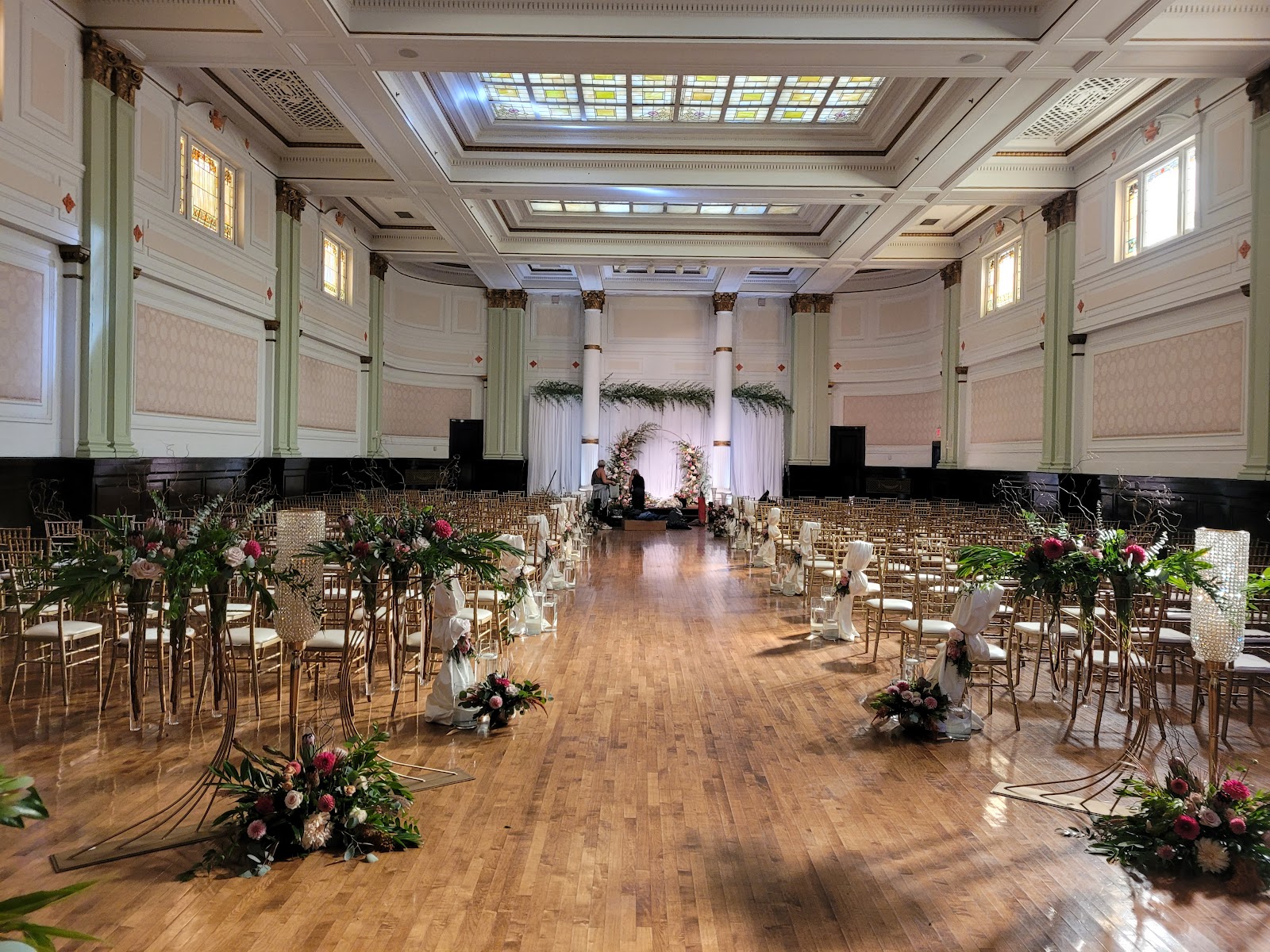
The Henry Clay: Lighting a 1920s Lodge Building
Built 1924 as an Elks lodge in downtown Louisville, later restored, with a grand ballroom, ornate plasterwork and period detailing.
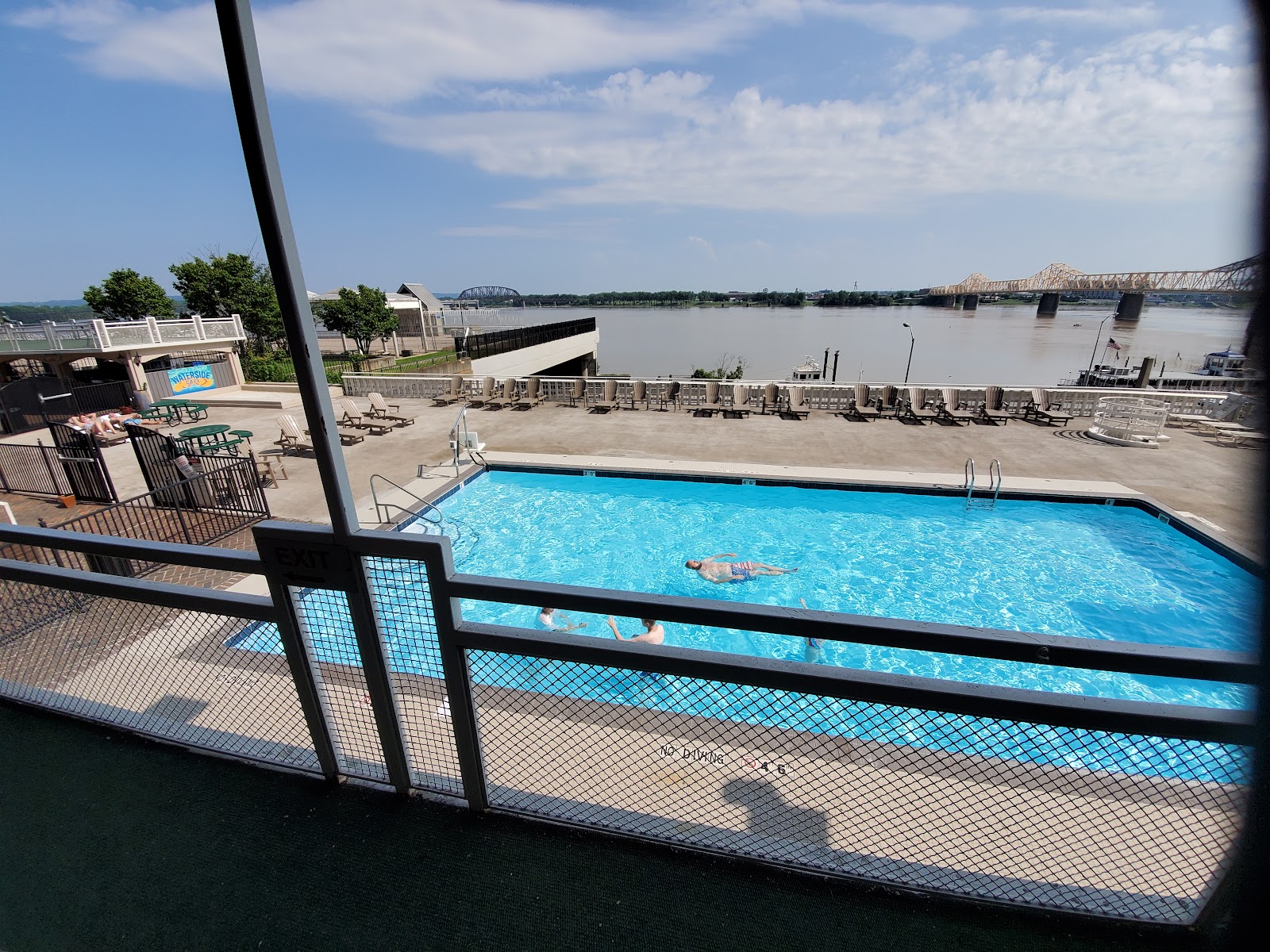
The Galt House: Working with a River-Facing Tower Hotel
A large twin-tower hotel on the Ohio riverfront in downtown Louisville, connected by a glazed walkway, with ballrooms and river-facing rooms.
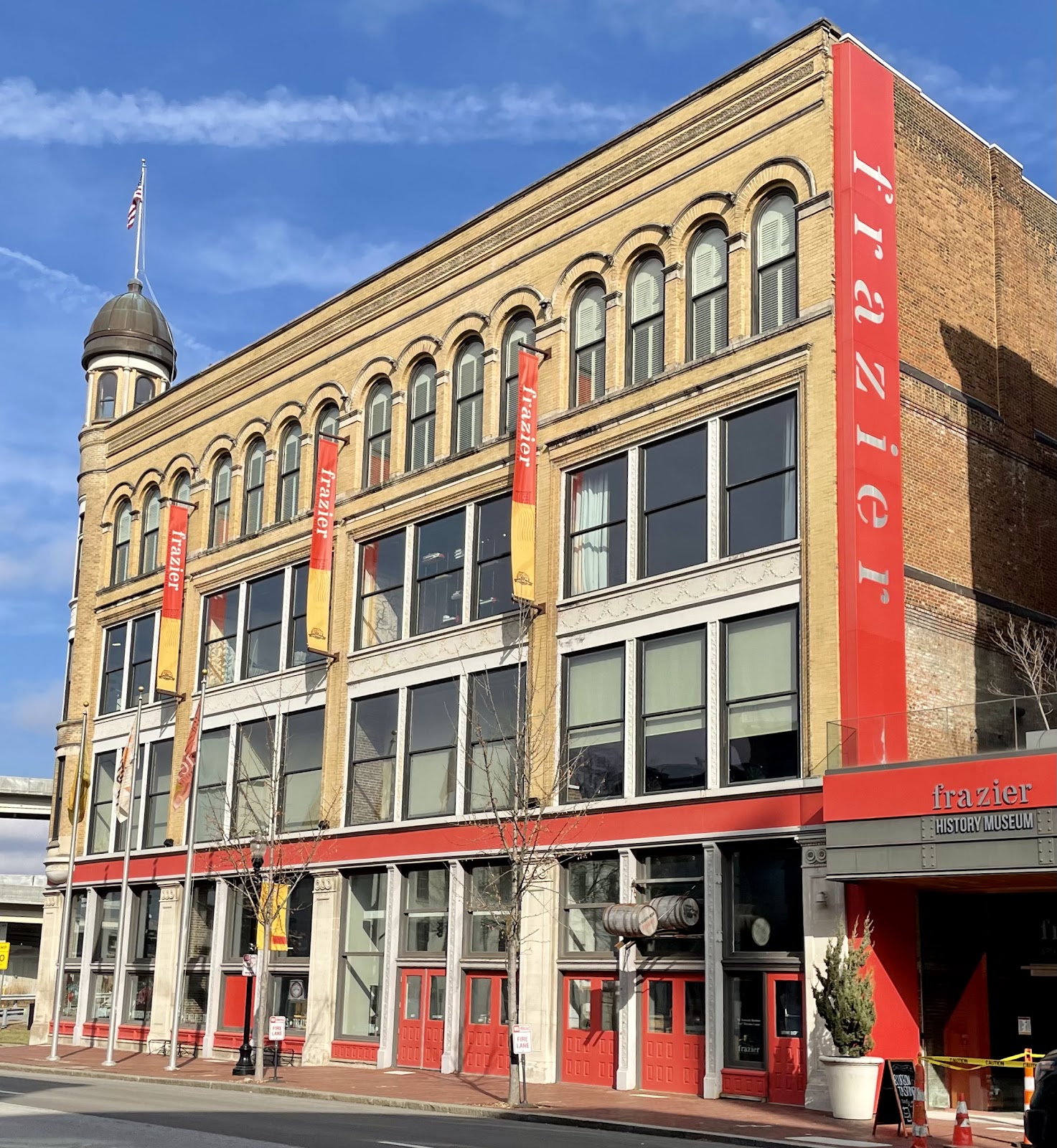
The Frazier History Museum: A Walk-Through for Wedding Photographs
A converted nineteenth-century warehouse at the west end of Main Street's Whiskey Row, with a tall glass frontage, atrium and a rooftop event space.
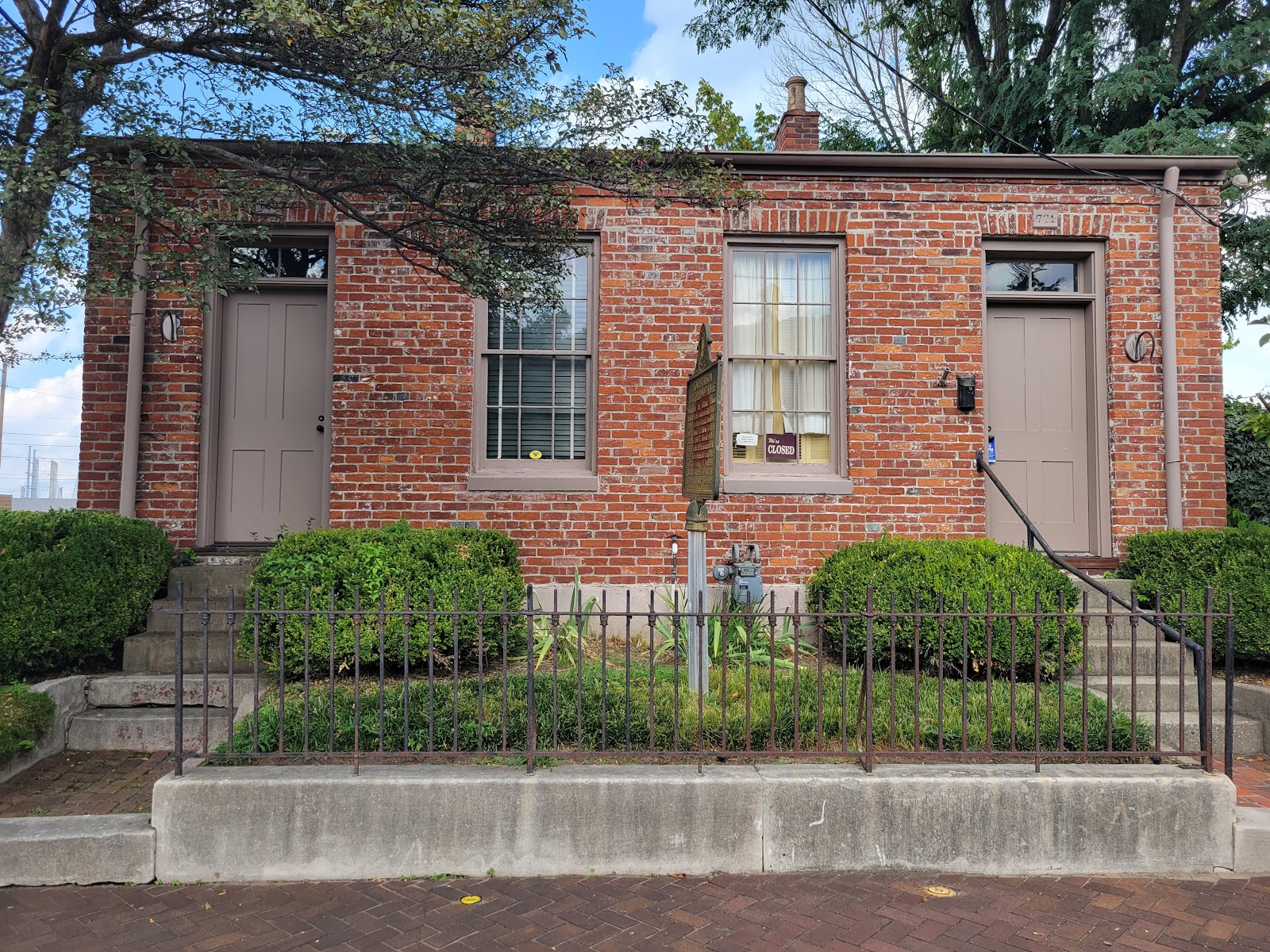
The Thomas Edison House: Field Notes on a Shotgun Cottage
An 1850s shotgun-style cottage in Louisville's Butchertown, where Thomas Edison lodged as a young telegraph operator. Very small, very characterful.
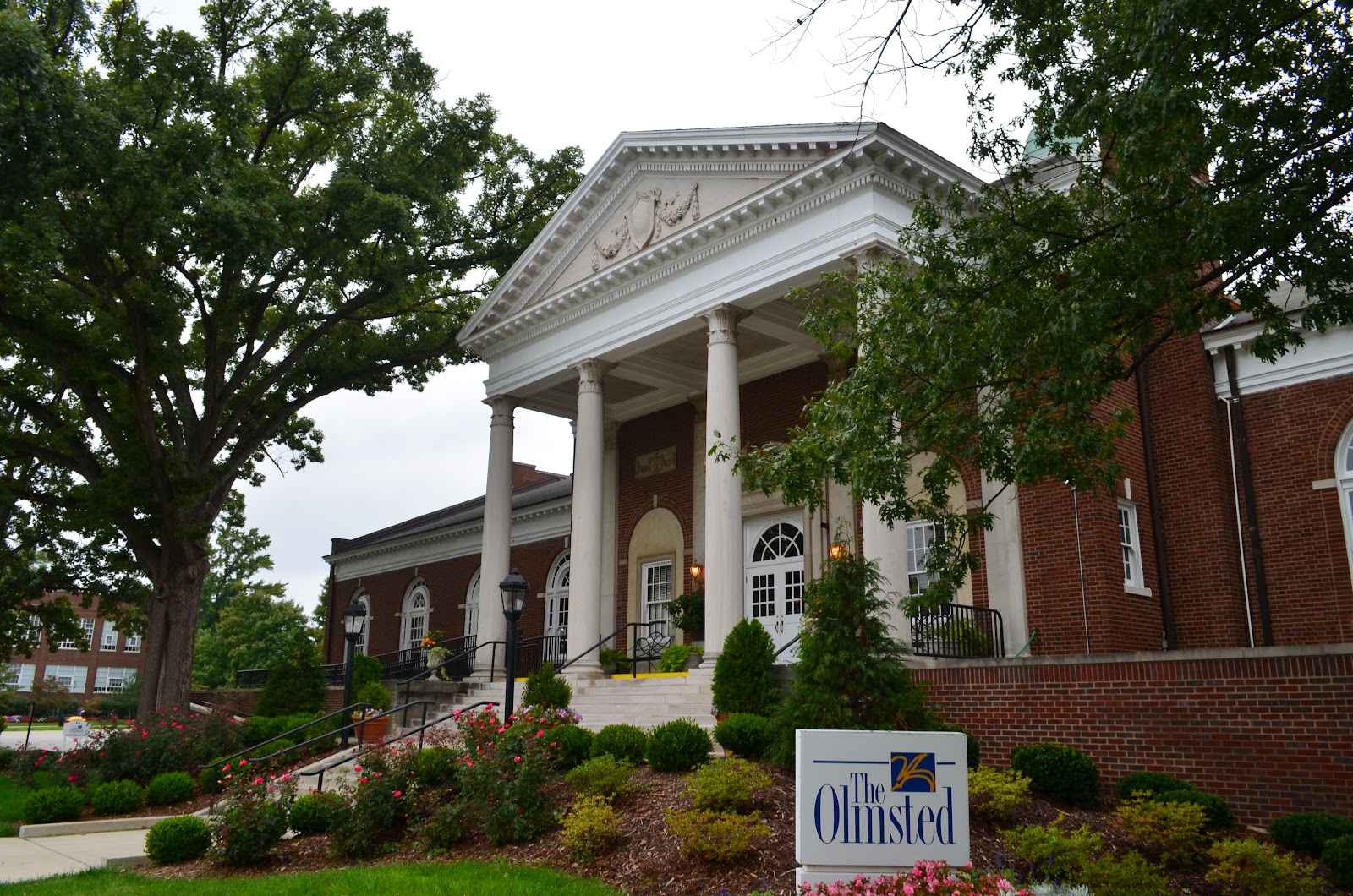
The Olmsted: A Photographer Answers Your Questions
A former 1920s school building in Louisville's Highlands, its gymnasium converted into an event hall with a barrel-vaulted ceiling and tall arched windows.
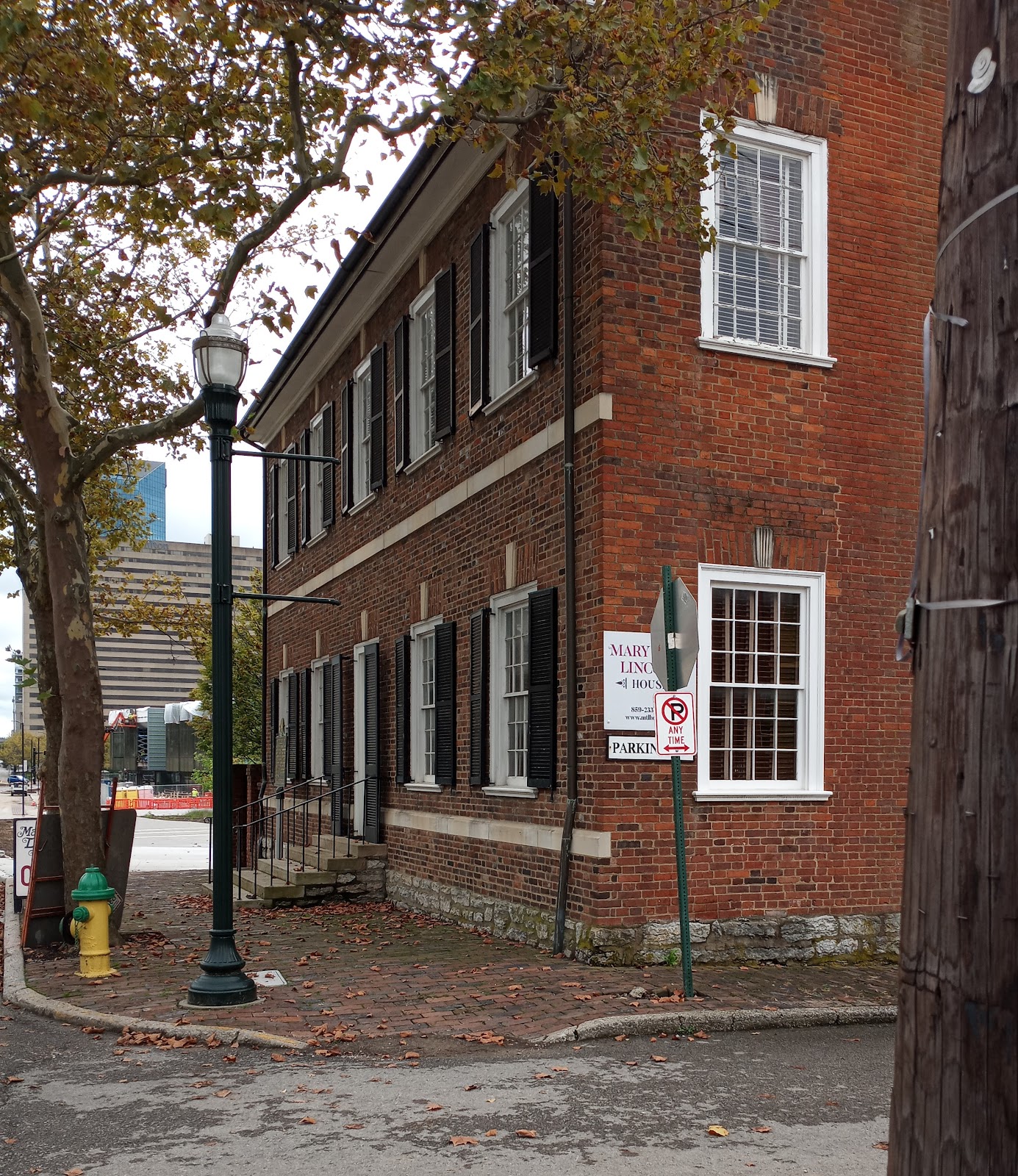
The Mary Todd Lincoln House, Lexington: What It Suits, and What It Does Not
A small preserved Lexington townhouse — intimate and specific, and constrained in four real ways.
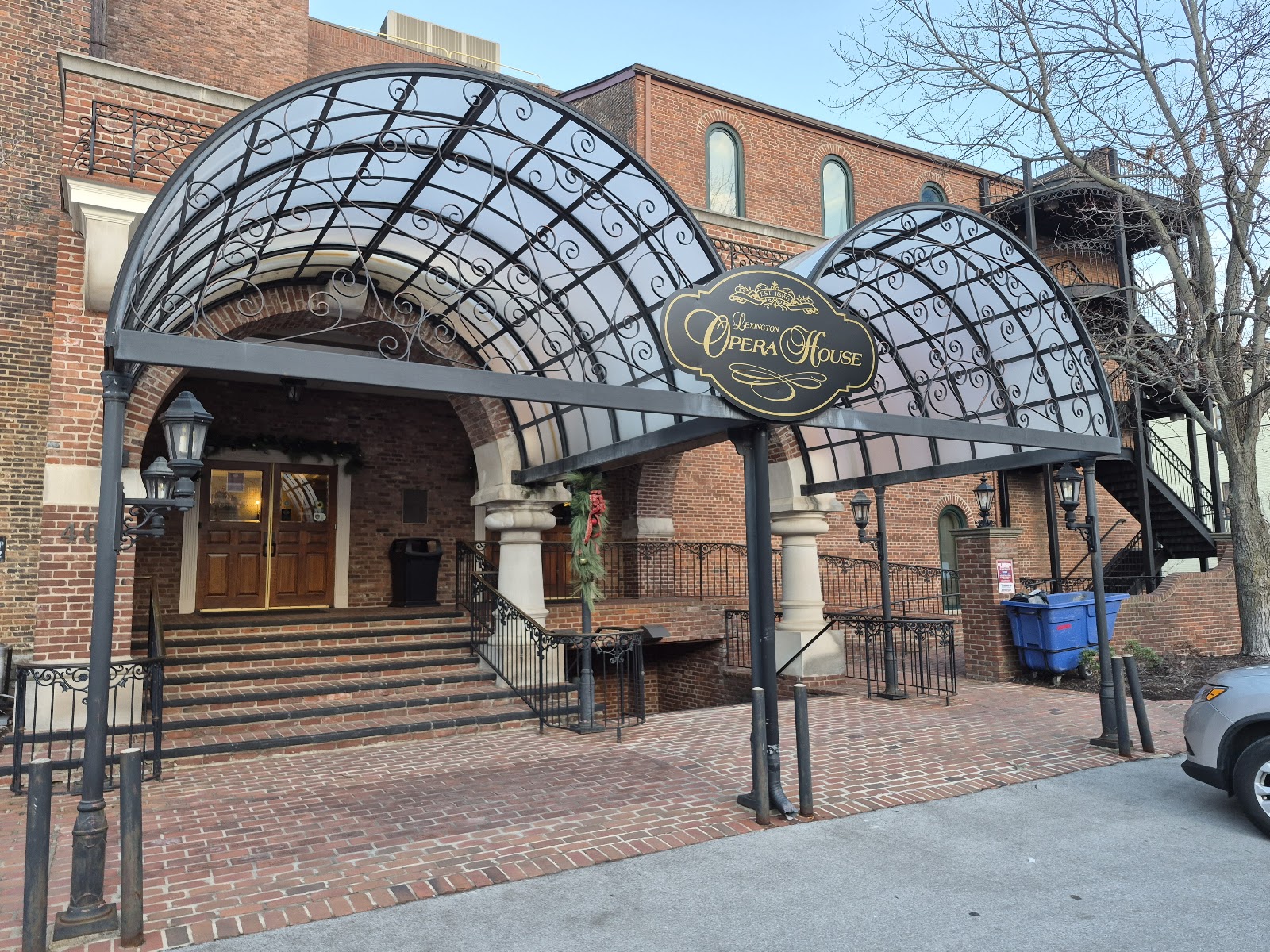
The Lexington Opera House: One Frame, and How It Is Made
A Victorian Lexington opera house — and the one frame a tiered auditorium exists to give.
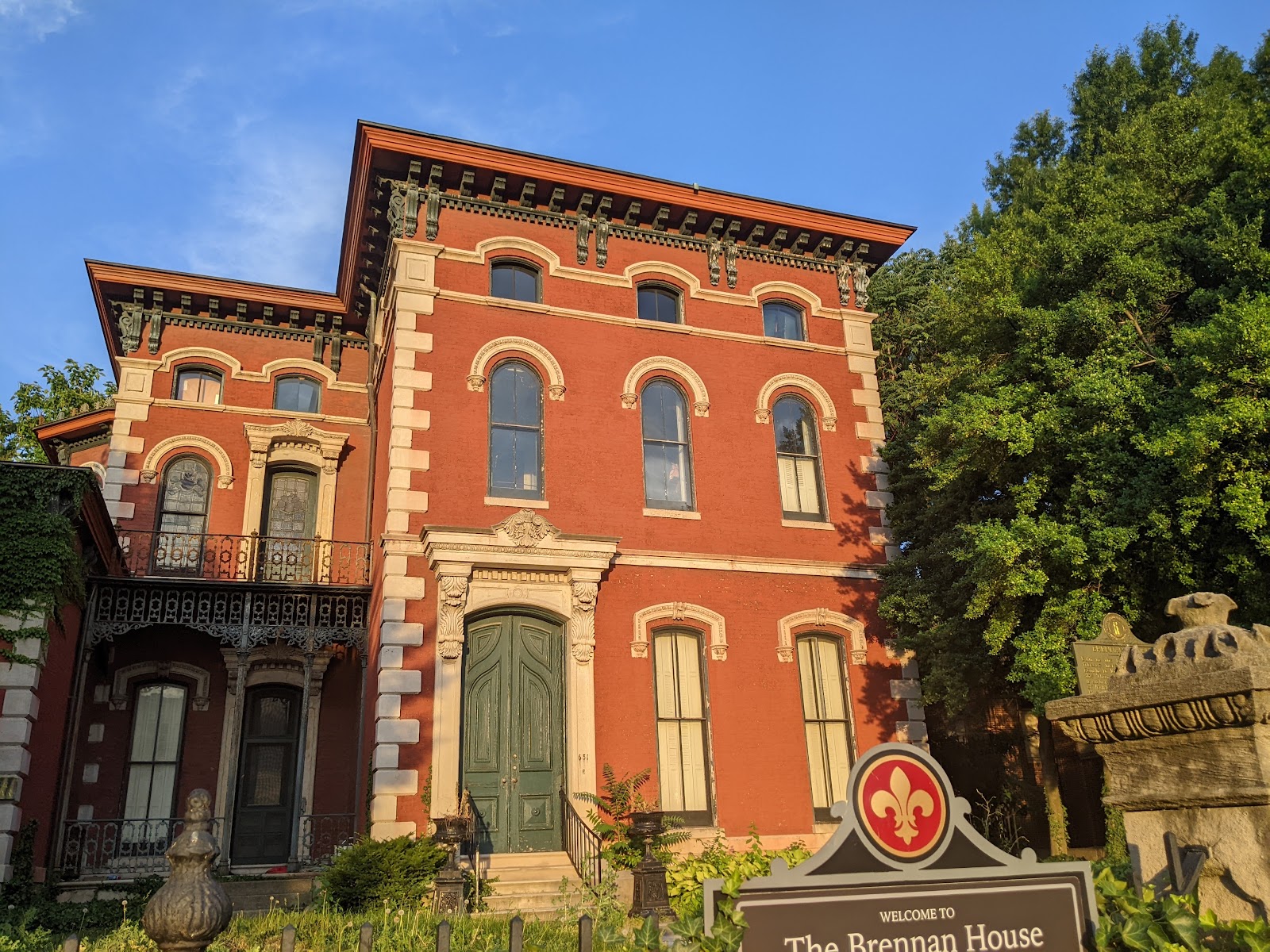
The Brennan House: Who This Small Venue Suits
An 1868 Italianate townhouse on Fifth Street, preserved with original family furnishings and operating as a house museum. Intimate and genuinely untouched.
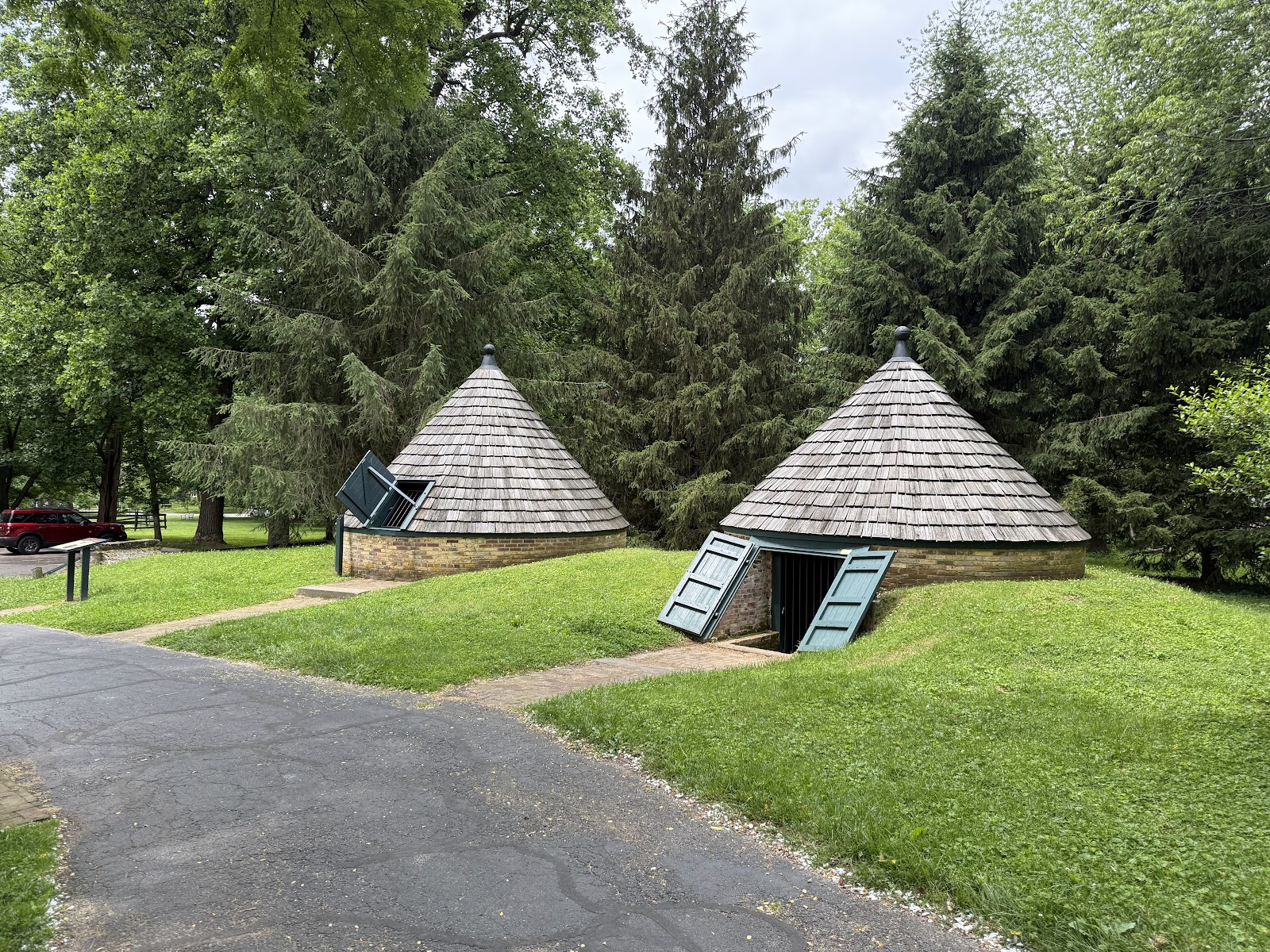
Ashland, The Henry Clay Estate, Lexington: Field Notes on a House in Old Grounds
A historic Lexington estate with very old grounds — and what mature specimen trees and a preserved interior each ask for.
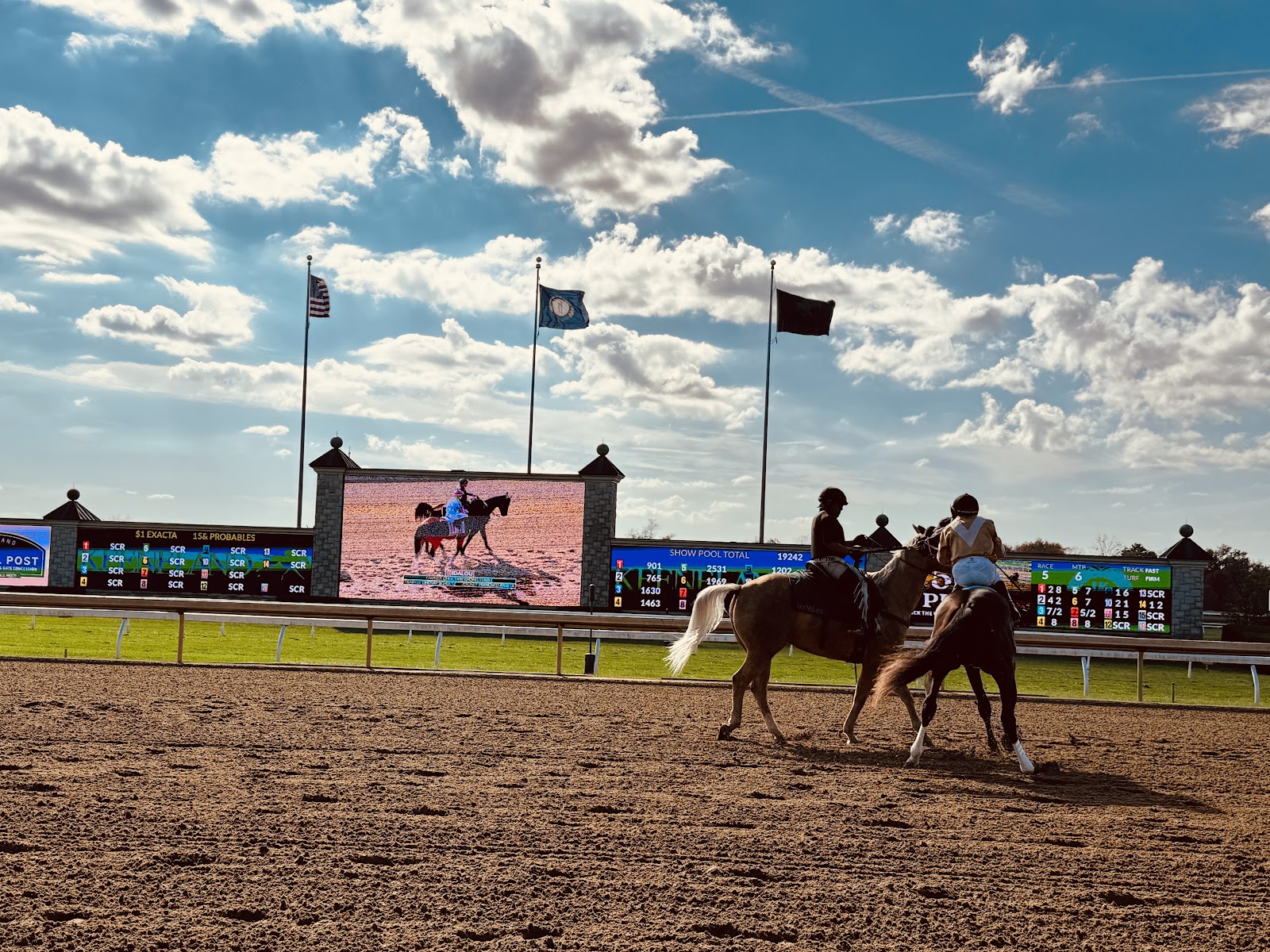
Keeneland Racecourse, Lexington: The Problem, and Four Ways Out
A Lexington racecourse — open ground, stone buildings and four ways round both.