South Bend has one climatic feature that distinguishes it sharply from the rest of the Midwest, and it changes what a photographer should expect for months at a time: the city sits in the lake-effect snowbelt southeast of Lake Michigan. The mechanism is straightforward — cold air crossing relatively warm lake water picks up moisture and drops it downwind — and it produces substantially more snow than places at the same latitude away from the lake, along with persistent overcast. Winters here are among the cloudiest anywhere in the country outside the Pacific Northwest. That sounds like a drawback and it is very nearly the opposite.
Overcast is the best soft source there is, which means a glazed lobby, an atrium or a tall Victorian sash gives even, shadowless, flattering light for months, with no direct-sun problem to work around and no question about which way a room faces: on a grey day, every window is a north window.
Snow compounds it. Snow turns the ground into an enormous reflector, so a window in February gives softer, brighter and more even light than the same window in June, with light arriving from below as well as above so facial shadows nearly vanish. Outdoors it is the best natural fill available, lifting exactly the shadows a low sun carves while fooling a meter by about two stops toward underexposure — so a snow frame needs deliberate overexposure relative to what the camera suggests.
The real winter constraint is the short day: at about forty-two degrees north, sunset falls in the middle of the afternoon in December, which compresses the outdoor block into a couple of hours and means the exterior positions should be decided in advance rather than explored. Summer runs the other way: hot and genuinely humid, where the moisture in the air softens shadows and slightly flattens distance, severe afternoon thunderstorms are a real possibility from late spring, and a body carried from an air-conditioned interior into July air fogs on every surface at once — so a bag opened twenty minutes early is the whole fix.
Autumn, usually mid-to-late October, gives the best exterior light of the year along the St. Joseph River. The guides below take each venue on its own terms.
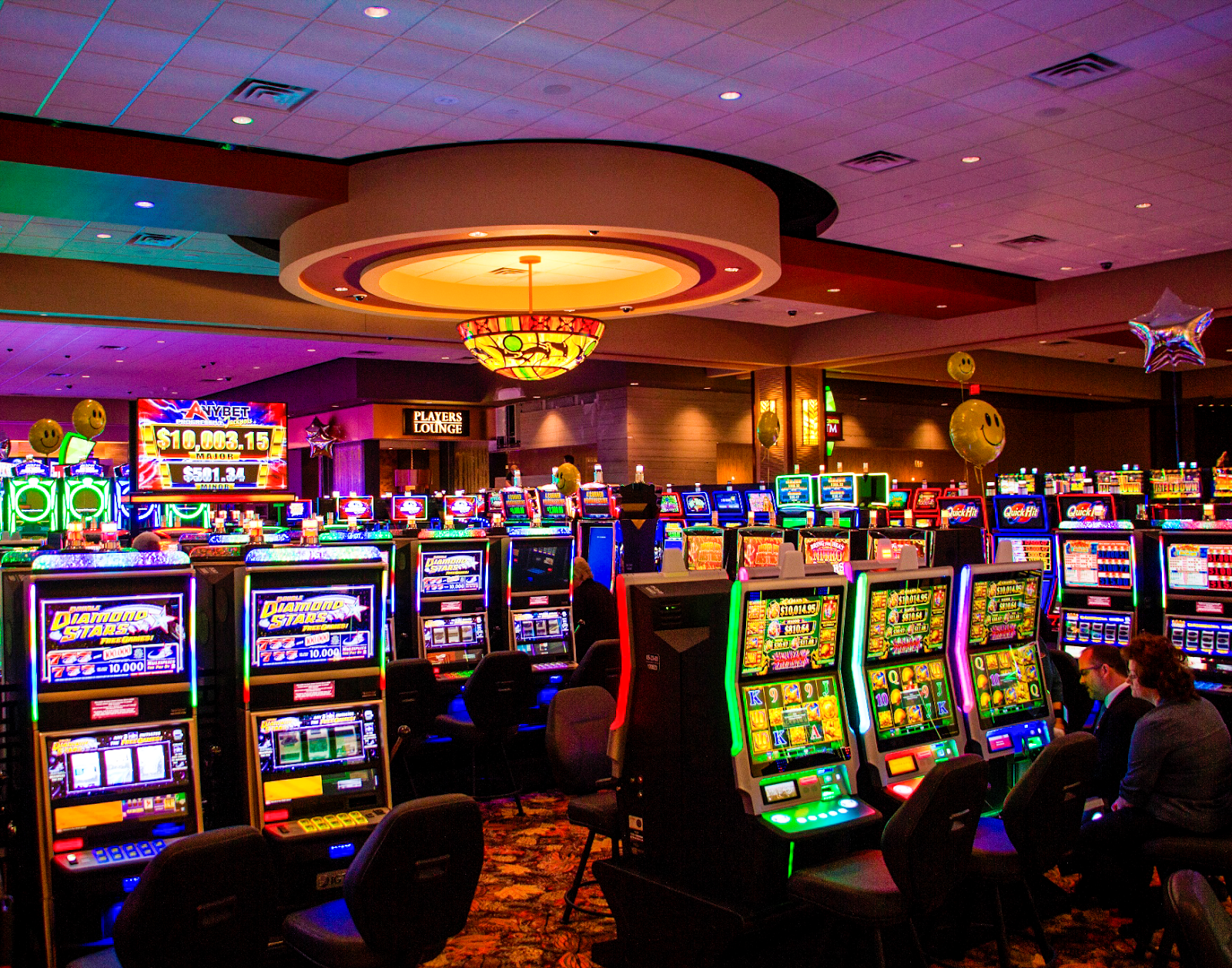
The Four Winds Casino, South Bend: The Problem, and Four Ways Out
A South Bend casino venue with no daylight in its public spaces — the problem that creates, and four ways out.
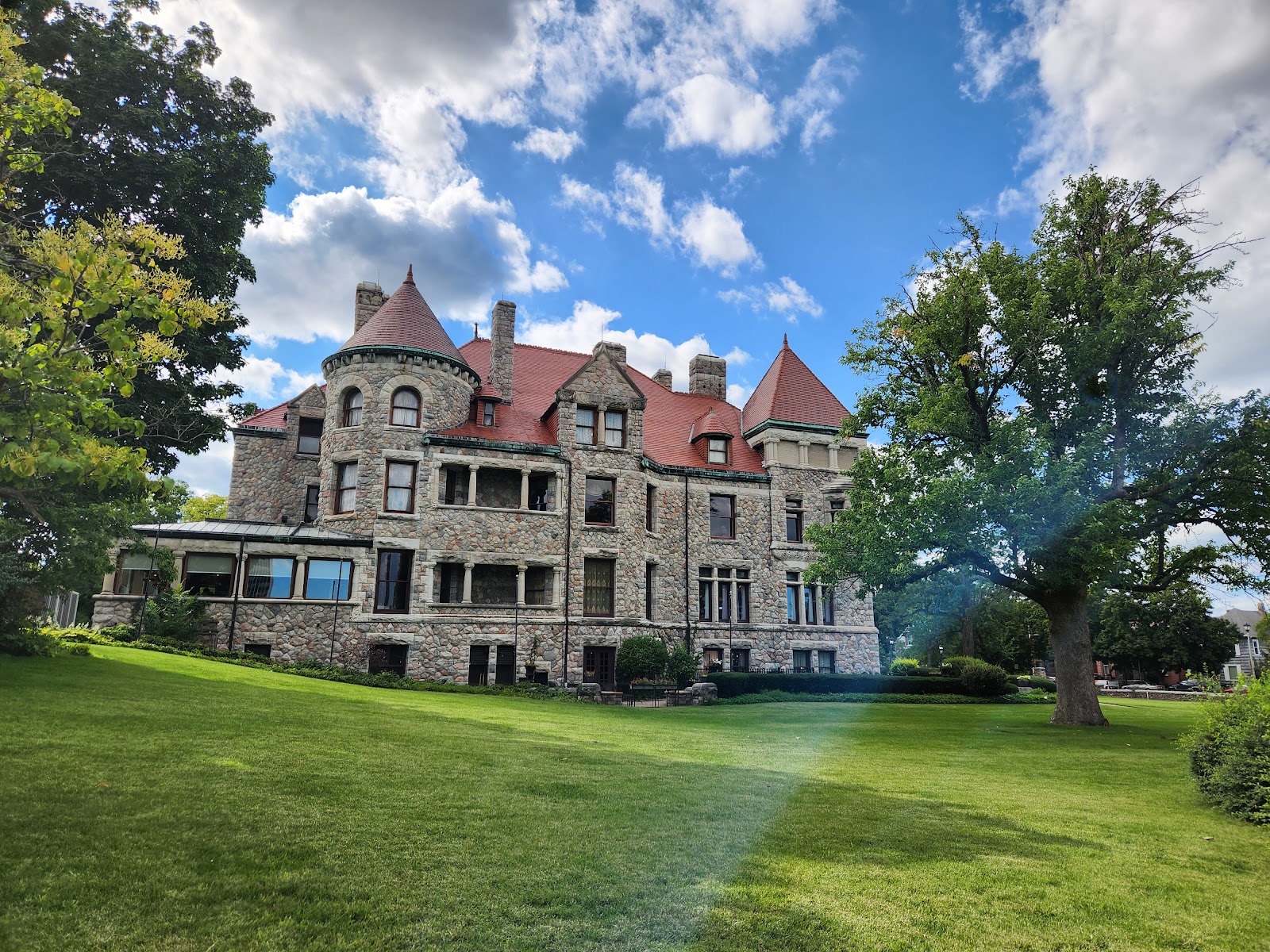
The Studebaker Mansion, South Bend: The Light Through a Day
A grand nineteenth-century South Bend house taken hour by hour through a wedding day.
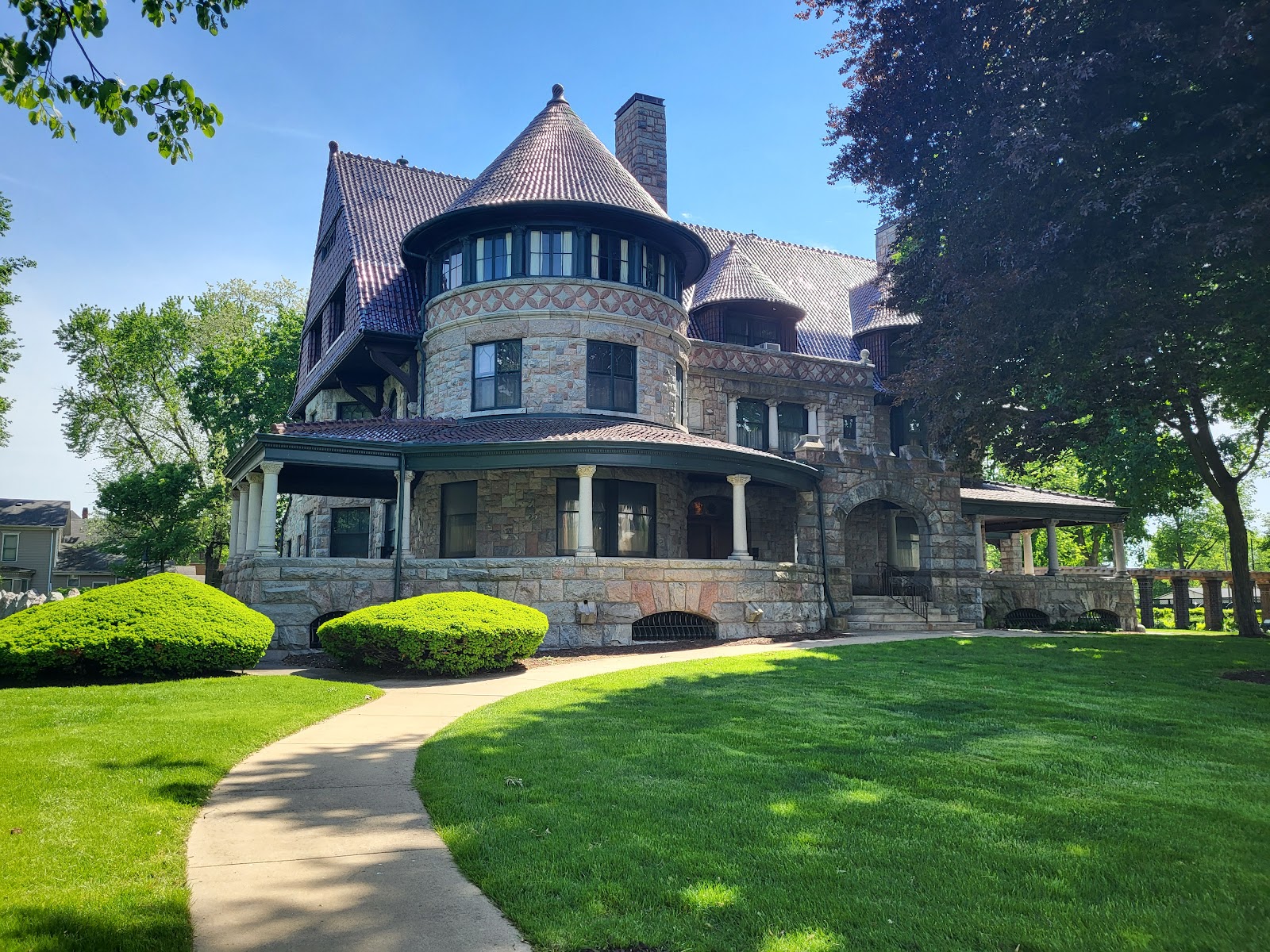
The Oliver Mansion, South Bend: A House Built Before Electric Light
A late Victorian South Bend house — and the design logic that puts all its good light in the same places.
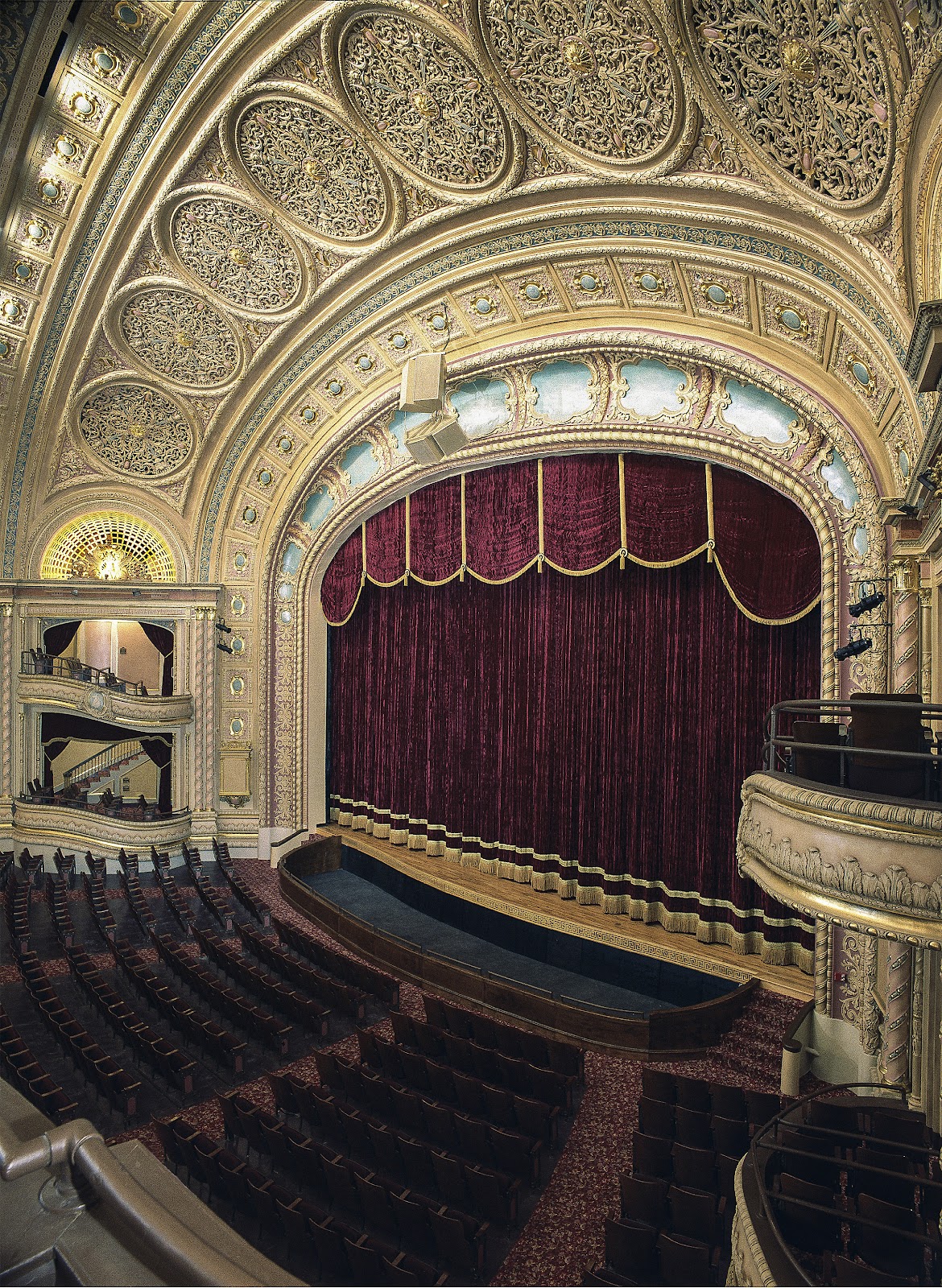
The Morris Performing Arts Center, South Bend: A Walk Through a Historic Theatre
A restored South Bend theatre walked in the order a wedding day uses it — lobby, house, stage and out.
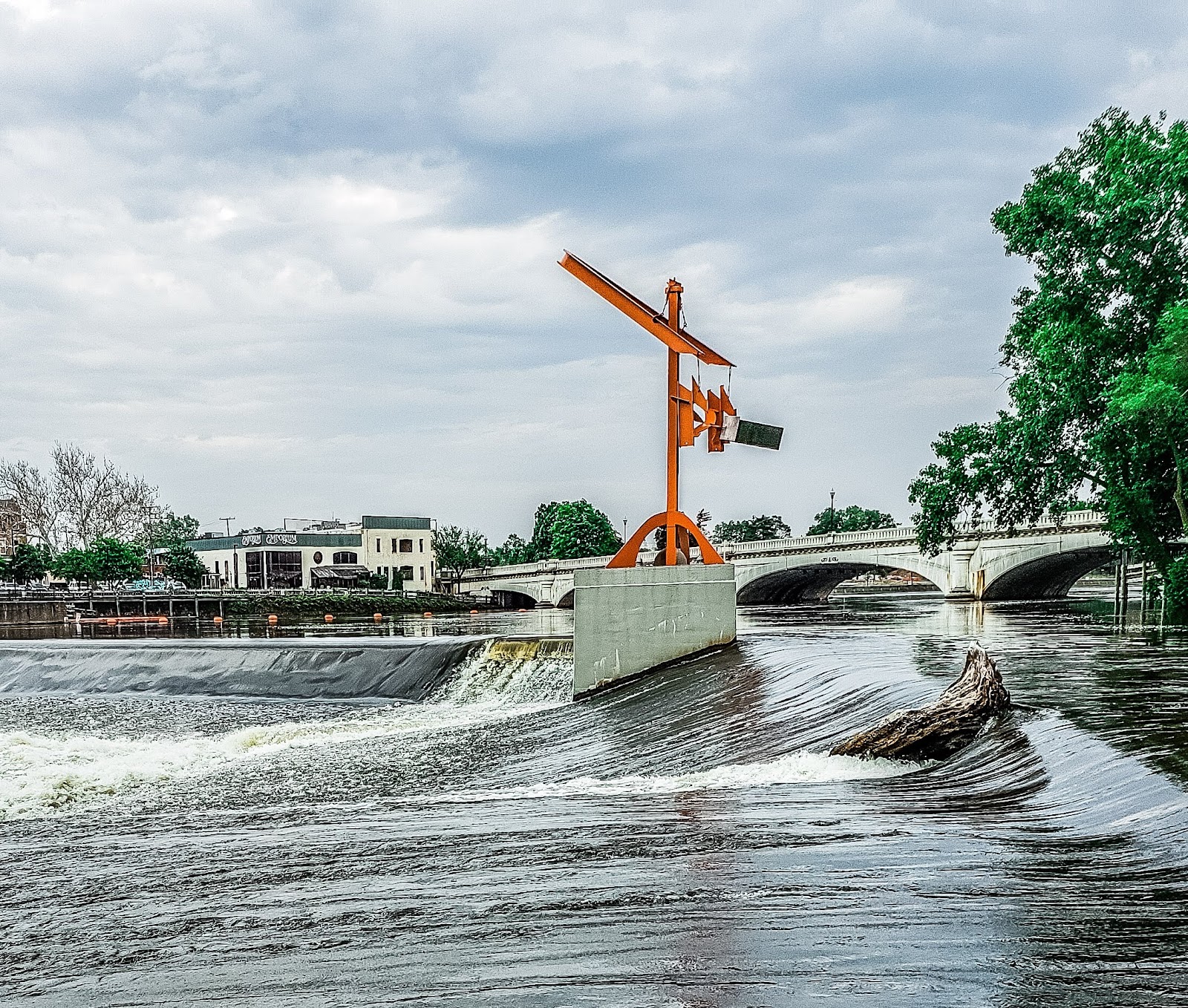
The Century Center, South Bend: The One Decision That Governs Everything
A South Bend civic centre beside the river — where one decision about which way the day faces governs everything.