Scottsdale runs from about twelve hundred feet on the valley floor to over two thousand five hundred on the bajada below the McDowell Mountains, and that twenty-mile climb is the first thing worth understanding, because it changes both the light and what is in front of the camera. A bajada is the coalesced alluvial apron at the foot of a range — the gently sloping fan of material washed down over a very long time. It is continuous, well drained, and it happens to be the finest saguaro habitat in the Sonoran Desert, because it has the best drainage and the least frost of any desert surface.
So a north Scottsdale property sits on a one-to-three percent grade in genuinely good cactus country, with real sightlines in both directions: uphill to rugged McDowell granite and gneiss, downhill across the slope to the Phoenix basin with Camelback as a red anchor to the south-west. A valley-floor property has neither the grade nor the stand. Which direction a venue faces therefore decides its whole schedule, because uphill frames are front-lit in the evening and downhill frames in the morning, and that is a compass fact rather than a matter of taste.
Two things then govern every frame in this city. The first is that there is no shade. Palo verde and mesquite, the region's two significant trees, carry leaves measured in millimetres on open filigree branch structures — drought adaptations that make them cast a fine hard moving dapple rather than cover. A face beneath one at eighty degrees of sun elevation is covered in small hard-edged patches, and because the air here is so dry and carries so little particulate that shadows receive almost no atmospheric fill, that is not recoverable.
The lit-to-shaded gap in Arizona runs roughly two stops wider than the same sun angle gives in a humid climate, which means a deep porch here produces a more extreme ratio than the identical porch in Florida, and it means every usable shade is built, carried, or an irrigated specimen tree that the surrounding desert could not support. The same clarity gives a deep saturated blue sky, so open shade reads distinctly cool while direct sun reads warm — and an ungelled flash puts a yellow-green face into a frame that is warm above and cold below. Warm-gelling every source is the single most reliable correction in this state.
The second is that the season runs backwards. November to April is mild, dry, calm and among the most pleasant climates in North America, with a December noon sun reaching only about thirty-three degrees — which means it never climbs high enough to flatten a face or erase a building's geometry, and the whole short day has directional light with no bad hour at all. From May to September, afternoons regularly exceed a hundred and ten degrees, which for a party in formal clothing outdoors is a welfare question rather than a comfort one, and a summer schedule belongs at the ends of the day with the middle indoors.
February to April is the best window, because this desert flowers in spring: brittlebush yellow across the bajada from February, Mexican gold poppy and lupine in March in a year with adequate winter rain, ocotillo red on the tips of its whip-like stems, and palo verde in mass yellow bloom through April into May — dependent entirely on the previous winter's rainfall, and best seen on a bajada, where the drainage suits the annuals and the slope presents them at a viewing angle. Two closing notes.
The most reliable good light in Scottsdale is the lag: about twenty minutes after the ground has gone into shade while the high rock above is still fully lit, which gives a subject in soft even shade against a warm dramatic background with a ratio one modest source bridges. It happens every clear evening. And civil twilight here runs about twenty-five minutes with an abrupt fall-off in exceptionally clear air — three end-of-day frames fit into that only if none of them is being decided at the time.
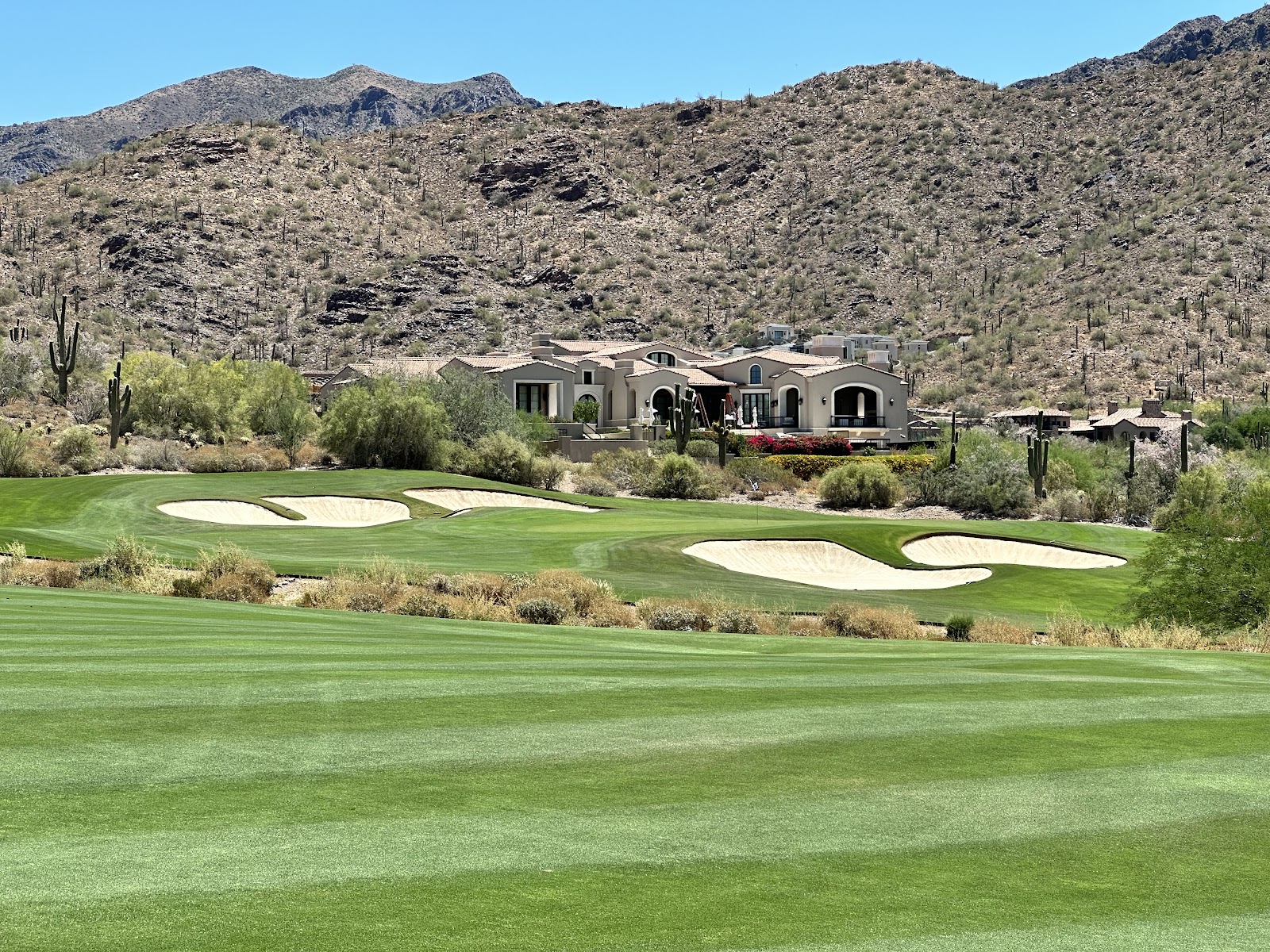
The Silverleaf Club, Scottsdale: The One Decision That Governs Everything
A private club high on the McDowell bajada, where the whole photographic question is which way you point the camera.
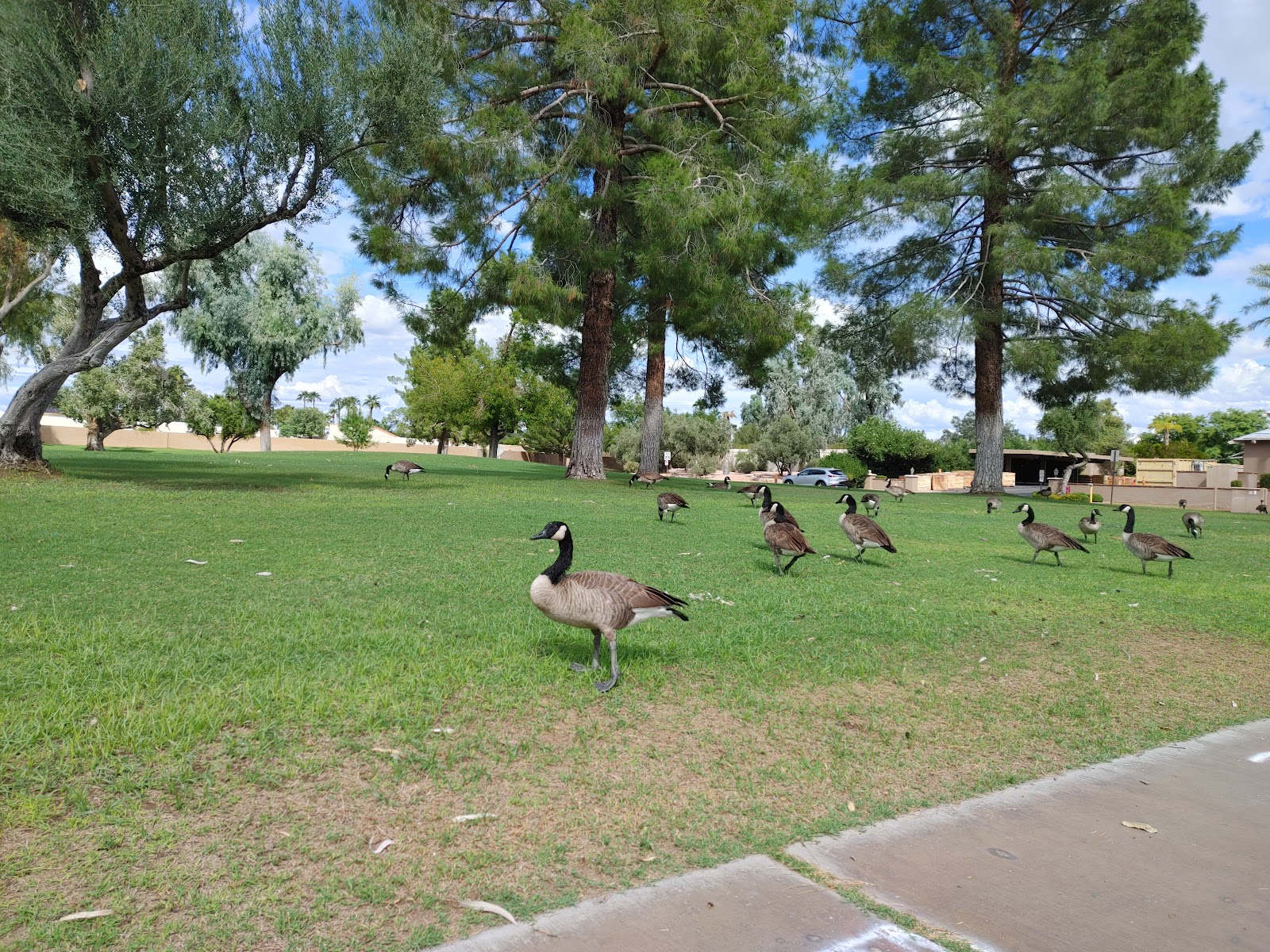
The McCormick Ranch, Scottsdale: Field Notes
A lakeside property in central Scottsdale, where the water is engineered and behaves accordingly.
The Pinnacle Peak Patio, Scottsdale: The Problem, and Four Ways Out of It
An outdoor venue below Pinnacle Peak, where one granite dome dominates every direction you might point a camera.
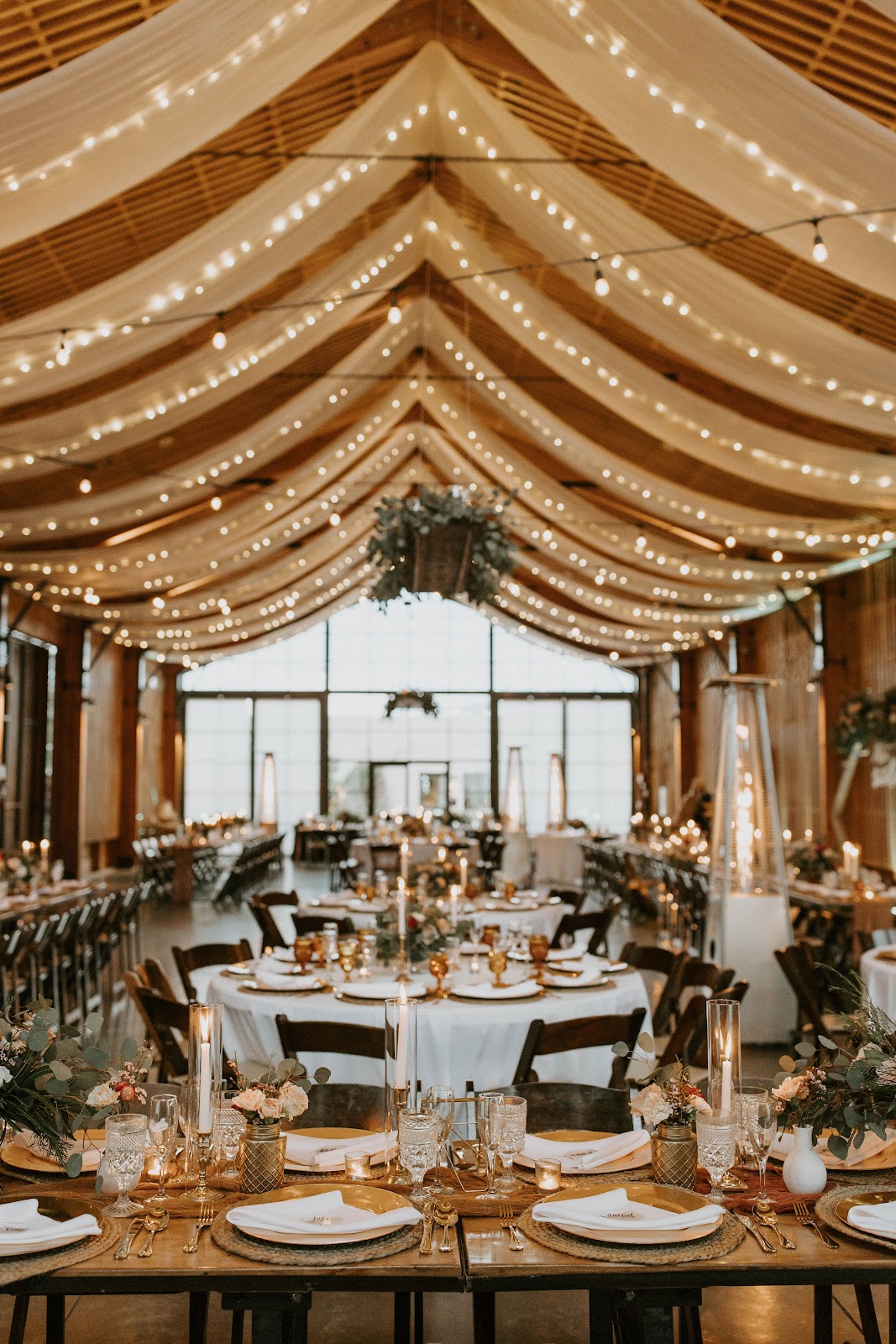
The Paseo, Scottsdale: The Light Through the Day
A walled outdoor venue in Scottsdale — an open-topped room whose character changes completely with the sun's angle.
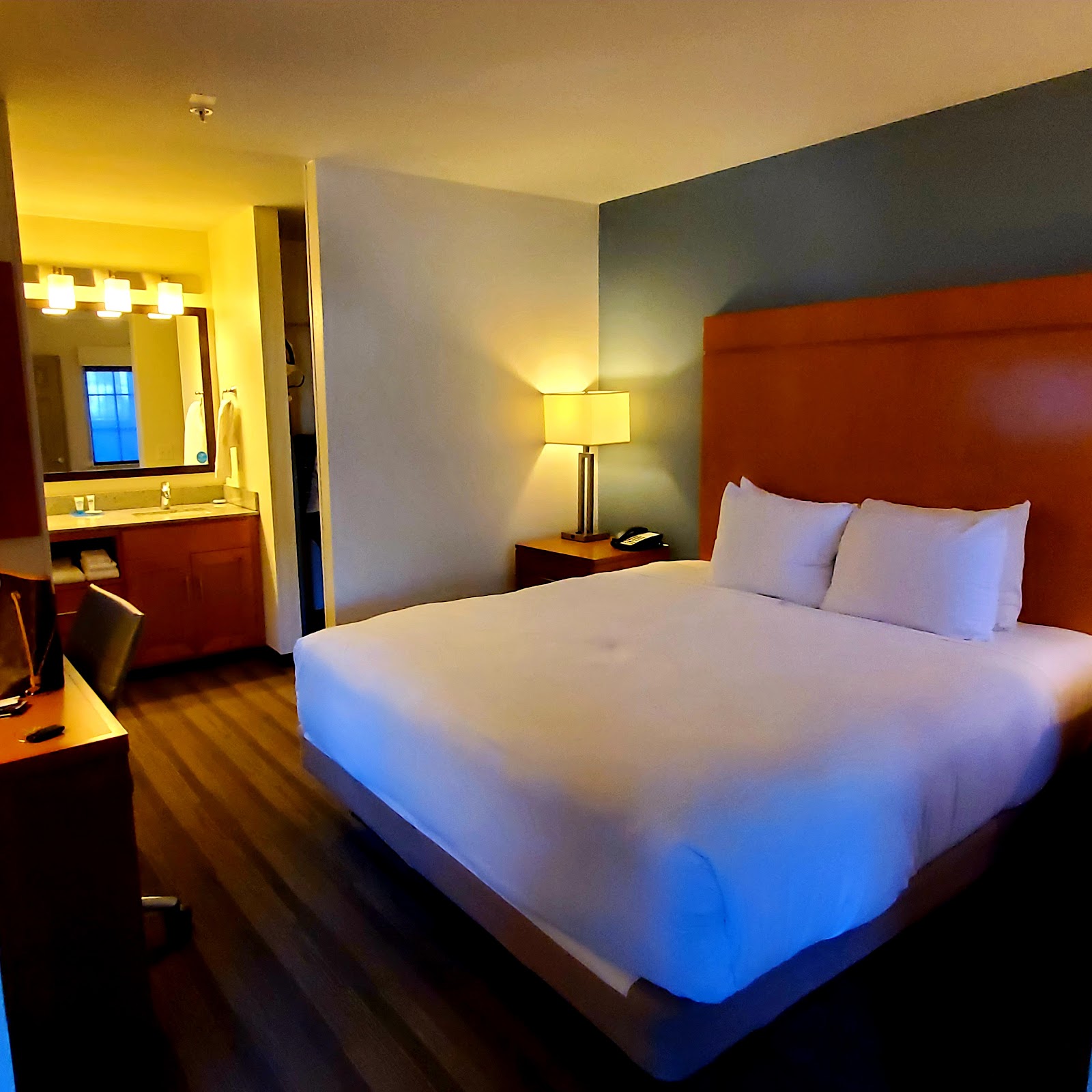
The Haas House, Scottsdale: The Venue’s Own Logic
A small early adobe in Old Town Scottsdale, built by people who came to the desert to breathe.
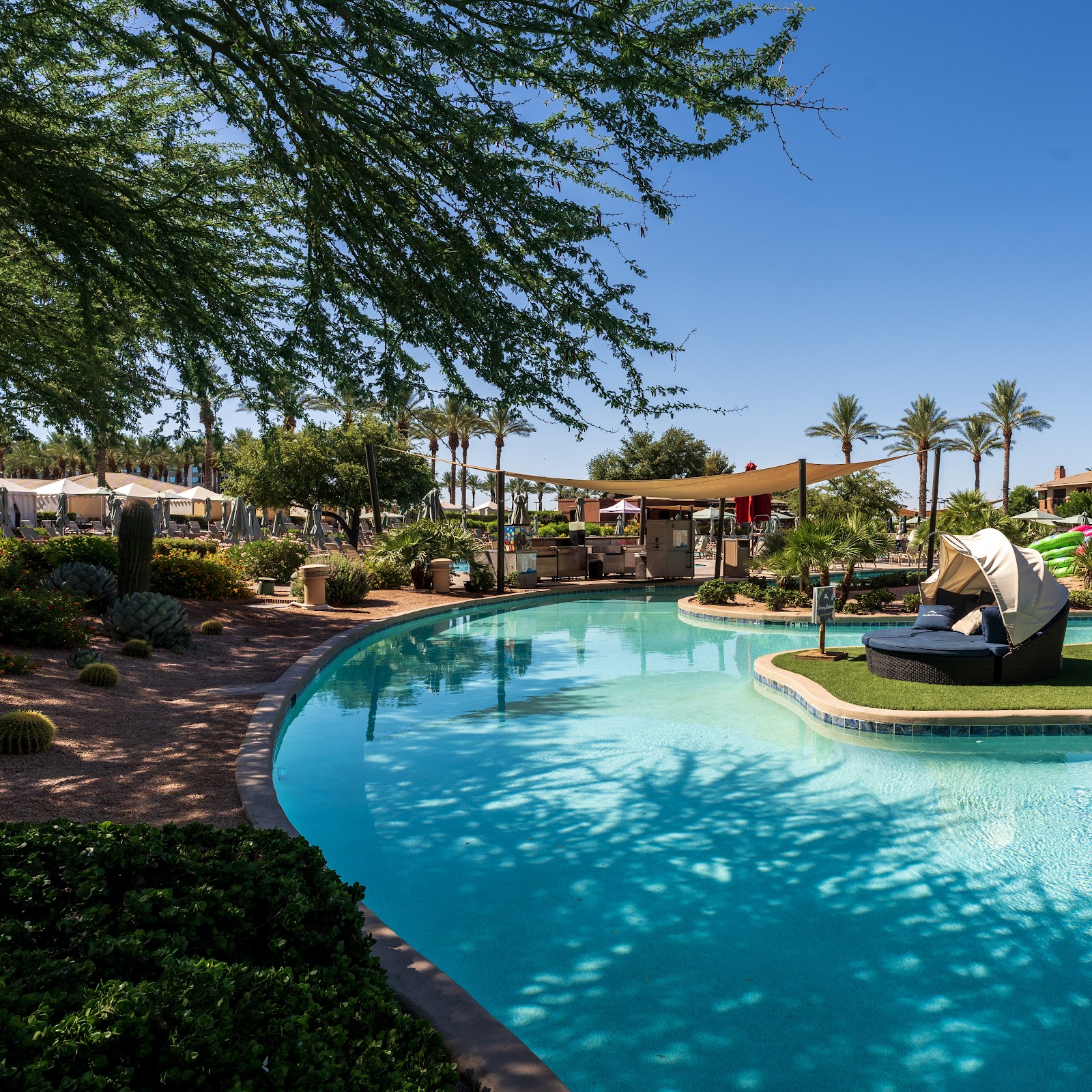
The Westin Kierland Resort, Scottsdale: What It Suits, and What It Does Not
A large resort on the north Scottsdale bajada, where the open slope gives long sightlines and the city keeps the night warm.
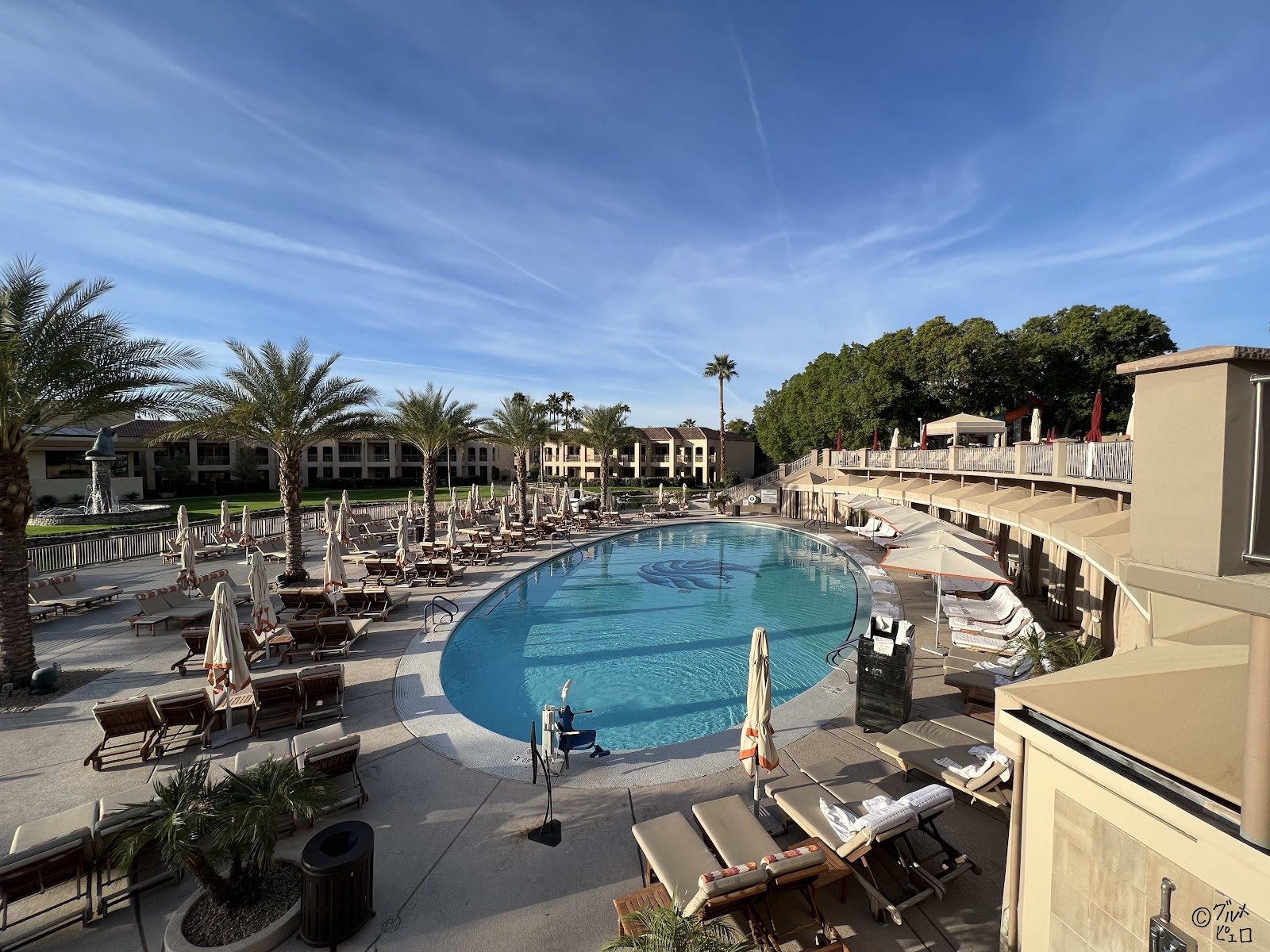
The Phoenician, Scottsdale: What It Suits, and What It Does Not
A large resort at the foot of Camelback Mountain — and a scale that suits some weddings and works against others.