This is a small collection covering two cities, and both are defined by water. Milwaukee sits on Lake Michigan, which moderates its temperature, manufactures fog in spring when warm air moves over cold water, and provides an eastern horizon of open water — so sunrise is spectacular and sunset happens behind the city rather than over the lake. Madison sits on a narrow isthmus between Lake Mendota and Lake Monona, with water on both sides.
That is genuinely unusual and genuinely useful: it means there is open sky and reflected light from two directions at once, and that whichever way the afternoon has gone, there is a shoreline facing the other way within a few minutes' walk.
The Milwaukee Art Museum needs specific mention because it is the hardest exposure problem in this collection. Calatrava's Quadracci Pavilion is white — emphatically, deliberately white — with a vaulted hall of pale ribs under a glazed roof and a moving brise soleil above it. A white interior under a bright sky is a meter's worst case: average metering will render those surfaces mid-grey, which drags the whole frame down and leaves faces badly underexposed, while exposing correctly for skin puts the architecture close to clipping. Expose for the face, accept that the white runs high, and check the highlight warning on the ribs rather than on the dress.
The building can carry being bright; it is supposed to look bright. Latitude here is around forty-three degrees, so summer evenings are long and winter afternoons are short, and lying snow again acts as a large neutral fill from below. These guides cover each of the eight venues individually — what the light does, what the material does, and where to go when the room runs out of daylight.
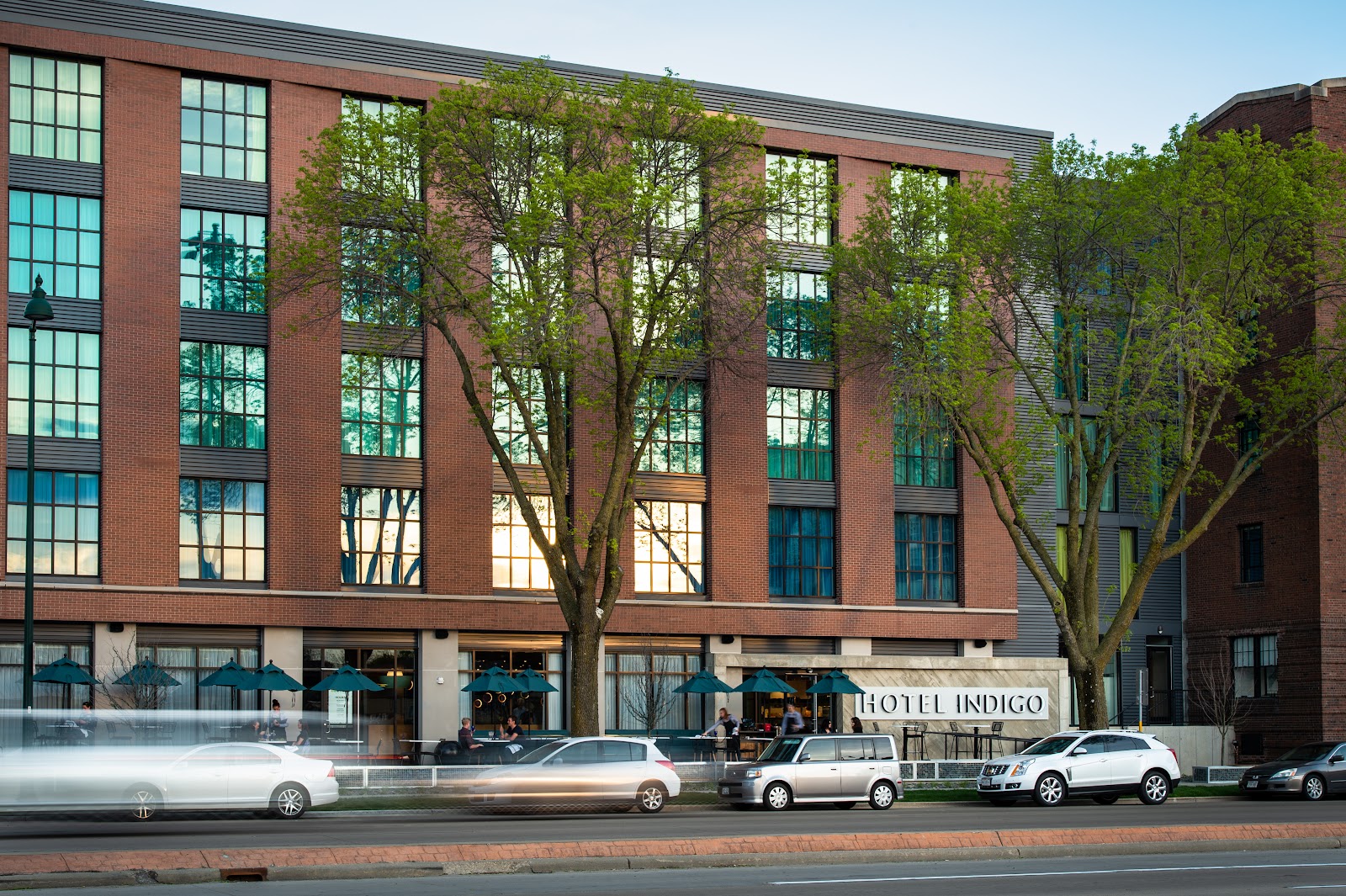
The Hotel Indigo Madison: What It Suits, and What It Does Not
A boutique hotel in a converted downtown building — where original fabric and contemporary fit-out sit side by side.
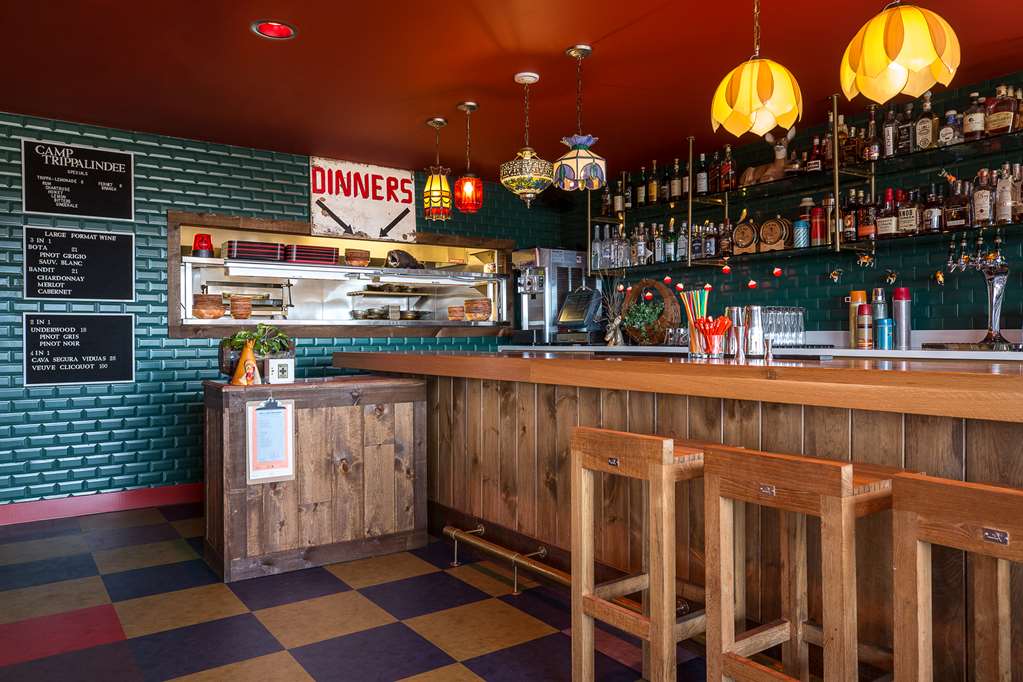
The Graduate Madison: What It Suits, and What It Does Not
A heavily themed collegiate hotel in downtown Madison — pattern, colour and reference on every surface.
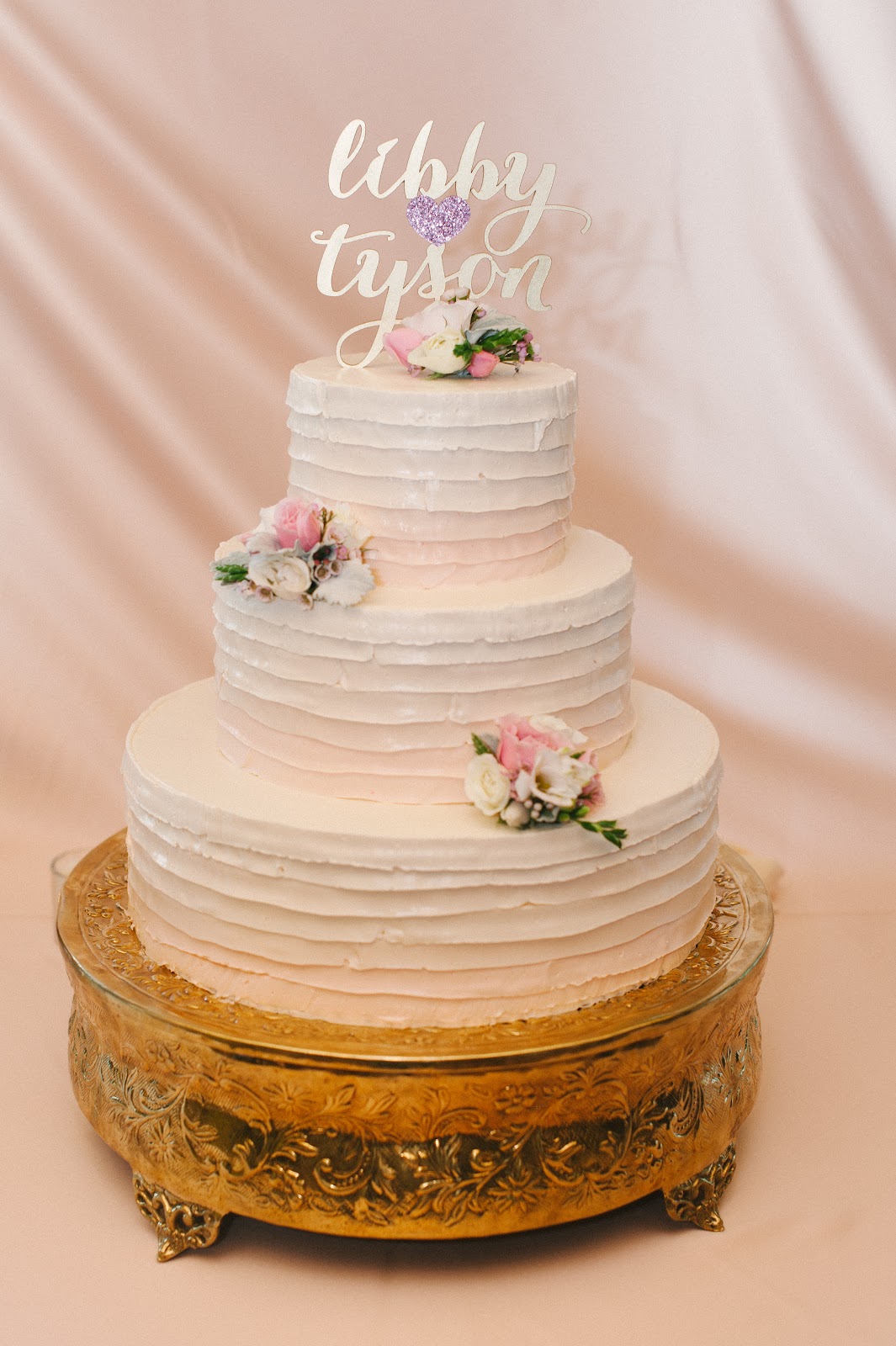
The Madison Club, Madison: The Venue’s Own Logic
A private city club on Lake Monona — a building designed for members rather than for guests, which changes the rooms.
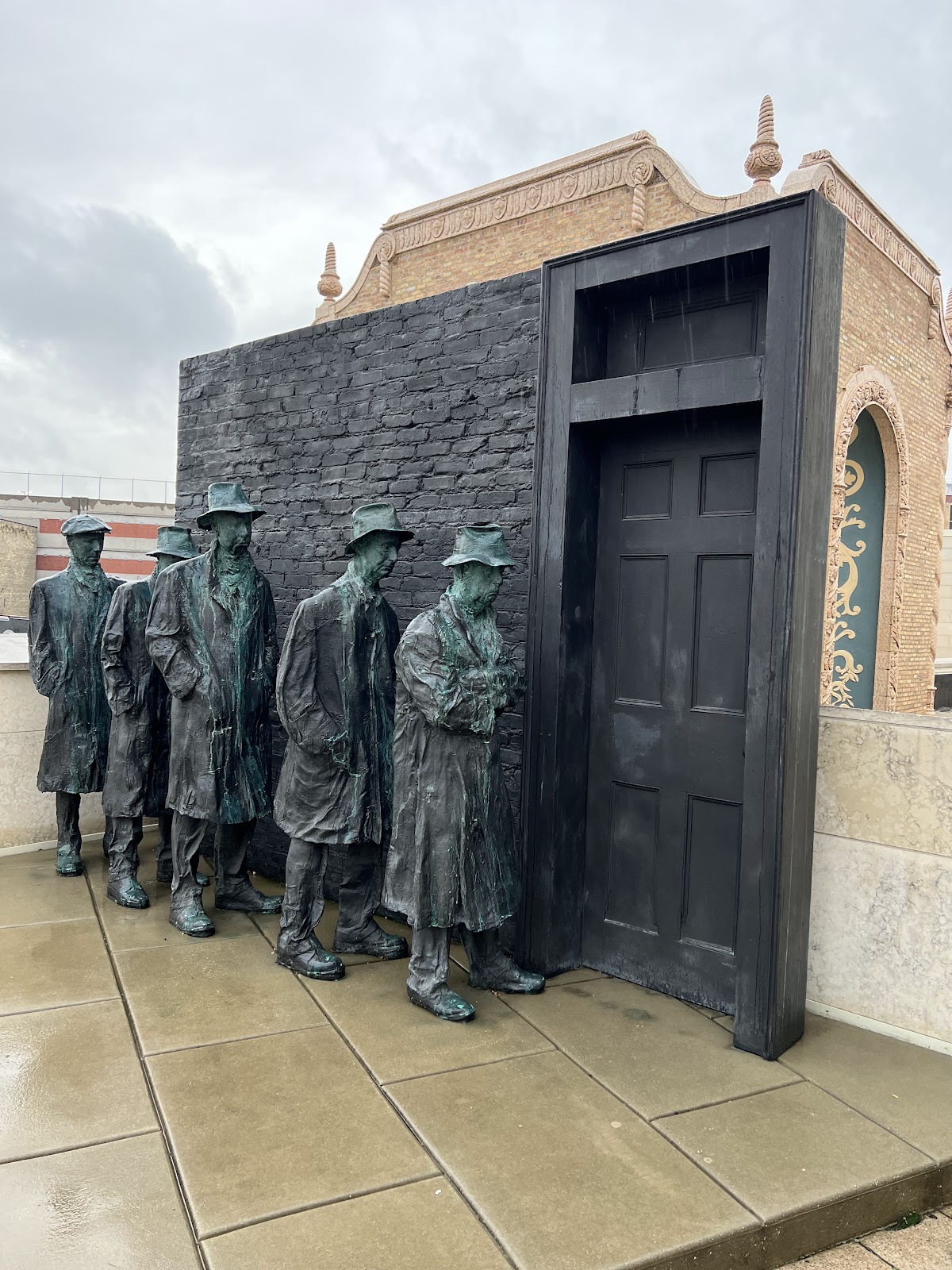
The Madison Museum of Contemporary Art: One Frame, and How It Is Made
A contemporary art museum in downtown Madison with a rooftop sculpture garden above a city built on an isthmus.
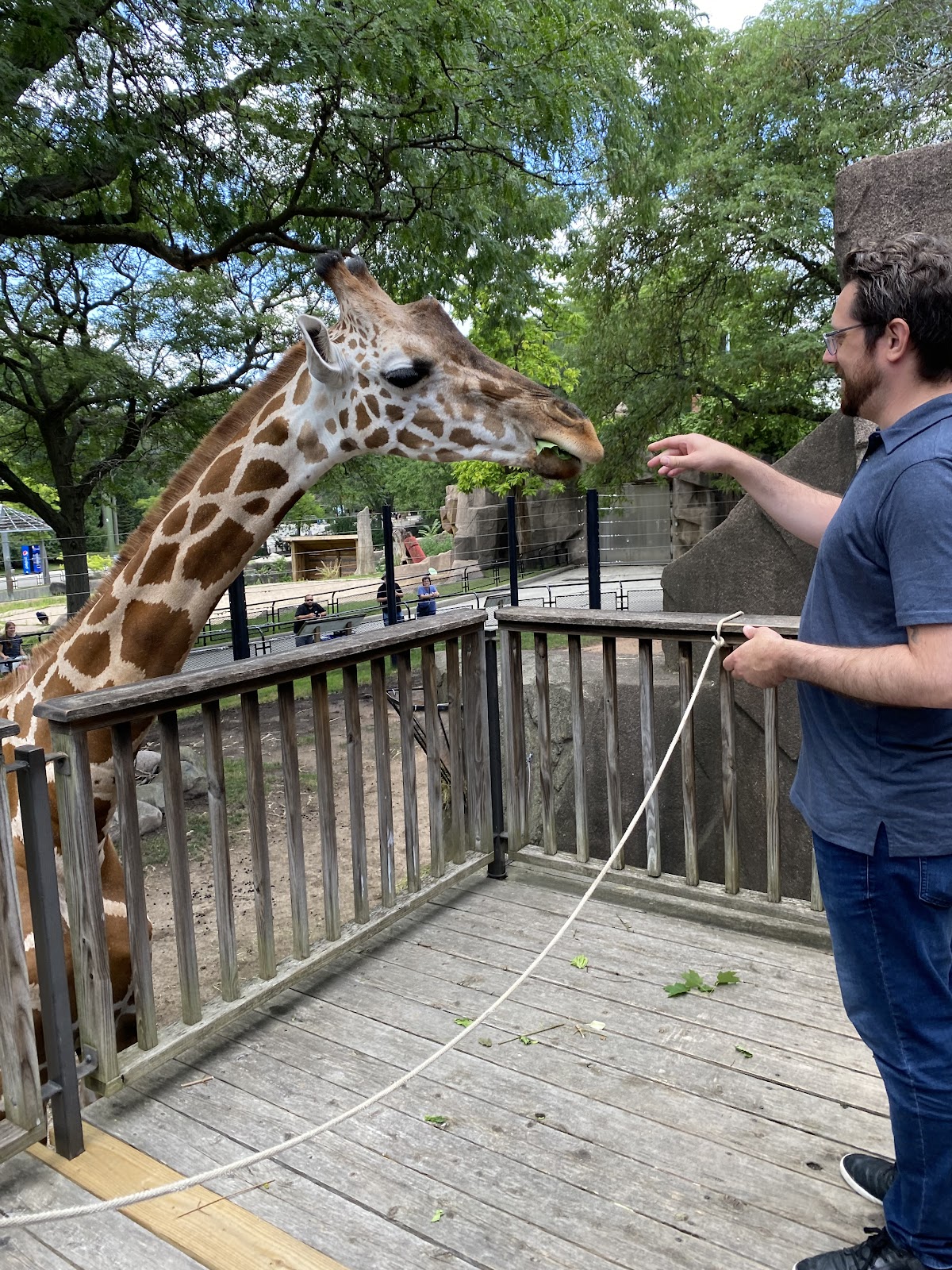
The Milwaukee Zoo: Field Notes
A large zoo in Milwaukee, where a northern climate compresses the outdoor season into about five usable months.
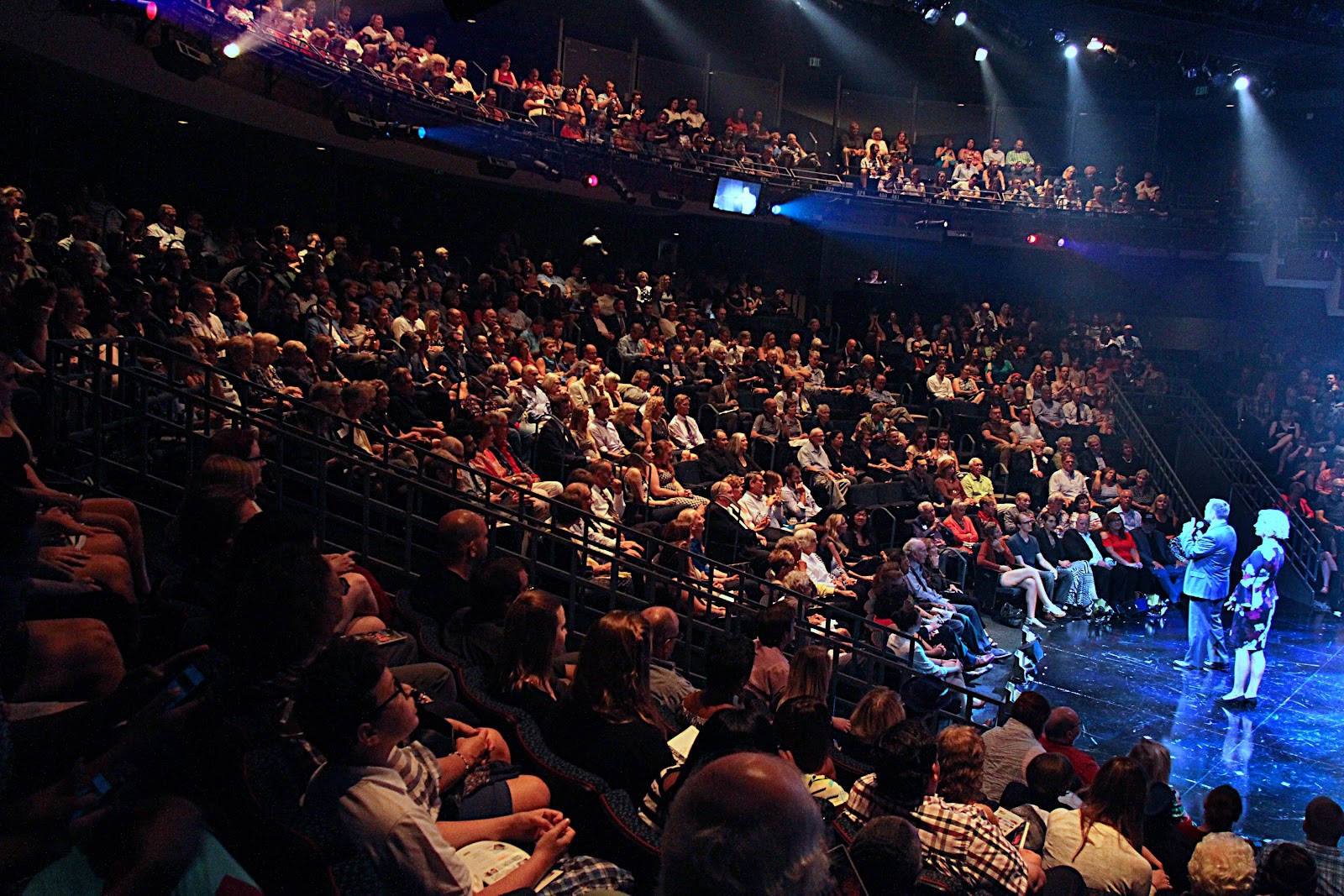
The Milwaukee Repertory Theater: A Walk Through the Building
A theatre complex built into a former riverside power station — industrial structure with performance spaces inside it.
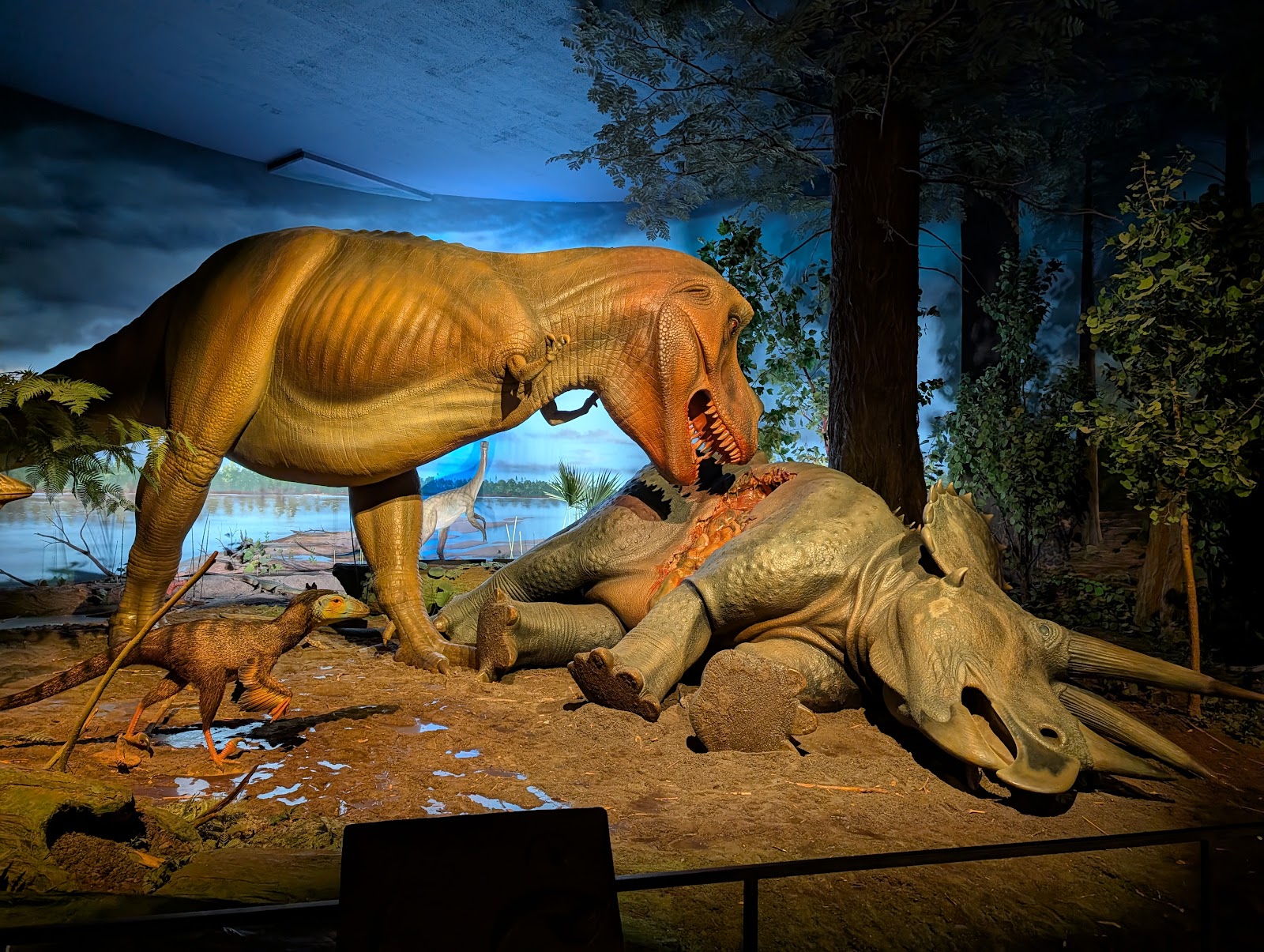
The Milwaukee Public Museum: The Problem, and Four Ways Out of It
A natural history museum built around walk-through dioramas — immersive sets with their own theatrical lighting.
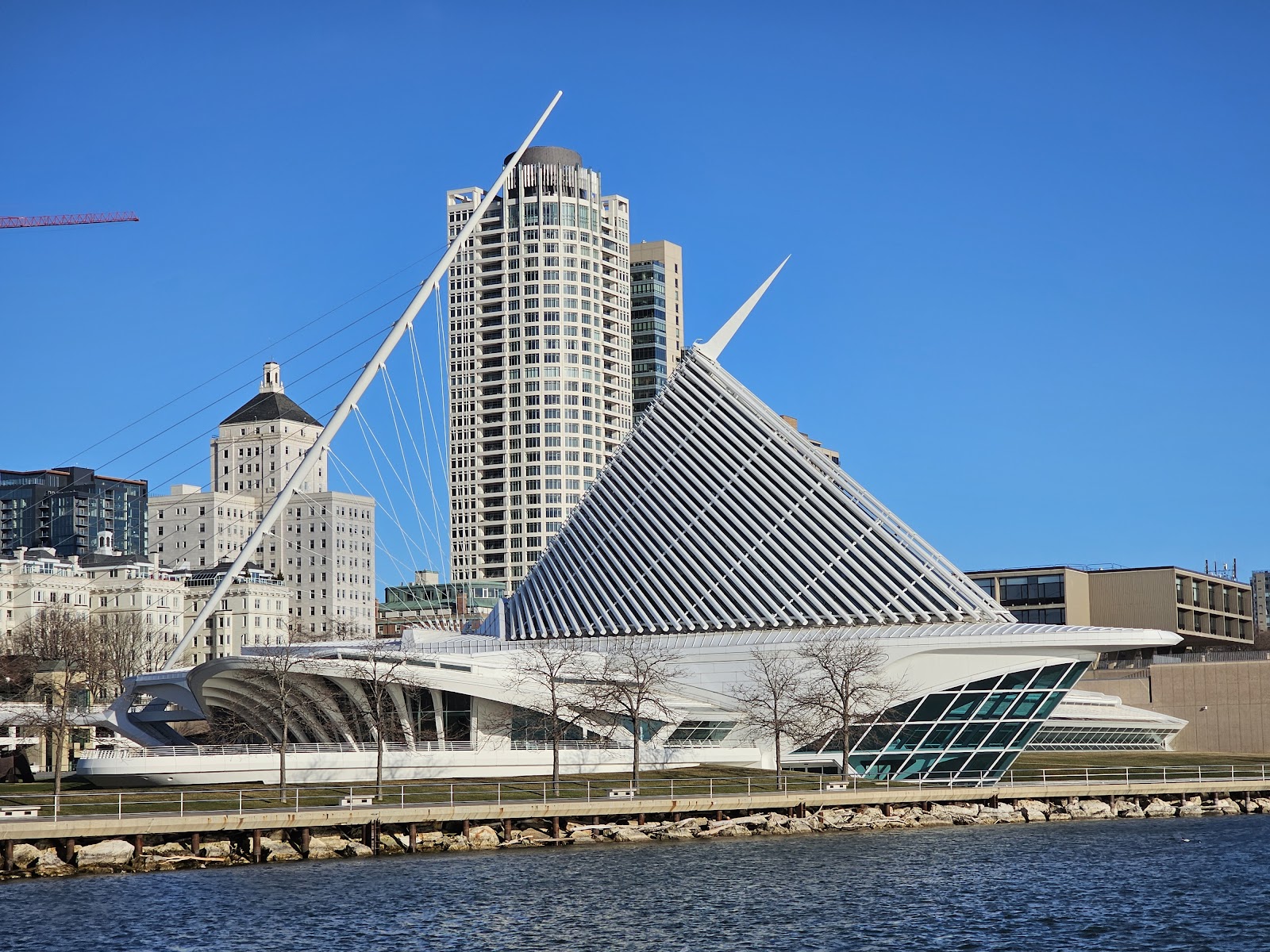
The Milwaukee Art Museum: One Frame, and How It Is Made
An art museum on Lake Michigan with a roof that opens — a moveable sunscreen of steel fins with a two-hundred-foot wingspan.