The Rio Grande Zoo: Cottonwood Shade and the Enclosure Problem
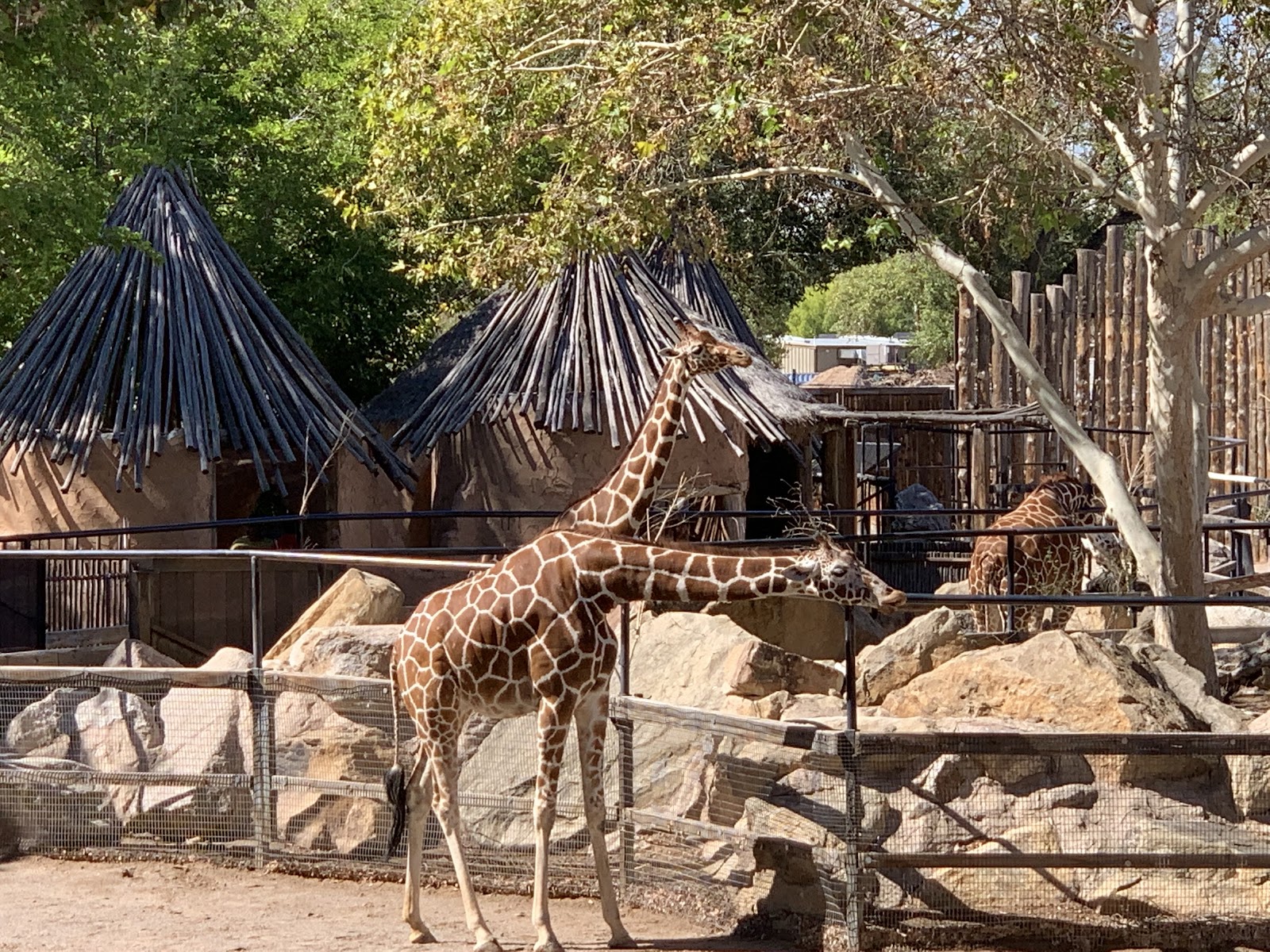
A zoo set among mature cottonwoods beside the Rio Grande in Albuquerque, with planted grounds and animal enclosures.
Read the guideVenue guides
Albuquerque sits at about five thousand three hundred feet in air dry enough to change how photographs are made. Less atmosphere means less scattering, so midday sun behaves more like a bare point source: shadow edges are crisp, the difference between the lit and shaded side of a face can run to five stops, and the sky is saturated enough to clip to near-black if you expose for skin. Shade here is not a preference, it is a requirement — which is why a covered portal, an enclosed courtyard or a closed cottonwood canopy is worth more in this city than a view.
The compensation is the best evening light in the Southwest. The Sandia Mountains lie east of the city, so their west face holds direct sun after the valley floor has dropped into shade, and the granite runs pink to deep red for roughly fifteen minutes. It cannot be moved and it needs a long lens, because compression is the difference between a wall of colour and a low band on the horizon.
The guides below are venue by venue, and each is built on something specific: how adobe works as a building-sized warm reflector, why a lit balloon envelope is a light source rather than a backdrop, why lavender only exists for a few weeks and renders unreliably, and why a lake reflects nothing at all on a breezy afternoon.
A zoo set among mature cottonwoods beside the Rio Grande in Albuquerque, with planted grounds and animal enclosures.
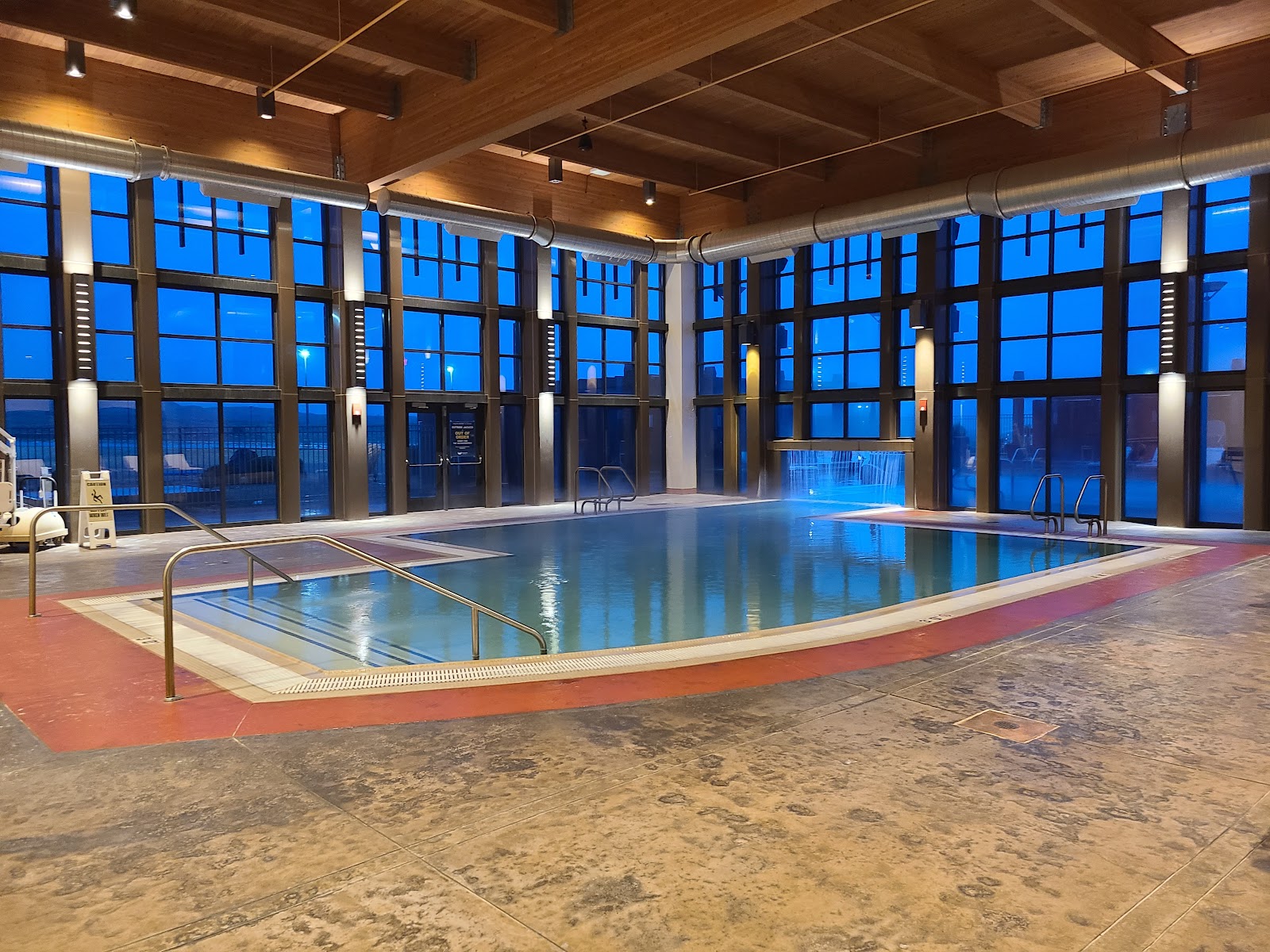
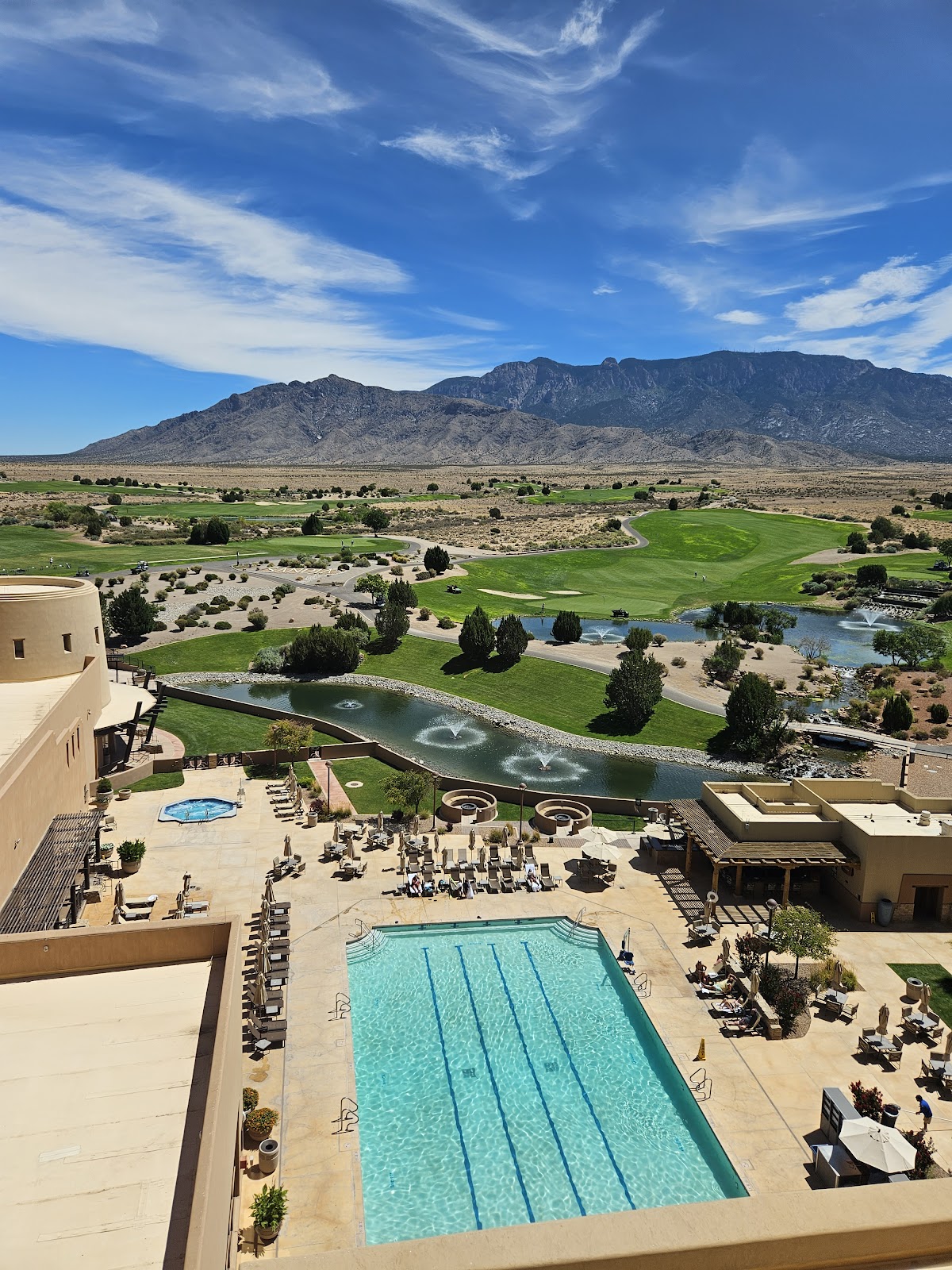
Read the guideA resort with lakes and open grounds south of Albuquerque, with mountain views across the Rio Grande valley.
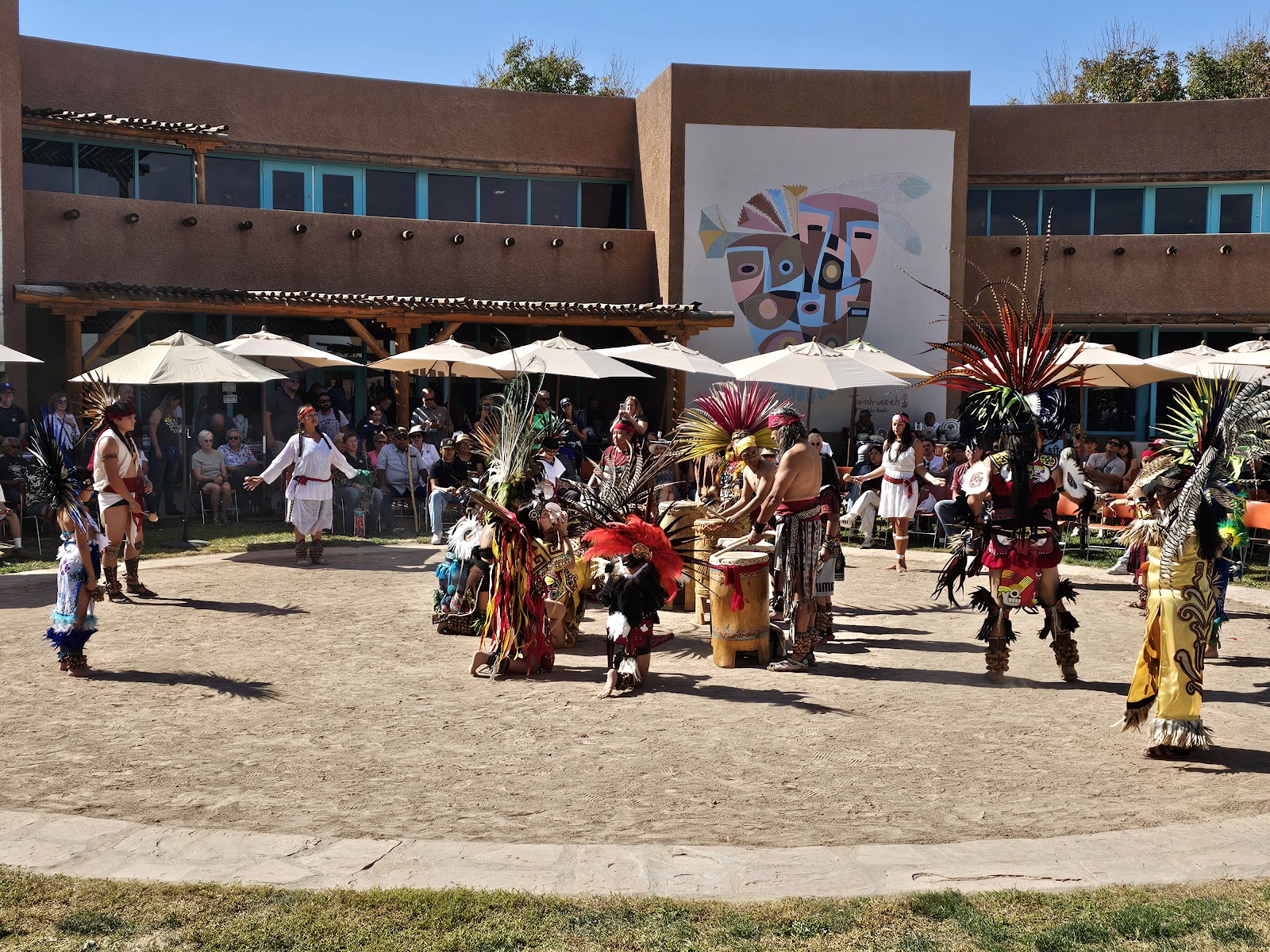
Read the guideA cultural centre in Albuquerque owned by the nineteen Pueblos of New Mexico, built around a large curved outdoor plaza.
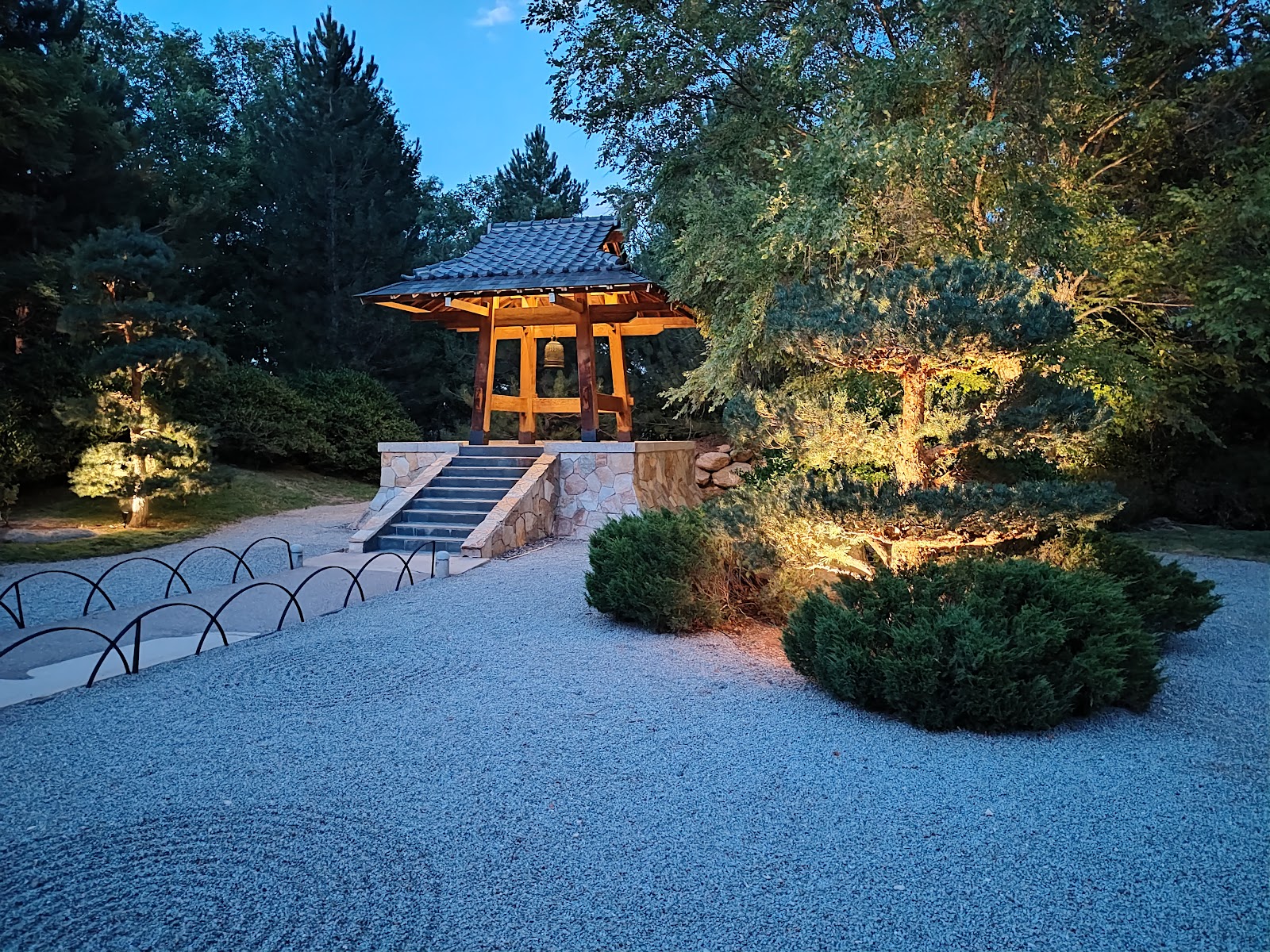
Read the guideA botanic garden on the Rio Grande in Albuquerque, with glass conservatories, formal gardens and desert planting.
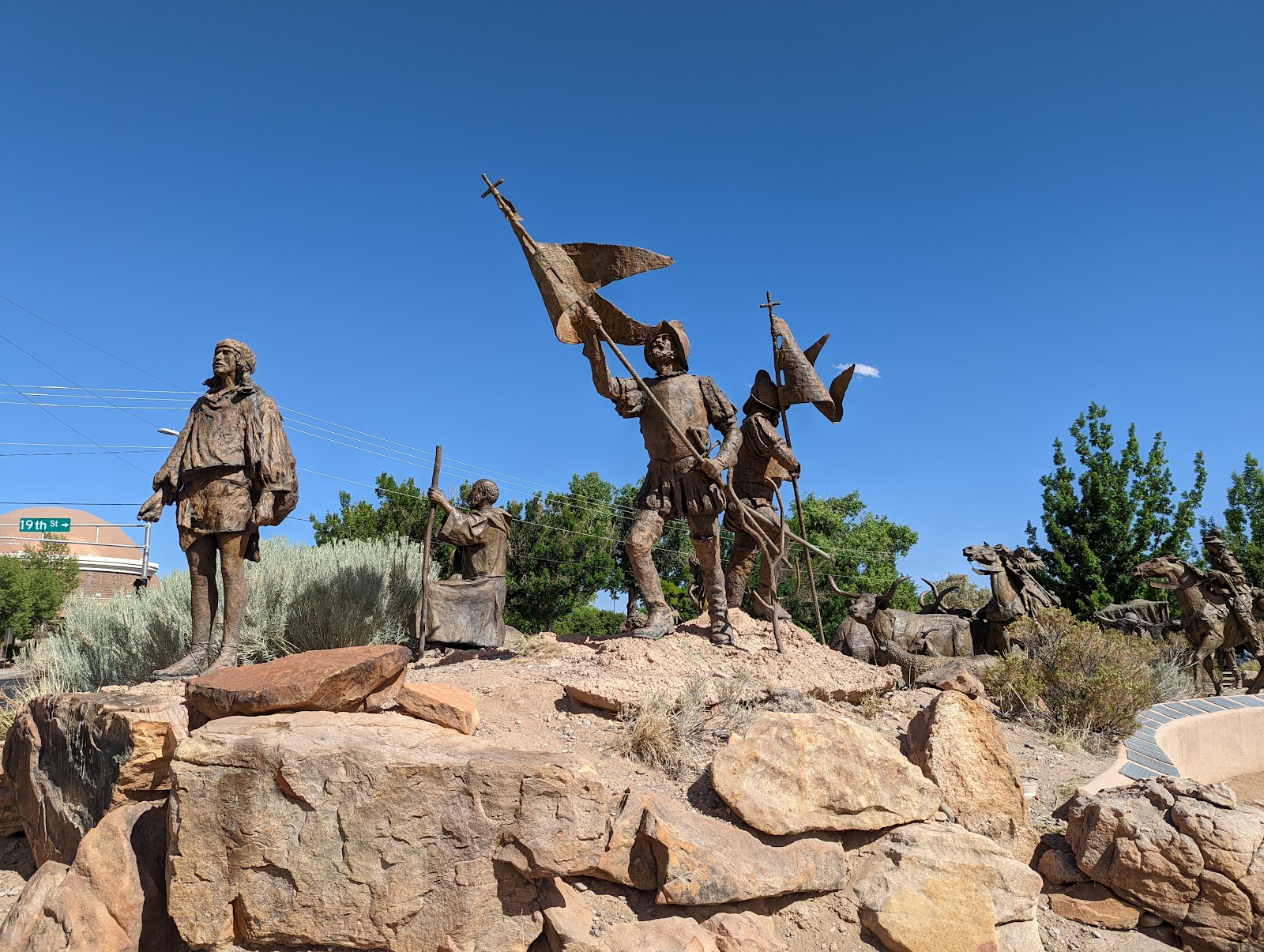
Read the guideA contemporary museum of art and history on the edge of Old Town Albuquerque, with a sculpture garden and glazed public spaces.
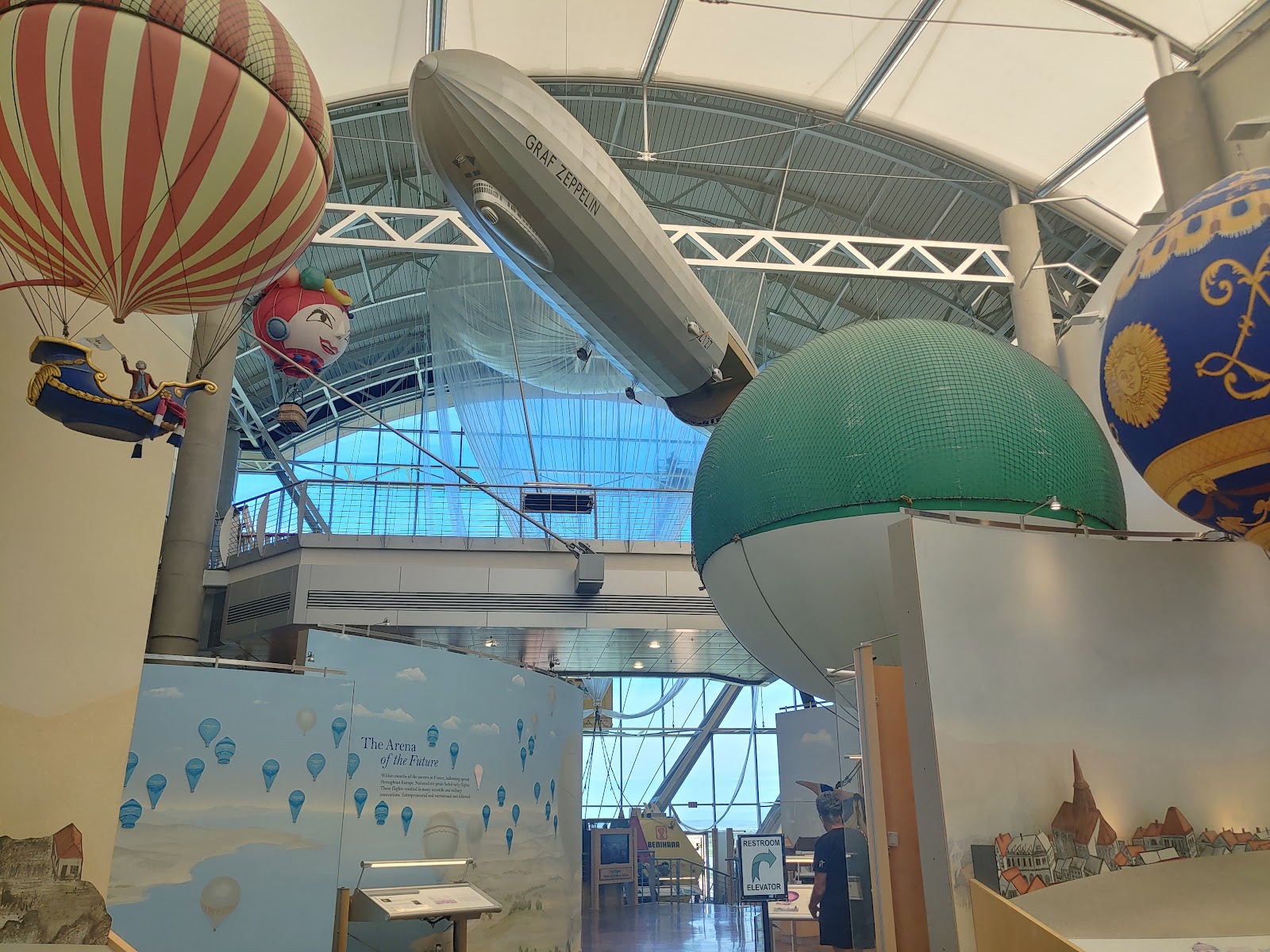
Read the guideA museum of ballooning on Albuquerque's northern edge, with a hangar-scale hall, suspended balloon envelopes and mountain views through glazing.
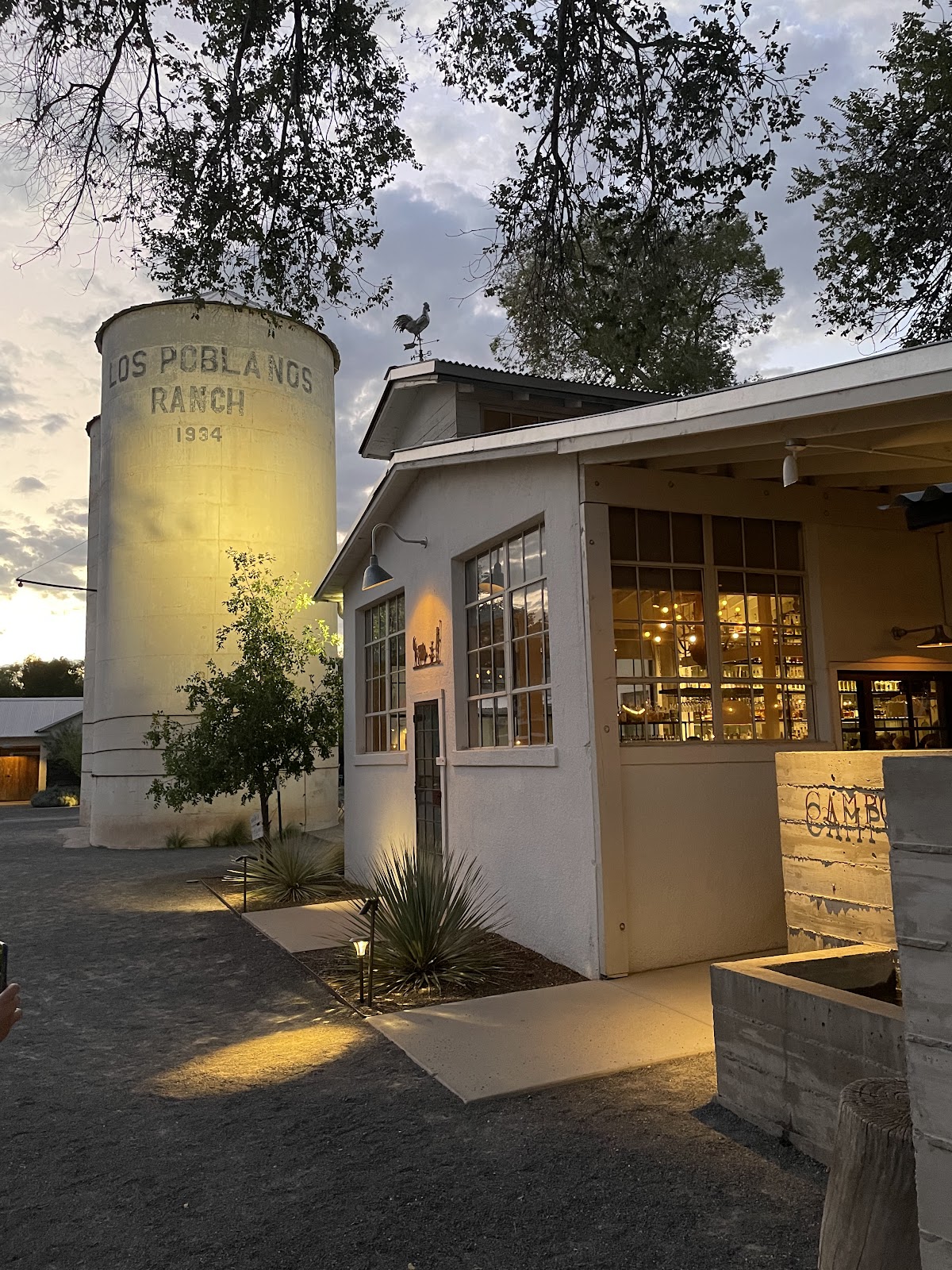
Read the guideA historic adobe inn and working lavender farm in Albuquerque's North Valley, in the Rio Grande cottonwood bosque.
Read the guideA resort on the northern edge of Albuquerque with the Sandia Mountains rising directly to the east.
Read the guide