Tulsa has one of the finest concentrations of Art Deco architecture in the United States, and the reason is oil. The boom of the nineteen-twenties arrived exactly when Deco was the style of the moment, the money was spent quickly and confidently, and the result is a downtown of terracotta, geometric stonework, stepped massing and brass-and-marble lobbies. Deco interiors have a consistent photographic profile: strong repeating geometry that rewards a symmetrical, square-on frame, polished surfaces that throw specular highlights, and lighting that was designed as part of the architecture rather than added to it. Those original fixtures are usually warm and usually dim.
Mixed with daylight from a lobby window they produce two different colour temperatures in one frame, which is a decision to make deliberately — balance for one and let the other go, rather than splitting the difference and getting neither.
Outside, Oklahoma is sky. There is very little topography and very few trees by the standards of the eastern states, and that has three consequences. First, the horizon is genuinely low, so sunrise and sunset happen at close to the published times — unusual in this library, where ridges usually take the sun early. Second, there is no shade unless a building provides it, and at these latitudes midday sun is hard and high; an outdoor ceremony at one o'clock in July is an exposure problem and a comfort problem at once. Third, the wind.
Oklahoma is among the windiest states in the country, and it is not gusty so much as constant. Veils, hair, light stands and anything on a pole are all affected, every time, and a plan that ignores it will fail. Sandbags are not optional here. Spring brings severe weather, and the season peaks in April and May. That is also when the state looks its best, so it is a genuine trade-off rather than a reason to avoid those months — but the covered alternative needs to be real.
One more local asset: the Permian redbeds give much of the state a distinctly red soil, and red earth bounces warm light upward into faces. It is flattering, and it is another reason to set white balance deliberately rather than automatically. These guides work through each venue's light, geometry and timeline.
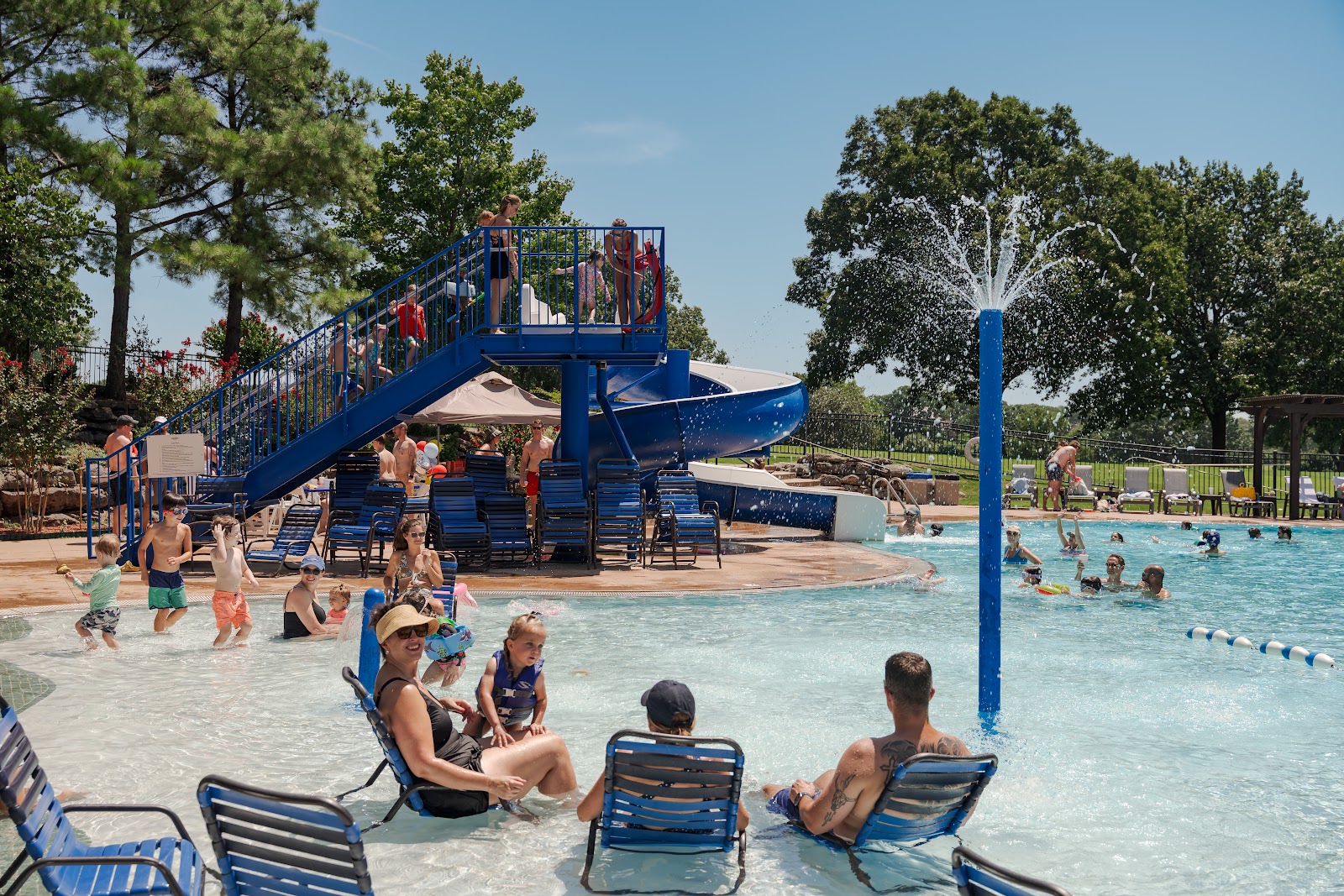
Tulsa Country Club: Field Notes on a 1908 Club
Founded 1908 and generally described as Oklahoma's oldest country club, with a mature golf course and a substantial clubhouse in midtown Tulsa.
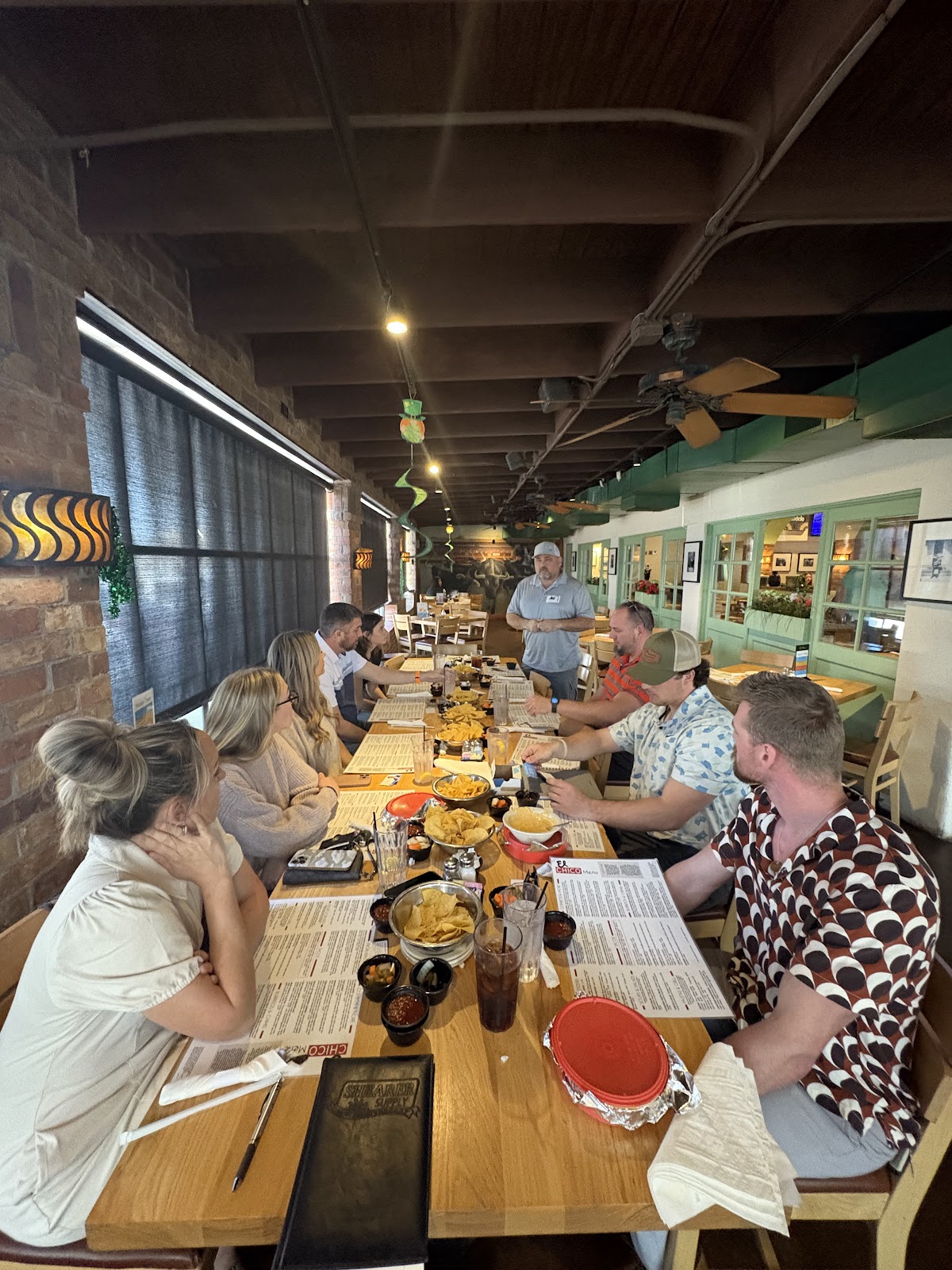
Union Plaza: A Season-by-Season Photography Guide
A downtown Tulsa venue with industrial character and adjoining outdoor plaza space, in a city with an exceptional stock of Art Deco architecture nearby.
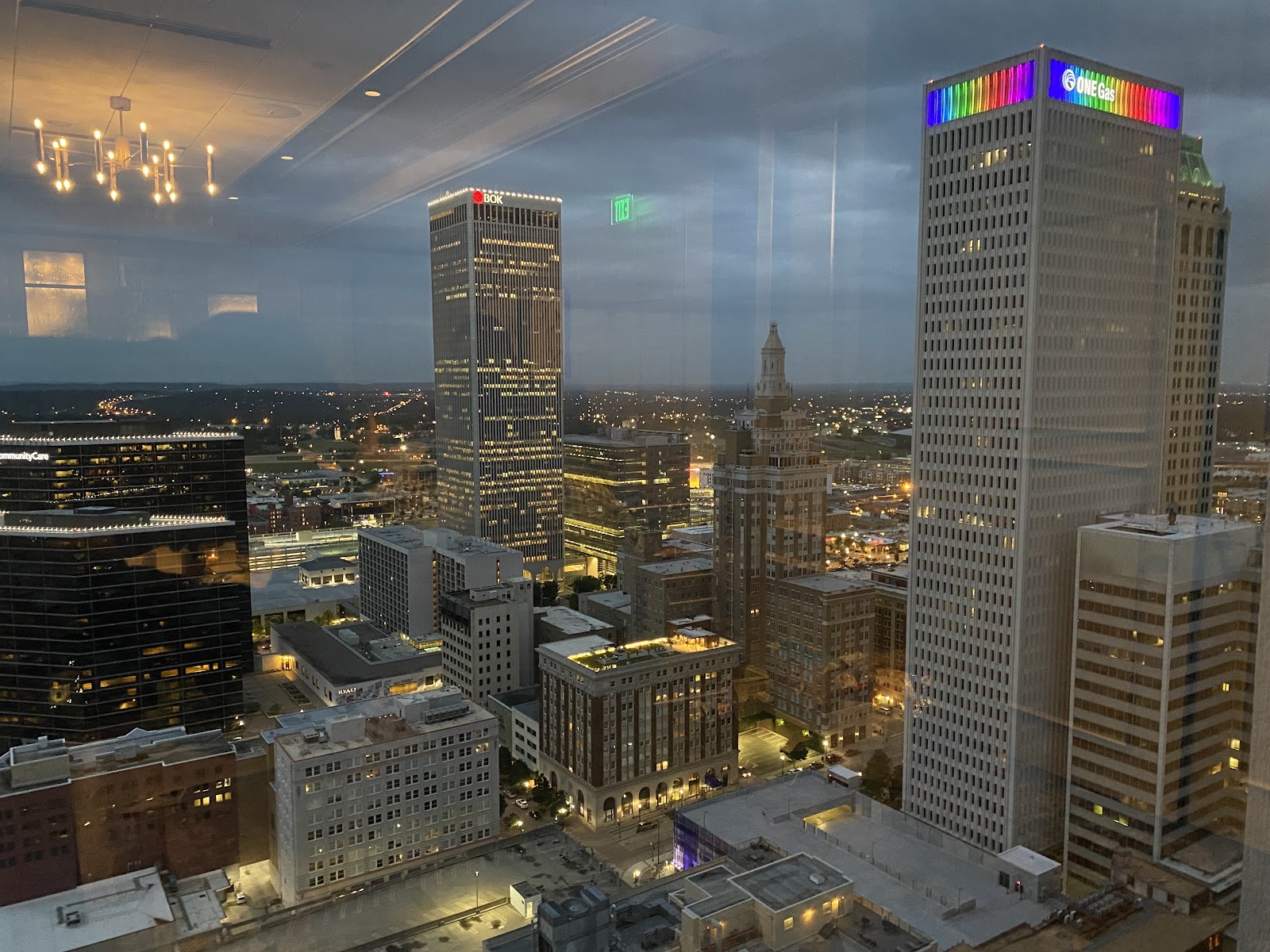
The Summit Club: Working a Private Club at the Top of a Tower
A private club occupying upper floors of a downtown Tulsa tower, with floor-to-ceiling windows and panoramic views across the city and beyond.
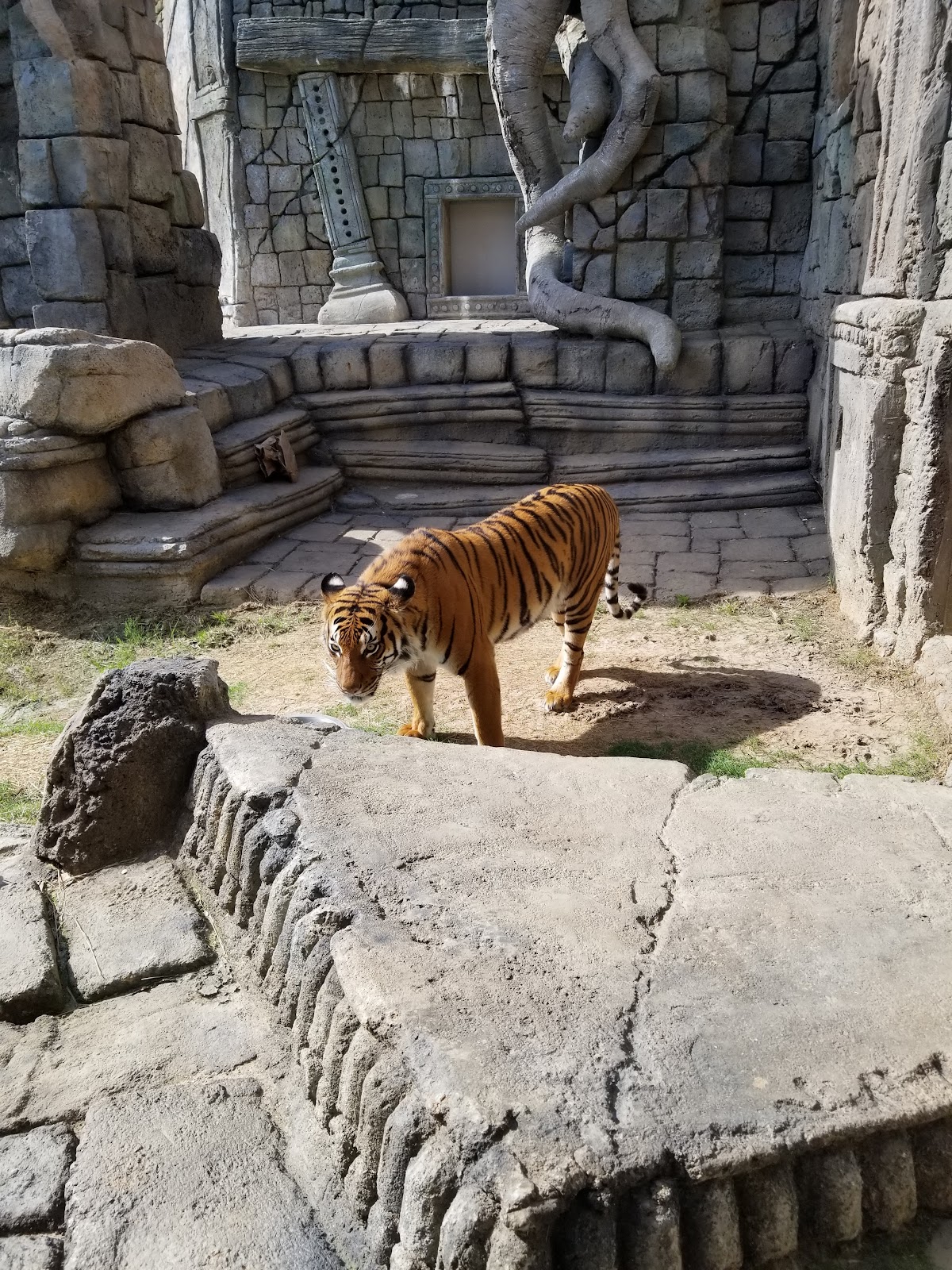
The Tulsa Zoo: A Photographer Answers Your Questions
In Mohawk Park, one of the largest municipal parks in the United States, with indoor habitat buildings, mature grounds and event spaces.
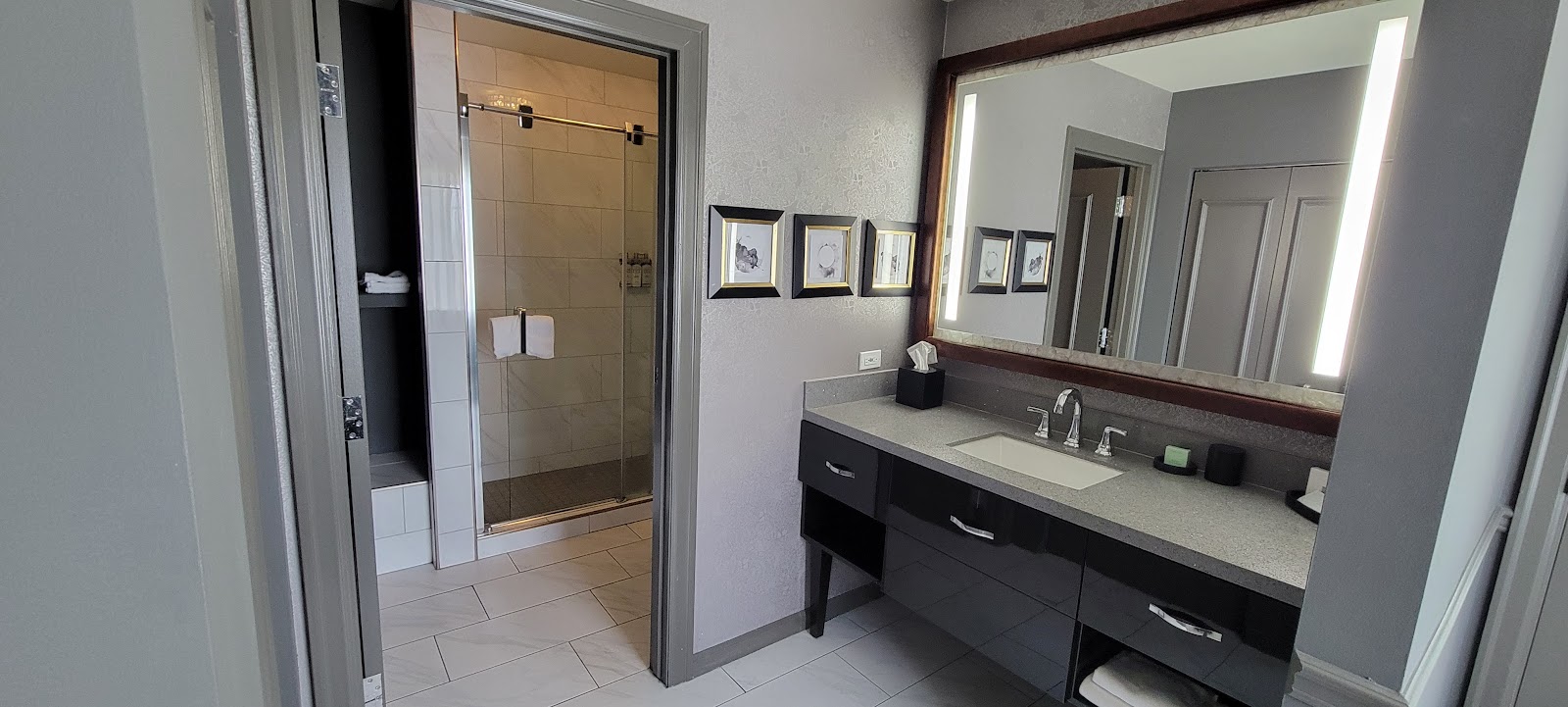
The Ambassador Hotel, Tulsa: A Walk-Through of a 1929 Boutique Building
A 1929 building near Tulsa's Art Deco district, converted into a small boutique hotel with intimate public rooms and period detailing.
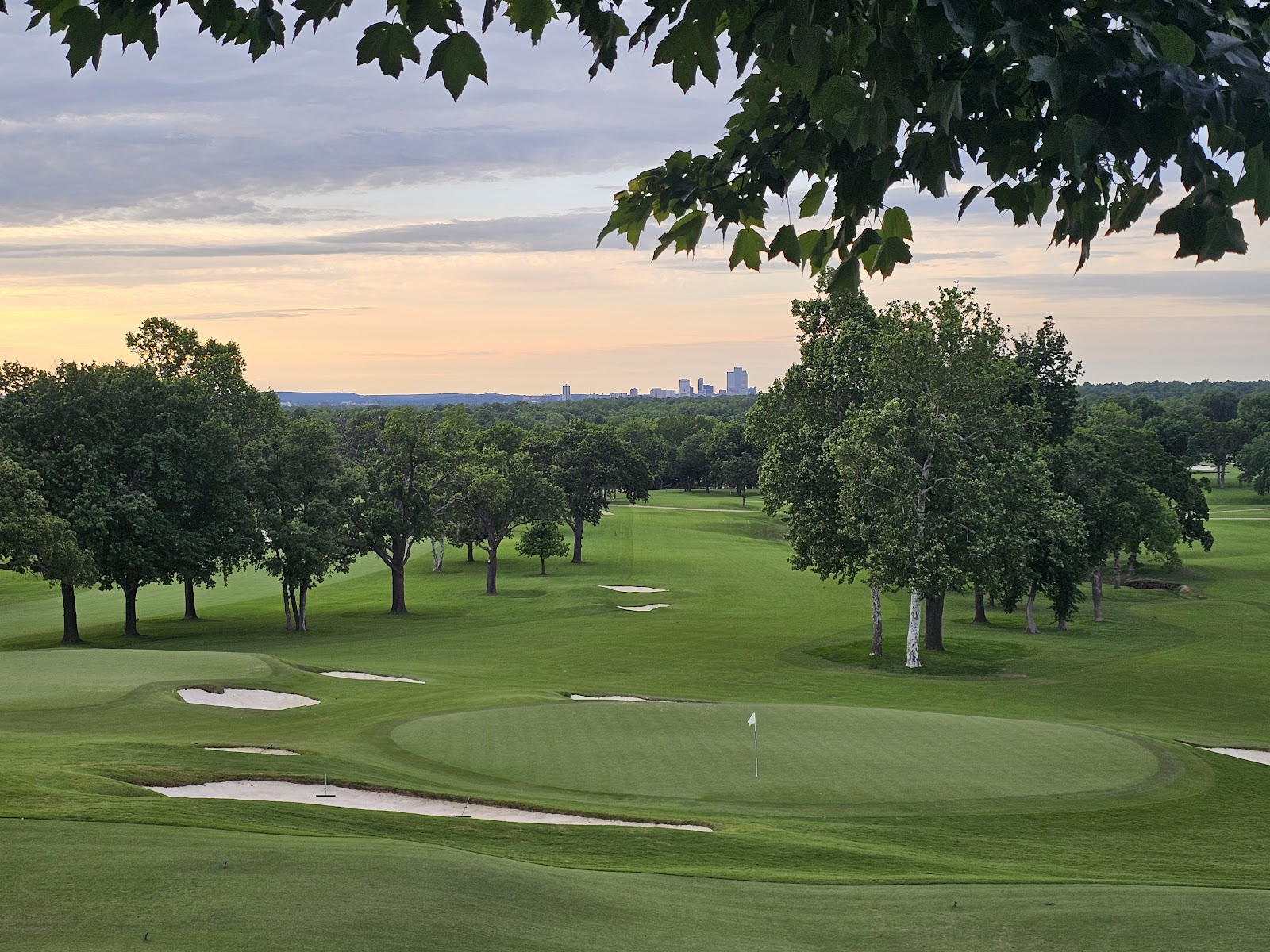
Southern Hills Country Club: Who This Venue Suits
A private club in Tulsa founded in 1936, with a Perry Maxwell championship golf course that has hosted multiple majors, and a substantial clubhouse.
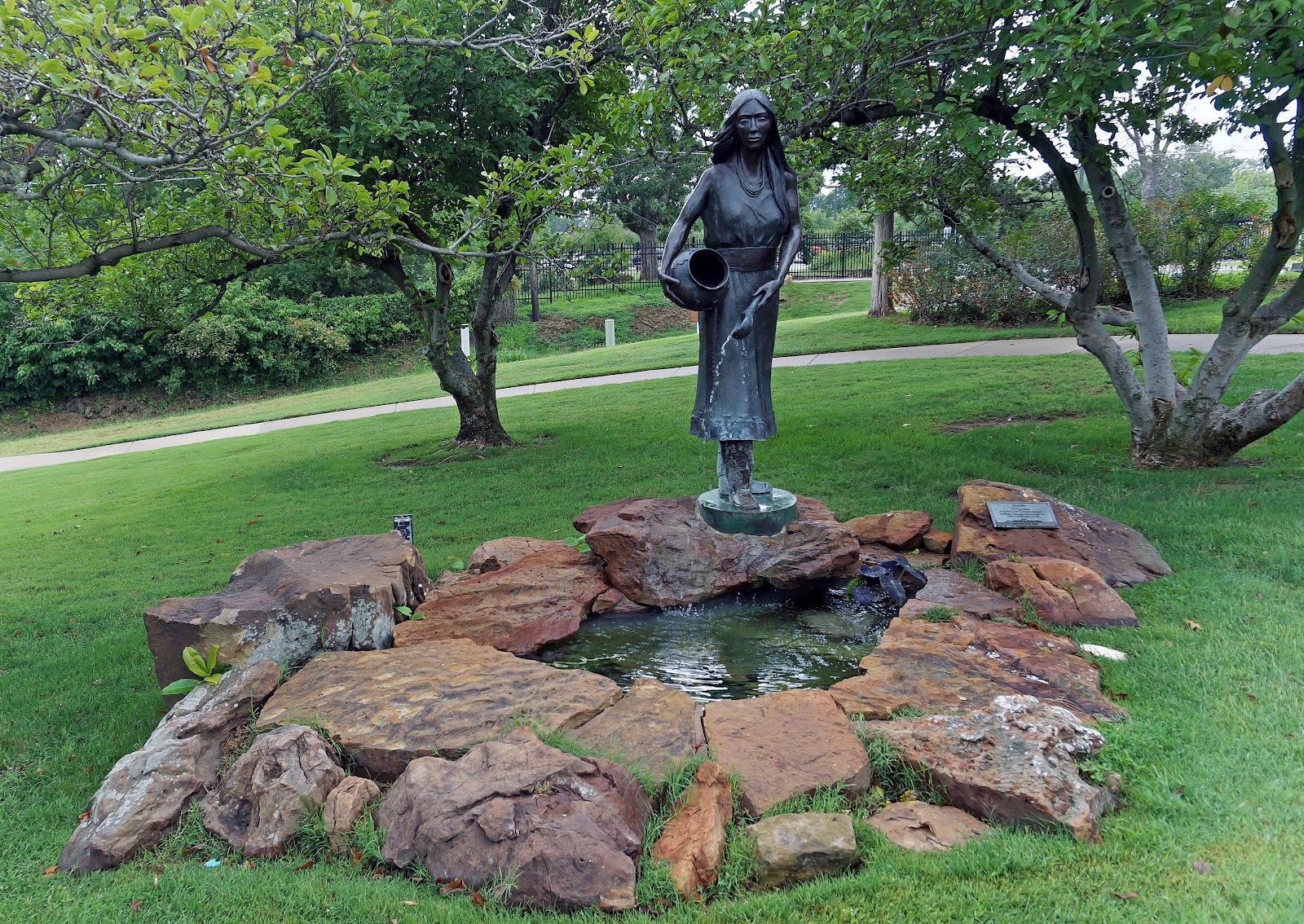
The Gilcrease Museum: Building the Shot List Across Gardens and Galleries
Thomas Gilcrease's museum of American West art on around 460 acres of Osage foothills in Tulsa, with themed historic gardens on the grounds.
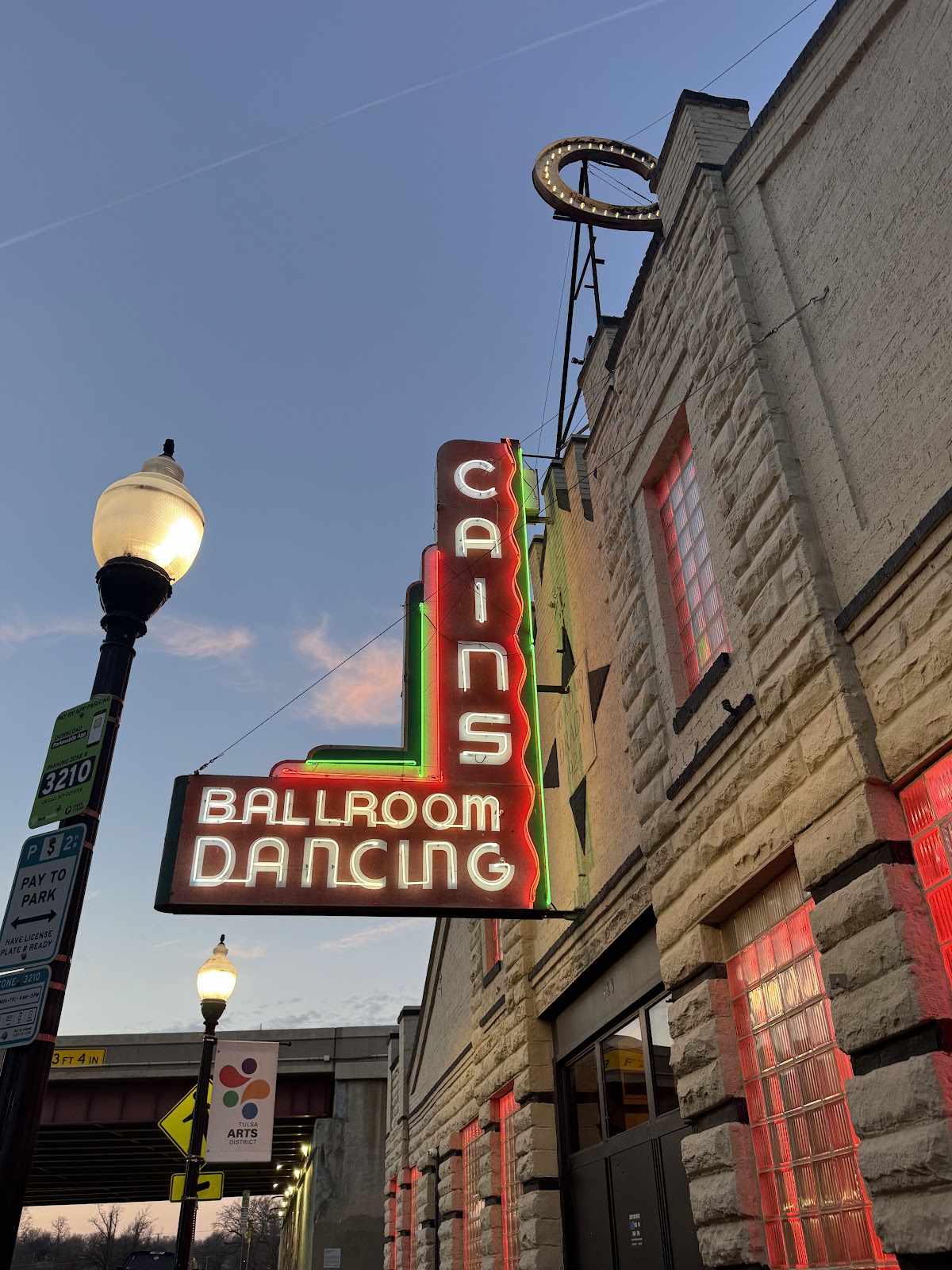
Cain’s Ballroom: Field Notes on a 1924 Dance Hall
A 1924 dance hall in Tulsa, long the home of Bob Wills and the Texas Playboys, with a sprung maple dancefloor and a music-venue interior.
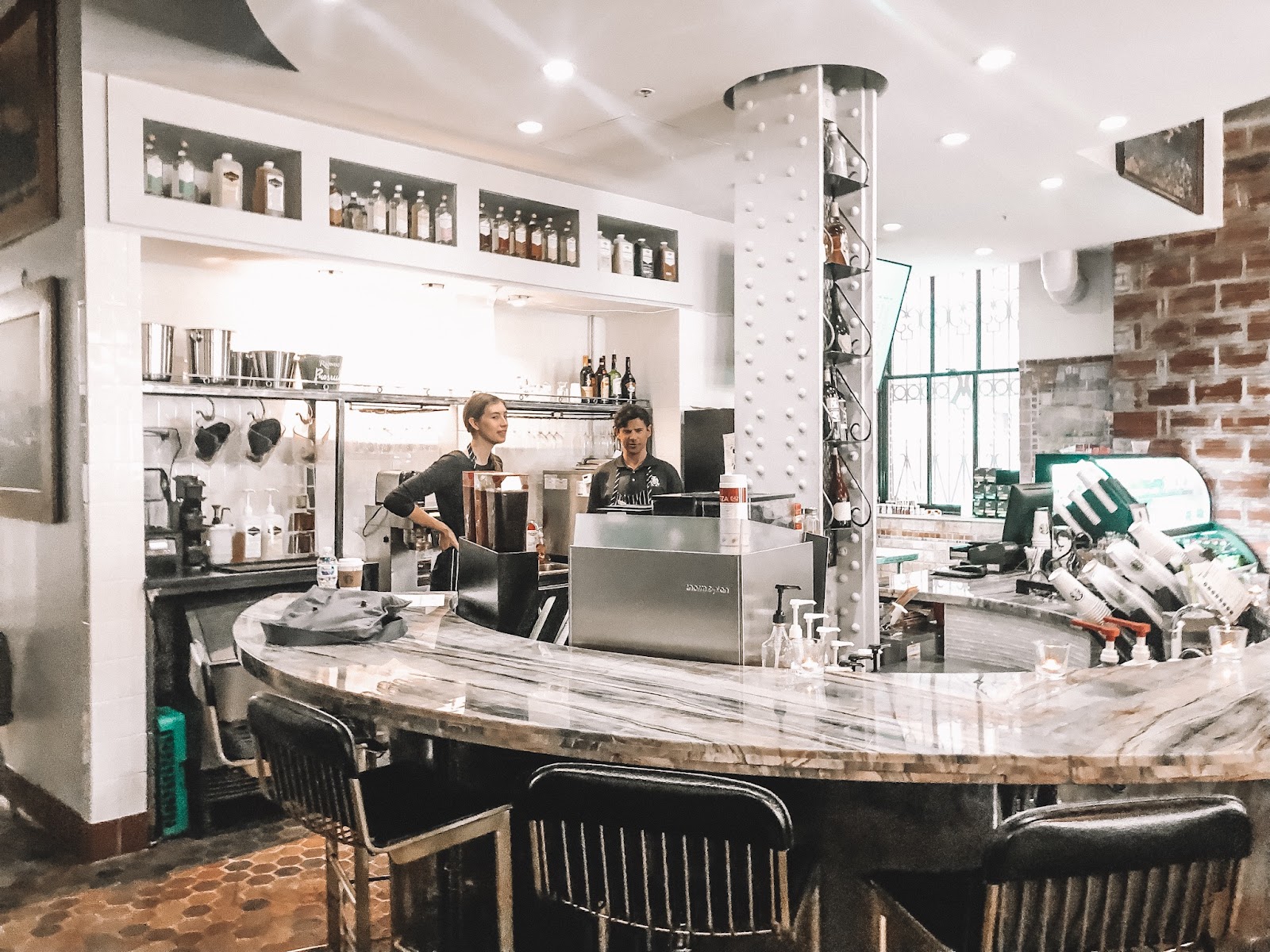
The Mayo Hotel: Lighting a 1925 Terracotta Tower
Opened 1925 in downtown Tulsa, an eighteen-storey grand hotel restored in 2009, with a crystal ballroom, ornate lobby and a rooftop bar.
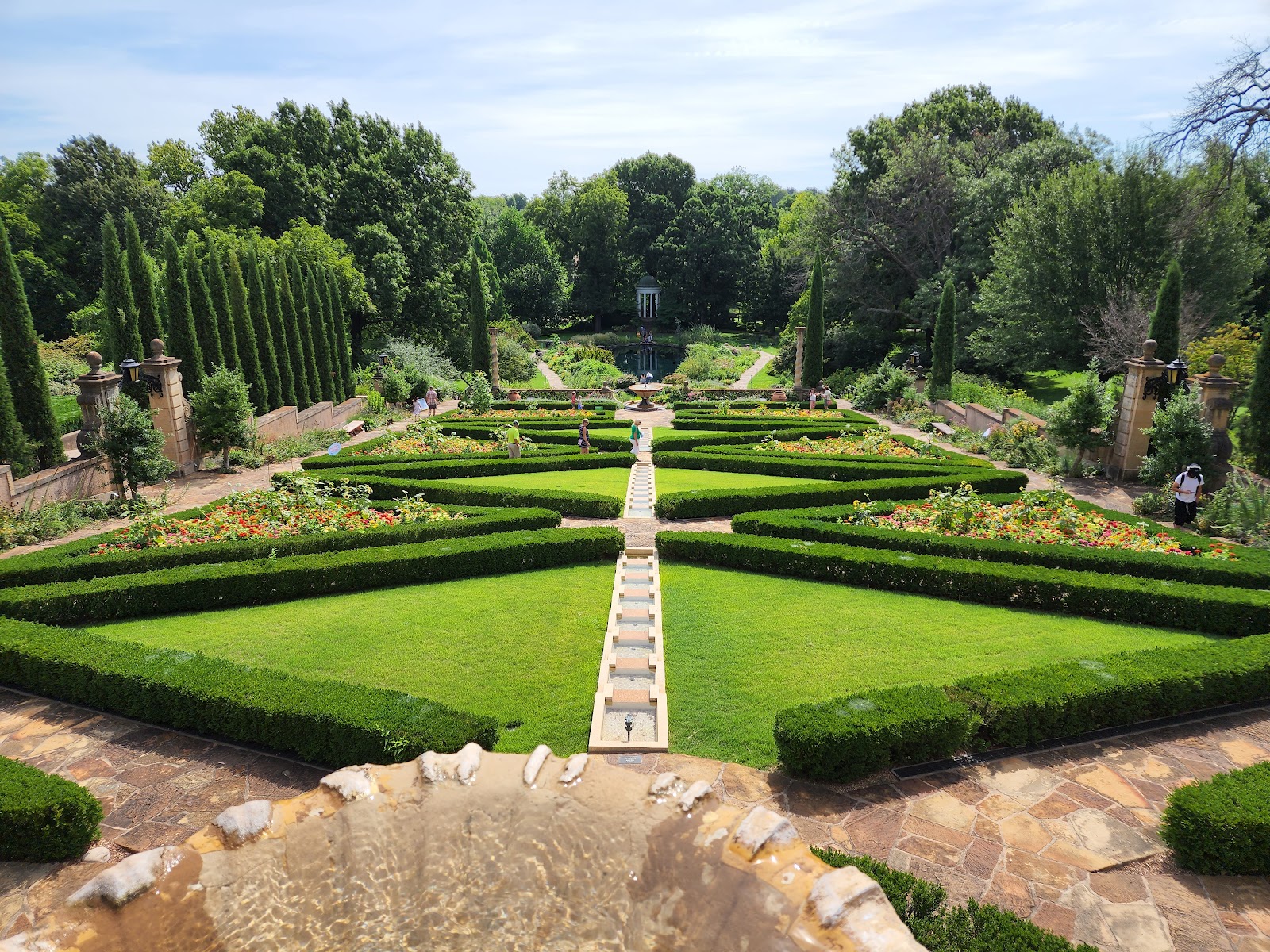
The Philbrook Museum: Reading the Light in an Italian Villa and Its Gardens
Waite Phillips' 1927 Italian Renaissance villa in Tulsa, now an art museum, with around 25 acres of formal gardens running down to a tempietto.