 Union Plaza: A Season-by-Season Photography Guide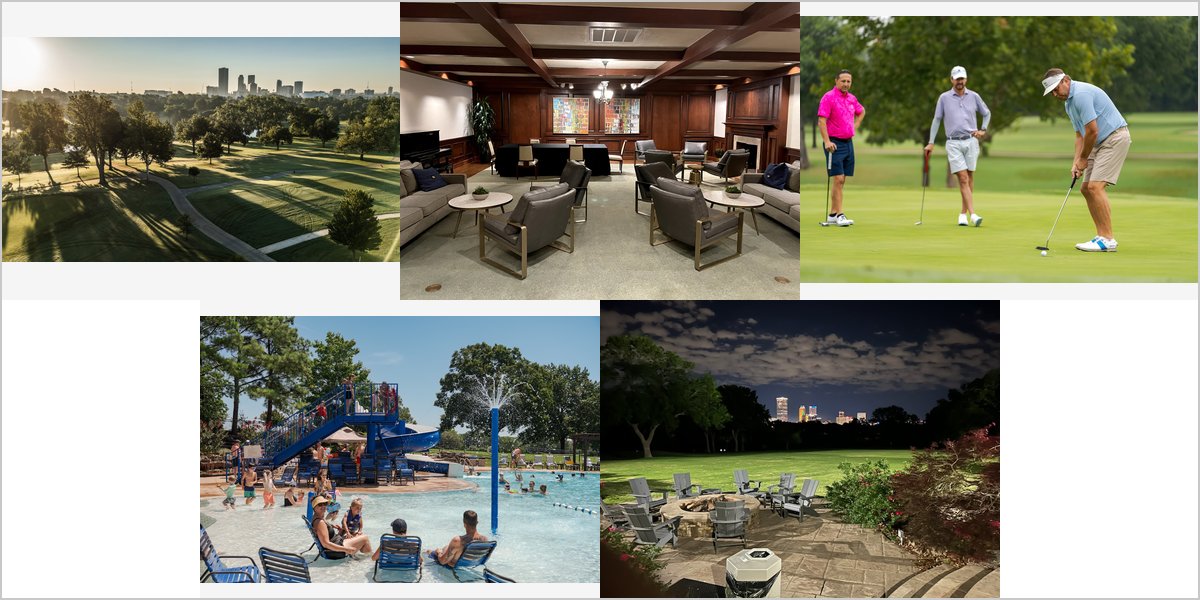
June 26, 2026
Tulsa Country Club: Field Notes on a 1908 Club
Oklahoma’s oldest country club, with a century-old course. Mature trees are the asset; private club rules are the constraint.
Tulsa Country Club was founded in 1908 and is generally described as the oldest country club in Oklahoma, with a mature golf course and a substantial clubhouse in midtown Tulsa. More than a century of continuous operation means the trees on the course are genuinely old, which matters photographically more than any clubhouse detail.
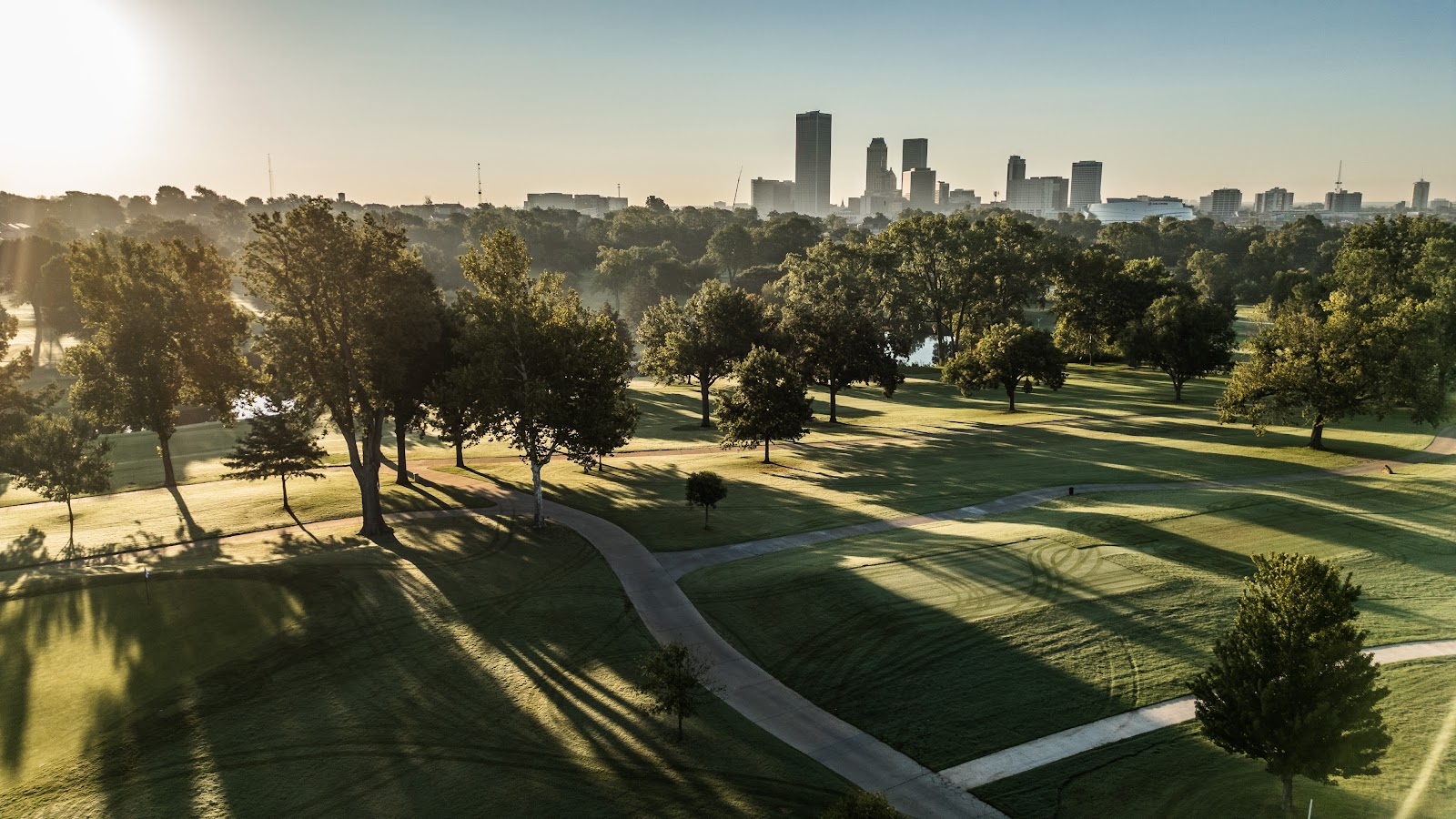
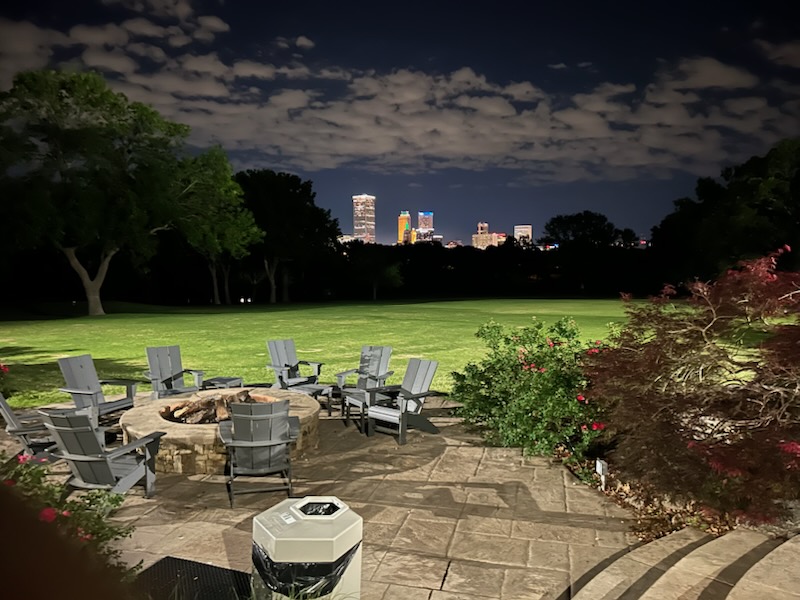
A century-old course is a better landscape than a new one, and specifically because of the planting. Trees take decades to become individually impressive, and a 1908 course has specimen trees with real spread and height — which means high open shade, the most flattering outdoor light there is, distributed across the property rather than confined to one corner.
These are field notes on three problems. We have not photographed a wedding at Tulsa Country Club; mature course landscapes and clubhouse interiors behave predictably. Membership requirements, course access, dress codes and photography rules are for the club, and private clubs are the strictest venue type.
Tulsa Country Club at a glance
| Where | Midtown Tulsa, Oklahoma |
| Founded | 1908; generally described as Oklahoma’s oldest country club |
| The asset | A century-old course with genuinely mature specimen trees |
| Light | High open shade under mature trees; open fairways unshaded |
| Ask first | Member sponsorship, course access, dress codes and photography rules |
Problem one: access, and it is the first problem
A private club’s rules are the thing that determines whether the venue is available at all, and they are firmer than at any commercial venue. Member sponsorship is likely to be required. Dress codes may apply to suppliers as well as guests. Photography may be restricted in areas where members are present. And course access will be limited by play.
None of that is obstructive; it is simply how clubs operate. But it means the conversation to have first is not about light or timing — it is about what you are permitted to do, and the answers should be in writing.
Course access in particular decides the gallery. The clubhouse is comfortable and unremarkable; the course is the reason to be there. Establish precisely which holes or areas you may use, at what times, and whether a cart is available, because the difference between a mature fairway at golden hour and the clubhouse terrace is the difference between an outstanding set and an ordinary one.
Problem two: no shade where the views are, and shade where they are not
A golf course has two quite different environments and they are inversely useful. Open fairways give you long sightlines, clean sky backgrounds and room for any size of group — and no shade whatsoever. Mature specimen trees give you superb flattering light — and they block the long views.
In an Oklahoma summer that inversion matters. Between roughly eleven and six the open ground is unusable for faces: high sun, hard shadows, squinting, a blown dress. So the daytime portraits happen under the trees, where the light is excellent but the frames are more intimate and less expansive.
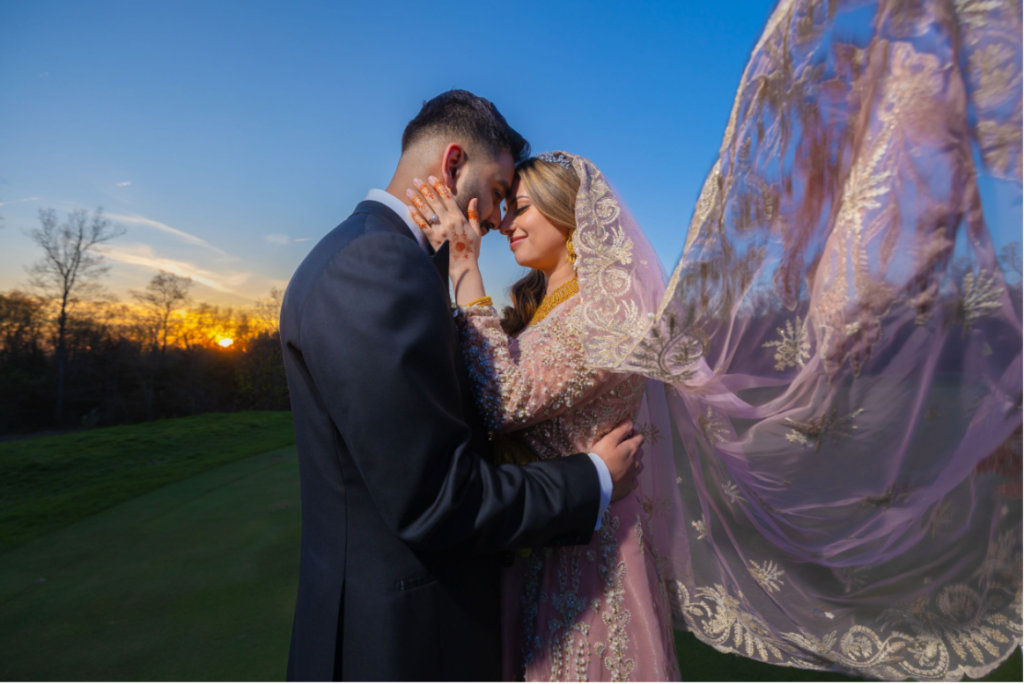
The expansive frames belong in the last ninety minutes, when the sun is low enough to rake across the fairways rather than beat down on them. That is when the contours read, the trees cast long shadows, and a couple on open ground is properly lit. Protect that window above everything else in the schedule.
Early morning does the same job and is often quieter on a course, though it requires a first look or a morning ceremony to be useful.
Problem three: Oklahoma wind on open ground
This is the factor that consistently surprises people who have not worked in the region. Oklahoma is persistently windy, and a golf course is specifically designed to be open — there is nothing to break it. That has three consequences.
Large light modifiers are impractical. A softbox on a stand on an open fairway is a hazard and it will go over, so plan for bare or minimally modified flash outdoors. Veils and hair will move continuously, which is an asset if you shoot bursts and a problem if you shoot single frames hoping for stillness. And standing still in wind is genuinely tiring, so outdoor blocks should be tight rather than open-ended.
The other side of it is that wind moves cloud, which means Oklahoma skies are frequently dramatic in a way calm-weather regions are not. A fairway under a big moving sky at golden hour is a landscape photograph as much as a wedding one, and that is worth using deliberately.

The clubhouse, and the practical plan
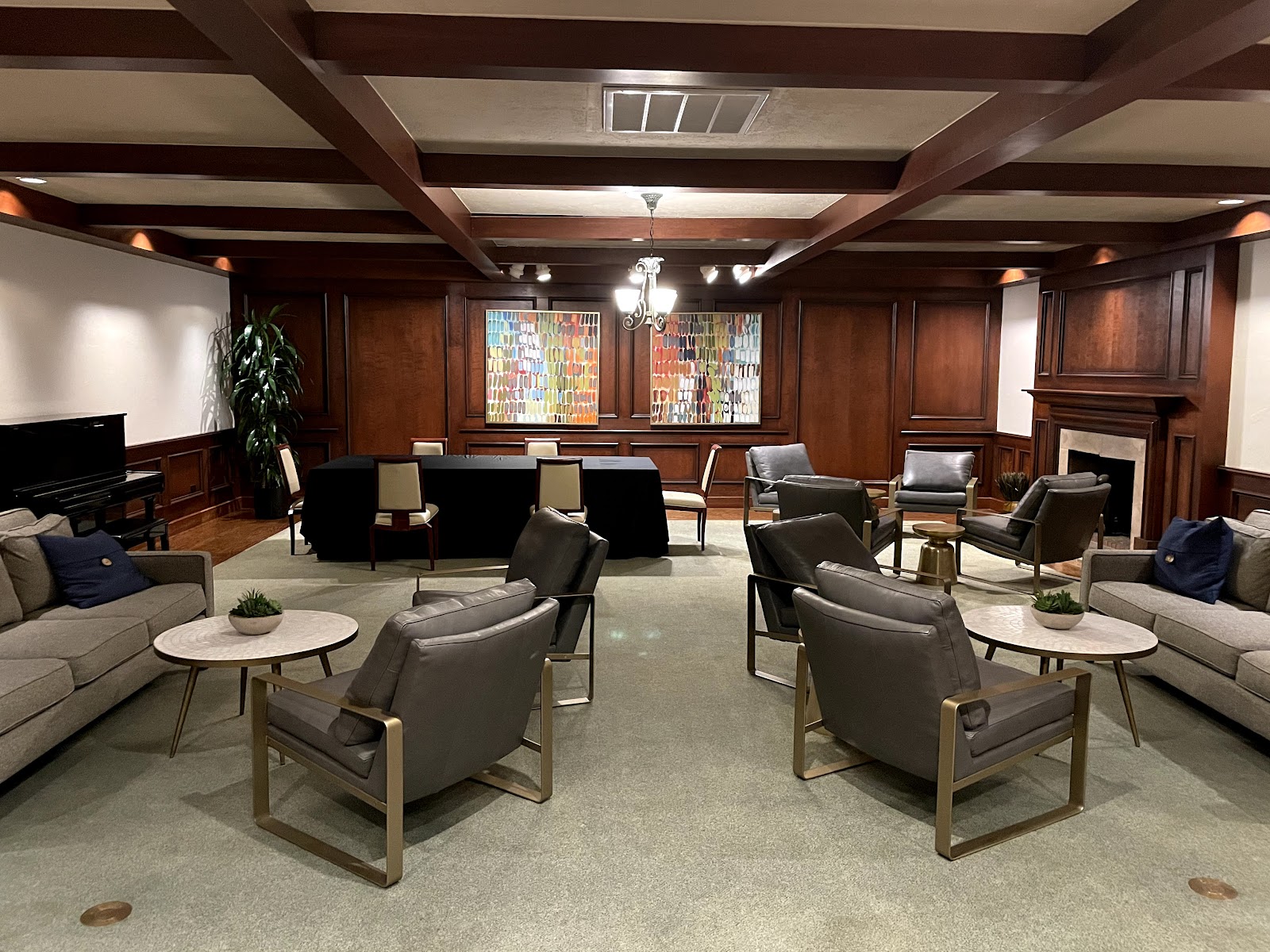
Clubhouse interiors at established clubs are handsome and conventional — moderate ceilings, neutral or lightly traditional finishes, artificial light. That is good news for lighting, because moderate pale ceilings return a bounced flash where a grand ballroom would not, so an on-camera bounce plus one gelled light on a stand handles the reception comfortably.
What the rooms will not do is carry a frame or identify themselves. So go tighter indoors, use longer lenses, let faces fill the frame, and plan the portraits outside. Keep the room warm in white balance and faces slightly cooler, as in any warm interior.
For the order of the day: club rules confirmed in advance; preparation wherever the club provides, ideally a room with a window; portraits under mature trees through the afternoon; groups on open ground while light is even; the fairways and long views in the last ninety minutes; and the reception lit gently indoors.
And ask about a cart. On a century-old course with mature planting spread across the property, transport is the difference between reaching two locations and reaching four.
What works in your favour
- A century-old course with genuinely mature specimen trees giving superb open shade
- Open fairways provide long sightlines, clean sky backgrounds and room for any group
- Complete privacy: no strangers, no crowds, no hurrying, better candid coverage
- Oklahoma’s moving skies make golden-hour fairway frames genuinely dramatic
- Clubhouse interiors are easy to light — bounce flash genuinely works
What to plan around
- Private club rules are the strictest of any venue type and may decide availability
- Course access is limited by play and must be established precisely and in writing
- The views and the shade are in different places; summer middays are unusable on open ground
- Persistent wind rules out modifiers and moves veils continuously
- Clubhouse interiors are handsome but anonymous and will not carry a frame
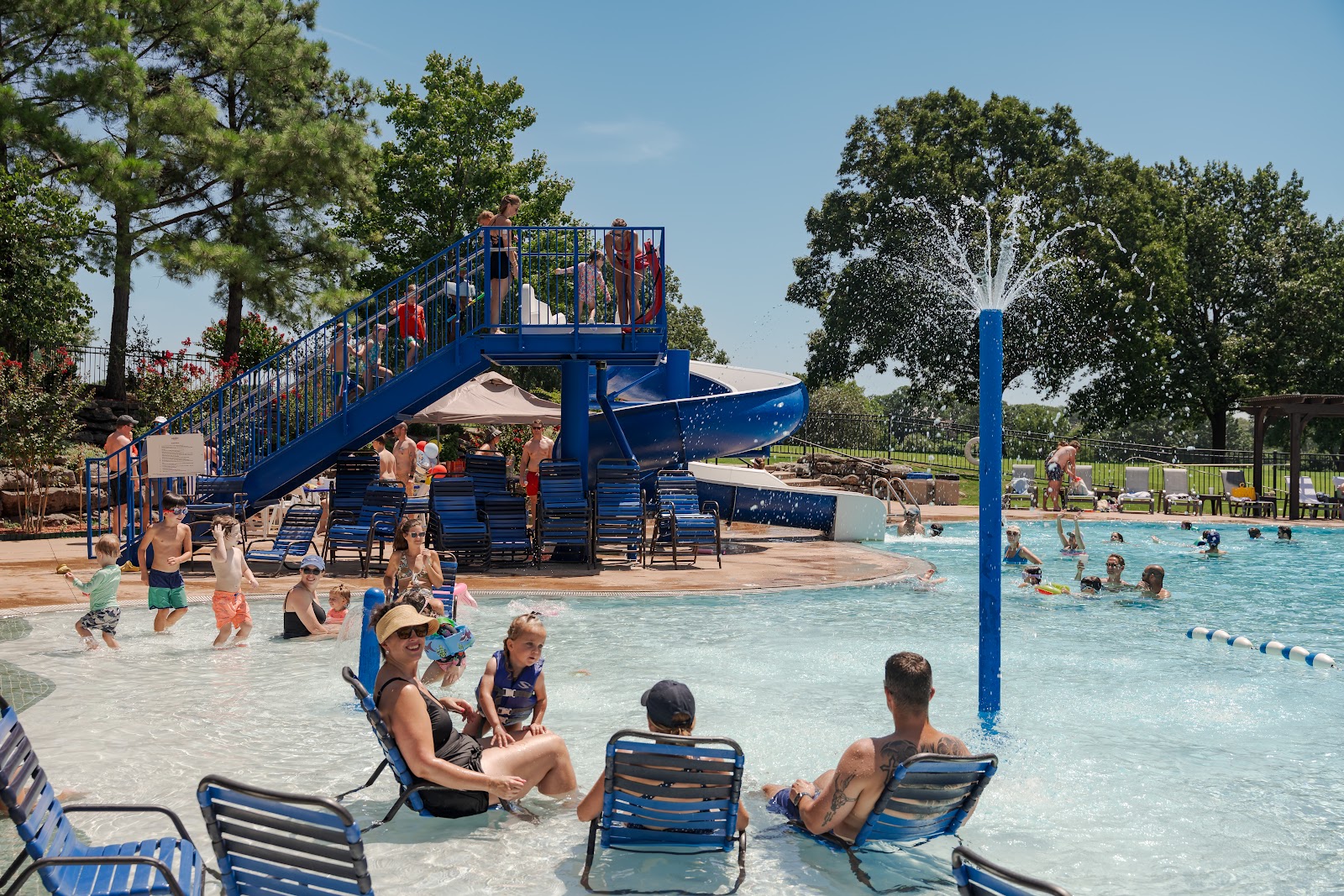
More frames from Tulsa Country Club
Tulsa Country Club wedding photography: common questions
What is the first thing to establish?
What the club permits. Member sponsorship is likely required, dress codes may apply to suppliers, photography may be restricted where members are present, and course access will be limited by play. Get the answers in writing before planning anything else, because they decide what the day can be.
Why does a century-old course matter photographically?
Trees. It takes decades for planting to become individually impressive, and a 1908 course has specimen trees with real spread and height — which means high open shade, the most flattering outdoor light there is, distributed across the property rather than confined to one corner.
When can we use the open fairways?
The last ninety minutes, or early morning. Open ground has no shade at all, so an Oklahoma summer midday there is unusable — hard shadows, squinting, a blown dress. Use the mature trees during the day and save the expansive fairway frames for when the sun rakes rather than beats down.
How much of a problem is the wind?
Significant, and it surprises people new to the region. A golf course is designed to be open so nothing breaks the wind: large modifiers are impractical, veils and hair move continuously, and standing still outdoors is tiring. Shoot bursts, use bare or minimally modified flash, and keep outdoor blocks tight.
Should we ask for a cart?
Yes. On a century-old course with mature planting spread across the property, transport is the difference between reaching two locations and reaching four — and a wedding party in formalwear does not cross a fairway quickly. It is a small request with a disproportionate effect on the gallery.
More Tulsa venue guides
We are writing a photographer’s guide to every venue we would happily shoot in Tulsa. Here are three more, plus the full index:
- The Tulsa Zoo: A Photographer Answers Your Questions
- Union Plaza: A Season-by-Season Photography Guide
- The Ambassador Hotel: A Walk-Through of a 1929 Boutique Building
Planning a wedding at Tulsa Country Club?
The course is the reason and the club rules are the gate. Tell us your date and what access you have been granted, and we will plan the trees for the day and the fairways for golden hour.