The southern Appalachians do one thing no other landscape in this library does at the same scale, and understanding it is worth more than any technique. The ridges recede in clean pale tonal steps, each one bluer and lighter than the one in front of it, and they do so because of something the forest itself produces: the trees release volatile organic compounds — isoprene and related chemicals — in very large quantities, and those scatter short wavelengths in the air above the ridges. That is literally why the Blue Ridge is blue.
For a photographer it is an asset rather than a defect, and it needs saying plainly because the instinct of anybody trained on dehazing sliders is to remove it. Do not. Atmospheric perspective is what turns a view of some hills into a composition with four or five distinct planes of depth in it, and a dehazed southern Appalachian ridge frame is a flat green view with no depth at all. The haze is the subject.
Building that frame needs three things: a position high enough to see over the nearest ridge to the ones behind it, which usually means a climb to the highest accessible open ground; a long lens, because compression is what separates the layers — at twenty-four millimetres four ridge lines collapse into a single band along the bottom of the frame, and at two hundred they stack as distinct horizontal planes; and the right air, because the layering is strongest and most defined in the early morning when the air is still, blurs together through the middle of the day as convection mixes it, and returns in the late afternoon with warmth on the near ridges while the distant ones stay blue.
Place any figures against the dark nearest ridge rather than against the palest distant band, where they simply disappear. And expose slightly to the right and build contrast afterwards rather than removing it, because stacked ridges are a low-contrast subject by nature — though too much contrast collapses the layering back into a single dark mass and undoes the picture. The best version of all is a still morning after a clear night, when fog pools in the valleys below the ridge tops and the bands are separated by cloud rather than merely by haze.
That happens more often here than almost anywhere in the eastern United States, it cannot be arranged, and if you arrive and it is there you photograph it before anything else, because it lifts.
Two further regional facts govern a wedding here. The first is rain, and it is the largest risk in any booking in these mountains. The southern Appalachians are among the wettest places in the eastern United States, because moist air is forced up over the escarpment and drops its load on the way, and at higher elevations the totals are higher still — with summer afternoon thundershowers that are near-daily in stretches and which build over the ridges and arrive within ten minutes. That is not a reason to avoid the region; it is the reason the forest is the most botanically diverse temperate forest in North America.
But it means the covered capacity has to be established as a number, compared to the guest list, and tested against how long it takes to move everybody under cover from the furthest ceremony position — which on a slope, in formal shoes, is longer than anybody estimates.
The compensation is genuine and it is the best light the region offers: the half hour after a shower clears washes the air so the ridge layering is at its most defined, turns wet timber and wet foliage several tones darker and far more saturated, raises mist off warm ground so the valleys fill with cloud, and sends a low sun under a broken ceiling into humid forest where it produces visible shafts. A wet Appalachian evening is considerably better than a dry one, and if a cell goes through at six you should go back up to the high position rather than pack.
The second fact is that colour here runs down the elevation gradient, which gives this region the longest autumn in this library: the highest ridges turn in early October and the valley floors not until early November, so the season lasts four or five weeks rather than a fortnight.
At a property at the foot of the escarpment that means gold and orange on the mountain above while the fields below are still green, and the reverse three weeks later; at elevation the peak is usually the middle two weeks of October, and from a high position you can have colour on the near ridges and green still on the distant lowland ones, which turns the layered frame into a colour composition as well as a tonal one. A date anywhere from the first week of October to the first week of November has something at its best, which is an unusual amount of latitude.
Late April into early June is the other strong window and it carries the region's floral sequence, which runs upward with elevation exactly as autumn runs downward: mountain laurel through May and June, rhododendron following through June and into July at height, and flame azalea through the same period — all growing in dense thickets that photograph as banks of white and pink. Those thickets are also the most reliable background in these mountains in winter, because they are evergreen and glossy when the deciduous canopy has gone.
Spring is the wettest and greenest part of a wet year, which is a distinct and rather beautiful condition if the rain plan holds. Summer is warm and humid and workable at the two ends of the day, with the afternoon thundershower risk at its highest, humidity filling shadows by roughly two stops which genuinely helps faces, and — at elevation — temperatures several degrees cooler than the lowlands, which makes a high mountain farm a more comfortable July proposition than anywhere an hour east.
Winter is the season almost nobody considers and it has real merit: the air is at its clearest of the year so the ridges are at their most sharply layered, and with the leaves off the topography reads — every hollow, rock face and ridge line legible in a way the summer canopy hides — while a low midwinter sun near thirty-five degrees rakes the slopes through the whole middle of the day. At elevation, rime ice and snow on the ridge tops are common, which puts white on the near bands and blue on the far ones. Two cautions apply everywhere in these mountains.
Cloud sits on ridge tops frequently, which means the layered frame may simply not be available — a high valley in low cloud has no distant view at all, and on those days the photography is the farm, the forest and the buildings rather than the landscape, so have that plan. And the western escarpment or ridge takes the sun well before it reaches the horizon: on low ground at the foot of the Blue Ridge the effective sunset can be thirty to fifty minutes before the printed time, and in a ringed high valley it is earlier still.
Go and look at the western skyline from the exact position you intend to use, judge the height above the horizon, and move the whole evening earlier — including the ceremony, because that is a planning decision rather than something adjustable on the day.
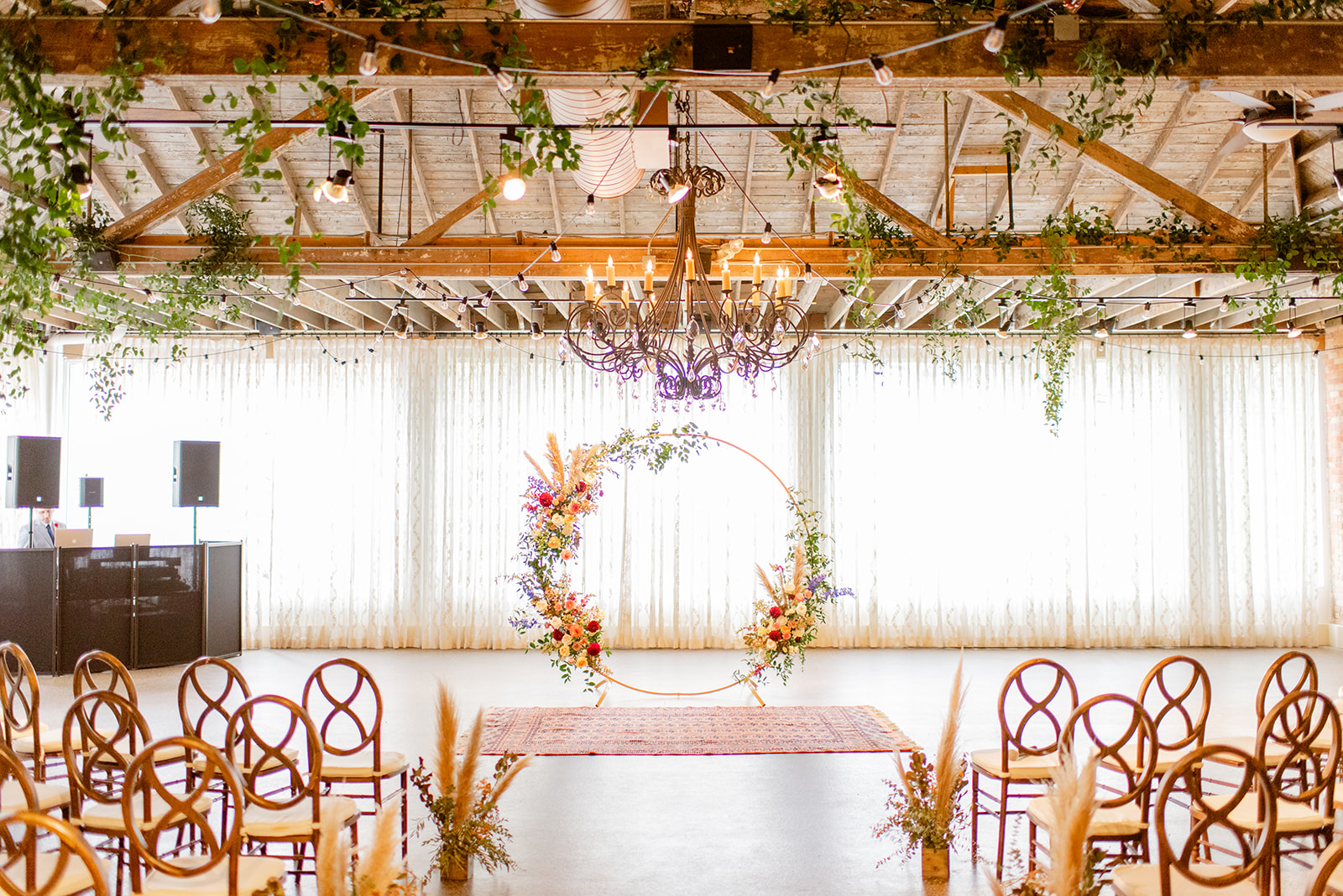
The Venue, Asheville: A Season-by-Season Guide
A downtown event space on Biltmore Avenue in central Asheville, with flexible interior rooms and the whole of downtown as its outdoor location.
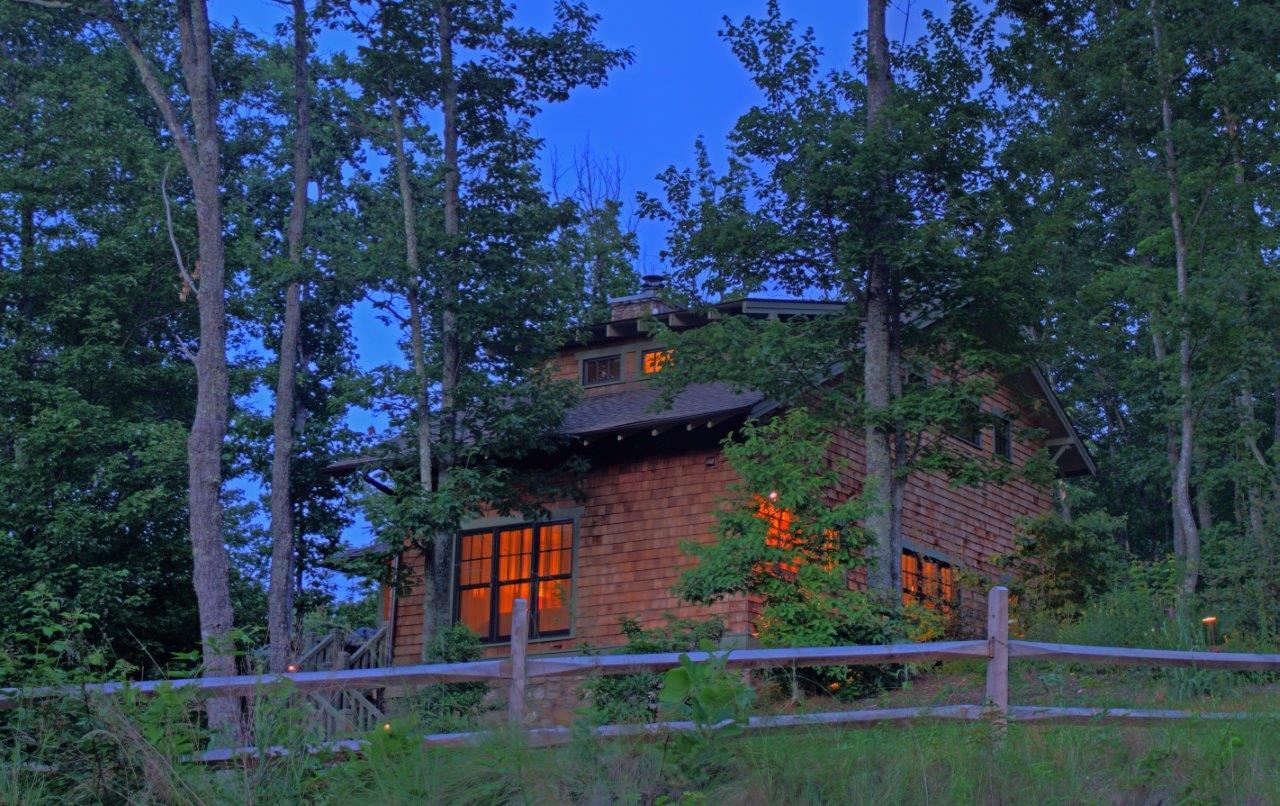
The Pines at Creston: A Photographer Answers Your Questions
A mountain wedding venue in the North Carolina high country north of Asheville, with long-range Blue Ridge views and open ground at elevation.
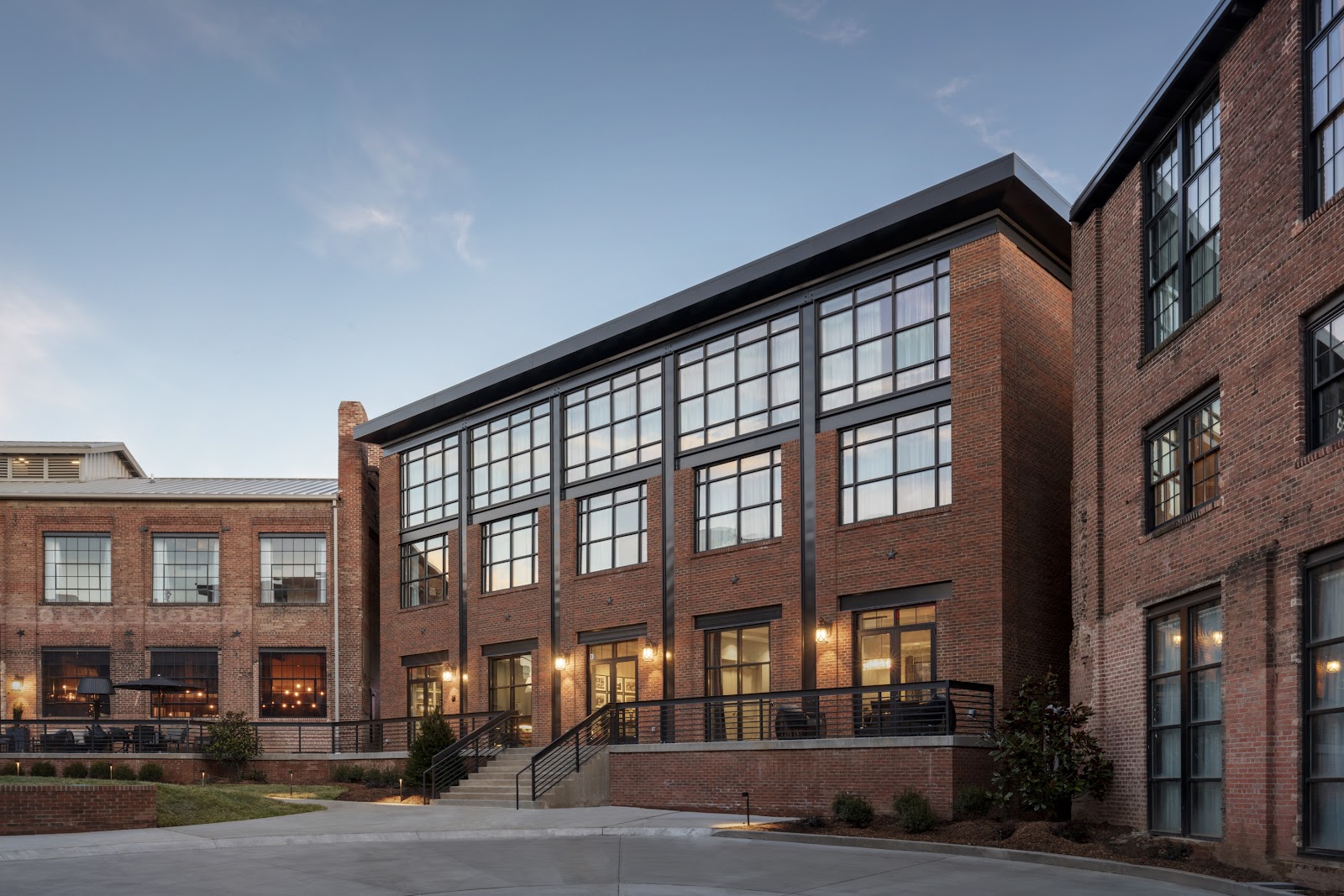
The Foundry Hotel: Reading the Light in a Converted Steel Works
A converted early twentieth-century steel foundry in downtown Asheville's Block, now a hotel with exposed brick, steel structure and a courtyard.
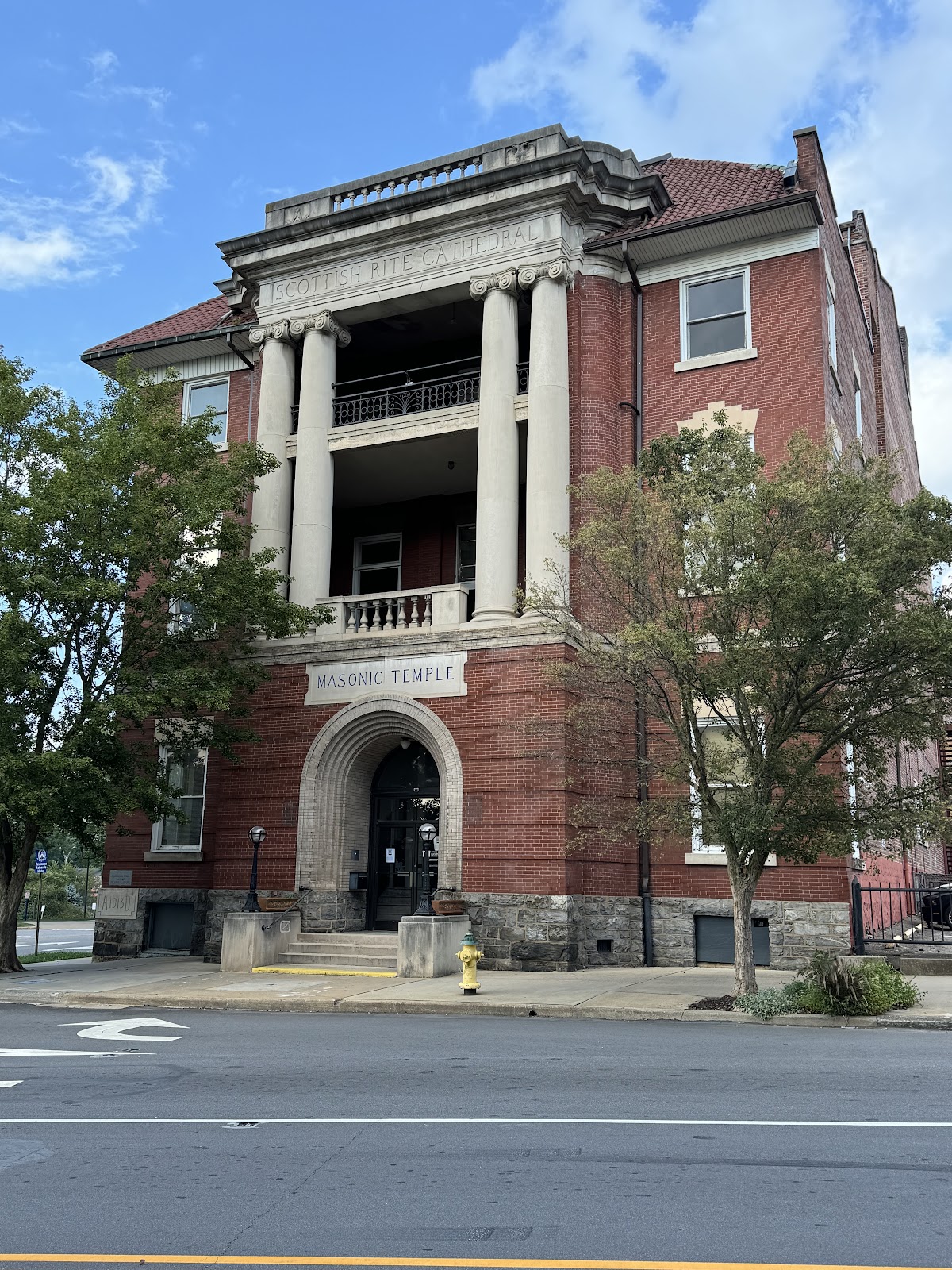
The Asheville Masonic Temple: A Photographer’s Walk-Through
A 1913 Masonic lodge in downtown Asheville, with ceremonial rooms, decorative plasterwork and a ballroom, now used for events.
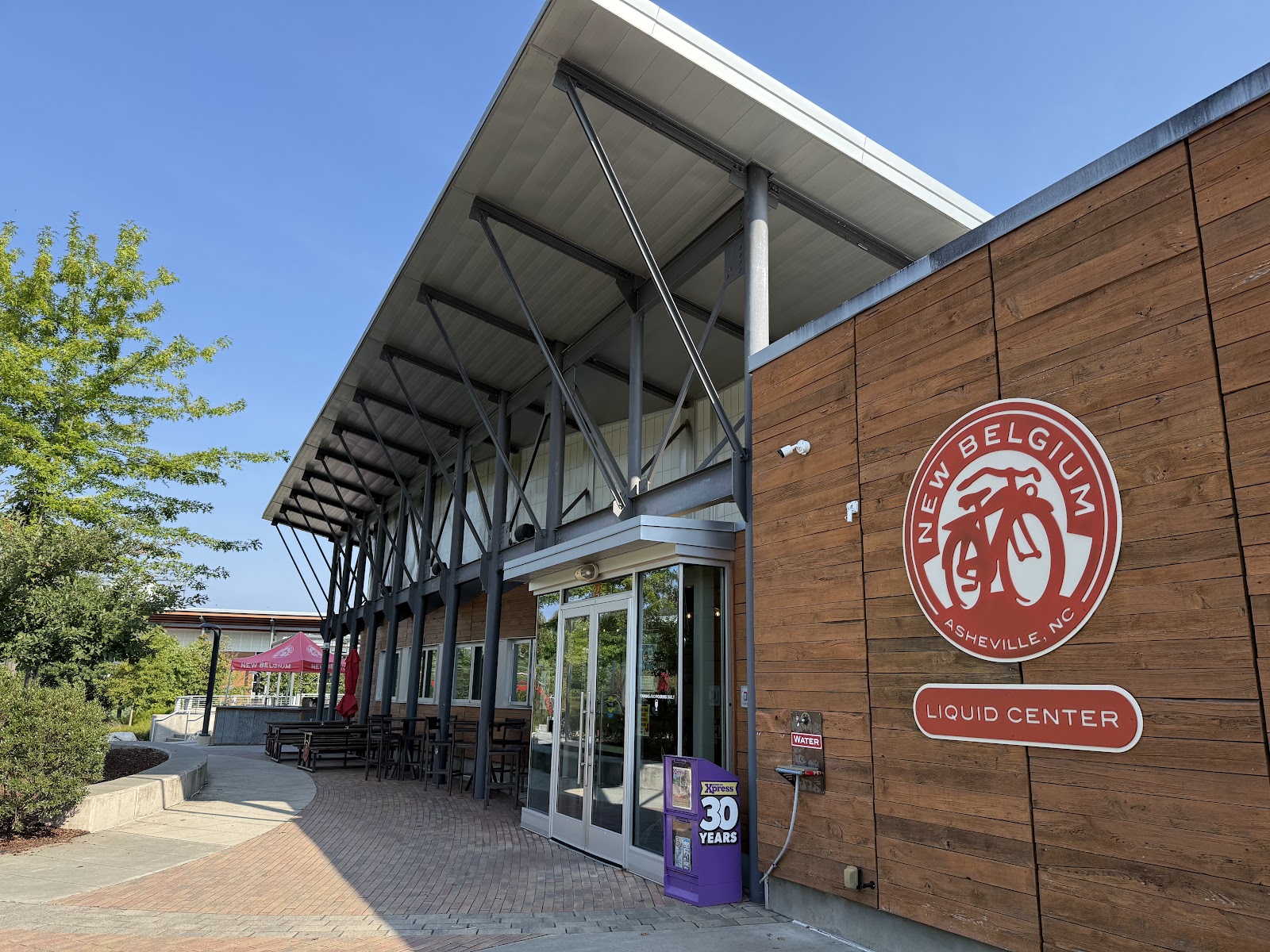
New Belgium Brewing Asheville: Building the Shot List
New Belgium's Asheville brewery on the French Broad River in the River Arts District, with modern industrial architecture and river frontage.
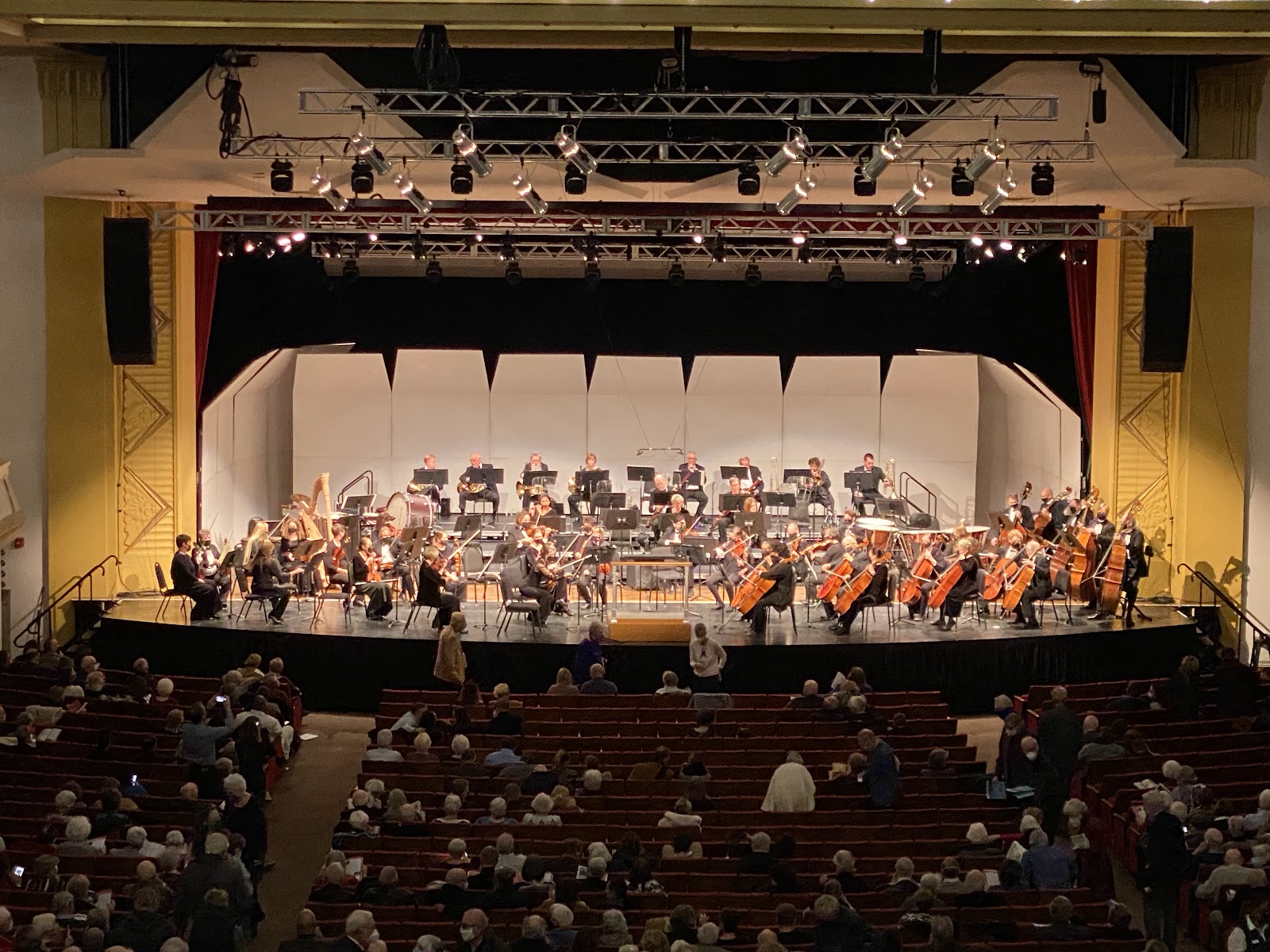
Thomas Wolfe Auditorium: The Technical Side of a Civic Theatre
A 1940 civic auditorium in downtown Asheville, part of the city's Art Deco civic complex, with a large stage, fixed seating and theatrical lighting.
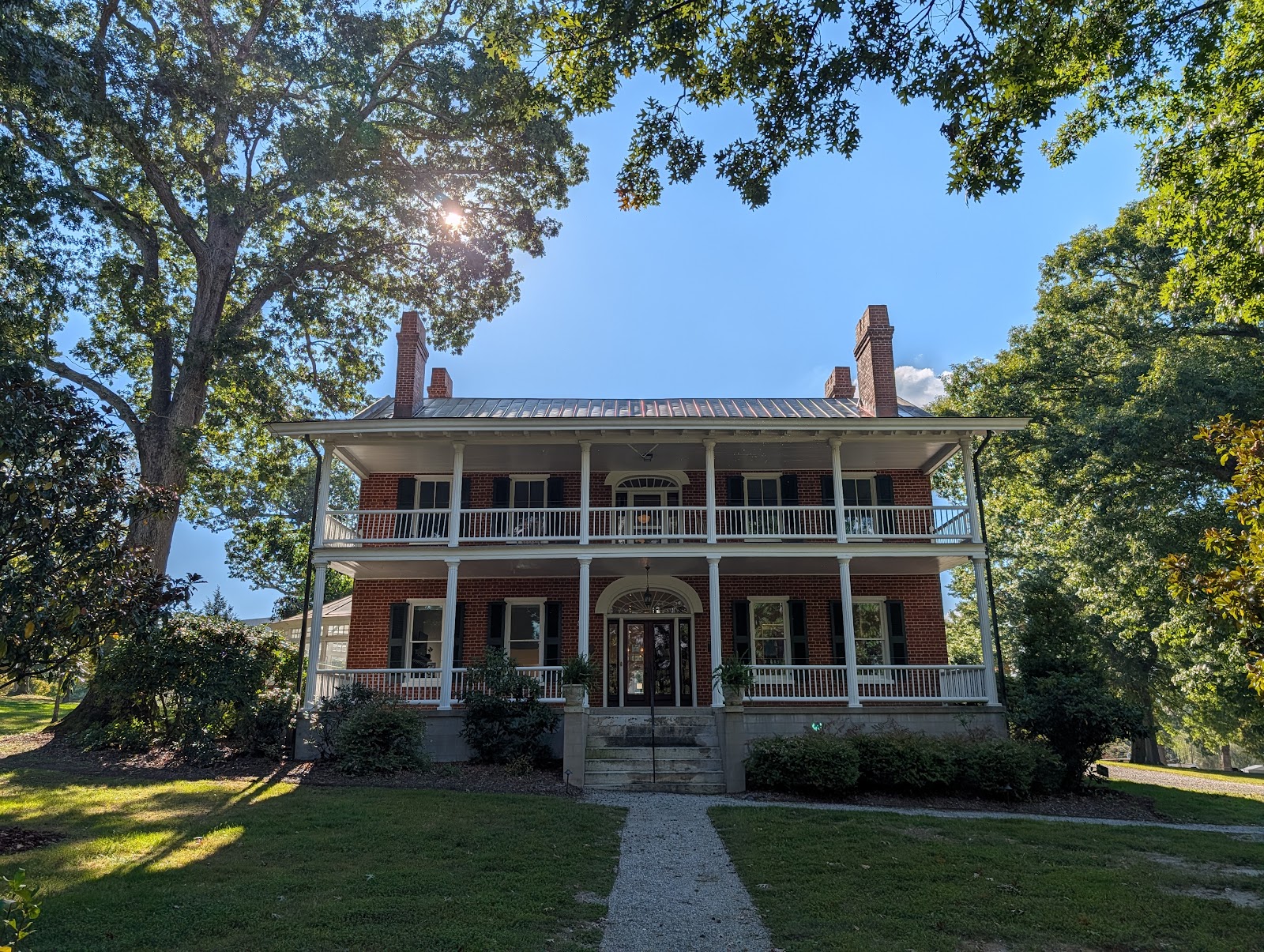
The Smith-McDowell House: Who This Venue Suits
Built around 1840, the oldest surviving house in Asheville — brick, four storeys, with grounds influenced by Olmsted and mountain views from the terrace.
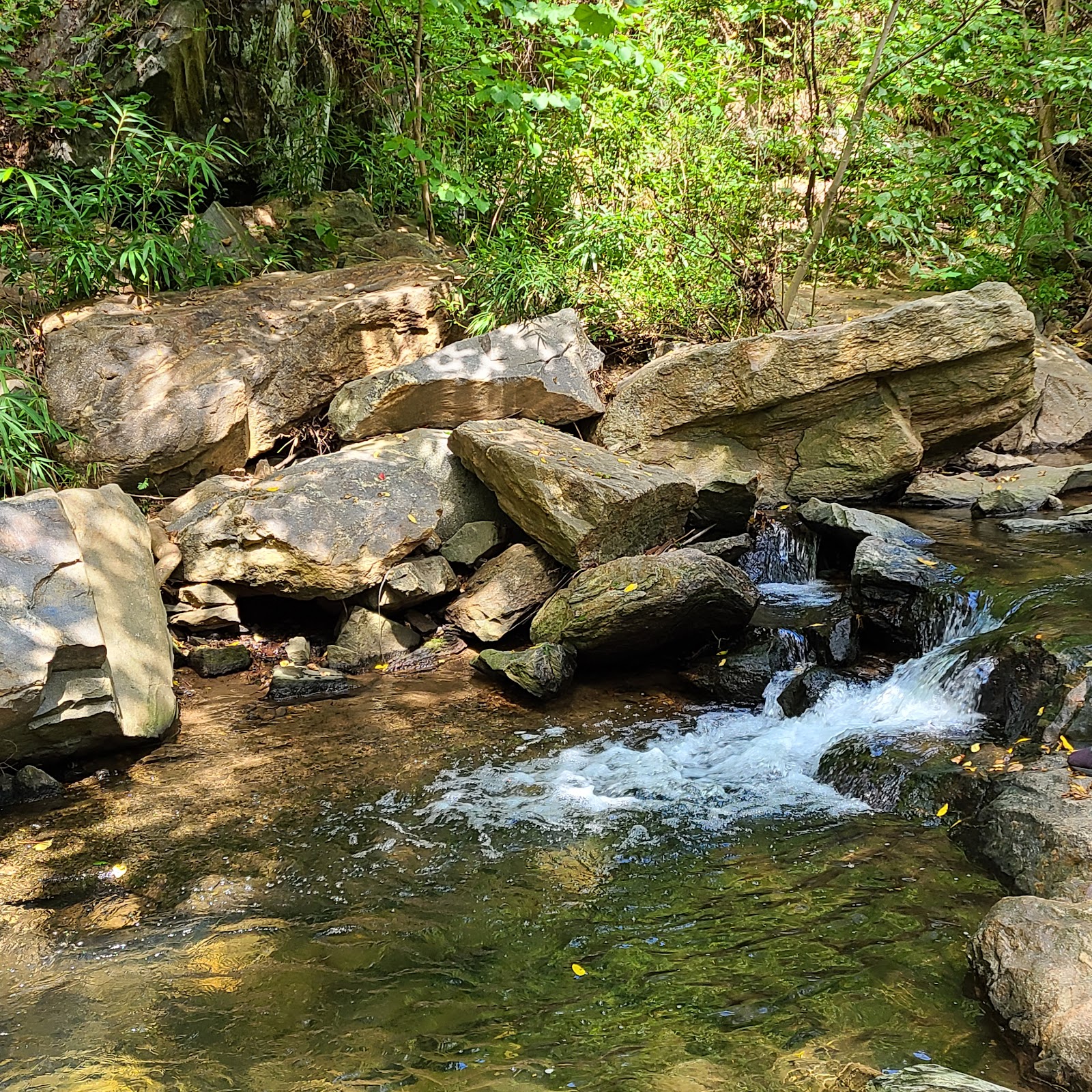
The Botanical Gardens at Asheville: A Photographer Answers Your Questions
Ten acres of native Southern Appalachian plants beside Reed Creek, next to the UNC Asheville campus. Woodland, water and no built structure of consequence.
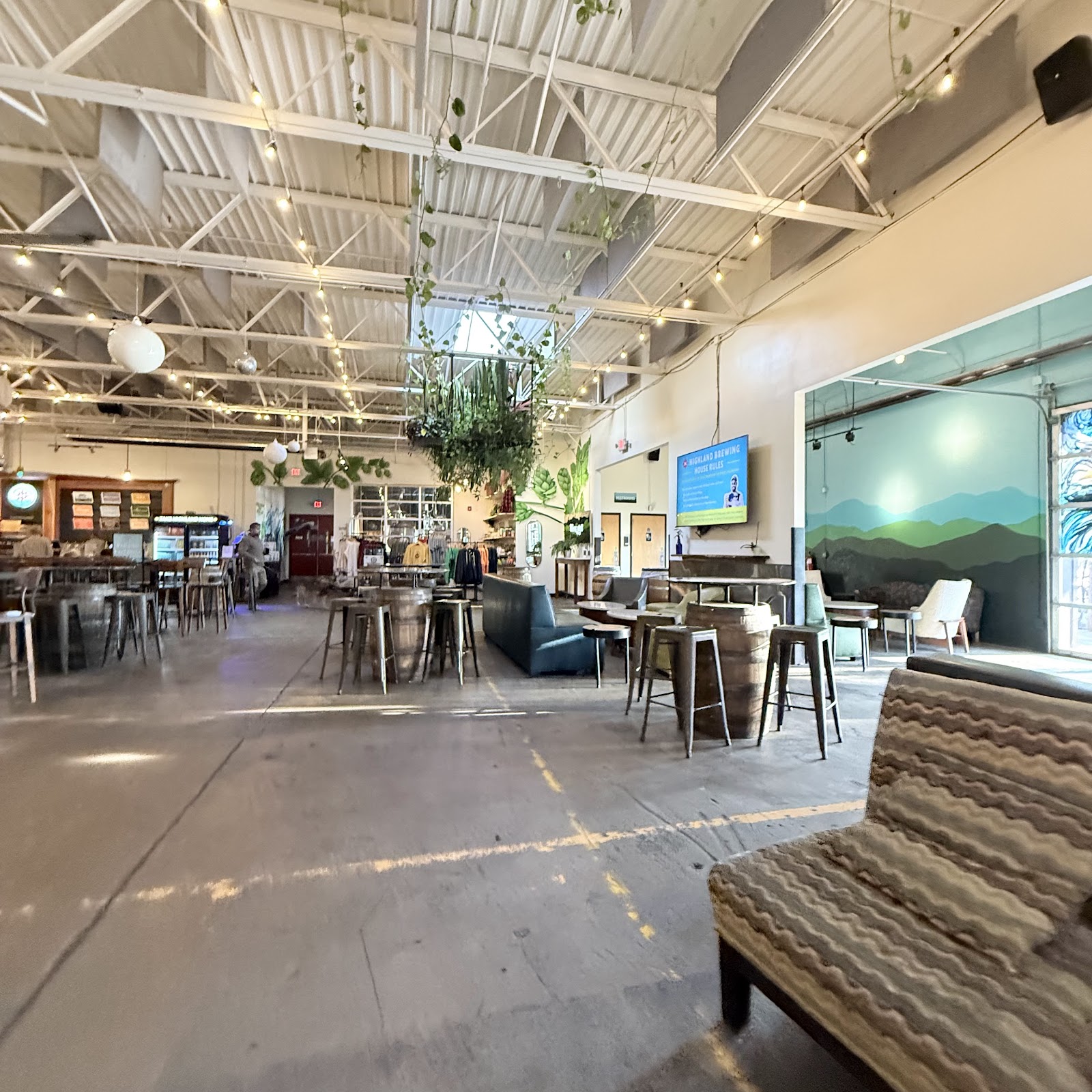
Highland Brewing Company: Field Notes on a Brewery Venue
Founded 1994 as Asheville's first legal brewery, now a large site east of the city with an event centre, rooftop, meadow and working production floor.
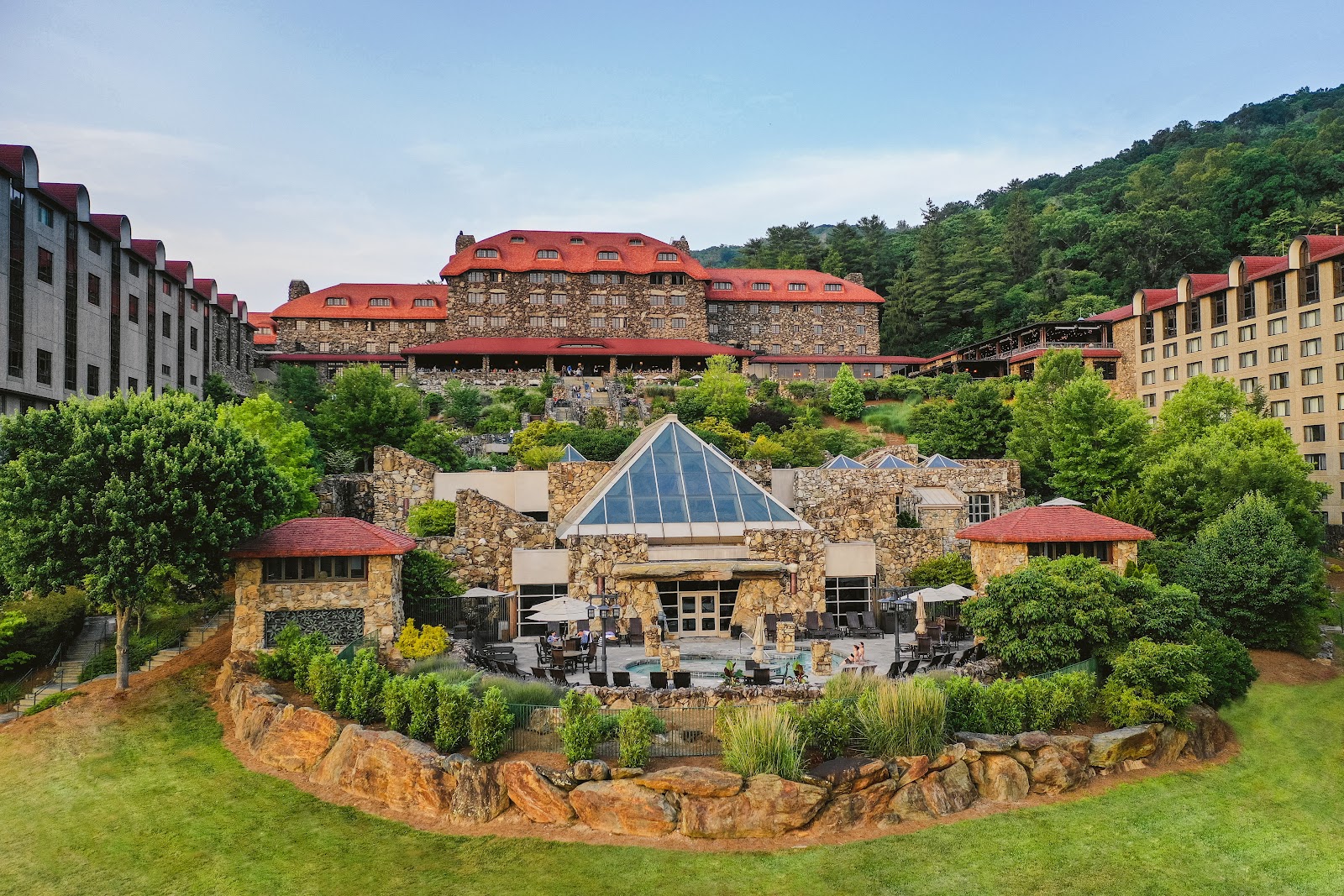
The Omni Grove Park Inn: A Walk-Through of a 1913 Boulder Hotel
Opened 1913 on Sunset Mountain, built from local granite boulders in the Arts and Crafts manner, with a Great Hall, vast stone fireplaces and mountain views west.