 The Venue, Asheville: A Season-by-Season Guide
May 11, 2026
Highland Brewing Company: Field Notes on a Brewery Venue
Stainless steel, a working production floor and a meadow. Breweries are a specific photographic problem and the steel is the interesting part of it.
Highland Brewing was founded in 1994 as Asheville’s first legal brewery of the modern era and now occupies a large site east of the city, with an event centre, a rooftop space, outdoor meadow and lawn areas, and a working production facility.
Brewery venues have become a category of their own, and they share a consistent set of photographic characteristics. Large industrial volumes with high ceilings. Stainless steel tanks and pipework, which is a mirror-like surface and behaves accordingly. Concrete floors. Mixed and often unflattering industrial lighting. And, at the better ones, generous outdoor space that does most of the actual work.
These are field notes on four problems. We have not photographed a wedding at Highland; stainless steel and industrial volumes behave identically everywhere. Which spaces your booking includes, whether the production floor is accessible and what the venue permits are for their events team — and production-floor access is worth asking about, because it is the frame that says brewery.
Highland Brewing Company at a glance
| Where | East Asheville, North Carolina |
| Founded | 1994 — Asheville’s first legal brewery of the modern era |
| Spaces | Event centre, rooftop, meadow and lawn, plus a working production facility |
| Light | High industrial volumes with mixed fixtures; generous daylight outdoors |
| Ask first | Production-floor access, rooftop access, and rigging and power |
Problem one: stainless steel is a mirror
Brewing tanks are polished stainless, which means they behave optically like curved mirrors. Every light you introduce appears in them as a hard specular streak, and because the surfaces are curved, that streak is distorted and unpredictable. A bare flash near a tank produces bright unpleasant hotspots that draw the eye away from everything else.
The fix is to make your light source large and to control its angle. A big modifier gives a broad soft reflection that reads as a gentle sheen down the curve of the tank — which actually looks excellent and describes the shape of the vessel. Keep the light well off the camera axis so its reflection is not directly behind your subject, and check the frame edges for your own stand.
Curved steel also reflects the room, including you. Shoot at an oblique angle rather than square-on to a tank, so what you see reflected is the space rather than the photographer. Done well, a row of tanks with a soft highlight running down each one is one of the strongest industrial frames available.
Problem two: industrial lighting is the worst kind
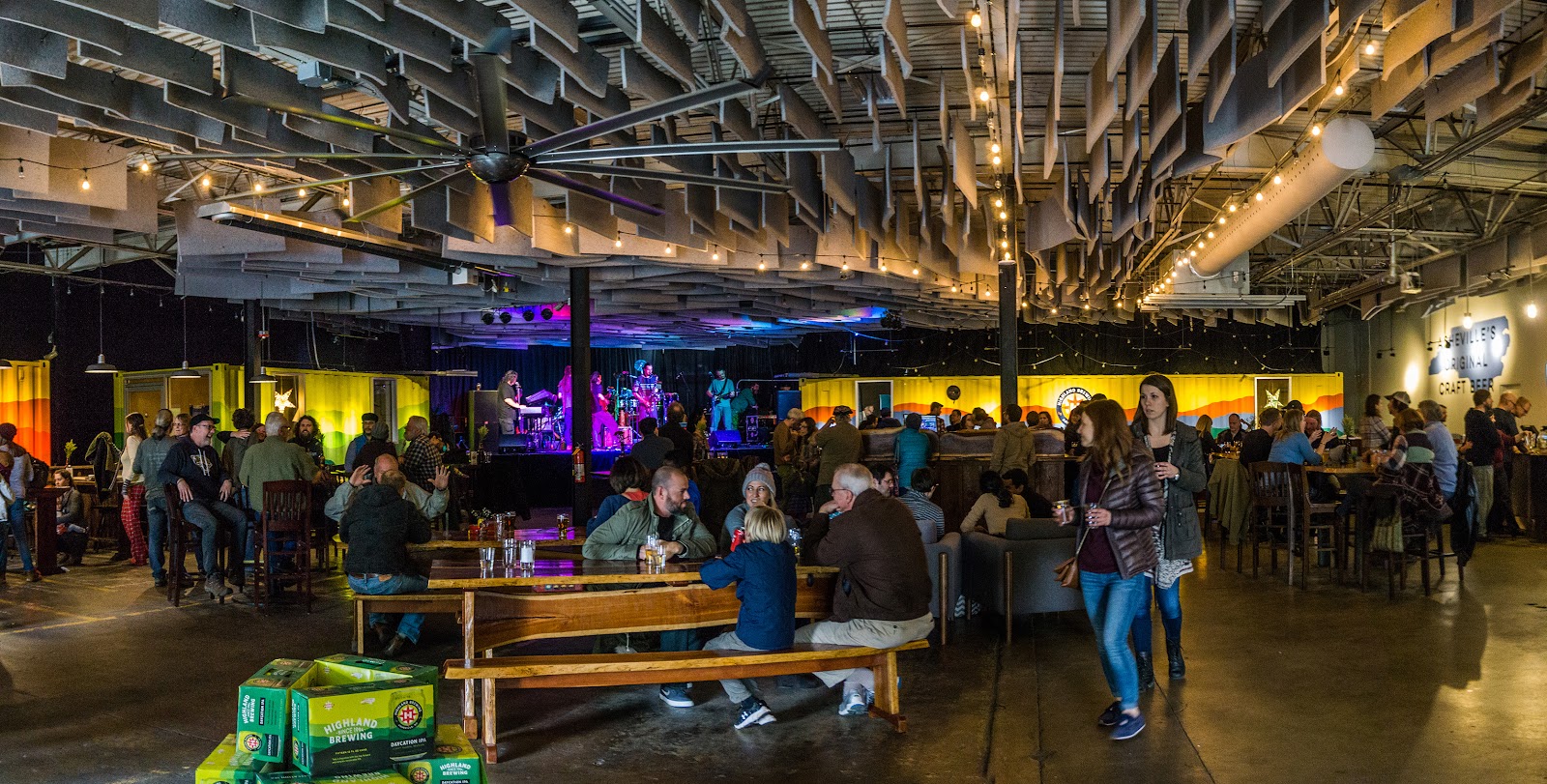
Production spaces are lit for work: high-bay fixtures, often fluorescent or industrial LED, hung a long way up and chosen for efficiency rather than colour quality. That combination gives you light from directly overhead, with poor colour rendering, and frequently a green or magenta cast that varies between fixtures.
Overhead light shadows eye sockets, poor colour rendering makes skin look wrong in ways that are hard to correct, and mixed fixture types mean no single white balance is right. This is genuinely the least flattering ambient light of any venue type.
So on a production floor you light your subjects entirely yourself and treat the house lighting as background. One modified flash as a key, gelled to roughly match whatever dominates, gives you control over faces. Then expose so the ambient sits a stop or two under your key, which both fixes the colour on skin and keeps the industrial character in the background where it belongs.
Problem three: high ceilings, concrete, and no bounce
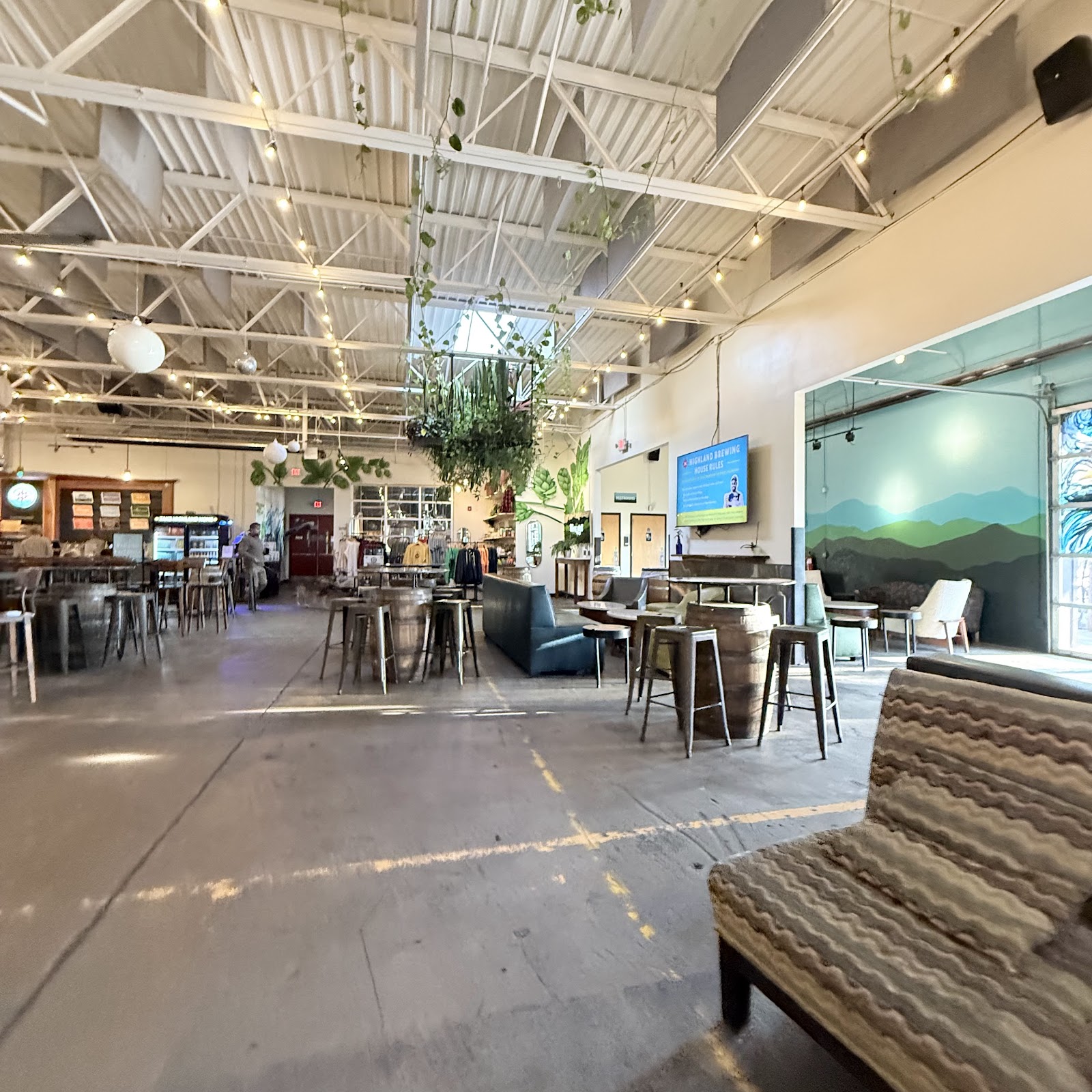
Industrial volumes are tall, and the surfaces are concrete, steel and painted block — all poor reflectors. Bounce flash is effectively unavailable, so everything is direct and modified, from stands. That is not difficult, it just means bringing equipment and knowing it will be needed.
Concrete floors have one useful property: if they are sealed or polished, they reflect light and colour back upward, which gives a small amount of fill and reads well in frame when there is installed lighting. Shooting low, using the floor as a second image, is worth one frame.
The event centre, as distinct from the production floor, will be a more conventional large room, and the question to ask is whether it has windows. A brewery event space with real glazing is a completely different proposition from one without, and it determines whether daytime portraits can happen indoors at all.
Problem four: the outdoor space is doing the real work
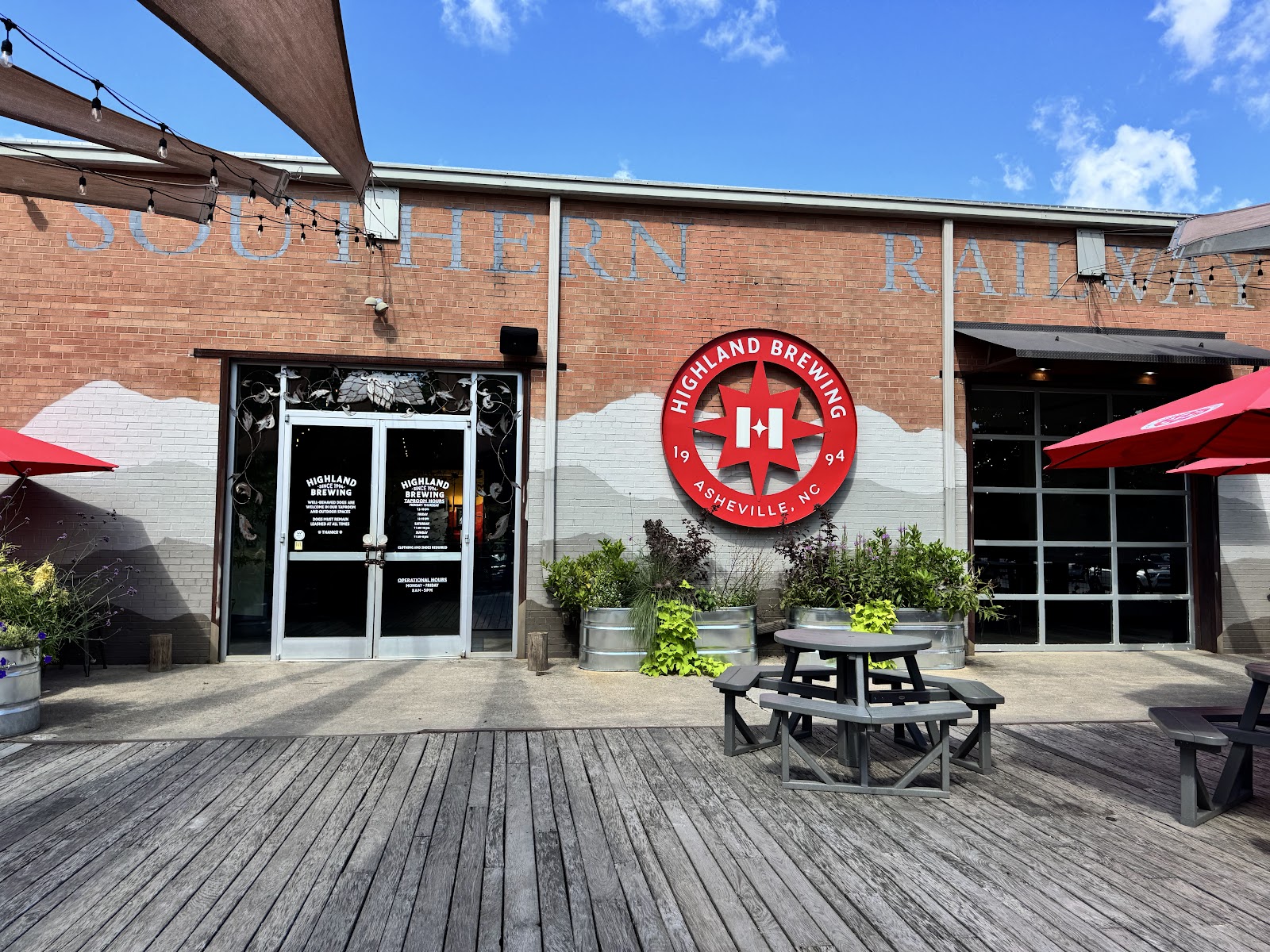
At most brewery venues the meadow, lawn or rooftop is where the good photographs happen, and Highland’s outdoor space is a genuine asset — open ground with mountain views, which is more than most breweries can offer.
Open ground means the usual outdoor rules apply. Midday sun on an unshaded meadow is harsh, so portraits belong in the last ninety minutes. And because this is the Blue Ridge, ridgelines take the direct sun well before the almanac sunset, so that window is earlier and shorter than a flatland venue’s. Find out the real number for your date.
A rooftop, if accessible, adds elevation and a horizon, and it is the best place for the twenty minutes after sunset when the sky holds colour and any installed lighting comes up. Ask about it specifically.
One practical caution: a working brewery is a working site. There will be delivery vehicles, pallets, equipment and staff going about their jobs, and a beautiful frame may have a forklift in it. Scout the backgrounds rather than assuming, and be prepared to work tighter than you would at a purpose-built venue.
What works in your favour
- Rows of stainless tanks under soft light are among the strongest industrial frames available
- Open meadow and lawn with mountain views — more outdoor space than most breweries
- A rooftop, if accessible, adds elevation and a post-sunset frame
- Sealed concrete floors reflect installed lighting and give a second image low down
- Genuine local character: Asheville’s first brewery, which means something in this city
What to plan around
- Polished steel acts as a curved mirror — bare flash produces distorted hotspots
- Industrial high-bay lighting is overhead, poor in colour rendering and mixed between fixtures
- Concrete, steel and painted block make bounce flash unavailable
- Blue Ridge ridgelines take the outdoor light early, shortening the golden window
- A working site: vehicles, pallets and equipment in backgrounds
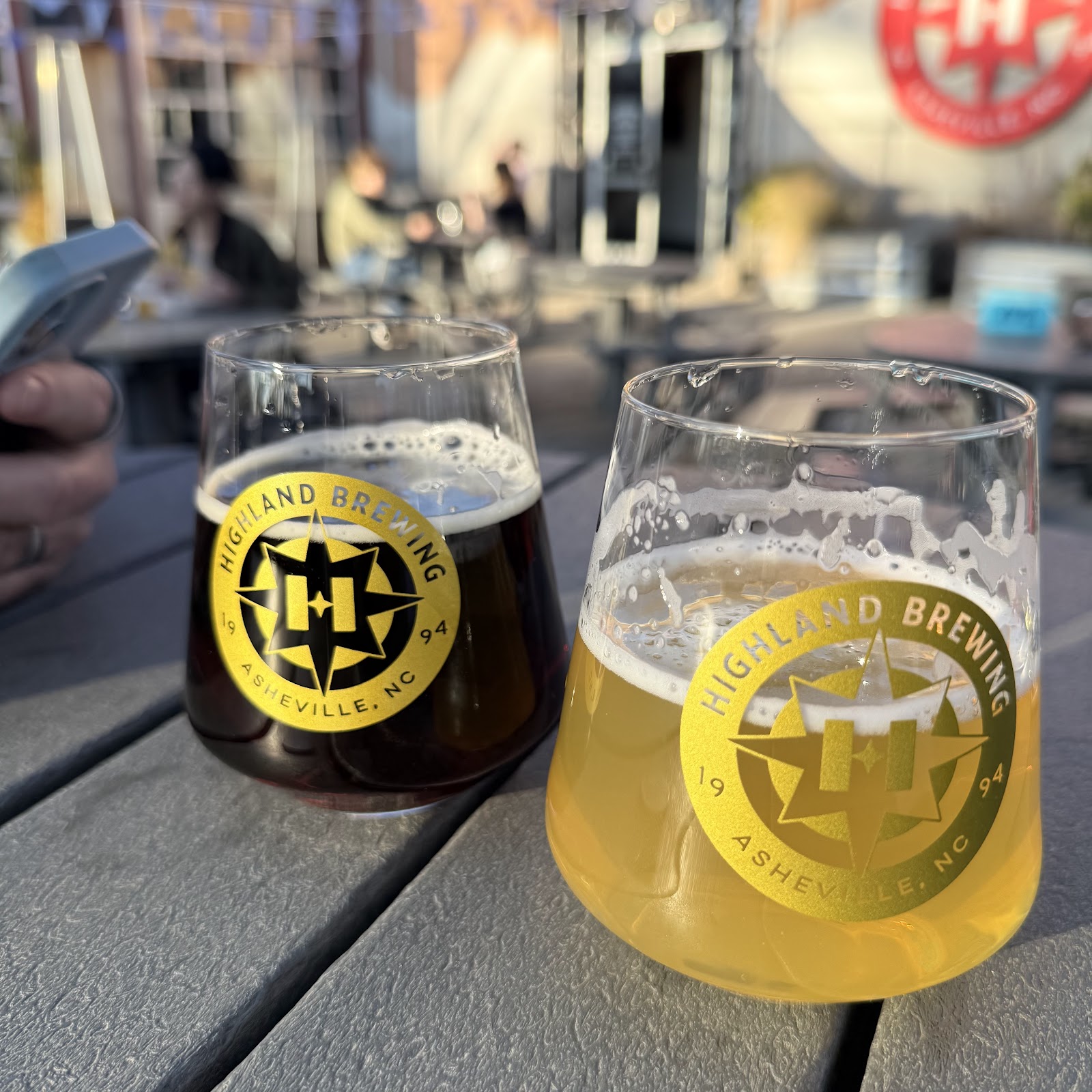
More frames from Highland Brewing Company
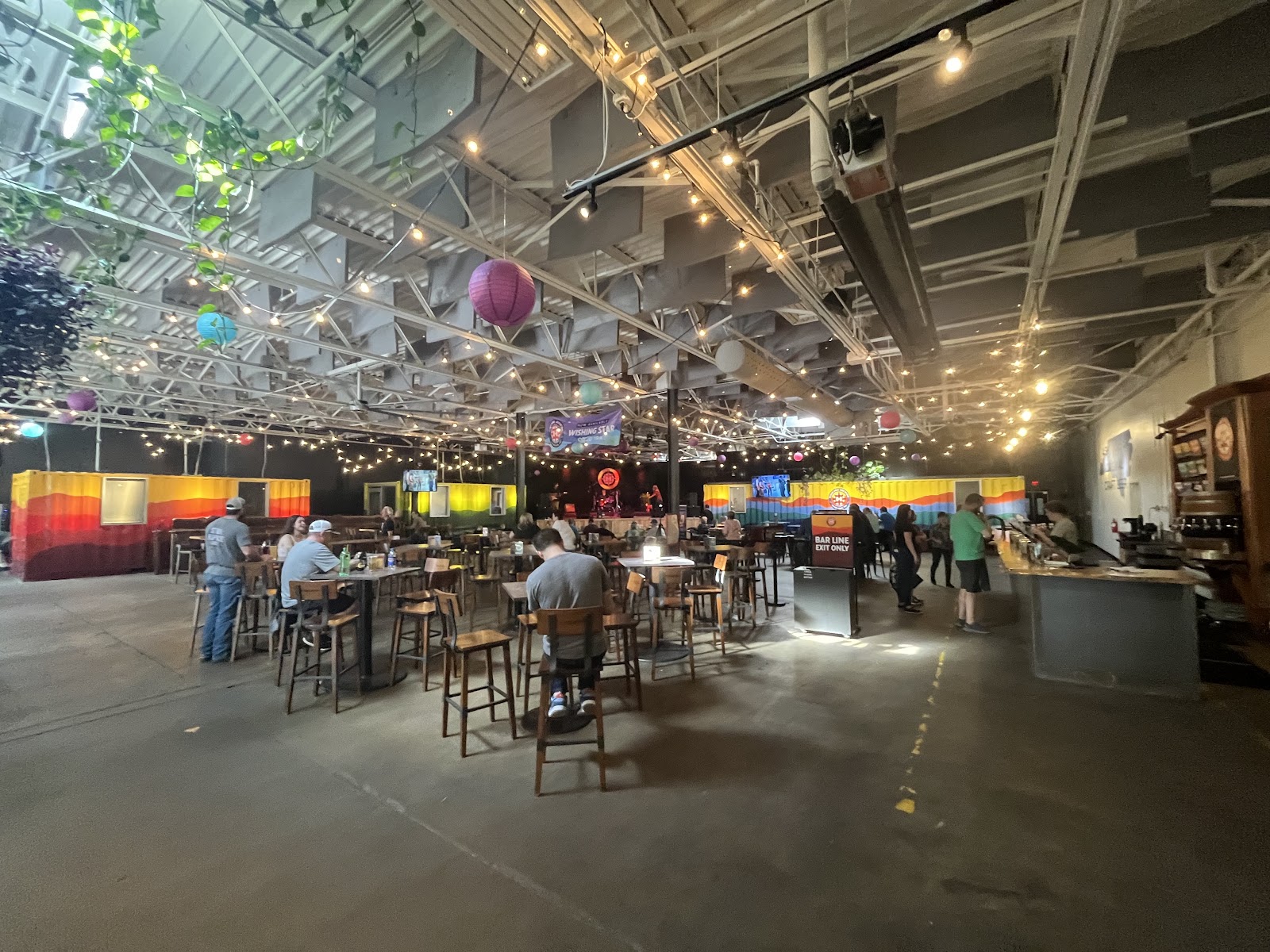
Highland Brewing Company wedding photography: common questions
How do you photograph stainless steel tanks?
With a large light source, kept well off the camera axis. Polished steel behaves like a curved mirror, so a bare flash produces distorted specular hotspots. A big modifier gives a broad soft sheen running down the curve, which describes the vessel’s shape. Shoot obliquely so the reflection shows the room rather than you.
Why is brewery lighting so difficult?
Because production spaces are lit for work, not for faces. High-bay fixtures hang a long way up, so the light comes from directly overhead and shadows eye sockets, and industrial fixtures have poor colour rendering with casts that vary between units. No single white balance is correct, so you light faces yourself and treat the house lighting as background.
Can you bounce flash in the building?
No. The ceilings are high and the surfaces are concrete, steel and painted block, all poor reflectors. Everything is direct and modified from stands. Sealed concrete floors do reflect a little light back upward, which is worth using for one low-angle frame.
Where do the best photographs happen?
Outside, as at most brewery venues. The meadow and lawn have mountain views, and if there is rooftop access it adds elevation and a post-sunset frame. Just remember that Blue Ridge ridgelines take the direct sun well before the almanac sunset, so the golden window is earlier and shorter than you would plan for.
What should we expect from a working site?
Vehicles, pallets, equipment and staff at work. A beautiful frame may have a forklift in it, so scout backgrounds rather than assuming, and expect to work tighter than at a purpose-built venue. Ask in advance whether production is running on your date.
More Asheville venue guides
We are writing a photographer’s guide to every venue we would happily shoot in Asheville. Here are three more, plus the full index:
- New Belgium Brewing Asheville: Building the Shot List
- The Omni Grove Park Inn: A Walk-Through of a 1913 Boulder Hotel
- The Pines at Creston: A Photographer Answers Your Questions
All Asheville Wedding Venues →
Planning a wedding at Highland Brewing Company?
Breweries are a lighting job and an outdoor job at the same time. Tell us your date and what your booking includes, and we will plan the tanks, the meadow and the real ridgeline time for that week.