 The Venue, Asheville: A Season-by-Season Guide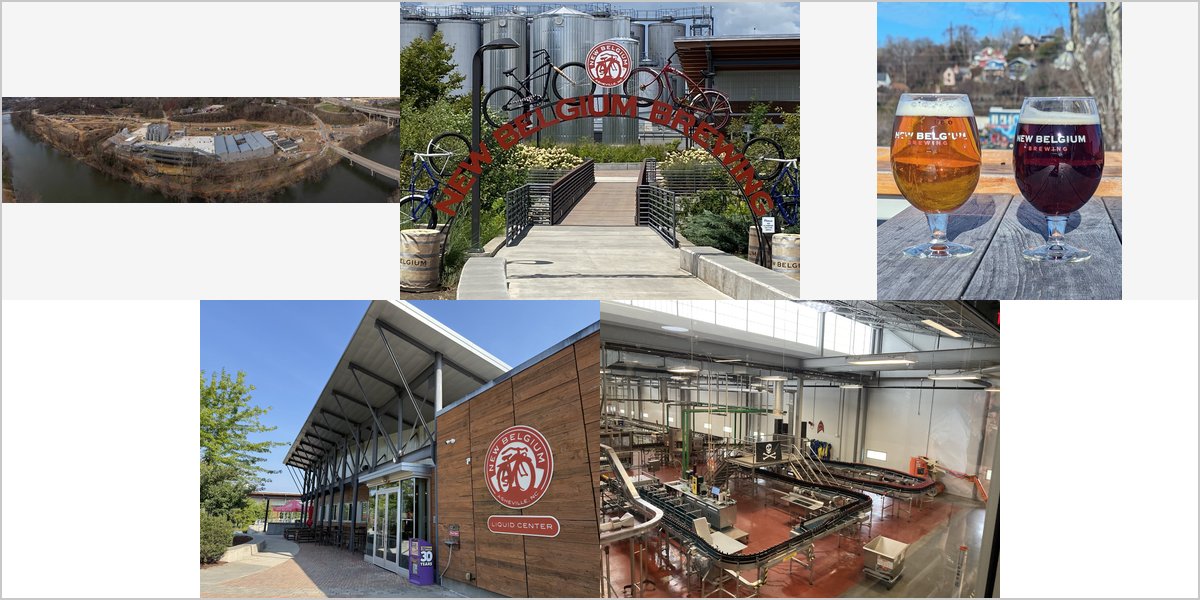
June 8, 2026
New Belgium Brewing Asheville: Building the Shot List
A brewery on a river in an arts district. Three environments, three different problems, and a shot list that uses each for what it is good at.
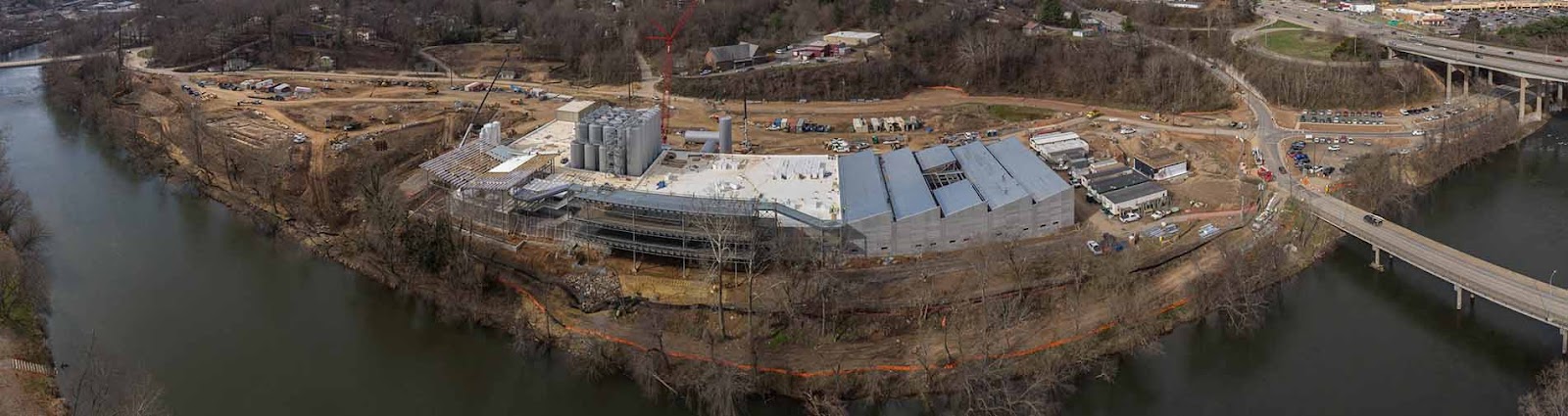
New Belgium’s Asheville brewery sits on the French Broad River in the River Arts District, a purpose-built modern facility with production areas, event and taproom space, and frontage onto the river and its greenway. The River Arts District around it is a converted industrial quarter full of studios, murals and old warehouse buildings.
For a photographer that is three quite distinct environments in one place. Modern industrial interiors, which are clean-lined, steel-heavy and artificially lit. River frontage, which gives water, open sky and a horizon. And an arts district, which supplies murals, brick and texture within a short walk.
This guide is a shot list because three environments with different conditions is exactly the situation where a plan beats improvisation. We have not photographed a wedding here; steel, water and industrial districts behave predictably. Which spaces your booking includes, production access and rigging and power are for their events team.
New Belgium Brewing at a glance
| Where | French Broad River, River Arts District, Asheville, North Carolina |
| Character | Modern purpose-built brewery with event space and river frontage |
| Environments | Industrial interior, riverside open ground, and the arts district beyond |
| Light | Artificial and steel-reflective inside; open sky and water outside |
| Ask first | Production access, outdoor area exclusivity, rigging and power |
Work out which environment does which job
This is the planning decision that matters. Each of the three environments is good at something specific and poor at everything else, and a gallery that uses each for its strength will look varied while one that stays in a single space will not.
The industrial interior is for drama and texture: steel, scale, hard lines, and frames that say brewery. It is not for flattering portraiture, because the lighting is overhead and the surfaces are cold. The riverside is for portraits, groups and golden hour, because it has open sky, water bouncing light upward, and a horizon. The arts district is for variety — murals, brick, texture, and frames that look nothing like the other two.
Assign them accordingly rather than trying to make each do everything, and the shot list writes itself.
The shot list, by environment
Six frames, two from each environment.
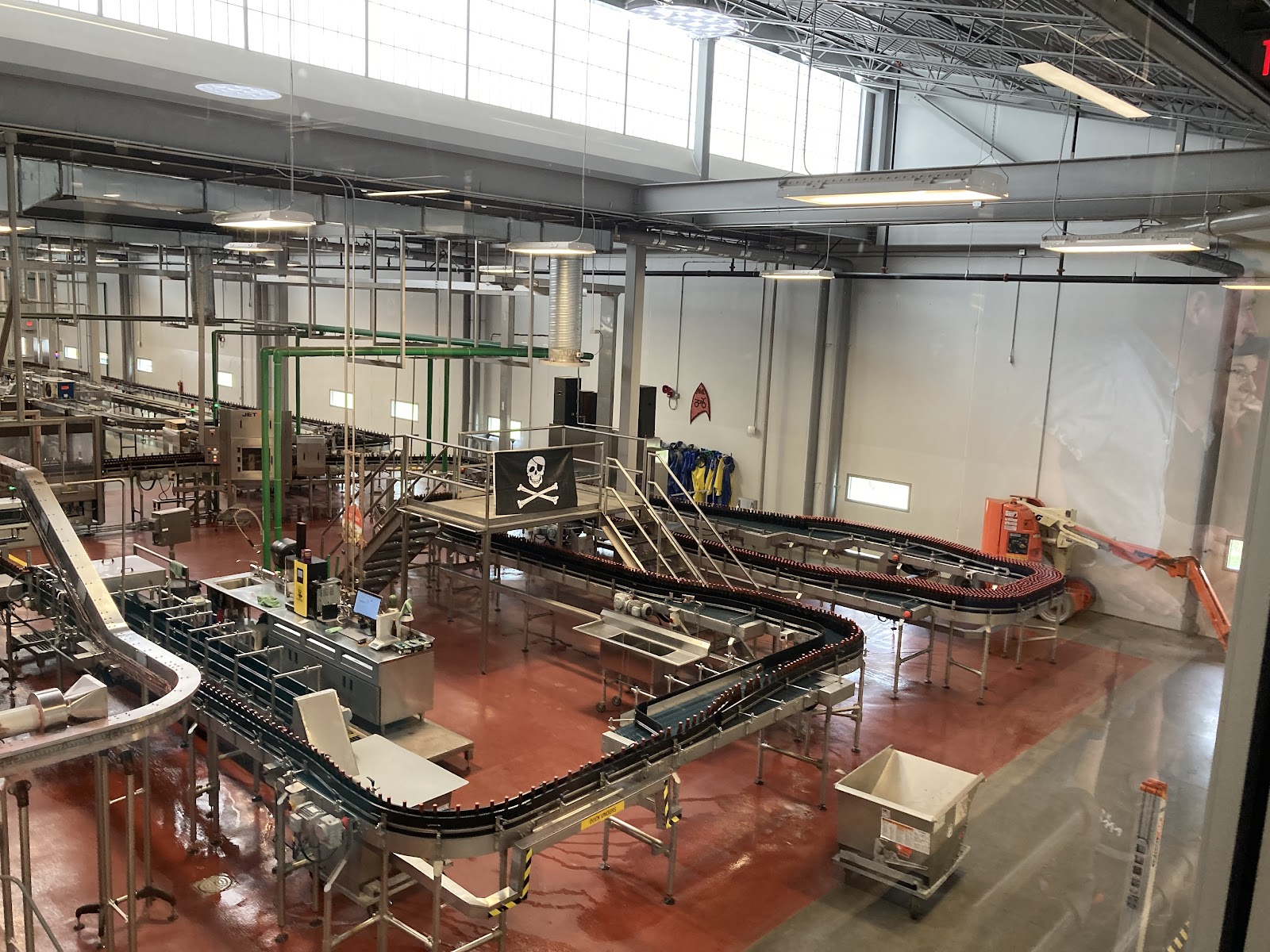
- Tanks under soft light. A large modifier well off axis gives a broad sheen down each stainless curve. Shot obliquely so the reflection shows the room, not the photographer.
- Industrial scale, wide. High ceiling, hard lines, couple small in frame. This is the frame that states the venue type.
- Riverside portrait at golden hour. Water bouncing light upward fills shadows under brows — the most flattering light on the property.
- The group on open ground by the river. Room to arrange people properly and a clean sky behind, which the interior cannot provide.
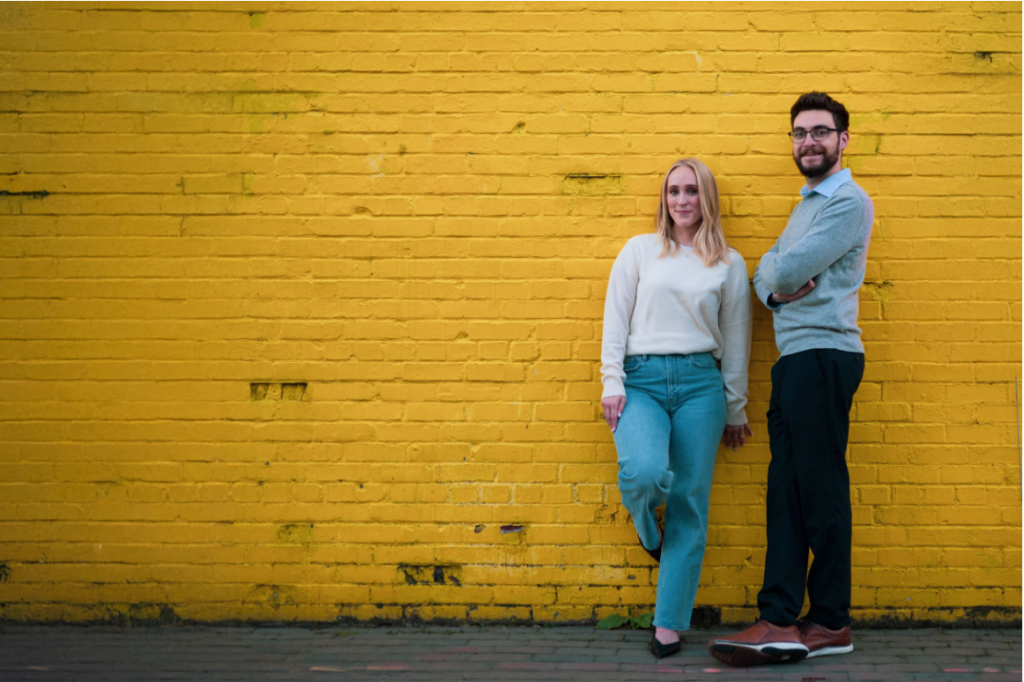
- A mural or brick wall in the arts district. Colour, texture and a completely different visual register within a short walk.
- The river at dusk. Twenty minutes after sunset with water holding the last sky colour and any installed lighting coming up.
Two technical notes: steel and water
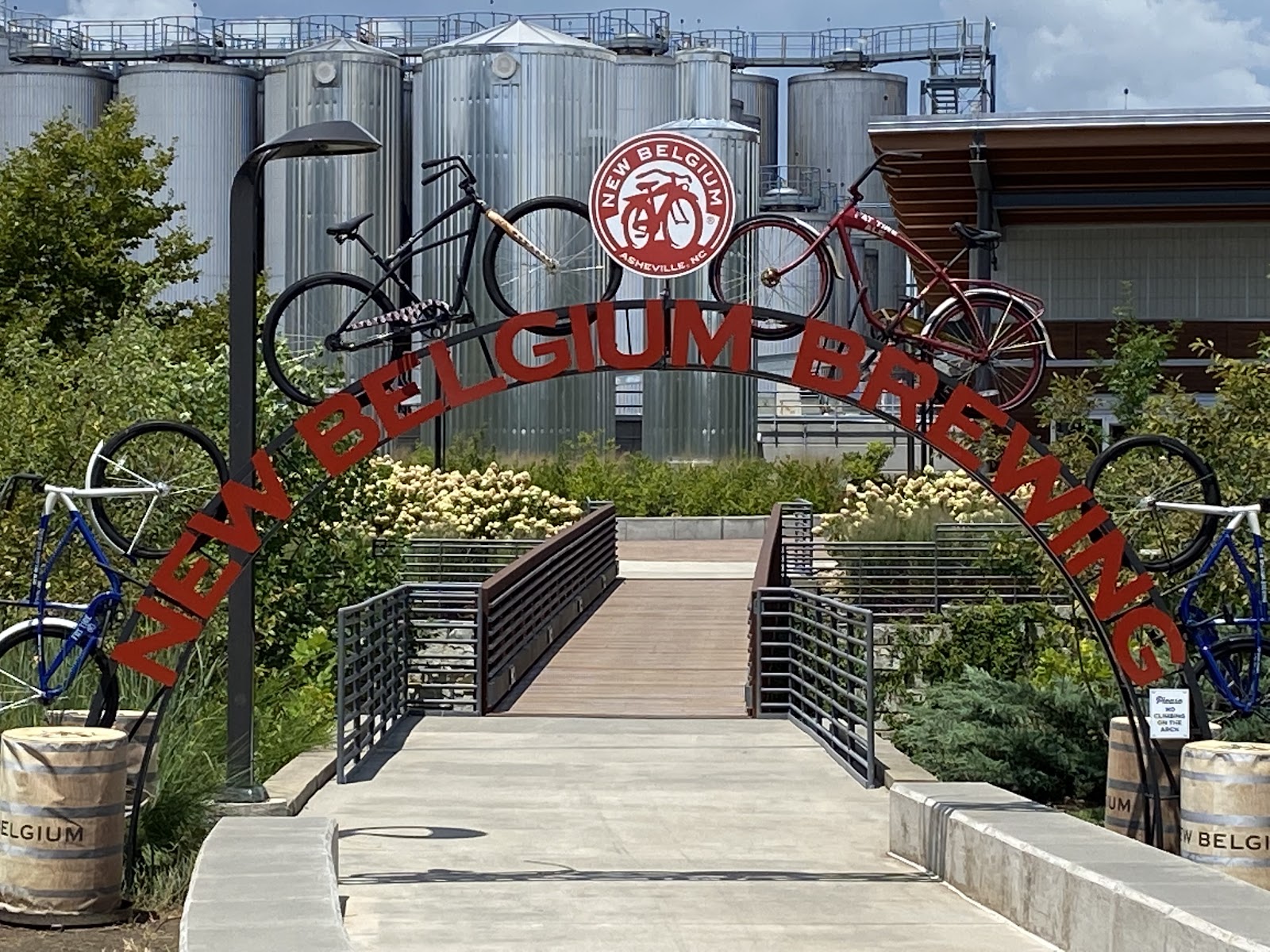
Stainless brewing vessels are curved mirrors. A bare flash produces distorted specular hotspots that pull the eye; a large modifier produces a broad soft sheen that describes the shape of the tank and looks excellent. Keep the light well off the camera axis so its reflection is not behind your subject, and check frame edges for your own stand.
Water does the opposite favour. A river reflects light upward, which fills shadows under brows and chins — the reverse of the top-down problem that afflicts atriums and industrial interiors. On a bright day the French Broad is effectively a large low reflector, and faces on the riverbank are lit noticeably better than faces fifty metres inland.
That contrast is worth exploiting deliberately: move outside for anything where the light on faces matters, and stay inside for anything where texture and scale matter. The two environments are almost perfectly complementary.
One further point about working between the two: the colour temperatures are a long way apart. Industrial interiors run warm or green depending on the fixtures, while riverside daylight is cool and gets cooler as the sun drops. Moving between them without resetting white balance produces a set of frames that do not sit together, and a gallery that jumps between orange and blue reads as careless even when each individual frame is fine. Set it deliberately in each environment and keep the two groups internally consistent.
Mountain light, river orientation and practical cautions
The Blue Ridge rule applies here as everywhere in Asheville: ridgelines to the west take the direct sun well before the published sunset, so the golden window on the riverside arrives earlier and closes earlier than a flatland timeline assumes. Find out the real number for your date, because on open riverside ground that is the difference between warm raking light and flat grey.
Ask which way the river frontage faces. The French Broad runs broadly north through Asheville, so the frontage orientation determines whether the low sun crosses the water or comes down it, and that changes which bank and which direction gives you the good frames.
Practical cautions: a riverside site is exposed and often breezy, which limits modifiers outdoors. The River Arts District is a working quarter with traffic, parked cars and industrial clutter, so backgrounds need scouting rather than assuming. And a purpose-built modern brewery may have less of the weathered character couples expect from a brewery venue — the frames here are clean and contemporary rather than rustic, which suits some couples and not others.
Finally, ask about production access. A brewery wedding without any frames among the tanks is just a modern event space with a river view, and the tanks are what make it a brewery.
What works in your favour
- Three genuinely different environments — industrial, riverside and arts district — within a short walk
- The river reflects light upward, filling shadows and flattering faces on the bank
- Open riverside ground gives room for groups and a clean sky background
- Murals and brick in the River Arts District supply a completely different visual register
- Modern facilities mean fewer of the logistical problems of a converted building
What to plan around
- Stainless steel acts as a curved mirror — large modifiers only, kept off axis
- Industrial interiors are overhead-lit and cold; poor for flattering portraiture
- Blue Ridge ridgelines close the riverside golden window early
- An exposed breezy riverside limits light modifiers outdoors
- Purpose-built and contemporary rather than rustic — confirm that suits your taste
More frames from New Belgium Brewing
New Belgium Brewing wedding photography: common questions
How do you photograph the brewing tanks?
With a large modifier kept well off the camera axis, shot obliquely rather than square-on. Polished stainless is a curved mirror, so a bare flash gives distorted hotspots while a big soft source gives a broad sheen down the curve that describes the vessel’s shape.
Where is the best light for portraits?
The riverside. Water reflects light upward, which fills shadows under brows and chins — the reverse of the overhead problem inside the brewery. Faces on the riverbank are lit noticeably better than faces fifty metres inland, so move outside whenever the light on faces is what matters.
When does the riverside golden hour happen?
Earlier than the almanac says, because Blue Ridge ridgelines to the west act as a false horizon. On open riverside ground that difference decides whether you get warm raking light or flat grey, so find out the real ridgeline time for your date rather than trusting a sunset app.
Is it a rustic brewery venue?
No — it is purpose-built and contemporary, so the frames are clean and modern rather than weathered. That suits some couples very well and disappoints others who pictured old timber and brick. Worth knowing before booking, because it is the venue’s character rather than a fixable detail.
What should we confirm first?
Production access. A brewery wedding with no frames among the tanks is really a modern event space with a river view, and the tanks are what make it a brewery. After that, ask about outdoor area exclusivity, rigging points and available power.
More Asheville venue guides
We are writing a photographer’s guide to every venue we would happily shoot in Asheville. Here are three more, plus the full index:
- The Omni Grove Park Inn: A Walk-Through of a 1913 Boulder Hotel
- The Pines at Creston: A Photographer Answers Your Questions
- The Smith-McDowell House: Who This Venue Suits
All Asheville Wedding Venues →
Planning a wedding at New Belgium Brewing?
Three environments, each good at one thing. Tell us your date and what your booking includes, and we will assign the interiors, the river and the arts district to the jobs they actually suit.