 The Venue, Asheville: A Season-by-Season Guide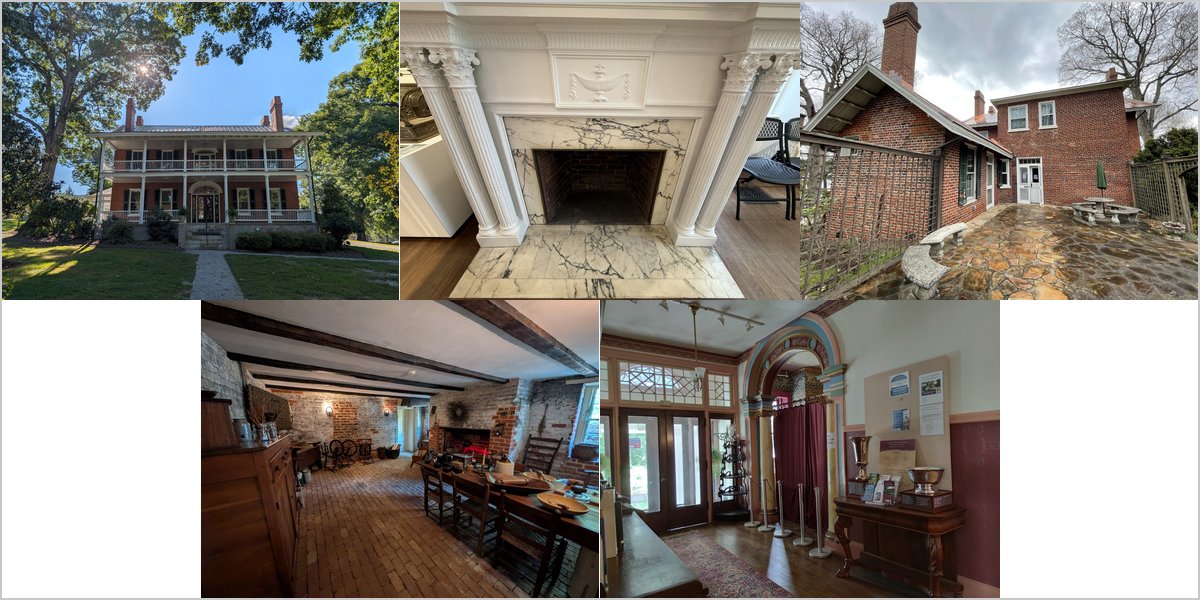
May 25, 2026
The Smith-McDowell House: Who This Venue Suits
Asheville’s oldest house, on a hill with mountain views. Small rooms, real age, and a lawn that does the heavy lifting.
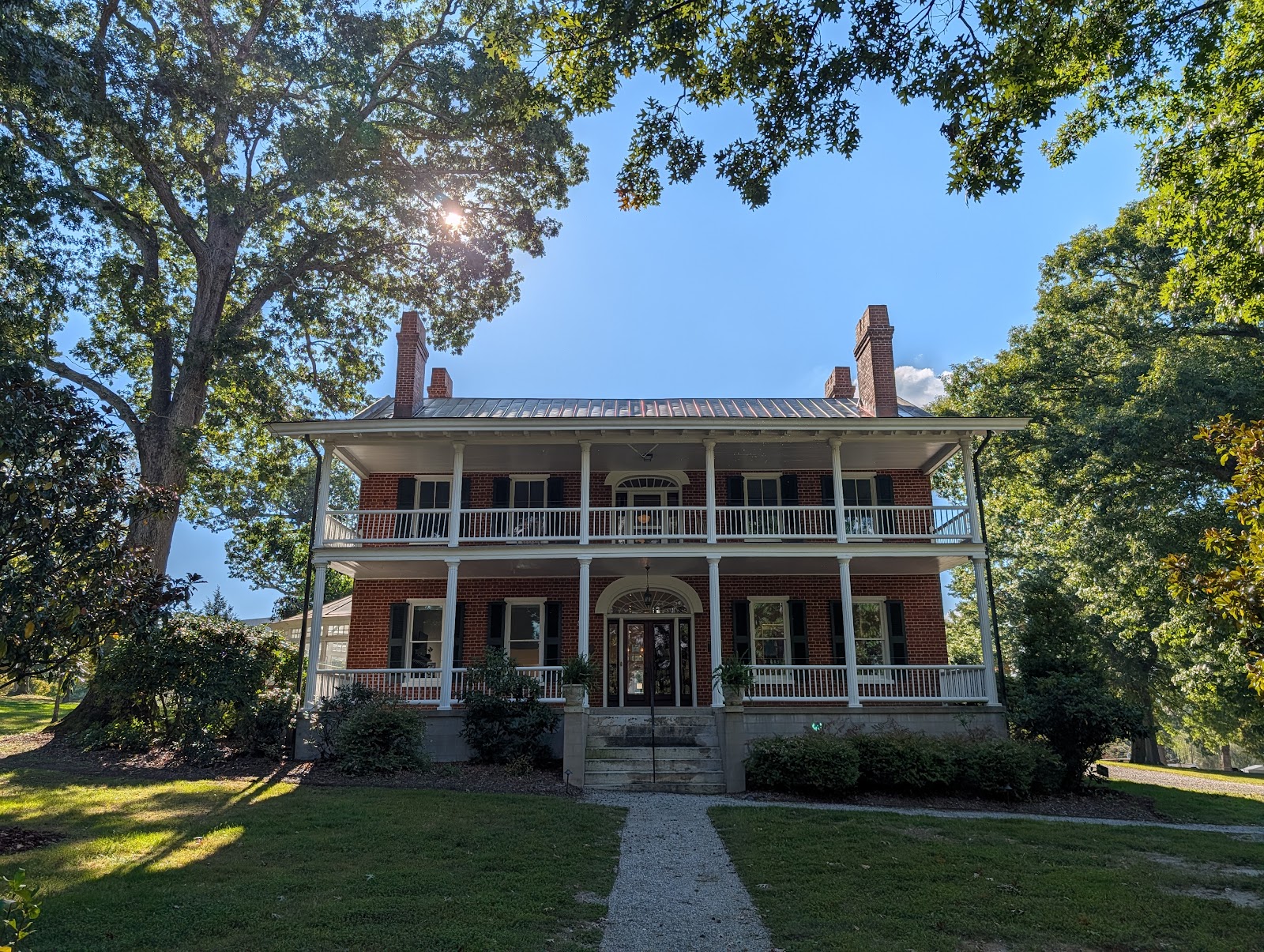
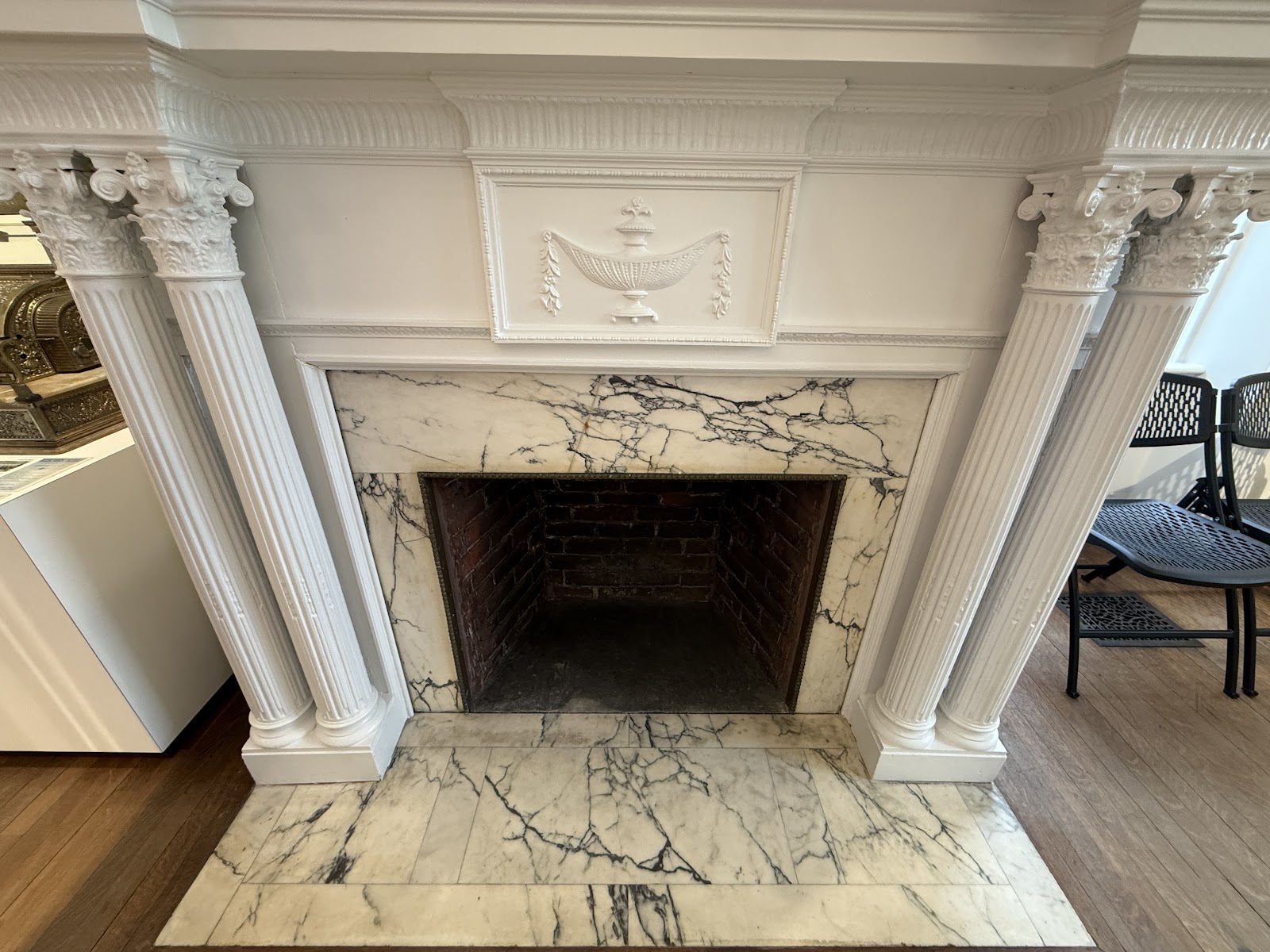
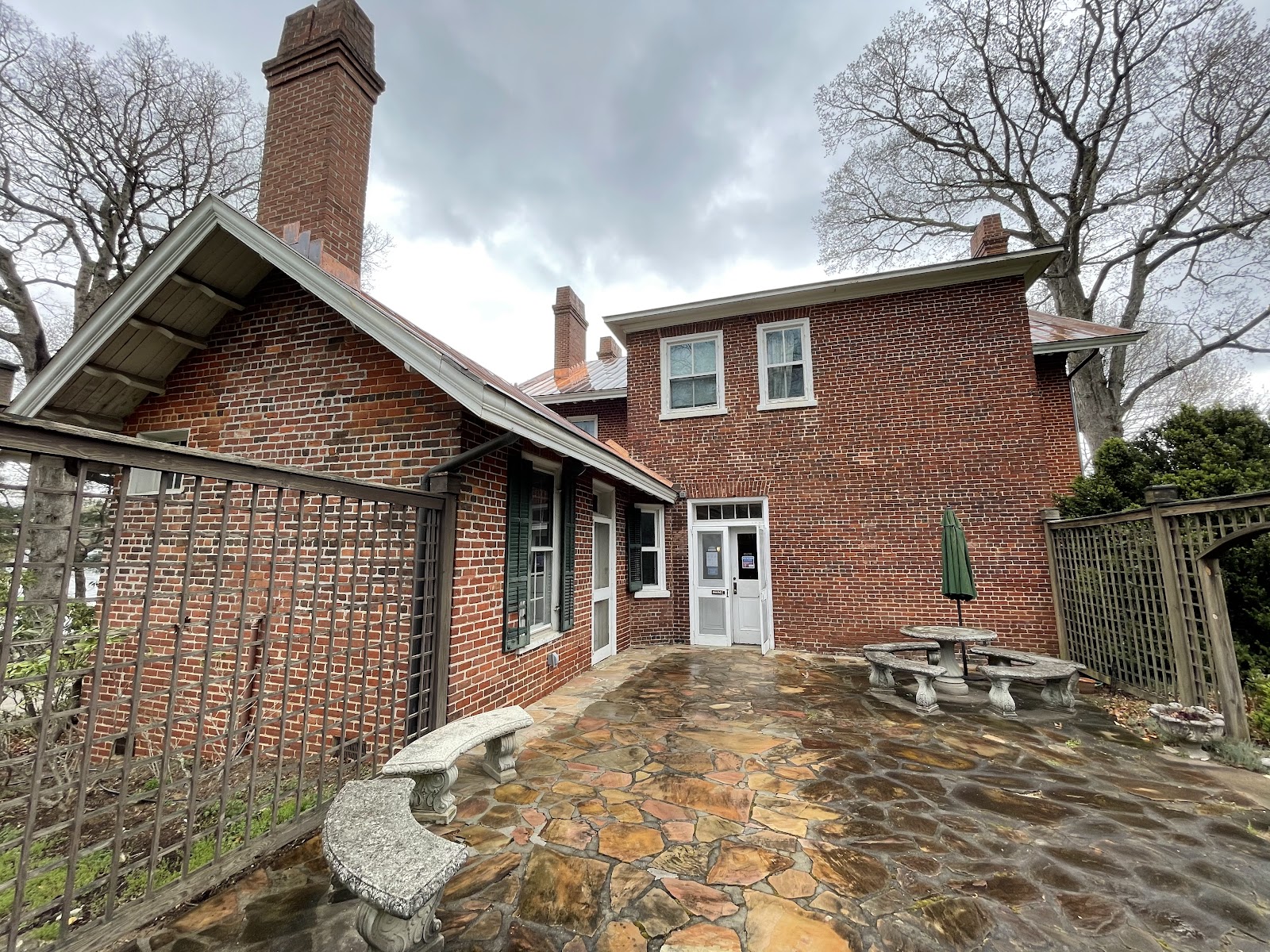
The Smith-McDowell House was built around 1840 and is the oldest surviving house in Asheville, a brick building of four levels set on a hill with grounds later influenced by Frederick Law Olmsted’s office. It operates as a house museum with event use, and the site looks out toward the surrounding mountains.
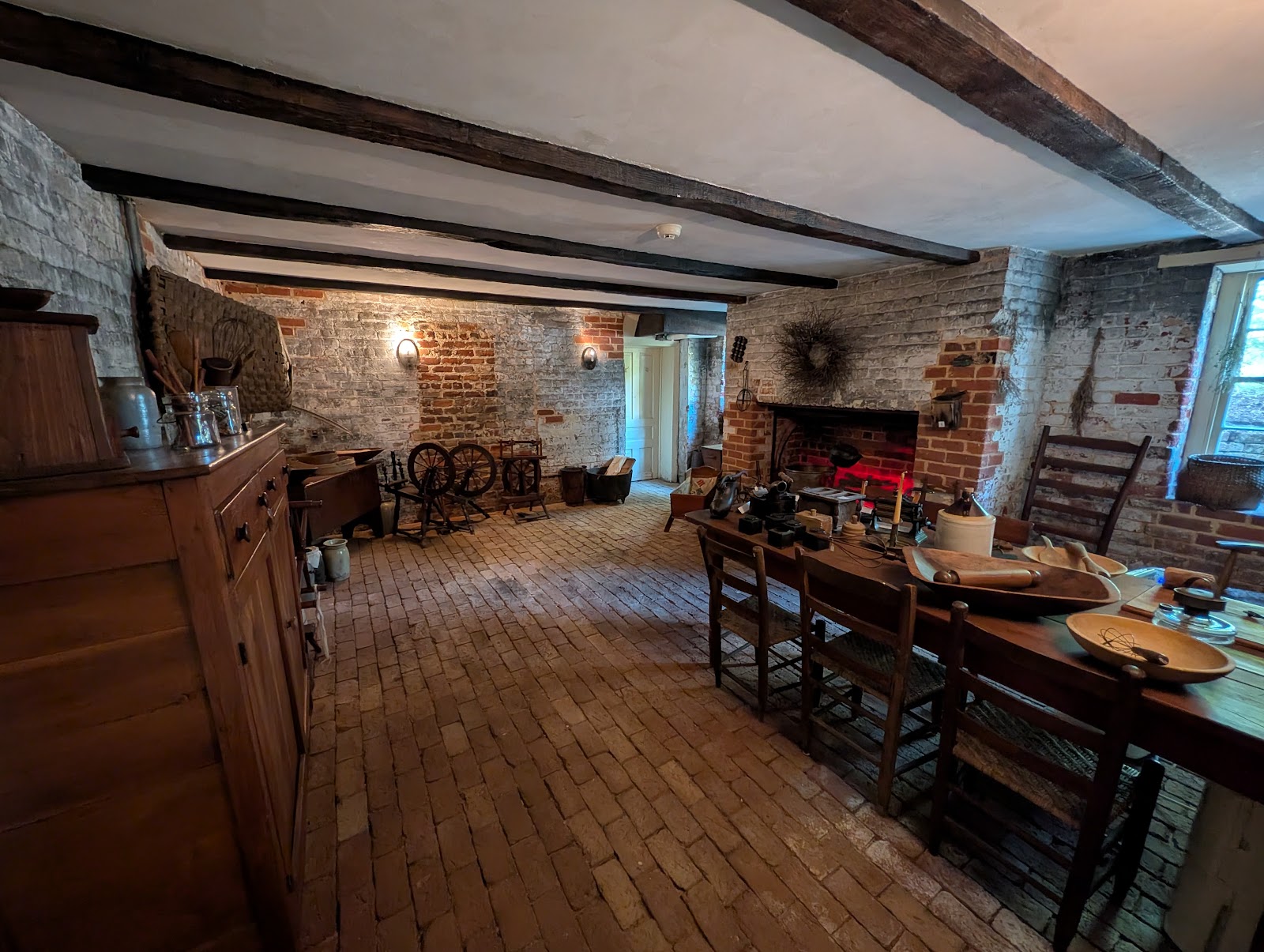
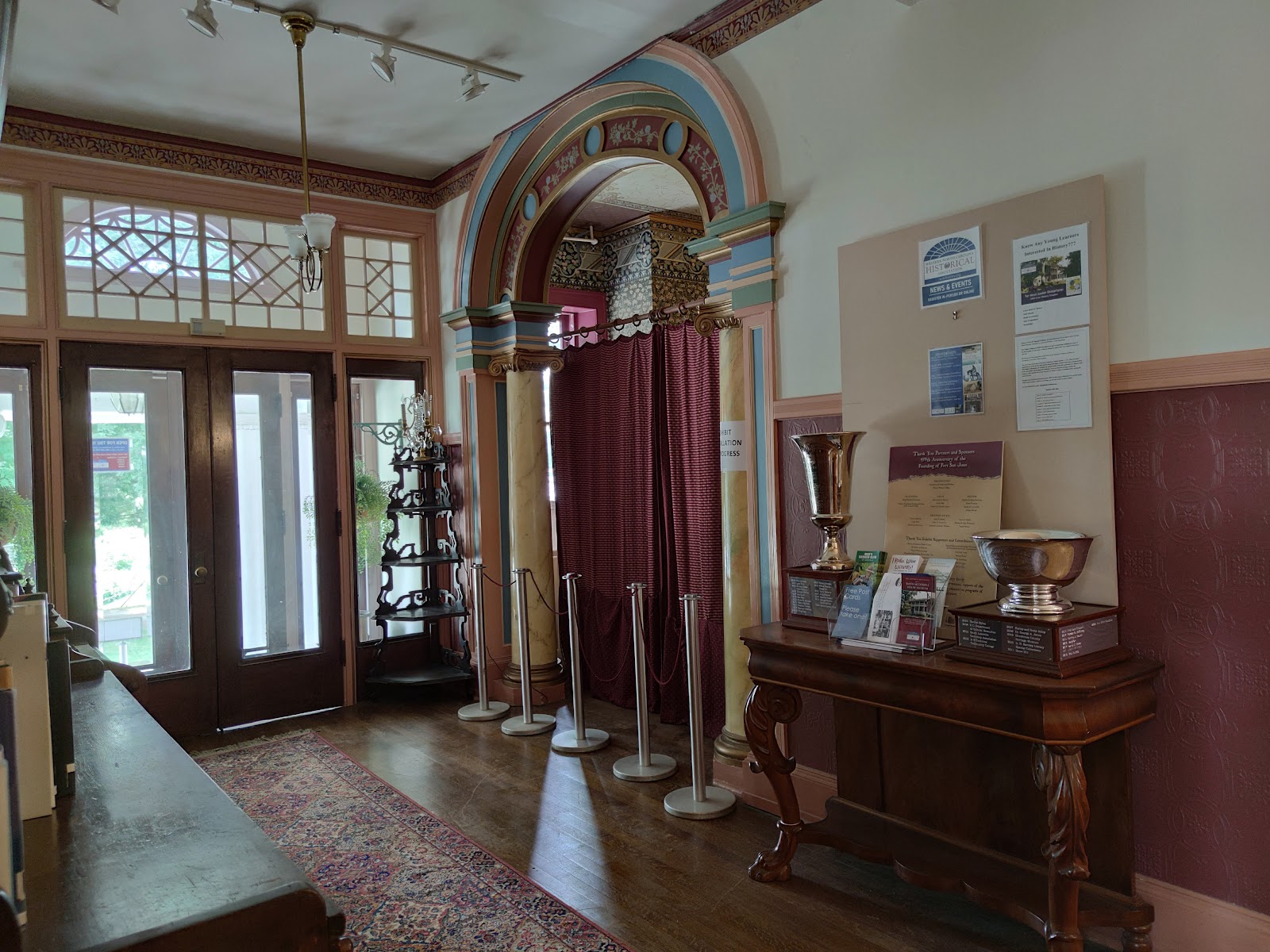
Photographically it is a familiar type handled well: a mid-nineteenth-century brick house with domestic room sizes, warm dark interiors, and grounds that provide the outdoor work. What distinguishes it is elevation — being on a hill gives the terrace and lawn a genuine view, which most historic-house venues cannot offer.
This is a fit assessment. We have not photographed a wedding at the Smith-McDowell House. Brick interiors and hillside sightlines behave predictably; capacity, which rooms are used and the museum’s conservation limits are for their team, and at a house museum of this age those limits will be real.
Smith-McDowell House at a glance
| Where | On a hill in Asheville, North Carolina, near the A-B Tech campus |
| Built | Around 1840 — the oldest surviving house in Asheville |
| Character | Four-level brick house museum; grounds influenced by Olmsted’s office |
| Light | Warm shallow interiors; lawn and terrace with mountain views outside |
| Assume | House-museum conservation limits on flash, stands and access |
What the hill gives you
Elevation is the venue’s real distinguishing asset and it is easy to undervalue. A historic house on flat ground gives you the building and its immediate garden; a historic house on a hill gives you the building, the garden and a view — which means backgrounds with depth, a horizon, and the mountains that make Asheville what it is.
Practically, that means the terrace and lawn are where the strongest frames are. A couple with layered ridgelines receding behind them is a photograph that could only have been taken in this region, and it is available here without travelling anywhere.
The caveat is the standard Blue Ridge one: ridgelines to the west take the direct sun well before the published sunset, so the warm raking light you want on a hillside terrace arrives and departs earlier than a flatland timeline assumes. Find out the real number for your date, because on an elevated west-looking site it is the difference between golden light and flat grey.
There is a second, quieter advantage to a hillside site that only becomes obvious once you have worked on one. Because the ground falls away, you can place a couple on a slope and shoot slightly upward, which puts nothing but sky and distant ridgelines behind them — no cars, no buildings, no other guests. On flat ground achieving that clean background means finding a wall or going long; here the topography does it for you, and it works from several positions rather than only one.
Who this venue suits
Four kinds of couple.
- Smaller weddings, roughly thirty to eighty. The rooms are domestic and the house is genuinely old. At that scale it is charming; beyond it, the interiors cannot cope.
- Couples who want mountains in the photographs without a mountain venue’s logistics. The view is here, in the city, with parking and access that a remote site cannot match.
- Anyone drawn to real age. An 1840 brick house in a region where most venues are twentieth-century is genuinely distinctive.
- Couples happy for the lawn to carry the day. If the plan is outdoor ceremony, outdoor groups, outdoor portraits and indoor dinner, this venue fits it precisely.
Who should look elsewhere
Directly.
- Large guest lists. Past roughly eighty the house becomes a bottleneck, and crowded period rooms produce frames with strangers in every one.
- Couples wanting grandeur. This is a modest brick house, not a chateau. If Biltmore is the reference, this is a different proposition entirely.
- Anyone needing a guaranteed indoor ceremony or group photograph. The rooms are small, so both depend on the weather holding — and Asheville’s weather does not reliably hold.
- Couples who want to light the interiors freely. Assume conservation limits on flash and stands in an 1840 house museum, which means natural light and high ISO indoors.
The practical plan, and the honest weather warning
The working method: portraits on the terrace or lawn in the hour before the ridgeline takes the sun, with the mountains behind. Groups on the lawn while the light is still even. Interior portraits close to a window in the best-lit room, accepting that the rooms go dark quickly beyond that. Detail frames of the period fabric, which cost nothing in access and suit the building.
Brick is a warm mid-tone that sits two to three stops below a white wall, so exterior frames against the house need a little more exposure than instinct and the bounce off it will be warm. Late raking light on brick is excellent — the texture reads and the colour warms — so the establishing frame belongs in that same pre-ridgeline hour.
The weather warning is the substantive one. Mountain weather changes fast, summer afternoon thunderstorms are routine, and a venue whose strength is its lawn is exposed to that. Ask exactly where the ceremony happens in rain, where thirty relatives stand for a group photograph, and whether there is any covered outdoor space. A clear specific answer is a good sign; a vague one means the wet-weather day will be improvised.
For what it is worth, the house itself photographs well in rain. Wet brick darkens and saturates, the grounds go lush, and a nineteenth-century house under a grey mountain sky looks entirely appropriate. It is the logistics rather than the aesthetics that need solving.
What works in your favour
- Elevation gives mountain views — depth and a horizon that flat historic-house venues cannot offer
- Genuine 1840 fabric, unusual in a region of mostly twentieth-century venues
- Lawn and terrace with room for groups and an outdoor ceremony
- Late raking light on brick is excellent and warms the whole frame
- City location, so access and parking are far easier than a remote mountain site
What to plan around
- Domestic room scale — comfortable to roughly eighty guests, a bottleneck beyond
- Ridgelines take the direct sun early, and earlier still matters on a west-looking terrace
- Assume conservation limits on flash and stands in an 1840 house museum
- Interiors are warm and go dark quickly beyond the windows
- Much of the value is outdoors, so the wet-weather plan needs a specific answer
More frames from Smith-McDowell House
Smith-McDowell House wedding photography: common questions
What makes this venue different from other Asheville historic houses?
Elevation. Being on a hill means the terrace and lawn have a genuine mountain view, so backgrounds have depth and a horizon rather than just garden. A couple with layered ridgelines behind them is a frame that could only be taken in this region, and it is available here without travelling out of the city.
How many guests does it suit?
Roughly thirty to eighty. The rooms are domestic and the house is genuinely old, so beyond about eighty it becomes a bottleneck — which shows up as strangers in every frame and nowhere clean to place a group. Confirm the permitted capacity, but the flattering number is lower.
When does the light go?
Earlier than the almanac says, because Blue Ridge ridgelines to the west act as a false horizon. On an elevated west-looking terrace that matters even more, since the difference between warm raking light and flat grey can be twenty minutes. Find out the real ridgeline time for your date.
Can we light the interiors?
Assume not freely. An 1840 house museum will have conservation limits on flash and stands, which means natural light and high ISO indoors. Work close to a window in the best-lit room and let the depth of the room fall away, and shoot the period fabric as detail frames.
What should the rain plan cover?
Three things specifically: where the ceremony happens, where a thirty-person group photograph happens, and whether there is any covered outdoor space. A clear specific answer is a good sign. The house itself photographs well in rain — wet brick saturates — so it is the logistics rather than the look that need solving.
More Asheville venue guides
We are writing a photographer’s guide to every venue we would happily shoot in Asheville. Here are three more, plus the full index:
- The Foundry Hotel: Reading the Light in a Converted Steel Works
- The Venue, Asheville: A Season-by-Season Guide
- Thomas Wolfe Auditorium: The Technical Side of a Civic Theatre
All Asheville Wedding Venues →
Planning a wedding at Smith-McDowell House?
A historic house with a mountain view is a good combination if your numbers fit it. Tell us your date and guest count and we will give you the real ridgeline time and an honest read on the scale.