Two facts govern photography in Taos and neither is about any particular building. The first is the altitude: the town sits at close to seven thousand feet, where there is roughly a quarter less atmosphere overhead to scatter sunlight. Direct sun is therefore harder than almost anywhere, shadows go deeper and sharper, the sky is a markedly deeper blue, and the ratio between a lit and an unlit surface exceeds what any sensor holds by a wider margin than at sea level. A face half in sun is beyond rescue here in a way it is merely difficult lower down.
The second fact is adobe, which is as it happens an almost ideal photographic material: hand-finished earthen walls have rounded rather than sharp edges, so light wraps around a corner as a gradient instead of stopping at it; the surface is warm and mid-toned, which bounces a gentle fill onto anything nearby; and walls two or three feet thick give deep window reveals that shade the glass and restrict the light to a narrow directional band. Between them, altitude creates the problem and adobe architecture supplies the answer.
Three more local conditions matter. The Sangre de Cristo mountains stand immediately east of the town, which means they are frontlit at sunrise and then — after the sun has left the valley floor entirely — their west faces light up strongly red for a few minutes, which is what the range is named for. It happens after most photographers have stopped, and it also means the golden hour on the ground is earlier and shorter than any sunset table suggests.
The monsoon, from roughly July into September, builds enormous cumulus towers over the mountains in the afternoons, and those clouds are the only reliable diffusion this climate offers — the best light of the year comes with a genuine lightning hazard attached, which is why a named alternative is a requirement rather than a courtesy. And the diurnal swing is larger than people expect: thin dry air holds very little heat, so the temperature can drop twenty degrees Celsius between afternoon and evening, which means a party comfortable at four o'clock is cold at eight.
Winter is quietly excellent, because a December sun at about thirty degrees makes the whole short day raking light and keeps every courtyard usable. The guides below take each venue on its own terms.
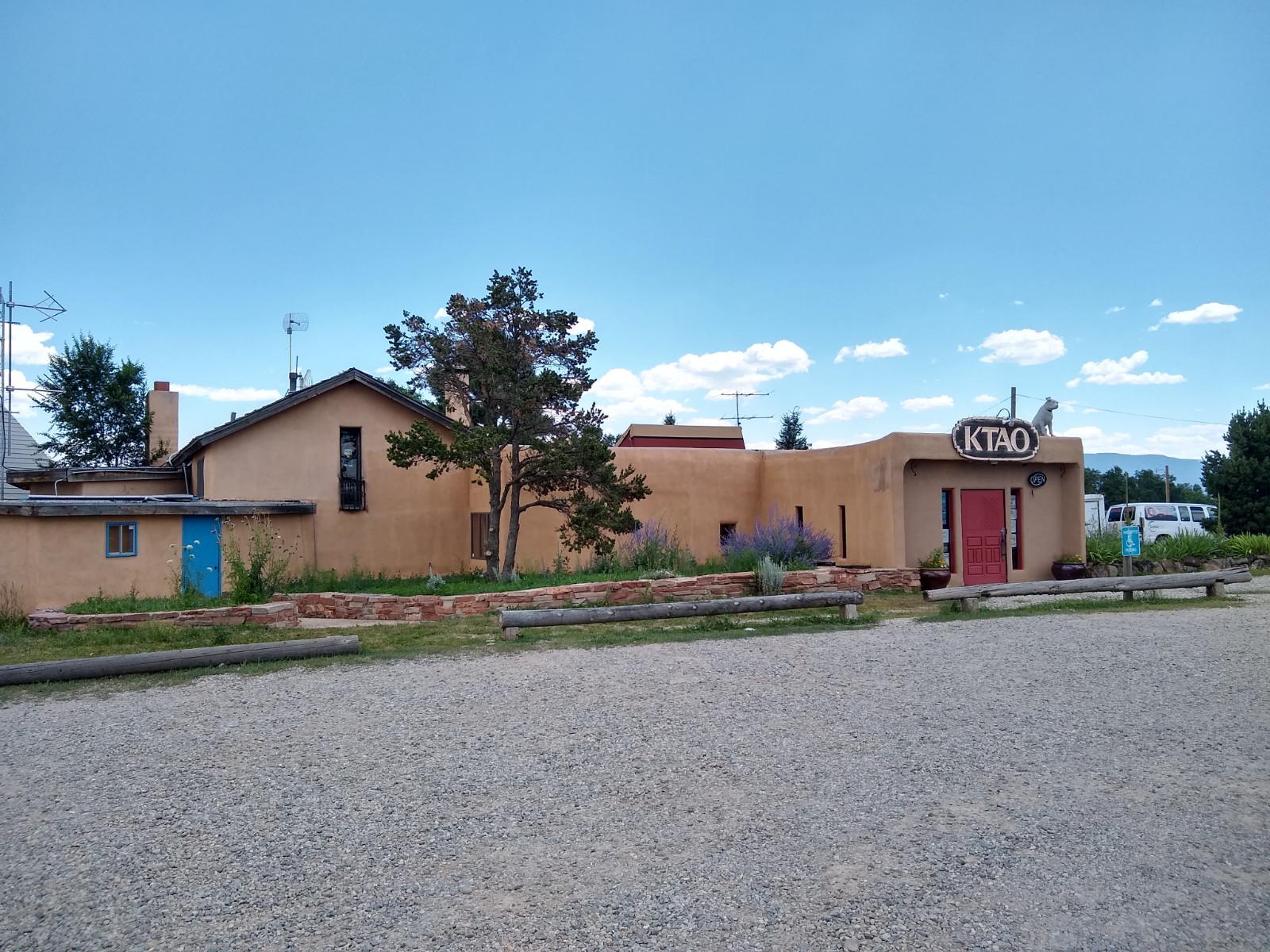
The Solar Center, Taos: The Problem, and Four Ways Out
A passive solar Taos building whose glazing faces the sun by design — and four ways to work with that.
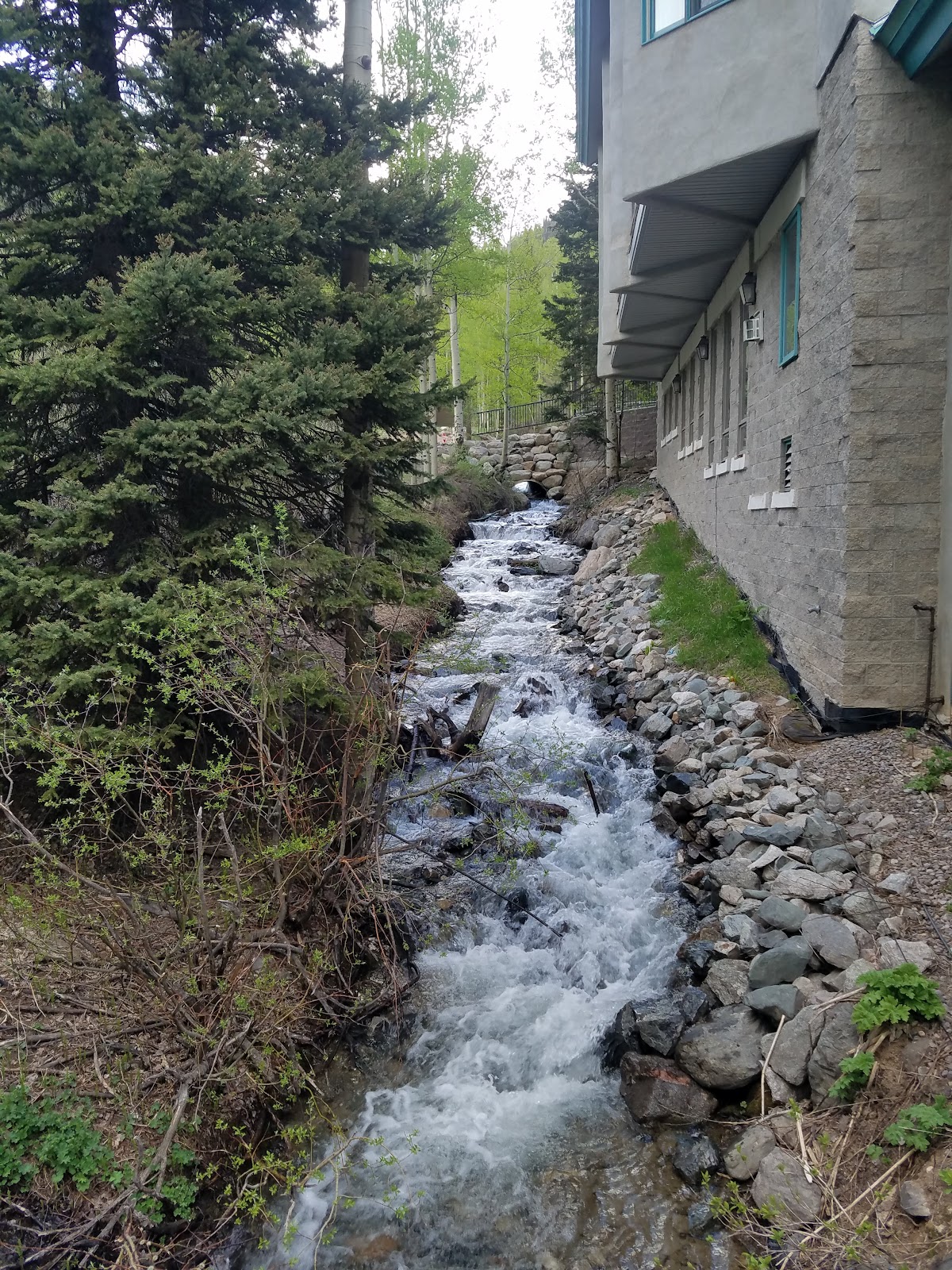
Taos Ski Valley, New Mexico: One Frame, and How It Is Made
A high alpine valley above Taos — and the one frame a steep-sided mountain site gives.
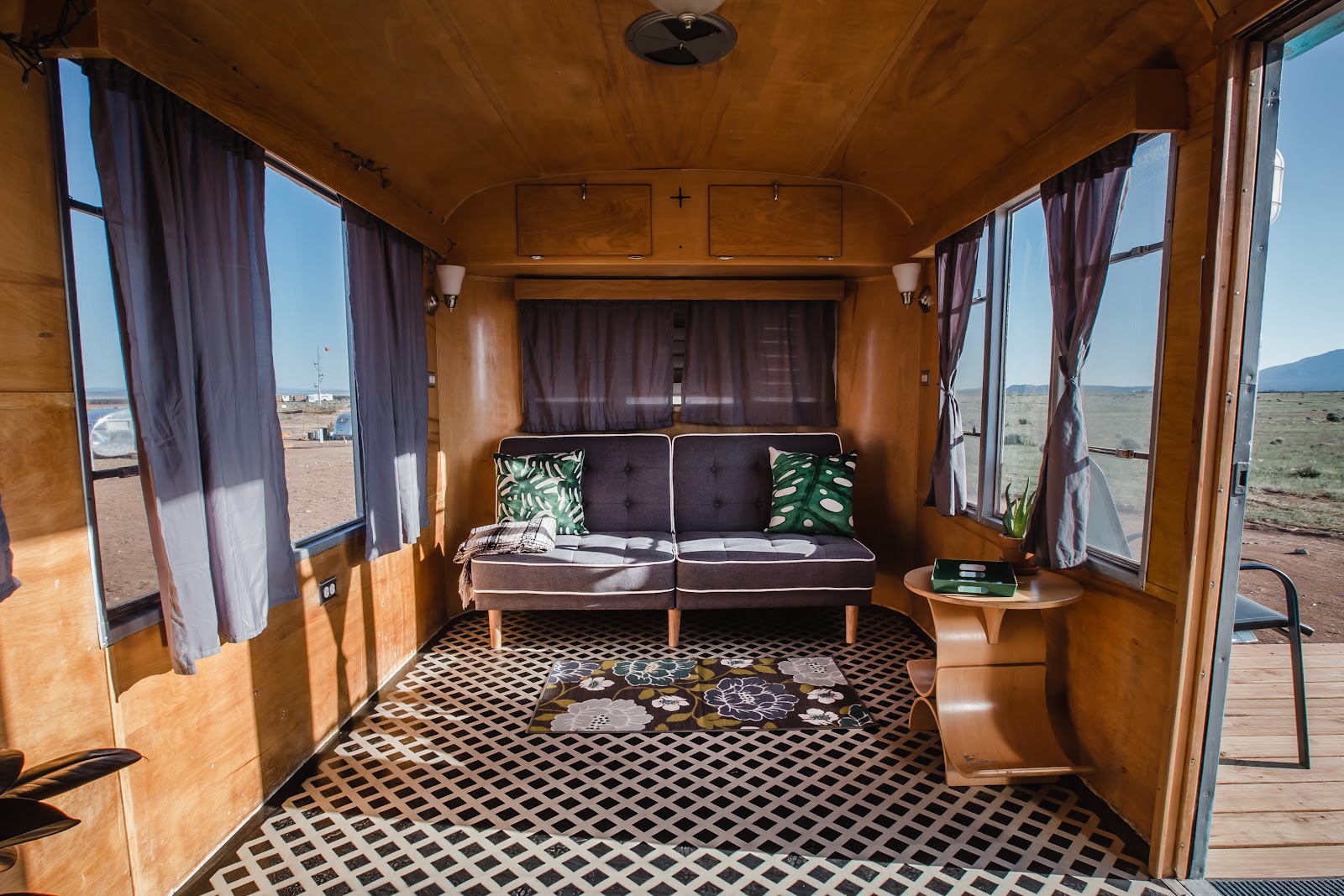
The Hotel Luna Mystica, Taos: What It Suits, and What It Does Not
An open mesa site outside Taos with enormous sky and no shade — extraordinary at the right hours, hostile at the wrong ones.
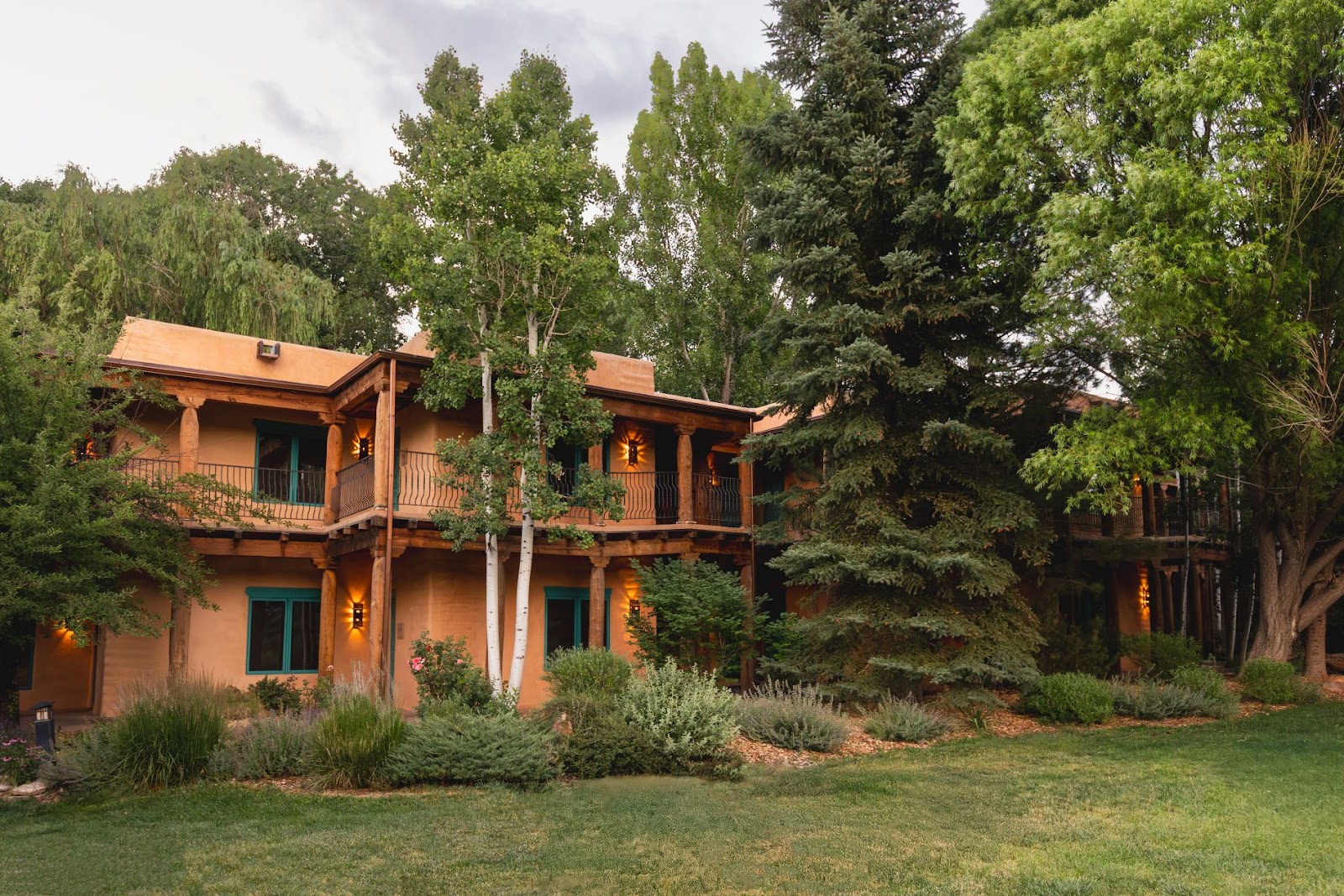
El Monte Sagrado, Taos: The Light Through a High-Desert Day
A Taos resort with planted grounds and water features, taken hour by hour at altitude.
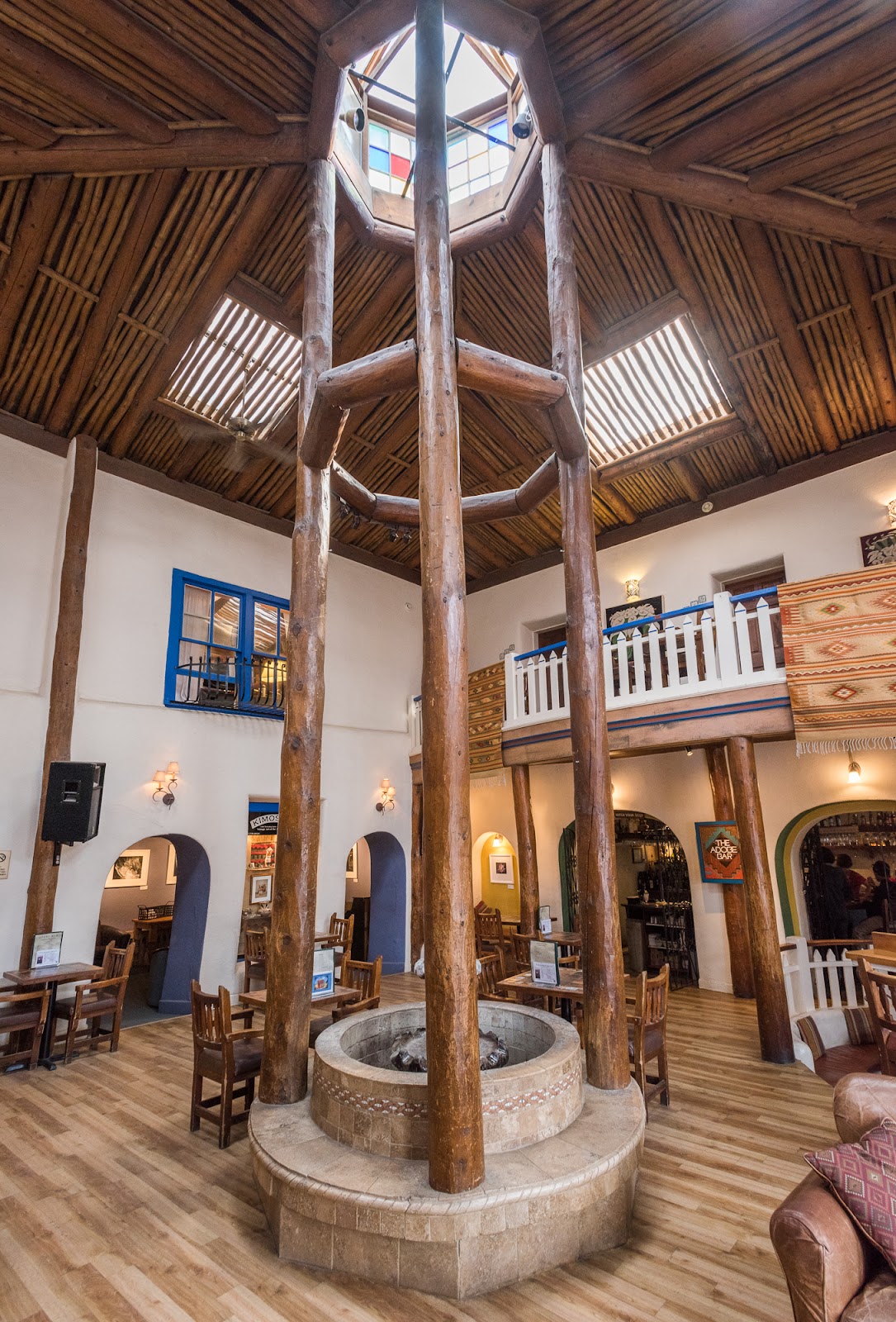
The Taos Inn, New Mexico: Field Notes on Adobe and Altitude
A historic Taos adobe inn at altitude — what earthen walls and thin air ask of a photographer.