Three things govern photographs in Iowa and the first is that the shade is real. Iowa hardwoods — sugar maple, bur oak, hackberry, basswood, black walnut — carry dense rounded crowns of broad leaves, and with one exception they cast genuine solid shade with no dapple to manage. That is worth stating plainly because it inverts the advice that applies in this library's arid regions, where canopies are filigree and midday shade does not really exist. Under an Iowa hardwood at noon a face is evenly lit and a portrait is straightforward.
The practical consequence is that the day divides in a way people find counterintuitive: open lawn works at the ends of the day and closed canopy works through the middle, which is the reverse of the instinct. The canopy edge is the most reliable free portrait light anywhere in the state — a metre or two inside a tree line gives soft directional light from the open ground in front and three or four stops of darkness behind, which is separation without equipment at any hour in any weather.
Bur oak is the signature species of the uplands: the original vegetation here was oak savanna, scattered large-crowned oaks over prairie grass maintained by fire, and a surviving specimen is enormous, broad and gnarled with thick corky bark that photographs as strong texture. American beech, where it occurs, is the background worth hunting — smooth pale grey bark, almost unmarked, so a mature trunk is effectively a natural studio backdrop. The exception to the solid-shade rule is black walnut, whose compound leaves and relatively sparse crown dapple rather than shade. Do not stand anyone under one at midday.
The second is the row crops, which are the landscape for much of the year and which behave unlike any other agricultural surface in this library. A mature cornfield by August is a wall of green eight to ten feet high with rows thirty inches apart — you cannot see over it or through it, only along the rows, which makes a corn row a green corridor with strong perspective and nothing else in it. That is a genuinely distinctive frame available for perhaps six weeks.
Soybeans do something different: the whole field turns a uniform gold-yellow before harvest in late September, which is a colour event rather than a texture one. After harvest both leave stubble — low, straw-coloured, strongly textured in raking light, and a very different background. The third is the calendar, and the peak is unambiguous. Mid to late October is the best fortnight of the Iowa year: eastern Iowa is dissected till plain with real relief along its rivers, and the hardwoods in those valleys turn properly — sugar maple to scarlet and orange, hickory and oak to bronze and russet, cottonwood along the banks to clear yellow.
Slope means the colour reads in mass across a valley side rather than tree by tree. A warm dry autumn delays and dulls it while a cool wet one brings it forward and intensifies it, so plan a fortnight either side of the third week rather than a specific weekend. Spring's two-week window before the canopy closes in early May is the other one worth knowing, when light still reaches the woodland floor and the spring ephemerals appear — Virginia bluebells, trillium, spring beauty, Dutchman's breeches — in real quantity.
Spring is also the flood season on Iowa's rivers: snowmelt plus spring rain raises the Cedar, the Iowa and the Mississippi from March into June most years, which for a riverside venue can close a path or submerge a low bank. Worth asking about rather than discovering. Summer is humid, green and long-lit — fifteen hours twenty or more at the solstice, the most schedule room of any season — and water vapour scatters light enough to fill shadows, so a sunlit lawn in July carries perhaps a stop and a half less contrast than the same sun angle in a dry climate.
Softer shadow edges, more detail in eye sockets, a paler sky and hazier long lenses. Winter is cold, snowy and short on light: about nine hours in December, with long stretches of flat grey overcast that flatters faces and gives masonry nothing, because brick and limestone without shadow lose their texture entirely. Its compensations are that bare hardwoods against a grey sky read as fine black branch structure — a graphic frame no leafed tree can make, available for four months — and that snow reduces a frame to tone and line, which makes substantial masonry and irregular massing read more clearly than summer green does. Two closing notes.
Civil twilight across Iowa runs thirty-one to thirty-three minutes, among the longer figures in this library and half again what the Texas venues get, which turns the blue hour into a genuine working session rather than a scramble — three or four setups fit comfortably. And eastern Iowa sits on Devonian limestone, which the nineteenth-century public buildings were built from: pale, warm-toned, and it goes a genuine honey colour in low evening light. Like the region's brick, it needs raking light to show its joints and tool marks, and a frontal midday sun flattens it to an even field.
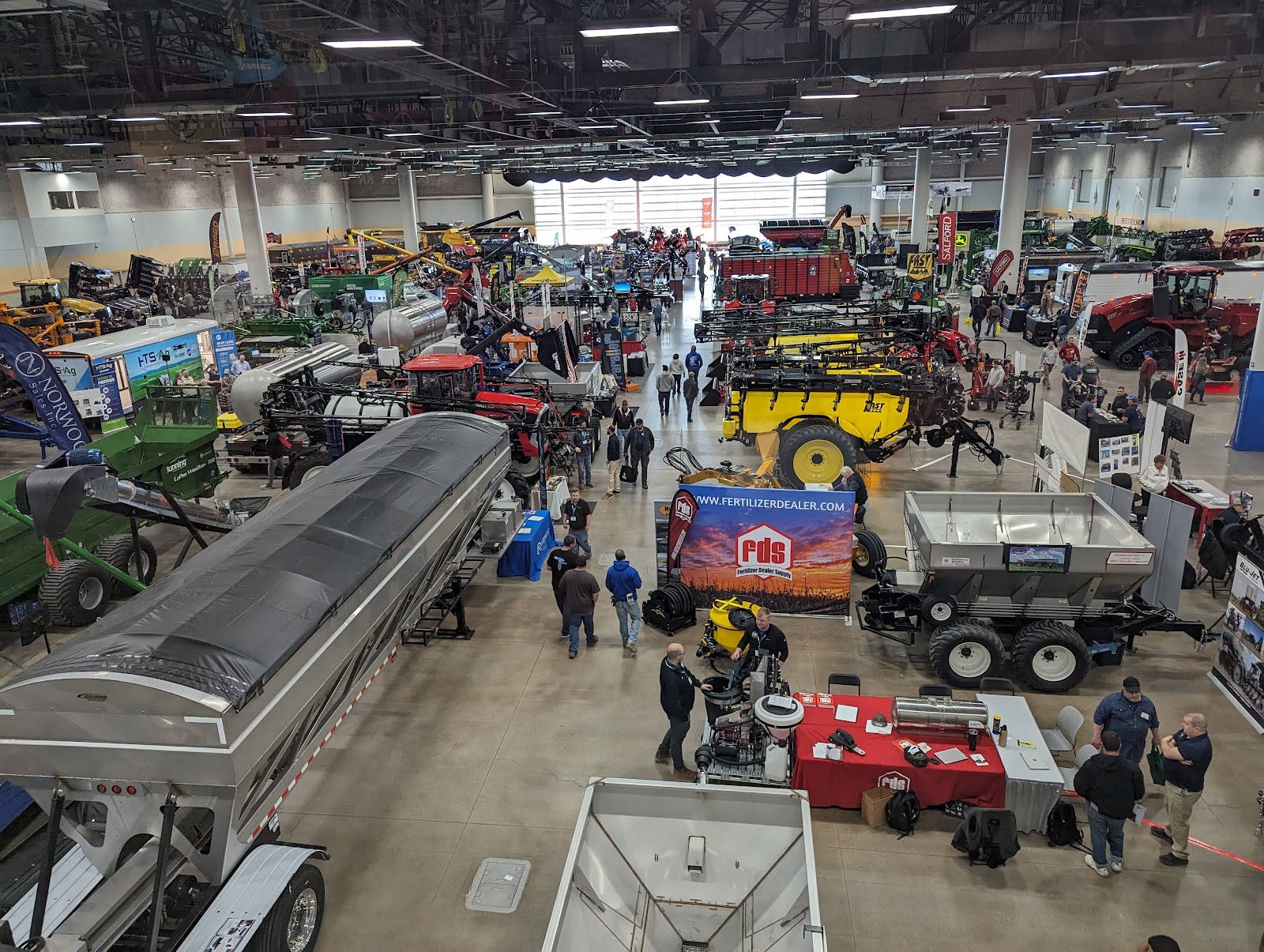
The Iowa Events Center: Four Ways Out of the Blank-Hall Problem
A convention and events complex in downtown Des Moines, Iowa, with large divisible halls and glazed public concourses.
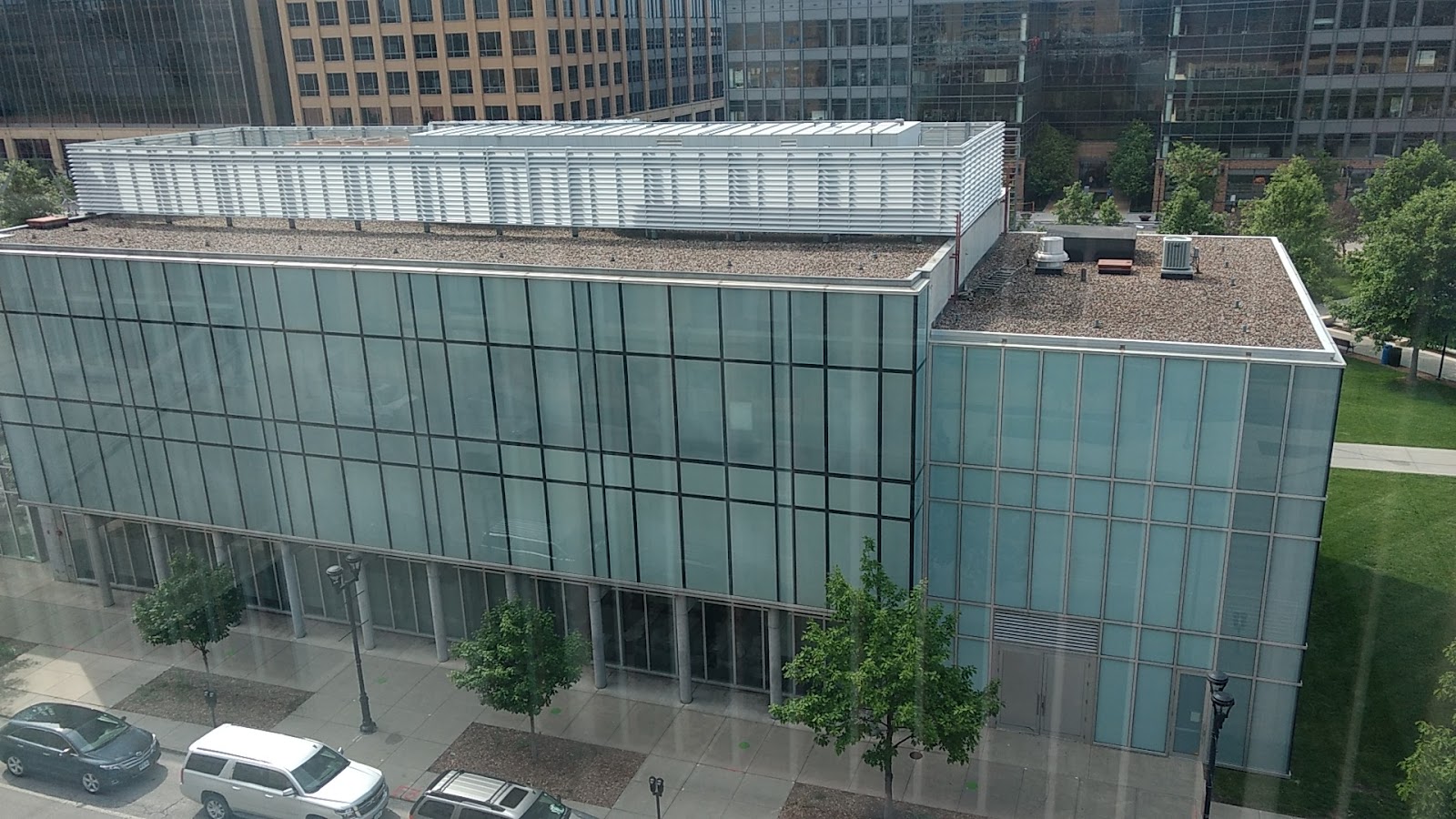
The Historic Pappajohn Center: Field Notes on a Restored Interior
A restored historic building in downtown Des Moines, Iowa, adapted for events, combining original architectural fabric with contemporary intervention.
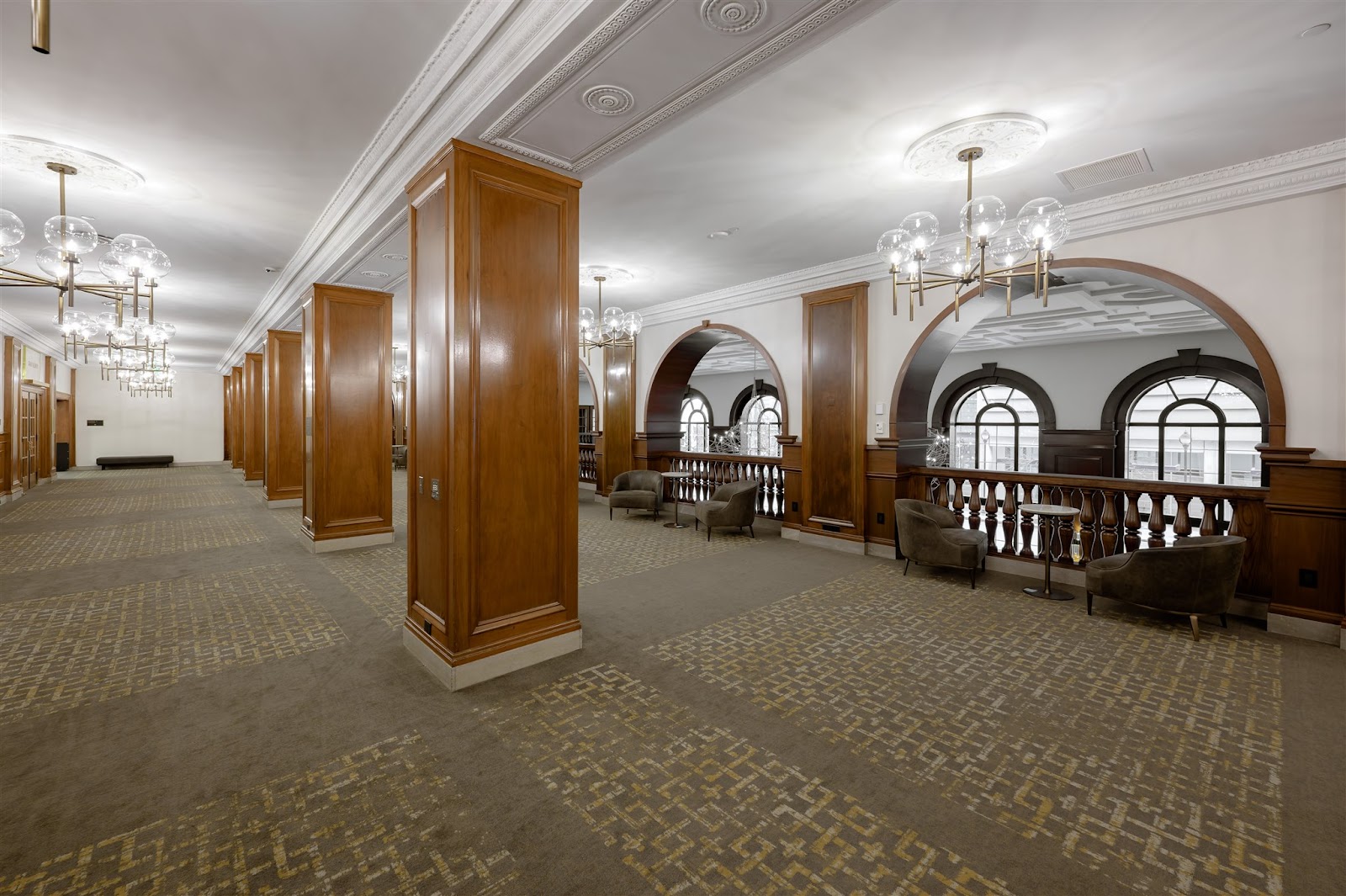
Hotel Fort Des Moines: Reading a 1919 Grand Hotel Through the Day
A 1919 grand hotel in downtown Des Moines, Iowa, with period ballroom space, a lobby and guest floors above.
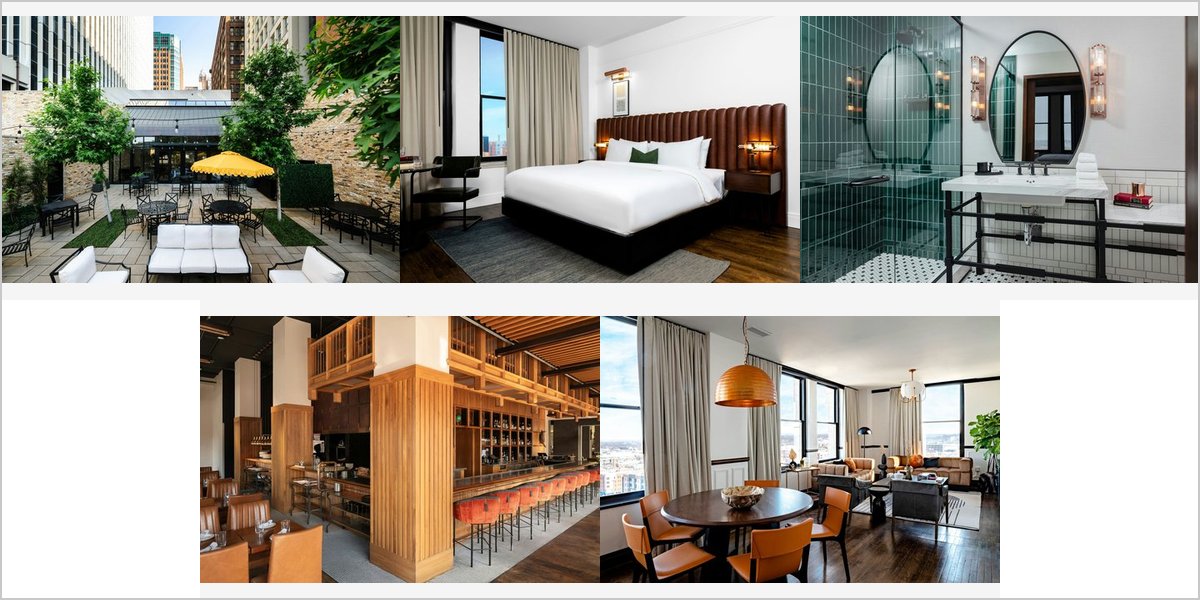
The Surety Hotel: Photographing a Converted Office Building
A 1913 downtown Des Moines office building converted to a hotel, with early twentieth-century fabric and event space.
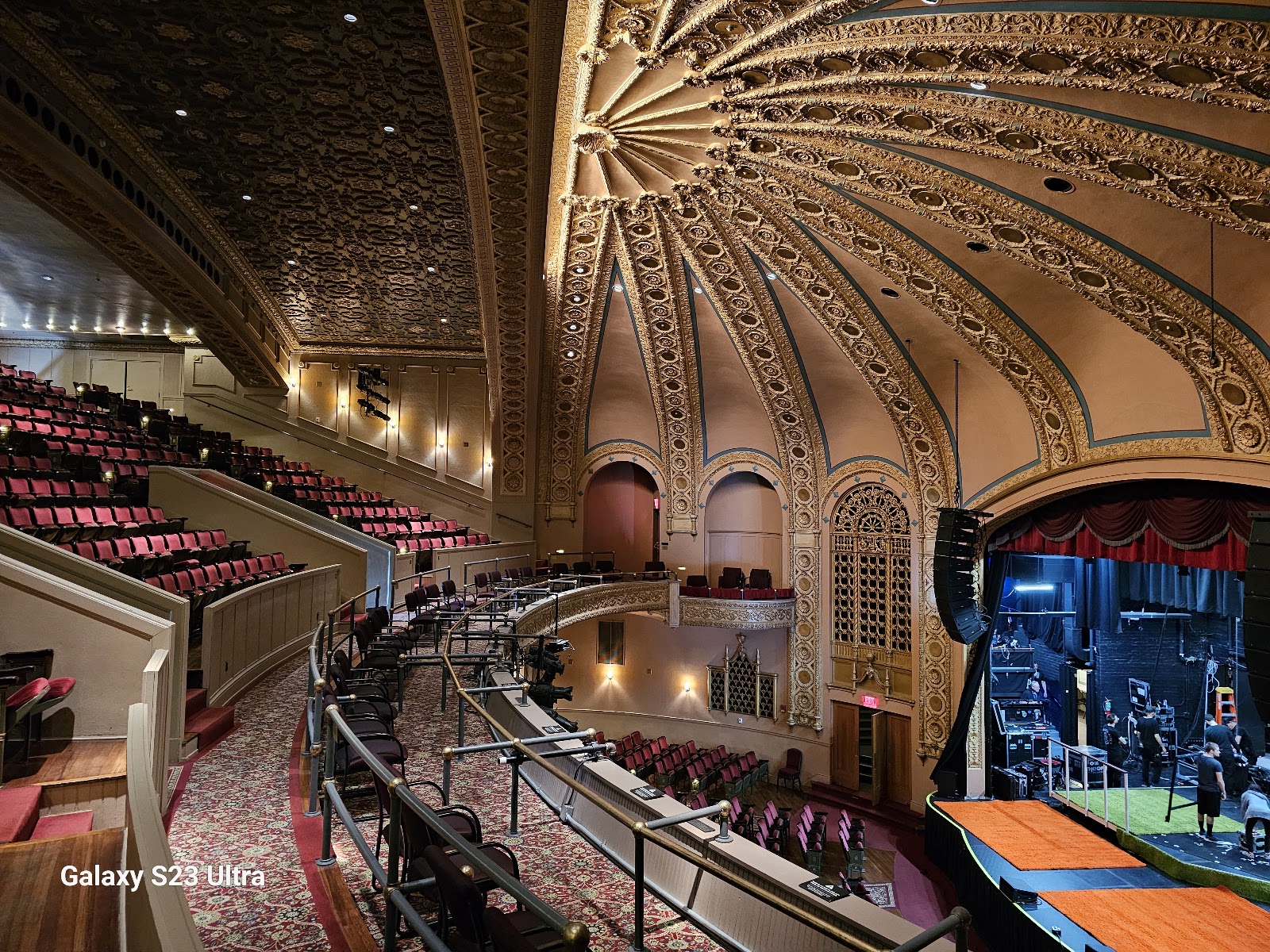
Hoyt Sherman Place: How a House and a Theatre Photograph Together
An 1877 mansion in Des Moines, Iowa, extended with an art gallery and a theatre auditorium, with grounds around it.
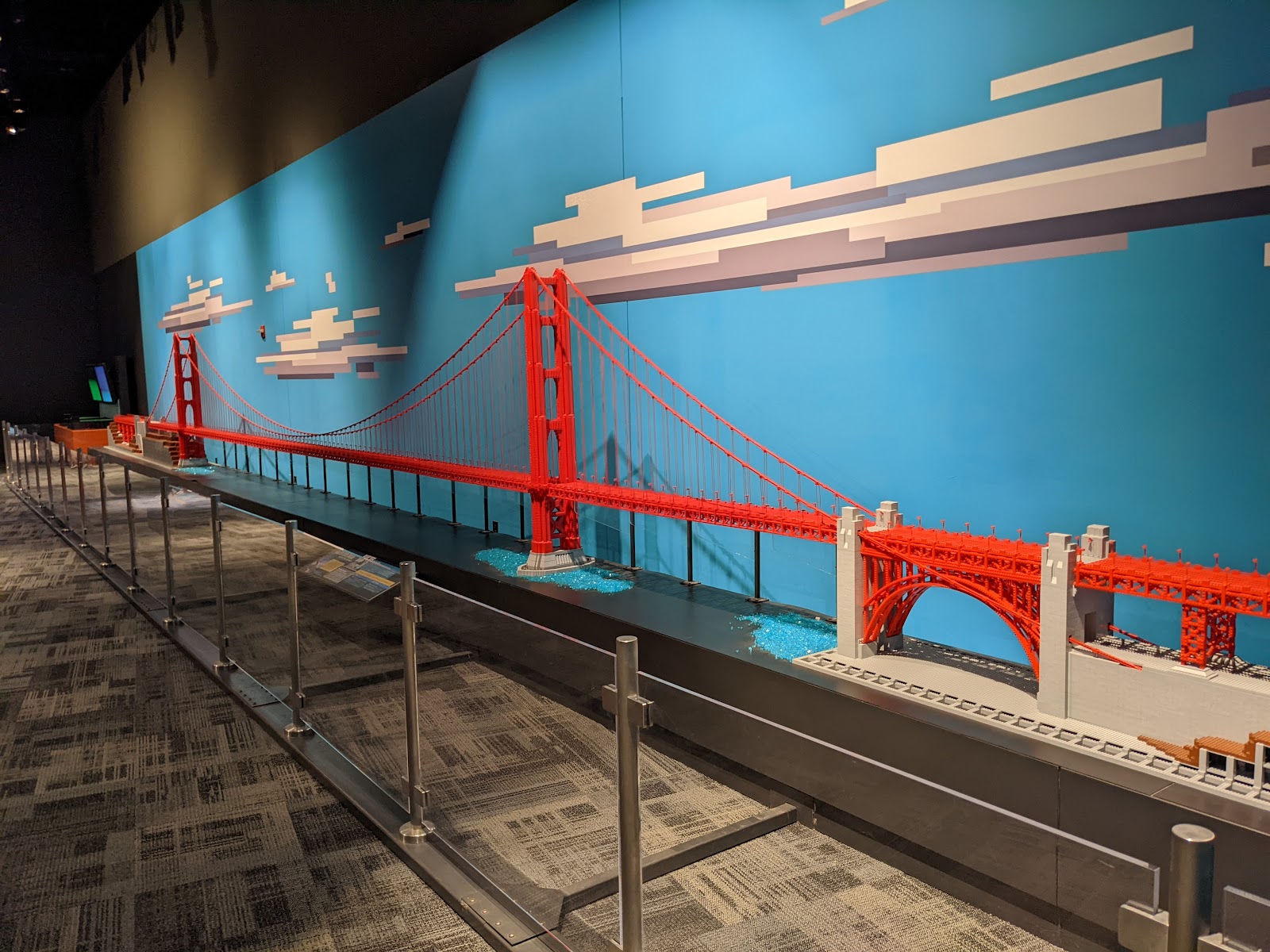
The Science Center of Iowa: Glass, Steel and the Screen Problem
A science centre in downtown Des Moines, Iowa, with a glazed atrium, exhibit halls and a domed theatre.
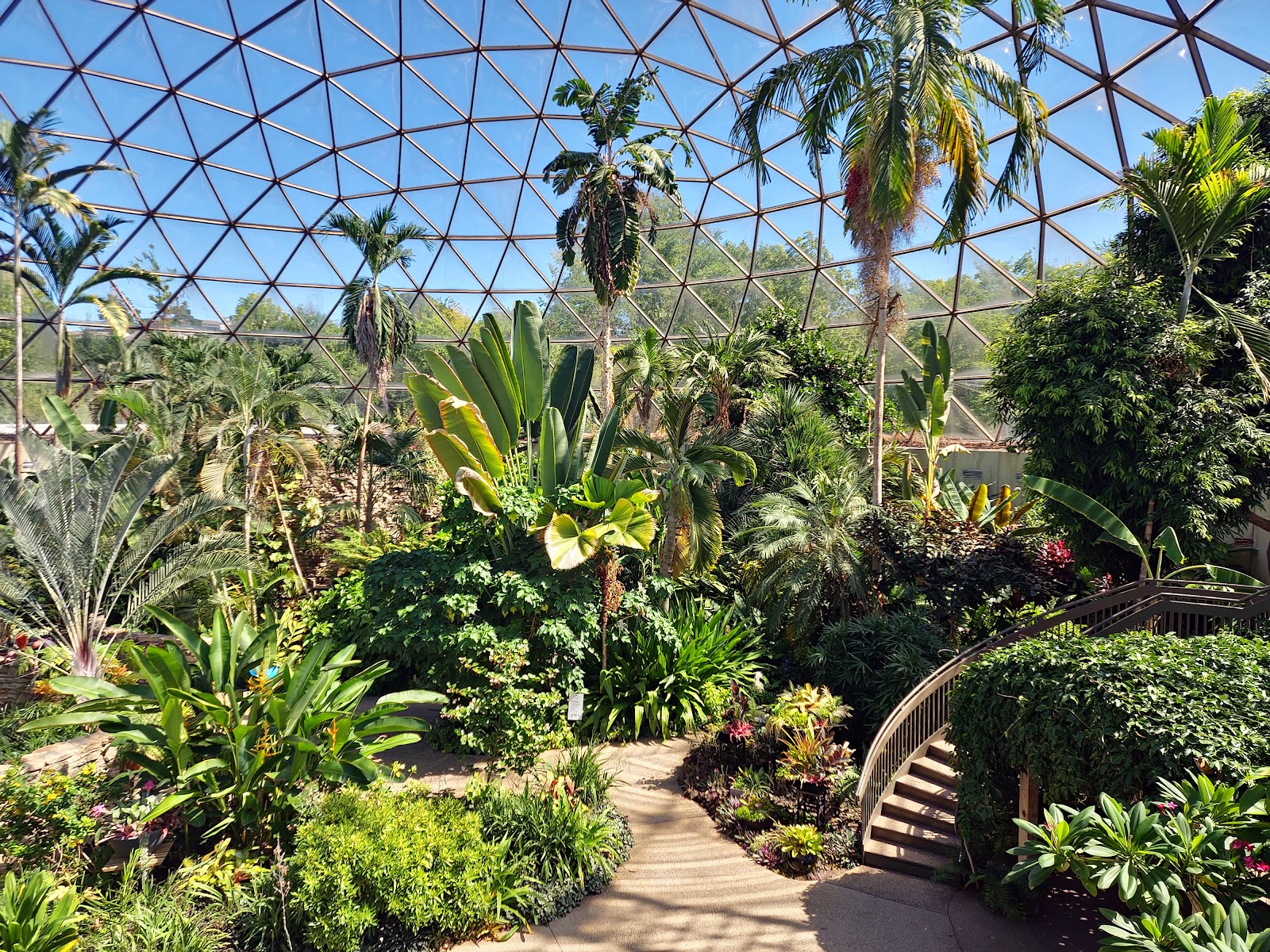
Greater Des Moines Botanical Garden: Four Ways Out of the Dome Problem
A domed conservatory and outdoor gardens beside the river in Des Moines, Iowa, with tropical planting under glass.
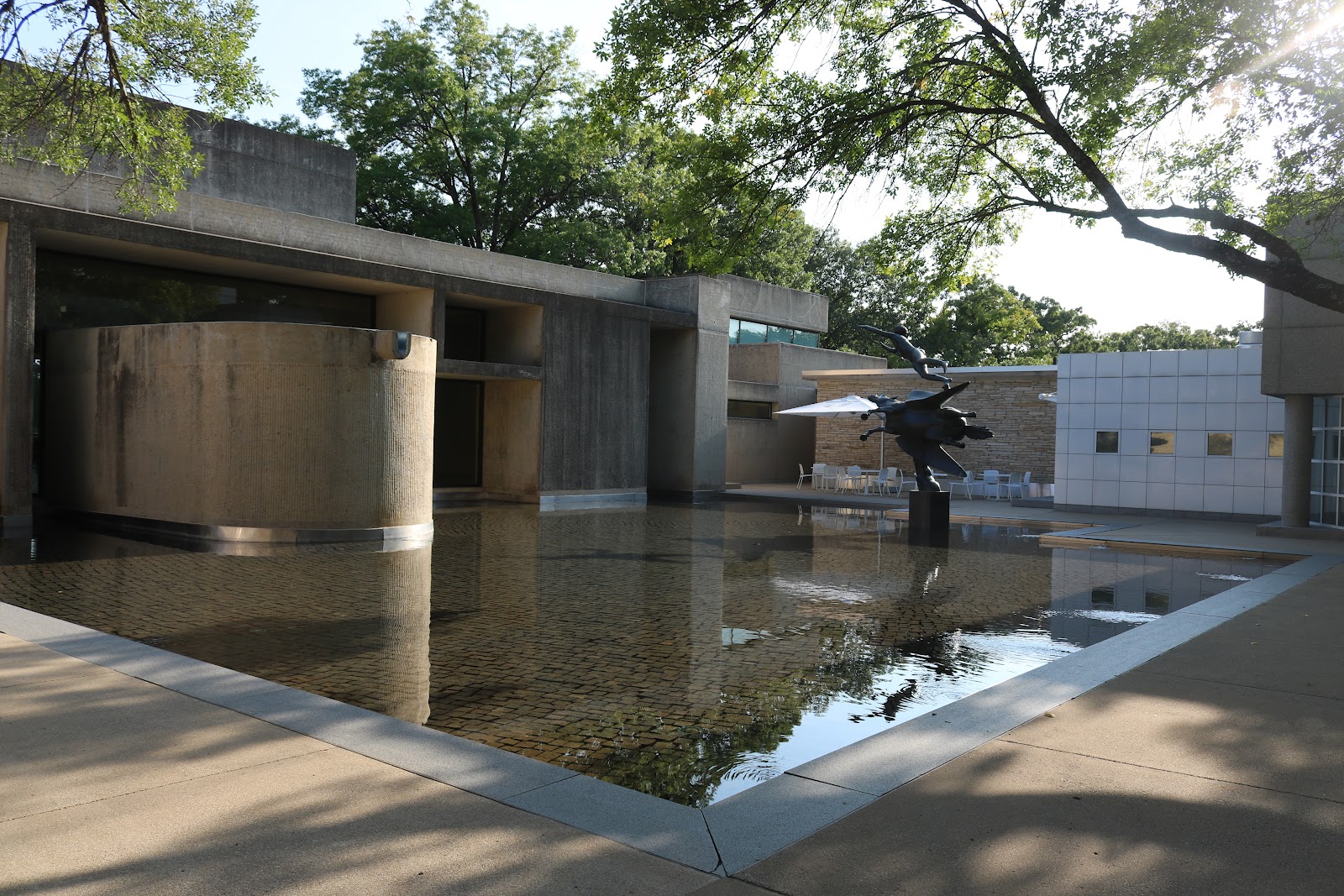
The Des Moines Art Center: A Building by Three Architects
An art museum in Des Moines, Iowa, built in distinct architectural phases across the twentieth century, with a sculpture park and grounds.
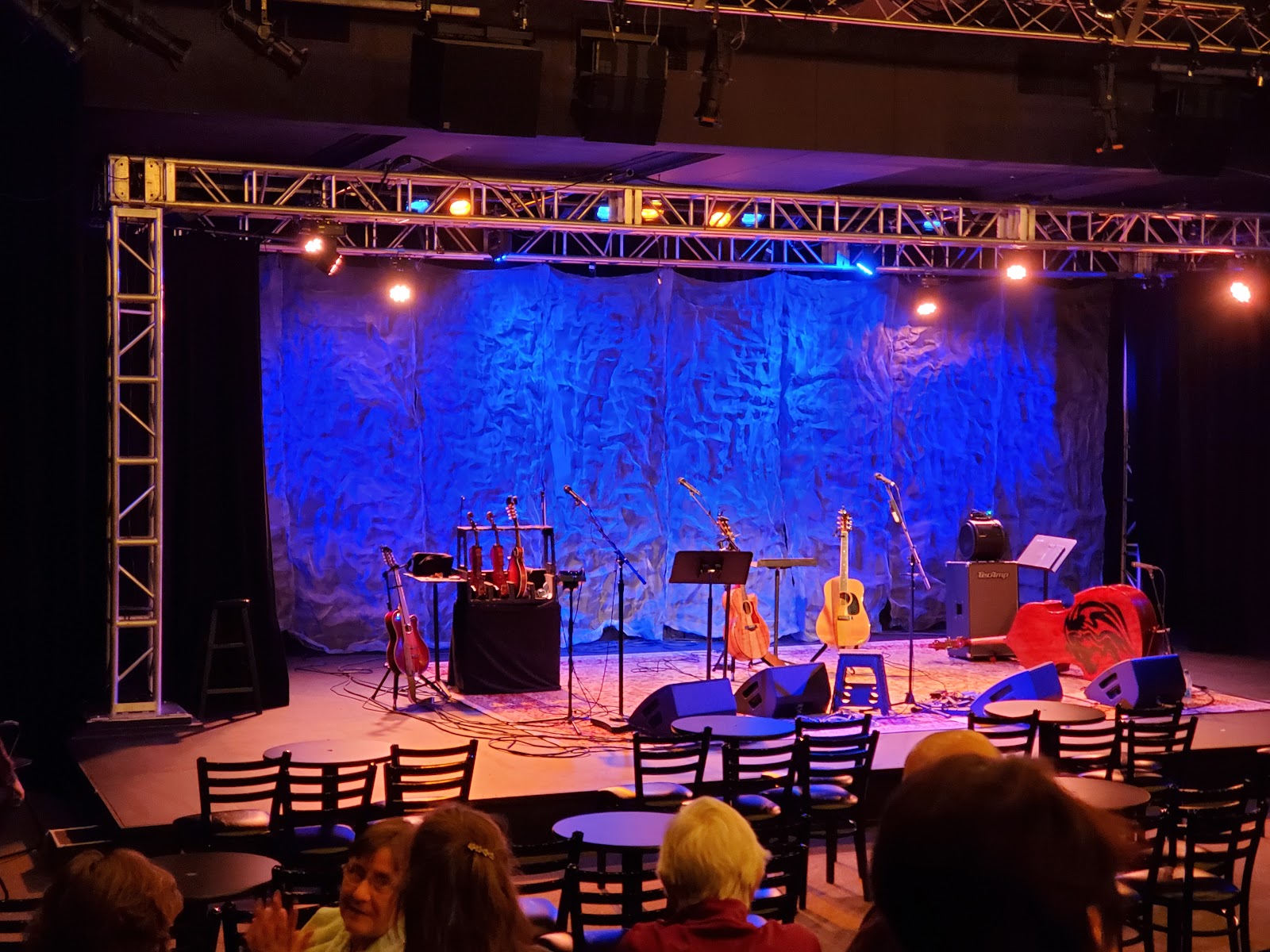
The Temple for Performing Arts: Photographing a Former Masonic Temple
A restored early twentieth-century Masonic temple in downtown Des Moines, Iowa, with grand halls, a lobby and event spaces.
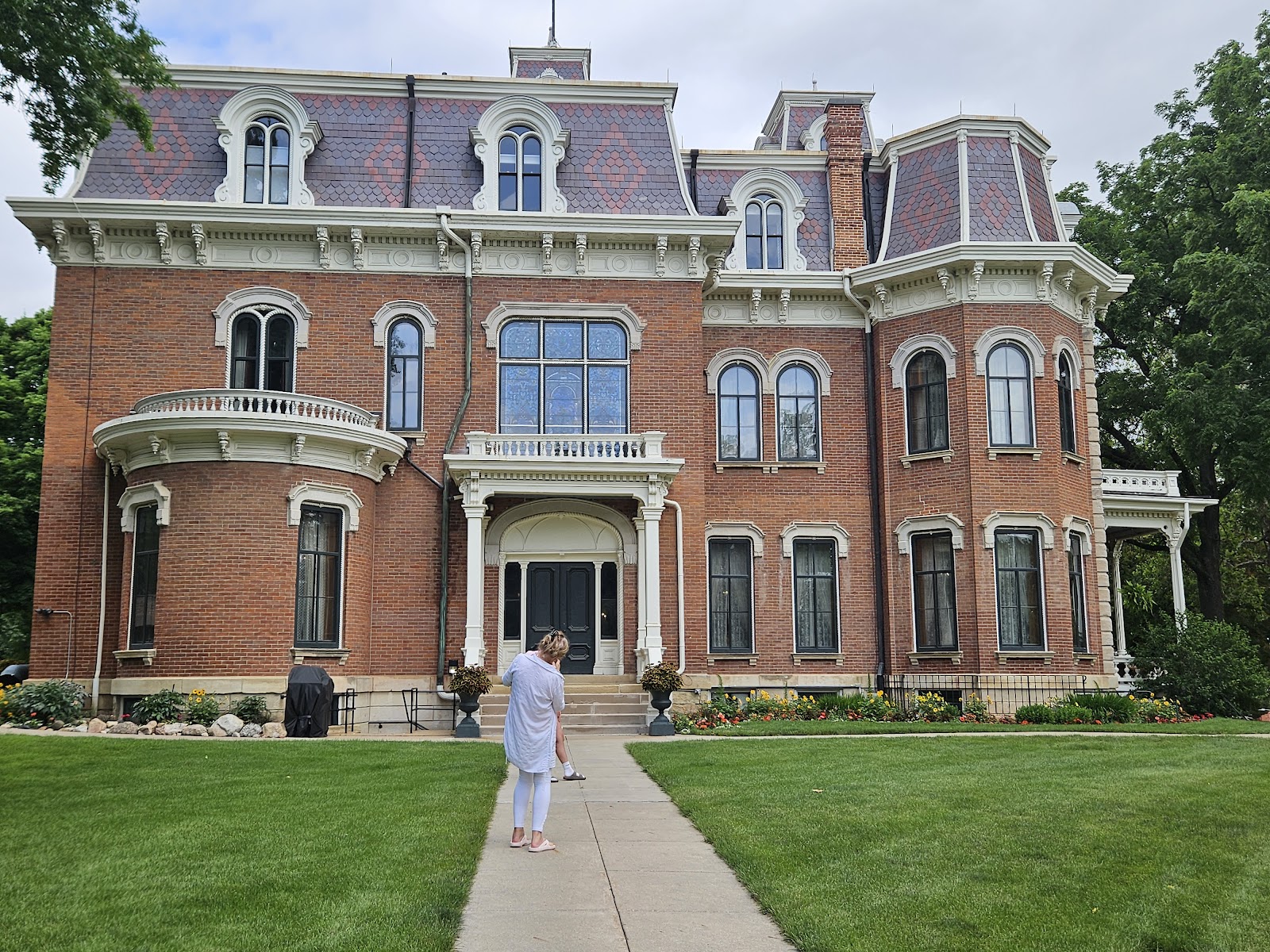
Terrace Hill: Reading a Victorian House on High Ground
A Second Empire Victorian mansion on elevated ground in Des Moines, Iowa, with formal grounds and mature planting.