Memphis is where it is because of one piece of geology, and that piece of geology is more useful to a photographer than it has any right to be. The lower Mississippi runs for hundreds of miles through flat alluvial floodplain, and for most of that length both banks are low and flood-prone. The exception on the east bank is a series of four rises called the Chickasaw Bluffs, and Memphis sits on the fourth and southernmost of them, something like fifteen to thirty metres above the water.
It is effectively the only high, dry ground on that side of the river between the Ohio confluence and Vicksburg, which is why a city grew here rather than somewhere more convenient. The bluffs are built of loess — fine silt blown into place at the end of the last glaciation and piled deep — which is why they hold a steep face instead of slumping into a slope, and why the planting here reaches a size it would not reach on thin ground. The photographic consequence is specific and it is good.
You are standing on high ground on the east bank, looking west, across a river roughly half a kilometre wide, at an opposite bank that is the Arkansas floodplain and is flat for tens of kilometres. Nothing interrupts the western horizon: no opposite bluff, no ridge, no hills. That is genuinely unusual in the interior of this country, where most river cities look across at a bank that rises and cuts the last twenty minutes off the sun. Here the sun goes all the way down to a flat horizon over a very large body of moving water, and the water holds the colour long after.
Moving water scatters rather than mirrors, so the river carries a soft luminous sheen instead of a reflection — and a low camera compresses a rippled surface into a specular path running straight back toward the sun, which is a stronger picture than a flat mirror would be. So a Memphis sunset is a real asset rather than a generic one, and any position in a schedule that faces west with a clear line to the river is worth building the evening around.
The latitude gives with one hand and takes with the other. Memphis sits at about thirty-five degrees north, so the midsummer noon sun reaches nearly seventy-eight degrees — close enough to overhead to be genuinely difficult on open ground between about half past eleven and half past two — while the midwinter noon sun sits near thirty-one degrees and models a face all day long. Civil twilight runs about twenty-four minutes in midsummer and a little less at the equinoxes, which is short: plan the last frame of the evening rather than discussing it, know the position, walk to it, make two or three exposures and be finished.
Humidity works in your favour far more than most photographers expect. July dewpoints here sit in the low to mid seventies, and water vapour scatters light into shadows, so a sunlit street in July carries roughly two stops less contrast than the same sun angle in a dry climate — soft shadow edges, eye sockets keeping detail, and midday open shade that is genuinely workable rather than merely survivable.
The costs are a pale washed sky that contributes nothing to a wide frame, visible haze past about eighty-five millimetres, and a condensation problem that is worse here than almost anywhere: a camera carried from an air-conditioned lobby into July air fogs in seconds and takes minutes to clear, which on a day alternating between the two is a repeated event rather than a one-off. Keep the body warm. The planting is southern and three members matter.
Southern magnolia is evergreen with large stiff glossy leaves, and glossy is the point — those leaves throw hard specular highlights back at a low sun, so a magnolia reads as a mass of small bright points rather than a dark shape, and it does that in February as in August, which makes it one of the few reliable structural backgrounds a winter frame has. Crape myrtle flowers in mid and late summer, well after the spring show has finished, and it is the reason an August frame in Memphis can carry real colour.
Bald cypress in wet ground turns rust orange in November and holds it for weeks, extending the autumn window past where a northern photographer expects it to end. Season by season: October into early November is the best and calmest window, with dry air, no haze, comfortable temperatures and sun angles low enough that the whole afternoon works rather than only the last hour.
Late March into April is beautiful — dogwood, redbud, azalea, mild air, lengthening evenings — and it is the gamble, because Memphis sits on the eastern edge of the continent's most active severe-weather corridor and the systems that arrive in that window are organised, fast and occasionally violent. An April outdoor ceremony here needs a covered alternative that genuinely exists, is reachable in minutes, and has been looked at.
Summer is workable if the schedule respects the heat, which is a welfare matter before it is a photographic one, and the compensation is a sunset after eight and the half hour after an afternoon storm clears, which is the finest light of the year. Winter is short — sunset before five in December compresses everything — but the light itself is excellent, the low sun models all day, there is no haze, and a bare-branched city photographs with a clarity the summer never allows.
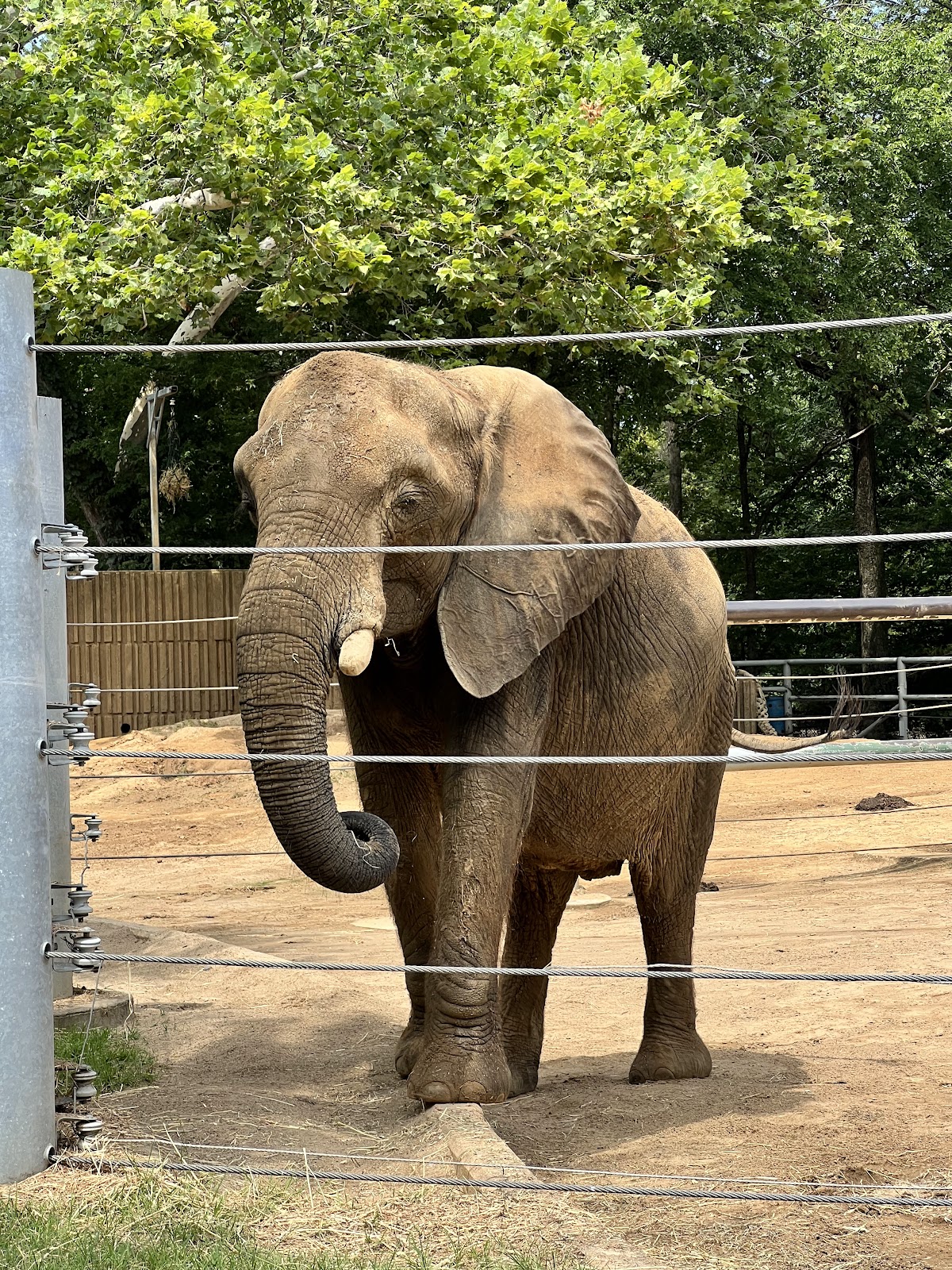
The Memphis Zoo: The Problem, and Four Ways Out of It
A zoo in Overton Park with an Egyptian Revival entrance — and a set of backgrounds designed for animals rather than for photographs.
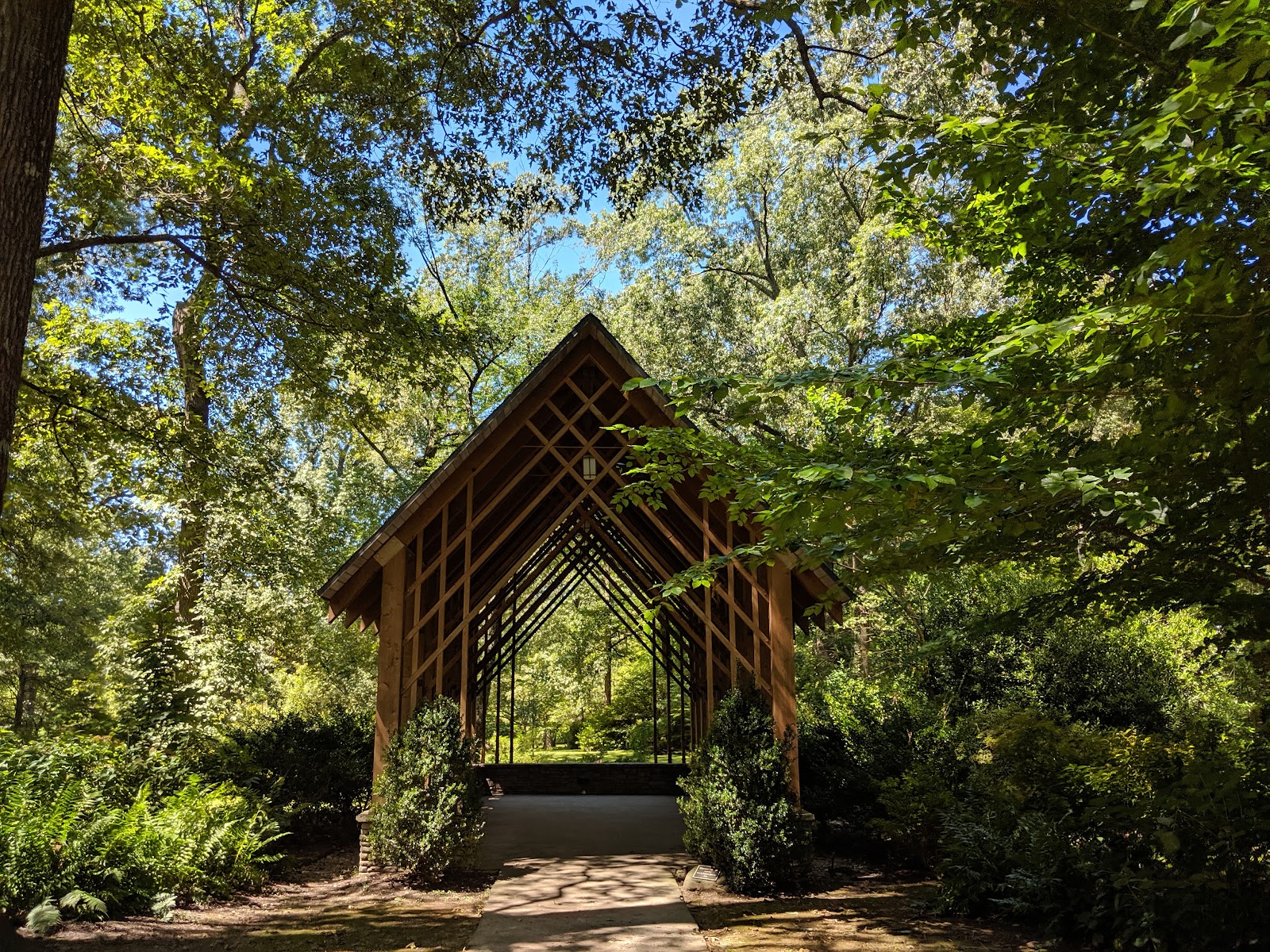
The Memphis Botanic Garden: The Venue’s Own Logic
Ninety-six acres organised as dozens of small gardens — which means it is not one venue but a sequence of them.
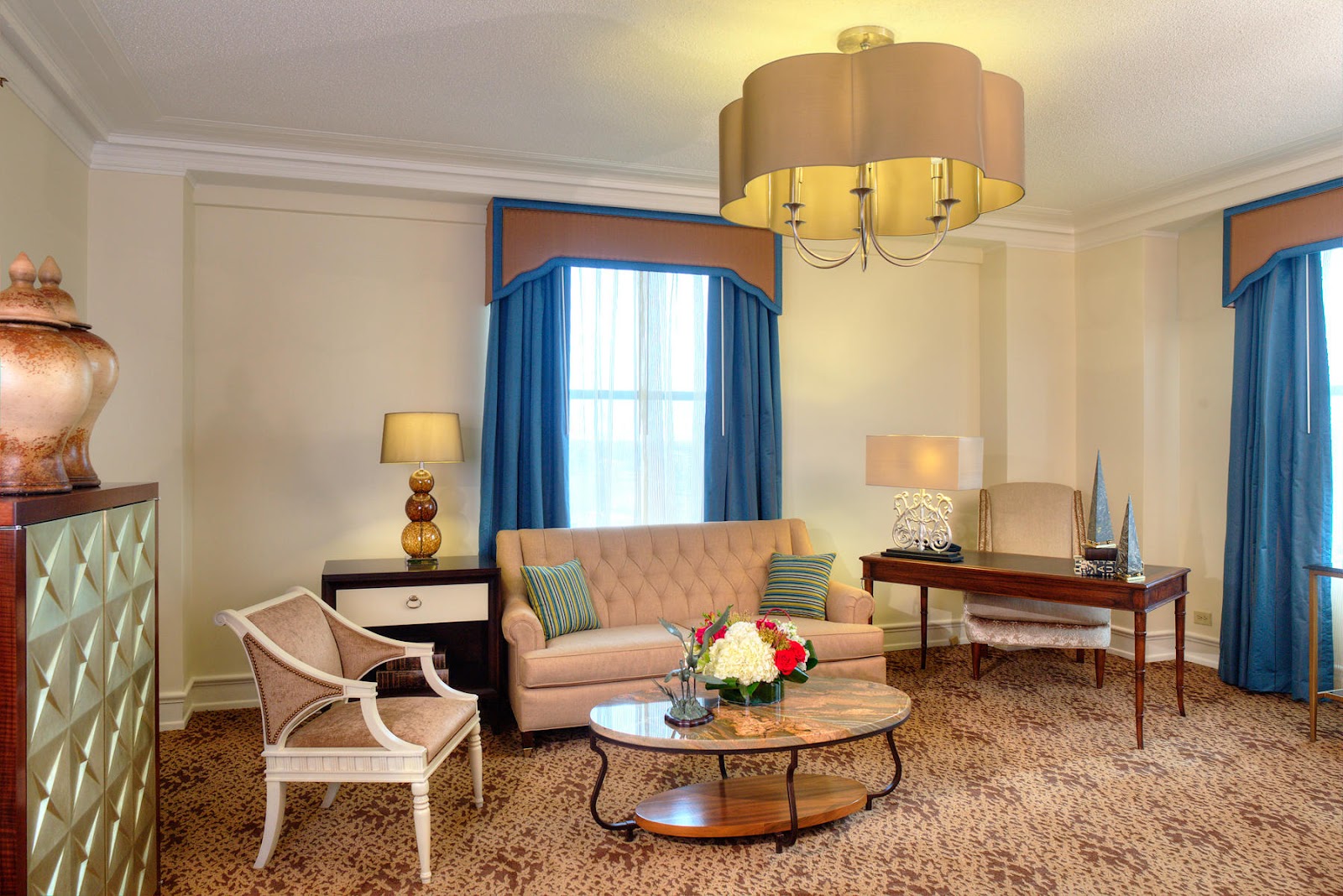
The Peabody Memphis: The One Decision That Governs Everything
A 1925 grand hotel in downtown Memphis whose best interior room has a public appointment every afternoon.