 The Memphis Zoo: The Problem, and Four Ways Out of It
The Memphis Botanic Garden: The Venue’s Own Logic
Not one venue. A sequence of rooms with different skies.
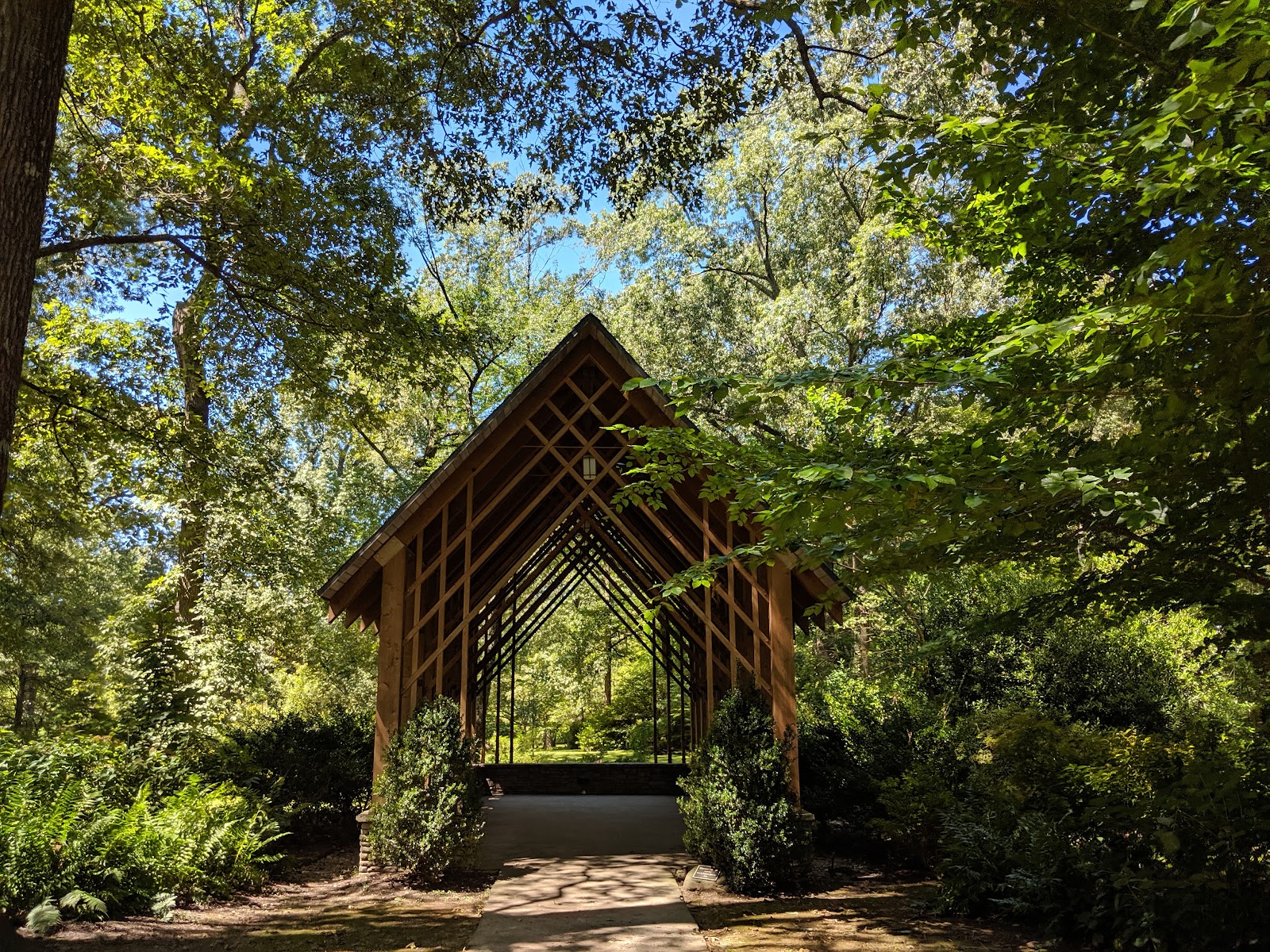
The mistake with a botanic garden is to treat it as a venue. It is not one. It is a collection of separate gardens laid out next to each other, and each of them has its own size, its own sky exposure, its own dominant colour and its own peak fortnight in the year. Read it that way and the day plans itself. Read it as ninety-six acres of green and you will spend the afternoon walking.
The Memphis Botanic Garden covers something in the region of ninety-six acres in east Memphis and holds dozens of specialty gardens within that. The ones most often named are a Japanese garden built around water, a formal rose garden, a herb garden, a sensory garden and a large informal children’s garden, along with collections organised by genus — daylilies, irises, azaleas — that are spectacular for a short window and unremarkable outside it.
Which of those are actually bookable for a ceremony, which are available for portraits, and which are open to the paying public at the same time, is the first question to ask, and the answer will not be the same for every date or every guest count. Get it in writing. A garden is a working public institution first and a wedding venue second, and that is entirely reasonable, but it means the map you are given at the gate is not the map of what you may use.
Once you have that list, the useful way to think about each garden on it is by how much sky it can see. That single variable decides what the light does, and it decides it more than anything about the planting.
A garden fully open to the sky is a hard-light problem for most of the day and a glorious one for the last hour. A garden enclosed by mature trees is a soft-light room with a several-stop contrast range at its edges. A garden enclosed by a wall or a hedge is somewhere between, and behaves like a courtyard: lit by the sky above and by bounce off its own boundary.
Those three types need different approaches, and a garden of this size will hand you all three within a few minutes’ walk. That is its real value. In one place you have an open-sky ceremony option, a shaded midday portrait option and an enclosed option for weather or wind, without a vehicle transfer between them.
The water is the other structural feature worth planning around. A garden built around a pond has a horizontal reflector in the middle of it and a subject placed on the near bank with the water behind them will pick up a lift under the chin that no amount of scrim achieves. Water also means a bridge, and a bridge is a frame with a built-in leading line and a built-in place to stand.
The planting calendar is the part that most often disappoints people and it is easy to handle honestly. A garden looks like its photographs for about two weeks a year per collection. Nobody should promise a couple the azaleas in June. Find out what is actually in flower in the week of the date, plan around that, and let the structure of the garden — the trees, the water, the walls, the paths — do the rest, because structure is there all year and colour is not.
What follows is how to read the rooms and route a day through them, then the two things about Memphis specifically that change how a garden here behaves: the soil it is planted in, and a latitude that gives you a short dusk and a long difficult middle.
The Memphis Botanic Garden at a glance
| Where | A ninety-six acre botanic garden in east Memphis |
| The logic | Dozens of separate gardens; sort them by how much sky each sees |
| The asset | Open-sky, tree-shaded and enclosed options within a short walk |
| The trap | Promising a collection that is only in flower for a fortnight |
| Ask first | Which gardens are bookable, which stay open to the public, and hours |
Reading the rooms, and routing the day
Start with the open-sky gardens, because they are where ceremonies happen and where the hardest decisions are.
A formal garden laid out in beds and paths with nothing above it is a full-sun environment. In Memphis in June that means a noon sun near seventy-eight degrees — within twelve degrees of straight overhead — and it means a two o’clock ceremony there is a squint, a set of black eye sockets and a hundred and fifty people wanting shade. That is not a photographic complaint, it is a guest-comfort one, and it usually resolves itself once someone says it out loud.
The same garden after about five in the afternoon in the same month is superb. The sun is low enough to rake across the beds, the planting throws long shadows that give the flat ground depth, and the flowers backlight — which is how flowers want to be lit, because petals are translucent and a flower lit from behind glows in a way a frontlit flower never does.
So the instruction for an open-sky garden is simple: ceremony late or ceremony early, portraits in the last ninety minutes, and if the ceremony has to be in the middle of the day, orient it so the guests have their backs to the sun and the couple are lit from the side rather than the front.
Now the tree-shaded gardens, which are the midday answer.
Under a mature canopy the light is soft and the colour is green, and both of those need managing. The softness is a gift: it puts even, directionless light on a face and it lets you work at any hour. The green is not. Light that has passed through leaves is genuinely green, and a face lit only by transmitted canopy light will read sickly no matter what the white balance slider does, because the cast is in the light rather than in the camera. The fix is to find a position where the dominant light is open sky arriving from the side — a canopy edge, a path, a clearing — rather than filtered through leaves from above.
The other canopy problem is dapple. Broken shade produces hard bright patches on a face several stops above the surrounding skin, and there is no recovering those. Either move into full shade or move into full sun. The edge is unusable, and the edge is where people naturally stand.
Then the enclosed gardens — walled, hedged, or built around a structure. These behave like courtyards and they are the most controllable light on the property. Light arrives from the sky above and from bounce off the boundary, so the whole room is soft with a gentle top-down direction. Stand a subject three or four metres out from a sunlit wall rather than up against it: further out, the wall subtends a wider angle and wraps the light around the face, and at a metre it is a hard slab from one side.
An enclosed garden is also the wind answer, which matters more than photographers usually allow for. A veil in open ground in a fifteen-knot breeze is a full-time job for two people. Behind a wall it is an ornament.
The water garden deserves its own paragraph because it does three things at once. It bounces light up, which lifts a chin. It reflects, so a low camera on the near bank turns the far planting into a second image below the first, and if the surface is rippled that becomes a specular path rather than a mirror, which is generally better. And it holds colour after the sun has gone, because water reflects the sky and the sky stays bright for twenty minutes after the ground has gone dark. The last frame of a garden evening should be at the water.
Routing a day through all of this is mostly about walking distance and shoes. Ninety-six acres is about four hundred metres across at a minimum and the useful gardens will not be adjacent. A wedding party of ten in formal clothing moves at perhaps fifty metres a minute with stops, which makes a two-garden portrait session a twenty-minute proposition before a single frame is made. Plan two locations, not five. Walk the route yourself beforehand and time it.
Ask about vehicle access as well. Some gardens of this size will run a cart for a wedding party and that changes the arithmetic completely; others will not, and knowing which before you promise a couple three locations is the difference between a calm hour and a rushed one.
The last practical note is the public. A botanic garden’s visitors have paid to be there and they have every right to be in the rose garden at four on a Saturday. Unless your booking explicitly closes an area, assume strangers in frame, work tighter than you otherwise would, and use a longer lens to compress a background into a wash of colour rather than a wide one that includes a family with a pushchair. If a private window exists, it will be early morning or after closing, and it is worth asking about specifically.
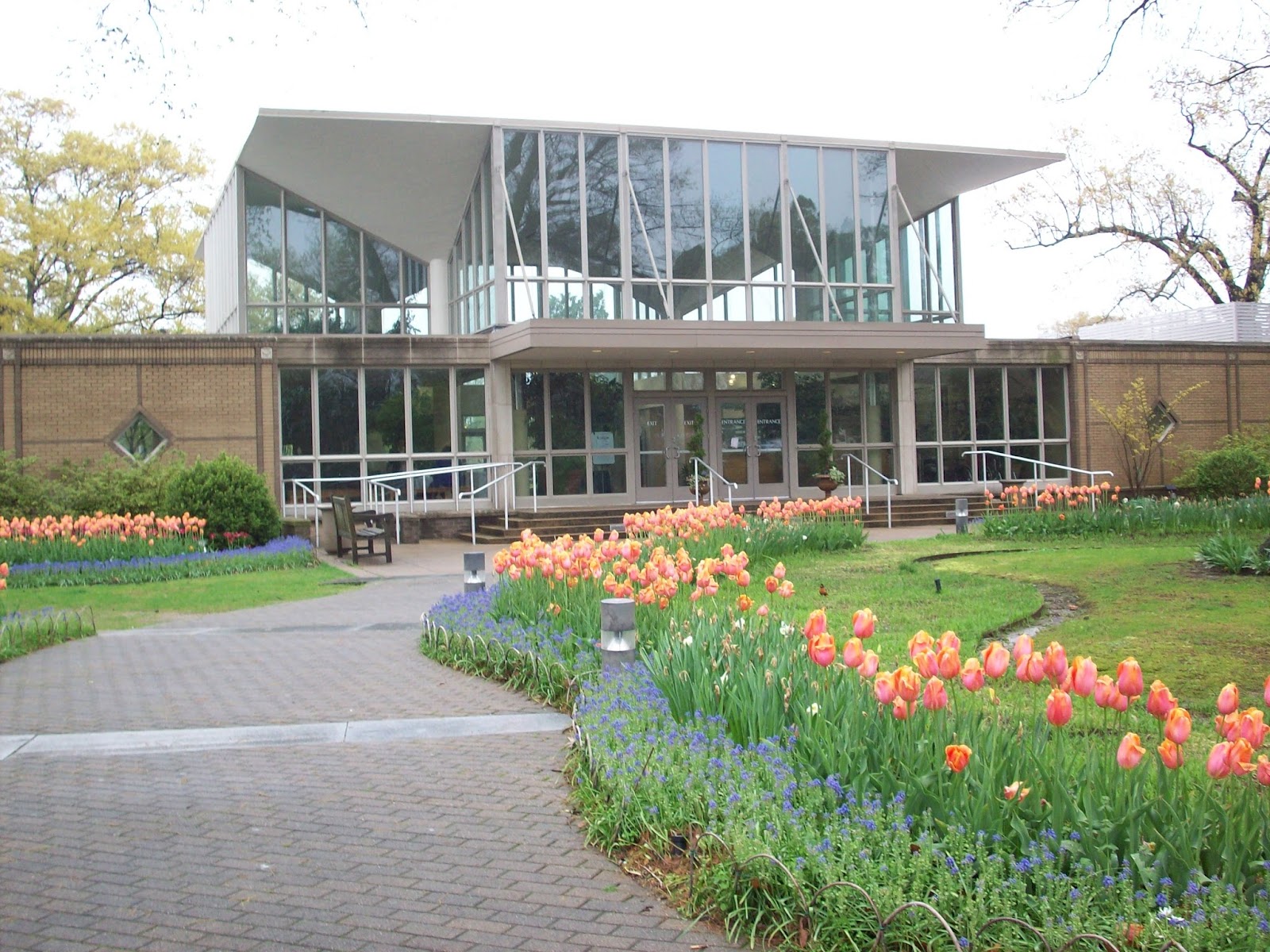
The loess, the river and the trees
Memphis grows things unusually well, and the reason is under the garden rather than in it.
The city sits on the fourth of the Chickasaw Bluffs, a series of rises on the east bank of the lower Mississippi, and those bluffs are built of loess — fine silt blown into place at the end of the last glaciation and piled deep. Loess is mineral-rich, it holds water without waterlogging and it is easy to root into, which is why the planting here reaches a size it would not reach on thin ground, and why a garden in Memphis feels denser and taller than a garden of the same age further north.
For a photographer that means canopies that genuinely close overhead rather than merely shading, understorey planting thick enough to work as a wall, and specimen trees with the sort of spread that makes a natural room underneath. Those are the assets. Use them as architecture.
Three trees here behave in ways worth knowing specifically.
Southern magnolia is evergreen with large stiff leaves and a hard glossy upper surface, and glossy is the thing that matters. Those leaves throw specular highlights straight back at a low sun, so a magnolia at five in the afternoon reads as a mass of small bright points rather than as a dark green shape. It also does that in January, because the leaves never leave — which makes a magnolia one of the few reliable structural backgrounds a winter garden has.
Crape myrtle flowers in mid and late summer, well after the spring show is finished, and it is the reason an August frame in Memphis can have real colour in it. It also has a smooth mottled peeling bark that is a good close subject in its own right when nothing is in flower.
Bald cypress, in wet ground, turns rust orange in November and holds it for weeks after most deciduous colour has dropped, which extends the autumn window here past where a northern photographer’s instincts say it should end.
Two more general planting notes. Evergreen material — magnolia, holly, cedar, boxwood — is common in southern gardens and it means a January frame here has far more structure than a January frame in the upper Midwest. Winter is a genuine season for this venue rather than a write-off. And the flowering sequence runs early: daffodils in February, azaleas and dogwood in late March into April, roses from late April, daylilies in June, crape myrtle July into September. A couple asking about April is asking about the best fortnight of the year.
The river is four or five miles west and it does not appear in a frame from this garden, but it is the reason for the humidity, which does appear in every frame. That is the next section.
One final note about the loess, and it is a practical one. Fine silt makes dust in a dry spell and it makes a slick, sticky mud in a wet one. After rain, the unpaved paths in a garden on this soil will not be a surface anybody wants a long dress on. Check what is paved and what is not before routing a party across it, and have a paved alternative.
The Memphis garden year
Memphis is at about thirty-five degrees north, which sets two numbers that govern every garden day here.
The first is the midsummer noon sun at nearly seventy-eight degrees. That is high enough to be genuinely difficult on open ground from about half past eleven to half past two — top light, black eye sockets, nothing to model a face. The answer is the canopy, and this garden has plenty of it, which is exactly why the tree-shaded rooms matter so much here and matter less in a garden further north.
The second is civil twilight at about twenty-four minutes in midsummer and a little less at the equinoxes. That is short, and it is shorter still inside a garden, because the surrounding planting cuts the low sky off at ground level. The practical effect is that the last usable frame in a tree-enclosed garden comes perhaps ten minutes earlier than the almanac says. Know your closing position in advance and walk to it.
Humidity is the great compensator and it deserves its reputation reversed. Memphis dewpoints in July sit in the low to mid seventies, which means the air holds a lot of water vapour, and water vapour scatters light in all directions. A sunlit garden bed here in July carries roughly two stops less shadow contrast than the same sun angle in a dry climate. Shadow edges are soft, eye sockets hold detail, and open shade at midday is a workable portrait light rather than a compromise. The costs are a pale washed sky that adds nothing to a wide frame and visible haze on long lenses.
There is a lens problem that comes with it. Moving a camera from an air-conditioned building into July air outside fogs the front element within seconds and it takes minutes to clear. On a garden day with an indoor reception space that is a repeated event. Keep the body outside or in a warm bag rather than in the cool.
Spring is the best season and it is also the riskiest. Late March into April gives dogwood, redbud and azalea, mild air, long evenings and sun angles that model rather than flatten. It also puts Memphis on the eastern edge of the continent’s most active severe-weather corridor, and the systems that come through in that window arrive fast, with real wind and occasionally hail. An outdoor ceremony in April here needs a covered alternative that genuinely exists, is reachable in a few minutes’ walk, and has been looked at rather than assumed. A garden’s covered options are often a pavilion or a glasshouse, and both are small — establish the actual capacity, not the theoretical one.
Summer is workable with a schedule that respects the heat. Ninety-five degrees with a seventy-five degree dewpoint, in formal clothing, standing on open grass, is a welfare matter before it is a photographic one, and the photographs will show discomfort whatever you do with them. Two ends of the day outdoors, the middle under canopy or indoors. The compensation is the long evening: sunset after eight, which means a seven o’clock ceremony is still in daylight and the portraits afterwards are in the best light of the year.
Thunderstorms in summer are convective, localised and frequent in the late afternoon, and the half hour after one passes is the finest light the garden will give you all year. Washed air, saturated planting, wet paving reflecting the sky, water beading on leaves, and a low sun under a broken ceiling. If a cell goes through at six, do not pack. Wait twenty minutes.
Autumn is the calmer strong window. Late October into November gives dry air, cool mornings, clean light without the summer haze, sun angles low enough that the whole afternoon is usable rather than just the last hour, and — with bald cypress running late — colour holding into the middle of November.
Winter is better here than it has any right to be. Days are short and sunset comes before five in December, which compresses everything, but the light itself is excellent: a noon sun near thirty-one degrees models a face at every hour of the day, there is no haze, and the evergreen material means the garden still has structure and dark mass to work against. A January frame in a Memphis garden is not an empty one.
The one seasonal thing to check rather than assume is what the garden does with its own calendar. Institutions of this kind often close sections for replanting, run large seasonal events that occupy the best spaces, or restrict access during a collection’s peak weeks precisely because that is when the public comes. None of that is visible from outside. Ask what else is happening on the date.
Do that, sort the gardens by how much sky they see, pick two, walk the route, and this is one of the more forgiving venues in the region to photograph.
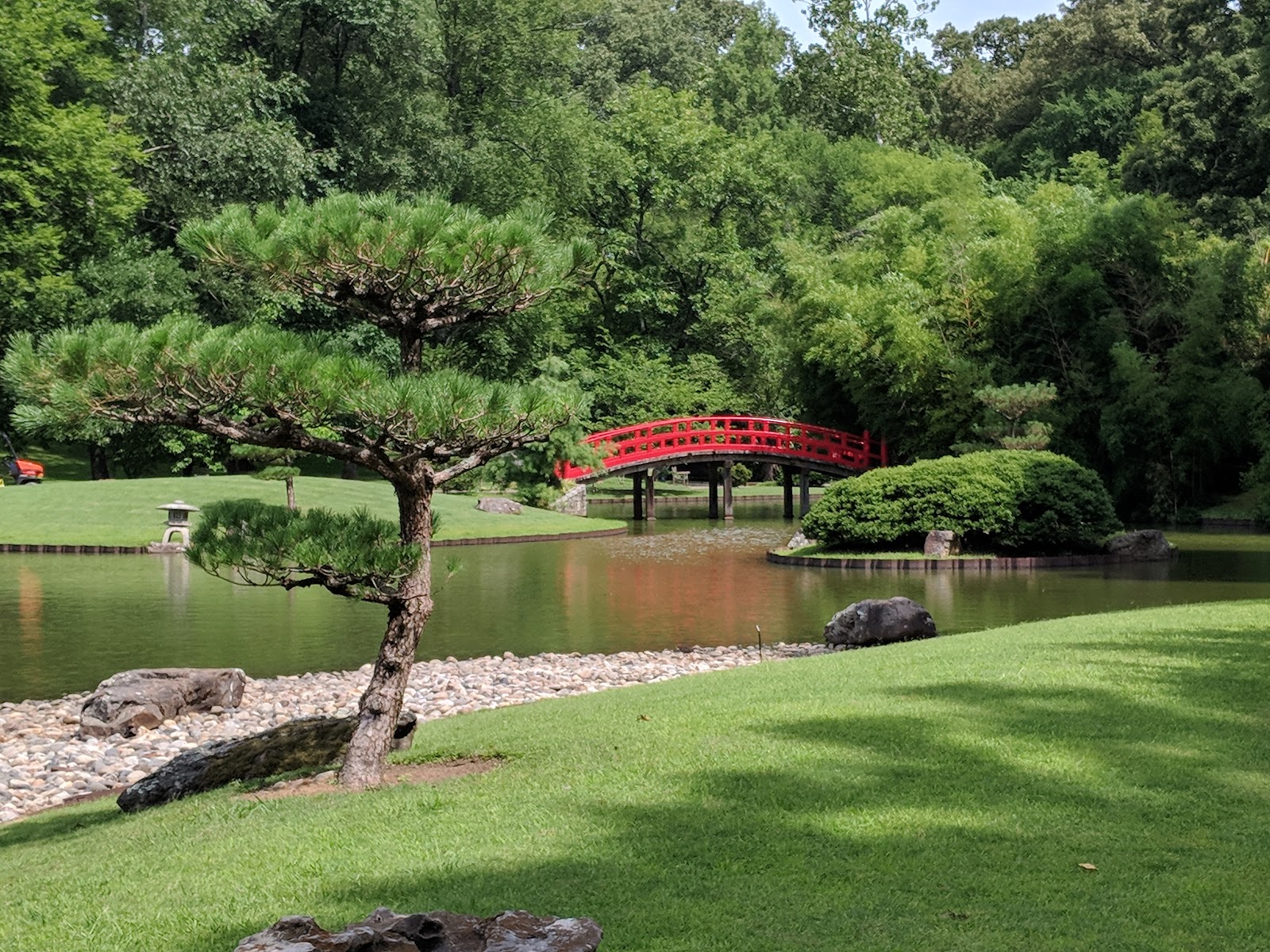
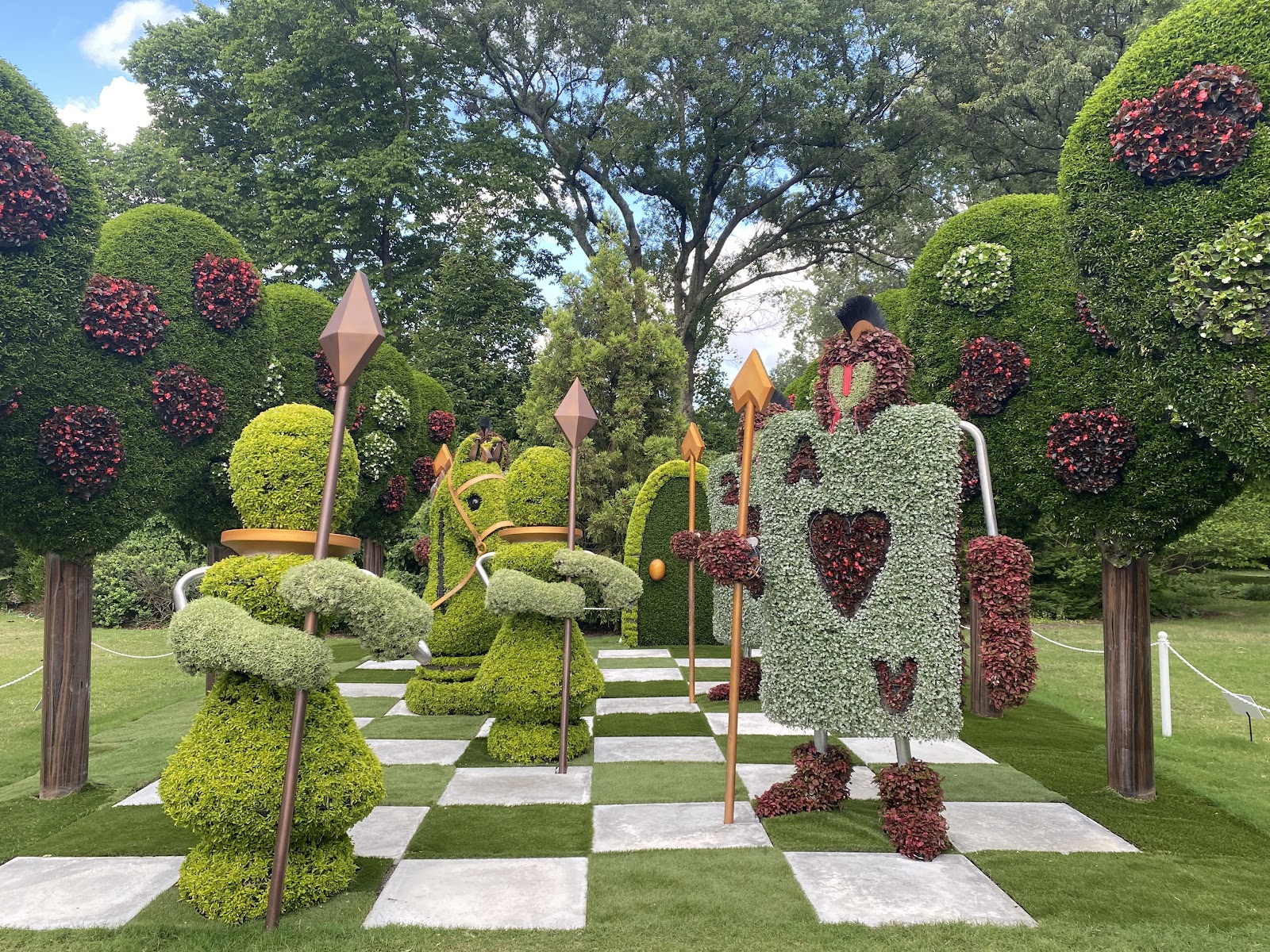
More frames from The Memphis Botanic Garden
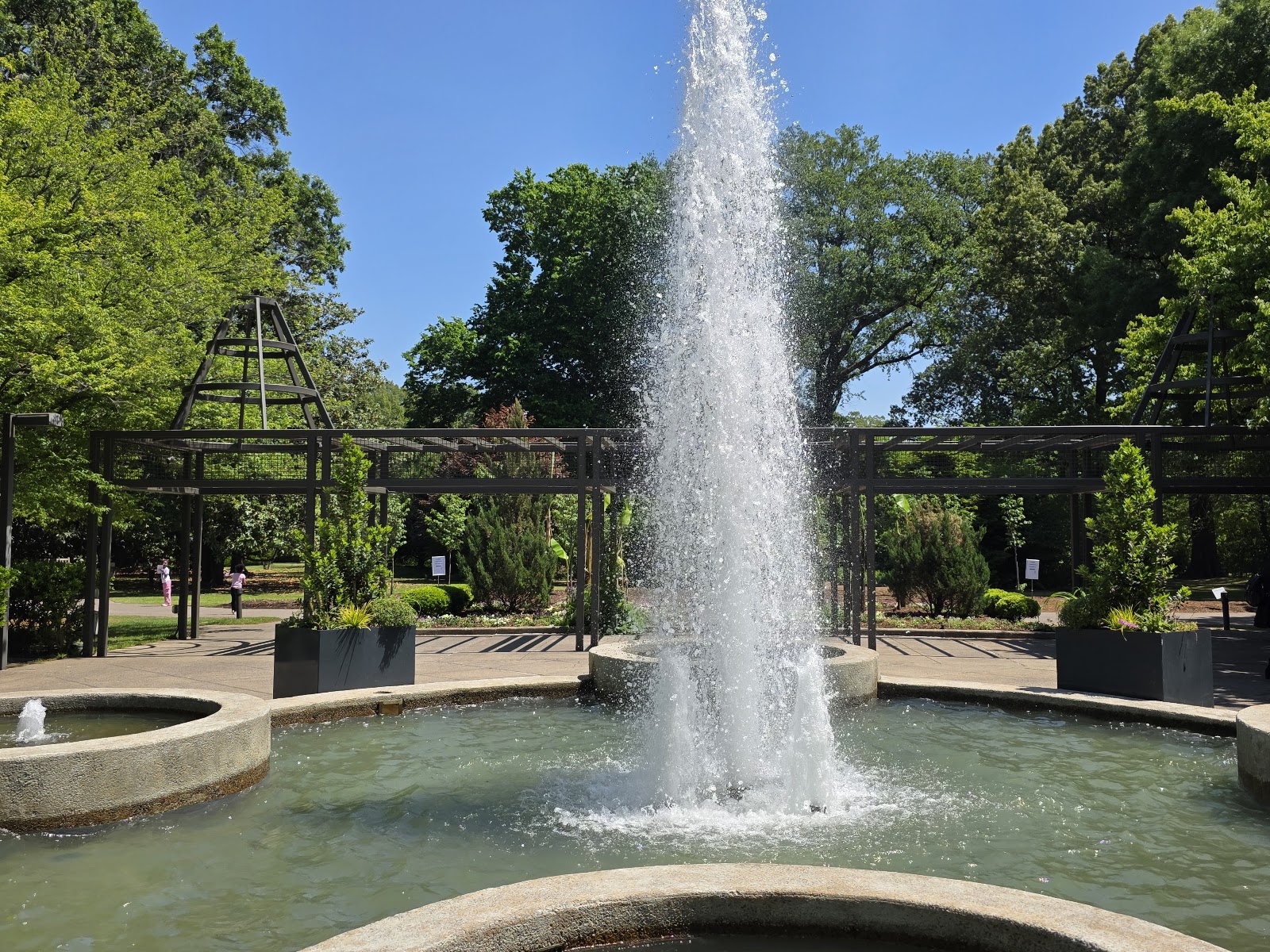
The Memphis Botanic Garden wedding photography: common questions
How many locations should we plan for portraits?
Two. Ninety-six acres sounds like an invitation to use five, but a wedding party in formal clothing moves at about fifty metres a minute with stops, and the useful gardens are not adjacent. Two locations chosen deliberately and reached calmly will produce more than five reached in a hurry. Ask whether a cart is available for a wedding party, because that changes the arithmetic.
Will the flowers be out on our date?
Only some of them, and which ones depends entirely on the week. Roughly: daffodils in February, dogwood and azalea late March into April, roses from late April, daylilies in June, crape myrtle July into September. Any given collection looks like its photographs for about two weeks a year. Plan around what is actually in flower and let the structure — trees, water, walls, paths — carry the rest, because structure is there all year.
What is the best time of day?
The last ninety minutes before sunset for anything in open sky, and any hour at all for the tree-shaded and walled gardens. Avoid open ground between about half past eleven and half past two in summer, when the sun is near seventy-eight degrees and puts black shadows in eye sockets.
Will other visitors be in our photographs?
Assume yes unless your booking explicitly closes an area, because a botanic garden’s visitors have paid to be there. Work tighter than instinct suggests and use a longer lens to compress backgrounds into colour rather than detail. If a genuinely private window exists it will be early morning or after closing, and it is worth asking about specifically.
What happens if it rains?
Find out what the covered option actually is and what it actually holds, rather than accepting that one exists. In gardens it is usually a pavilion or a glasshouse and both are smaller than the lawn. Also note that this is loess soil, which turns slick and sticky when wet, so establish which paths are paved before routing anyone across them. And the half hour after a summer storm passes is the best light of the year — washed air, saturated planting, wet leaves, low sun under a broken ceiling. Do not pack early.
Is a winter wedding here worth considering?
More than you would expect. Days are short — sunset before five in December — which compresses the schedule, but the light is excellent: a low noon sun models a face all day, there is none of the summer haze, and the evergreen planting, magnolia especially, means the garden keeps real structure through January.
More Memphis, TN venue guides
We are writing a photographer’s guide to every venue we would happily shoot in Memphis, TN. Here are three more, plus the full index:
- The Memphis Zoo: The Problem, and Four Ways Out of It
- The Peabody Memphis: The One Decision That Governs Everything
Planning a wedding at The Memphis Botanic Garden?
Two gardens, chosen for their skies, and a route we have walked. Tell us your date.