Three facts about Mount Desert Island govern photography here, and none of them is the scenery. The first is that the water is cold all year: the Gulf of Maine stays cold through the summer, which means warm air moving over it condenses, and Bar Harbor is one of the foggiest places on the east coast — with fog most frequent in June, July and August rather than in spring or autumn. That is the reverse of the pattern further south and it needs planning for rather than hoping against, because fog here can persist all day instead of burning off by nine.
The good news is that the fog version of a day is genuinely good: it removes every hard shadow, erases the horizon so water and sky become one plain field of tone, and leaves a couple as the only thing in frame with edges. It is also easier to expose than the clear version, because the brightness range collapses.
The second fact is the tide. The Gulf of Maine has one of the largest tidal ranges in the world, which means the shore here is two completely different places twice a day — granite at the water's edge at high water, and a wide apron of exposed rock, weed and tidal pool at low. The table is published and reliable, and it belongs in the schedule alongside the sunset time. The third is the material palette, which is unlike anywhere else covered here: coarse pink-grey granite, black-green spruce, white painted clapboard and birch bark. Granite is mid-toned and reads only under raking light.
Spruce absorbs almost everything, which makes it the darkest natural background there is and separates a subject by three or four stops for nothing — at the cost of fooling a meter by two stops in the other direction, so work in manual. And white clapboard is the most reflective architectural surface a photographer regularly meets, which makes a white wall a genuine soft source at architectural scale. Autumn comes early and peaks in the first half of October, which is the island's best month by a clear margin. The guides below take each venue on its own terms.
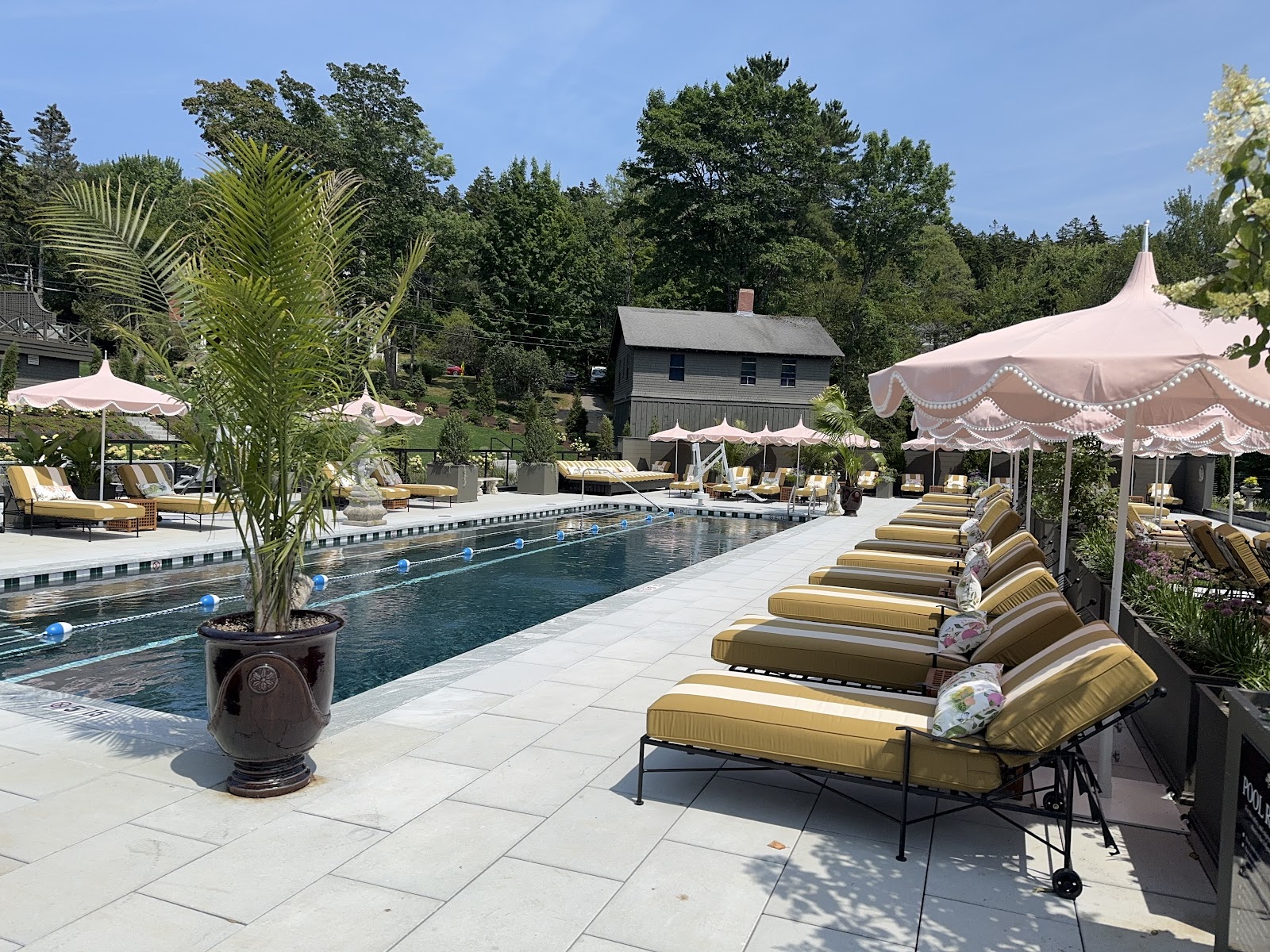
The Asticou Inn, Maine: One Frame, and How It Is Made
A Maine coastal inn — and the one frame that white clapboard and soft sea light exist to give.
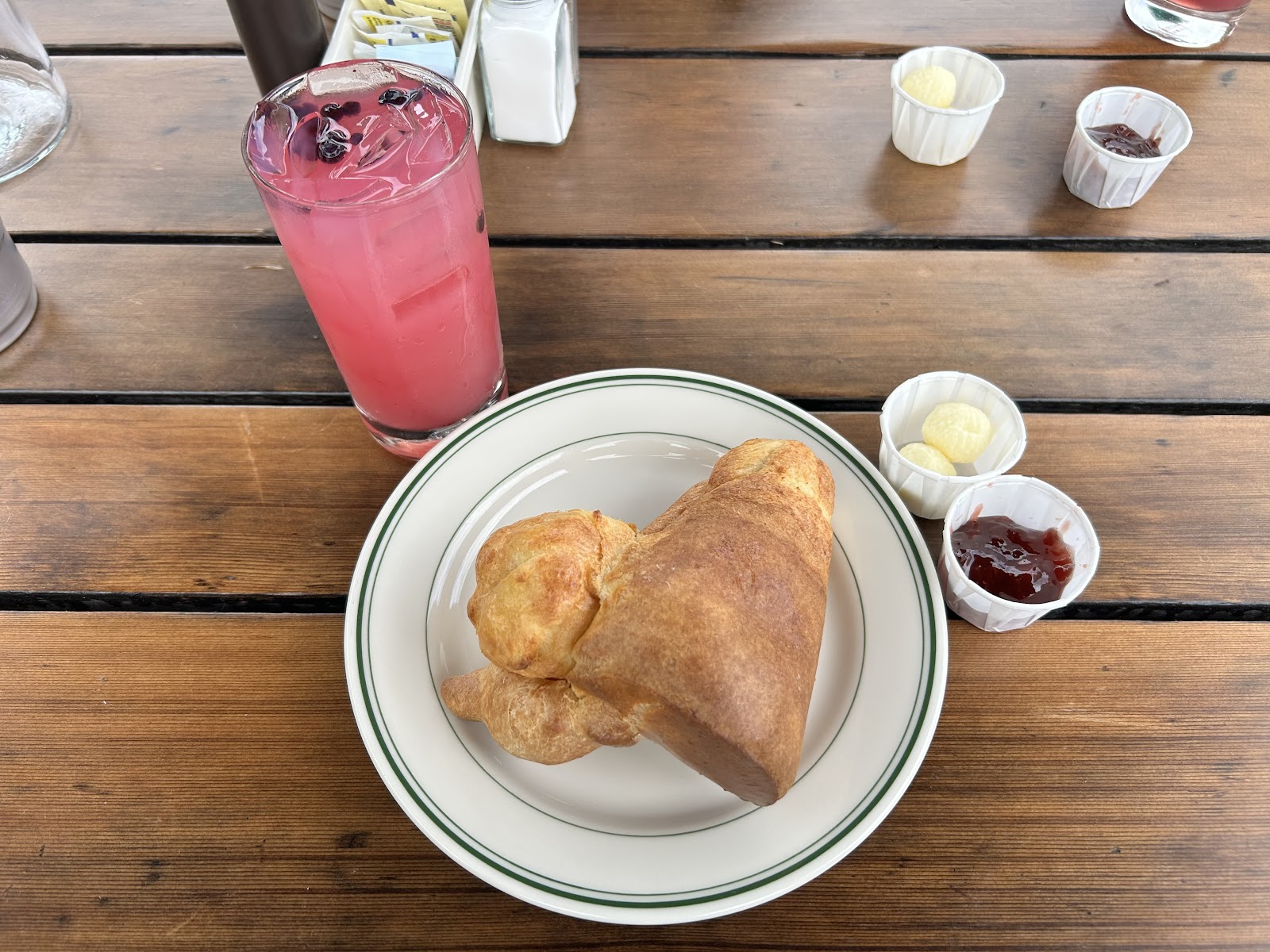
The Jordan Pond House, Acadia: Field Notes on a Mountain Pond
A mountain pond in Acadia — still fresh water, hills on three sides, and dark spruce all round.
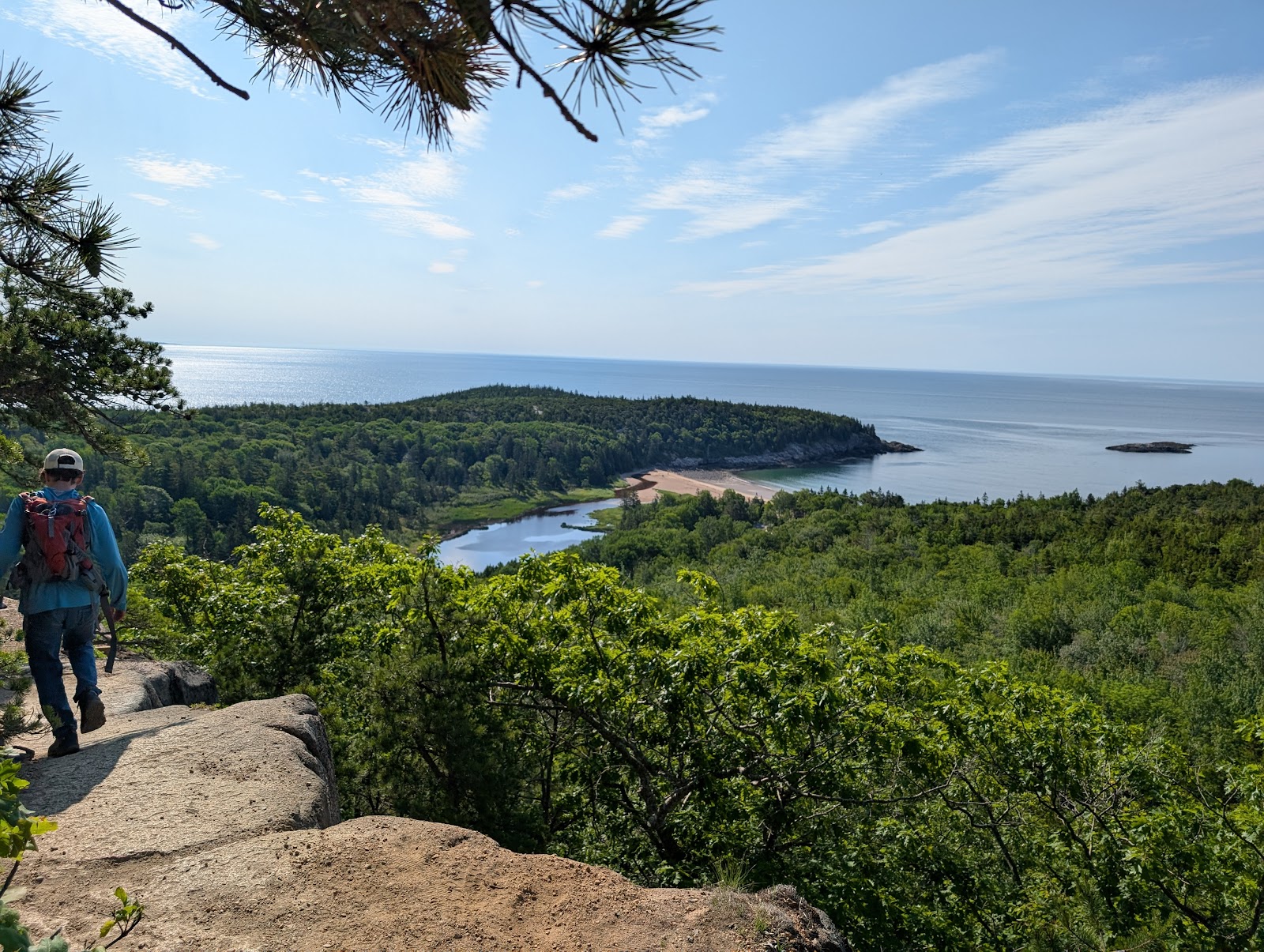
Acadia National Park, Maine: The Problem, and Four Ways Out
Acadia as a wedding location — where a photographer controls nothing, and four ways to work within that.
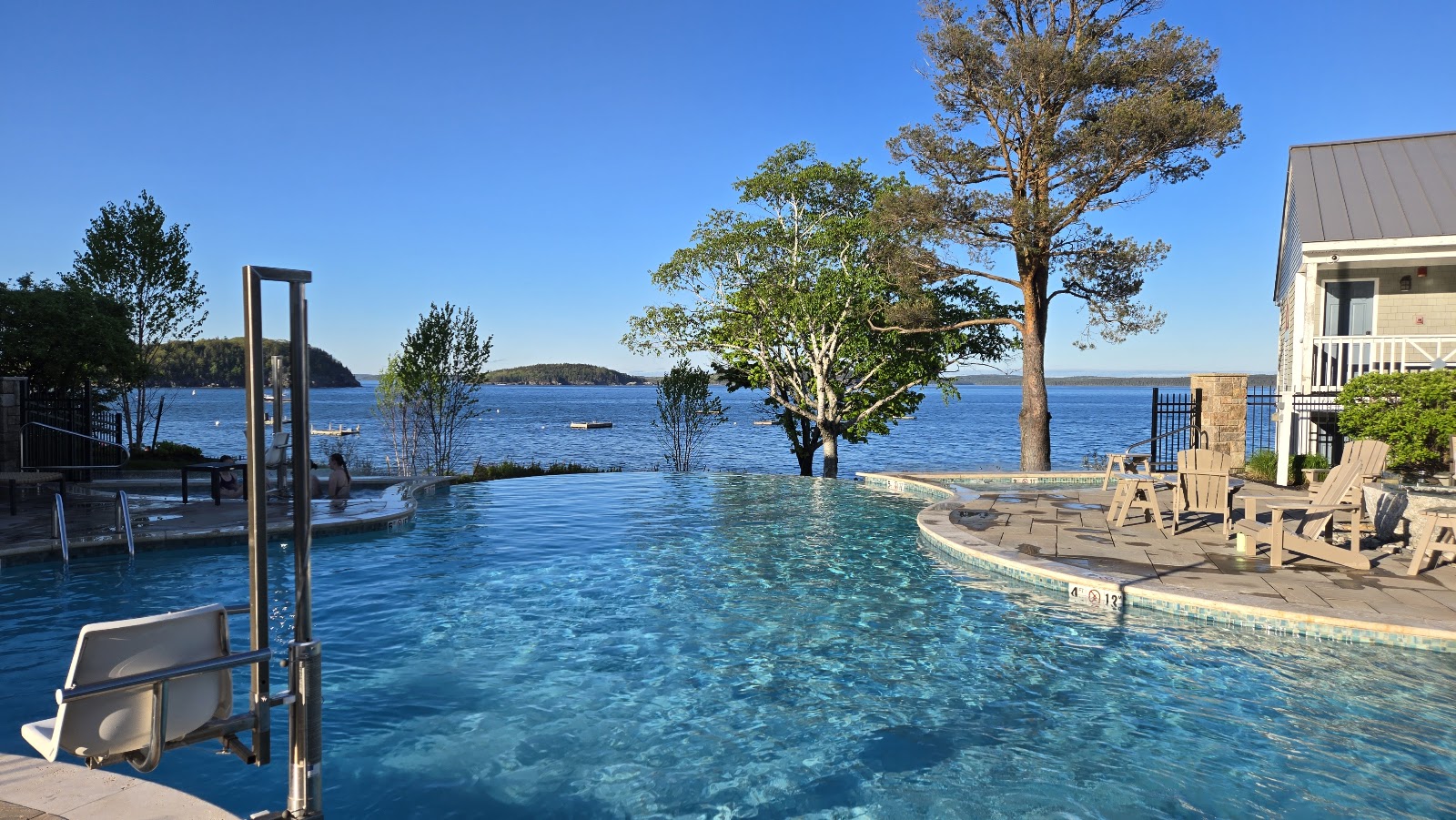
The Bar Harbor Inn, Maine: A Venue Built Facing the Water
A Bar Harbor inn facing east over cold water — and what that orientation, the fog and the tide decide.