Wyoming is high, dry and empty, and those three facts govern photography everywhere in it. High first: almost the entire state sits above fifteen hundred metres, and the venues in this collection range from around eighteen hundred and fifty on the plains to well above two thousand four hundred in the mountains. Thin air scatters very little light, which produces four consequences that a photographer arriving from a humid climate will get wrong. Shadows are hard and fall four or five stops below the sunlit subject, because there is almost nothing in the air to fill them — whatever fill you want, you bring, and the environment provides none.
The sky is a deeply saturated blue rather than a pale wash, which means it is worth composing into a wide frame rather than excluding, and a polariser will deepen it dramatically, sometimes too far into an artificial near-black. Distance resolves with extraordinary clarity, so a long lens across a valley at a range, or across the plains at a distant escarpment, is genuinely usable where the same frame at sea level would be a hazy mess. And ultraviolet is much stronger, so sunburn happens faster than anyone plans for, with snow or pale ground reflecting it upward.
Altitude also affects people before it affects photographs, which matters at every mountain venue here: guests arriving from sea level will be breathless on slopes, dehydrate faster in very dry air, and find alcohol markedly stronger than expected. The advice is to arrive a day or two early, drink water constantly and go easy, and a couple can put that in an invitation. Dry second: the diurnal range in this state is large, which is the signature of dry air. A summer day that reaches the low thirties can be near five degrees by ten at night, and frost is possible in almost any month above two thousand metres.
Any outdoor evening reception needs heating, and a bride in a summer dress at nine will be cold whatever the afternoon was like. Dry air also means the half hour after a storm clears is exceptional here — the air washes to absolute clarity, wet rock and wet timber go several tones darker and far more saturated, and a low sun comes under a broken ceiling onto lit ground. If a cell goes through at six, wait rather than pack. Empty third, and it is the compositional problem rather than a complaint: there is very little in the middle distance anywhere in Wyoming.
A frame composed the way you would compose it in a landscape with features in it comes back as a subject, a great deal of ground and a great deal of sky, and it reads as empty rather than spacious. The answer is to commit — put the horizon low, a fifth of the frame or less, and let the sky occupy the rest, because at this altitude the sky is the largest and most interesting thing available. A frame that is four-fifths sky with two small figures on a low ground line is the signature photograph of this state, and composed conventionally the same view is a disappointment.
Two further facts shape specific parts of Wyoming and both are worth establishing before a date is chosen. In the mountains, the question that matters most is which side of a range a venue is on, and it decides when the peaks are lit. The Tetons are the clearest example in this collection: they rise along a fault with no foothills, so the peaks stand something like two thousand metres directly above the adjacent valley floors and the whole mountain is visible in one frame from close range.
From the western slope the range is to the east, which means the low evening sun strikes its western faces and the peaks go gold and then rose in the hour a wedding actually has. From Jackson Hole on the eastern side the same peaks are to the west, which means the classic lit-mountain frame is at sunrise and the evening gives a silhouette against a bright sky. Neither is better; they are different photographs, and if a couple's reference images show golden Teton peaks it is worth knowing which side those were made from.
Because these ranges are close and tall they also occupy a large vertical angle, which forces a choice: a long lens on the range alone as a landmark frame with no people in it, or a wide frame in which the range is background and the couple are necessarily small. The version couples ask for — portrait distance with enormous peaks behind — is not available, and it is better to say so and offer the two that are. Alpenglow is the phenomenon to plan the evening around at any mountain venue in the state.
After the sun has left the valley, the high peaks continue to catch light for several minutes, arriving pink and then deep rose because it has travelled a long way through the lower atmosphere, and they glow while the foreground is already in shadow. Expose for the lit peaks and light the couple, because at any exposure holding the mountain a face in valley shadow is unlit — one small warmed source at low power, set up before the sequence begins, because the whole thing lasts minutes.
At this latitude civil twilight runs about twenty-eight to thirty minutes in midsummer, and at altitude the afterglow runs a little longer and considerably more colourful than that suggests, so budget twenty minutes at the end of the day rather than twelve. On the plains, the fact that matters most is the wind, and it is a first-order planning consideration rather than a footnote.
South-eastern Wyoming is among the windiest country in the United States — sustained wind rather than gusts, blowing for hours or days — which means a veil is frequently unmanageable, a lightstand is a hazard rather than an inconvenience, and an unamplified officiant will not be heard by the third row on open ground. Find the lee on arrival rather than when it matters: every property on the plains has one, because everyone who has lived here has built or planted for it, and a conifer or poplar windbreak creates a genuinely calm strip twenty or thirty metres deep on its downwind side.
Ask the venue, because anyone operating out here knows exactly where the shelter is. Wind does have one photographic gift, which is that it clears the air, so the distant ranges are sharpest on the days that are worst for everything else. The plains also bring genuine severe weather. This is hail country, and large hail is frequent rather than remote — it damages vehicles, marquees and equipment and it arrives fast. Lightning on open prairie is lethal and there is no shelter, so watch storms from a doorway and go inside early rather than late; never put a wedding party on open ground with active convection nearby.
Snow is possible from September through to May and heavy spring snow is ordinary rather than exceptional, so an April or May date anywhere in the state needs a travel contingency that assumes some guests cannot drive. Season by season, the state divides clearly. July and August are the reliable summer everywhere: warm dry days, cold nights, and near-daily afternoon convection over the mountains.
Late summer carries a wildfire-smoke risk that has grown markedly since the late twenty-tens — smoke from regional fires can fill a valley or remove a range from every frame for days, and it cannot be forecast far ahead, so any plan whose whole argument is a mountain view needs an air-quality contingency as well as a weather one.
The last ten days of September into early October is the best window in the state and it is not close: aspen and cottonwood turn gold, the air is at its clearest, mornings are cold and still with mist on the rivers, crowds thin, and sunset around seven puts the alpenglow at a civil hour. Early snow at that point is a gift rather than a problem. October and November are often a closed shoulder at mountain resorts, between a summer operation that has ended and a winter one that has not begun, so establish specifically what is running.
Winter is long, snowy and short-dayed, with a low midwinter sun near twenty-three to twenty-five degrees that rakes snow, rock and timber all day and produces genuinely excellent light — and with snow as the best natural fill there is, reflecting a very high proportion of what falls on it so the ground throws light upward into faces and fills eye sockets with no card at all.
Two snow notes: a mostly white scene gets metered as mid-grey and comes back one to two stops under, so add compensation and check a histogram; and snow in shade is genuinely blue because it reflects a blue sky, which at altitude is a deep one — that is correct rather than an error, and neutralising it makes the snow grey and dead. Against winter's light, the constraints are real: sunset before five, cold that limits a party in wedding clothes to minutes rather than an hour, and roads that depend on conditions.
April into June is the thin shoulder in the mountains — melting snow, mud, closed roads — and the hardest stretch on the plains, with the most persistent wind and normal heavy wet snow. It is the period to advise against.
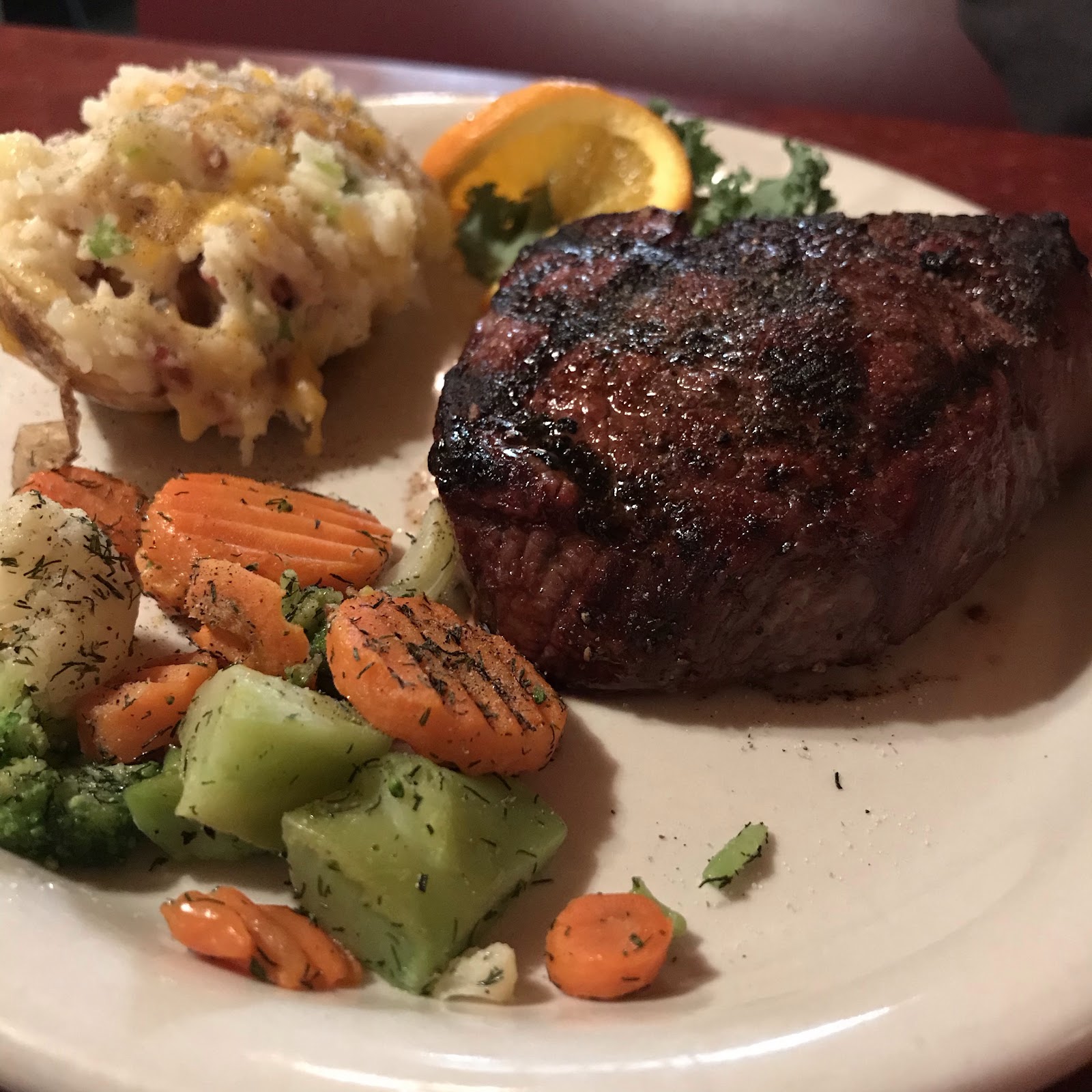
The Cheyenne Crossing, Cheyenne: The Problem, and Four Ways Out of It
A venue on the high plains at Cheyenne — where the wind, not the light, is the governing problem.
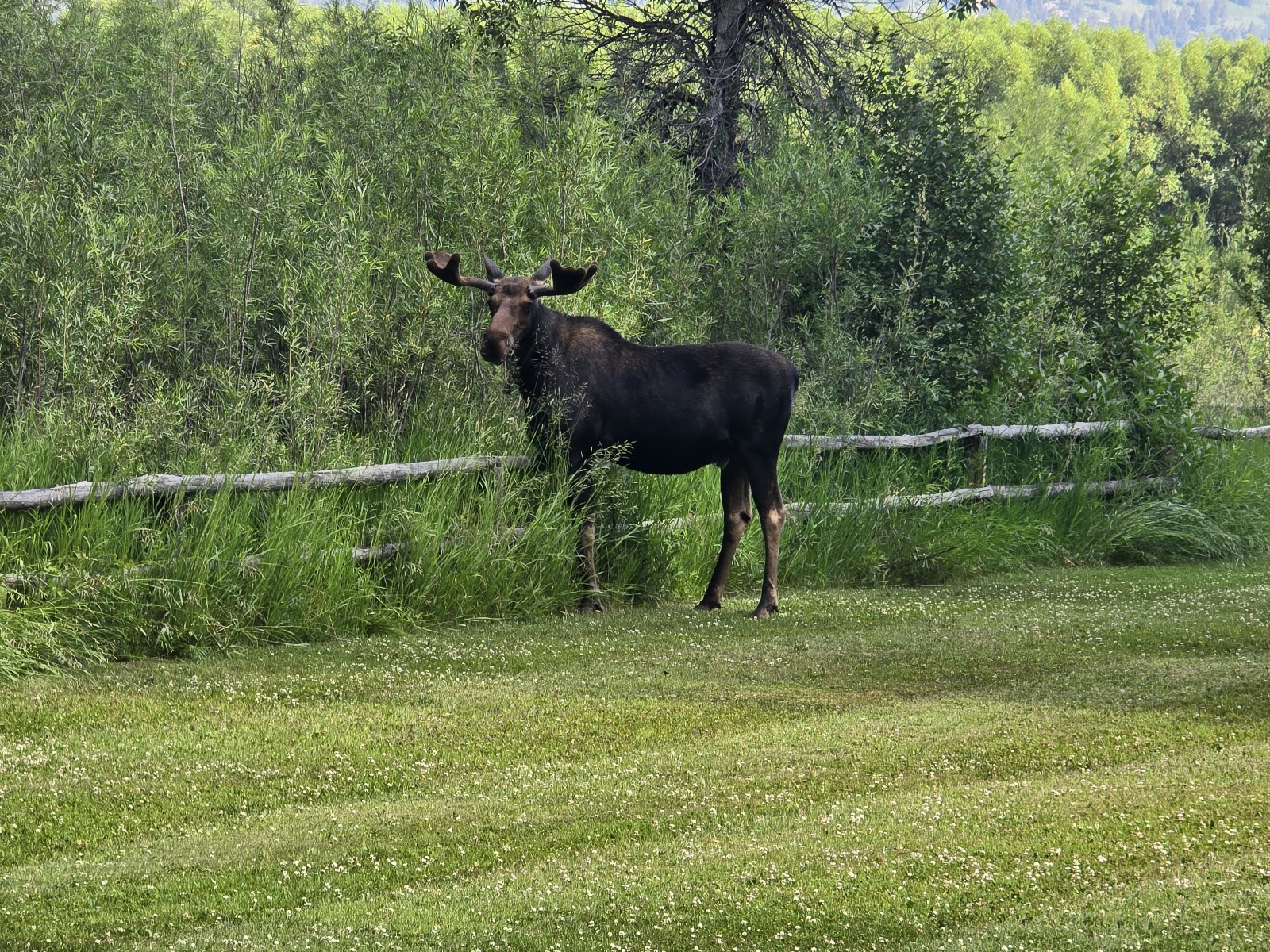
The Snake River Ranch, Jackson: The Venue’s Own Logic
A working ranch in Jackson Hole — organised by function, with the Tetons backlit in the evening.
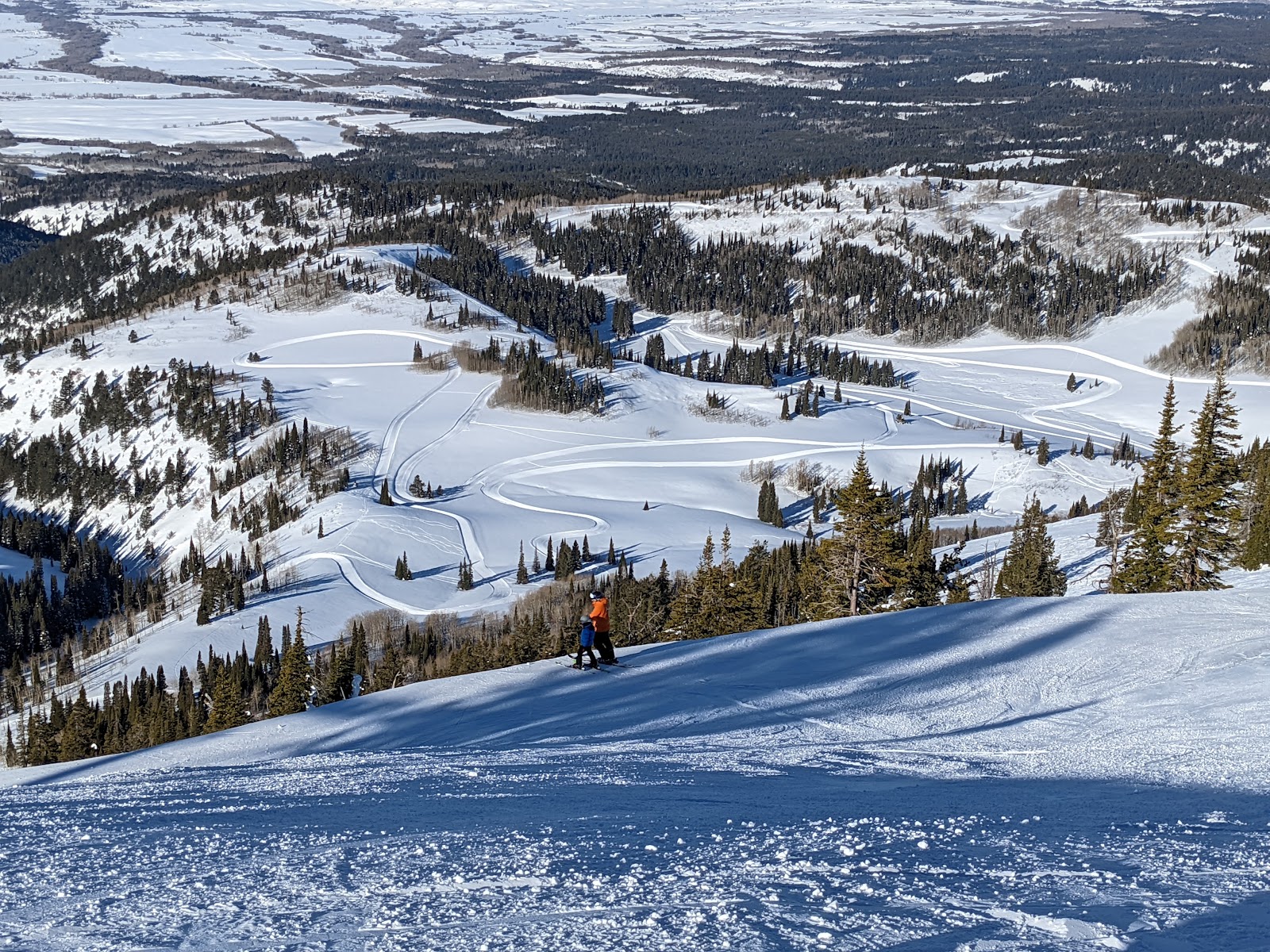
The Grand Targhee Resort, Alta: Suits and Does Not Suit
A resort on the western slope of the Tetons — which means the peaks are lit at sunset rather than backlit.