Florida runs from about twenty-five degrees north to thirty-one, and that range does more to photographs here than anything else. At Miami the June noon sun climbs to within two degrees of straight overhead — the highest in this guide — which puts eyes in shadow and foreheads in light and leaves no position on open ground that fixes it. Even at the winter solstice the noon sun in south Florida still reaches about forty degrees, higher than a New England midsummer evening.
Days barely vary, from around ten and a half hours to thirteen and three-quarters, so there is no long northern evening; and because the sun descends steeply at these latitudes, civil twilight runs a little over twenty minutes against thirty-five or more further north. The low light is short and it ends abruptly.
Three practical facts govern almost every venue on this page. First, orientation: the Gulf coast faces west and takes the sunset over water, while the Atlantic coast faces east and gives its sun-over-water frame to dawn, with the evening beach lit by afterglow instead. Reversing that plan between coasts is the commonest error in Florida work. Second, the species decide the shade. Live oak, banyan, sea grape and tropical fruit trees hold dense evergreen canopies that block almost everything and give reliable soft light at any hour; a palm frond is a row of stiff parallel blades and throws a hard slatted stripe that is unusable on a face.
Broadleaf is cover, palm is background. Third, the wet season from May to October brings dew points in the mid-twenties Celsius — haze rather than fog, which strips contrast at distance — and the daily convergence storm, formed where sea breezes from both coasts collide over the peninsula and lift the air. That mechanism is why Florida records more lightning than any other state, and why a named covered alternative is a requirement rather than a courtesy between June and September. It also creates the state's most specific technical hazard: a lens carried from an air-conditioned room into that air fogs instantly and takes ten to twenty minutes to clear.
Two bodies, one of which stays outside, is the only real answer. The good season here is winter, which is the reverse of almost everywhere else in this guide.
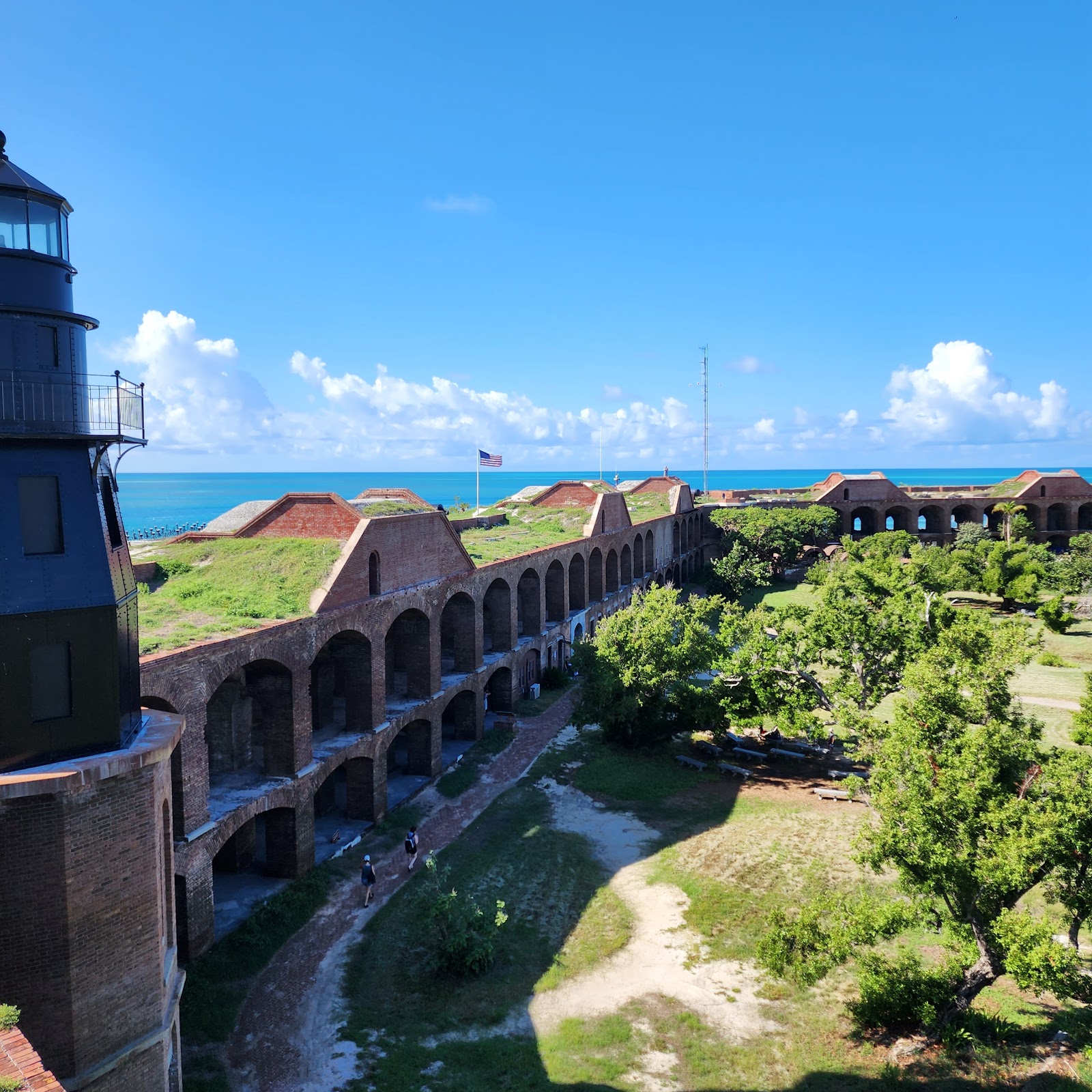
Dry Tortugas National Park: A Walk Through an Island Fort
A remote island fort reached only by boat or seaplane — walked in the order a day there actually works.
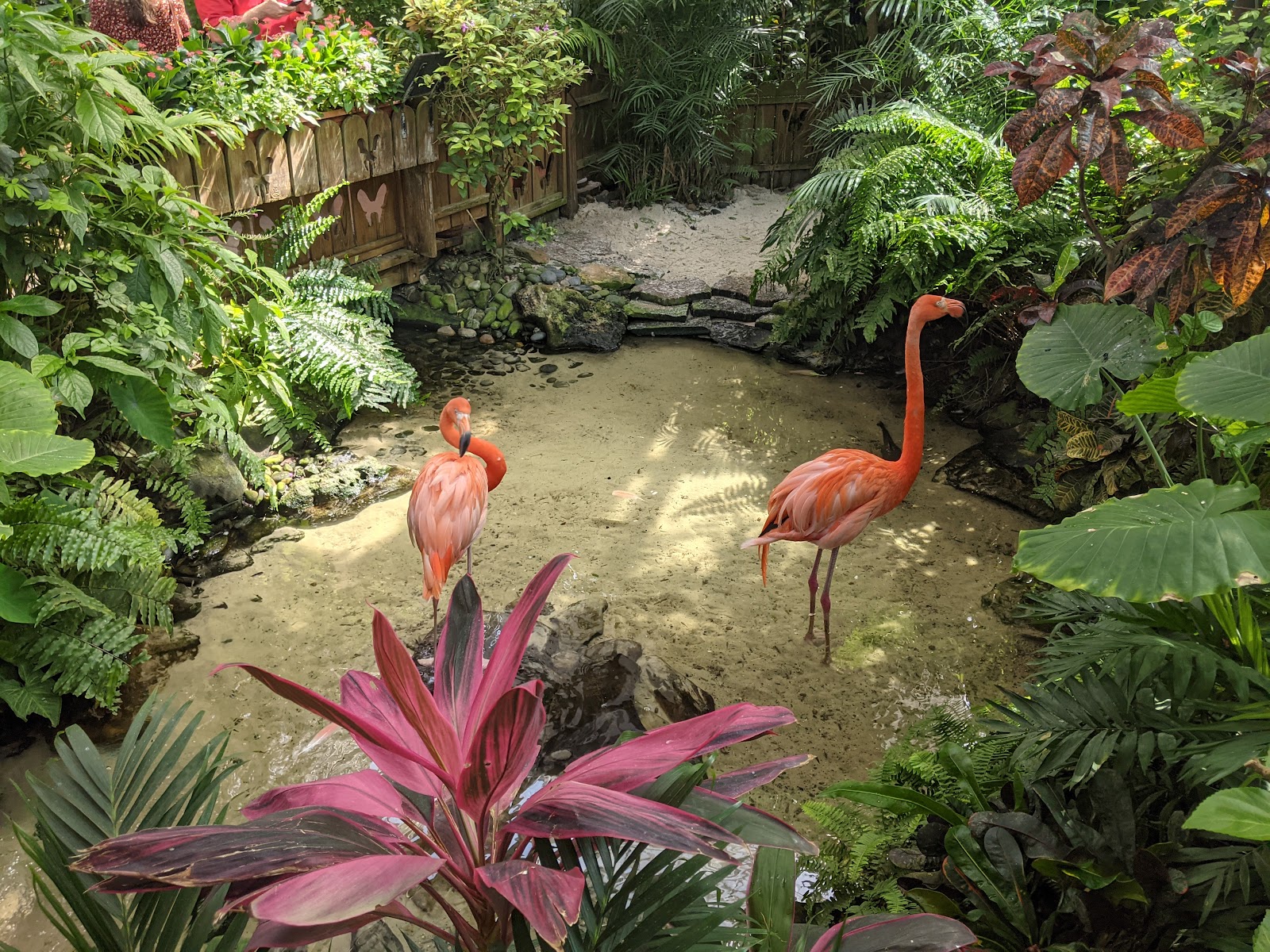
The Key West Butterfly Conservatory: The One Decision That Governs Everything
A Key West glasshouse full of living creatures — where one decision about flash governs the whole approach.
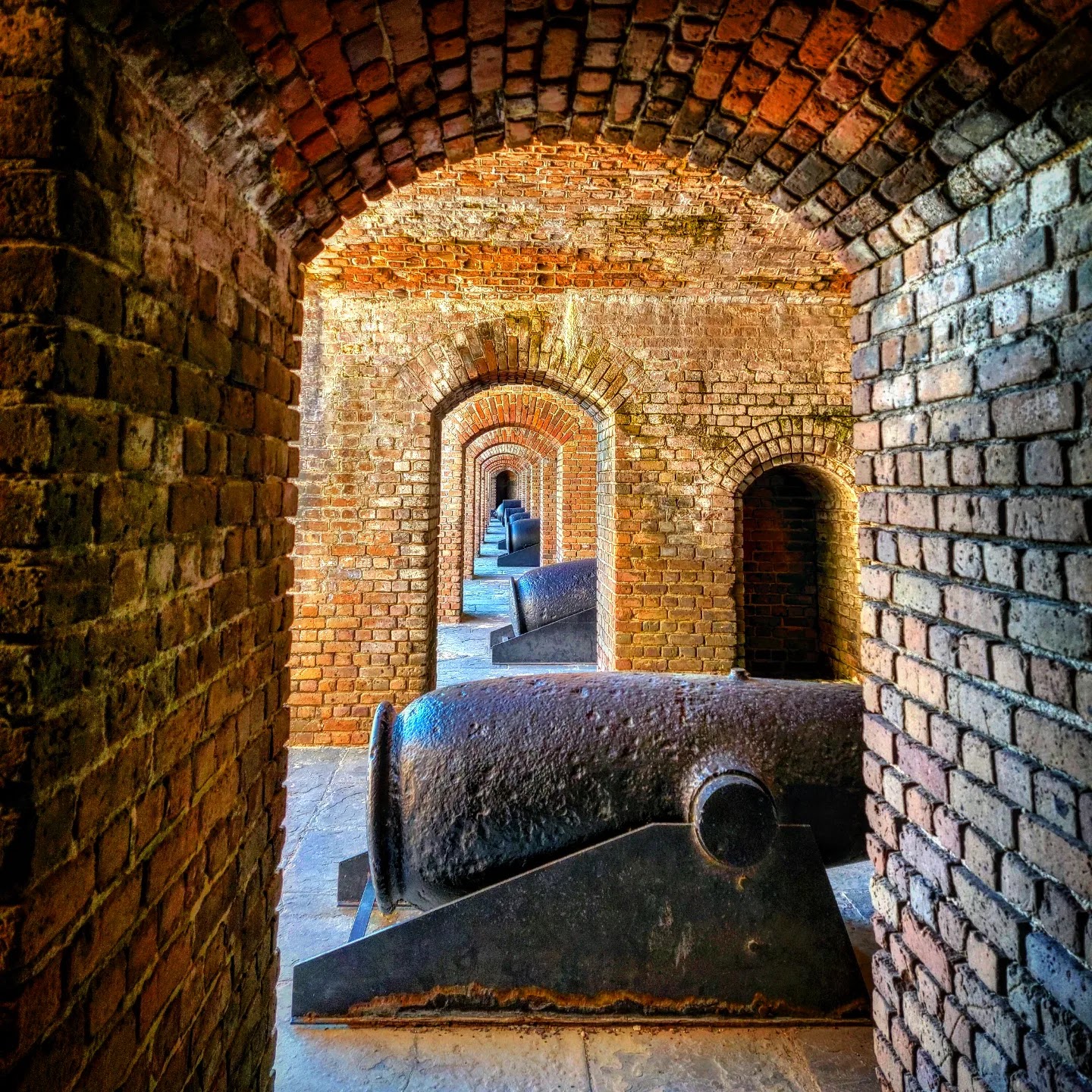
Fort Zachary Taylor, Key West: What It Suits, and What It Does Not
A masonry fort and beach in Key West — dramatic where it counts, and difficult in four specific ways.
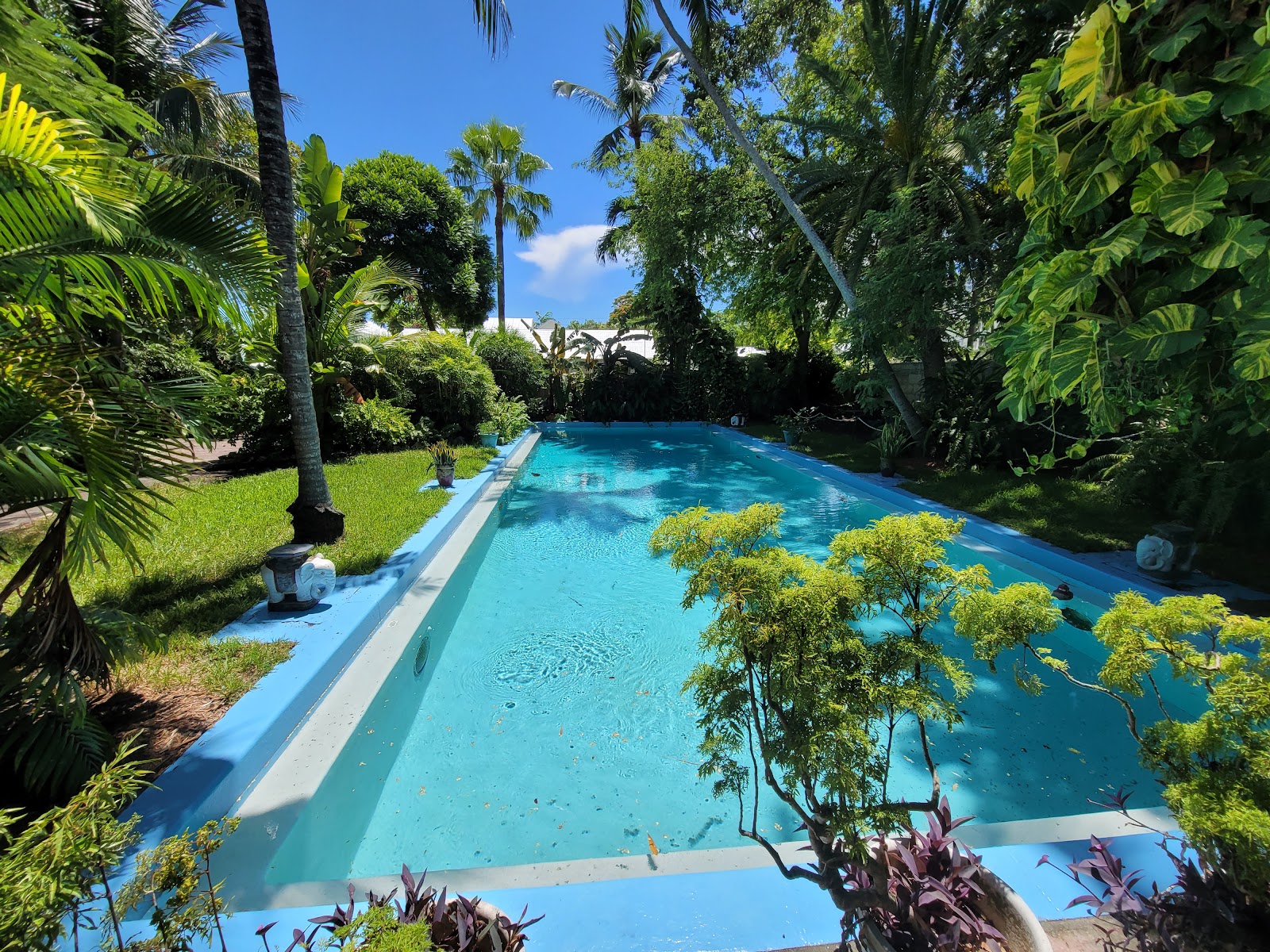
The Ernest Hemingway Home, Key West: One Frame, and How It Is Made
A historic Key West house with deep verandas — and the one frame a near-vertical sun makes possible.
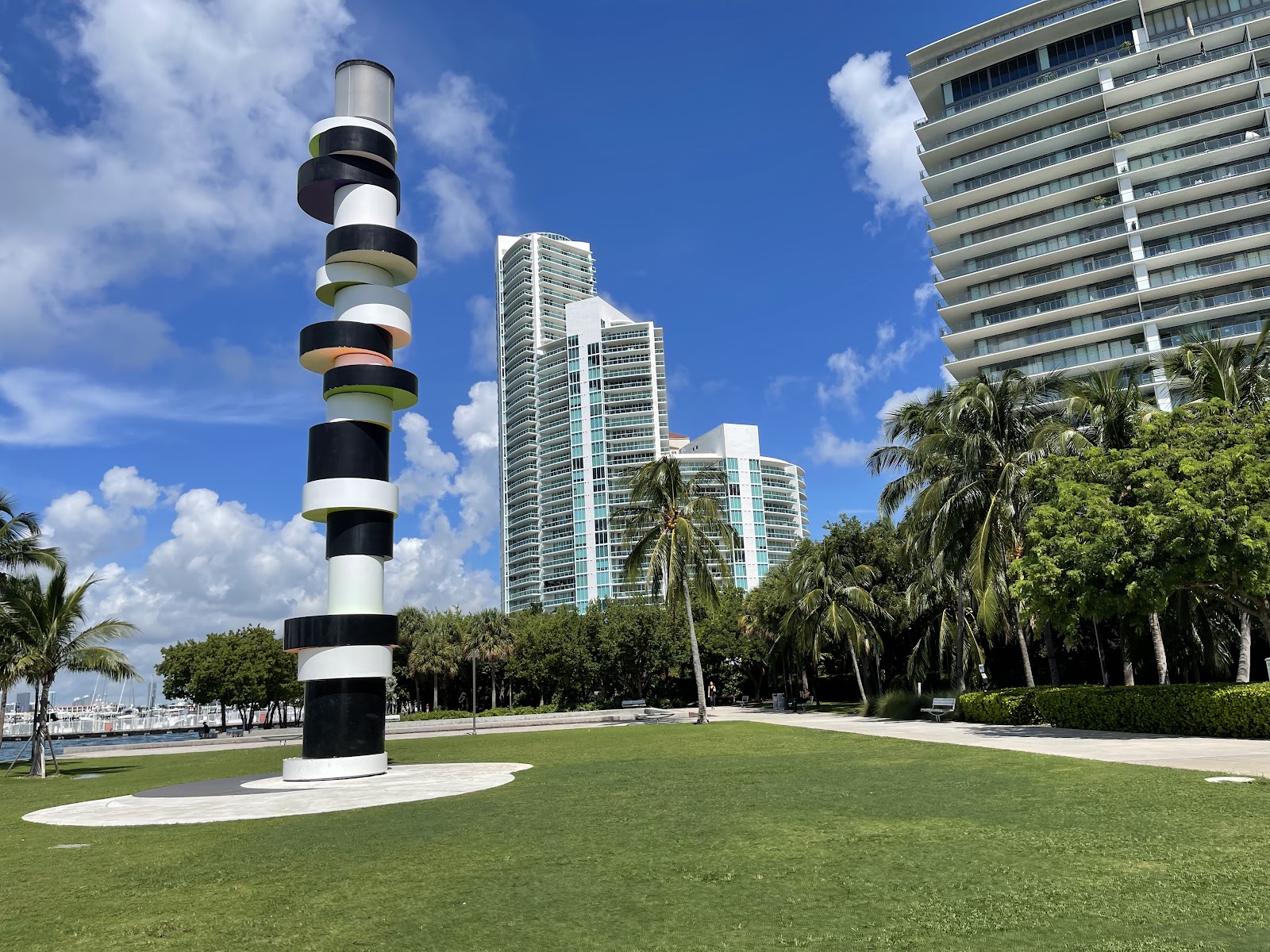
South Pointe Park, Miami Beach: A Walk Through the Site
A park at the southern tip of Miami Beach, where a shipping channel on one side and the open Atlantic on the other meet at a jetty.
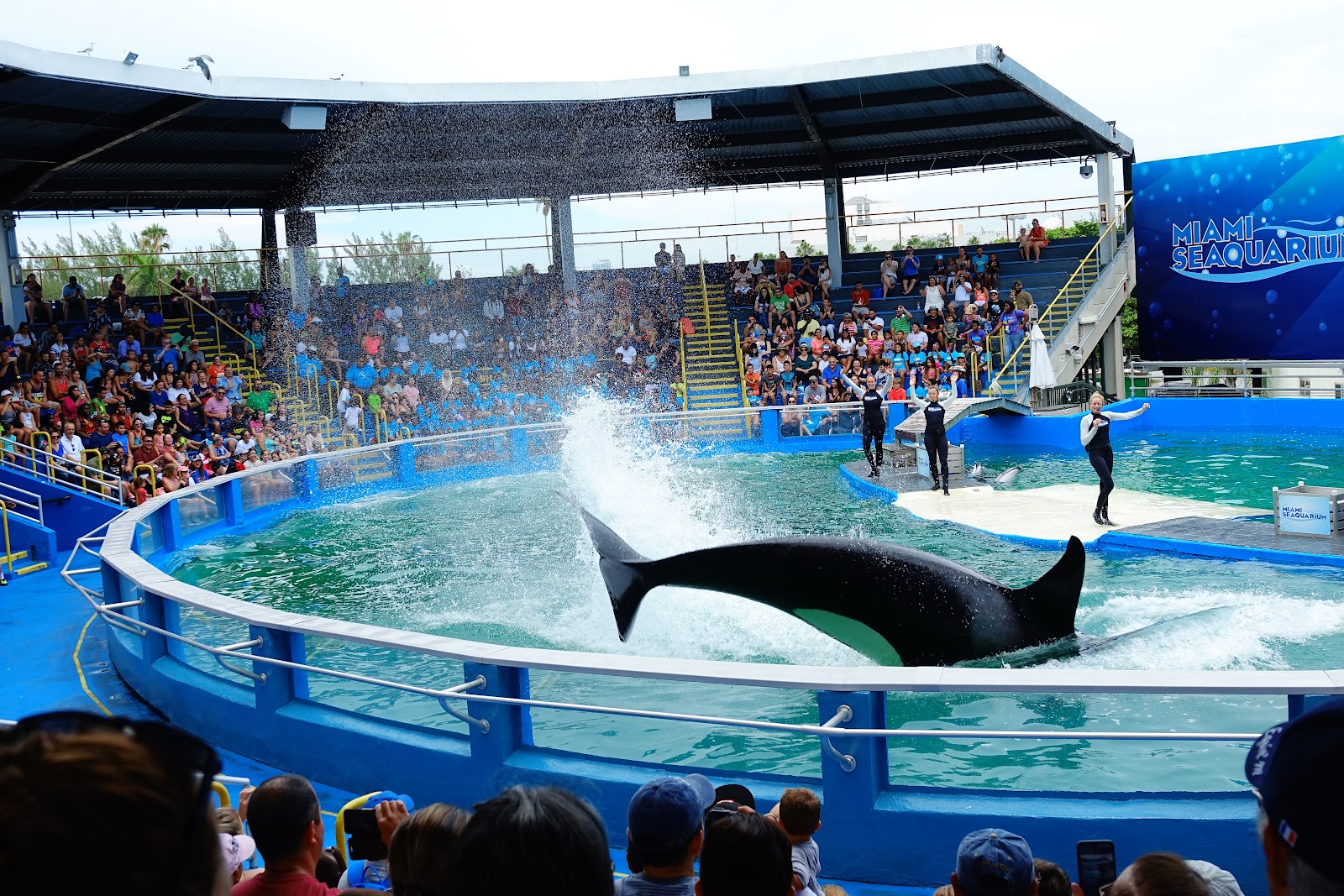
Miami Seaquarium: What It Suits and What It Does Not
A marine park on Virginia Key, where the best light in the place comes out of the water and is the wrong colour.
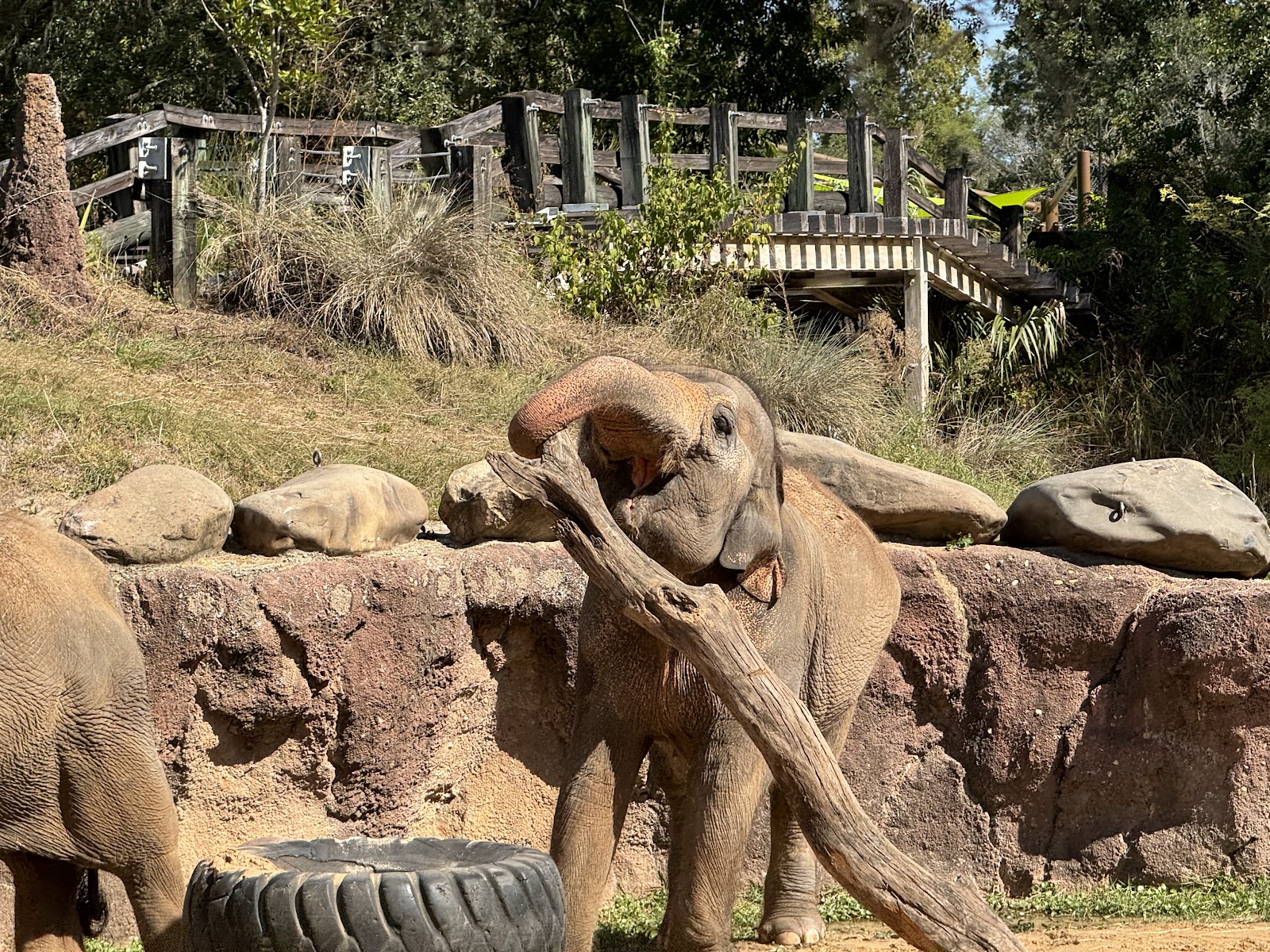
Busch Gardens Tampa Bay: What It Suits and What It Does Not
A large theme park and animal attraction in Tampa — engineered, colourful, crowded, and photographically the opposite of a quiet garden.
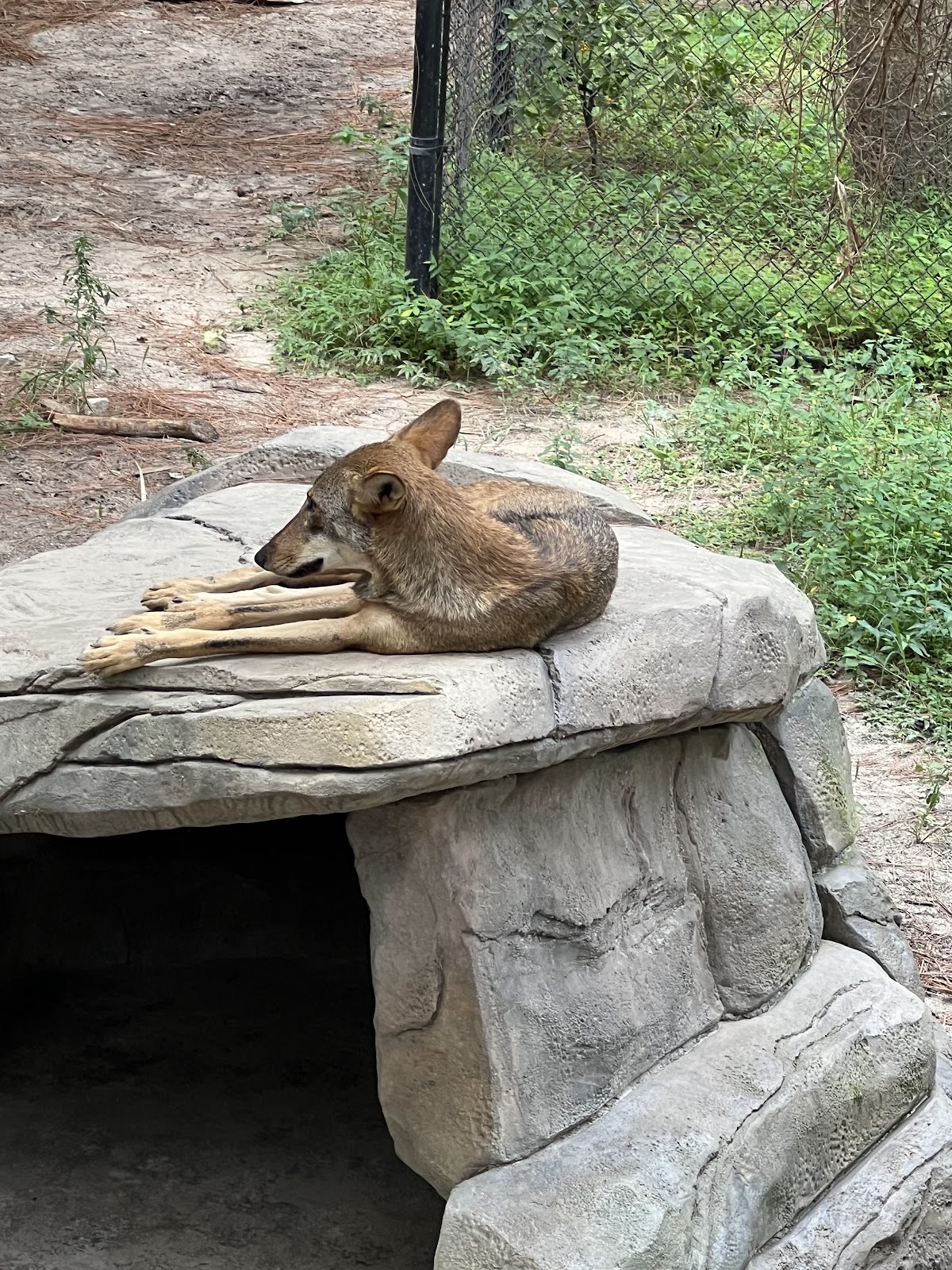
ZooTampa at Lowry Park, Tampa: The One Decision That Governs Everything
A zoo in Tampa, where one decision decides every frame: an animal in the picture is always the subject, whatever the photograph was meant to be about.
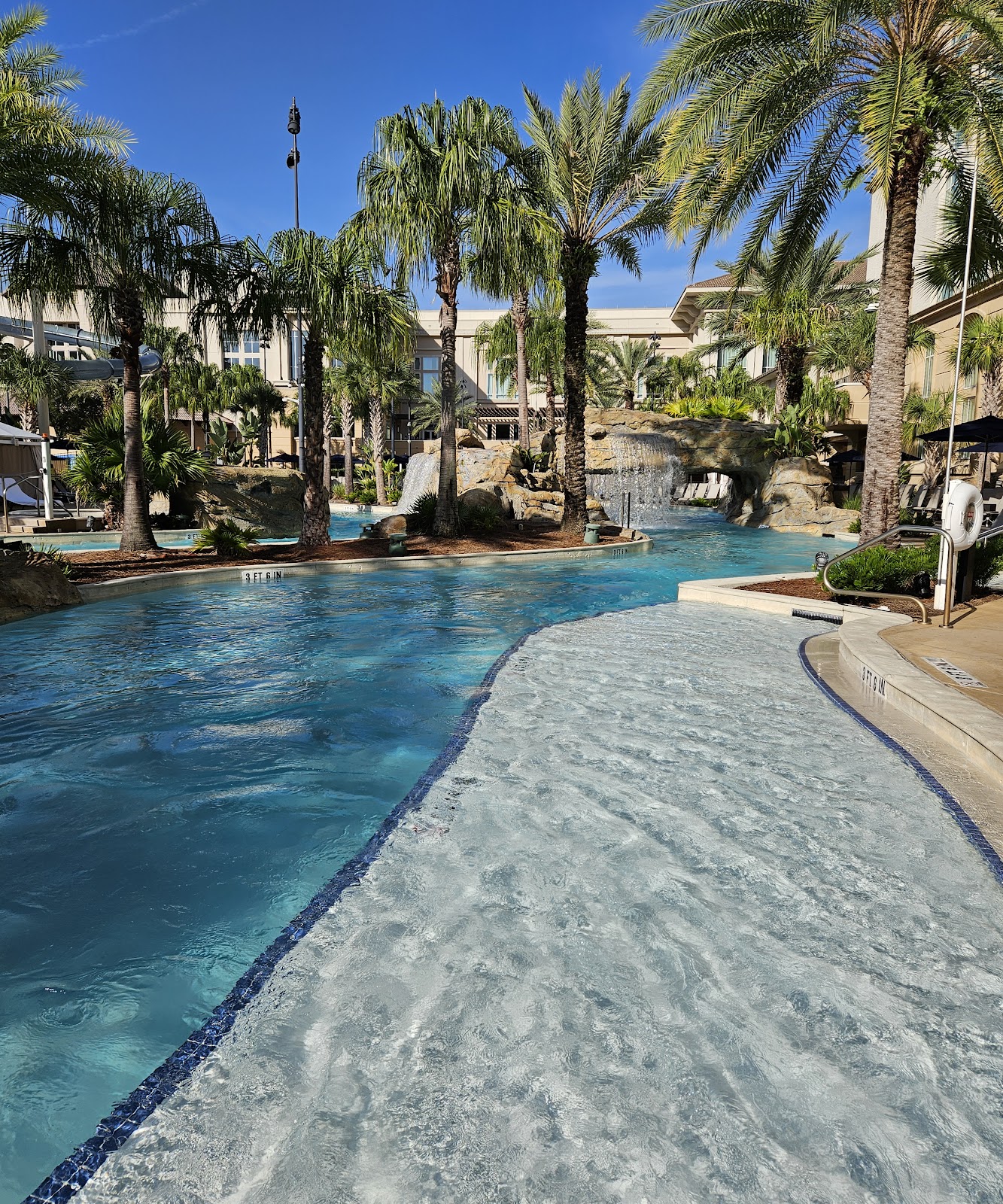
Gaylord Palms Resort, Kissimmee: The Venue’s Own Logic
A resort built around an enormous glazed atrium — an outdoor landscape with a roof on it, which is a lighting situation unlike any other in this guide.
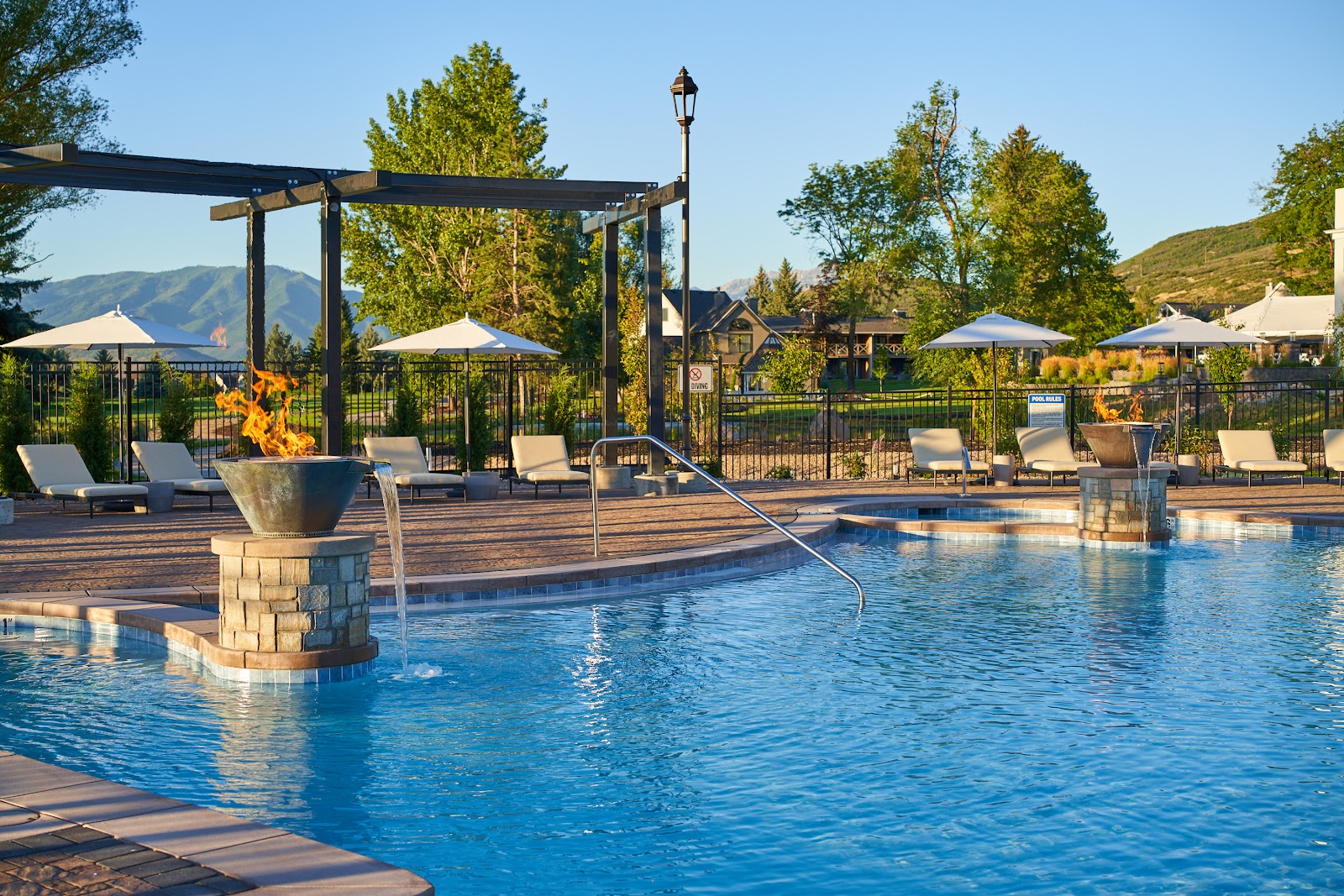
The Homestead Resort, Homestead: Field Notes, Problem and Solution
Flat agricultural country south of Miami, where the ground is level, the groves are tropical and the noon sun is within two degrees of overhead.