The building stone in this part of Delaware is a coarse dark fieldstone, and that one material fact reverses a piece of advice most photographers carry from elsewhere. Pale limestone and stucco are reflectors: a sunlit wall of either is a large warm light source, and standing a couple three metres out from one is the cheapest good light available. Dark fieldstone is the opposite. It absorbs almost all the light falling on it, which means a lit stone wall here brightens nothing at all — and which makes it an excellent background instead, giving two or three stops of free separation with no equipment.
Dark stone is for standing in front of, not for being lit by. Its texture also reads only when light rakes along it: a coarse wall lifts every course and irregularity under a skimming sun and flattens into a dark field when light faces it square, so the elevations worth photographing are the ones the sun is skimming, and a short walk to find them is worth more than any accessory.
The other condition here is the Brandywine landscape, which is rolling, wooded and in places genuinely designed. Mill sites sit low in narrow valleys because that is where the water power was, which means the ridges and the canopy take the sun off them well before nominal sunset — so the single most useful question at any venue in this country is when the sun leaves the site, and the answer is earlier than a table suggests. Estate landscapes give the opposite: mature specimen trees planted alone to be seen from all sides, with broad crowns that cast genuinely full shade across large areas.
That matters because full shade is the whole game in this humid climate, and dappled light through a thin crown puts bright patches and deep shadow on the same face at a ratio nothing holds. Autumn is what this country is known for, with colour usually peaking from late October into early November — and in designed parkland specimen trees turn individually, which gives a single enormous crown in full colour above a still-green lawn, a frame uniform woodland cannot produce. Winter strips the canopy and reveals the structure, and a low December sun rakes dark stone all day. The guides below take each venue on its own terms.
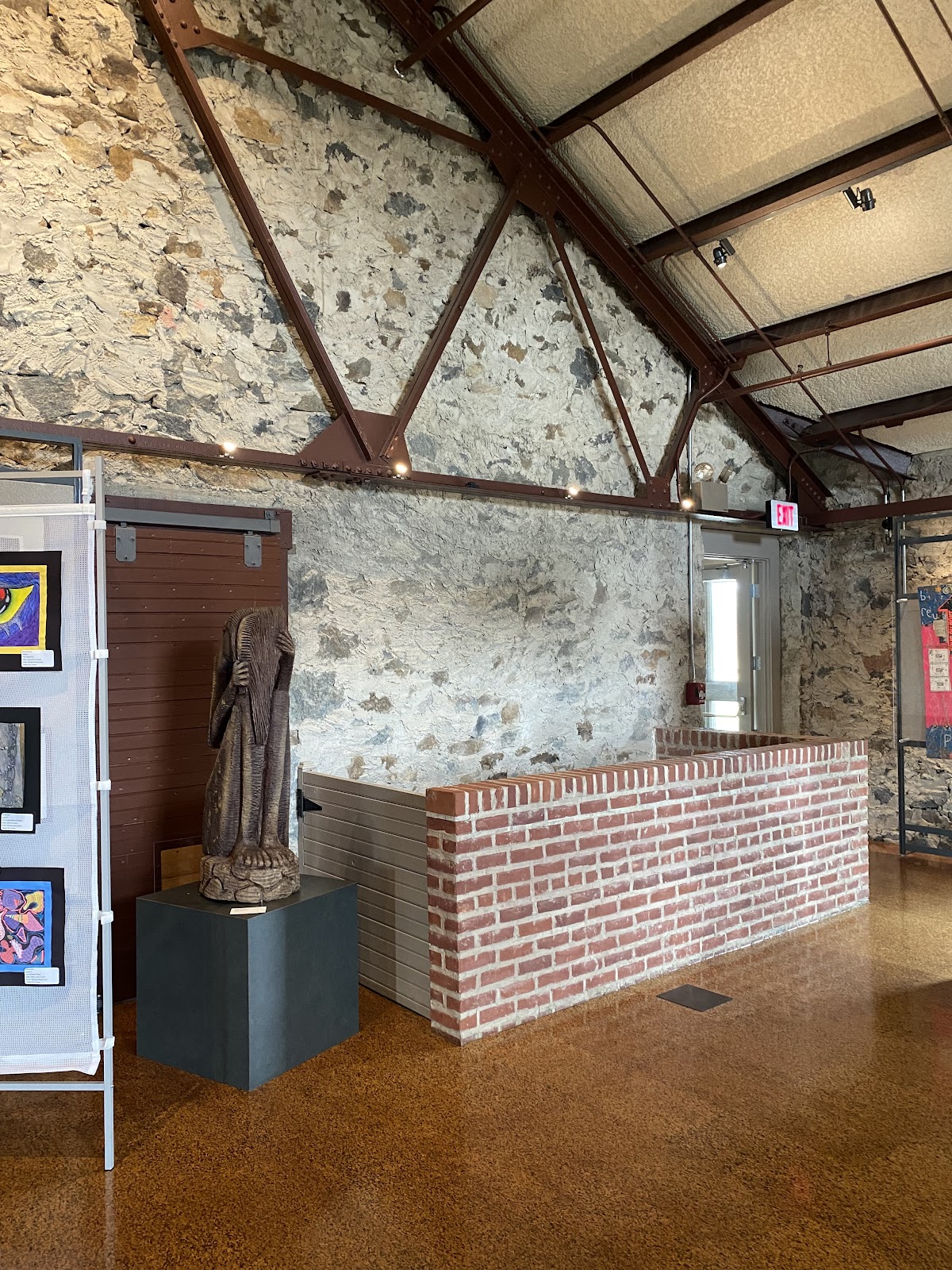
The Blue Ball Barn, Wilmington: A Walk Through a Converted Barn
A converted Wilmington stone barn walked in the order a wedding day uses it — doors, hall, loft and grounds.
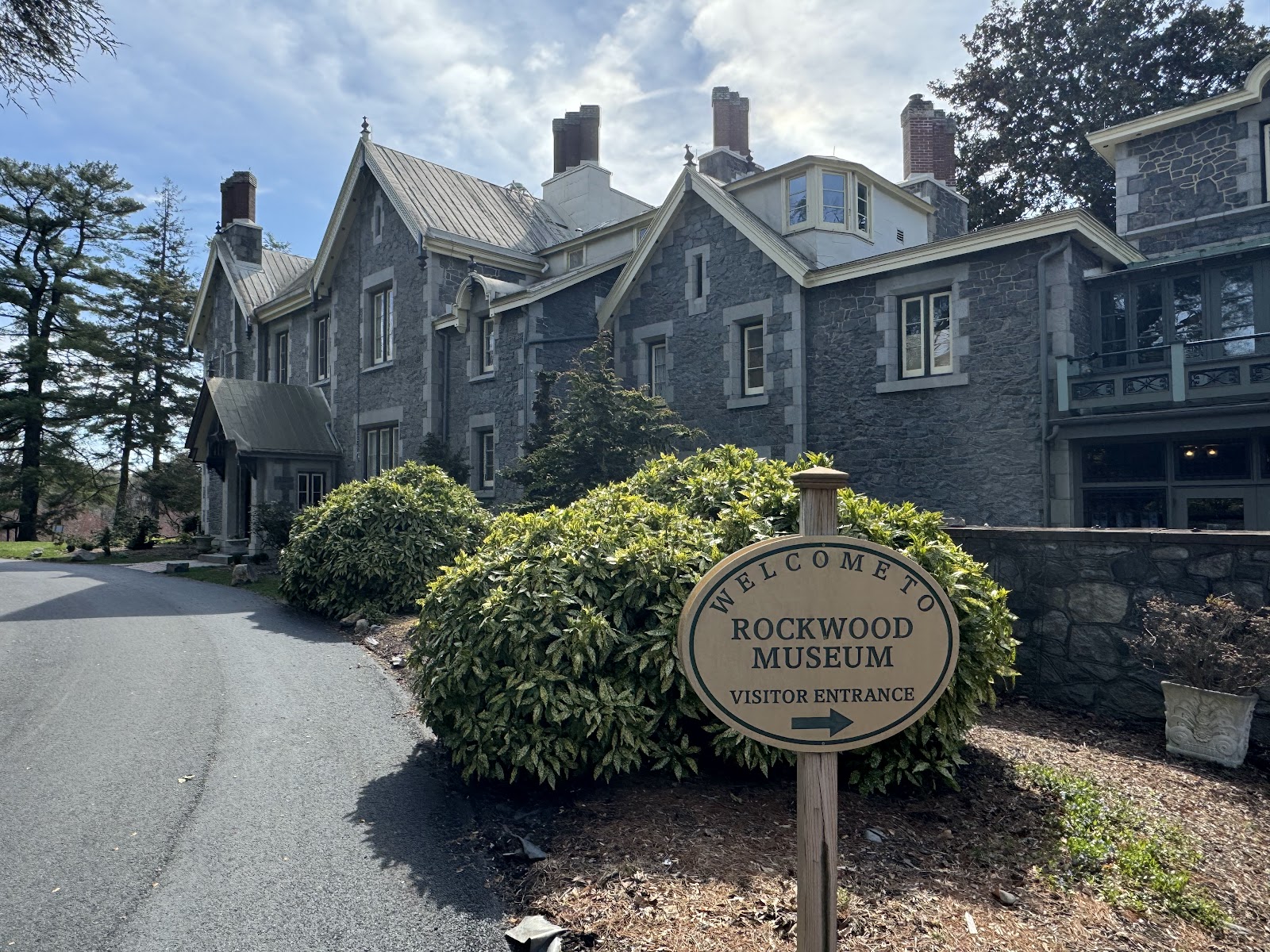
Rockwood Park, Wilmington: The One Decision That Governs Everything
A Wilmington park with a historic house — where one decision about the subject governs the whole gallery.
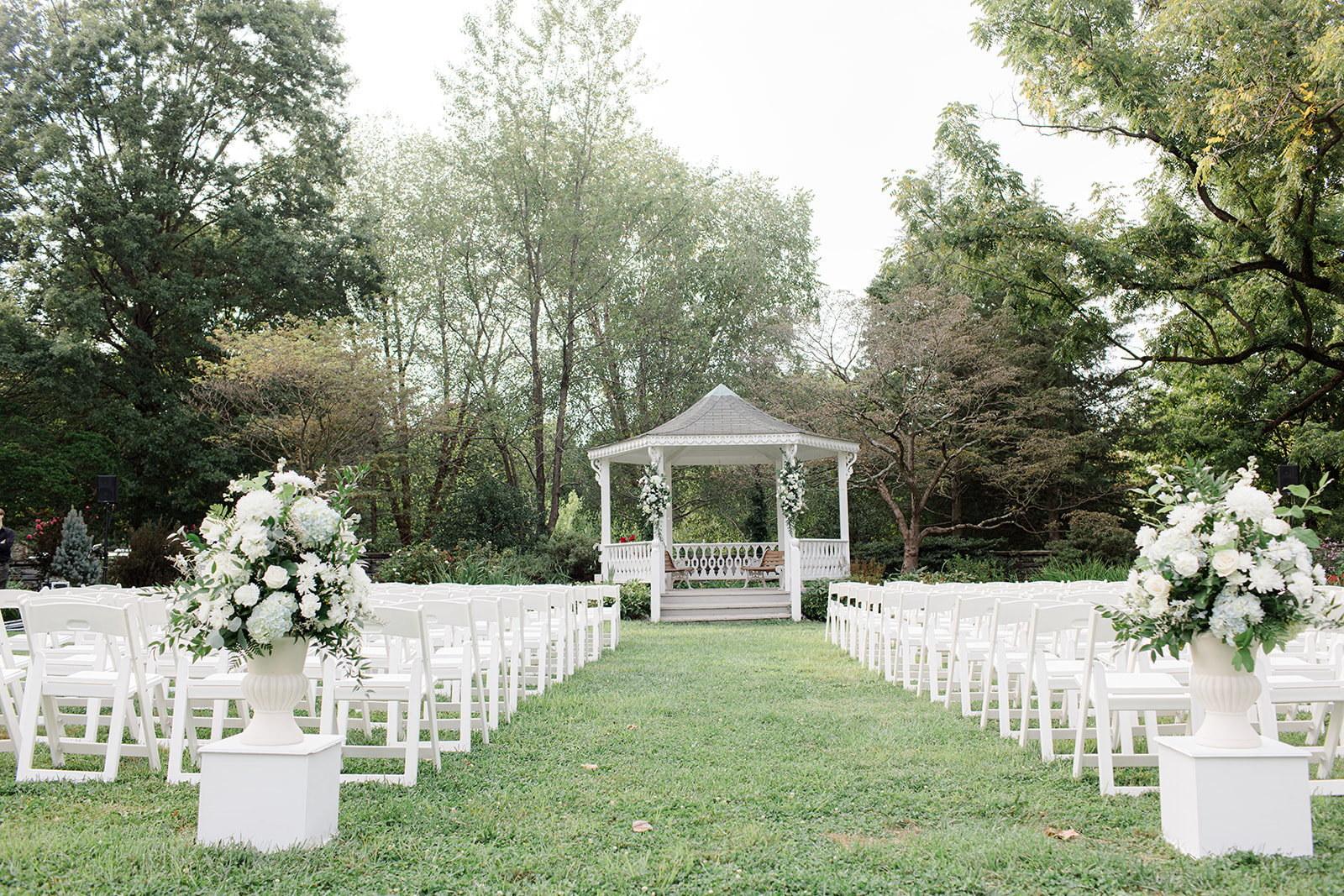
Bellevue Hall, Wilmington: What It Suits, and What It Does Not
A Wilmington estate house with mature grounds — strong where it counts, and demanding in four specific ways.
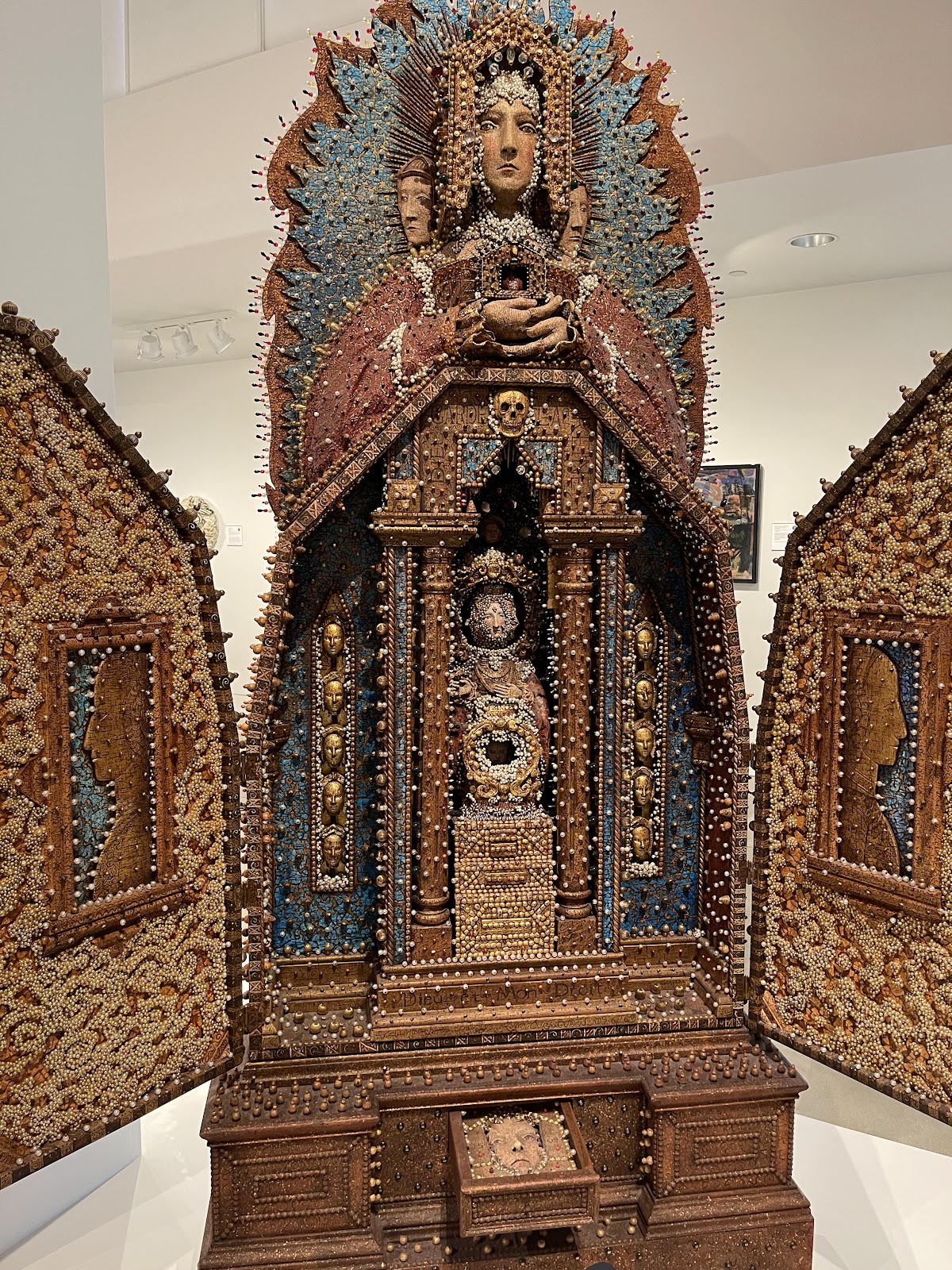
The Delaware Art Museum, Wilmington: One Frame, and How It Is Made
A Wilmington art museum — and the one frame the split between gallery and atrium exists to give.
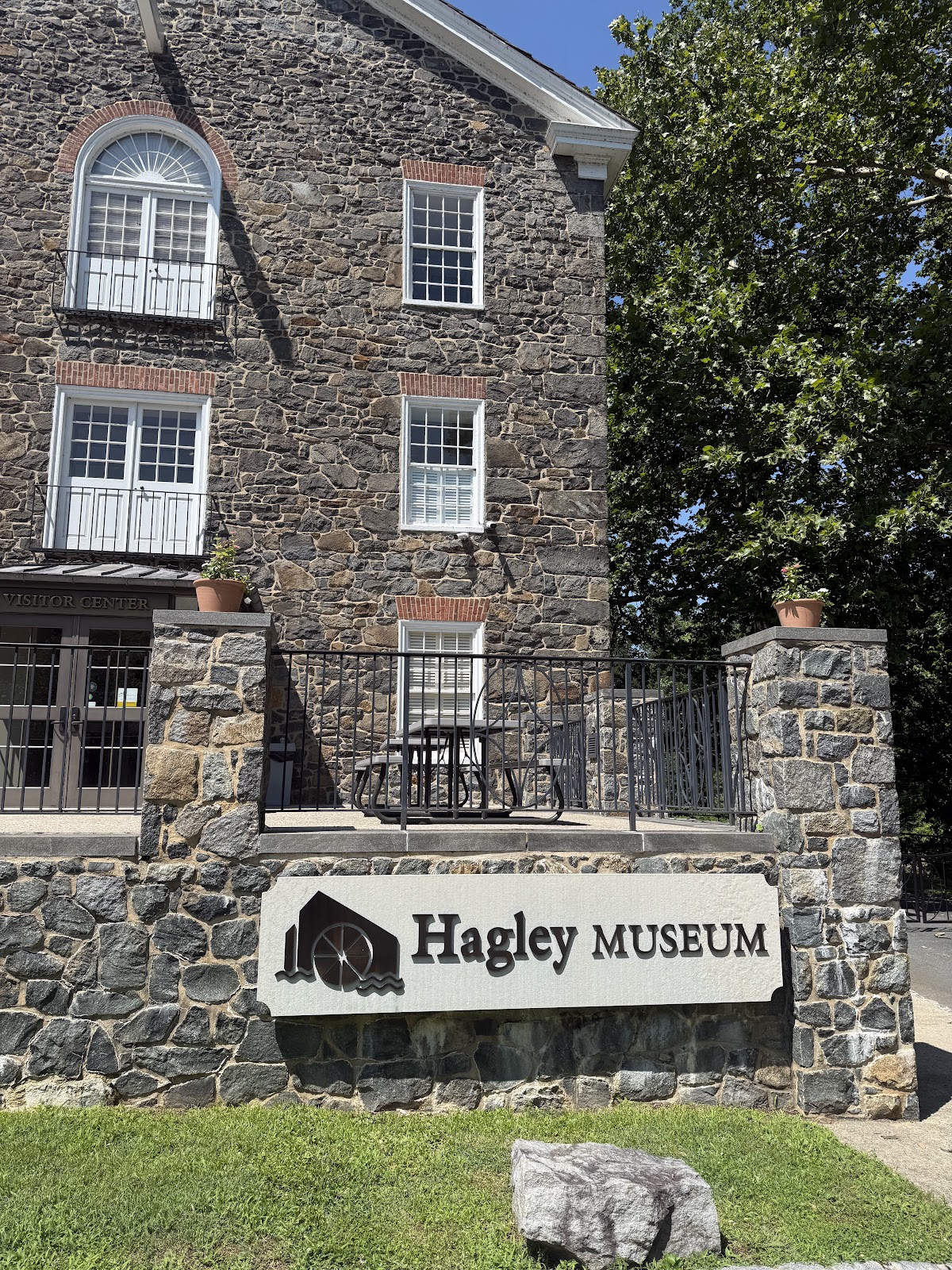
The Hagley Museum, Wilmington: Field Notes on a Mill Valley
A former mill site on the Brandywine — dark stone, a wooded valley and water, each with its own answer.