Two facts about Bismarck's latitude govern every photograph made outdoors here, and both work in a photographer's favour more than people expect. The city sits at about forty-seven degrees north, which means the midday sun in June reaches only around sixty-six degrees above the horizon — some twenty degrees lower than the southern United States. The harsh overhead light that makes midday unusable further south is therefore milder here, and the window of genuinely good raking light is correspondingly longer. In December the sun barely clears twenty degrees all day, which makes a winter afternoon one continuous golden hour rather than a compromise.
The second fact is twilight: at this latitude the June sun sets at a shallow angle, so the sky holds usable light for well over an hour afterwards, which turns the crossing — when the sky and a building's own lighting sit at the same brightness — into a relaxed half hour rather than a scramble.
The climate is semi-arid, and that is the other thing to know. This is a considerably drier place than the eastern Midwest, so the air is clear, distance holds detail rather than dissolving into haze, and shadows are harder than humid air would give at the same sun angle. Clear air plus low sun is what makes Great Plains light distinctive, and it is worth going outside for.
The constant is wind: the open plains are among the windiest inhabited country in North America, which has specific consequences rather than general ones — a lightstand outdoors is a liability rather than a tool, a veil behaves unpredictably, a held diffusion panel becomes a sail, and positions on the lee side of a building are worth walking to. The compensation is the horizon, which with very little relief and few trees means the sky occupies most of any wide frame, and the Missouri River, which is the one piece of topography and reflects whatever is lit.
Winter is long and severe, and snow is genuinely useful twice over: outdoors it is the best natural fill there is, and indoors it turns the ground into an enormous reflector. The guides below take each venue on its own terms.
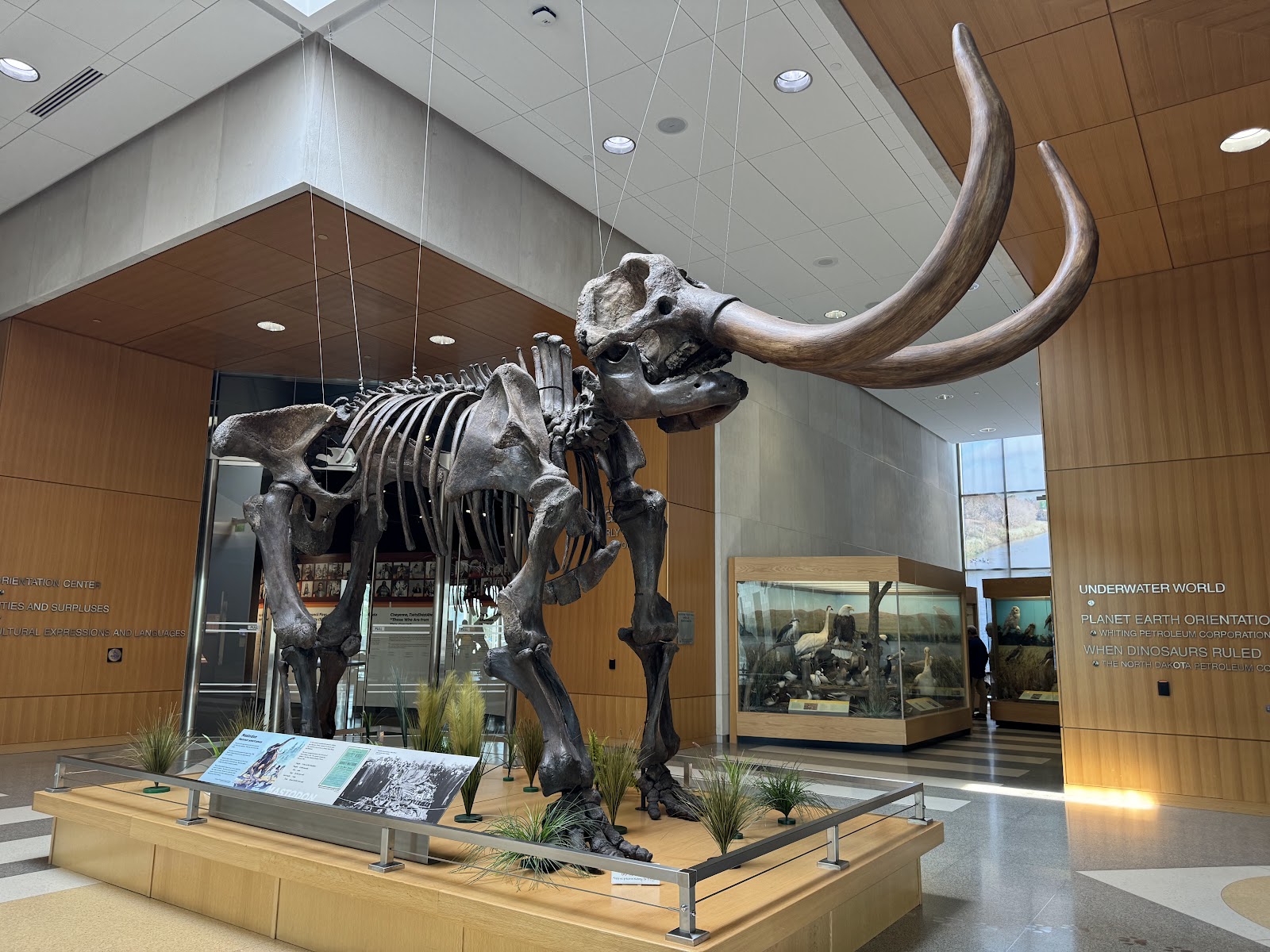
The North Dakota Heritage Center, Bismarck: The Problem, and Four Ways Out
A modern Bismarck museum with dark galleries and a bright atrium — and four ways to work the gap between them.
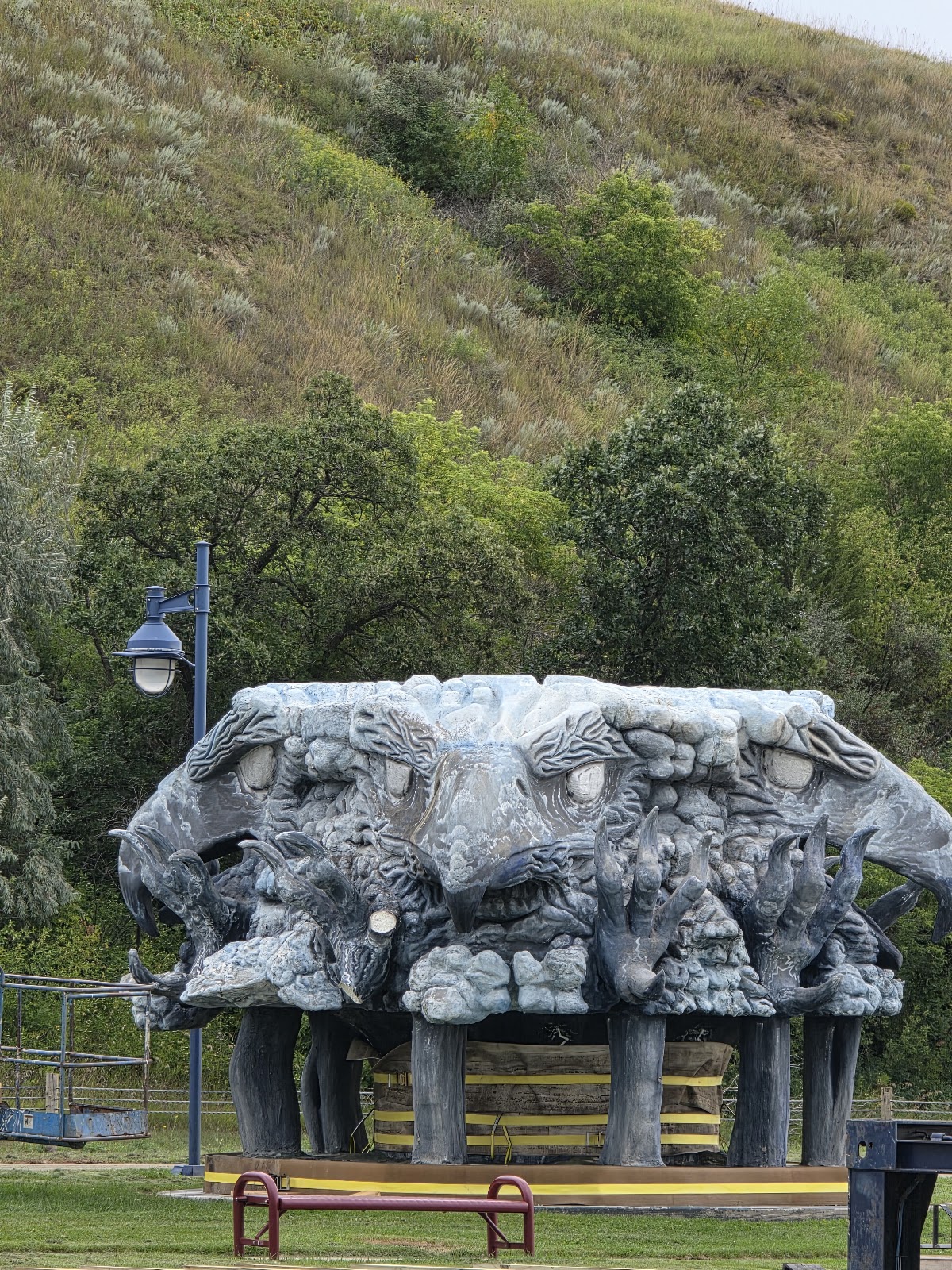
The Lewis and Clark Riverboat, Bismarck: The Light Through a Day
A Missouri River boat at Bismarck, taken hour by hour — where a moving venue puts the light.
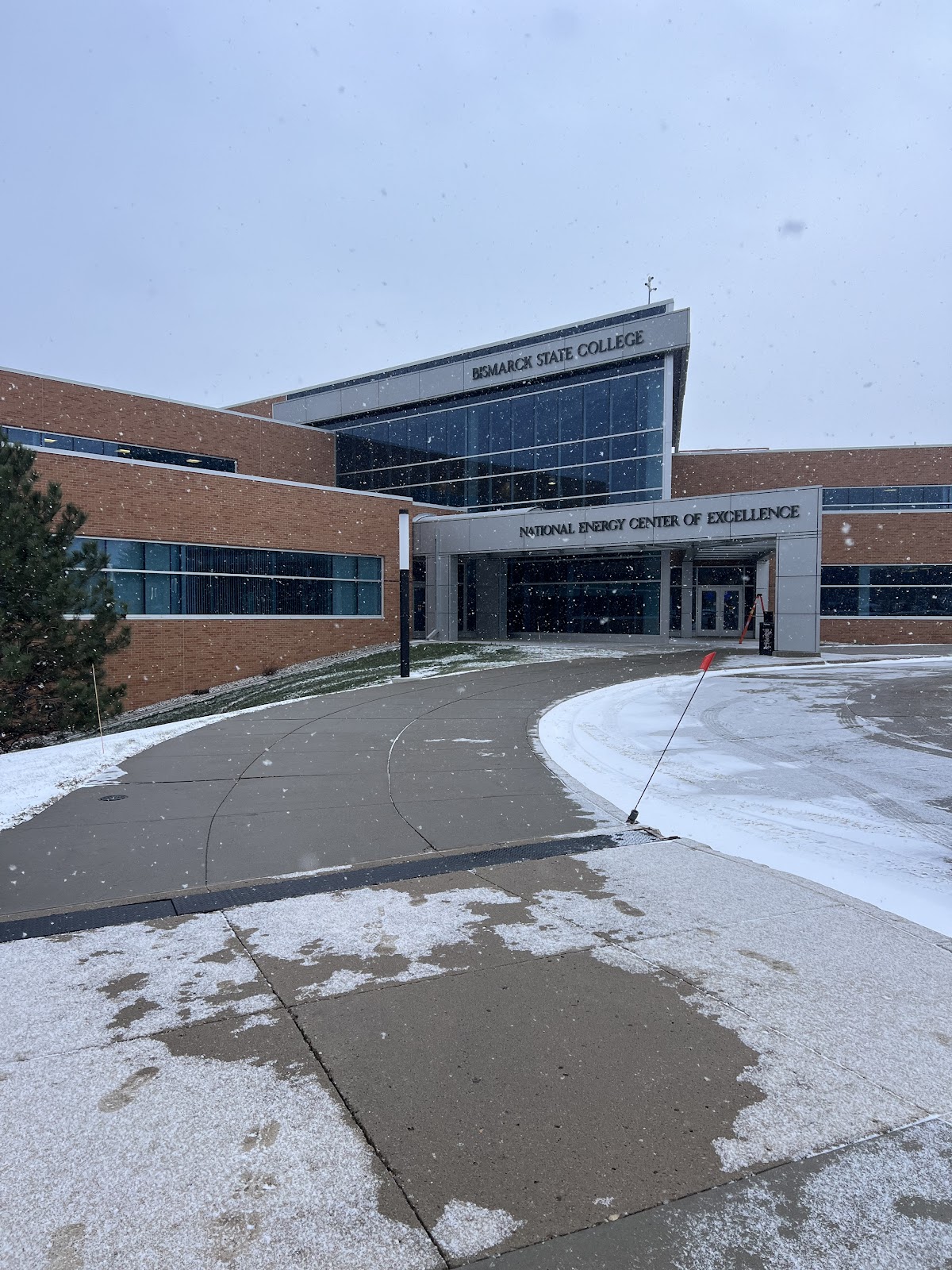
Bismarck State College: A Campus Built for Teaching
A Bismarck college campus — and the design logic that gives it unusually good daylight and one recurring difficulty.
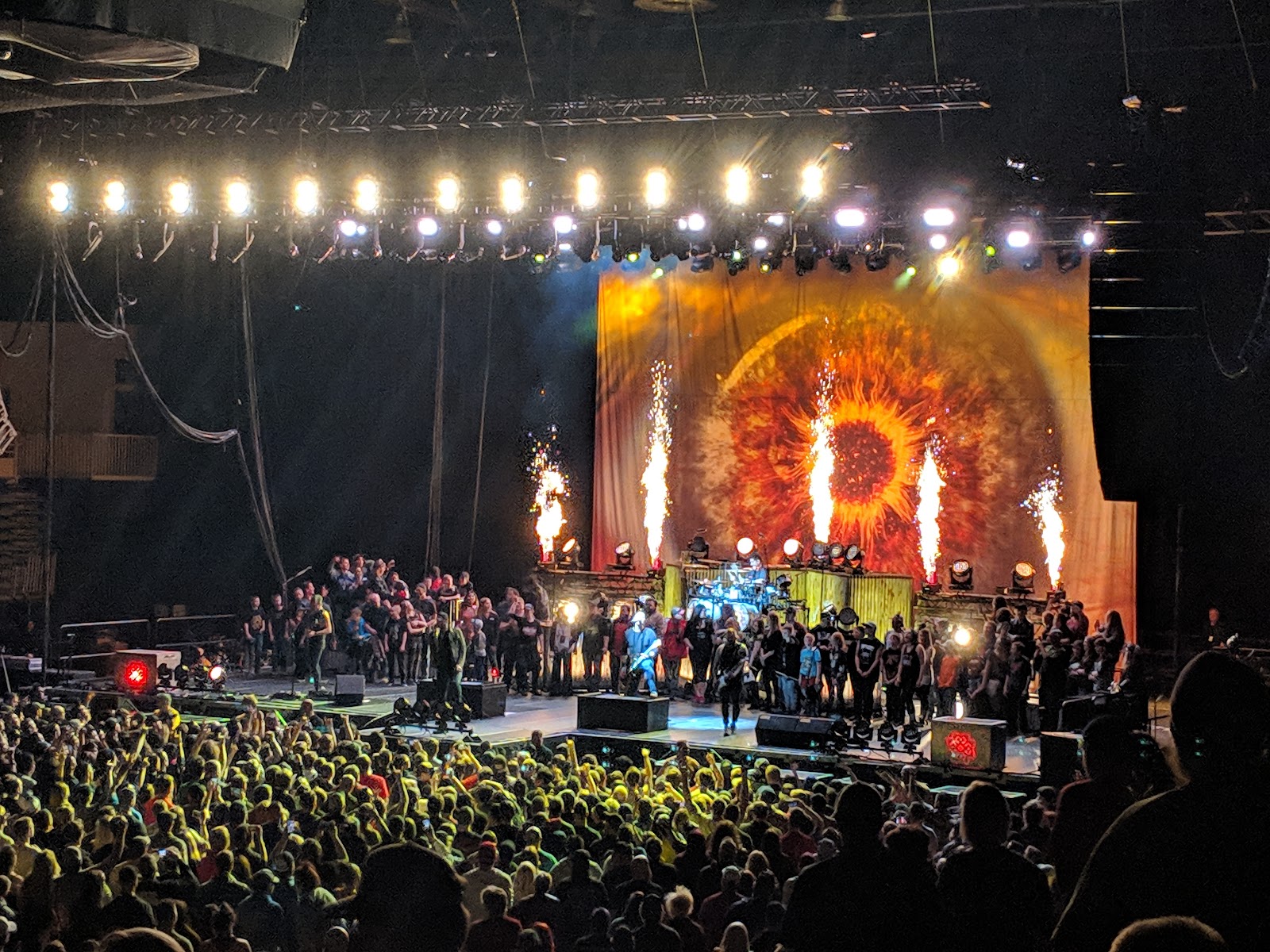
The Bismarck Civic Center: A Walk Through a Civic Venue
A Bismarck civic events centre walked in the order a wedding day uses it — entrance, halls, corridors and out.
The Bismarck Art Gallery: The One Decision That Governs Everything
A Bismarck art gallery where one decision — whether the art is in frame — governs every other choice.