 The Hilton Garden Inn Fargo: Field Notes on a Standardised Hotel
The North Dakota Heritage Center, Bismarck: The Problem, and Four Ways Out
One building, two lighting worlds, four stops apart. That gap is the problem and it has four solutions.
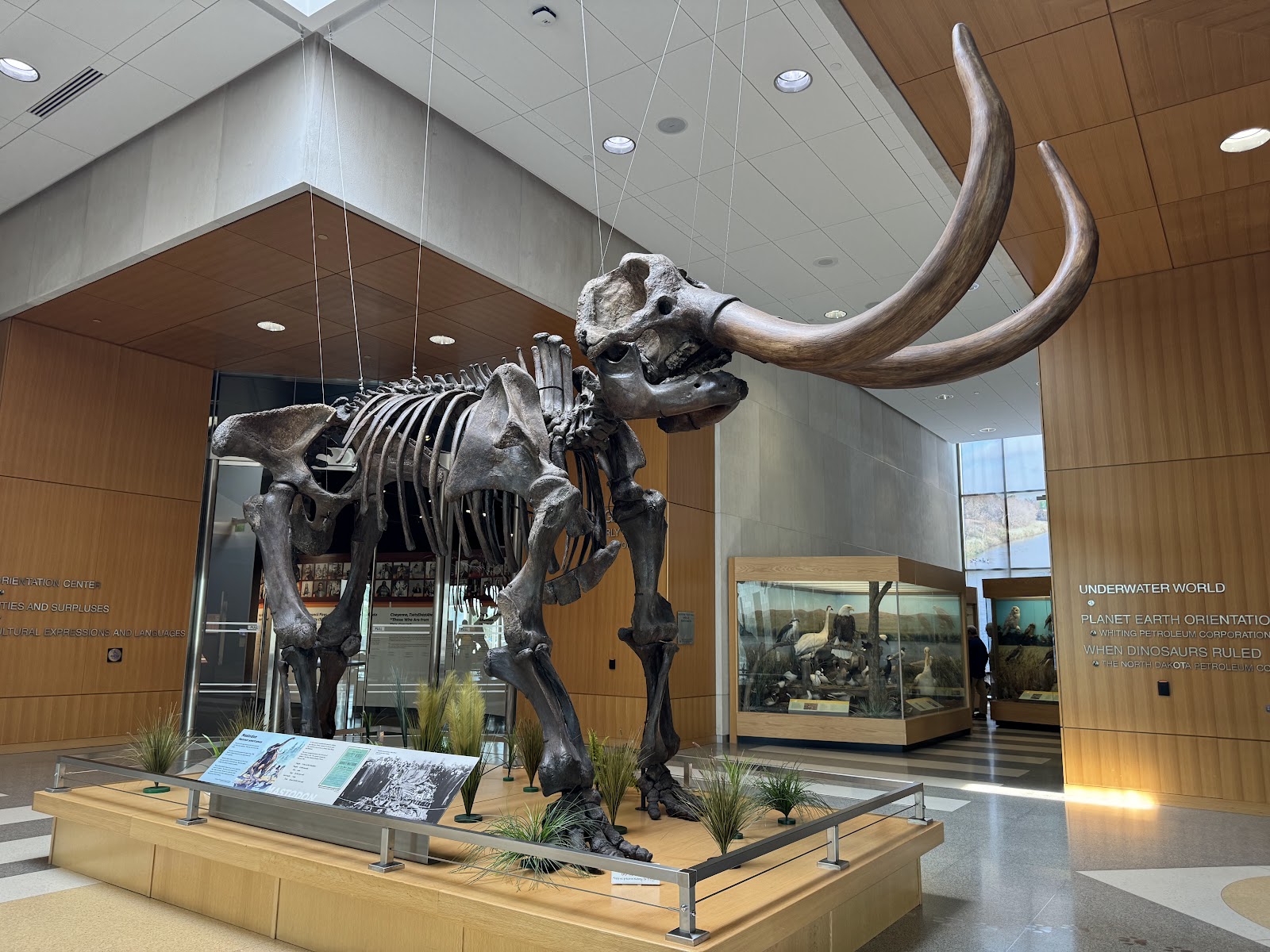
A purpose-built modern museum has a structural split that older buildings do not, and it is the central photographic problem in one.
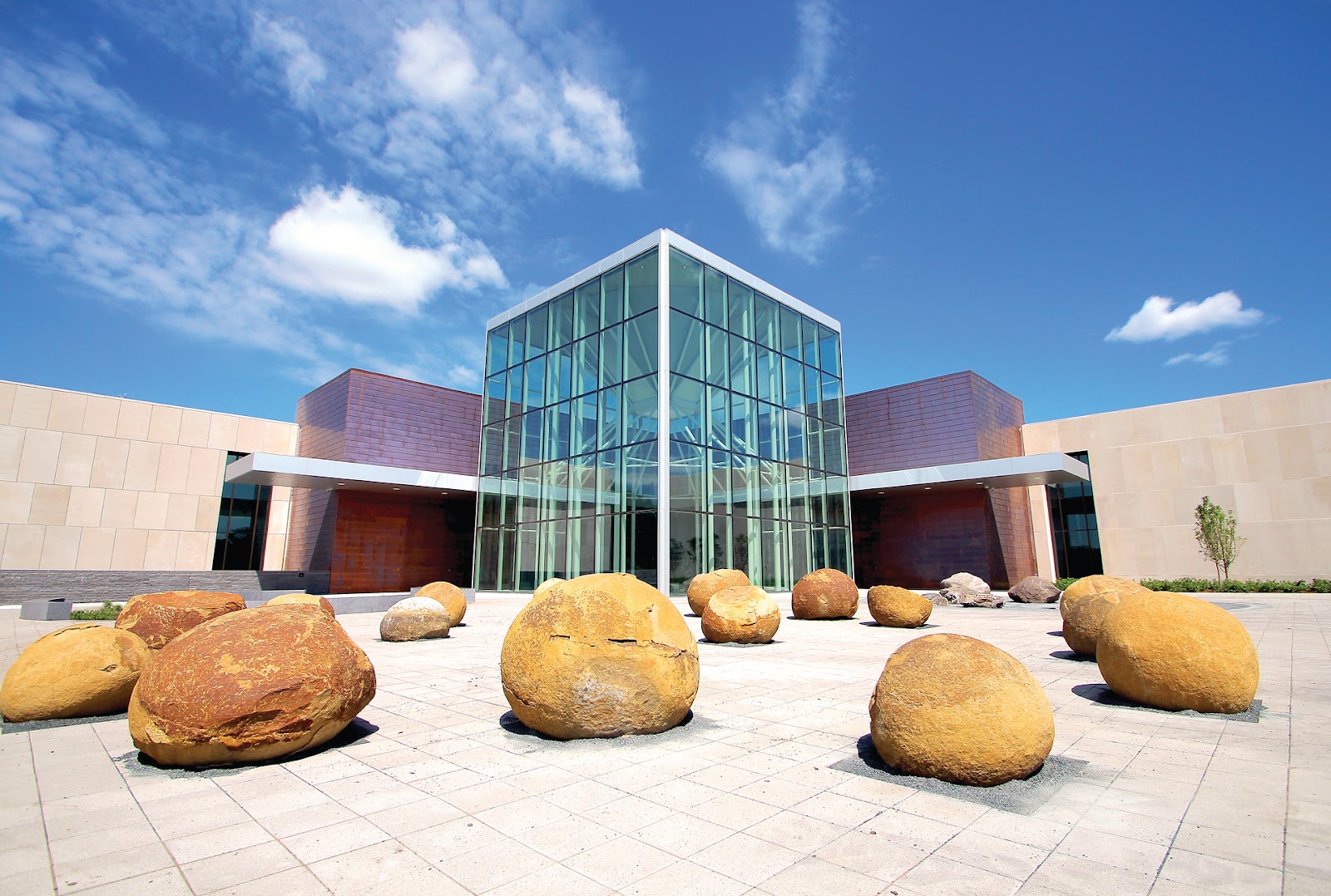
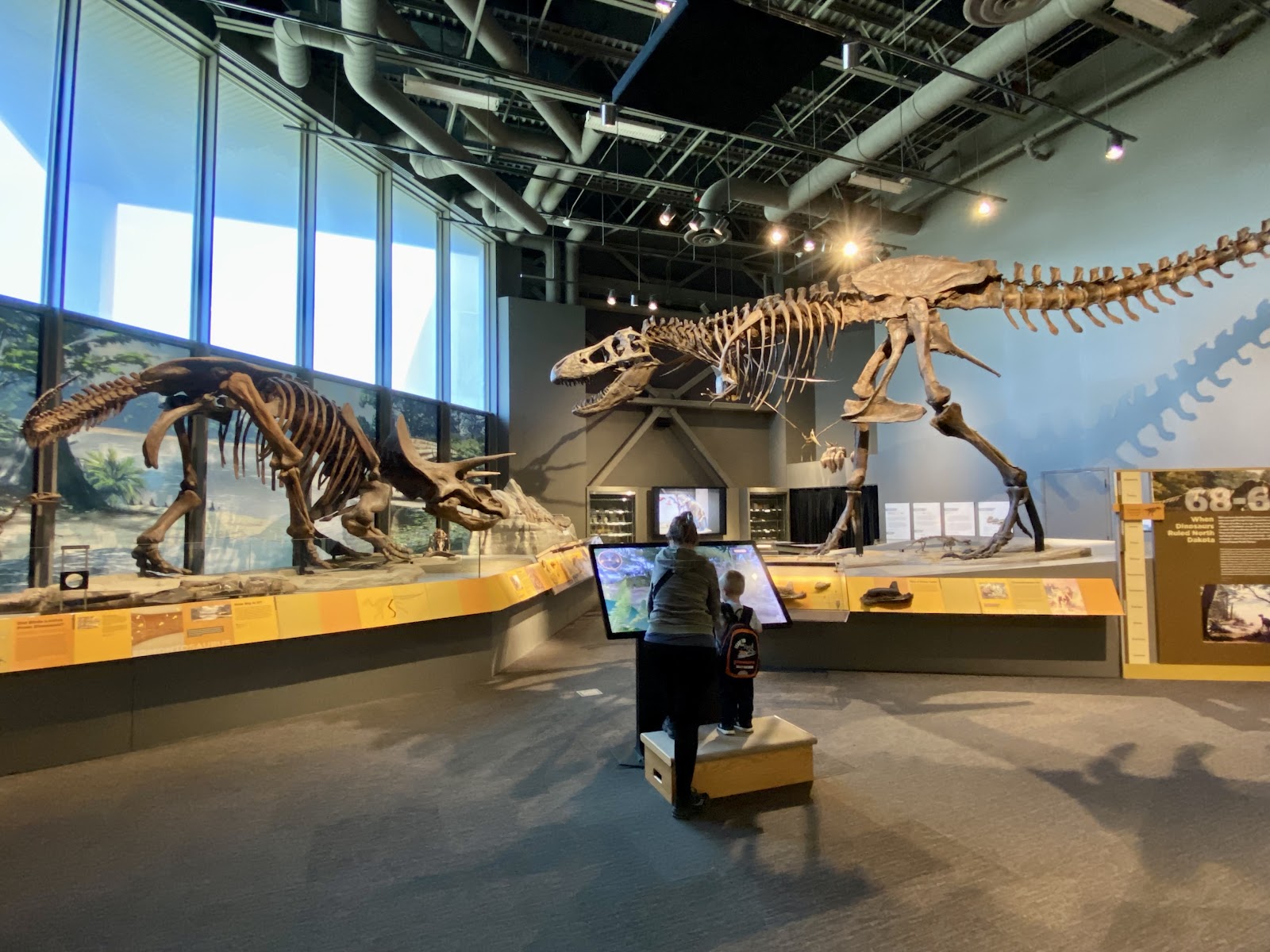
The galleries are dark by necessity, because light damages objects cumulatively and irreversibly, so they are lit at low levels with directional fittings aimed at cases. The public spaces — atrium, entrance, café, event hall — are the opposite: generously glazed, designed to feel open and bright, and usually the architectural showpiece.
Between those two there can be four stops or more, and they are frequently adjacent. A photographer walking from one to the other without changing anything will produce a sequence that looks like two different weddings, and automatic exposure will make it worse by splitting the difference in both.
There are four ways to handle that and all of them work. We have not photographed a wedding at the North Dakota Heritage Center; modern purpose-built museums behave consistently. Which spaces are included, the rules on flash and proximity to objects, and whether the lighting is adjustable are questions for their team.
The North Dakota Heritage Center at a glance
| Where | Bismarck, North Dakota |
| The problem | A four-stop split between dark galleries and a bright glazed atrium |
| Way one | Treat them as two shoots with two settings, not one |
| Way two | Use the threshold deliberately. Way three: light the galleries |
| Way four | Let the atrium carry the group work it is actually good at |
Ways one and two: separate them, or use the join
The first way out is the least clever and the most effective: treat the building as two venues with two configurations, and change deliberately rather than continuously.
In the atrium, that means daylight settings — a low ISO, a moderate aperture, white balance for daylight, and probably no flash at all, because a large glazed volume is already a very good soft source. In the galleries it means the opposite: high ISO, wide aperture, white balance set to whatever the fittings are or to a gelled source, and an added light.
The reason this matters is consistency. A gallery frame shot on daylight settings is noisy and cool; an atrium frame shot on gallery settings is flat and over-lit. Deciding in advance which spaces get which configuration, and switching at the door rather than in the middle of a room, produces a gallery that reads as intentional rather than as a sequence of compromises.
It also means the schedule should cluster by space rather than by activity — everything in the atrium while there, everything in the galleries while there. That is worth agreeing with the couple in advance, because it changes the order they might expect.
The second way out is to use the join deliberately, and it produces some of the best frames the building gives. The threshold between a dark gallery and a bright atrium is a natural light gradient: standing in the gallery looking out, the doorway is a bright rectangle and anyone in it is silhouetted or rim-lit; standing in the atrium looking in, the gallery is a dark field and anyone at its edge is lit from behind the camera by a very large source.
The second of those is the more useful. A subject standing just inside a gallery doorway, facing out into the atrium, is lit by a soft daylight source of enormous size, with total darkness behind them. That is the single best portrait position in a museum of this design and it needs no equipment at all.
It is worth finding on arrival, because the geometry has to be right: the subject far enough into the shadow that the background is genuinely dark, near enough to the opening that the light still reaches their face at a usable level. Two or three metres inside the threshold is usually the answer, and it is worth taking one test frame at two, three and four metres to see where the trade sits.
Ways three and four: light the galleries, and use the atrium properly
The third way out is to light the galleries, and the constraint is not technical but institutional. Museums restrict flash near objects, and the restriction exists because repeated light exposure damages things that cannot be replaced — so the rule has to be established before the day rather than tested on it.
Where light is permitted, the working method is a source aimed at faces and flagged so it does not spill onto anything on display. One source, off the camera axis, at face height, gelled to match the gallery fittings with white balance set to the gel, and exposed so the gallery still reads as the dark space it is. A face two stops above a dark gallery floats in blackness and loses the room, which at a venue chosen for its galleries is the opposite of the point. A stop is plenty.
Where light is not permitted, the galleries still work — and rather well, because the lighting pools are the answer. Directional museum fittings create bright patches with darkness between them, and a subject standing in one of those pools with an unlit gallery behind them is separated completely, for free. That is the steepest fall-off any venue type offers. Two minutes of walking to note where the pools fall is the entire technique.
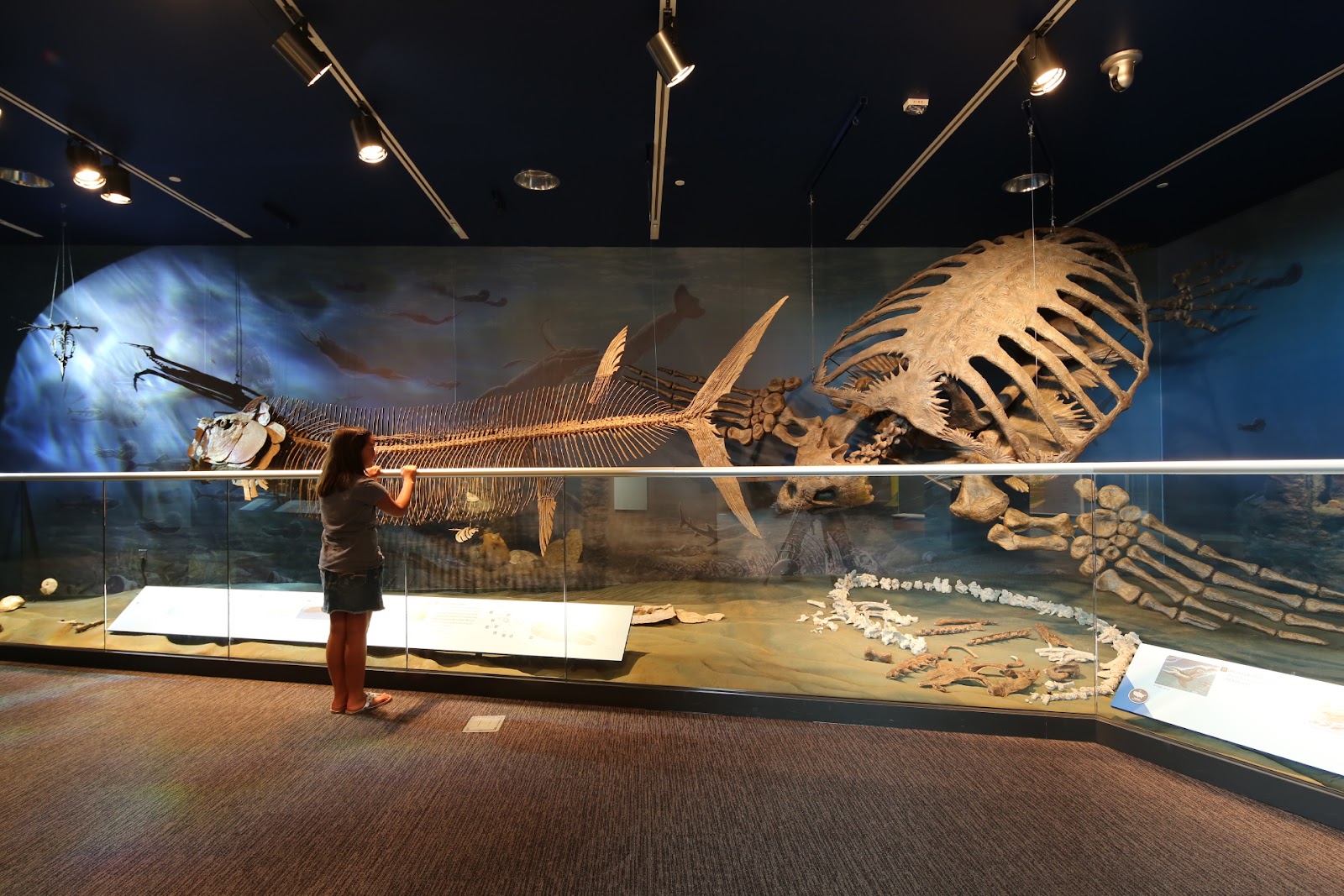
Glazing is the standing gallery difficulty and it behaves like a mirror pointed wherever the camera is: a display case will show the photographer, the camera, the light and the room opposite at full brightness. Fifteen seconds from the camera position prevents it — look at every glazed surface in the frame and place the source where none of them sees it.
The fourth way out is to let the atrium do the work it is genuinely good at, which is groups. A large glazed volume is a soft source big enough to light thirty people evenly, and that is a capability most venues simply do not have — a hotel ballroom needs a lighting plan for a group that size, while a glazed atrium needs the group to stand about three metres back from the glass.
The three metres matter: a row parallel to glazing at one metre has a two-stop spread across it, while the same row at three is even. And direct sun turns the whole thing from a soft source into a hard one, so the shaded side or an overcast day is the working condition.
At Bismarck’s latitude, about forty-seven degrees north, the midday sun reaches only about sixty-six degrees above the horizon in June and barely twenty in December, which means glazing behaves very differently by season: a south-facing wall is a moderate high source in summer and a direct low one through most of a winter afternoon. And architectural glazing is frequently coated for solar control, which throws a localised green or blue cast onto anything near it — worth one check frame.
The atrium’s other asset is its architecture, which in a purpose-built museum is usually the point: exposed structure, stone, concrete and long sightlines. All of it reads only under raking light, so the positions where the daylight grazes a surface rather than facing it are the ones worth finding.
- Two configurations, switched at the door — never one set of settings
- Stand two to three metres inside a gallery threshold facing the atrium
- Establish the flash and proximity rules before the day, not on it
- Where flash is barred, use the lighting pools; the fall-off is free
- Put the group three metres back from the atrium glazing, not one
Outside, and North Dakota's year
Outdoors, two facts about latitude govern every frame. At about forty-seven degrees north the June midday sun reaches only about sixty-six degrees above the horizon, twenty degrees lower than the southern United States, which means the harsh overhead light that ruins midday elsewhere is milder here and the window of good raking light is longer. And in December the sun barely clears twenty degrees all day, so a winter afternoon is effectively one continuous golden hour — a genuine advantage of a northern winter date.
Twilight is the second. The June sun sets at a shallow angle, so the sky holds usable light for well over an hour after sunset, which makes the crossing frame — when the sky and the building’s own lighting sit at the same brightness — a relaxed twenty or thirty minutes rather than a scramble. At a modern museum with a glazed atrium that frame is particularly good, because the lit interior reads through the glass and one exposure holds building, couple and sky.
In the cold clear air of January that crossing is shorter and much sharper, which is a different picture rather than a worse one.
The climate is semi-arid, which matters photographically: this is a considerably drier place than the eastern Midwest, so the air is clear, distance holds detail, and shadows are harder than humid air would give at the same sun angle. Clear air plus low sun is what makes Great Plains light distinctive, and it means the exterior frames are worth going out for.
Wind is the constant and it needs planning rather than complaint. The open plains are among the windiest inhabited country in North America, so a lightstand outdoors is a liability rather than a tool, a veil behaves unpredictably, a held diffusion panel becomes a sail, and hair is a real consideration. A source in a hand or on a bracket, and positions on the lee side of the building, are the working answers — and a large modern building always has a sheltered side.
The open horizon is the compensation. Very little relief and few trees mean the sky occupies most of any wide frame, which makes the sky the subject rather than the backdrop, and a Great Plains sky at either end of the day is as good as anything in the country. The Missouri River is the one piece of topography nearby and a riverside position is the strongest exterior option, because water reflects and doubles anything lit.
Winter is long and severe, with temperatures well below freezing for months and snow cover through much of it. Snow does two things worth having: outdoors it is the best natural fill available, lifting exactly the shadows a low sun carves while fooling a meter by about two stops; and indoors it turns the ground into an enormous reflector, so a glazed atrium gives softer, brighter and more even light in February than in June. At a building whose showpiece is its glazing, that makes winter the season it performs best.
The practical winter constraints are real: cold drains batteries quickly, so spares go in an inside pocket rather than a bag; an outdoor block in formal clothes is five minutes with coats rather than twenty without; and fogging runs one way, since a cold body brought back into a heated atrium fogs on every surface at once and does not clear quickly. Bodies stay bagged until they have warmed — which means planning the return as well as the departure.
More frames from The North Dakota Heritage Center
The North Dakota Heritage Center wedding photography: common questions
What is the central problem in a modern museum?
A four-stop split between galleries that are dark by necessity and public spaces that are glazed and bright, often adjacent to each other.
What is the simplest fix?
Treat it as two venues with two configurations, switched at the door. Cluster the schedule by space rather than by activity.
What is the best portrait position in the building?
Two or three metres inside a gallery threshold, facing out into the atrium — a very large soft source in front, total darkness behind, no equipment needed.
What if flash is not permitted in the galleries?
Use the lighting pools. A subject in a directed pool with an unlit gallery behind is separated completely, and that is the steepest fall-off any venue offers.
How far back should a group stand from atrium glazing?
About three metres. At one metre a row parallel to the glass has a two-stop spread across it; at three it is even.
When is the building's light at its best?
February. Snow turns the ground into an enormous reflector, so a glazed atrium gives softer and brighter light than at any other time of year.
More Bismarck, ND venue guides
We are writing a photographer’s guide to every venue we would happily shoot in Bismarck, ND. Here are three more, plus the full index:
- The Bismarck Art Gallery: The One Decision That Governs Everything
- The Bismarck Civic Center: A Walk Through a Civic Venue
- Bismarck State College: A Campus Built for Teaching
Planning a wedding at The North Dakota Heritage Center?
Two lighting worlds, four ways across. Tell us your date and we will use all four.