 The Hilton Garden Inn Fargo: Field Notes on a Standardised Hotel
The Bismarck Civic Center: A Walk Through a Civic Venue
A civic building has four kinds of space and they need four different approaches. Taken in order it makes sense.
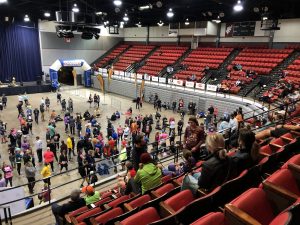
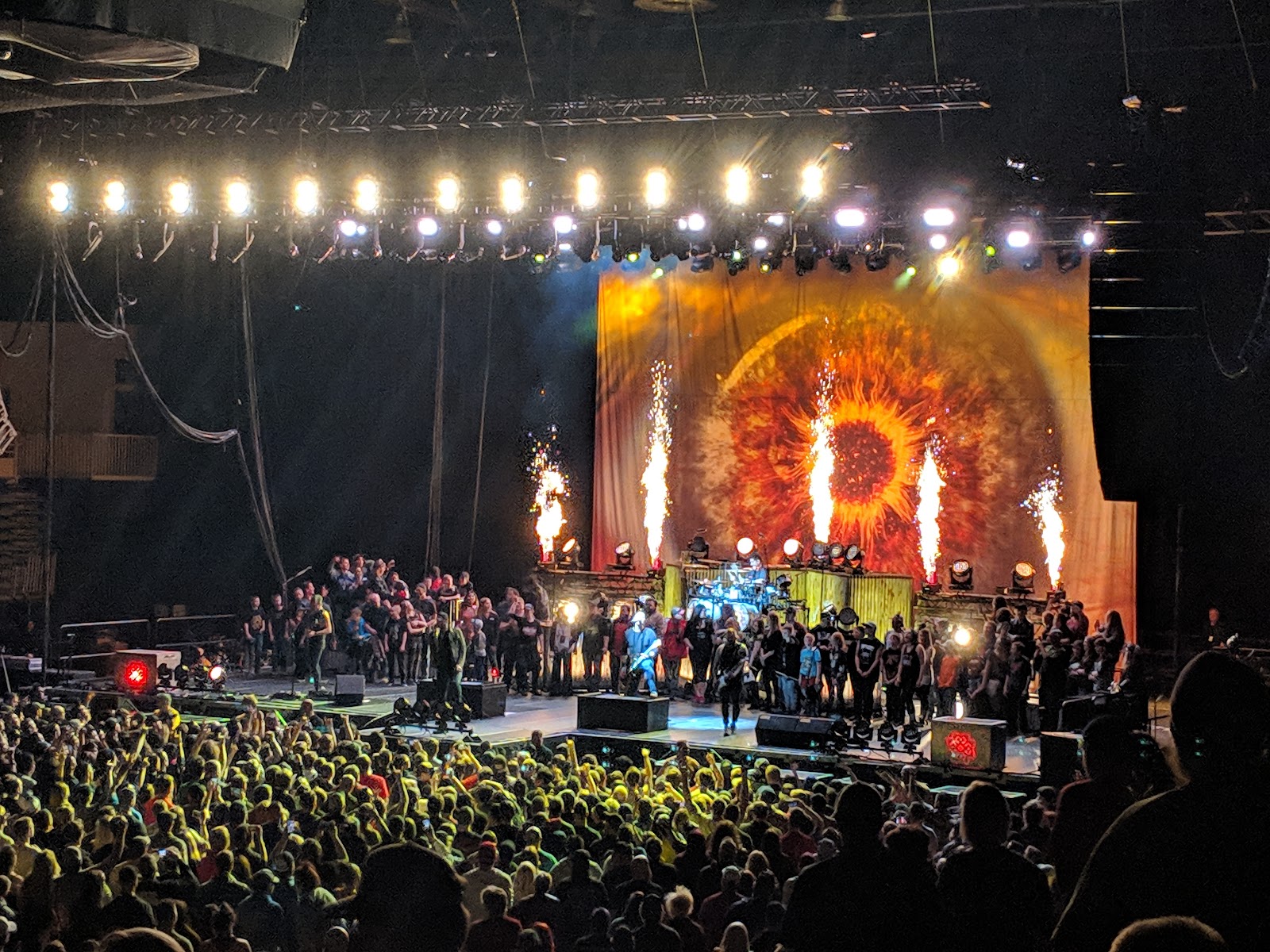
A civic events centre is not one venue but four, and reading it as a list of room hires misses that. Walked in the order a wedding day uses it, the building resolves into an entrance and lobby, one or more large neutral halls, a set of smaller rooms, and the circulation between them — and each of those is a different photographic problem with a different answer.
That is worth doing in advance, because these buildings are large and a photographer discovering the geography on the day loses time that cannot be recovered. Ten minutes of walking on arrival produces the whole plan.
The good news is that a civic centre withholds nothing: the spaces are big, the access is generally straightforward, and there is usually more room to work than at a hotel of comparable capacity.
We have not photographed a wedding at the Bismarck Civic Center; civic events facilities behave consistently. Which spaces are included, whether there is outdoor access and whether the lighting is adjustable are questions for their team.
The Bismarck Civic Center at a glance
| Where | Bismarck, North Dakota |
| The four spaces | Entrance and lobby, the large halls, small rooms, circulation |
| Where the light is | The glazed entrance, and any smaller room with a window |
| The main task | Building separation in halls designed to be neutral |
| Ask first | Spaces included, outdoor access, lighting control, fixings |
The entrance, the lobby, and the halls
The entrance is the first frame and at a civic building it is frequently the best one, because these buildings are usually glazed at the front and set back from the street with room to stand. That combination is rare: a large glazed wall is the only significant daylight source in the building, and the setback means the exterior can actually be photographed whole.
The glazed entrance behaves like a very large window and the conditions are the ordinary ones. Shaded side or overcast rather than direct sun, which turns a soft source into a hard one with a hard edge. And about three metres back from the glass, so the fall-off is even across a group rather than dropping off the far side of it — which matters here because a glazed lobby is where the large formals belong.
Two checks. Commercial glazing is frequently coated for solar control and throws a localised green or blue cast onto anything near it that global white balance cannot remove, so one test frame is worth taking. And at Bismarck’s latitude — about forty-seven degrees north — the sun reaches only about sixty-six degrees above the horizon at midday in June and barely twenty in December, which means a south-facing glazed wall carries direct low sun for much of a winter afternoon and is a soft high source in summer. Which wall is shaded is therefore a seasonal question rather than a fixed one.
The lobby beyond has the standard lobby problem: it is a transitional space where people stand around rather than do anything, and it is lit by whatever mixture has accumulated. The frames that work are movement frames — someone coming through a door, a group crossing the floor, a greeting — taken from a position with depth behind so the background falls away rather than sitting flat.
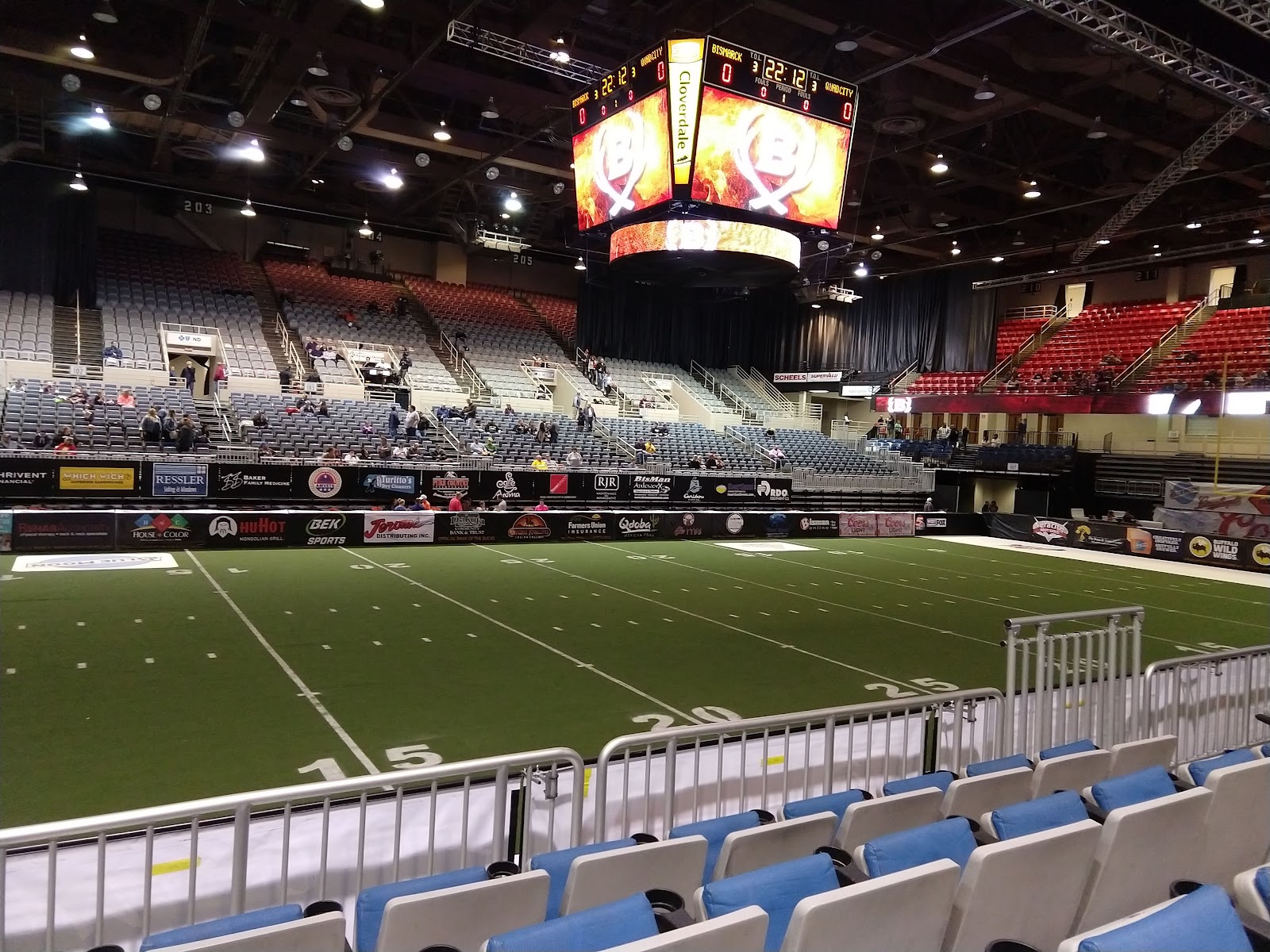
The large halls are the venue proper and they have one problem, which is that they are designed to be neutral. Pale, hard-surfaced, evenly lit from above and featureless, which means the wall behind a face is as bright as the face and the picture flattens. Nothing about that is recoverable afterwards.
The fixes are geometric and they all work. Distance between subject and background, so fall-off does something — five metres rather than one. The darker end of the hall, because every evenly lit room is in fact unevenly lit and one end is always half a stop to a stop down. A background that is depth rather than a near wall: an open doorway, a corridor, a further space. And a source brighter on the face than the room is on the wall, which is the only version that works regardless of geometry.
The other hall fact is the ceiling. Exhibition and arena ceilings are typically well over four metres, which returns almost nothing from a bounced flash and colours what it does return — so direct into a modifier is the method in the halls. One test frame on arrival settles it, and it is worth doing per space because the smaller rooms are different.
The small rooms, the circulation, and the light
The smaller rooms are the most useful and the least used spaces in a civic building. Meeting rooms, board rooms and pre-function rooms have normal ceilings — often under three metres — which means bounce flash works properly, and a bounced source is a very large soft one that needs no stand and follows a walking pace.
Many of them have windows, which the halls do not, and a room with a window and a low ceiling is the best portrait environment in the building by a wide margin. The requests are the familiar ones: largest window on the shaded side, every overhead fitting switched off so the room has one colour of light, and two to three metres back from the glass.
The circulation is the third asset and it is genuinely valuable. A long corridor gives depth and repetition, and a subject at the far end of one sits against a background that darkens by itself — the cheapest separation available in any building, and civic centres have long corridors by design.
A stair, if there is one, is the best single architectural feature in most civic buildings, and it does three things nothing else does: elevation, so a photographer above a group sees faces rather than the backs of heads; a natural line for a descent, which is one of the few genuinely dramatic movements a day contains; and a vertical composition with rows of people, which no flat room gives. It needs light from one side, because overhead light on a stair shadows every eye socket at once.
Back-of-house is the fourth and it is frequently the most characterful part of a neutral building: loading bays, service corridors, plant rooms and rigging areas have texture, scale and honesty that the function rooms do not. Whether they are available is a question worth asking, and the answer is often yes for ten minutes with someone escorting.
Colour is the standing condition throughout. Civic buildings are relit in stages across decades, which means fluorescents, LEDs of varying quality, warmer decorative fittings in the public areas, stage and rigging lighting in the halls, and any coloured uplighting installed for the event. Three temperatures on one face cannot be reconciled afterwards, so pick the one that should be correct, set white balance to it, and switch off or overpower whatever else lands on skin.
Coloured uplighting is usually the worst offender and frequently the easiest thing to have turned off for the ten minutes the portraits need — a reasonable request rather than a compromise. And the underlying direction problem is the same everywhere in these buildings: dense downlighting shadows eye sockets and cuts a line under every chin, and one source placed to the side at face height fixes every face in the building at once.
- Make the formals in the glazed lobby, three metres back from the glass
- Which glazed wall is shaded is a seasonal question at this latitude
- Build separation geometrically in the halls; nothing fixes flatness later
- Use the small rooms: low ceilings mean bounce works and windows exist
- Ask about back-of-house; it is usually the most characterful space
Outside, and North Dakota's year
Outside, two facts about latitude govern every frame. At about forty-seven degrees north the sun reaches only about sixty-six degrees above the horizon at midday in June — twenty degrees lower than the southern United States — which means the harsh overhead light that ruins midday elsewhere is milder here and the window of good raking light is longer. And in December the sun barely clears twenty degrees all day, so a winter afternoon is effectively one long golden hour, which is a genuine advantage rather than a consolation.
Twilight is the other latitude effect. The June sun sets at a shallow angle, so the sky holds usable light for well over an hour afterwards, which makes the crossing frame — when the sky and the building’s own lighting sit at the same brightness — generously long rather than a scramble. In the cold clear air of January it is shorter and much sharper.
The climate is semi-arid, which matters. This is a considerably drier place than the eastern Midwest, so the air is clear, distance holds detail, and shadows are harder than humid air would give at the same sun angle. Clear air plus low sun is what makes Great Plains light distinctive, and it is worth going outside for.
Wind is the constant and it needs planning rather than complaint: the open plains are among the windiest inhabited country in North America. A lightstand outdoors is a liability rather than a tool, a veil behaves unpredictably, a held diffusion panel becomes a sail, and hair is a real consideration. A source in a hand or on a bracket, and positions with a building or a treeline to windward, are the working answers — and at a large civic building there is always a sheltered side.
The open horizon is the compensation. There is very little relief and few trees, so the sky occupies most of any wide frame, which makes the sky the subject rather than the backdrop. The Missouri River is the one piece of topography and a riverside position is the strongest exterior option, because water reflects and doubles anything lit.
Winter is long and severe, with temperatures well below freezing for months and snow cover through much of it. Snow does two useful things: outdoors it is the best natural fill available, lifting exactly the shadows a low sun carves while fooling a meter by about two stops; indoors it turns the ground into an enormous reflector, so a glazed entrance gives softer, brighter and more even light in February than at any other time of year. In a building whose only real daylight is that glazing, that makes winter the season it performs best.
The genuine winter constraints are practical rather than photographic. Cold drains batteries quickly, so spares belong in an inside pocket rather than a bag. An outdoor block in formal clothes is five minutes with coats rather than twenty without. And fogging runs one way here: a cold body brought back into a heated building fogs on every surface at once and does not clear quickly, so bodies stay bagged until they have warmed — which at a venue with a five-minute outdoor excursion means planning the return, not just the departure.
Summer is warm, bright and dry, with severe thunderstorms possible but less frequent than further east. Late May through September is the comfortable range, and the very long June evenings mean the crossing frame falls late — which needs agreeing in advance as a short deliberate excursion rather than discovered at ten at night.
More frames from The Bismarck Civic Center
The Bismarck Civic Center wedding photography: common questions
What are the four kinds of space?
A glazed entrance and lobby, one or more large neutral halls, smaller rooms with normal ceilings, and the circulation between them. Each needs a different approach.
Where do the large formals belong?
The glazed lobby, about three metres back from the glass — it is the only significant daylight in the building and it is large enough to light a group.
Which glazed wall should be used?
It depends on the season. At forty-seven degrees north a south-facing wall is a high soft source in June and carries direct low sun through a winter afternoon.
Why are the small rooms so useful?
Low ceilings mean bounce flash actually works, and many of them have windows, which the halls do not. A window plus a low ceiling is the best portrait environment here.
What is the main outdoor constraint?
Wind. On the open plains a lightstand is a liability — work from a hand or a bracket, and use the building’s sheltered side.
When is the building's daylight best?
February. Snow turns the ground into an enormous reflector, so the glazed entrance gives softer and brighter light than at any other time of year.
More Bismarck, ND venue guides
We are writing a photographer’s guide to every venue we would happily shoot in Bismarck, ND. Here are three more, plus the full index:
- Bismarck State College: A Campus Built for Teaching
- The Lewis and Clark Riverboat, Bismarck: The Light Through a Day
- The North Dakota Heritage Center, Bismarck: The Problem, and Four Ways Out
Planning a wedding at The Bismarck Civic Center?
Four spaces, four approaches. Tell us your date and we will walk them in order.