Emporia sits in the Flint Hills, which is the largest remaining expanse of tallgrass prairie in North America — and it survived for a specific reason that shapes how it looks. Layers of flint-bearing rock close to the surface made the hills unploughable, so they were grazed rather than cultivated and the original grassland remained. What that gives a photographer is a landscape of rolling open hills with very little tree cover and an enormous sky, and a ground surface that changes through the year more dramatically than almost any other.
The sky is the main subject in any wide frame here rather than the backdrop, which has a practical consequence: the exposure should be set for the sky with the faces lifted by a close source. Metering on skin produces a white sky, and that is the commonest failure in this country.
Tallgrass is the reason the ground changes so much. Big bluestem and Indian grass grow through the summer and by late August can stand well above head height, which makes them a foreground and a background at once — a couple standing in tallgrass is enclosed by it rather than posed in front of it, which is a frame available almost nowhere else. In autumn it turns bronze and russet and holds that colour standing through the winter, so the prairie has warm colour in January when nothing else does.
Spring brings the other distinctive condition and it is worth knowing before a date is chosen: ranchers burn the grassland in late March and April to control woody growth, which gives blackened ground, smoke on the horizon, and then an intense green flush of new growth within a few weeks. Those are three completely different landscapes inside two months, and late April into May — when the new growth is vivid and even — is the strongest outdoor window of the year.
Wind is the constant, with very little to break it: a lightstand outdoors is a liability rather than a tool, a veil behaves unpredictably, and a held diffusion panel becomes a sail, so the source goes in a hand or on a bracket and the lee side of a building is worth walking to. The guides below take each venue on its own terms.
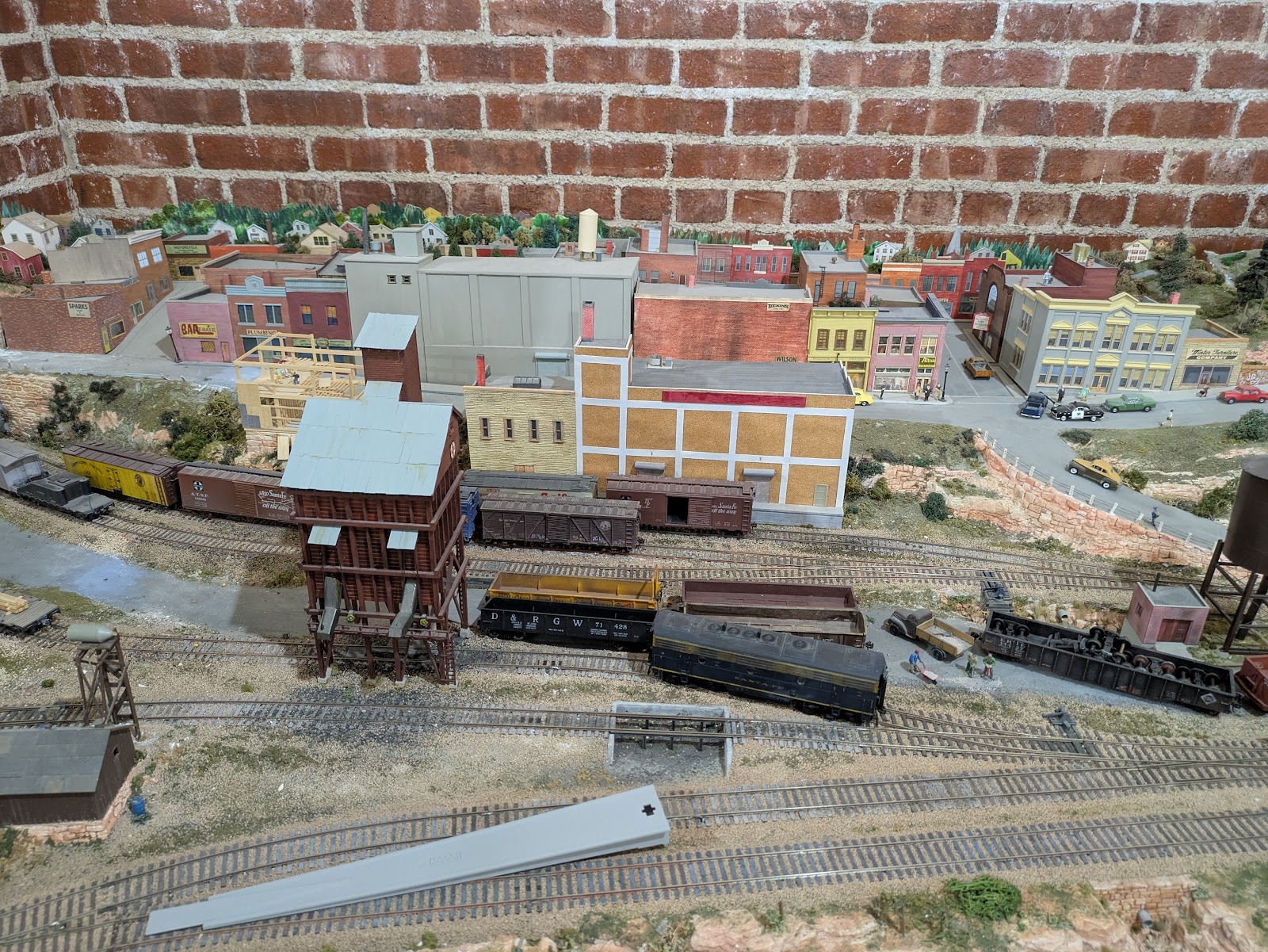
The Lyon County History Center, Emporia: Field Notes on a Museum Venue
An Emporia county museum in a repurposed historic building — and what its two competing logics ask of a photographer.
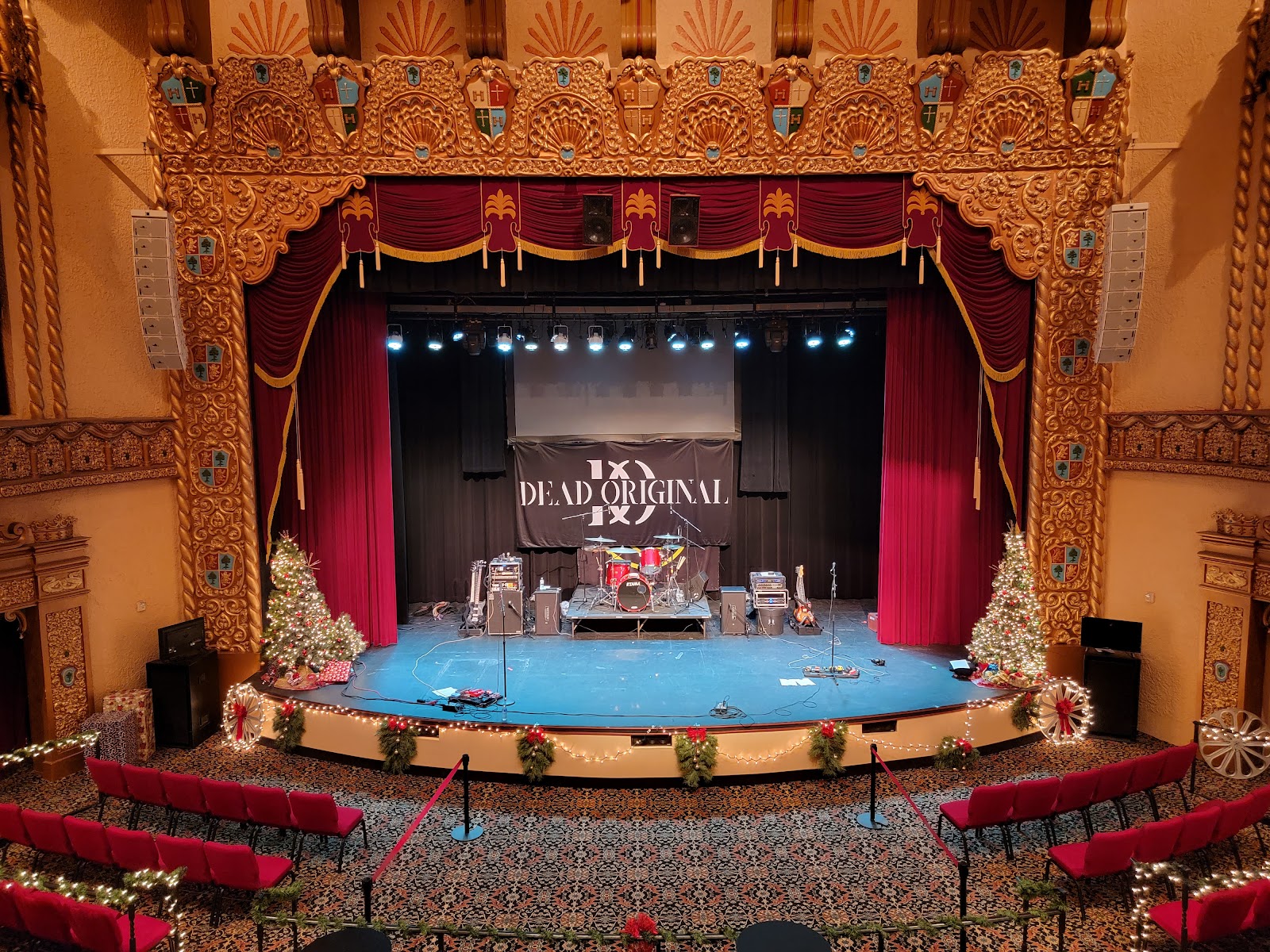
The Granada Theatre, Emporia: The Problem, and Four Ways Out
A small historic Emporia theatre — no room to stand, nothing to bounce off, and four ways round both.
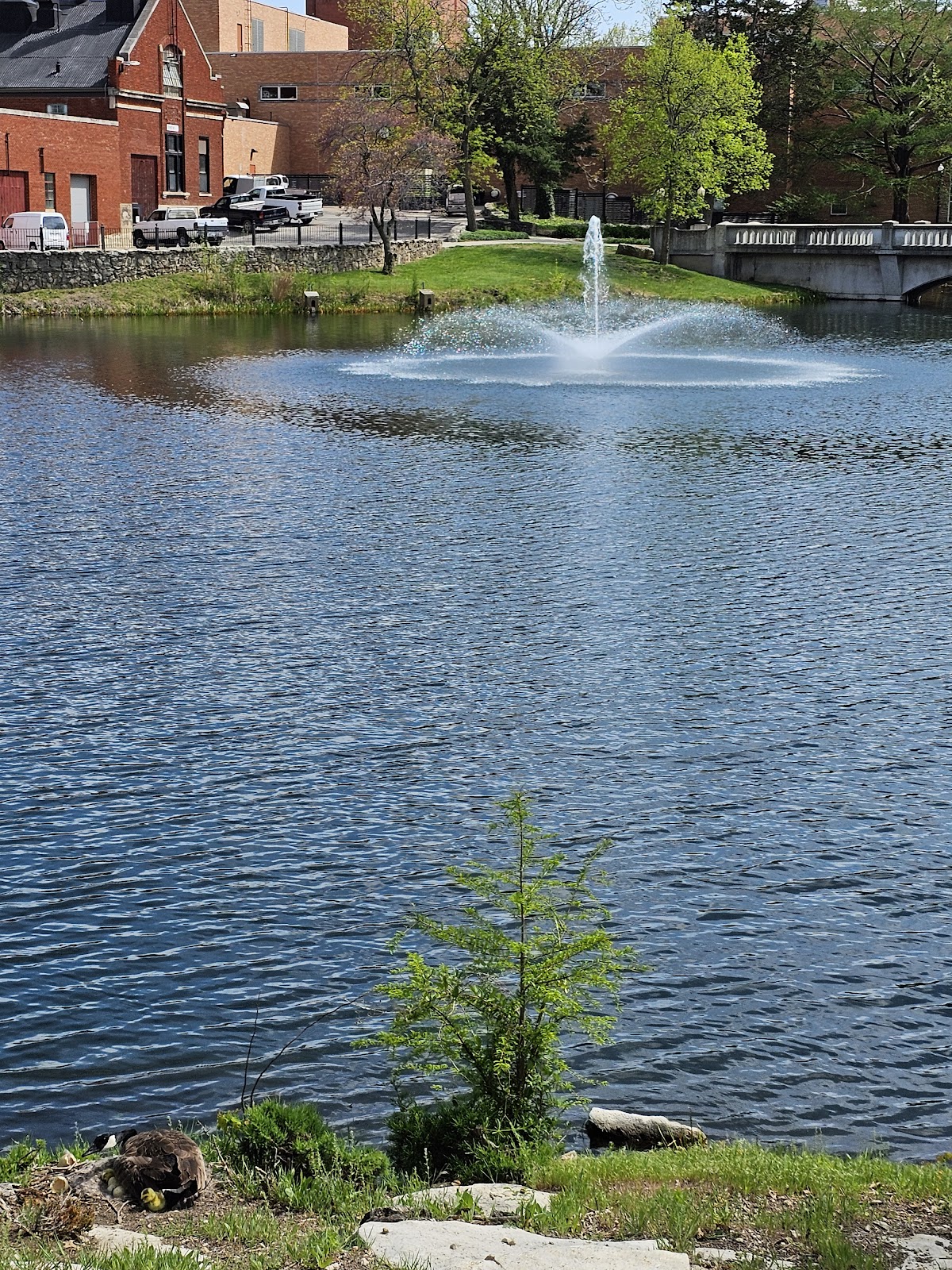
Emporia State University: The Light Through a Prairie Day
A Kansas prairie campus taken hour by hour, where wind matters as much as sun.
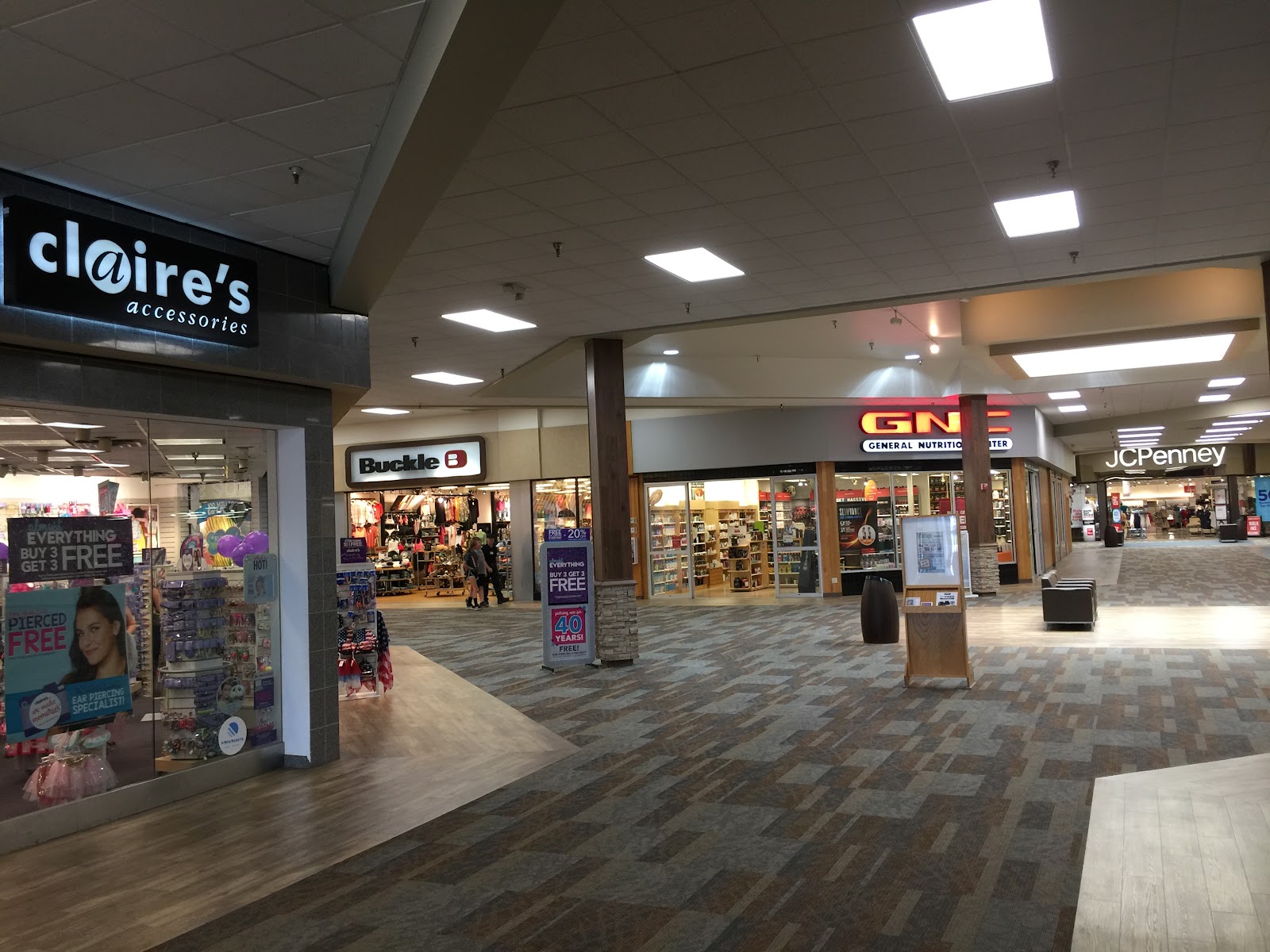
The Flinthills Mall, Emporia: A Building Lit From Above
An Emporia mall venue lit from above rather than from the side — and what that inversion does to every frame.