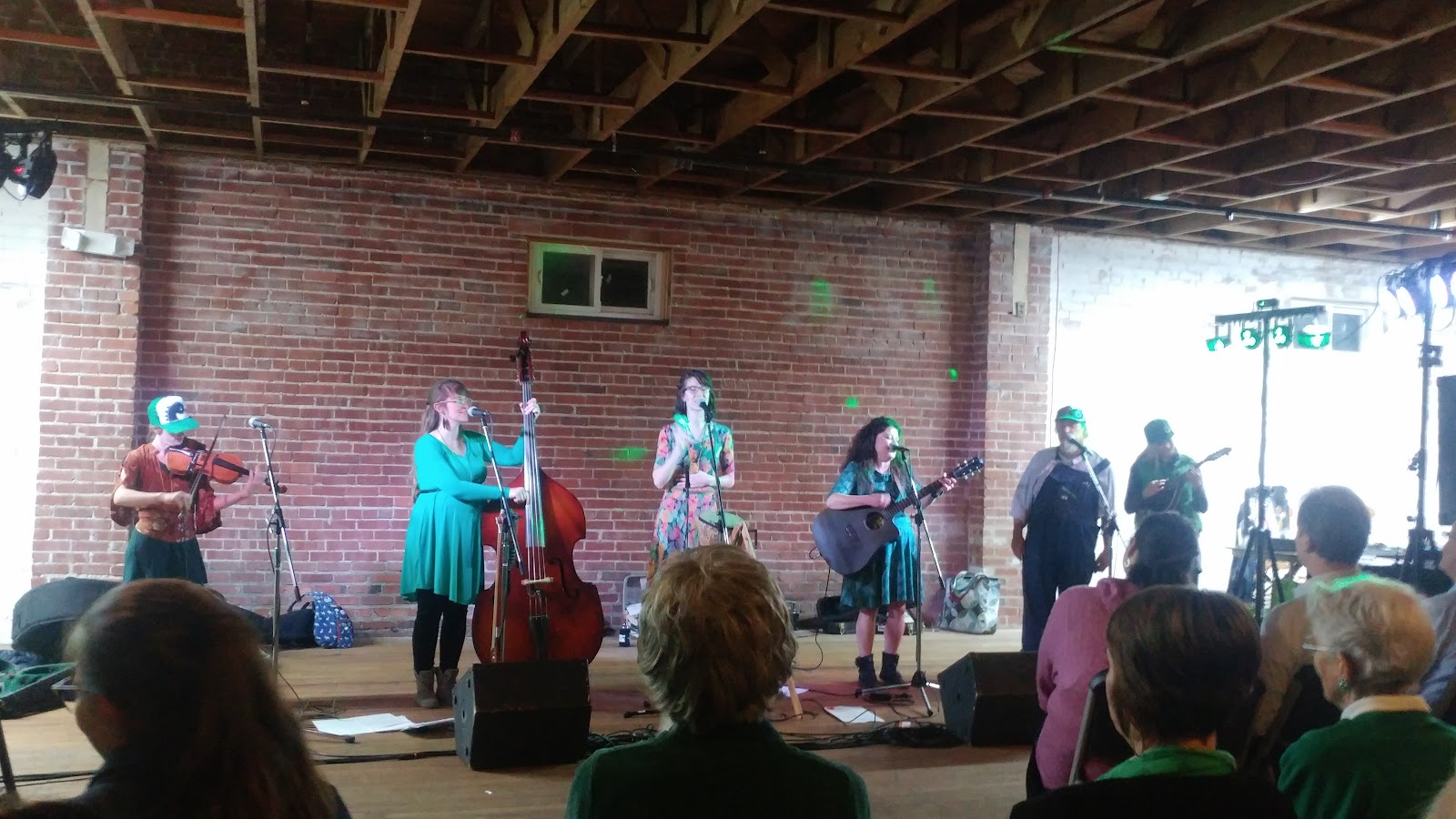
 Roxy’s Downtown: Photographing a Small Stage Room
The Lyon County History Center, Emporia: Field Notes on a Museum Venue
A museum in an old building has two logics working against each other. Both are useful once you know which is which.
A county museum housed in a repurposed historic building runs on two logics at once, and they pull in opposite directions.
The building’s original logic was daylight. It was built before electric light was adequate, which means the windows are tall and numerous and the principal rooms were laid out around them.
The museum’s logic is the opposite: light damages objects cumulatively and irreversibly, so paper, textile, photographs and dyes must be protected from it. In practice that means the original windows are frequently blinded, filmed, curtained or shuttered, and the gallery lighting is low-output and aimed at cases rather than at people.
The result is a building with excellent windows that may not be usable, and a lighting scheme designed with no interest in faces. Knowing which rooms fall on which side of that line is most of the preparation, and it is a question with a definite answer.
These are field notes. We have not photographed a wedding at the Lyon County History Center; county museums in historic buildings behave consistently. Which rooms are included, the rules on flash and proximity to objects, and whether any windows are unobstructed are questions for their team.
The Lyon County History Center at a glance
| Where | Emporia, Kansas |
| Two logics | Tall original windows, and a museum’s duty to keep light off objects |
| The key question | Which rooms have usable daylight, and which are blinded |
| The advantage | Gallery pool lighting gives the steepest free separation there is |
| Ask first | Rooms included, flash and proximity rules, which windows are clear |
What you meet, and what each one needs
Low ambient is the first condition and it is lower than it feels. Gallery lighting is deliberately restrained, the surfaces in a period building are frequently dark, and the windows may be covered — which can put a room two or three stops below a normal interior. Eyes adapt and meters do not, so the first frame on arrival should be a measurement.
Pool lighting is the second and it is the one that catches people out. Museum fittings are aimed at objects, which means the light in a gallery is a set of bright patches with comparative darkness between them — and a subject standing between two patches is unlit while the case beside them is perfectly exposed. Two minutes of walking to note where the pools fall determines every position worth using.
Used deliberately that is an asset rather than a problem, and it is the best thing the building gives. A subject standing in a pool of directed light with an unlit gallery behind them is separated completely with no equipment at all — the steepest fall-off of any venue type. Used accidentally it produces faces half in a beam and half out, which has the same answer as dappled sunlight: move.
Display glass is the third condition and it behaves like a mirror pointed wherever the camera is. A case will show the photographer, the camera, any light and the room opposite, at full brightness and unremovable afterwards. The discipline is fifteen seconds: stand where the camera will stand, look at every glazed surface in the frame, and place the source where none of them shows it — usually forward of the glass plane and outside the frame edge on the far side. A polariser helps at an angle and does nothing at all straight on.
The rules are the fourth condition and they shape the day more than any technique. Expect restrictions on flash near objects, on where stands may be placed, on whether anything may be moved, on food and drink, and on numbers per room — all of which exist to protect things that cannot be replaced. Those are the terms of using the building rather than obstacles to negotiate, and they belong in the booking conversation.
The working assumption that follows is: no stands, nothing moved, a source in a hand or on a bracket, one or two people per room rather than a group, and the large formals in whatever unfurnished space exists or outdoors. That is a workable plan when it is the plan.
Mixed colour is the fifth and museums are worse for it than almost any building type, because galleries are relit in stages across decades: original tungsten-register fittings, later fluorescents, recent LEDs of varying quality, case lighting chosen for the objects rather than the room, and any filtered daylight. Pick the temperature that should be correct, set white balance to it, and let one gelled source own the faces so skin is lit by something known.
And the ceilings decide the bounce: a period ground floor with tall ceilings returns little, while upper rooms are frequently lower and bounce well. One test frame per room is thirty seconds well spent.
The windows, and the building's own character
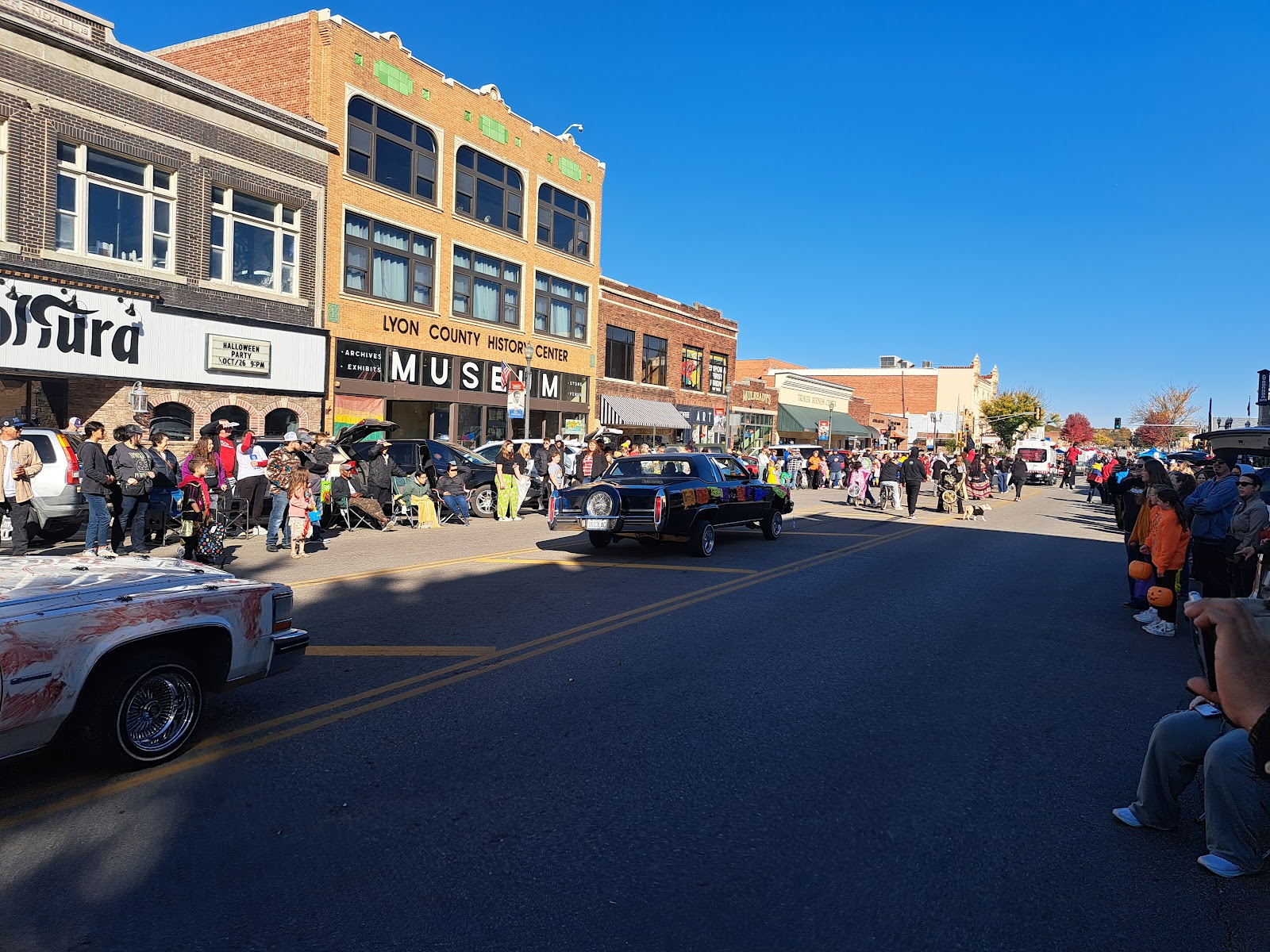
The windows are the question worth asking before anything else, because the answer changes the whole day. In a museum some windows will be blinded or filmed for conservation and some will not, and a single unobstructed tall window is worth more than the rest of the building’s lighting put together.
Where one exists, it has a specific advantage over a modern window. Because a nineteenth or early twentieth century sash extends close to the floor, the light wraps upward as well as sideways and fills under the chin — which a small high casement cannot do. The working distance is two to three metres: at half a metre the fall-off across two faces darkens the far one, while at two or three it is directional and even across both.
Two requirements. Every overhead and lamp fitting switched off, so the room has one colour of light rather than two landing on the same face. And the shaded side of the building, because a window carrying direct sun becomes a hard source with a hard edge and a brilliant stripe across a dark gallery.
At Emporia’s latitude, about thirty-eight degrees north, the midday sun reaches roughly seventy-five degrees above the horizon in June and about twenty-eight in December — so a north-facing window is shaded all year and is the most reliable in the building, while a south-facing one is a high source in summer and a genuinely useful low directional one through a winter afternoon.
Conservation film or a light-diffusing blind, where present, is worth reframing as an asset rather than an obstruction: a diffused window is a larger, softer source with no hard edge, which is precisely what a portrait wants. A window with a translucent blind drawn is frequently better light than the same window bare.
The building’s own character is the last thing worth using. A repurposed period building has plaster moulding, panelling, timber, stone and stair joinery, all of which read only under raking light — a source pointed at them flattens everything to one tone, while the same source placed to skim lifts every profile. The positions where the existing light already grazes a wall are the ones worth finding on arrival.
Warm bounce is the standing colour problem: timber, brass and warm paint reflect strongly warm onto the shadow side of a face from several directions at once, localised and bounced so global white balance cannot separate it from the subject. One warm-gelled source with white balance set to the gel is the method, and a global correction turns skin grey.
And the stair, if there is one, is the best single feature in a building of this type — elevation, a line for a descent, and a vertical composition. It wants light from one side, ideally a landing window, because overhead light on a stair shadows every eye socket at once.
- Ask which windows are unobstructed; one clear sash beats the whole lighting scheme
- Measure the ambient; galleries can be three stops below a normal room
- Walk the gallery and note where the light pools fall
- Check every display case from the camera position before lighting
- Assume no stands and nothing moved; settle the rules at booking
Outside, and the Flint Hills year
Outside, a small-city museum has an advantage a large-city one does not: the streets are wide and there is room to stand back, so the building can actually be photographed whole. That is worth one frame, and the detail frames are worth more — brick, stone dressings and joinery all read only under raking light, so a short walk to find the lit elevation is worth more than any accessory.
The timed frame is the twenty-five to forty minutes after sunset, when the sky still holds colour while the building’s own lighting comes up, so one exposure holds couple, building and sky. That is the one picture the galleries cannot give, and since the interior does not change through the day, taking it costs nothing.
Emporia sits in the Flint Hills, the largest remaining expanse of tallgrass prairie in North America — preserved because layers of flint-bearing rock close to the surface made the hills unploughable, so they were grazed rather than cultivated and the original grassland survived. A short drive gives a rolling open landscape with very little tall cover and an enormous sky.
The sky is the main subject in any wide frame there, which means the exposure should be set for it with faces lifted by a close source. Metering on skin gives a white sky, and that is the commonest failure in this country.
Tallgrass is the ground and it changes more through the year than almost any surface. Big bluestem and Indian grass grow through summer and by late August stand well above head height, which makes them foreground and background at once — a couple in tallgrass is enclosed by it rather than posed in front of it. In autumn it turns bronze and russet and holds that standing through winter, so the prairie has warm colour in January when nothing else does.
Spring brings the burning, worth knowing before a date is chosen: ranchers burn the grassland in late March and April, giving blackened ground, smoke on the horizon, and then an intense green flush within a few weeks. Three landscapes inside two months.
Wind is the constant and there is very little to break it on open ground — which conveniently matches the handheld, no-stands configuration a museum already requires.
The seasons are emphatic. Summer is hot and humid, with moist air softening shadows and slightly flattening distance, and severe thunderstorms a real possibility from spring onward. The fogging problem is the equipment issue: a body carried from an air-conditioned interior into July air fogs on every surface at once and does not clear quickly, and a museum is cooled and humidity-controlled for its collection, which makes the difference larger. A bag opened twenty minutes early is the whole fix.
Winter is cold with a December midday sun at about twenty-eight degrees above the horizon, which makes the whole short day raking light — and for a museum whose interior problem is limited daylight, that low angle coming into any unobstructed window is a genuine gain. Snow turns the ground into a reflector too, which brightens every clear window in the building.
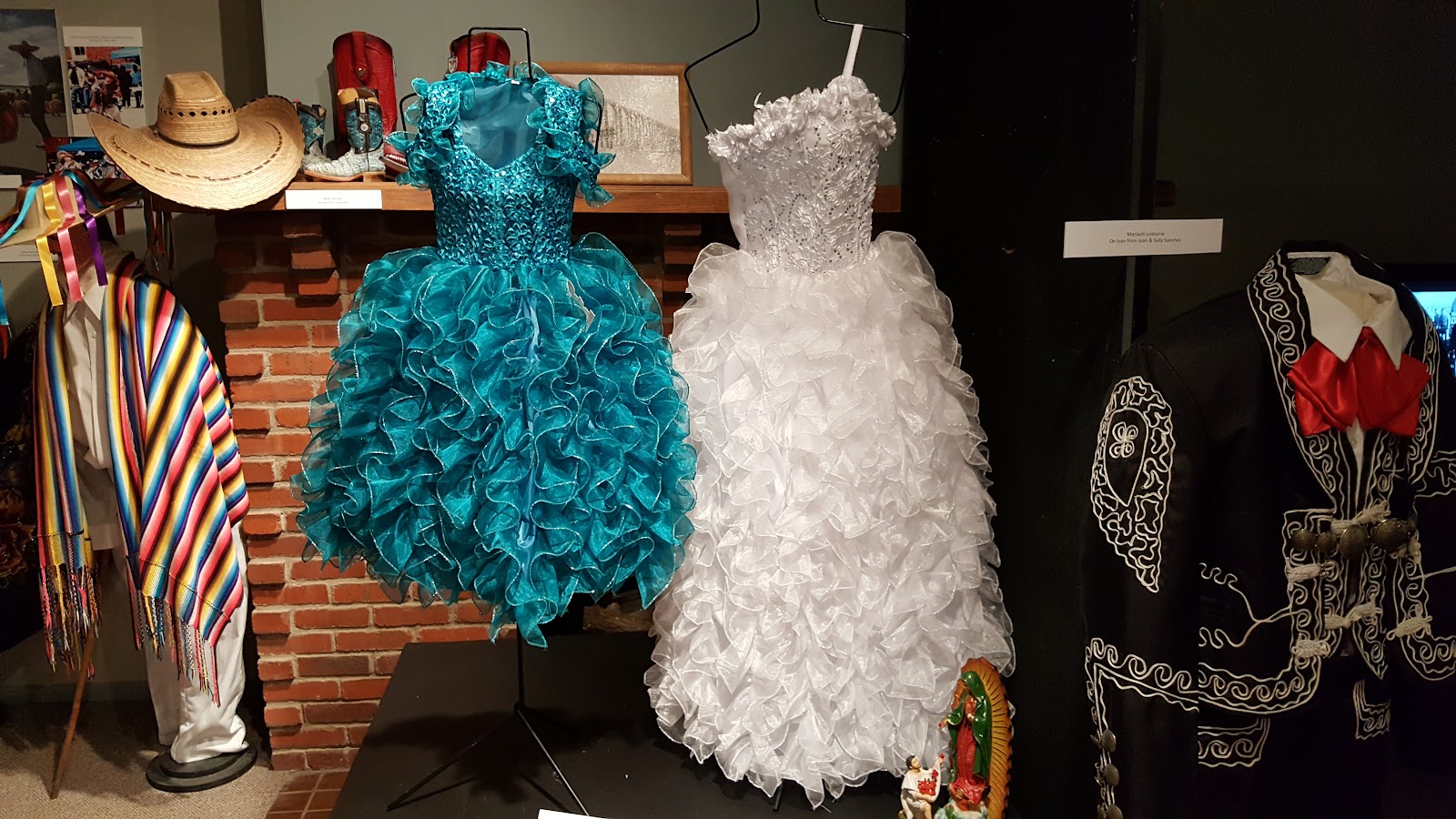
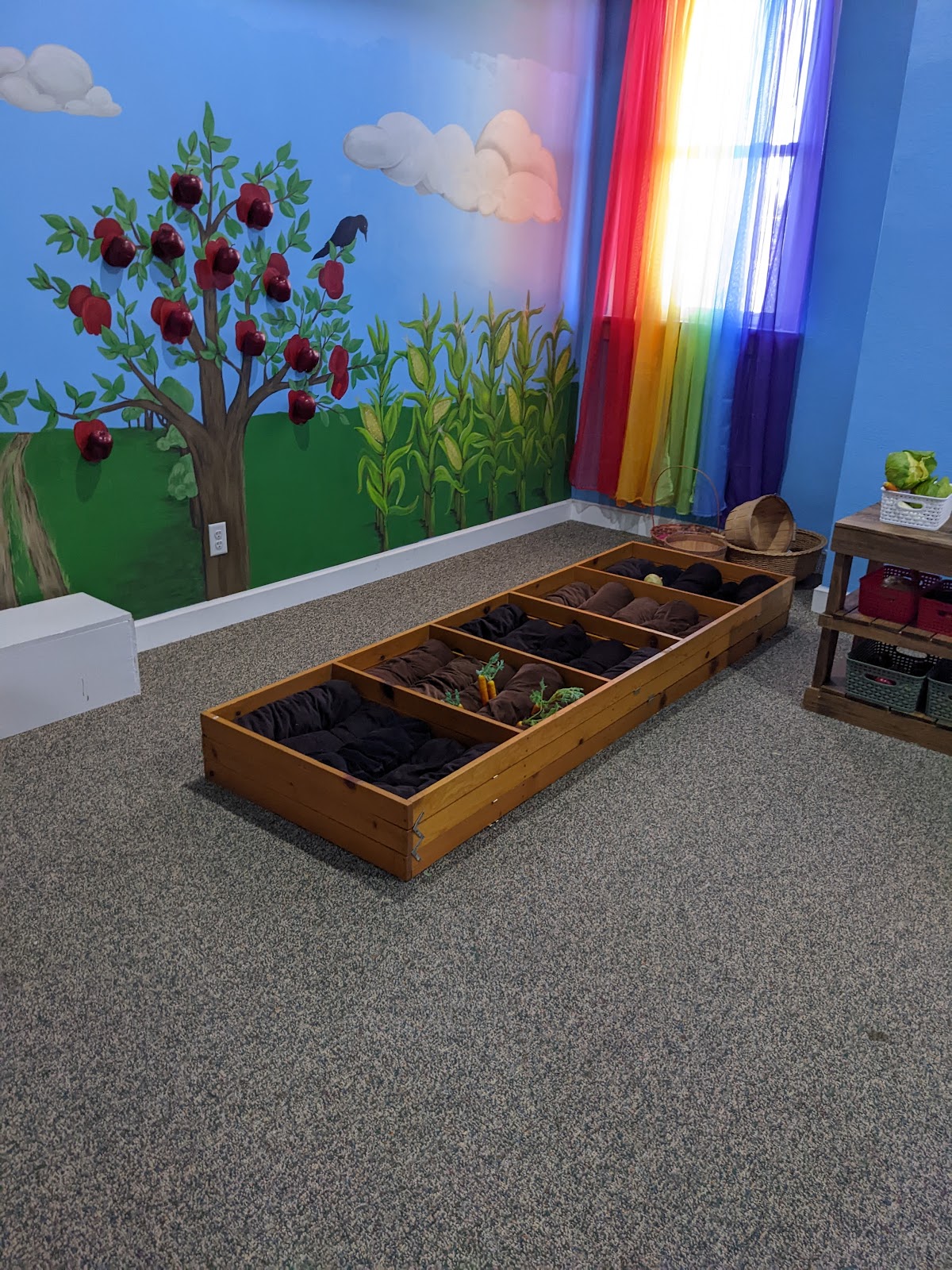
More frames from The Lyon County History Center
The Lyon County History Center wedding photography: common questions
What are the two competing logics?
The building was designed around daylight, and the museum’s duty is to keep light off objects — so excellent tall windows may be blinded or filmed.
What should be asked first?
Which windows are unobstructed. One clear tall sash is worth more than the rest of the building’s lighting put together.
Why is museum lighting so restrained?
Because light damages paper, textile and dyes cumulatively and irreversibly. Fittings are low-output and aimed at cases rather than at people.
Is the pool lighting useful?
Used deliberately it is the best thing the building gives — a subject in a directed pool with an unlit gallery behind is separated completely, for free.
How do you handle display glass?
Stand where the camera will stand, check every case in the frame, and place the light where none of them shows it. A polariser helps at an angle and not at all straight on.
Is a conservation blind a problem?
Usually an asset. A diffused window is a larger, softer source with no hard edge, which is precisely what a portrait wants.
More Emporia, KS venue guides
We are writing a photographer’s guide to every venue we would happily shoot in Emporia, KS. Here are three more, plus the full index:
- Emporia State University: The Light Through a Prairie Day
- The Flinthills Mall, Emporia: A Building Lit From Above
- The Granada Theatre, Emporia: The Problem, and Four Ways Out
Planning a wedding at The Lyon County History Center?
Ask which windows are clear. Tell us your date and we will plan from that.