Las Vegas gives a photographer the most extreme natural light of any major American city, and the reason is two conditions compounding. The sun gets very high: at about thirty-six degrees north, the midday sun in June sits roughly seventy-seven degrees above the horizon, which is close enough to straight down that eye sockets go black and every chin gets a hard shadow. And the air is very dry, so there is almost nothing to scatter that light — shadows here are harder than the same sun angle gives in a humid climate, and the range between lit and unlit exceeds what any sensor holds.
The city averages something close to three hundred sunny days a year, which means the usual photographer's hope that cloud will arrive and soften everything is not a plan. It is a bonus.
So the outdoor day has two windows and a long unusable middle: the first hour after sunrise, the last hour before sunset, and roughly twenty-five minutes after it. That last window is shorter here than in a humid city, because dry clear air gives less afterglow — and it is the frame the city exists to give, when the sky still holds deep colour while the Strip's own illumination comes up and one exposure holds couple, sky and lit skyline together.
After it, Las Vegas becomes one of the brightest exterior environments in the world, where night portraits need nothing added, with one caveat worth knowing: saturated signage and neon are narrow-spectrum sources that put most of their energy into one part of the spectrum and very little elsewhere, so they never render skin properly. They belong behind a couple, never on them. Indoors the logic is different again, because a Strip resort is designed to remove any sense of outside — no windows on the gaming floor, no clocks, no daylight — which means the interior is identical at every hour and every indoor frame is movable.
The guides below take each venue on its own terms: where the daylight actually is, what the surfaces do to colour, and the one frame worth building the schedule around.
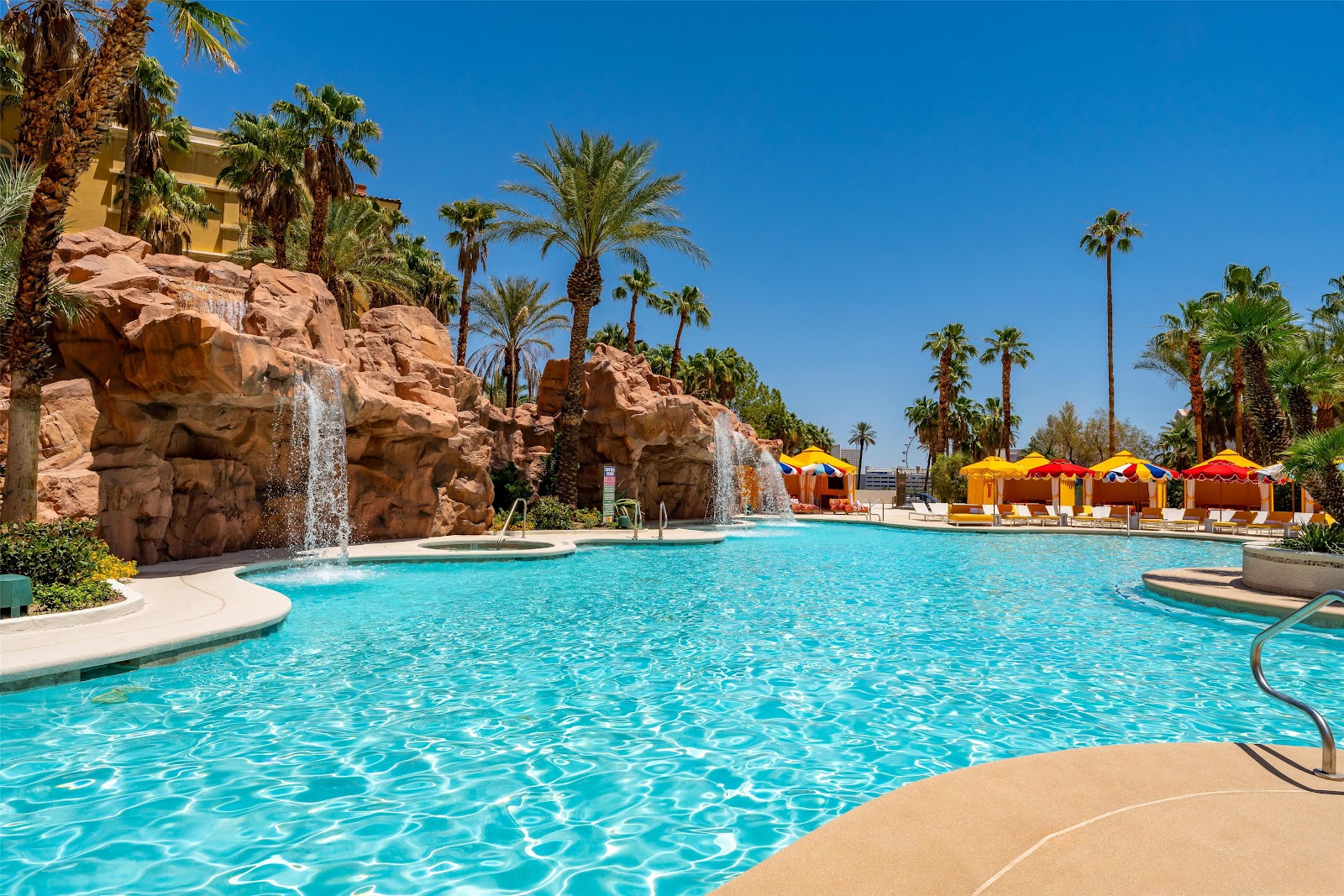
The Rio, Las Vegas: A Walk Through an Off-Strip Resort
An off-Strip Las Vegas resort walked in the order a day uses it — and what being off the Strip gives a photographer.
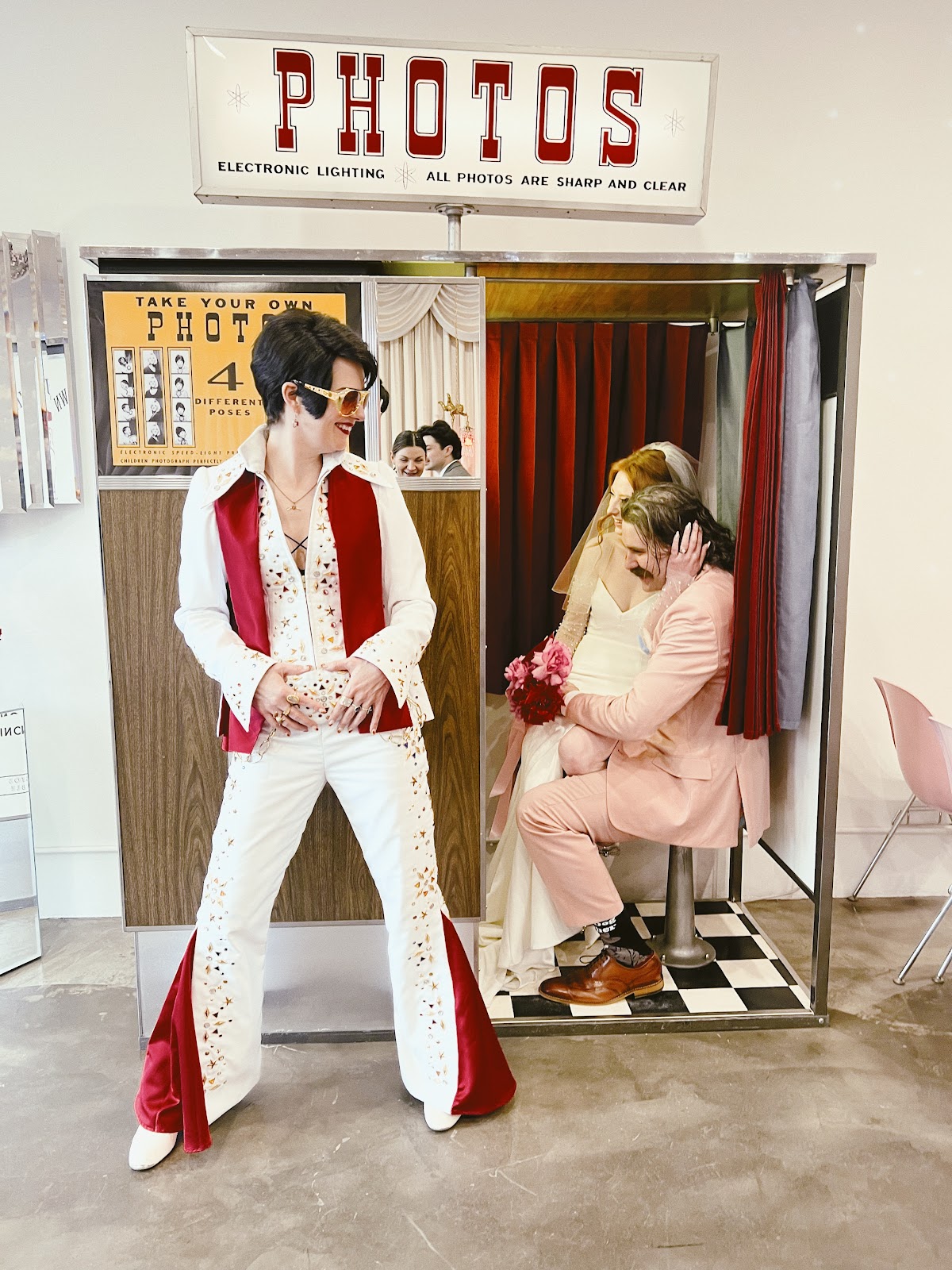
The Sure Thing Chapel, Las Vegas: A Walk Through a Las Vegas Chapel
A small Las Vegas chapel walked in the order a ceremony uses it — and what a short booking demands.
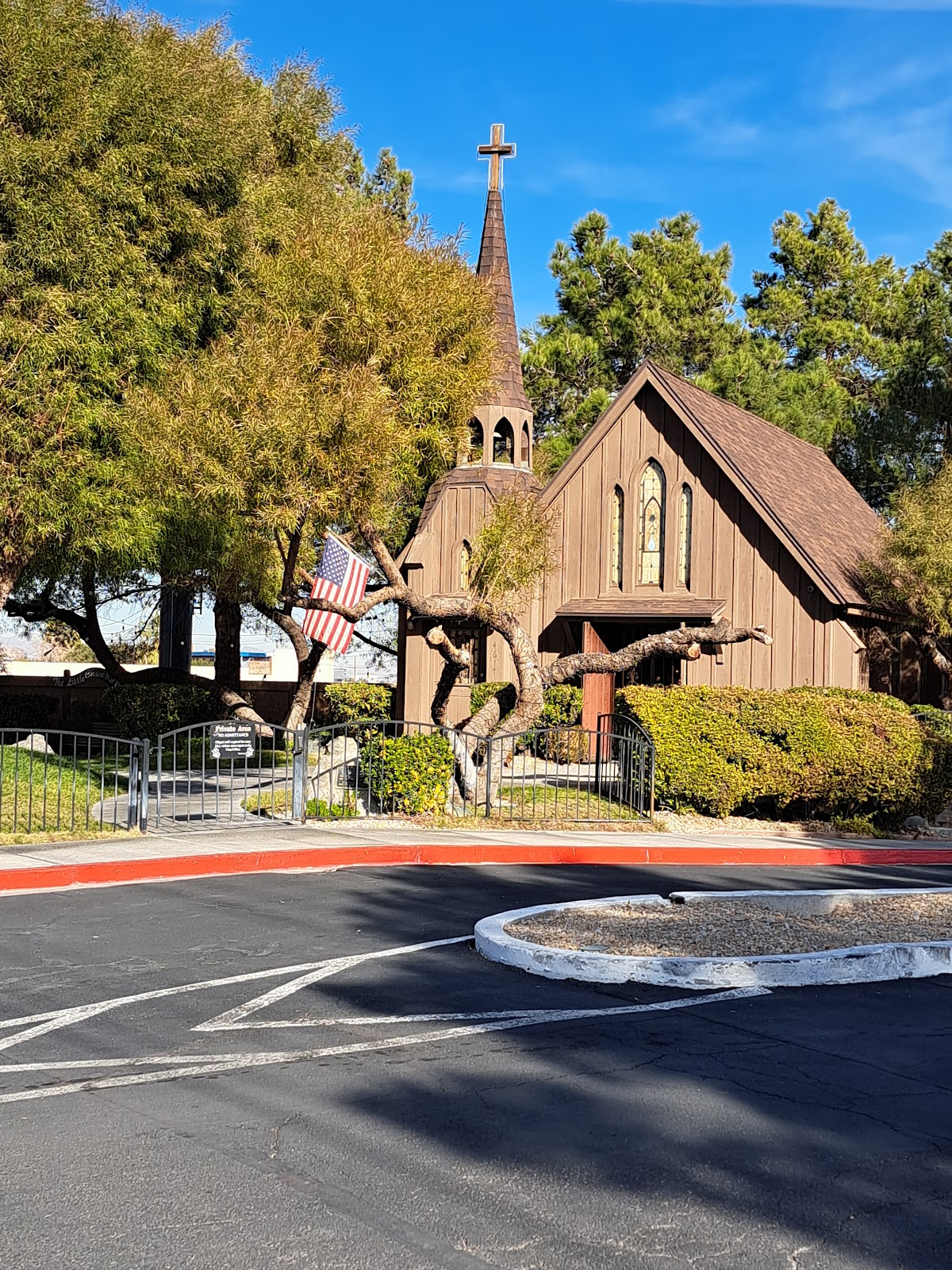
The Little Church of the West, Las Vegas: A Walk Through a Timber Chapel
A small timber chapel with planted grounds, walked in the order a wedding day uses it.
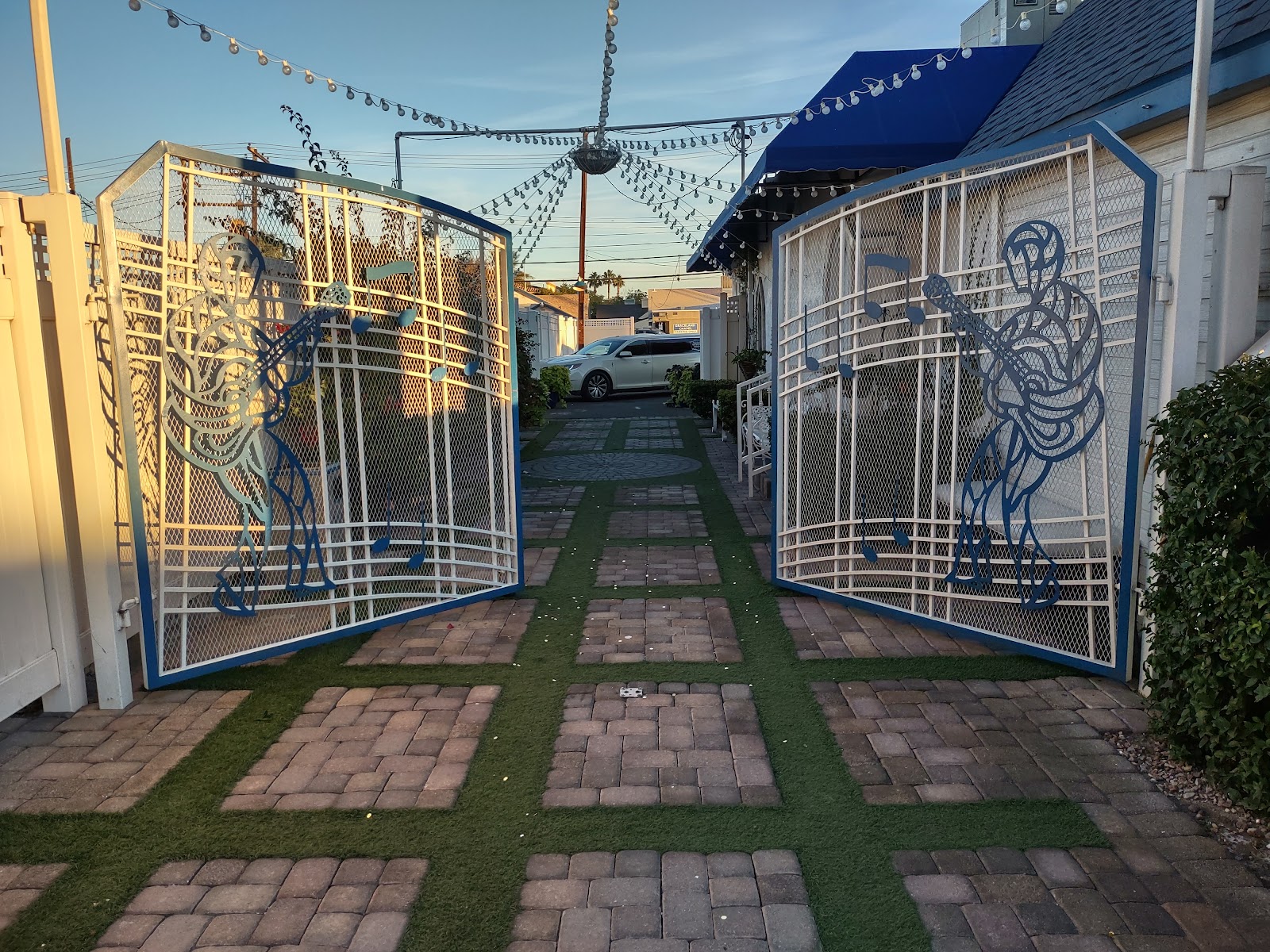
Graceland Wedding Chapel, Las Vegas: A Walk Through a Small Chapel
A small Las Vegas wedding chapel walked in the order a ceremony uses it — arrival, aisle, vows, and out.
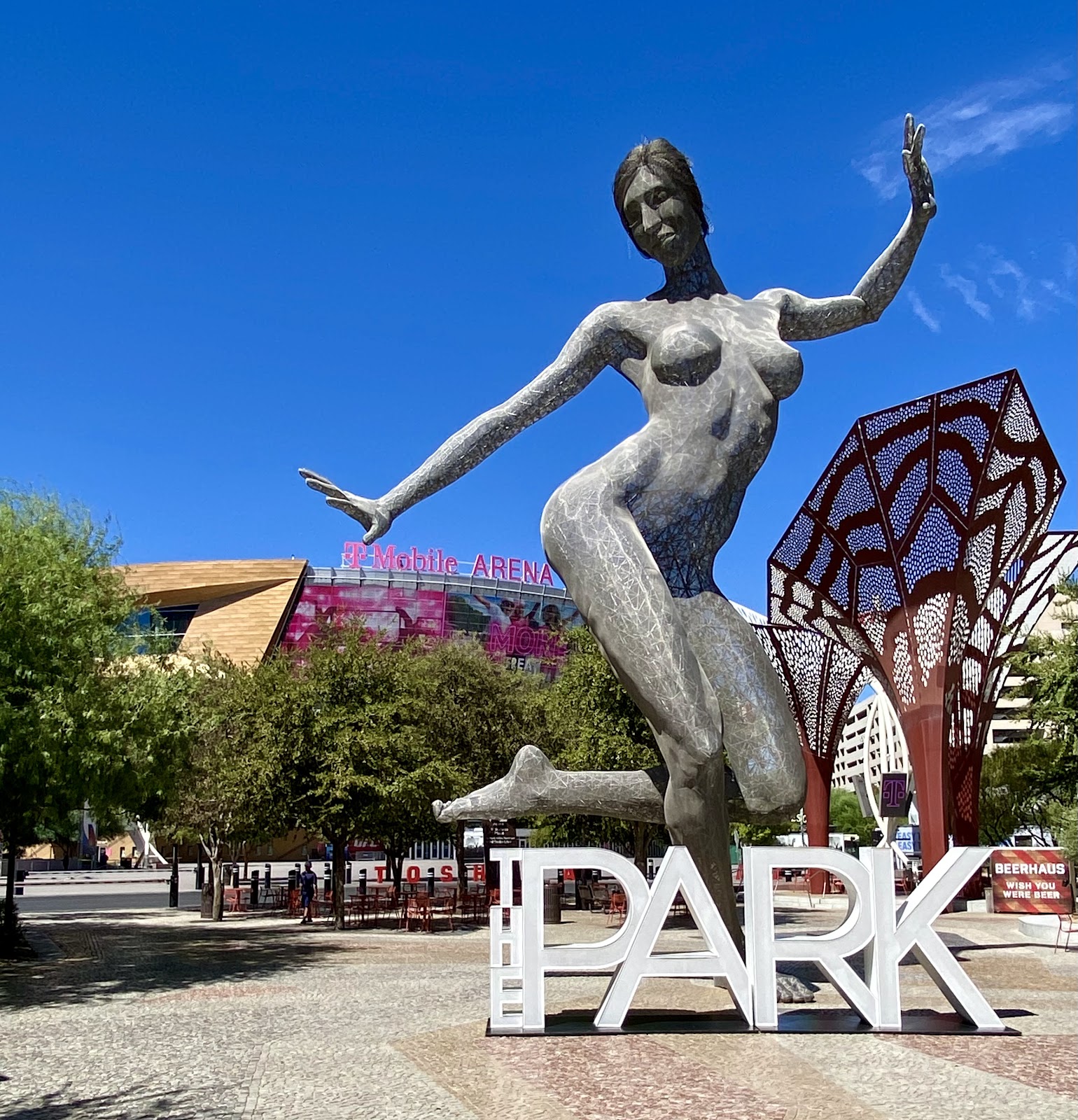
New York-New York, Las Vegas: The One Decision That Governs Everything
A Las Vegas resort built to imitate a city — and the one decision that determines what the pictures mean.
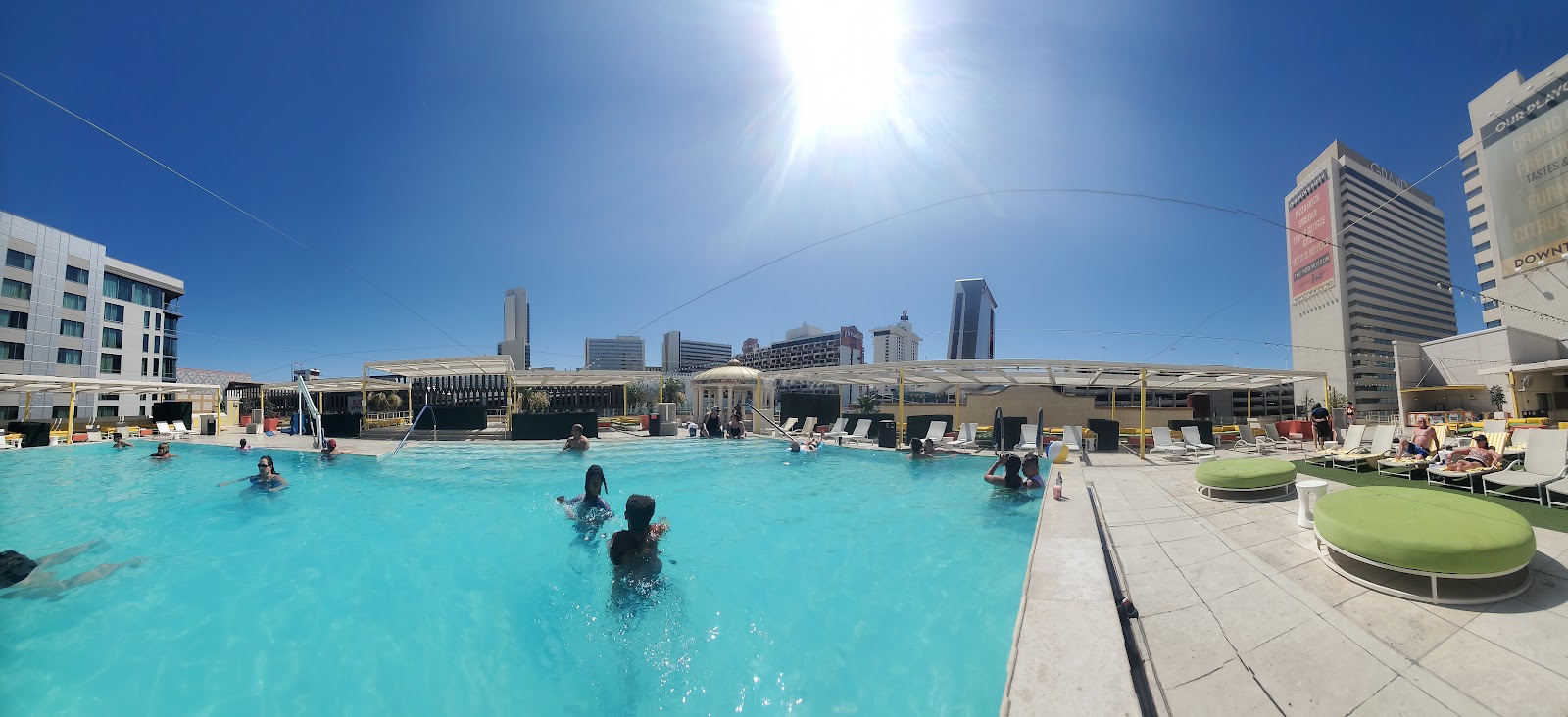
The Downtown Grand, Las Vegas: The One Decision That Governs Everything
A downtown Las Vegas hotel with a rooftop pool deck — where one scheduling decision governs the gallery.
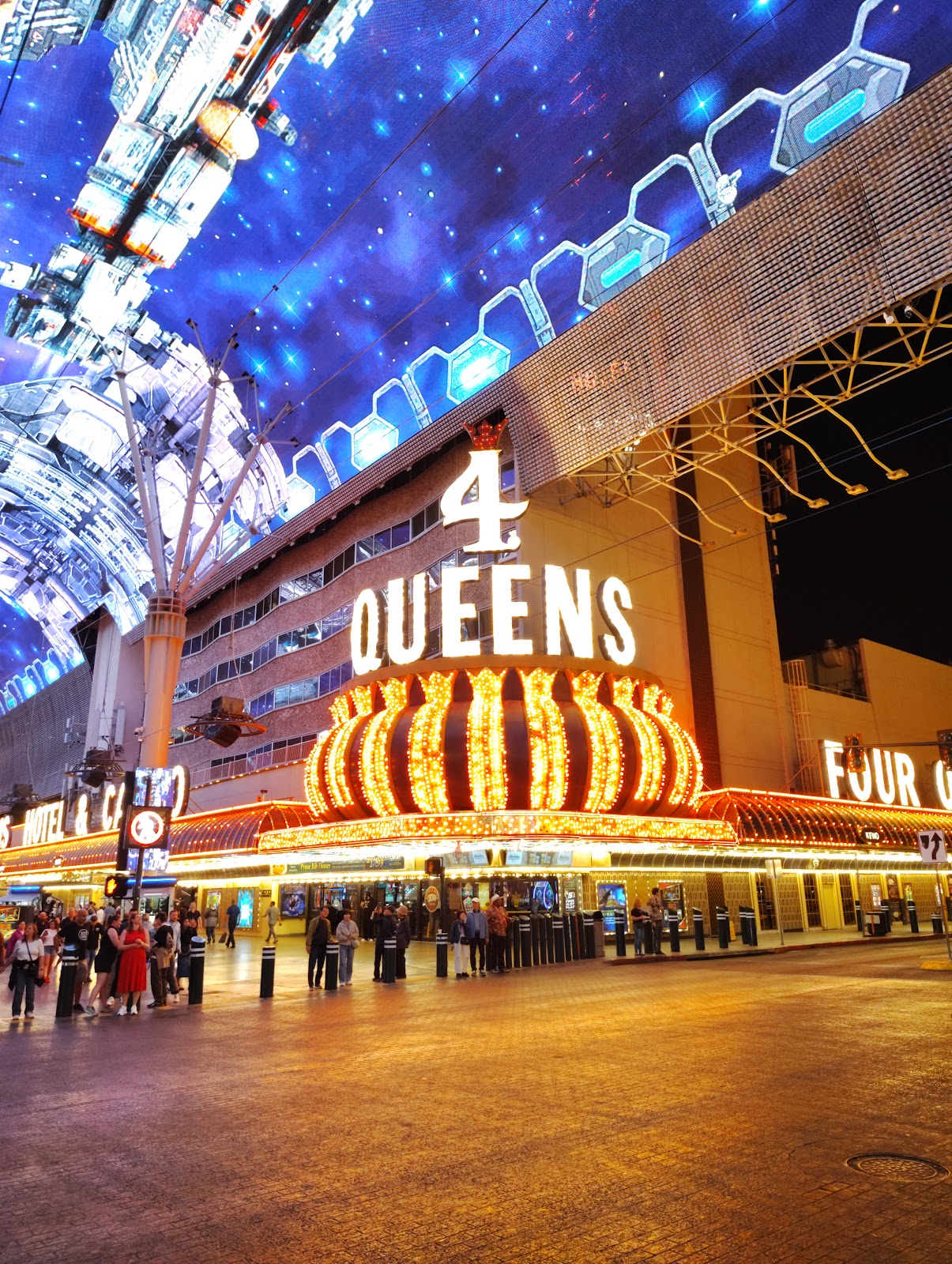
The Fremont Hotel, Las Vegas: The One Decision That Governs Everything
An older downtown Las Vegas hotel, where one lighting decision determines what the whole gallery looks like.
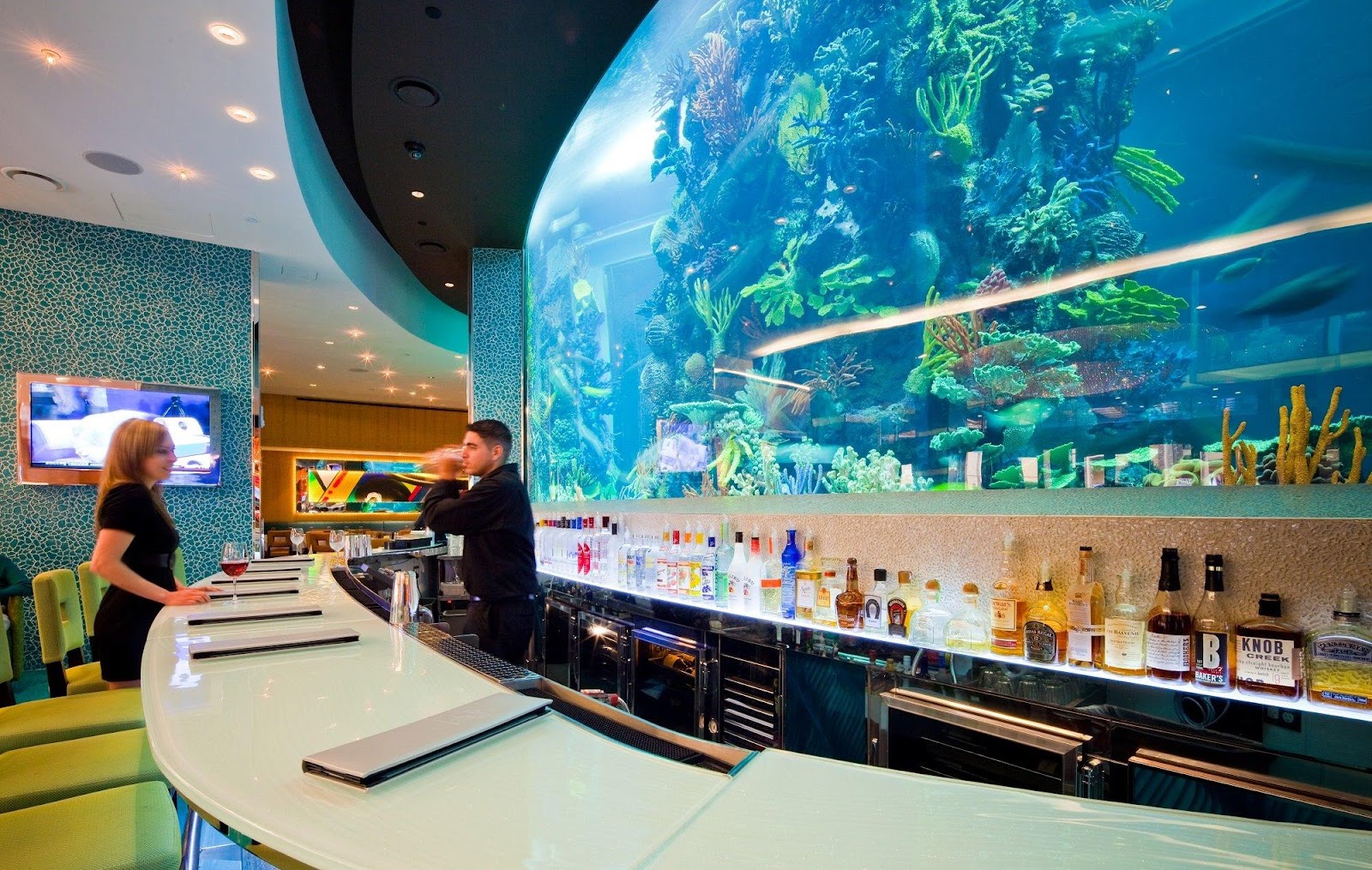
The Golden Nugget, Las Vegas: The One Decision That Governs Everything
A downtown Las Vegas resort where one decision — which version of the city the pictures belong to — governs everything.
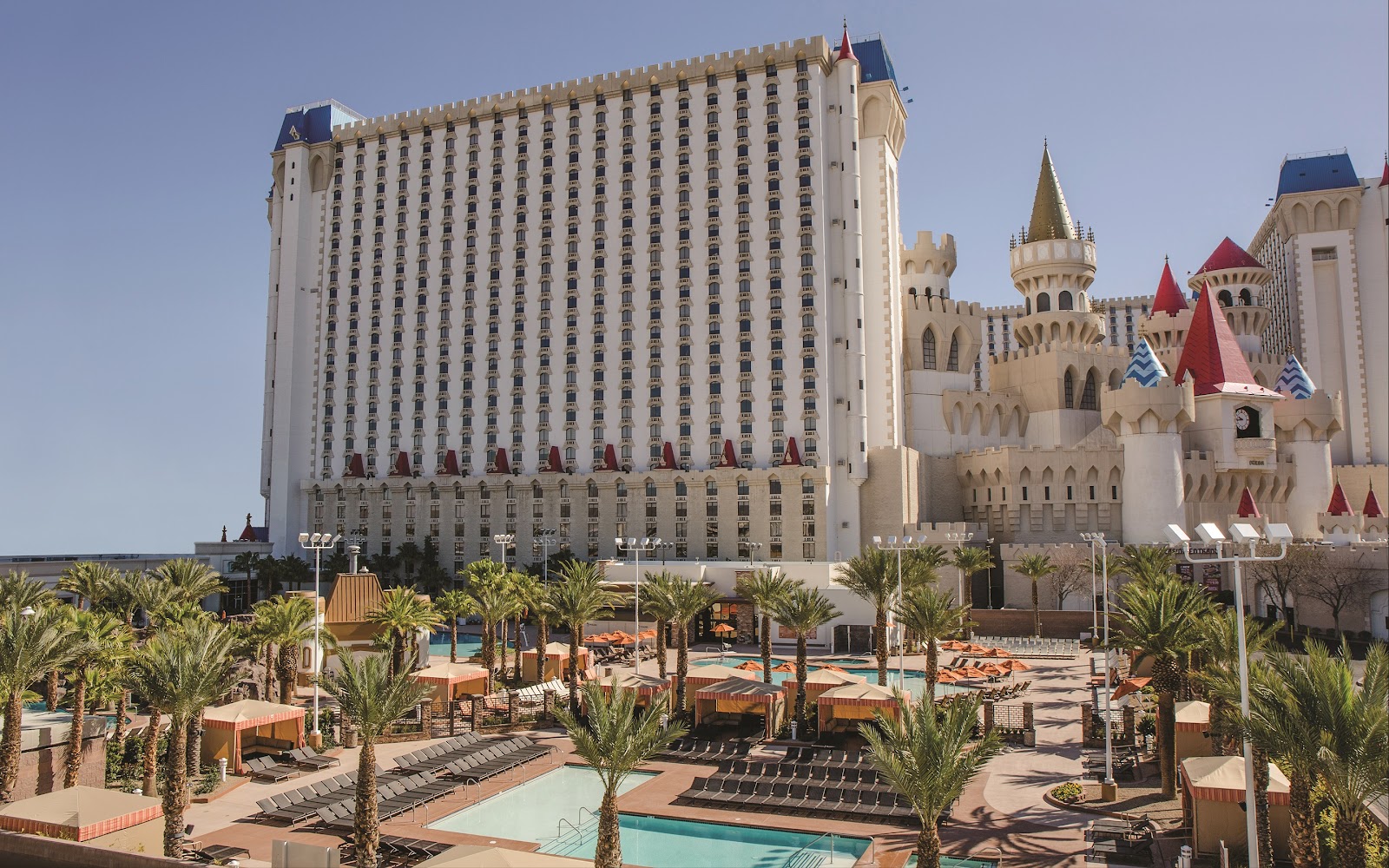
The Excalibur, Las Vegas: What It Suits, and What It Does Not
A strongly themed Las Vegas resort — what a committed theme gives a photographer, and what it takes.
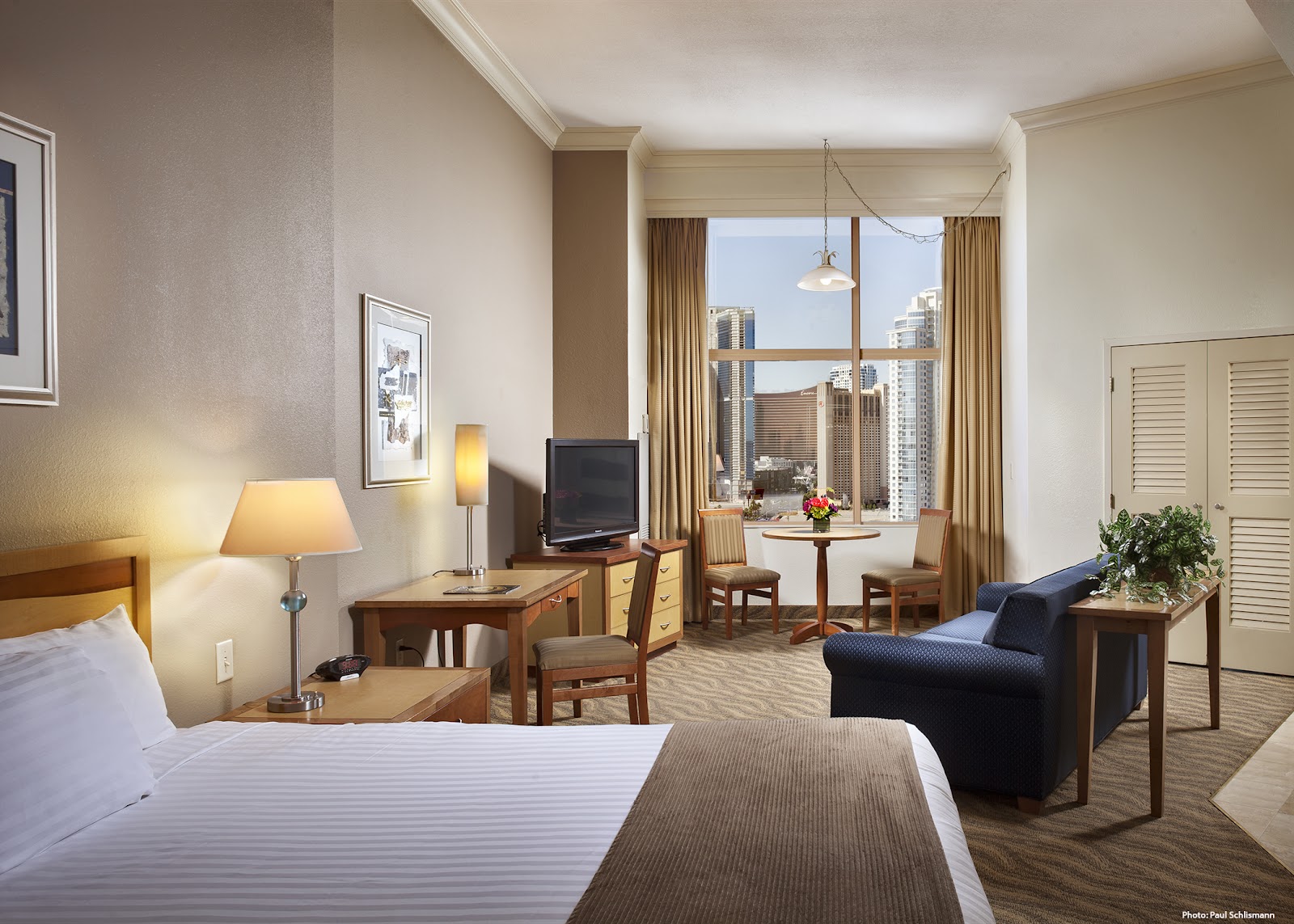
The Strat, Las Vegas: What It Suits, and What It Does Not
A Las Vegas venue with an observation level far above the city — what height gives, and what it costs.