 The Rio Grande Zoo: Cottonwood Shade and the Enclosure Problem
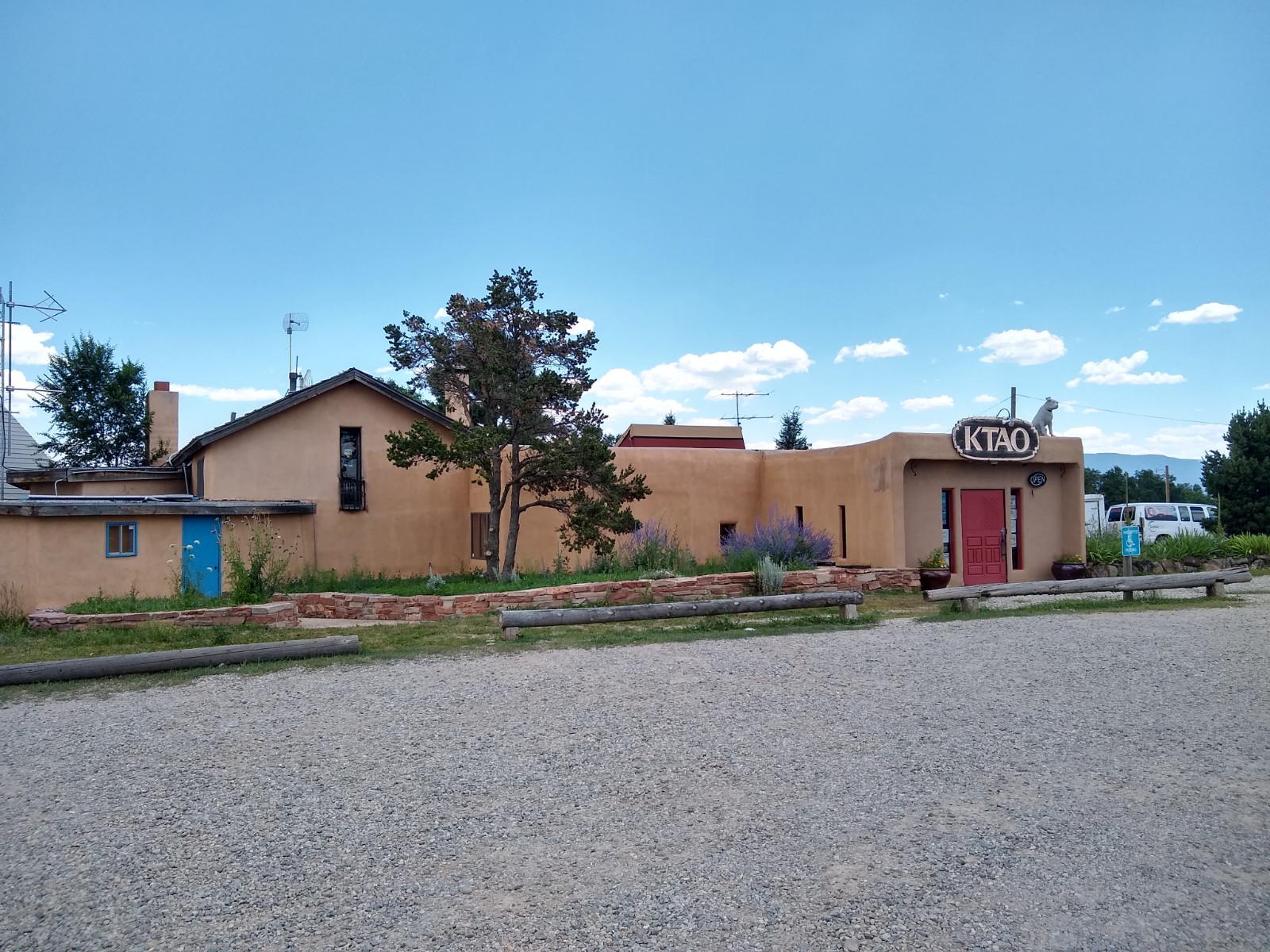
The Solar Center, Taos: The Problem, and Four Ways Out
A building designed to admit as much sun as possible is a building designed against you. Four ways round it.
A passive solar building has an explicit design objective and it is the opposite of a photographer’s: to admit as much direct sunlight as possible through south-facing glazing, and to store the heat in mass walls and floors.
That produces one central problem. At Taos’s altitude of close to seven thousand feet, with roughly a quarter less atmosphere overhead to scatter it, direct sun is harder than almost anywhere — and here it is being deliberately funnelled indoors through a large glazed wall. The result is a brilliant patch of floor, a hard-edged shaft of light, and everything outside that shaft sitting several stops down. It is the widest brightness range a photographer will meet indoors.
It also produces some genuine gifts, which is why the building is worth using rather than avoiding: enormous glazing is an enormous soft source when the sun is not in it, the mass walls are warm and textural, and the interior is bright in winter when nothing else is.
There are four ways out and all of them work. We have not photographed a wedding at the Solar Center; passive solar buildings behave predictably, because their behaviour is the point. Which spaces are included, whether there are shades or blinds, and whether the lighting is adjustable are questions for their team.
The Solar Center at a glance
| Where | Taos, New Mexico, at about 7,000 feet |
| The problem | Large glazing designed to admit direct sun, at an altitude where sun is brutal |
| Way one | Work when the sun is off the glass — which is most of the day |
| Way two | Use the shaft deliberately. Way three: use the shades |
| Way four | Turn round — the north side of the building is the best light in it |
Ways one and two: wait for it, or use it
The first way out is timing, and it is more available than people assume. A south-facing glazed wall admits direct sun only while the sun is in the southern sky and high enough to come through it — which at this latitude means the middle of the day, and much more so in winter than in summer.
That produces a counter-intuitive schedule. In June, when the midday sun reaches roughly seventy-seven degrees above the horizon, it is so high that a vertical south glazing admits comparatively little direct beam, and much of it strikes the ground outside. In December, when the sun reaches only about thirty degrees, it comes straight in through the glass and travels deep into the room — which is exactly what the building was designed to do, and exactly the hardest condition for photography.
So the timing answer is: in summer, the whole day is workable and the glazing is mostly a soft source. In winter, the middle of the day is difficult and the first and last hours are excellent, because the sun is too low to enter and the glazing becomes an enormous soft source instead.
That is worth establishing with the venue, who will know precisely when the sun leaves their glass, because the whole building is designed around it.
When the sun is off the glass, that glazed wall is one of the best light sources any venue offers. A window several times human height is a soft source large enough to light a whole group, which means the formals can happen in daylight indoors — something most venues cannot do at all. Three metres back from the glass is the working distance: a row of people at a metre has a two-stop spread across it, while at three it is even.
The second way out is to use the shaft deliberately rather than fight it. A hard-edged beam of sunlight crossing a dim room is a dramatic device and it works if it is committed to: a subject placed inside the beam, with the exposure set for the lit skin and everything outside allowed to fall to black, produces a strong, graphic, high-contrast frame that no soft light can imitate.
The rules for that are strict. The subject must be entirely in the beam or entirely out of it — half in is unrescuable, and at this altitude the ratio is worse than at sea level. The exposure is set for the lit side and nothing is recovered from the shadows, which is a decision rather than a failure. And it is a handful of frames rather than a strategy, because a whole gallery of hard-light portraits is exhausting to look at.
The beam on a mass wall or floor is also a subject in itself, and frequently the better use of it: the geometry of a shaft of light across an adobe or concrete surface is a picture with no people in it at all, and it places the building precisely.
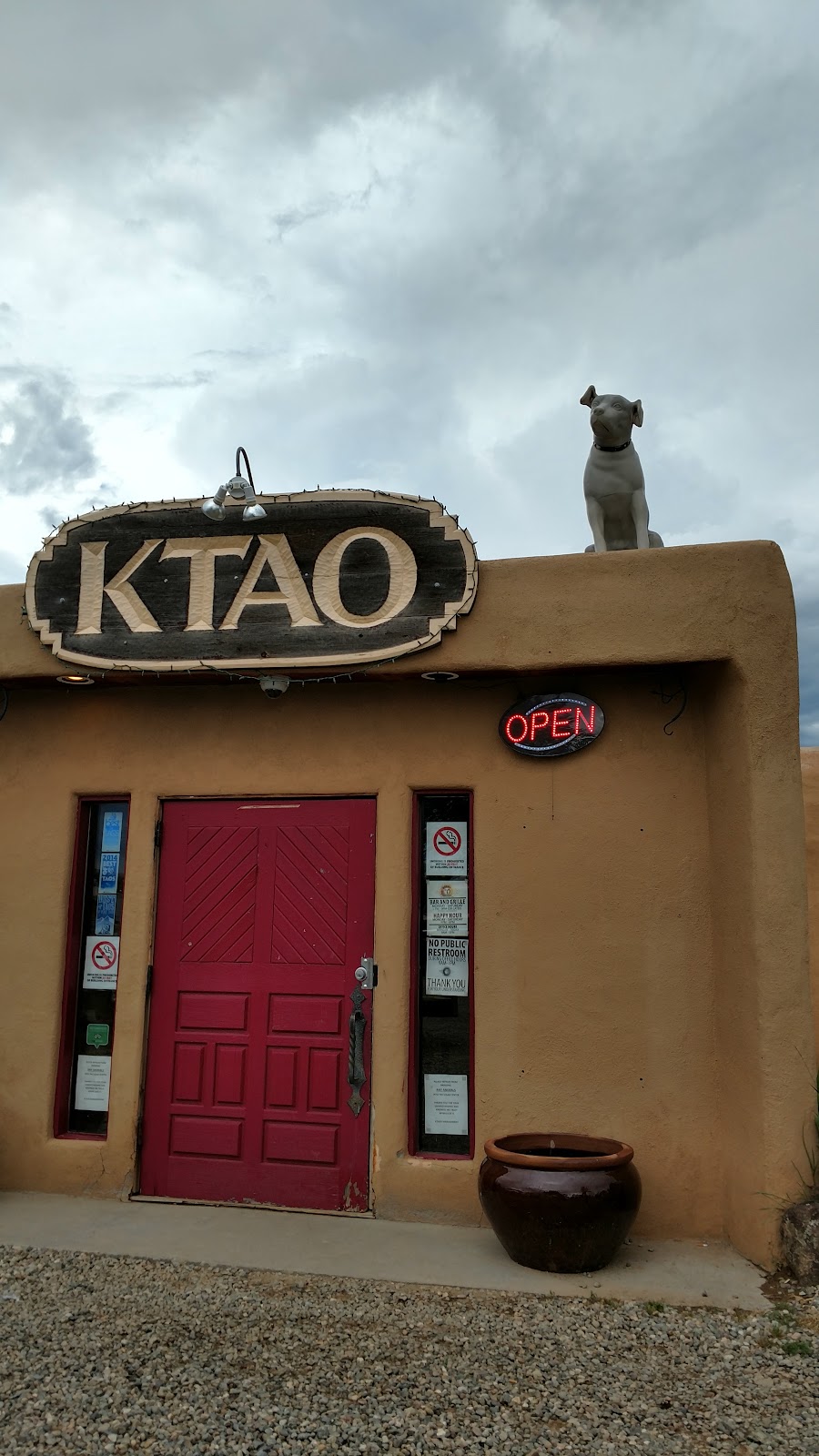
Ways three and four: the shades, and the north side
The third way out is to ask about the shades, because a passive solar building almost always has them — blinds, curtains, shutters or exterior screens are part of the design, since a building that collects heat in January must be able to reject it in July.
A partially drawn shade turns a hard beam into a diffuse panel, which is exactly what a photographer wants, and it is a five-second intervention. A translucent shade is better still: it makes the entire glazed area a uniform soft source, which is the single most useful lighting condition in the building and it is created by pulling a cord.
This is worth asking about specifically and early, because the people running the building think of shades as a thermal control rather than a photographic one and will not think to mention them.
The fourth way out is simply to turn round, and it is the one most often overlooked. In a building designed to face the sun, the north side is the opposite: north-facing glazing at this latitude never receives direct sun at all, which makes it a permanently soft, permanently directional source available at every hour of every day of the year.
North light is the light painters’ studios were built for, and it is the most reliable portrait source in existence. If the building has any north glazing — and most passive solar buildings have some, even if small — that is where the portraits belong, and it removes the central problem entirely.
The mass walls are the building’s other asset and they are more photogenic than people expect. Thermal mass means thick walls of adobe, rammed earth, concrete or masonry, which are warm or mid-toned, texturally rich, and deep enough to create window reveals — and a deep reveal is a naturally shaded, naturally directional source, the same effect that makes traditional adobe interiors work.
Those surfaces need raking light to read, which is a matter of position: light running along a mass wall lifts every irregularity, while the same light facing it flattens the wall to one tone. The positions where the daylight already grazes a wall are the ones worth finding on arrival.
They also bounce warm, which arrives on the shadow side of a face from whichever direction the wall sits, localised and therefore not separable by global white balance. One source gelled warm with white balance set to the gel is the fix, and a custom white balance set on a face in position is the no-flash version.
And the interior ambient after dark is the last condition: a building with mass walls and modest artificial lighting is dim, and the mid-toned surfaces absorb rather than bounce. Measure it with one frame, expect to add light, and test the ceiling — if it is high or dark, bounce returns little and direct into a modifier is the method.
- Ask when the sun leaves the glass; the building is designed around that hour
- When the sun is off it, the glazing is a group-sized soft source — stand three metres back
- Commit to the shaft or stay out of it; half in is unrescuable at this altitude
- Ask about the shades — a translucent blind makes the whole wall a softbox
- Turn round: north glazing never gets sun and is the best light in the building

Outside, and the high-desert year
Outdoors, the altitude governs everything. At close to seven thousand feet there is roughly a quarter less atmosphere overhead to scatter sunlight, which means direct sun is harder, shadows go deeper, the sky is a markedly deeper blue, and the ratio between lit and unlit exceeds what a sensor holds by a wider margin than at sea level.
So the open ground has two windows and an unusable middle: the first hour after sunrise and the last hour before sunset, plus the crossing after it — shorter here than at sea level, because dry thin air gives less afterglow. Open shade is the only midday option and it is better than it sounds, because the pale desert ground bounces light up into exactly the shadows a high sun carves. The cost is uplight under chins, so shade with something solid on one side beats shade in the open.
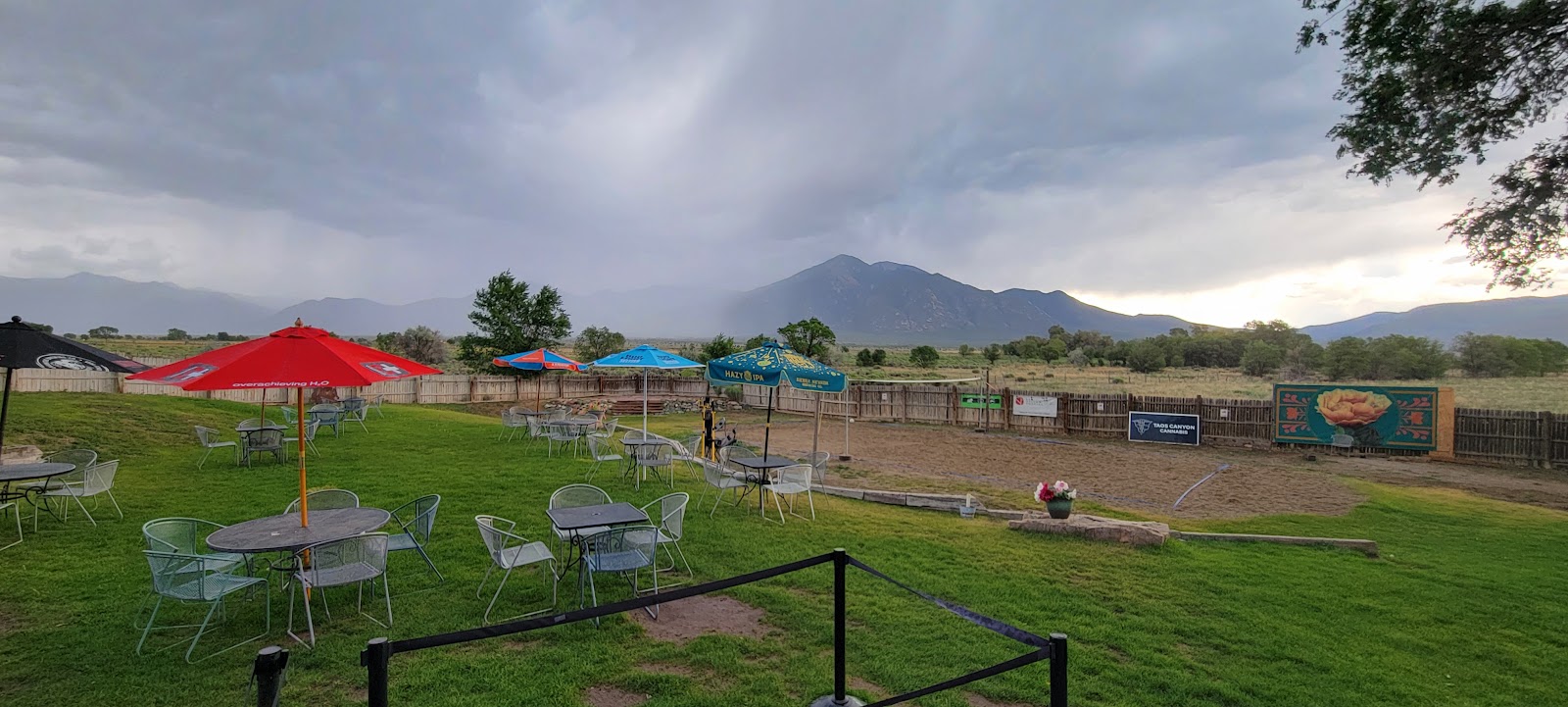
The Sangre de Cristo mountains stand to the east of Taos, and that orientation produces the region’s signature frame. Because they are east, they are frontlit at sunrise and then — after the sun has left the ground entirely — their west faces light up strongly red for a few minutes, which is what the range is named for. It happens after most photographers have stopped and any position with a clear eastward view is worth walking to.
The corollary is that the sun disappears behind the western horizon earlier than the published time suggests, so the golden hour on the ground is earlier and shorter than a table implies. Judge it by looking.
The monsoon is the defining seasonal event and for a photographer it is a gift. From roughly July into September, afternoon moisture builds enormous cumulus towers over the mountains, and those clouds are the only reliable diffusion this climate offers — soft directional light, saturated colour, and the most dramatic skies of the year. At a passive solar building it also solves the interior problem outright, because cloud over the sun turns the glazed wall into a softbox for free.
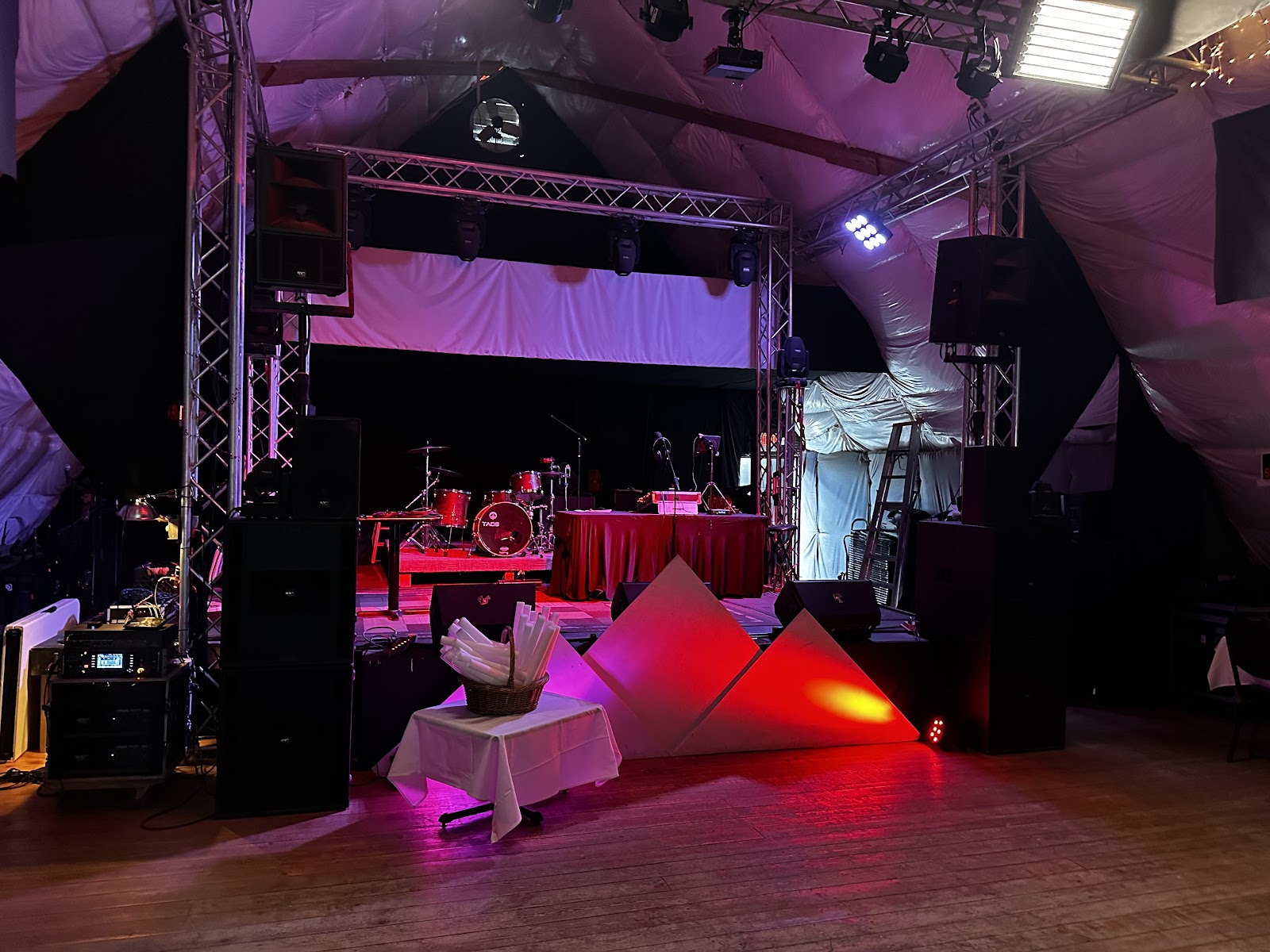
The hazard is genuine: these storms produce lightning, and a party on open ground is at real risk. A named indoor alternative is a requirement, and at this venue the interior is a good one.
Winter is the other distinctive season. The December midday sun reaches only about thirty degrees above the horizon, which means the whole short day is raking light outdoors — excellent for the mass walls, the mountains and any exterior frame — while indoors it is the hardest condition of the year for the reason described above. That inversion is worth knowing: in winter the outside is easy and the inside is difficult, and in summer it is the other way round.
Snow is common at altitude and it is the best natural fill available outdoors, lifting exactly the shadows a low sun carves while fooling a meter by about two stops. Snow against warm mass walls is a strong colour contrast and a genuinely distinctive frame.
Three altitude practicalities close it out. The diurnal swing is large — twenty degrees Celsius between afternoon and evening is normal — so a party comfortable at four is cold at eight, and coats are the answer. Ultraviolet is markedly higher, so an hour outdoors burns faster than expected. And anyone arriving from sea level feels the altitude, which argues for a short portrait route close to the building rather than an ambitious one.
More frames from The Solar Center
The Solar Center wedding photography: common questions
What is the central problem?
The building is designed to admit direct sun through large south glazing, at an altitude where direct sun is harder than almost anywhere — the widest indoor brightness range there is.
When is the glazing difficult?
Winter midday, when the sun is low enough to come straight in. In summer it is so high that much of the beam misses the glass, so the whole day is workable.
How do you use the shaft of light?
Commit to it: subject entirely inside the beam, exposure set for the lit skin, everything else allowed to go black. Half in is unrescuable at this altitude.
What is the easiest fix?
The shades. A translucent blind turns the whole glazed wall into a uniform softbox, and the people running the building think of them as thermal controls rather than photographic ones.
Where is the best light in the building?
Any north-facing glazing. At this latitude it never receives direct sun, so it is a permanently soft, permanently directional source at every hour of every day.
Does the season invert things?
Yes. In winter the outdoors is easy raking light and the interior is at its hardest; in summer it is the other way round.
More New Mexico venue guides
We are writing a photographer’s guide to every venue we would happily shoot in New Mexico. Here are three more, plus the full index:
- The Taos Inn, New Mexico: Field Notes on Adobe and Altitude
- Taos Ski Valley, New Mexico: One Frame, and How It Is Made
- Drury Plaza Hotel Santa Fe: The Venue’s Own Logic
Planning a wedding at The Solar Center?
A building designed against you, and four ways round it. Tell us your date.