 Tulsa Country Club: Field Notes on a 1908 Club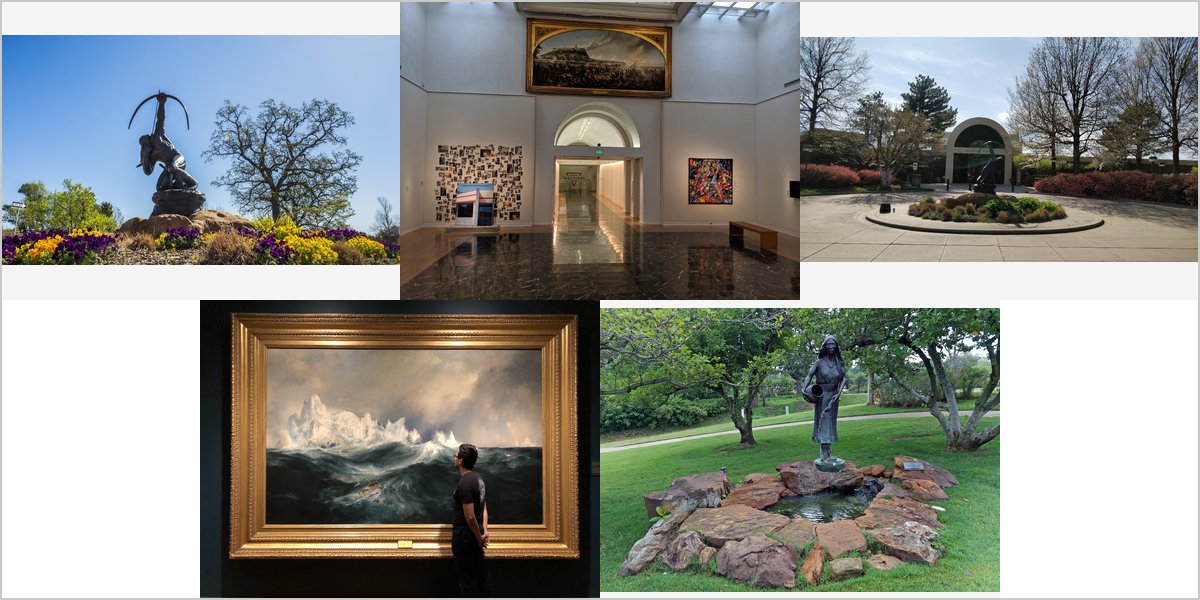
May 15, 2026
The Gilcrease Museum: Building the Shot List Across Gardens and Galleries
Four hundred and sixty acres of Osage foothills with themed gardens. The grounds are the venue; the collection is a bonus you may not get.
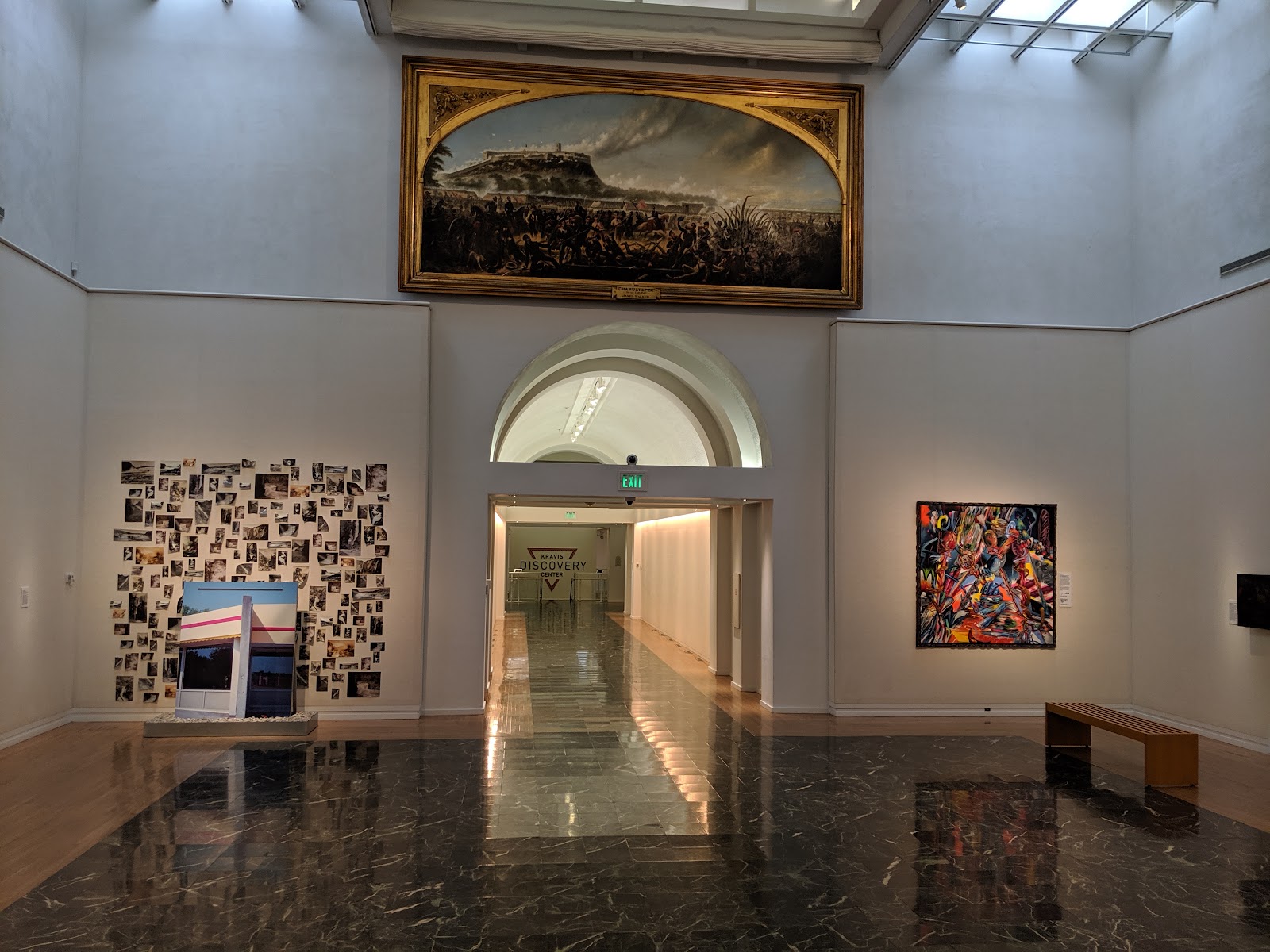
The Gilcrease Museum holds Thomas Gilcrease’s collection of art of the American West on around 460 acres of Osage foothills north-west of downtown Tulsa, with themed historic gardens laid out on the grounds alongside the museum buildings.
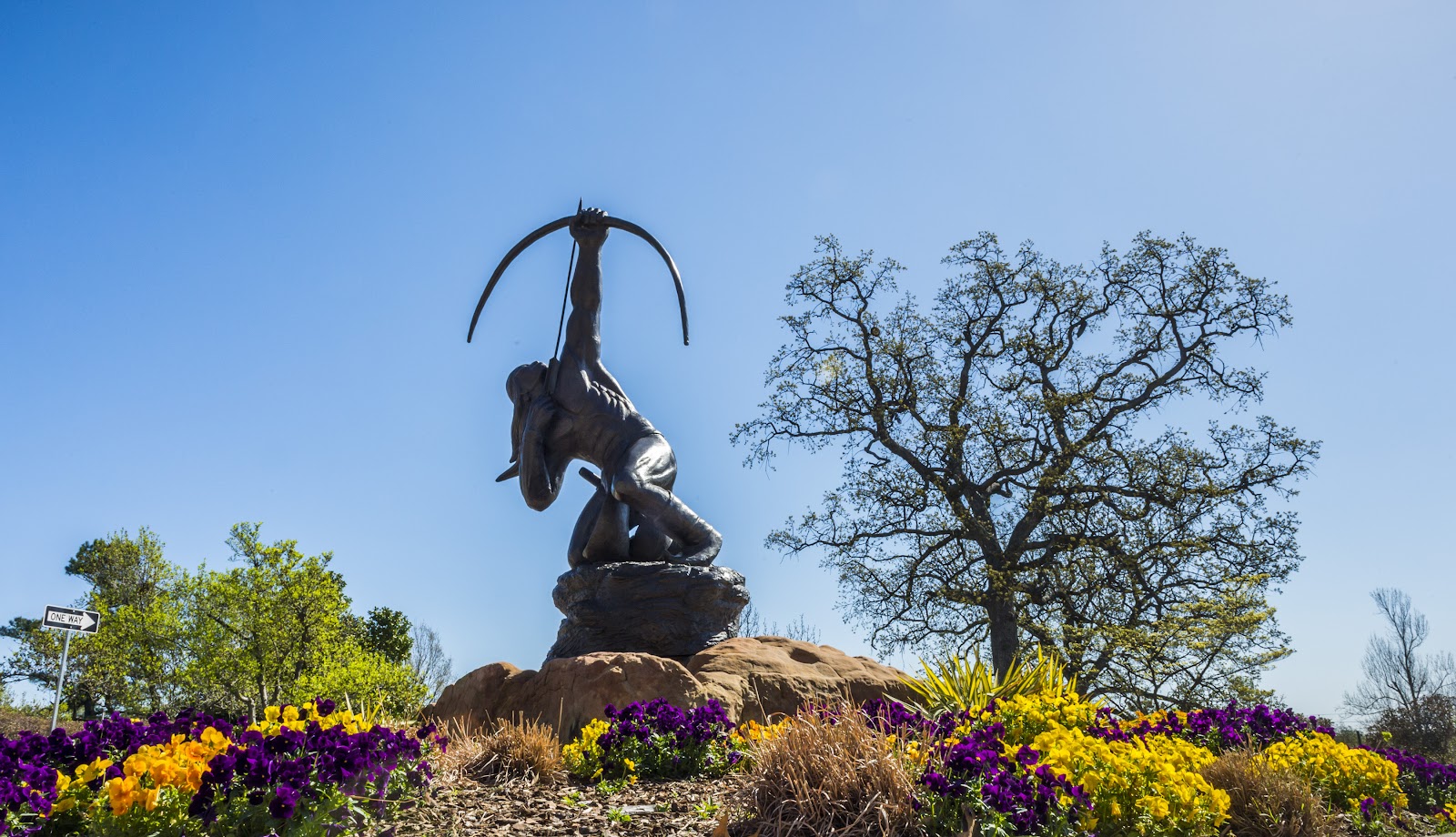
Photographically the balance here is unusual for a museum: the grounds substantially outweigh the interiors. Four hundred and sixty acres of rolling foothills with mature planting and themed gardens gives you open shade, varied locations, long views and room for groups of any size. The galleries, by contrast, are conventional museum spaces — pooled warm lighting, almost certainly flash-restricted, and hostile to faces without careful placement.
So this guide is a shot list that puts the gardens first. We have not photographed a wedding at Gilcrease; foothill light, garden shade and gallery lighting behave predictably. Which areas are bookable, gallery access and flash policy are for their events team, and at a significant art collection assume restrictions.
Gilcrease Museum at a glance
| Where | North-west Tulsa, Oklahoma — around 460 acres of Osage foothills |
| Collection | Thomas Gilcrease’s art of the American West |
| Grounds | Themed historic gardens, mature planting, rolling foothills and long views |
| Light | Excellent varied outdoor light; conventional pooled gallery lighting inside |
| Assume | Flash restricted near works; grounds carry the photographic value |
Start with the grounds, not the galleries
At most museums the building is the reason to book and the grounds are incidental. Here it is closer to the reverse. Themed gardens with mature planting give high open shade — the most flattering outdoor light there is — and a set of visually distinct locations within one site. Rolling foothills give elevation changes, long views and clean sky backgrounds. Neither is available indoors.
That also solves the problems museums usually create. There is room for a group of any size, which galleries never have. There is daylight, which galleries lack. And there are no conservation restrictions on where you stand or what light you bring, which indoors there certainly will be.
So the plan is to treat the grounds as the venue and any gallery access as a bonus. If gallery frames turn out to be permitted, take one considered image. If they do not, nothing in the plan breaks.
There is a further reason to prioritise the grounds that has nothing to do with light. A collection of art of the American West is, in part, a collection about land — and a wedding photographed in the Osage foothills that the museum sits in has a relationship to that subject which a portrait in front of a painting does not. That is a soft argument rather than a technical one, but it tends to produce a more coherent set of images than treating the collection as a backdrop would.
The shot list, in shooting order
Six frames, five of them outdoors.
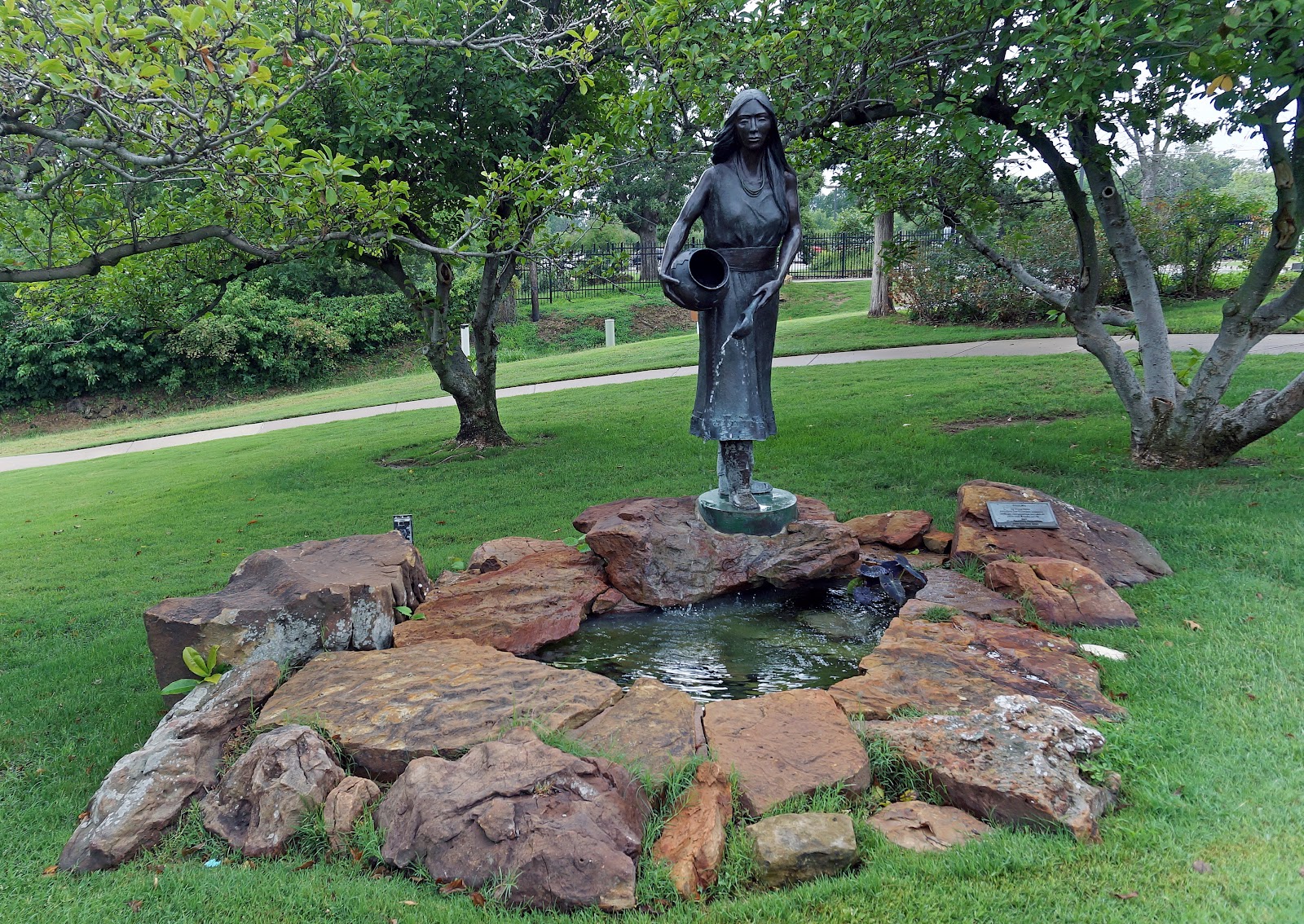
- High open shade under mature planting. The most flattering outdoor light available, and usable through most of the day when open ground is not.
- A themed garden with structure. Formal planting, paths and built features give a frame geometry that a lawn cannot.
- Elevation and the long view. Rolling foothills let you place a couple on a slope with nothing but sky and distance behind them — clean backgrounds the topography provides for free.
- The group on open ground. Room to arrange any number properly, with even light and a clean sky.
- Low sun across the foothills. The last ninety minutes, when raking light picks out the contours of the land and the texture of the planting.
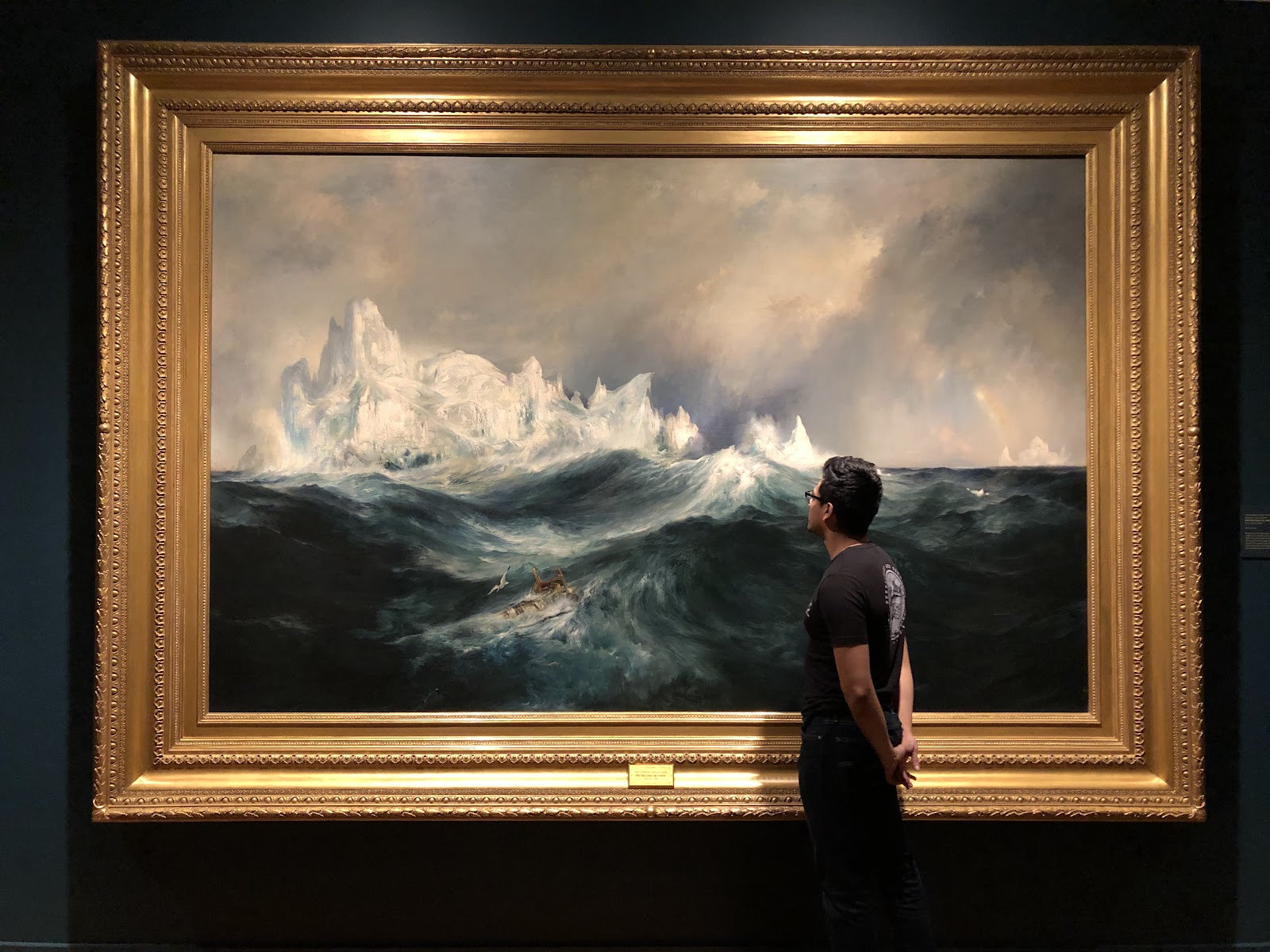
- One gallery frame, if permitted. At the edge of a light pool, an artwork as context rather than a competing light source. One, not a series.
Oklahoma light, heat and wind
The regional conditions govern the timeline more than the venue does. Tulsa summers are hot and humid, and open ground with no canopy is unusable between roughly eleven and five — high sun, hard shadows, squinting and a blown dress. The mature planting is the answer for those hours, and it is genuinely good.
Wind is the factor visitors underestimate. Oklahoma is persistently windy and 460 acres of open foothills offers no shelter, which means large light modifiers are impractical outdoors and veils and hair will move continuously. Plan for bare or minimally modified flash and shoot bursts, so the movement becomes an asset rather than a problem.
Humidity hazes distant views, which matters at a venue whose long sightlines are part of its appeal — spring and autumn air is considerably clearer than July air. It also fogs a lens brought from an air-conditioned museum into the grounds, taking ten to twenty minutes to clear, so acclimatise equipment before you need it.
The compensation is that spring and autumn here are genuinely excellent: comfortable temperatures, clear air, low sun through much of the afternoon, and planting at its best.
Distances, galleries and the practical plan
Four hundred and sixty acres means real distances, and a wedding party does not cross them quickly in formalwear. Choose two or three locations, chosen for their light rather than their convenience, and treat travel time as scheduled items rather than gaps. Ask whether any transport is available, because at this scale it materially increases what you get through.
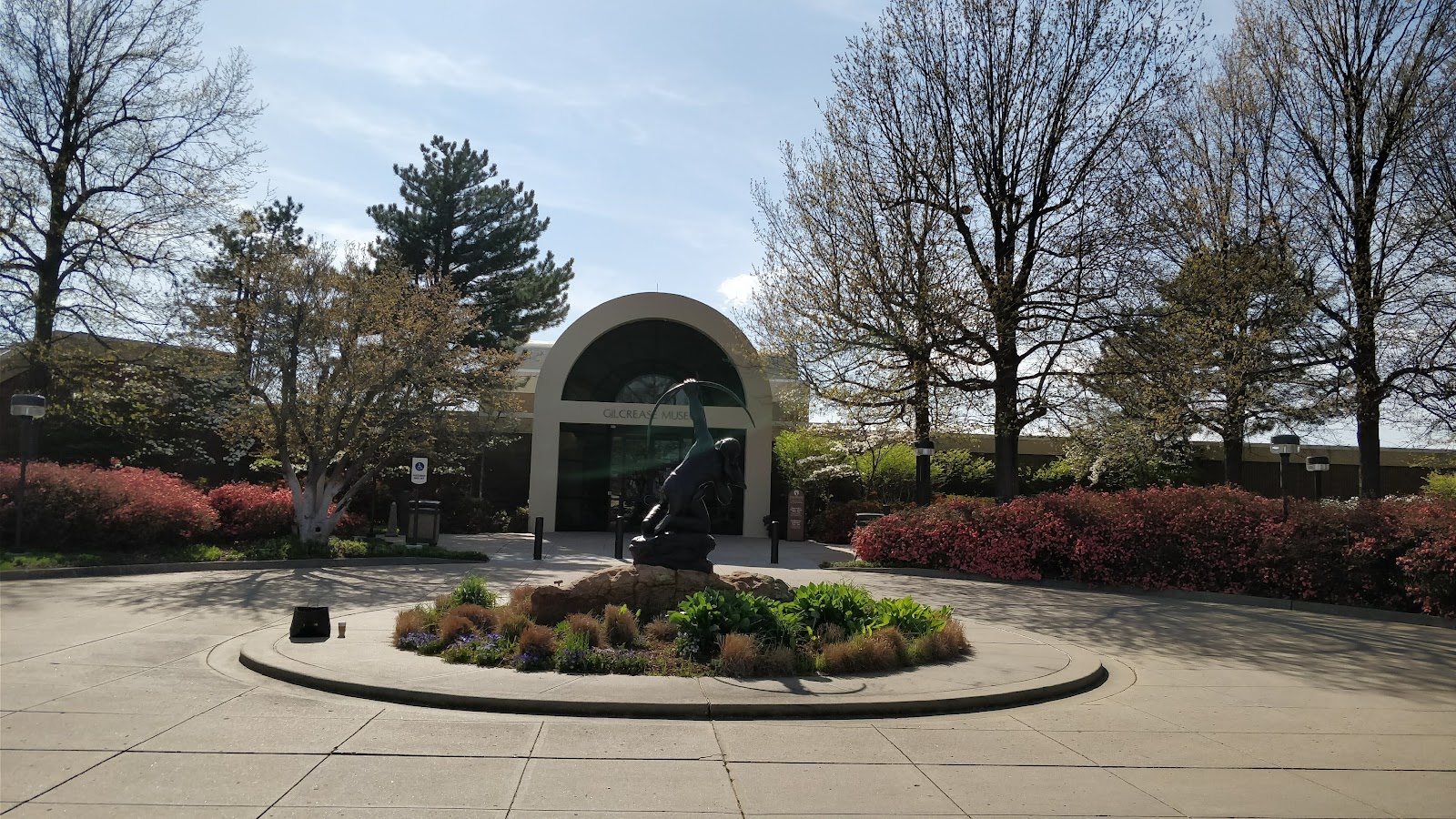
Indoors, the galleries follow the standard pattern: low ambient, tightly pooled warm track lighting aimed at objects, and almost certainly restrictions on flash near works. Work by placement — at the edge of a pool so light rakes across faces, never directly beneath a fixture — and accept high ISO.
Museum architectural spaces, if any are included, are better than the galleries for portraits: cleaner backgrounds, more even light, fewer restrictions. Ask which are available.
For the timeline: planting shade during the day, groups on open ground while light is even, the foothills and long views in the last ninety minutes, and one gallery frame slotted into whatever access window you are granted rather than built around.
What works in your favour
- Four hundred and sixty acres of foothills with themed gardens and mature planting
- High open shade under mature trees — the most flattering outdoor light there is
- Elevation changes give clean sky backgrounds for free
- Room for groups of any size, which galleries never provide
- Spring and autumn here are genuinely excellent: clear air and low afternoon sun
What to plan around
- Open ground is unusable between roughly eleven and five in an Oklahoma summer
- Persistent wind rules out large modifiers and moves veils continuously
- Humidity hazes the long views that are part of the appeal, and fogs lenses
- Real distances across 460 acres eat the timeline
- Galleries are pooled, warm and almost certainly flash-restricted
More frames from Gilcrease Museum
Gilcrease Museum wedding photography: common questions
Are the grounds or the galleries the reason to book?
The grounds, clearly, which is unusual for a museum. Themed gardens and mature planting give high open shade and varied locations, rolling foothills give elevation and long views, and there is room for a group of any size. The galleries are conventional, pooled, warm and almost certainly flash-restricted.
When can we use the open ground?
Not between roughly eleven and five in an Oklahoma summer — high sun with no canopy gives hard shadows, squinting and a blown dress. Use the mature planting during those hours, which is genuinely good light, and save the open foothills for the last ninety minutes.
How much does the wind matter?
More than visitors expect. Oklahoma is persistently windy and 460 acres of open foothills offers no shelter, so large light modifiers are impractical and veils and hair move continuously. Plan bare or minimally modified flash and shoot bursts so the movement works for you.
Does the humidity affect the views?
Yes. Summer humidity hazes distant sightlines, which matters at a venue whose long views are part of its appeal — spring and autumn air is considerably clearer. It also fogs a lens carried from the air-conditioned museum into the grounds, taking ten to twenty minutes to clear.
How many locations should we plan?
Two or three, chosen for their light rather than their convenience. Four hundred and sixty acres means real distances and a wedding party does not cross them quickly in formalwear, so treat travel as scheduled time and ask whether any transport is available.
More Tulsa venue guides
We are writing a photographer’s guide to every venue we would happily shoot in Tulsa. Here are three more, plus the full index:
- The Mayo Hotel: Lighting a 1925 Terracotta Tower
- The Philbrook Museum: Reading the Light in an Italian Villa and Its Gardens
- Southern Hills Country Club: Who This Venue Suits
Planning a wedding at Gilcrease Museum?
Here the grounds are the venue and the collection is a bonus. Tell us your date and we will pick two or three locations for the light and plan around Oklahoma’s heat and wind.