 The Henry Clay: Lighting a 1920s Lodge Building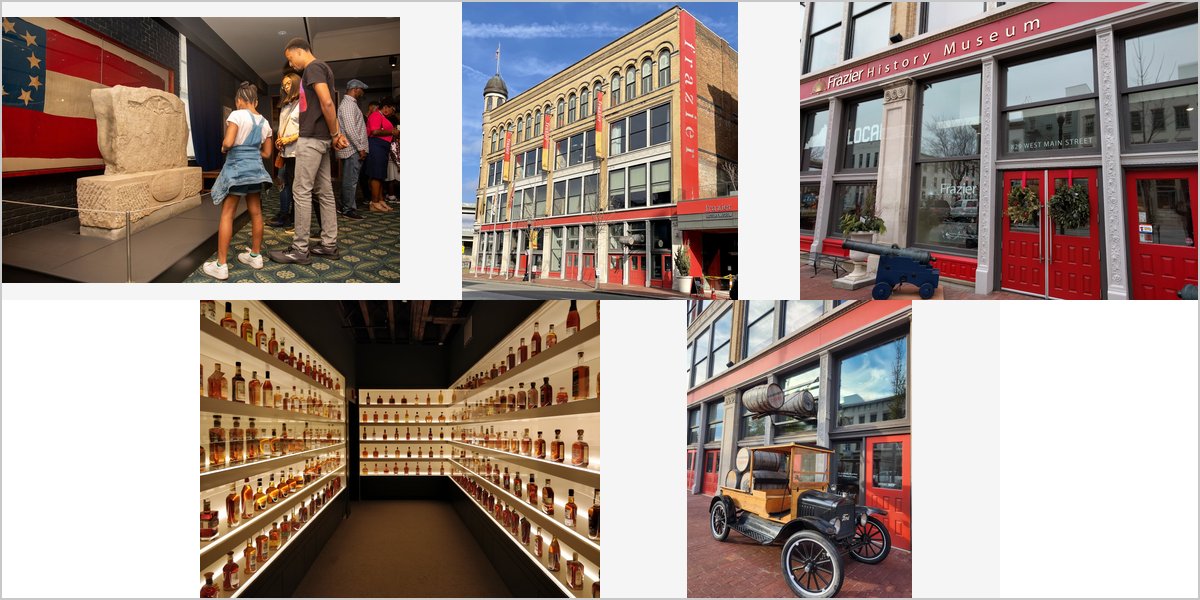
June 26, 2026
The Frazier History Museum: A Walk-Through for Wedding Photographs
A glass-fronted atrium and a rooftop in the same building. Those two spaces do almost all the photographic work here — the galleries are a distant third.
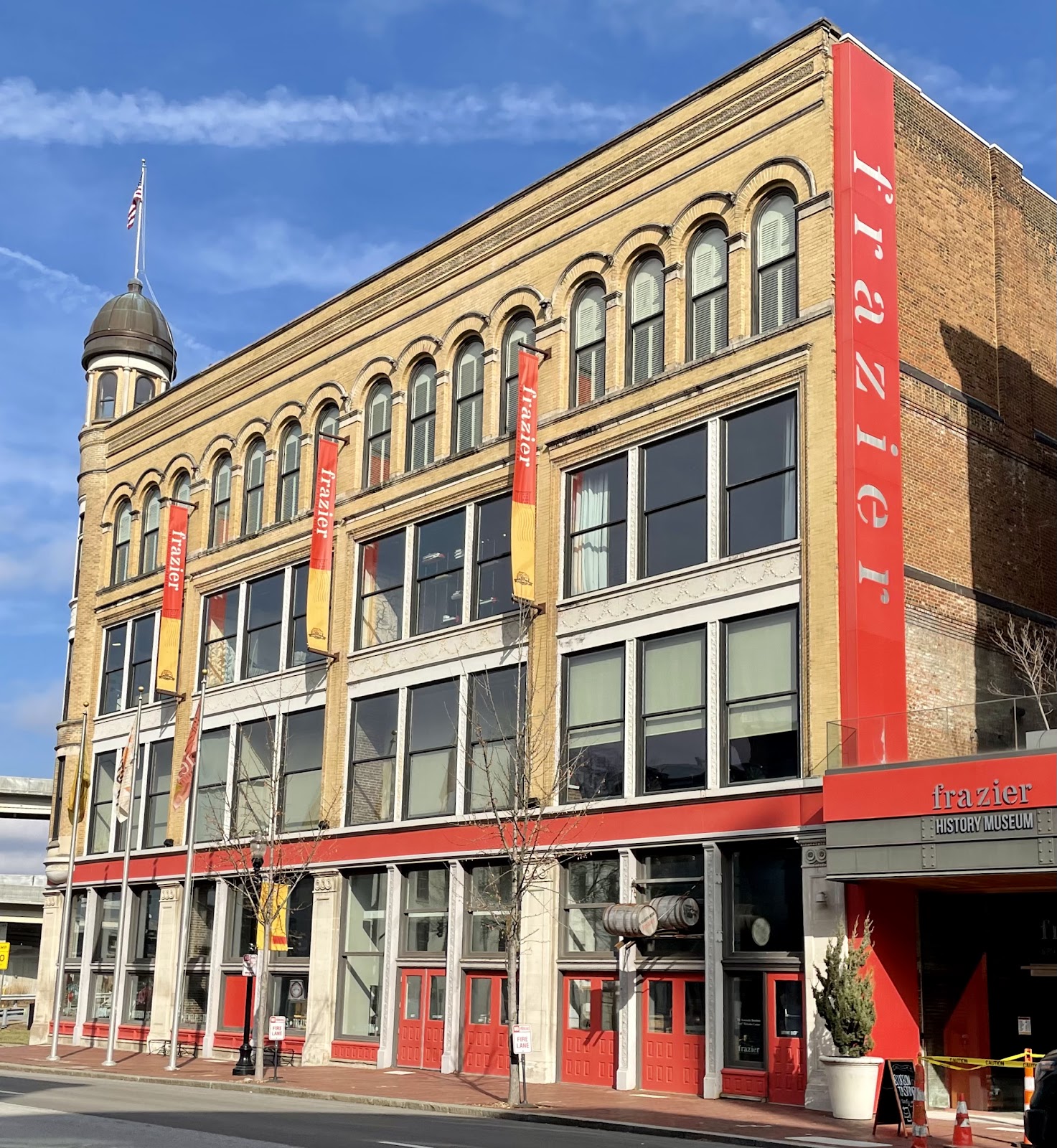
The Frazier History Museum occupies a converted nineteenth-century warehouse at the western end of Main Street in Louisville, near the historic cast-iron facades of Whiskey Row. The conversion added a tall glazed frontage and an atrium, and the building includes exhibition floors and a rooftop event space.
Photographically the interest is concentrated in two places. The glazed atrium gives you a large volume filled with daylight through a full-height window wall — which is the best interior light any museum can offer, because it arrives laterally rather than from above. The rooftop gives you open sky, a view along Main Street and the Ohio River beyond, and the only place on site where golden hour and dusk exist.
This is a walk-through in shooting order. We have not photographed a wedding here. The optics of a glazed atrium and the behaviour of a west-facing rooftop are predictable; which spaces your booking includes, rooftop access and gallery rules are for their events team, and rooftop access is the one to confirm first.
Frazier History Museum at a glance
| Where | West Main Street, Louisville — near the Whiskey Row cast-iron facades |
| Character | Converted nineteenth-century warehouse with a glazed atrium and a rooftop space |
| Light | Full-height window wall gives lateral daylight; rooftop gives sky and horizon |
| Galleries | Exhibition lighting — tightly pooled, and assume flash restrictions |
| Ask first | Rooftop access, and whether the atrium is included |
The atrium: a full-height window wall is the best light in any museum
Most museums light their interiors artificially, because daylight damages collections. A glazed atrium sits outside that constraint — it is circulation space rather than exhibition space, so it can be flooded with daylight, and that makes it the single most valuable photographic location in a building like this.
The light arrives laterally through a vertical window wall, which is the crucial difference from an atrium lit by a skylight. Lateral light fills eye sockets; overhead light shadows them. A full-height glass frontage is effectively an enormous softbox standing on its end, and you can place people anywhere in front of it.
The technique is the standard one for large windows: turn people parallel to the glass, facing along it, rather than posing them against it. Against the window they silhouette, because a bright street outside is several stops above an interior face. Parallel to it, the window becomes a huge side light and the far side of the atrium falls into shadow — which is the best frame in the building.
One caution: a west-facing glass wall will take direct sun in the late afternoon, which changes the space from a softbox into a hard light source with strong shadows and glazing-bar patterns. Find out which way the frontage faces, because it determines whether late afternoon in the atrium is beautiful or unworkable.
The galleries: one frame, no more
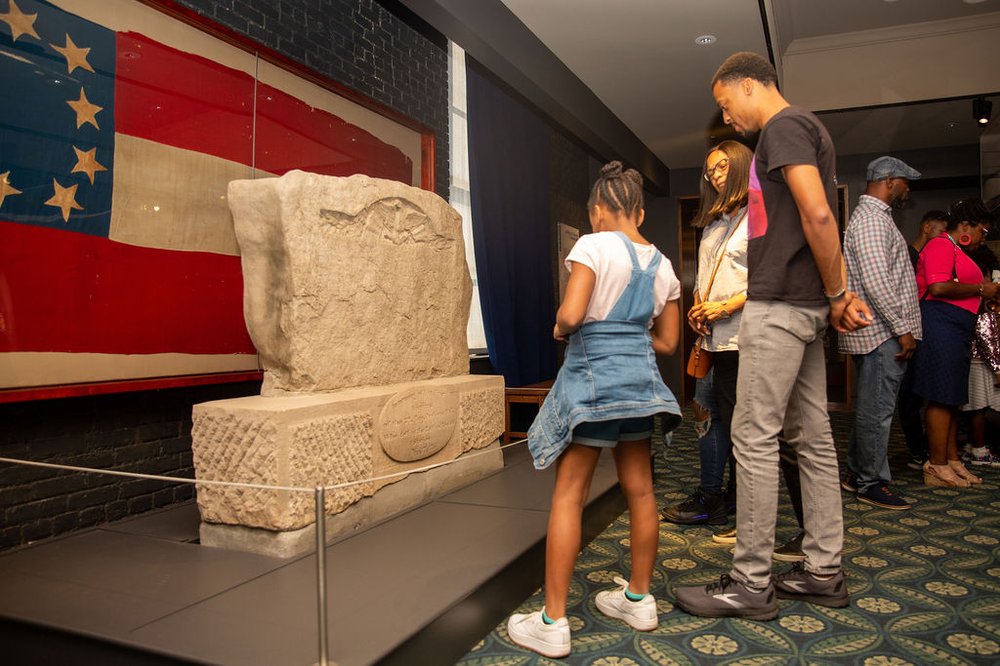
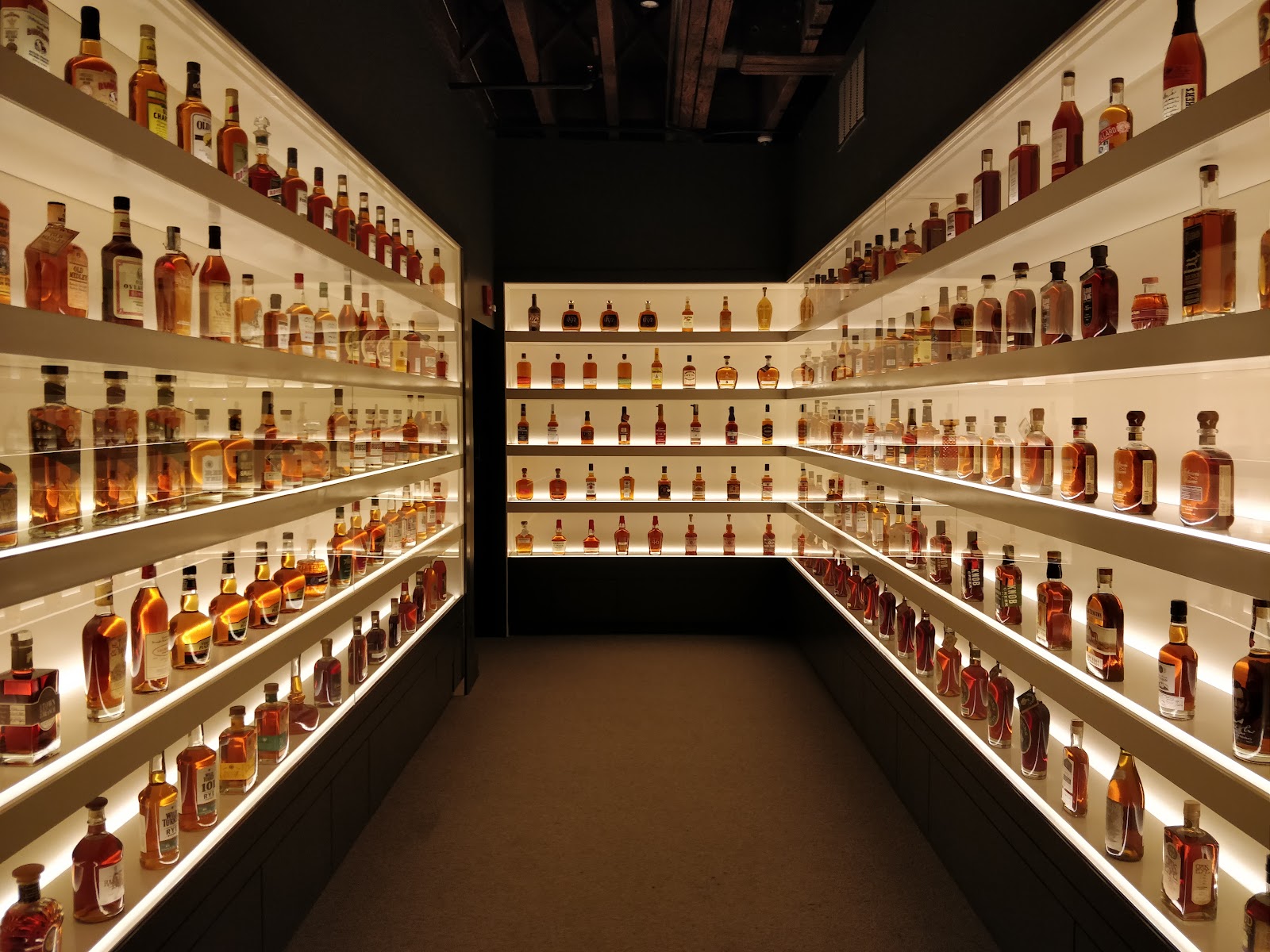
Exhibition floors have the usual museum profile — low ambient, tightly pooled track lighting designed for objects, and almost certainly restrictions on flash near artefacts. That combination is hostile to faces, and no amount of technique makes a gallery the best place in a building that also has a glazed atrium.
So plan one considered gallery frame if the space is included, not a series. Place the couple at the edge of a light pool so the light rakes across their faces rather than dropping onto their foreheads, keep an exhibit in the background as context rather than as a competing light source, and accept high ISO.
What galleries do offer is subject matter for detail frames. Historic objects and cases photograph well on their own, cost nothing in permissions, and give a gallery context — the museum reads as a museum without a portrait having to carry that job.
The rooftop: where golden hour lives
This is the space worth negotiating hardest for, because it is the only place on the property with sky, horizon and low directional light. A rooftop over West Main Street gives you the historic cast-iron facades of Whiskey Row along the street, downtown Louisville, and the Ohio River — three genuinely different backgrounds from one position.
Orientation matters. Looking west along Main Street puts you facing the river and the setting sun, which means both a sunset frame and a backlighting problem. Looking east gives you the city front-lit by evening sun, which is warmer and easier. Both are worth taking, and knowing which is which in advance saves ten minutes of figuring it out.
The best window is the twenty minutes after sunset, when the sky still holds colour and the street lighting and building lights come up to match. Schedule ten minutes for it as a fixed item. Rooftops are also exposed, so expect wind — large light modifiers are impractical up there, and hair and veils will move whether you want them to or not.
Whiskey Row outside, and the timeline
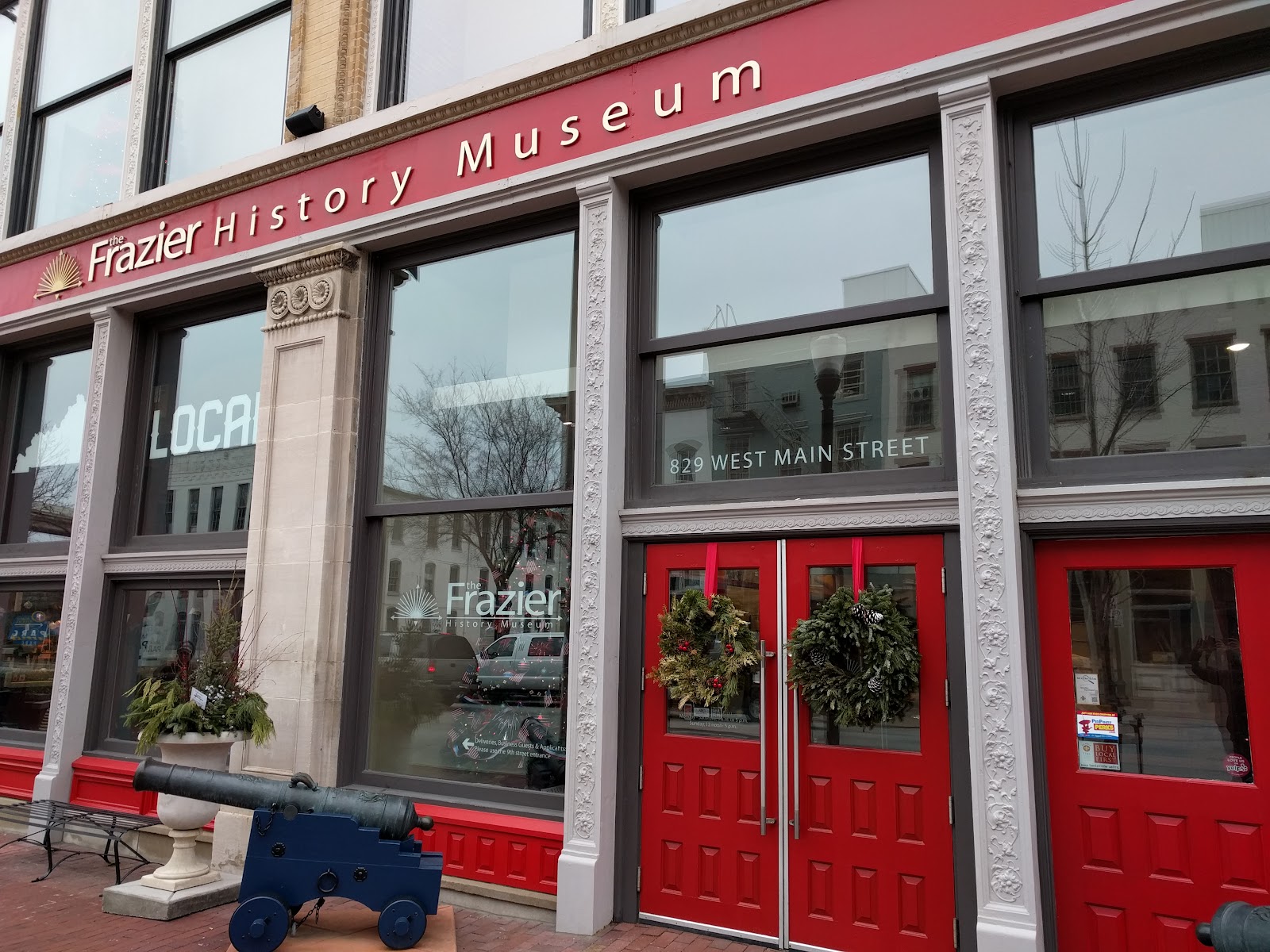
Immediately outside is one of Louisville’s best photographic assets: the cast-iron commercial facades of Whiskey Row, nineteenth-century warehouse frontages with repeating columns and arched openings. Cast iron has fine detail that holds raking light beautifully, and the repetition down a block compresses into layers with a longer lens.
That gives you a strong exterior option that needs no permissions and takes five minutes to reach. Late afternoon, when low sun rakes along the facades, is when it is at its best.
For the timeline: atrium portraits while daylight is strong and before direct sun hits the glass if it faces west; groups in the atrium, which has the room for them; one gallery frame and some detail work; then the rooftop and Whiskey Row in the last hour and the dusk window. That sequence uses each space when it is at its best rather than when the schedule happens to arrive.
What works in your favour
- A full-height glazed atrium gives lateral daylight — the best interior light a museum can offer
- Room in the atrium for large group photographs, which galleries never have
- A rooftop with sky, horizon, Whiskey Row, the city and the Ohio River from one position
- Cast-iron Whiskey Row facades five minutes outside, needing no permissions
- Historic objects give permission-free detail frames that establish context
What to plan around
- Direct sun on a west-facing glass wall turns the atrium from softbox to hard light source
- Galleries have tightly pooled lighting and likely flash restrictions — one frame, not a series
- Rooftop access is where most of the venue’s value sits, and must be confirmed
- Exposed rooftop means wind, which rules out large modifiers
- Posing anyone against the window wall silhouettes them
More frames from Frazier History Museum
Frazier History Museum wedding photography: common questions
What is the best light in this museum?
The glazed atrium. Because it is circulation space rather than exhibition space it can be flooded with daylight, and the light arrives laterally through a vertical window wall rather than from overhead — which fills eye sockets instead of shadowing them. Turn people parallel to the glass, never against it.
Why not pose against the window?
Because a bright street outside sits several stops above an interior face, so anyone posed against the glass silhouettes. Parallel to the window wall, facing along it, the glazing becomes an enormous side light and the far side of the atrium falls into shadow. That is the best frame in the building.
Is the rooftop worth asking for?
It is the thing worth negotiating hardest for. It is the only place on the property with sky, horizon and low directional light, and from one position you get Whiskey Row, downtown Louisville and the Ohio River. Without it you have a daylit atrium and some galleries.
How many gallery photographs should we plan?
One, done properly. Exhibition lighting is tightly pooled and unkind to faces and flash is likely restricted near artefacts. Place the couple at the edge of a light pool so it rakes across them, use an exhibit as background context, and spend the rest of your time in the atrium and on the roof.
What is outside the building?
Whiskey Row — nineteenth-century cast-iron commercial facades with repeating columns and arched openings, five minutes’ walk and needing no permissions. Cast iron holds raking light beautifully, so late afternoon along the block is when it is at its best.
More Louisville venue guides
We are writing a photographer’s guide to every venue we would happily shoot in Louisville. Here are three more, plus the full index:
- The Galt House: Working with a River-Facing Tower Hotel
- The Kentucky Derby Museum: Building the Shot List
- The Louisville Palace: Field Notes on an Atmospheric Theatre
All Louisville Wedding Venues →
Planning a wedding at Frazier History Museum?
The atrium and the rooftop carry this venue. Tell us your date and whether the roof is included, and we will find out which way that glass wall faces so we know whether late afternoon is a gift or a problem.