 The Henry Clay: Lighting a 1920s Lodge Building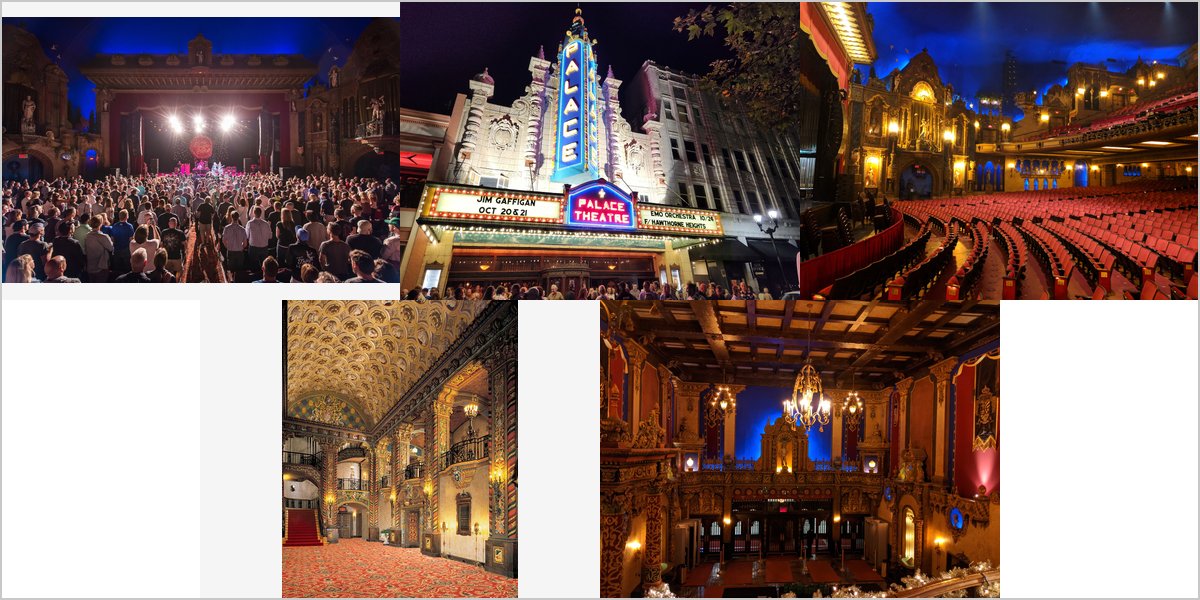
May 1, 2026
The Louisville Palace: Field Notes on an Atmospheric Theatre
Atmospheric theatres were designed to look like an outdoor courtyard at night. That is beautiful and it means the room is intentionally, deliberately dark.
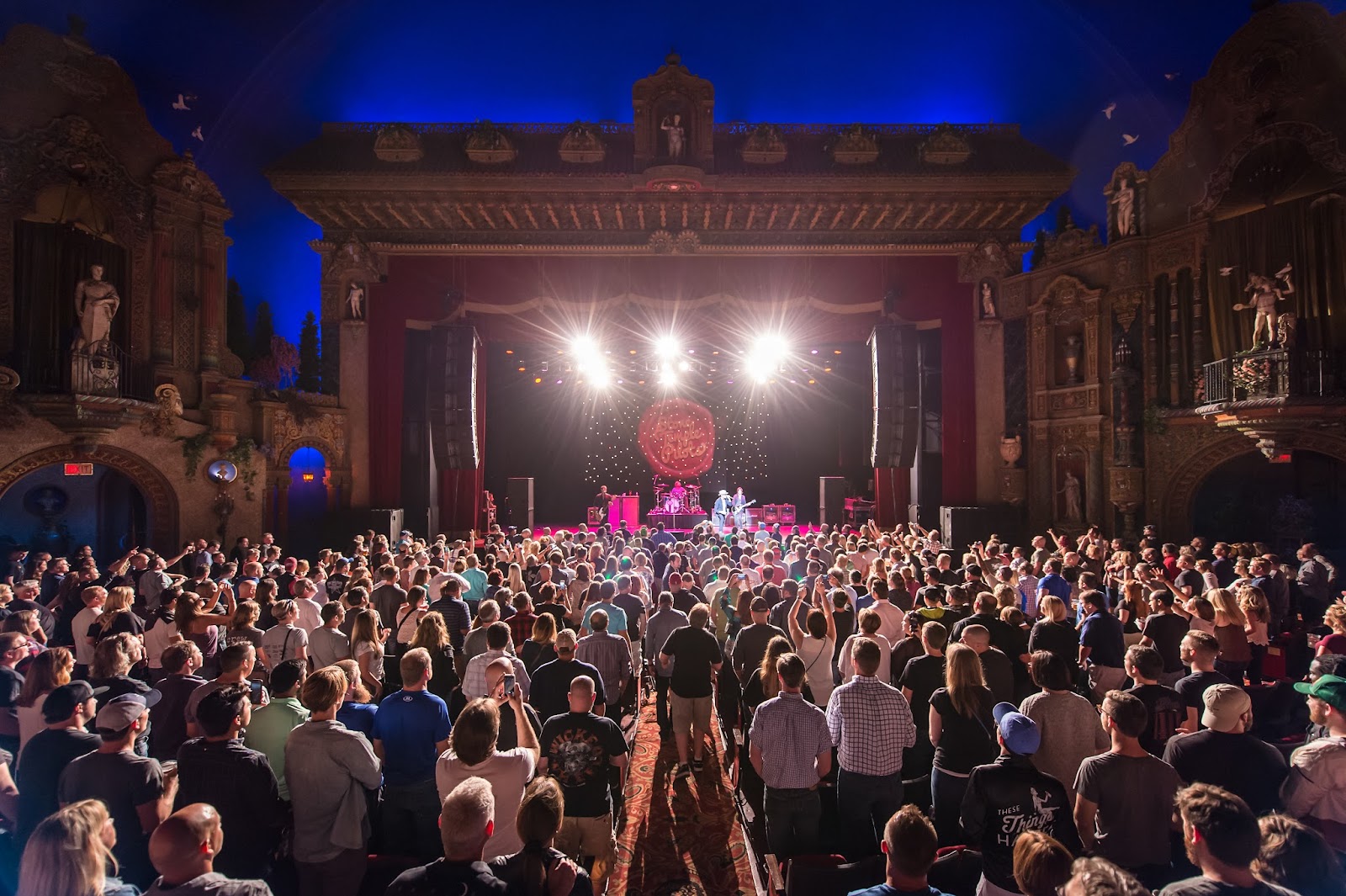
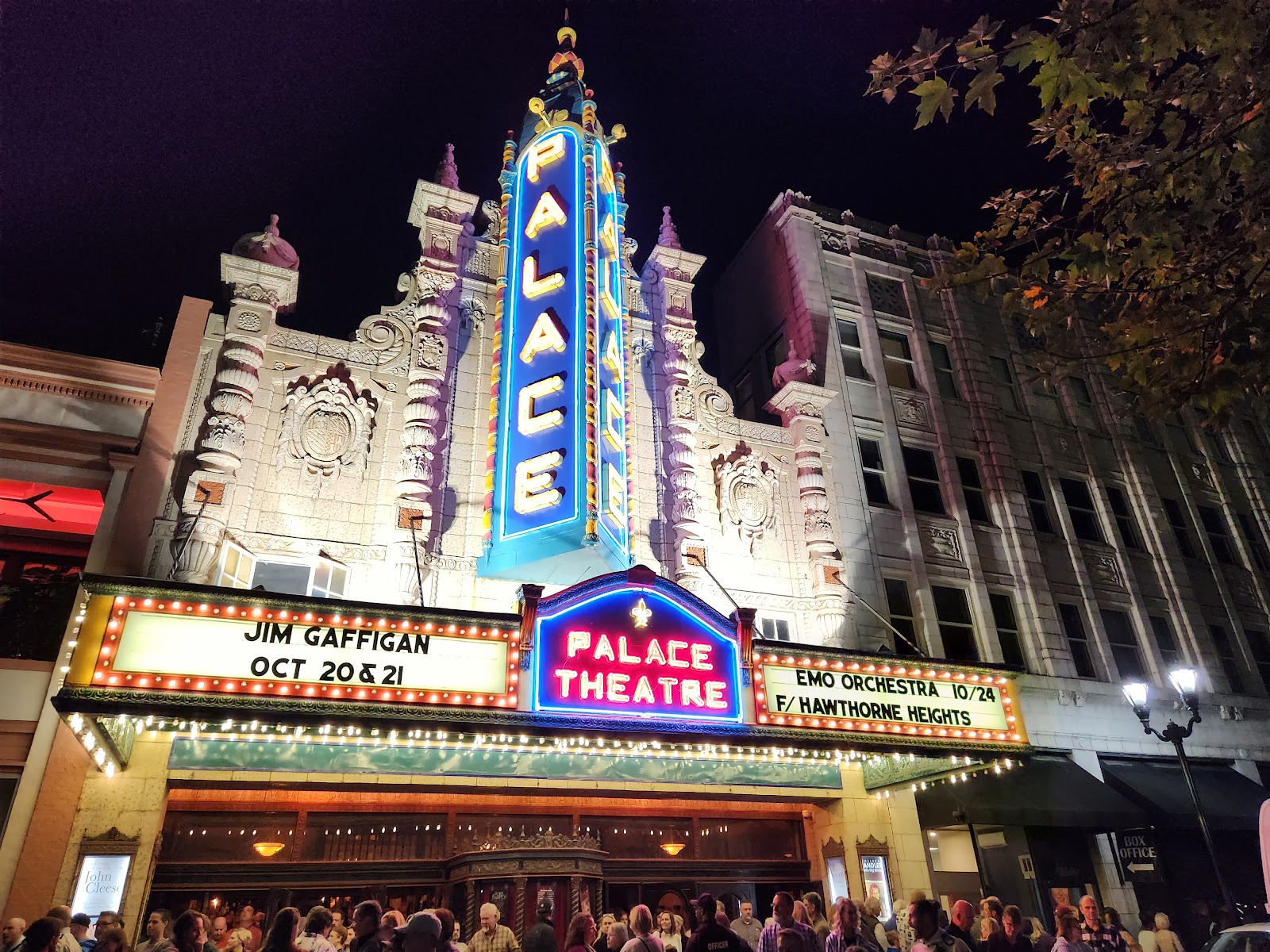
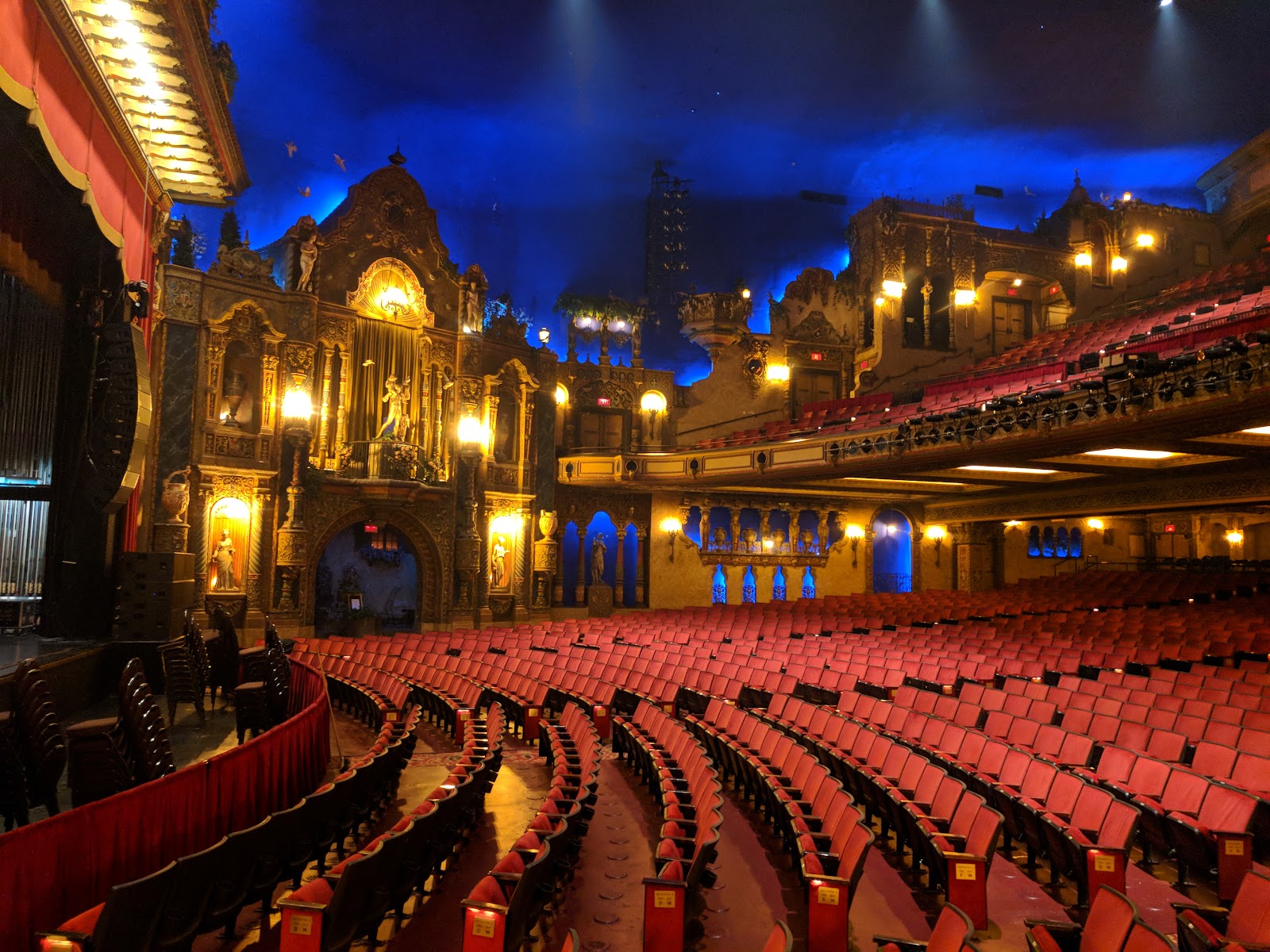
The Louisville Palace opened in 1928, designed by John Eberson, the architect most associated with the atmospheric theatre — a type built to give the audience the illusion of sitting in an open-air courtyard under a night sky. Here that means an elaborate Spanish Baroque interior with sculpted figures in niches and a ceiling painted deep blue and studded with small lights to read as stars.
For a photographer this is a very specific problem. The room is not merely dim; it was designed to be dark, because the illusion depends on it. Every surface is deeply coloured, the ceiling is intentionally night-black, and the house lighting exists to let people find their seats rather than to illuminate faces.
These are field notes on four problems and their solutions. We have not photographed a wedding at the Palace; the optics of dark, ornate, deeply coloured interiors are consistent everywhere. Room configuration, stage access and what the venue permits are for their team — and in a working theatre, ask about rigging and about access to the stage and balcony specifically.
Louisville Palace at a glance
| Where | South Fourth Street, downtown Louisville, Kentucky |
| Opened | 1928, designed by John Eberson as an atmospheric theatre |
| Character | Spanish Baroque interior, sculpted niches, a ceiling painted as a starlit night sky |
| Light | Intentionally dark — the architecture depends on it. No daylight anywhere |
| Ask first | Stage and balcony access, rigging points, and available power |
Problem one: the room is dark by design, not by accident
In most dark venues the darkness is incidental and you can light your way out of it. Here it is the point. Flooding an atmospheric theatre with light destroys the illusion the architecture was built to create — the starlit ceiling stops reading as sky, the niches lose their depth, and the room becomes an ordinary ornate hall.
So the approach is selective rather than general. Light the people and leave the room dark. One modified flash as a key on faces, exposed so the couple sits two or three stops above the ambient, keeps the theatre looking like a theatre while the subjects remain clearly visible. It is the opposite instinct to a hotel ballroom, where you are trying to lift the whole space.
That also means embracing high ISO for the wide frames. A photograph of the auditorium that shows the starlit ceiling and the scale of the room has to be shot at the ambient level, because any added light kills the stars. Expect to work at high sensitivity and accept the noise as the cost of the image.
Problem two: the painted ceiling will not survive careless exposure
The star ceiling is the venue’s signature and it is fragile photographically. The painted sky is very dark and the star lights are very small and bright, which is a wide range in a small area. Overexpose slightly and the sky goes muddy grey while the stars bloom into blobs; underexpose and you have black nothing.
The method is to expose for the stars as points — just bright enough to register cleanly — and let the sky sit properly dark. That usually means an exposure well below what the meter suggests for the room. Shoot it as its own frame, on a tripod if permitted, rather than trying to include it in a wide shot that also has to hold lit faces.
For frames that combine the couple and the ceiling, the answer is to light the couple with flash and hold the ambient exposure down where the stars live. That balance is the single most satisfying photograph the building offers, and it is entirely achievable with one light and a considered exposure.
Problem three: deeply coloured ornament and no neutral surfaces
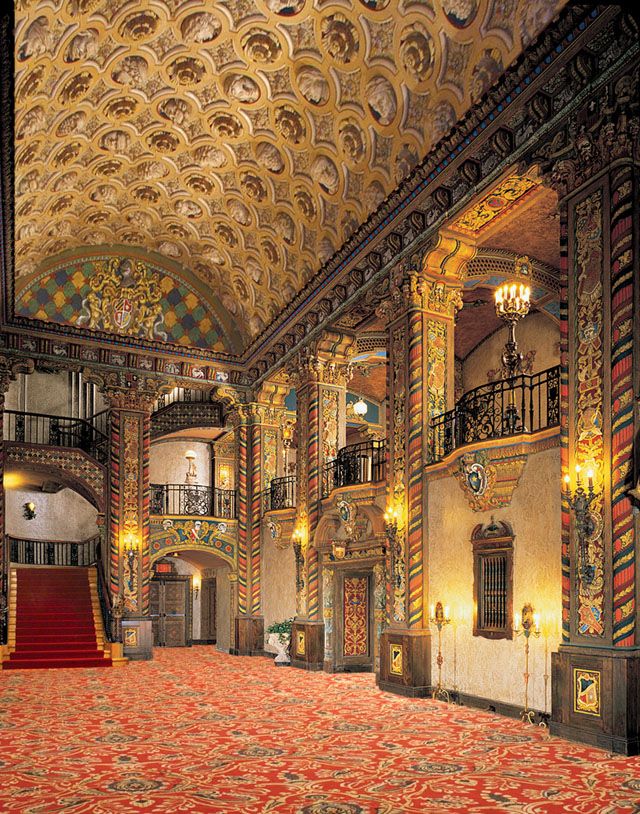
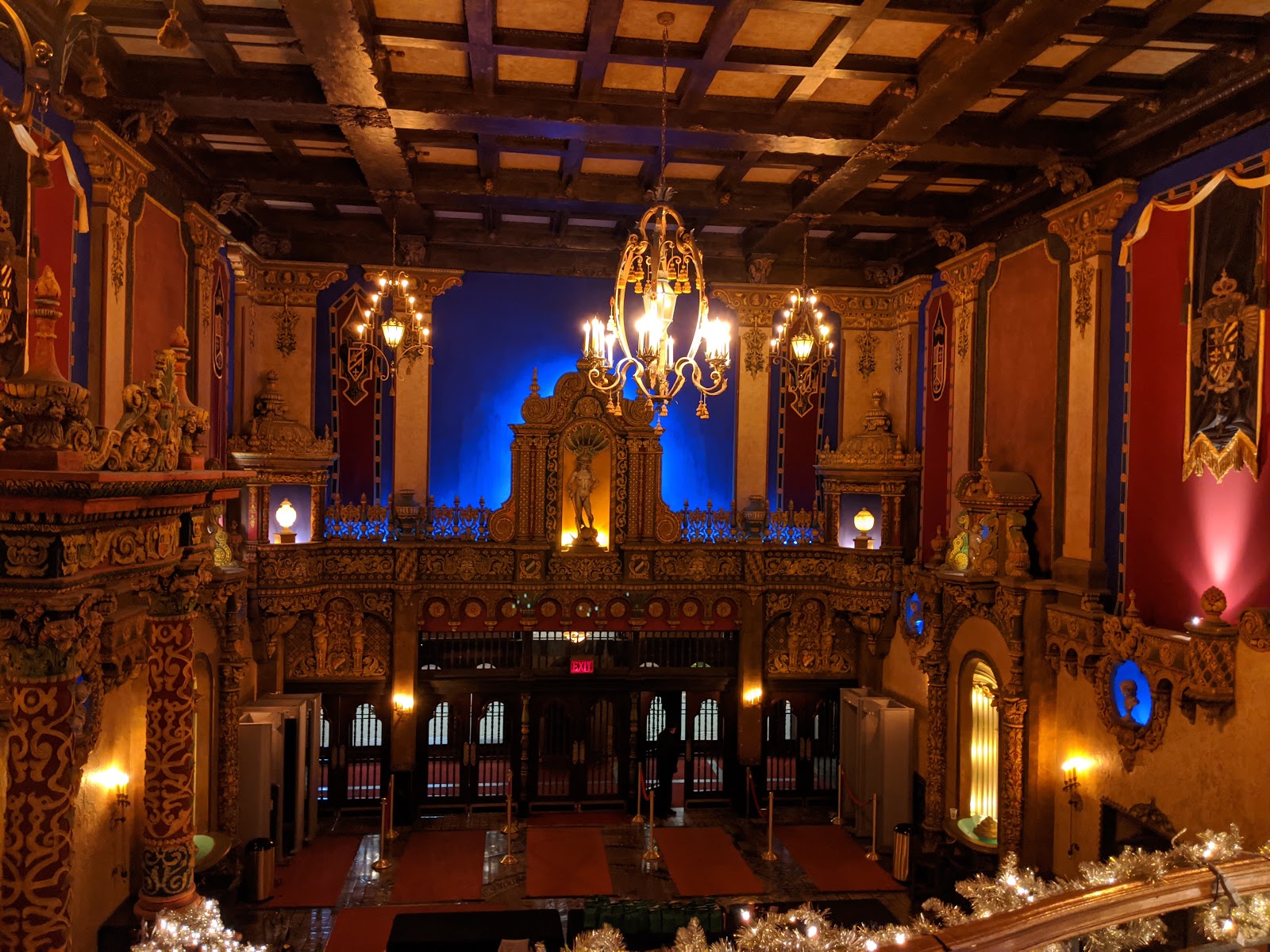
Spanish Baroque decoration in a 1928 theatre means saturated paint, gilding, deep reds and ochres, and sculpted plaster — none of it neutral, all of it warm. Whatever light bounces around this room comes back strongly coloured, and there is nothing pale anywhere to give skin a neutral reference.
Keep the room warm in your white balance, because that is what it is, and light faces with something closer to neutral so skin has some cool component in it. The differential is what stops everyone looking sunburnt. Set white balance manually — the mix of tungsten house lights, stage fixtures and whatever is installed for the event will defeat auto.
Sculpted niches and figures are worth shooting on their own. Ornate plasterwork under raking light has real depth, and those frames identify the venue as emphatically as a wide auditorium shot while being far easier to expose.
Problem four: no daylight, and where the portraits should go
There is no daylight in a theatre. The auditorium, lobby and stage are all internal, and the only natural light is whatever comes through the front doors. That makes the building excellent for a reception and poor for portraits — dark, coloured and ornate is a superb party environment and a difficult portrait studio.
So plan portraits either in the lobby near the entrance, where some daylight reaches and the Baroque detail is still present, or outside. Downtown Louisville’s Fourth Street and the surrounding blocks give you historic commercial architecture, and the twenty minutes after sunset is when they photograph best.
The stage, if access is permitted, is the exception worth pursuing. A couple on a theatre stage lit by stage fixtures, with the empty auditorium receding behind them, is a frame no other venue type can produce. It needs permission and it needs the house lights managed, so ask early rather than hoping on the day.
One further practical point about working in a theatre: the seating is fixed, which limits where you can physically stand. Aisles and the balcony front are your positions for auditorium frames, and the balcony in particular gives the elevated angle that shows the whole room. Confirm you can get up there.
What works in your favour
- A 1928 atmospheric theatre with a painted starlit ceiling — genuinely rare and unmistakable
- Ornate Spanish Baroque plasterwork gives abundant detail frames under raking light
- Entirely weather-independent and identical at any hour, so the timeline is flexible
- Stage access, if permitted, produces a frame no other venue type can offer
- Downtown Louisville architecture outside for dusk portraits
What to plan around
- Intentionally dark — lighting the room destroys the illusion, so you light people only
- The star ceiling has a narrow exposure latitude and needs its own frame
- Deeply coloured warm ornament with no neutral surface anywhere for skin reference
- No daylight at all; portraits belong in the lobby or outside
- Fixed seating limits shooting positions — balcony access matters and must be confirmed
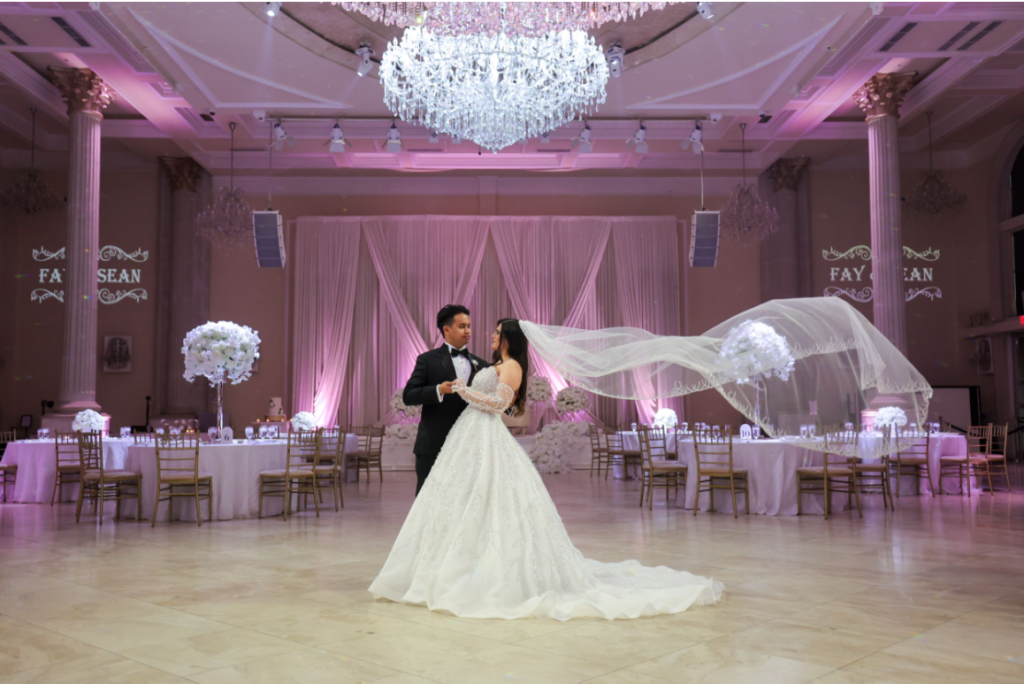
More frames from Louisville Palace
Louisville Palace wedding photography: common questions
Why not just light the whole theatre brightly?
Because the architecture depends on darkness. An atmospheric theatre is built to look like an open courtyard at night, and flooding it with light stops the ceiling reading as sky and flattens the niches. Light the people two or three stops above the ambient and leave the room dark — the opposite of ballroom technique.
How do you photograph the star ceiling?
As its own frame, exposed for the stars as clean points with the painted sky left properly dark — usually well below what the meter suggests. Overexpose and the sky goes muddy while the stars bloom. For a frame combining the couple and the ceiling, light the couple with flash and hold the ambient down where the stars live.
Will the decoration affect skin tones?
Yes. Saturated reds, ochres and gilding mean everything bouncing around the room comes back warm, with no pale surface anywhere to give skin a neutral reference. Keep the room warm in your white balance and light faces with something closer to neutral so skin retains a cool component.
Where should the portraits happen?
The lobby near the entrance, where some daylight reaches and the Baroque detail is still present, or outside on the downtown blocks in the twenty minutes after sunset. A dark coloured ornate auditorium is a superb reception space and a difficult portrait studio.
Is stage access worth asking for?
Very much so. A couple on the stage lit by stage fixtures with the empty auditorium receding behind them is a frame no other venue type can produce. It needs permission and the house lights managed, so ask early. Balcony access matters too — it gives the only elevated angle that shows the whole room.
More Louisville venue guides
We are writing a photographer’s guide to every venue we would happily shoot in Louisville. Here are three more, plus the full index:
- The Seelbach: Lighting a 1905 Beaux-Arts Hotel
- The Henry Clay: Lighting a 1920s Lodge Building
- The Olmsted: A Photographer Answers Your Questions
All Louisville Wedding Venues →
Planning a wedding at Louisville Palace?
Theatres reward a photographer who leaves the room dark and lights only the people. Tell us your date and whether stage and balcony access are included, and we will plan the frames that actually need them.