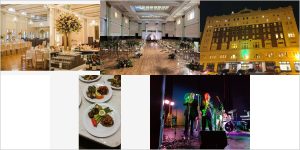
 The Henry Clay: Lighting a 1920s Lodge Building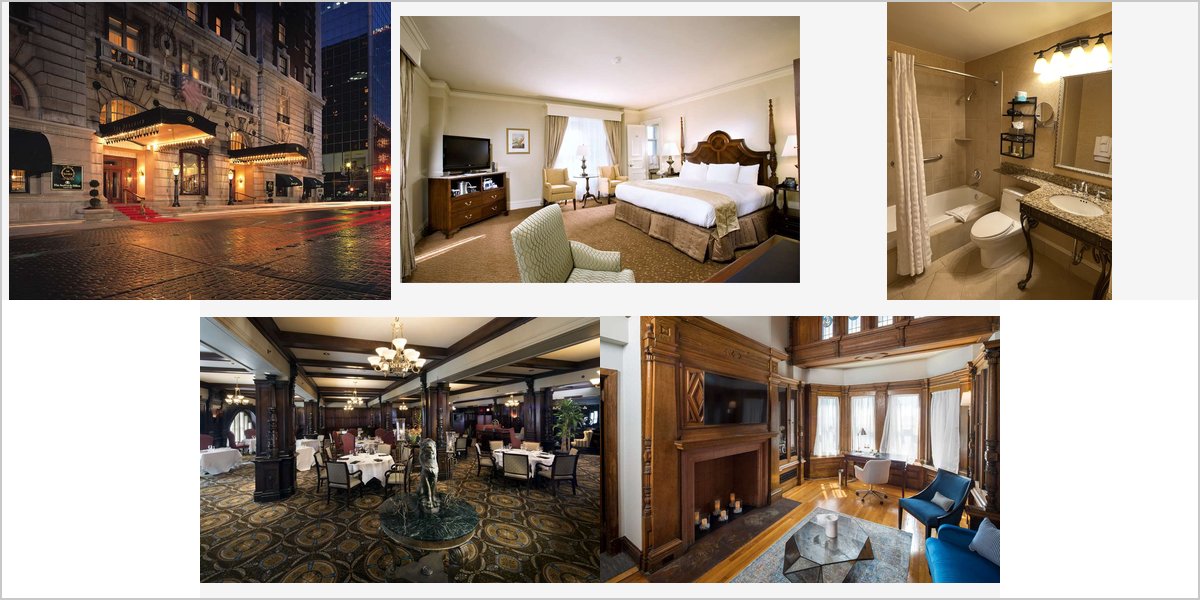
April 24, 2026
The Seelbach: Lighting a 1905 Beaux-Arts Hotel
Three completely different rooms in one building: a bright marble lobby, a warm gilded ballroom, and a windowless tiled basement. Each needs its own lighting decision.
The Seelbach opened in 1905 in downtown Louisville, a Beaux-Arts grand hotel of the era, and it is unusual among hotels of its type for having three genuinely distinct photographic environments rather than one ballroom and some corridors.
There is the lobby — marble, columns, murals, and considerably brighter and more colour-neutral than a typical period interior. There are the ballrooms, which follow the standard grand-hotel pattern of warm, gilded and windowless. And there is the Rathskeller in the basement, lined in Rookwood pottery tile, vaulted, and entirely without daylight — a space that looks like nothing else in any American hotel.
Because each demands a different approach, this guide is organised by space rather than by time. We have not photographed a wedding at the Seelbach. Marble, gilt and glazed tile behave predictably wherever they are; which rooms your event includes, and hotel policy, are for their events team.
The Seelbach Hilton at a glance
| Where | South Fourth Street, downtown Louisville, Kentucky |
| Opened | 1905, Beaux-Arts |
| Three environments | Marble lobby; gilded ballrooms; the tiled, vaulted Rathskeller basement |
| Light | Lobby relatively bright and neutral; ballrooms and Rathskeller entirely artificial |
| Technical headline | Glazed tile is a mirror — it will show your lights unless you plan angles |
The lobby: why marble is the photographer's friend
Marble is pale, hard and slightly reflective, which means it bounces light around a room and returns it close to neutral. That is the opposite of timber panelling, which absorbs light and warms whatever it returns. A marble lobby with tall openings is therefore usually the brightest and most colour-honest space in any period hotel.
For photographs this makes it the easiest and often the best location in the building. Light wraps, shadows fill, skin renders naturally, and you frequently need no added light at all during the day. It is also the one interior where a group of a dozen can be lit evenly by ambient light, because pale stone spreads illumination much further than a dark room does.
Columns are the compositional gift. They give vertical framing elements, they let you place a couple inside an architectural aperture, and a colonnade shot along its length compresses into repeating layers with a longer lens. Use them rather than standing people in the middle of an open floor.
The Rathskeller: photographing inside a glazed tile room
This is the interesting technical problem and it is specific enough to be worth real attention. Rookwood pottery tile is glazed, which means it is glossy, which means it behaves partly like a mirror. Every light you introduce appears in the tile as a hard specular reflection, and a bare flash in a tiled vaulted room produces bright hotspots scattered across the walls and ceiling.
The fix is to make your light source large and to control its angle. A big modifier — a softbox or a bounced umbrella — produces a broad, soft reflection that reads as a gentle sheen rather than a hotspot. Positioning the light well off axis keeps its reflection out of the frame behind your subject. And shooting at an oblique angle to a tiled wall rather than square-on means the reflection shows the room’s depth instead of your equipment.
The reward for getting it right is considerable. Glazed tile under soft light has a depth and lustre that painted plaster cannot match, and a vaulted tiled ceiling gives you a curved architectural frame that is genuinely rare. It is also completely weather-independent and looks identical at any hour, which makes it the most schedule-flexible space in the hotel.
The ballrooms: standard grand-hotel technique
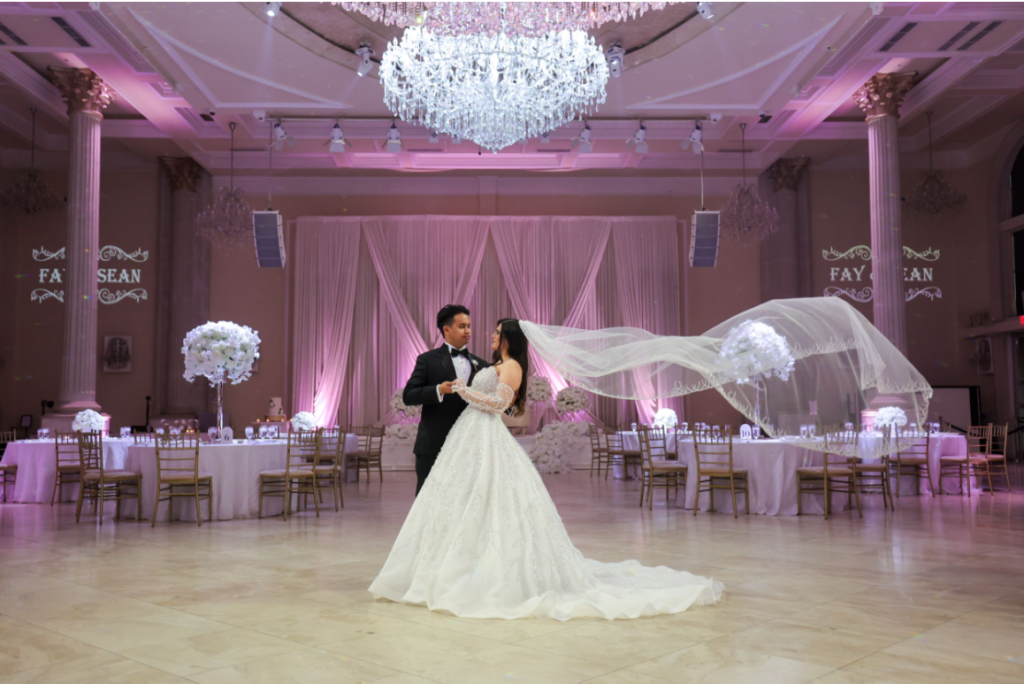
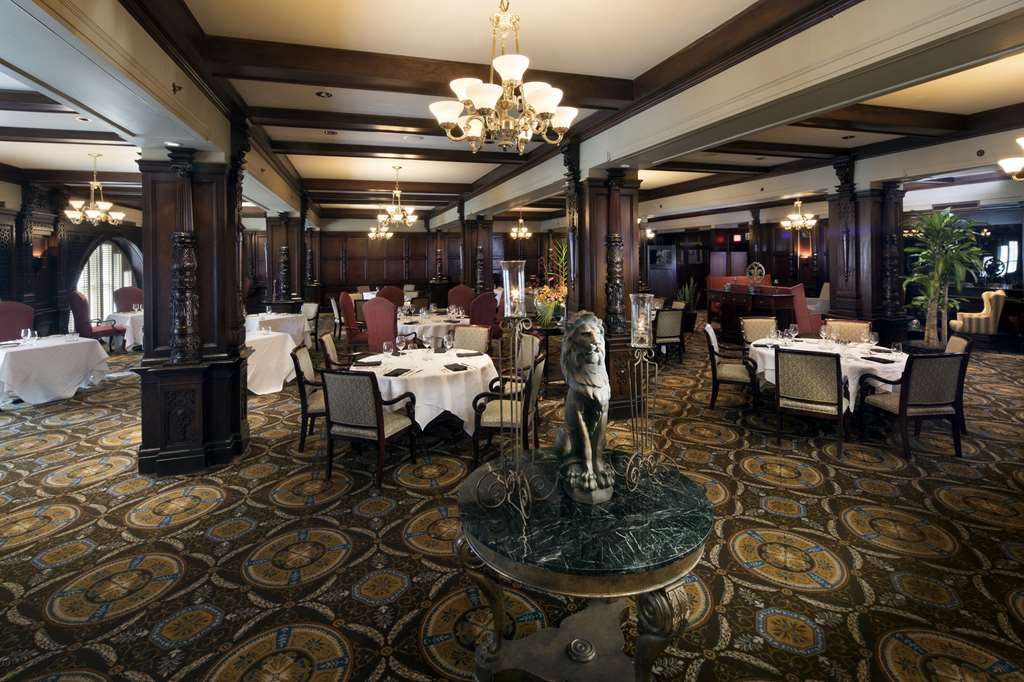
The ballrooms follow the pattern of every 1900s grand hotel and the technique is well established. There is no daylight. Fixtures are warm tungsten. Ceilings are high and often decorated, which means bounce flash sends light away and gets very little back, warmed on the way.
So light comes from stands with modifiers: one flash as a feathered key off to one side, one behind the dancefloor as a rim light to separate people from a dark background. Expose so the chandeliers and sconces read as glowing points rather than blown white holes, which means the ambient exposure sits deliberately darker than instinct suggests.
On colour, keep the room warm and light faces slightly cooler. Gilt, tungsten, timber and patterned carpet all add amber, and skin with no neutral component in it looks artificial. Set white balance manually in each space, because the lobby, the ballroom and the Rathskeller will not share a colour temperature — the tile in particular will read quite differently from gilded plaster.
Daylight, and downtown Louisville outside
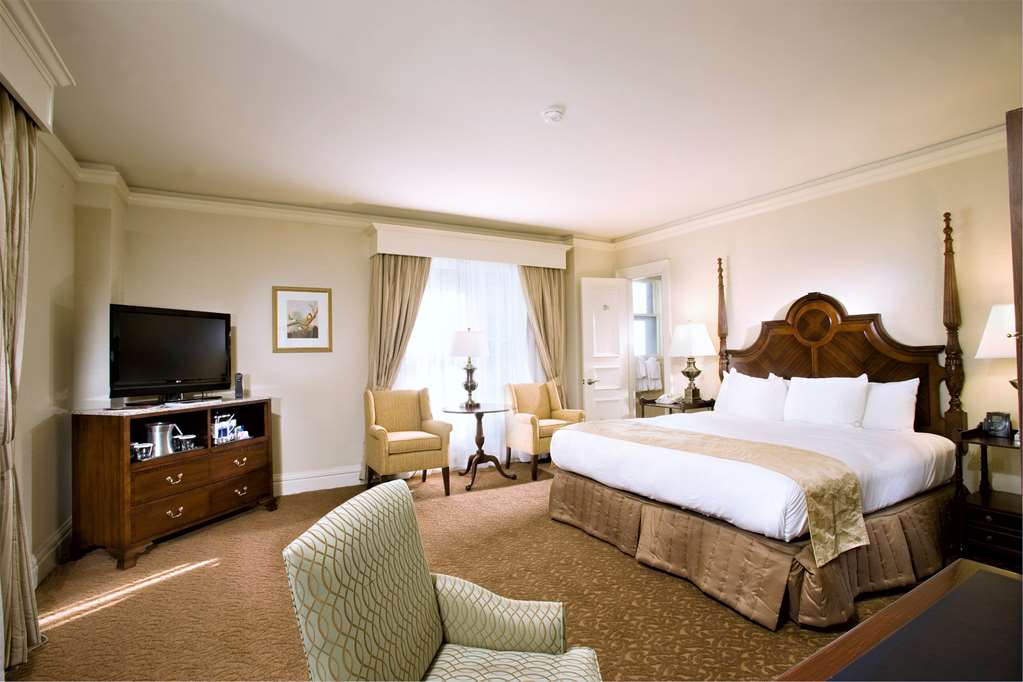
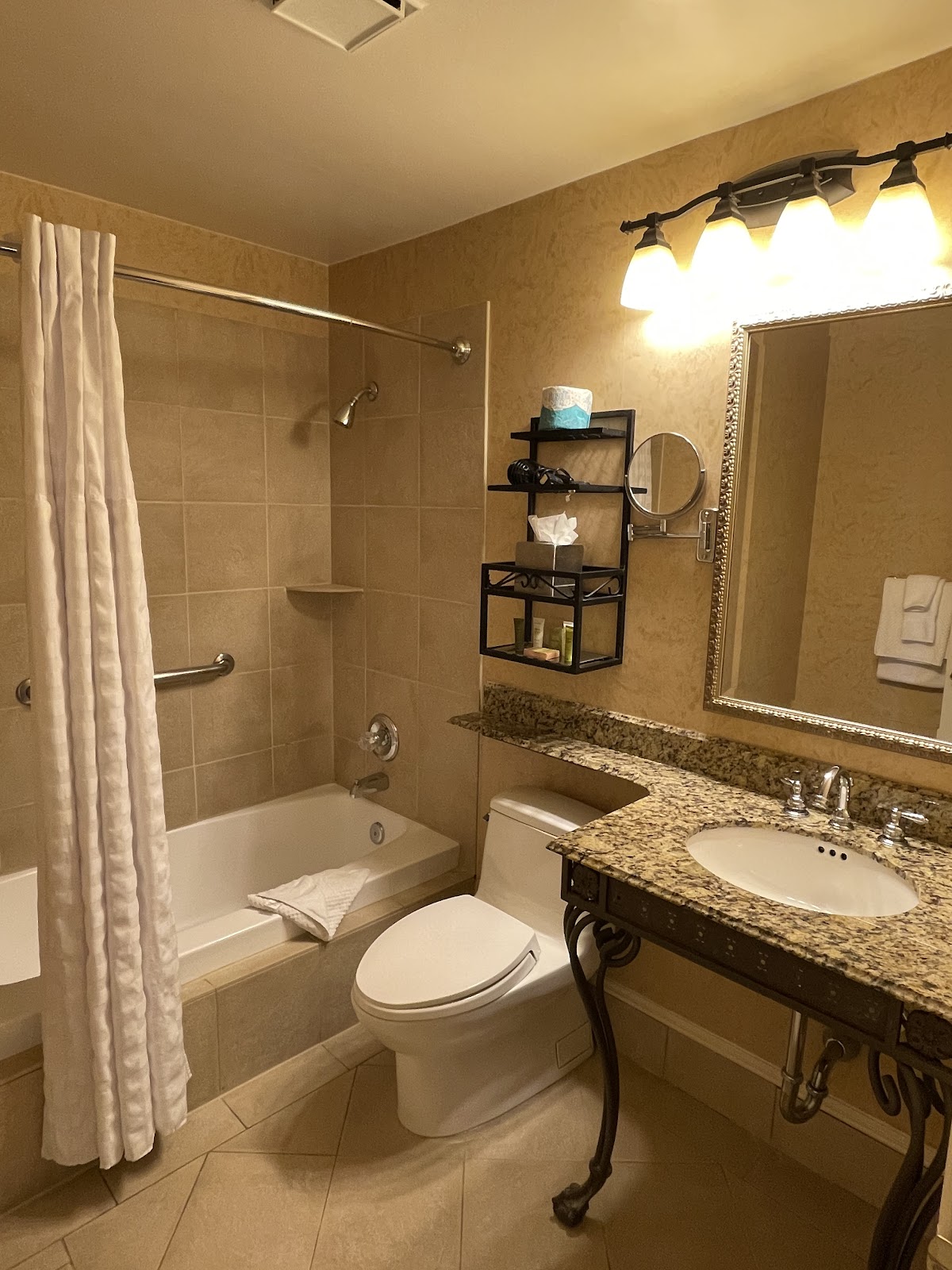
Guest rooms hold the only real daylight, so that is where the preparation photographs belong: a higher floor, all room lights off so tungsten is not mixing with daylight, everything moved to the window.
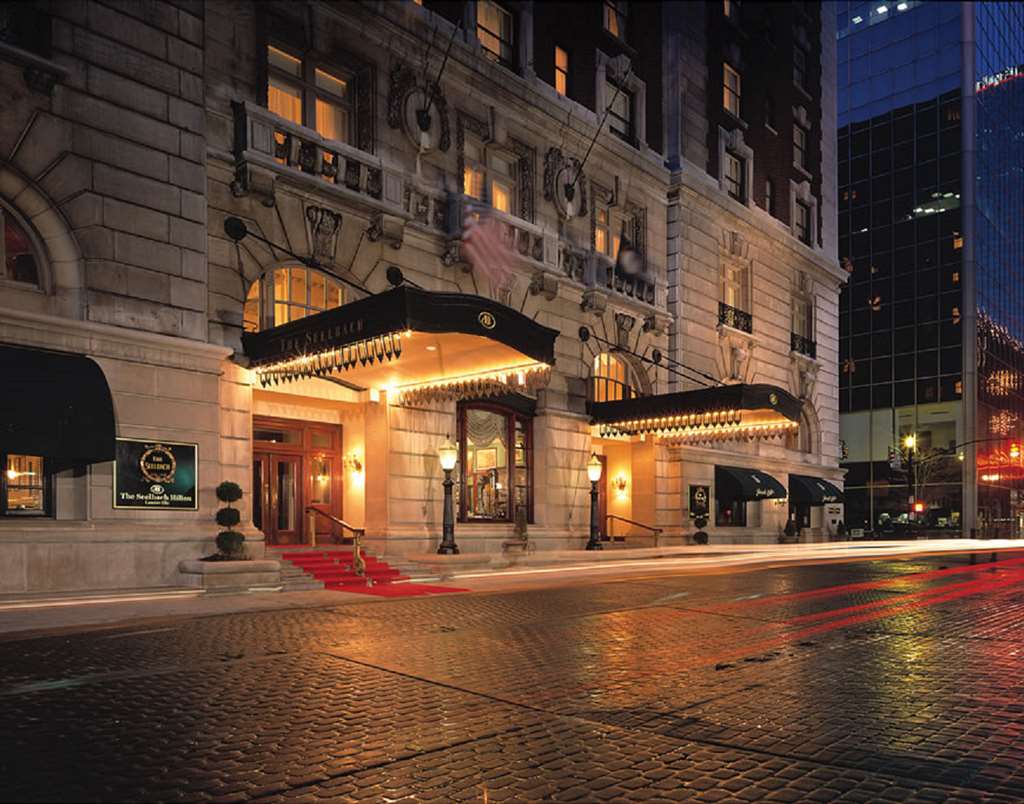
Outside, downtown Louisville has a good stock of late nineteenth and early twentieth-century commercial architecture, including cast-iron fronts, and the twenty minutes after sunset is when it photographs best — streetlight balancing the sky, stone and iron holding their colour, wet asphalt doubling every light source if it has rained.
Schedule that as a fixed ten-minute item rather than an aspiration. In a hotel with three strong interior spaces it is tempting to stay inside all day, and the result is a gallery with no daylight and no exterior in it. One frame of the building and one of the street is what tells the viewer where this happened.
What works in your favour
- Three genuinely distinct interiors — marble lobby, gilded ballroom, tiled Rathskeller — in one building
- A marble lobby is bright and colour-neutral enough to shoot groups in ambient light alone
- Rookwood tile under soft light has a lustre painted plaster cannot match
- The Rathskeller is weather-proof and identical at any hour, making it fully schedule-flexible
- Accommodation on site and downtown architecture outside for dusk portraits
What to plan around
- Glazed tile acts as a mirror — bare flash produces hotspots and reflected equipment
- Ballrooms have no daylight and high decorated ceilings that defeat bounce flash
- Three spaces with three different colour temperatures; manual white balance per room is required
- Warm gilt and tungsten need a differential approach or skin reads orange
- A working downtown hotel; exclusive access to public areas is unlikely
More frames from The Seelbach Hilton
The Seelbach Hilton wedding photography: common questions
What makes the Rathskeller tricky to photograph?
The Rookwood tile is glazed, so it behaves partly like a mirror. A bare flash produces hard specular hotspots scattered across the walls and vaulted ceiling. Use a large modifier so the reflection reads as a soft sheen, keep the light well off axis, and shoot obliquely rather than square-on to the tile.
Which is the best room for photographs?
The marble lobby, during the day. Marble is pale and slightly reflective, so it bounces light around and returns it close to neutral — the opposite of timber panelling. You often need no added light at all, and it is the one interior where ambient alone will light a group of a dozen evenly.
How should the ballrooms be lit?
With direct modified light from stands: one feathered key off to the side, one behind the dancefloor as a rim light. Bounce is ineffective because the ceilings are high and decorated. Expose so the chandeliers keep structure, which means letting the overall frame sit darker than instinct wants.
Do we need to go outside at all?
Yes — and in a hotel with three strong interiors it is the thing most likely to be skipped. Without an exterior frame the gallery has no daylight and nothing that says where the day happened. Ten minutes in the twenty-minute window after sunset, on the downtown blocks, is enough.
Why does white balance need setting per room?
Because a marble lobby, a gilded ballroom and a glazed-tile basement have genuinely different colour temperatures, and glazed tile in particular renders quite differently from gilded plaster. Auto white balance will average them into something that is wrong in all three.
More Louisville venue guides
We are writing a photographer’s guide to every venue we would happily shoot in Louisville. Here are three more, plus the full index:
- The Henry Clay: Lighting a 1920s Lodge Building
- The Olmsted: A Photographer Answers Your Questions
- The Thomas Edison House: Field Notes on a Shotgun Cottage
All Louisville Wedding Venues →
Planning a wedding at The Seelbach Hilton?
Three rooms, three lighting problems, three white balance settings. Tell us your date and which spaces you have, and we will send a plan for each — including how to keep our own lights out of the Rathskeller tile.