 The Thunderbird Inn: Field Notes on a 1964 Motor Inn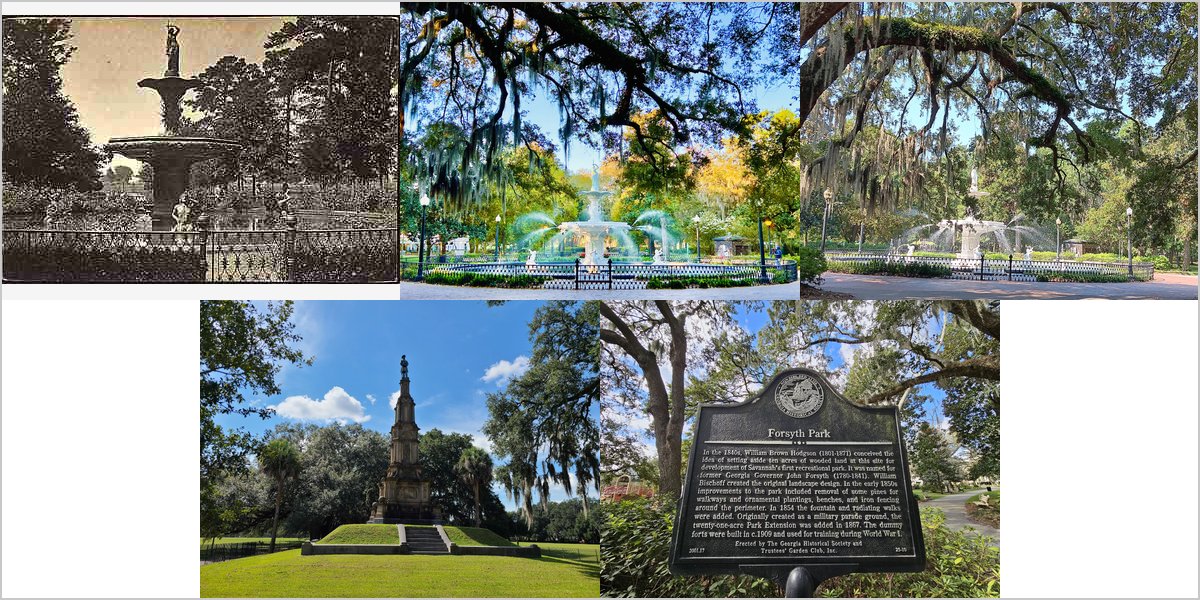
April 25, 2026
The Forsyth Park Fountain: A Photographer Answers Your Questions
The most photographed location in Savannah. Everything good about it is free and public, which is also everything difficult about it.
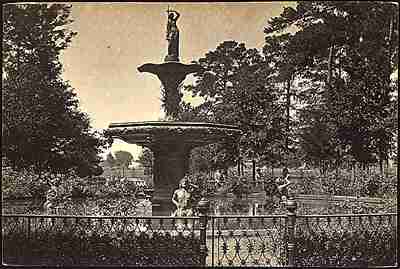
The fountain at the north end of Forsyth Park was installed in 1858 and is the single most recognisable image of Savannah — white cast iron, tiered basins, and a surround of live oaks hung with Spanish moss. The park itself covers about thirty acres of the historic district, with the fountain at its formal northern end and open lawn beyond.
It is free, public and constantly photographed, which shapes everything. You are not booking a venue; you are working in a city park that thousands of people use, and any plan that does not account for that will come apart. The compensation is that it is genuinely beautiful and it costs nothing.
These are the questions couples actually ask. We have not photographed a wedding at the fountain; the behaviour of the light under live oaks and the optics of moving water are predictable, and the crowd problem is a matter of observation. Permits and whether ceremonies are permitted at particular spots are for Savannah’s parks authority.
Forsyth Park Fountain at a glance
| Where | North end of Forsyth Park, historic district, Savannah, Georgia |
| Installed | 1858 — white cast iron with tiered basins |
| Setting | Live oaks with Spanish moss; about thirty acres of park beyond |
| Light | High canopy shade around the fountain; open lawn is unshaded |
| The core issue | Free, public and constantly busy — plan around people, not against them |
How bad are the crowds?
Busy enough that it determines when you should go. On any pleasant afternoon there will be tourists, joggers, dog walkers and frequently other wedding parties, and no arrangement changes that. A wide frame of the fountain with nobody else in it is not achievable at two o’clock on a Saturday in April.
The answer is time of day, and it works. Early morning — before about eight — the fountain is close to deserted and the light is low and soft. That single change turns an impossible location into a private one, and it is the reason serious photographers in Savannah shoot there at dawn.
If morning is impossible, the second answer is lens choice. A longer lens at a wide aperture compresses the background and turns distant people into soft shapes, and tight frames on the fountain’s ironwork exclude the crowd entirely. Between those two techniques a great deal is recoverable — but a wide, empty, golden-hour frame realistically requires an early start.
What is the best light there?
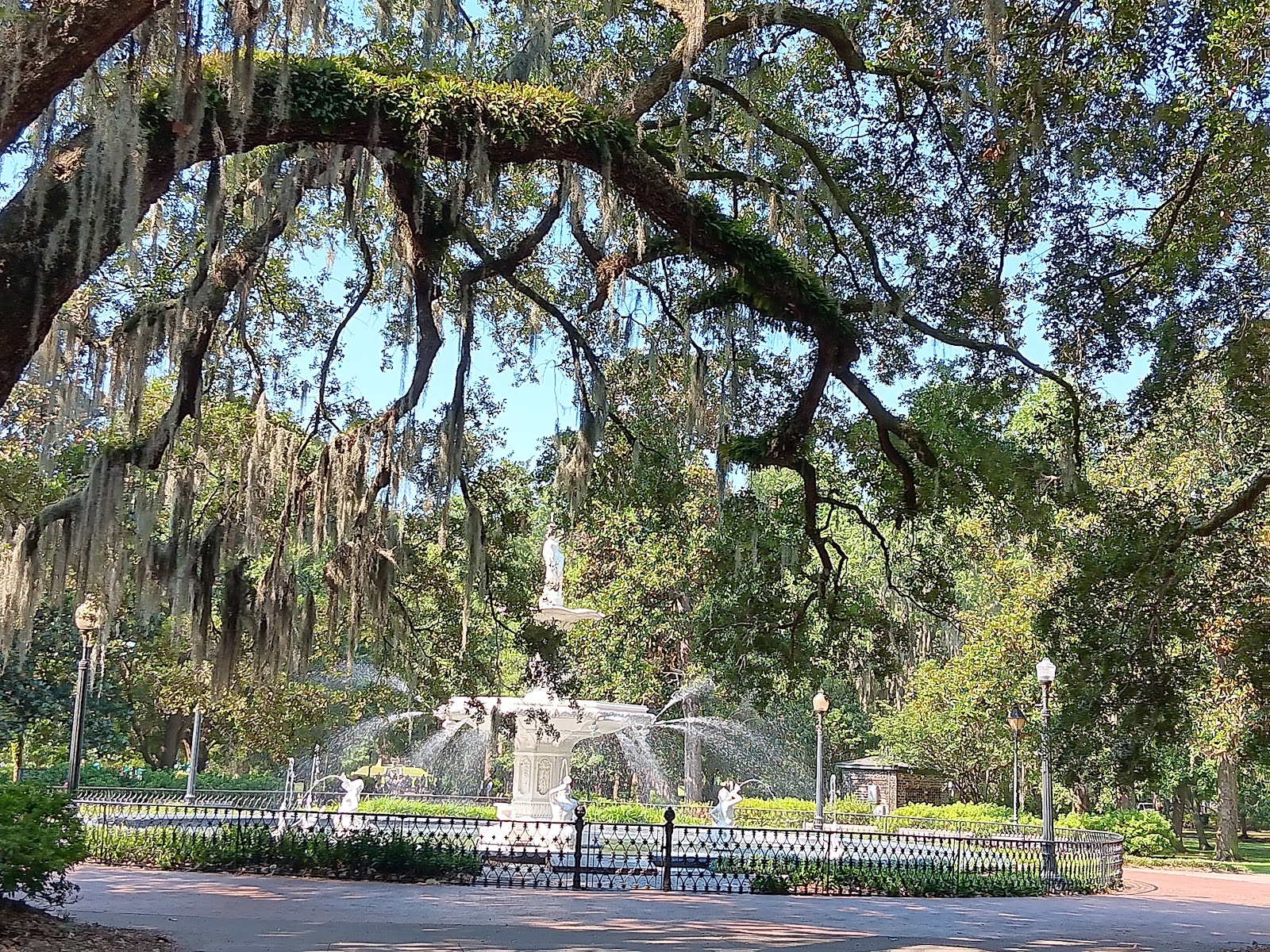
The fountain sits in a surround of live oaks, which gives high open shade — soft, even and flattering — for much of the day. That is genuinely useful in a city at 32 degrees north where midday sun is fierce, and it means the fountain area is workable at hours when the open lawn is not.
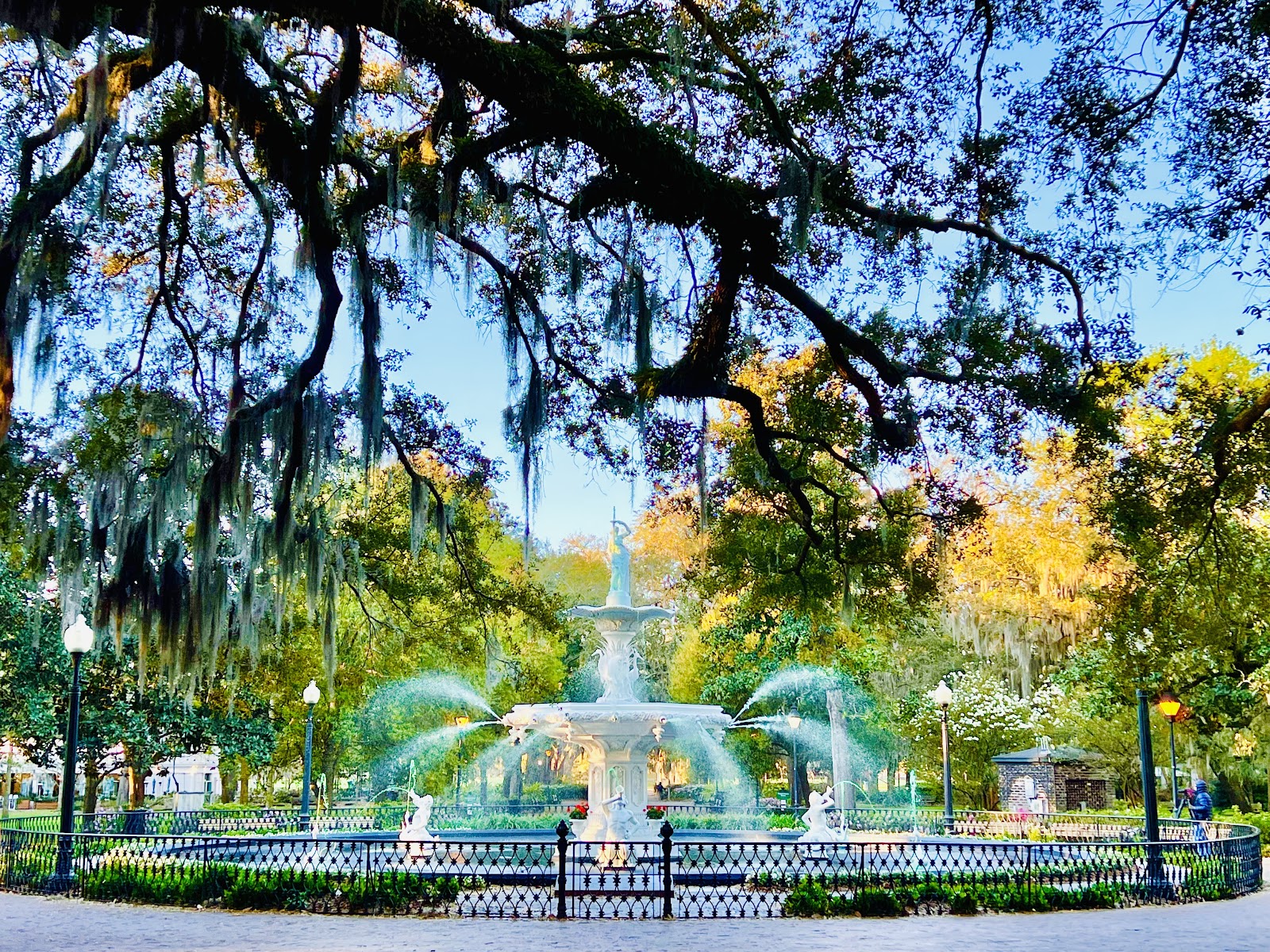
The best light is low sun coming through the oaks from the side, which happens in the first hour after sunrise and the last hour before sunset. Then the moss glows because it is translucent, the white cast iron picks up warm tone, and the water catches highlights. Early morning also solves the crowd problem, which is why it is our first recommendation for this location rather than evening.
Avoid the middle of the day for anything involving the open lawn. Savannah’s latitude means the sun climbs high and the light is hard, and an unshaded lawn at one o’clock in July gives you squinting, deep eye shadows and a blown-out dress.
How do you photograph the water?
This is a real technical choice and it is worth deciding rather than defaulting. Shutter speed determines whether the water reads as droplets or as silk. Above about 1/500 the falling water freezes into individual drops, which looks crisp and energetic. Around 1/60 to 1/125 it becomes streaks. Below about 1/15 it turns into smooth white cotton wool.
For a wedding photograph, fast is usually better. Frozen droplets have texture and sparkle, especially backlit, whereas long-exposure silk water tends to look like a landscape photograph that happens to have a couple in it. Keep the shutter at 1/500 or faster if the water is in frame and prominent.
The exception is a deliberate atmospheric frame, where a slower exposure with the fountain as a soft white mass behind a still couple can be lovely. That needs a tripod and a cooperative couple, and it needs to be a decision rather than an accident of low light.
What about the heat, rain and practicalities?
Savannah’s climate needs planning for. It is hot and very humid from late spring to early autumn, which affects comfort in formalwear, hazes distant backgrounds, and fogs a lens moving from an air-conditioned car into the open — allow ten to twenty minutes for equipment to acclimatise before you need it.
Rain is a genuine risk. Coastal Georgia gets afternoon thunderstorms through the summer, and a public park has no shelter of any consequence. There is no rain plan at the fountain other than not being there, so an alternative location has to be decided in advance. Clear umbrellas help with drizzle and do nothing for a thunderstorm.
Mosquitoes are active at dawn and dusk, which are the hours you want to work. Worth mentioning to the party rather than discovering.
Finally, confirm what is permitted. A ceremony in a public park, a reserved area, or any equipment setup will almost certainly need arrangement with the city, and the rules differ between simply taking photographs and holding an event.
What works in your favour
- The most recognisable image of Savannah, and free to use
- Live oaks give high open shade, so the fountain area works when open lawn does not
- Backlit Spanish moss and warm-toned white ironwork at the low-sun hours
- Thirty acres of park beyond for groups and wider frames
- Early morning is genuinely private and beautifully lit
What to plan around
- Constantly busy — a wide empty frame realistically requires an early start
- No shelter at all, in a climate with regular summer thunderstorms
- Open lawn is unshaded and harsh in the middle of the day
- Heat, humidity, lens fogging and mosquitoes at exactly the best hours
- Permits likely required for a ceremony or any setup; confirm with the city
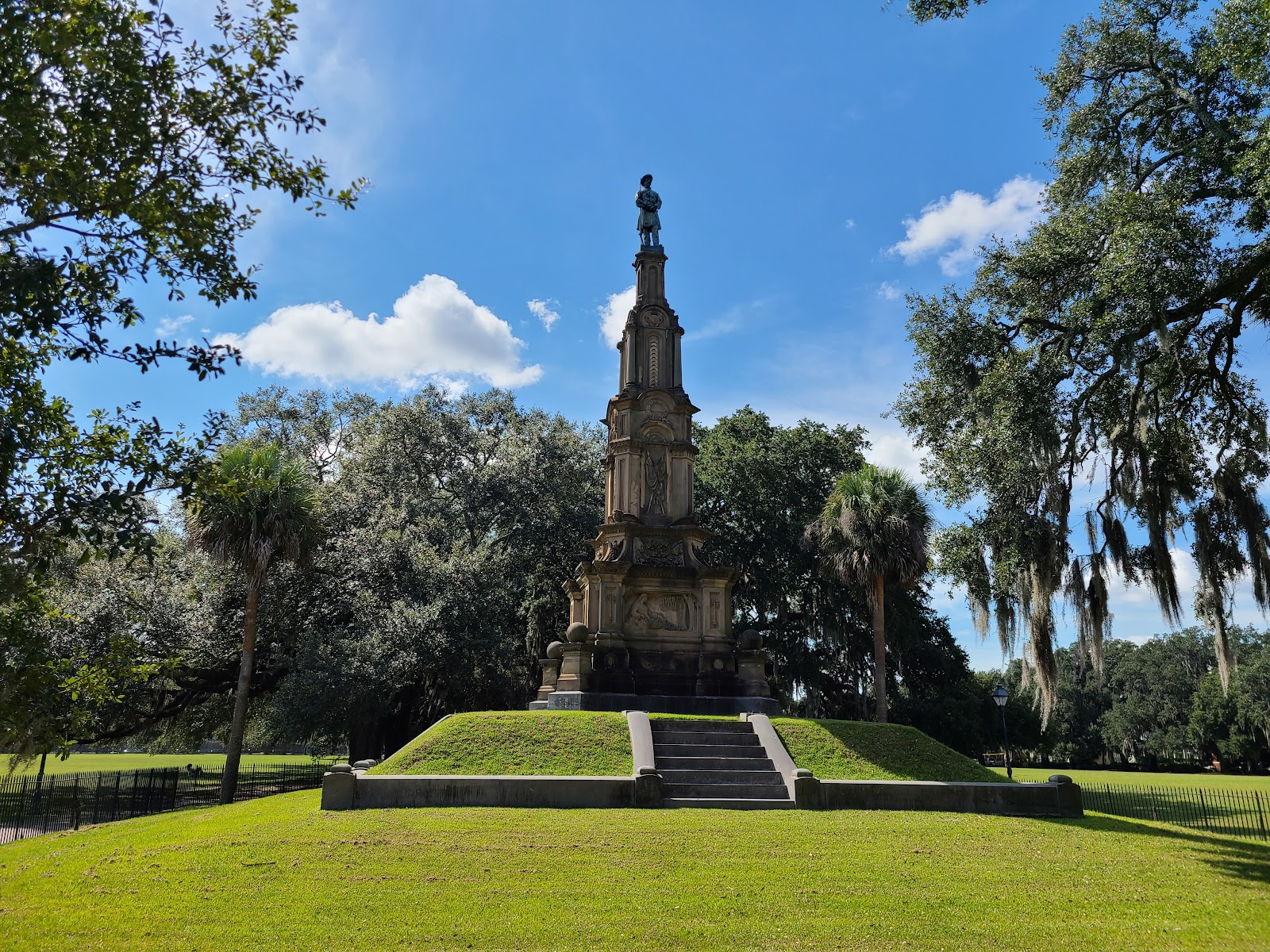
More frames from Forsyth Park Fountain
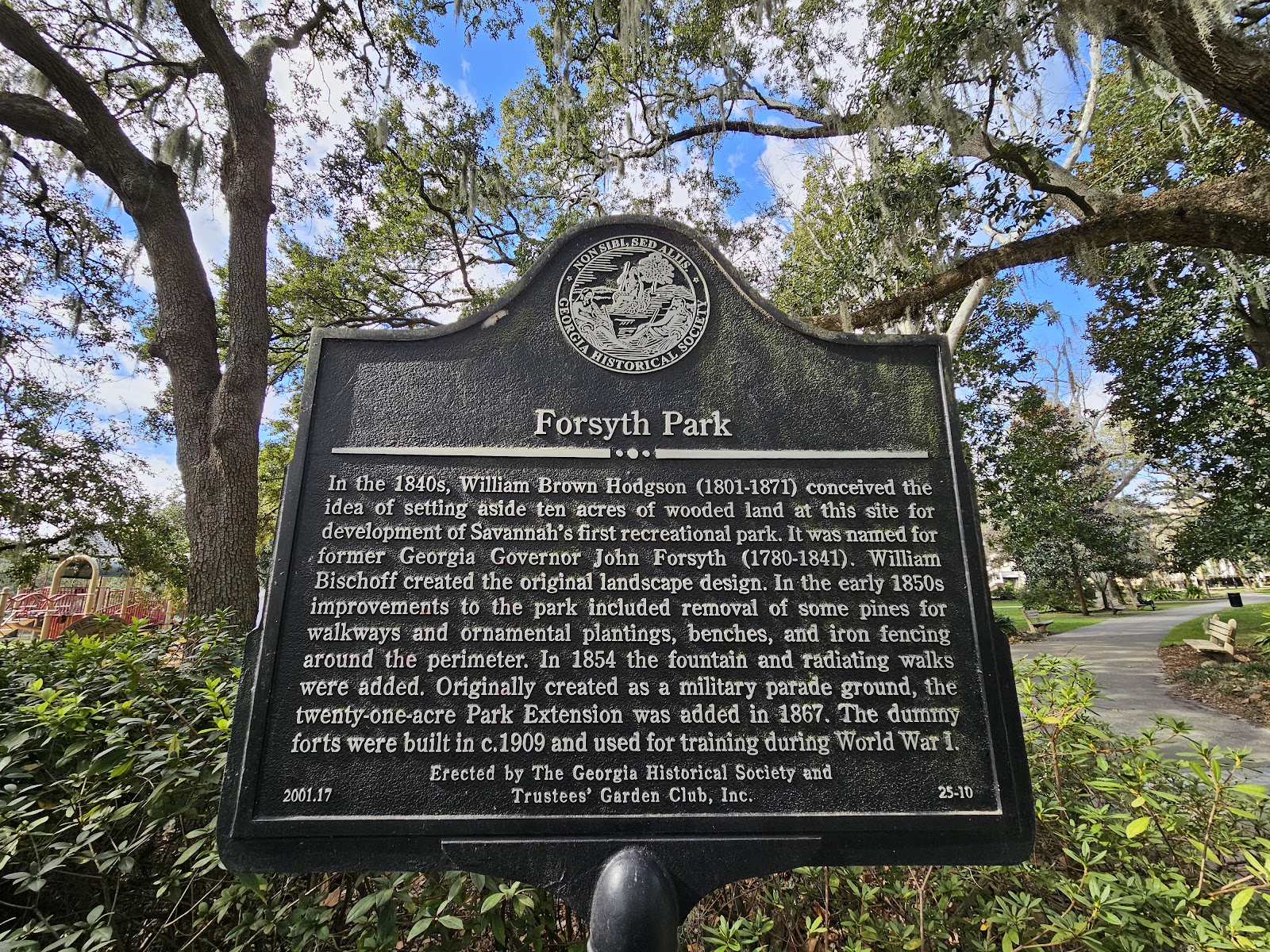
Forsyth Park Fountain wedding photography: common questions
How do you avoid crowds at the Forsyth Park fountain?
Go early. Before about eight in the morning it is close to deserted and the light is low and soft — that single change turns an impossible location into a private one. Failing that, a longer lens at a wide aperture turns distant people into soft shapes, and tight frames on the ironwork exclude them entirely.
What shutter speed should the fountain be shot at?
1/500 or faster if the water is prominent, so it freezes into individual droplets with texture and sparkle. Around 1/60 it becomes streaks and below 1/15 it turns to smooth white cotton wool — which can be lovely as a deliberate atmospheric frame, but should be a decision rather than an accident of low light.
When is the light best?
The first hour after sunrise or the last hour before sunset, when low sun comes through the live oaks from the side. Then the Spanish moss glows, the white ironwork warms and the water catches highlights. We would recommend morning over evening here, because it solves the crowd problem at the same time.
Is there anywhere to shelter if it rains?
No — it is a public park with no cover of any consequence, and coastal Georgia gets regular summer afternoon thunderstorms. The only rain plan is an alternative location decided in advance. Clear umbrellas manage drizzle and do nothing at all for a storm.
Do we need a permit?
Almost certainly for a ceremony, a reserved area or any equipment setup, and the rules differ between simply taking photographs and holding an event. Confirm with Savannah’s parks authority rather than assuming, because a public park is not a venue and nobody there is responsible for accommodating you.
More Savannah venue guides
We are writing a photographer’s guide to every venue we would happily shoot in Savannah. Here are three more, plus the full index:
- The Hamilton-Turner House: A Season-by-Season Guide
- The Kehoe House: Who This Savannah Inn Suits
- The Marshall House: Lighting Cast-Iron Verandahs and Heart Pine
Planning a wedding at Forsyth Park Fountain?
The fountain is free, beautiful and busy, and the fix for all three is an early start. Tell us your date and we will tell you the exact sunrise time and what the light will be doing in that first hour.