 The Riverside Hotel, Boise: The Light Through a Day
Shore Lodge, McCall: The Light Through the Day
A clear mountain lake is a mirror at seven, a dark glare at one, and a sheet of colour at nine.
A lodge on a mountain lake has a day that changes more completely than almost any other kind of site, and the reason is that water behaves differently at every sun angle.
At a low angle it reflects almost everything falling on it, which makes it a mirror. At a high angle it reflects very little and absorbs the rest, which makes it a dark surface with specular glare on the surface ripples. And in between it does both, unevenly, depending on where the camera stands relative to the sun.
So the same view is a luminous mirror at seven in the morning, a hard dark glare at one in the afternoon, and a sheet of reflected colour at nine in the evening. Nothing about the position changes; the water does.
The second fact is that this is a clear cold mountain lake rather than a silty reservoir. It is fed by snowmelt and mountain streams, which means it is transparent at the margins — showing the bed through it — and deep blue further out where the depth absorbs the red end of the spectrum. That is a different subject from the grey water of a glacial lake or the brown of a southern reservoir.
The third is the elevation. McCall sits at around five thousand feet, which means roughly a sixth less atmosphere overhead than at sea level: harder sun, deeper shadows, a deeper blue sky that makes open shade markedly cool, and higher ultraviolet. It also means clear air, which is why the surrounding ranges hold detail on a long lens.
And the fourth is the length of the day. At this latitude in summer the light runs until well past nine in the evening, which means the good low light arrives late and lasts — a real freedom rather than a curiosity.
We have not photographed a wedding at the Shore Lodge; mountain lake lodges in central Idaho behave consistently. Which spaces are included, what access there is to the water and the beach, the covered alternative, and whether a boat is available are questions for their team.
Shore Lodge at a glance
| Where | A clear mountain lake at McCall, central Idaho, around 5,000 feet |
| Morning | Mist and the calmest water of the day — the best mirror |
| Midday | The lake goes dark and glares; the conifer edge is the answer |
| Evening | The whole surface takes the sky, and the light runs past nine |
| Ask first | Water and beach access, spaces included, covered alternative, boat |
Morning to midday: mist, mirror and glare
The morning is the best light of the day at a mountain lake and almost nobody uses it.
Two things coincide early. The water is at its calmest, because mountain valleys are quiet overnight and the up-valley breeze builds later — and a sheltered mountain lake on a still morning is a proper mirror, doubling the conifer shore, the ranges and the sky. A reflection runs about a stop darker than what it reflects, which is the single technical thing to know when metering a frame containing both.
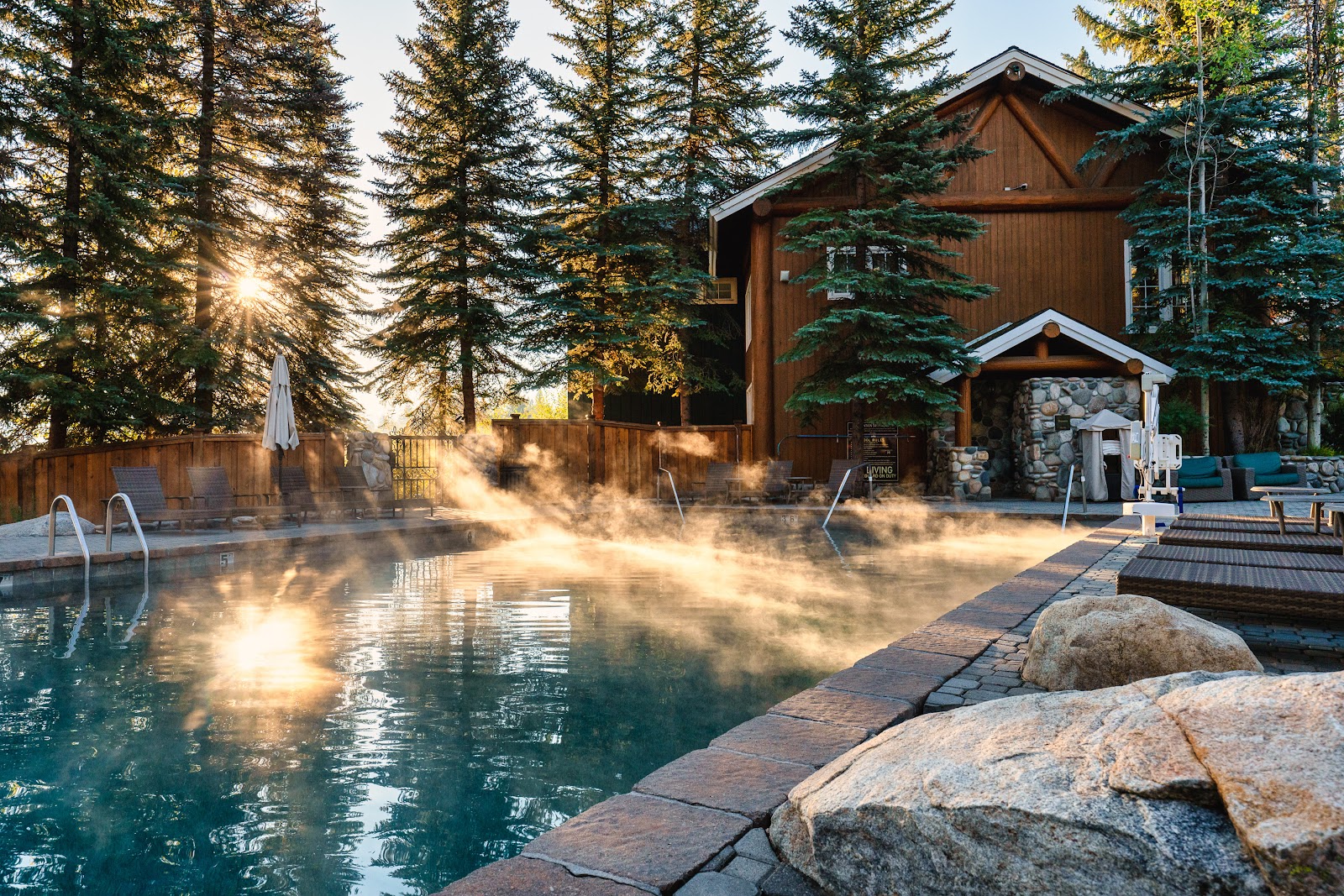
And mist forms. A lake that is warmer than the air above it produces surface mist, and at five thousand feet the mornings are cold for most of the year — which makes mist reliable rather than occasional, and heaviest in autumn when the water still holds summer warmth and the mornings are freezing.
Mist on water is the most atmospheric condition this kind of site produces. It separates the far shore from the near, which gives depth a clear morning does not; it makes shafts of low sun visible in the air; and it renders everything in tonal layers rather than in detail. A longer lens is the right instrument, because mist rewards compression — layers of receding tone read as layers only when the distances are stacked.
The morning also gives the interval, which at a mountain lake happens at the start of the day rather than the end. A ranged valley gains the sun late on the floor, which means there is a window when the surrounding peaks are lit and the lake and the lodge are still in shade — a couple in soft even light with lit ridges behind them, doubled in the water.
That frame is made by exposing for the lit ridges and lifting the faces with a close warm-gelled source, not by underexposing the mountains to match them. Metering on faces gives a white sky and a washed-out range.
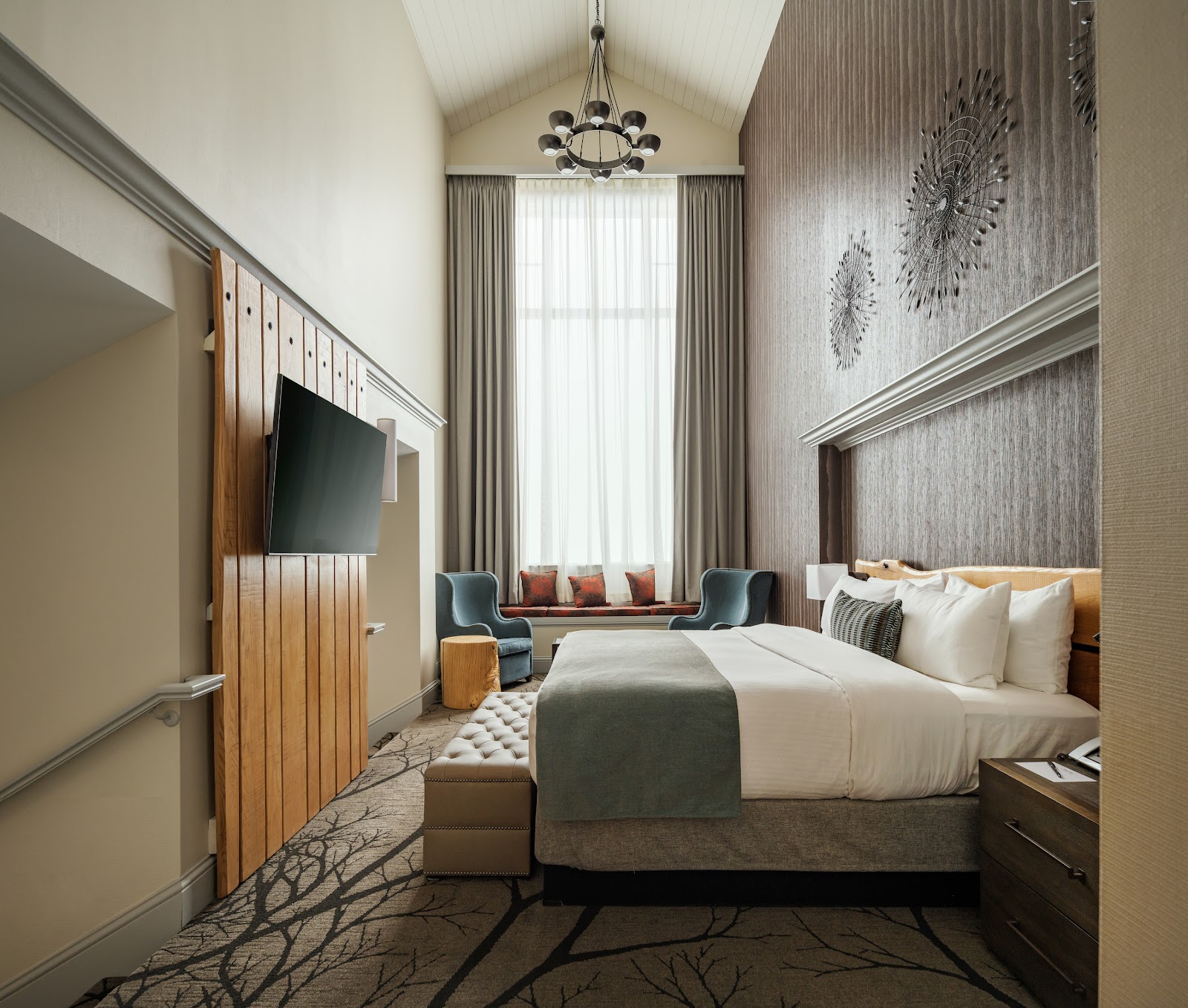
Indoors in the morning, a lodge here is timber and it absorbs, which means the ambient is a stop or two below what the eye estimates and the background drops away for free. A subject a metre from a window turned about forty-five degrees to it gets horizontal light with steep fall-off — and a window facing the lake at altitude delivers bright cool light, which means the interiors are better lit than a lowland lodge and the colour is further from neutral. Room lights off, and a custom white balance set on a face.
By the middle of the day the lake has stopped being a mirror and started being a problem. A high sun means the water reflects very little and absorbs most of what falls on it, so the surface goes dark — and the ripples reflect the sun as thousands of specular points, which is glare that clips easily and holds no colour.
It also means the open ground is at its worst. A beach, a lawn or a deck has nothing overhead, and at five thousand feet in dry air the sun is harder than at sea level: vertical shadows, dark eye sockets, a hard line under every chin, and a face half in sun that is unrecoverable.
The conifer edge is the answer and it is the most reliable position on the property at any hour. This is ponderosa pine, Douglas fir and grand fir country, and the denser species block almost everything — which means a metre or two inside a stand at the margin of an opening gives soft directional light in front and near-darkness behind, three or four stops of free separation.
Ponderosa is the caution: tall, straight, with a high open crown and long needles, it filters rather than blocks and dapples. It is an excellent background — the bark is a distinctive orange-brown plate and the trunks are massive — and a poor shade.
The metering trap is severe at a lake site: dark fir makes a meter overexpose a face by a couple of stops and bright water fools it hard the other way, five paces apart. Manual, metered on skin, reset at every transition, with a custom white balance in each place.
Afternoon to the long mountain evening
The afternoon brings the wind, because a mountain valley develops an up-valley breeze as the day warms. That removes the reflection — the site’s main asset — and it makes a lightstand a liability and a held modifier a sail, so handheld or bracketed sources are the working configuration.
It also builds the cloud. Afternoon convection is a real feature of these mountains in summer, which means storms are possible and worth watching — and a dark cloudbase over a lit lake with a shaft of sun on a far ridge is the most dramatic sky the site produces.
A named covered alternative with real capacity is a requirement in that season, and on a lake the additional consideration is that anybody on the water needs to be off it before a storm arrives.
The evening is what the site is for and at this latitude it lasts.
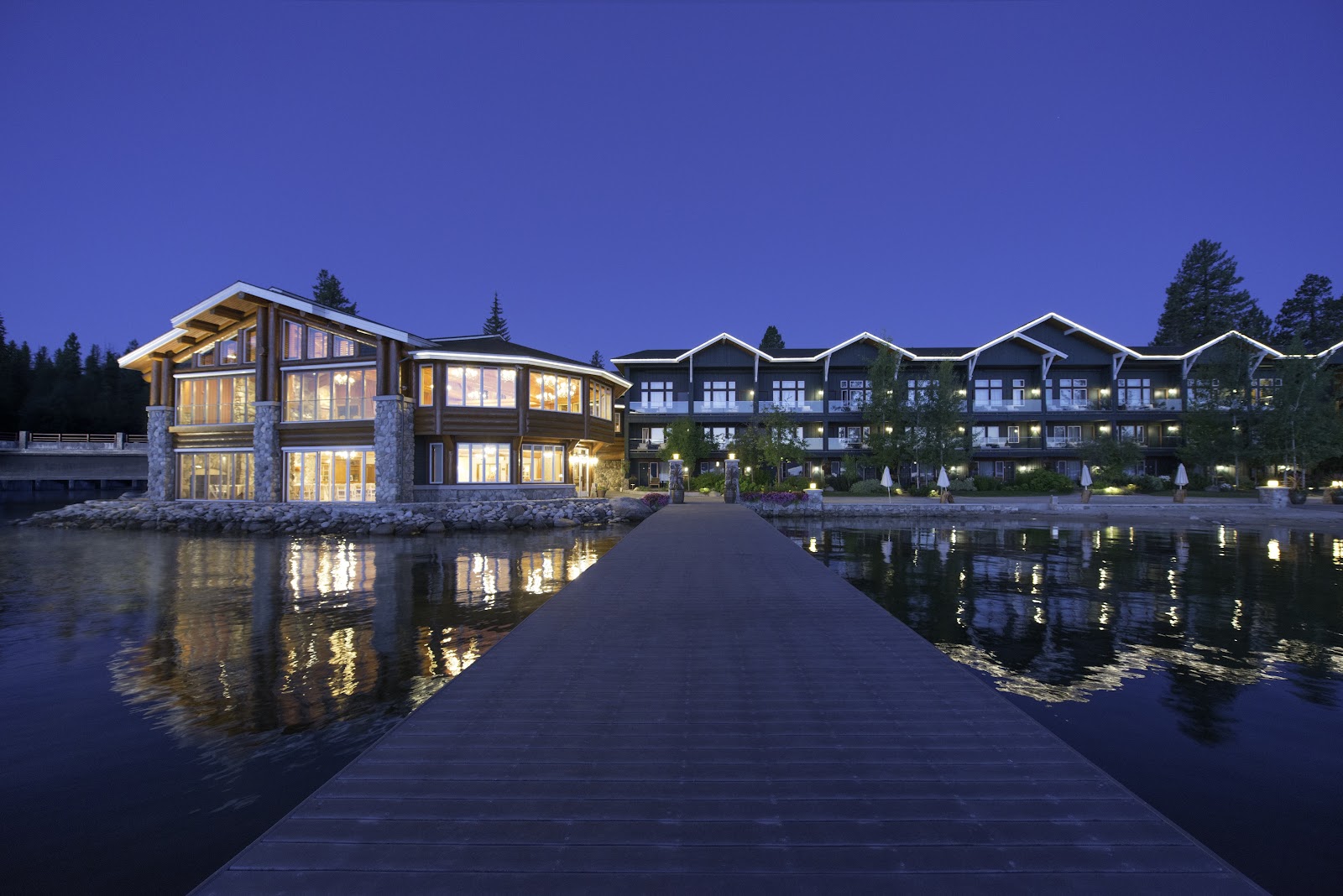
As the sun drops, the water begins reflecting again — and because the breeze usually eases at the same time, the surface flattens and the whole lake takes the colour of the sky rather than a narrow strip of it. That is the property’s signature frame: a couple at the margin or on a dock with an entire lake behind them, the same colour as the sky, and the far shore in silhouette.
The exposure goes on the water and the sky rather than on skin, with the faces lifted by a close warm-gelled source. Metering on faces gives a white sky and a flat grey lake, which throws the whole thing away. Close matters because nothing out over water bounces enough to lift a face: a source at two metres needs roughly a quarter of the output it needs at four.
The gel matters more at altitude than lower down, because the shade is lit by a deep blue high-altitude sky and is therefore markedly cool while the light at that hour is strongly warm — an ungelled source produces faces that read cold against a warm lake.
The length of the evening is the real advantage. At this latitude in July the light runs until well past nine, which means the good low light arrives late and lasts two or three hours rather than forty minutes — and a portrait session at half past eight is entirely reasonable and better lit than one at two in the afternoon.
The corollary is that the day has to be planned for it. A reception that starts at six will be in full swing when the best light of the day arrives, which means asking in advance about stepping outside for twenty minutes is worth doing rather than hoping.
The crossing after sunset is short in dry mountain air but exceptionally clean: no haze, so the sky holds a genuine gradient rather than a muddy wash, and the lake keeps it on its surface. It is a scheduled ten minutes rather than a leisurely wander.
The beach and the dock are the site’s specific structures. A dock is a perspective line running out over water, which gives convergence and depth — and water gives an absolute level reference, so a frame a degree off is glaring. Level to the water rather than to the decking, because a dock is frequently not level and the water always is.
A beach of pale mountain sand or gravel is a reflector, throwing light upward into faces standing on it — helpful, at the cost of uplight under the chin, which something solid on one side corrects.
And the cold water is the practical note: a snowmelt-fed mountain lake is cold enough that anyone stepping into it for a photograph will feel it sharply, and in the early season it is very cold indeed. Ultraviolet at this elevation is the other, because a party outdoors for an hour on a lake burns faster than they expect, including under cloud.
- The first two hours give mist, a mirror and lit ridges above a shaded lake
- Longer lens for mist and for the ranges; both reward compression
- Fir is the shade; ponderosa dapples but makes a superb background
- Evening: expose for the water and sky, lift faces close and gelled
- The light runs past nine here — plan the session late rather than early
The central Idaho mountain year
A mountain lake at five thousand feet has a short intense summer and a long snowy winter, and the season decides what the water is as much as what the light is.
Winter is long and snowy and this area receives a great deal of snow. The lake freezes in cold spells, which turns a mirror into a flat pale plane — sometimes snow-covered, sometimes wind-scoured — and that is graphic rather than reflective, and genuinely striking with conifer and ranges around it.
Snow is the best natural fill available outdoors and against near-black fir it gives the widest brightness range in this guide: expose for the snow and let the conifer go black, overexposing deliberately relative to the meter, which snow fools by about two stops. Snow also reflects light up into every window and brightens a timber interior measurably.
The December sun at this latitude reaches only about twenty-one degrees above the horizon, which means the whole short day rakes rather than floods — removing the altitude’s hard-light problem entirely and putting the good light inside a normal afternoon rather than after eight. On the light alone, winter is the easiest season here.
The safety note is that lake ice is a matter for local knowledge rather than anyone’s judgement on the day, and the venue’s guidance is followed.
The costs are cold, batteries draining fast, a camera that fogs when carried into a heated lodge, a short day, and road access that depends on conditions.
Spring is late and slow at this elevation. Snow lies into May in most years, break-up is muddy, and the lake ice goes out late — which means early spring is the weakest part of the year and not a wedding season in any recognisable sense.
June is when it opens. The valley greens fast, the creeks run hard with snowmelt, the lake is very cold, and the ranges still carry a great deal of snow, which is when they look most dramatic. Mosquitoes arrive with the thaw and are a genuine consideration in June and early July at a lakeside site.
July and August are the season and the most reliable weather of the year: warm days, cold nights, long light and settled conditions. The days are long enough that the best light falls after eight, which is the scheduling fact of the season.
The honest late-summer note is wildfire smoke. Idaho’s fire season runs from roughly July into September, and smoke from fires anywhere in the region can fill a mountain valley for days at a time — turning the sun orange, flattening contrast, removing the ranges entirely and shifting everything warm in a way no white balance resolves.
That is the single biggest risk to a summer wedding here and it cannot be planned for, only acknowledged. It is a genuine reason to prefer late September to mid-August if the date is movable.
Late September into early October is the best window of the year. The aspen turn gold — and because a grove is clonal, genetically a single organism, the whole stand turns at once rather than tree by tree — the first snow returns to the peaks, the mornings are cold enough for reliable lake mist, the smoke risk has usually passed, and the air is at its clearest.
Gold aspen, dark fir, snow-dusted ranges and a mirror lake in one frame is the strongest thing this site produces — and a flat lake doubles all of it, which is why lake venues photograph better in autumn than any other kind of site. The window is about two weeks.
October brings hard frost and the end of the season, and by November the valley is in winter.
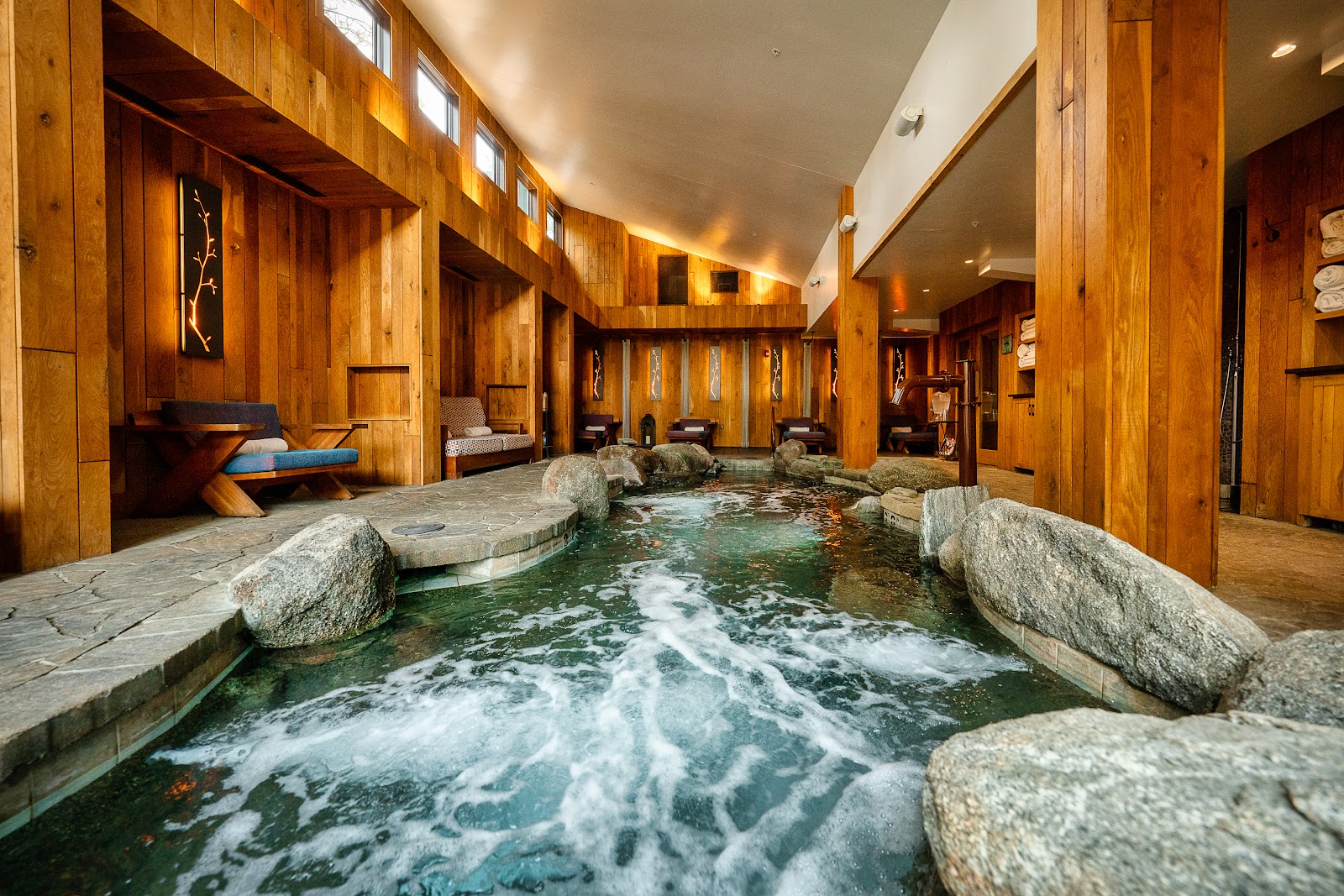
More frames from Shore Lodge
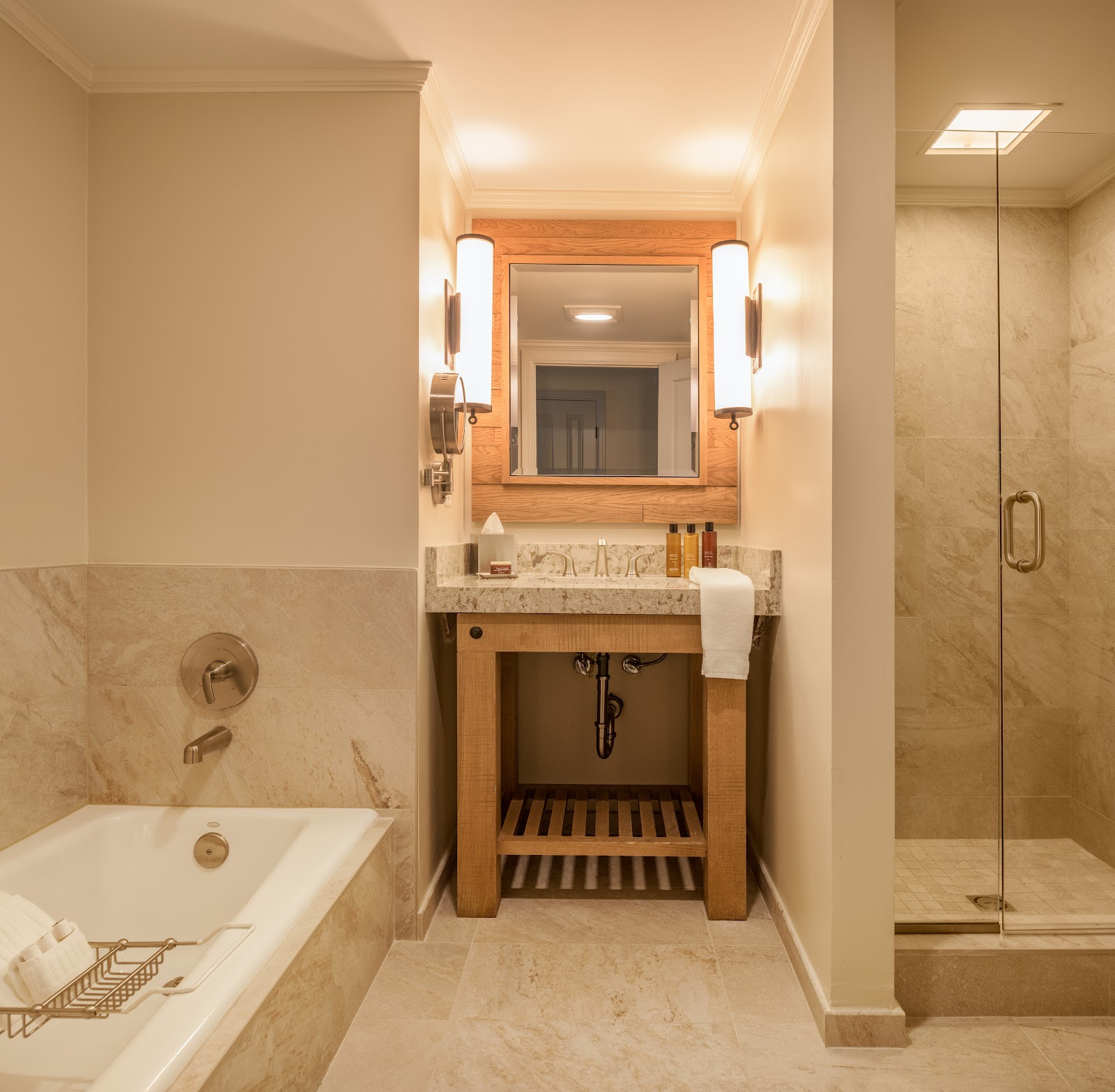
Shore Lodge wedding photography: common questions
Why does a lake change so much through the day?
Water reflects almost everything at a low sun angle and very little at a high one. The same view is a mirror at seven and a dark glare at one.
When is the water calmest?
Morning and evening. A mountain valley develops an up-valley breeze through the afternoon, which removes the reflection.
What is the morning interval?
A ranged valley gains the sun late on the floor, so the peaks are lit while the lake is still in shade — and it is doubled in still water.
Where is the shade?
Douglas fir and grand fir. Ponderosa pine has a high open crown and dapples badly, but its massive orange-brown trunks make a superb background.
When is the best light in summer?
After eight in the evening. At this latitude the light runs past nine, so plan the session late and ask about stepping out during the reception.
When is the site at its best?
Late September into early October: gold clonal aspen, fresh snow on the ranges, reliable lake mist, and the smoke risk usually past.
More Idaho venue guides
We are writing a photographer’s guide to every venue we would happily shoot in Idaho. Here are three more, plus the full index:
- Silver Creek Lodge, Pine: Field Notes
- Sun Valley Resort: The Site’s Own Logic
- Teton Valley Lodge, Driggs: The Light Through the Day
Planning a wedding at Shore Lodge?
A lake that changes hourly, and light until nine. Tell us your date.