 The Riverside Hotel, Boise: The Light Through a Day
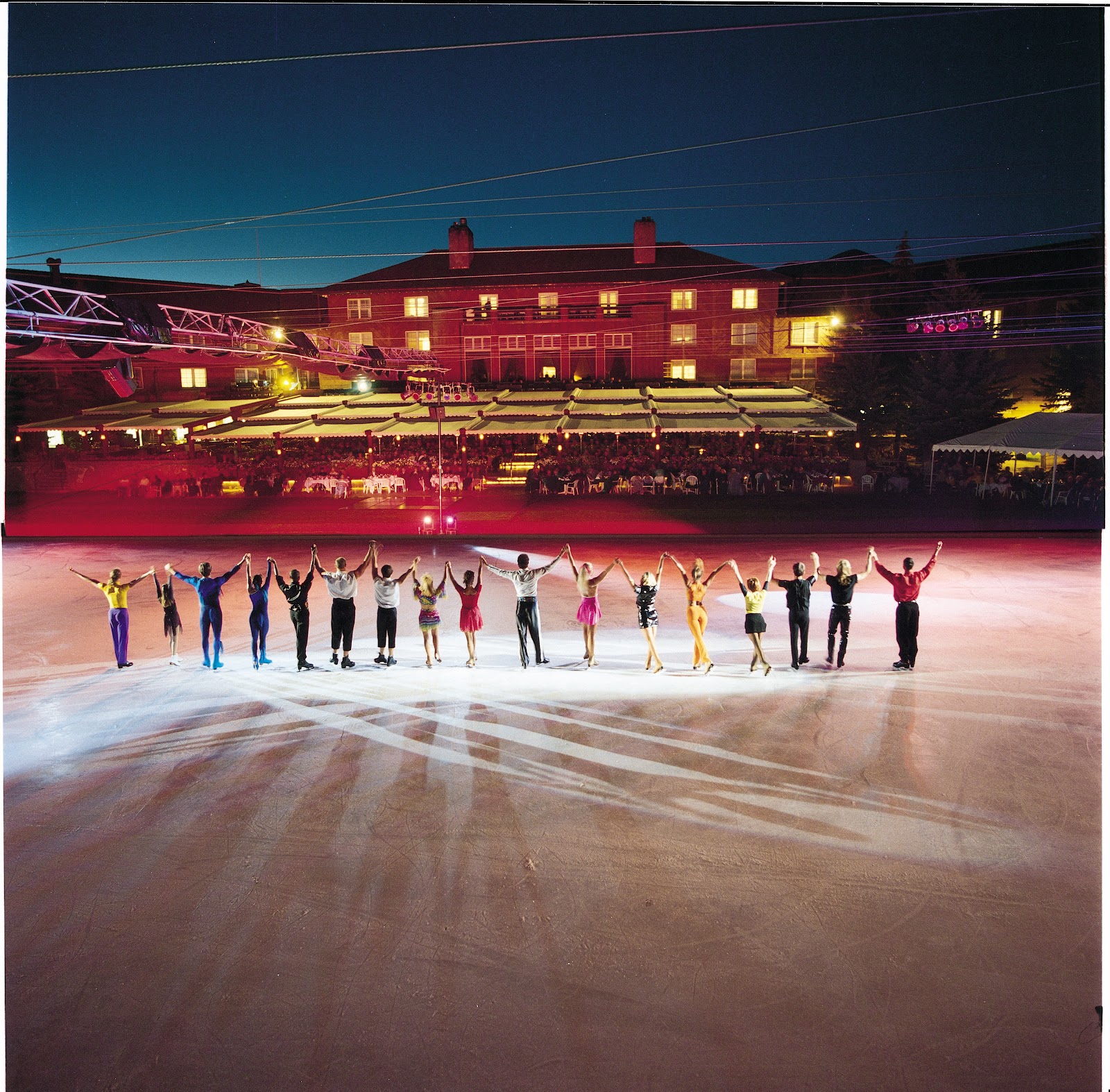
Sun Valley Resort: The Site’s Own Logic
This village was designed all at once. That coherence is the thing to photograph.
A purpose-built mountain resort has a logic that most venues in this guide do not, and it is worth reading because it is deliberate rather than accidental.
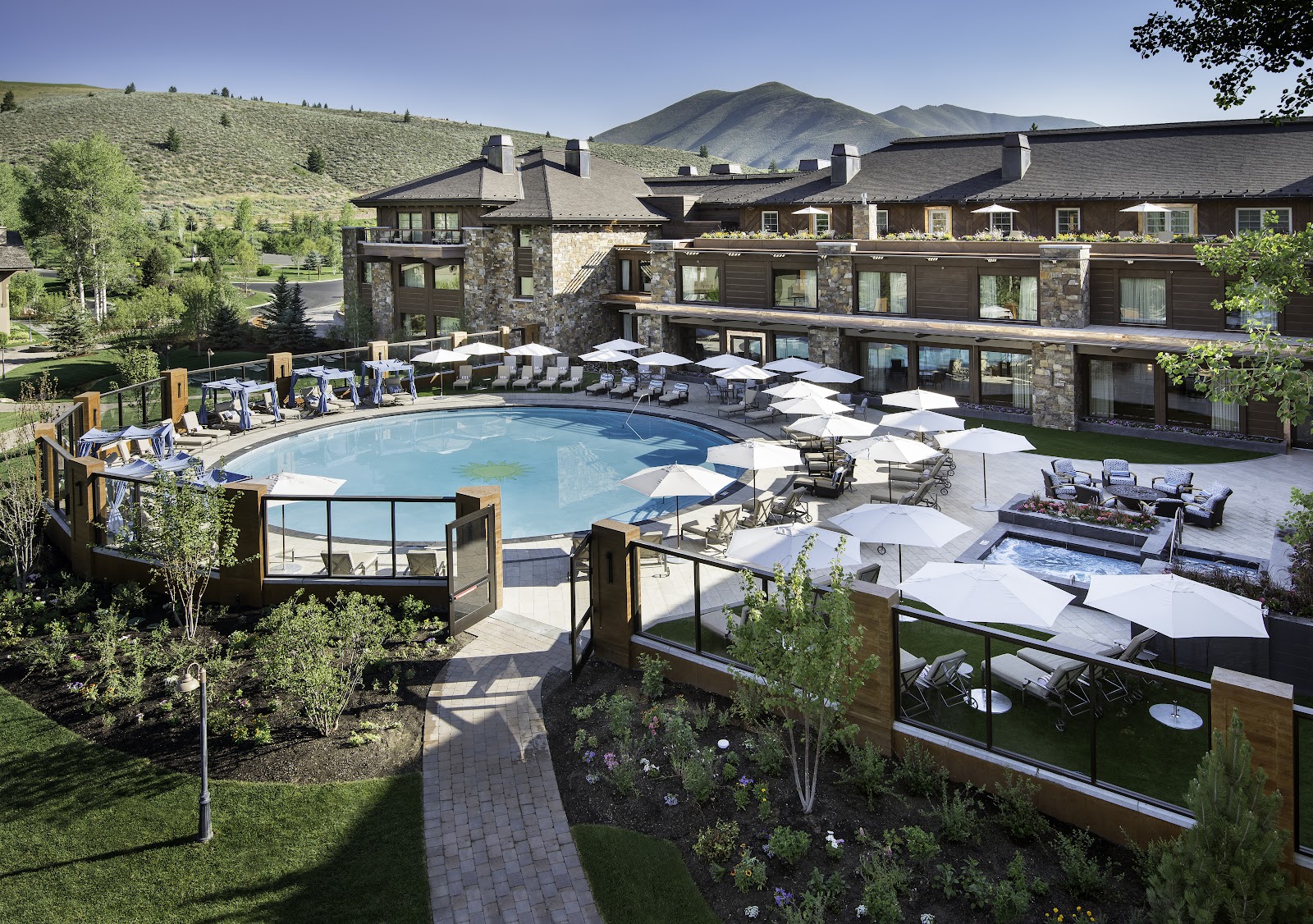
It was designed as a single composition. A resort conceived and built as a whole — rather than a town that grew, a farm that was converted or a hotel that was extended — has consistent materials, a planned relationship between its buildings, sightlines that were drawn rather than discovered, and a village centre that works as an arranged space.
That coherence is the thing to photograph, and it means the architecture can be used as a compositional system rather than as a set of individual backgrounds. A frame that uses the relationship between two buildings, or a planned view down a village street, reads as intended in a way it would not at a property that accumulated.
The second part of the logic is the setting, which was chosen rather than inherited. A resort of this kind was sited for the mountain, the sun and the snow — which means the valley it sits in has particular qualities: clear dry air, a high proportion of sunny days, and mountains close enough on both sides to matter.
The third is the elevation. Sun Valley sits at around five thousand nine hundred feet, which means roughly a fifth less atmosphere overhead than at sea level. Direct sun is harder and shadows deeper; the sky is a deeper blue, which makes open shade markedly cool; ultraviolet is considerably higher; and the air is exceptionally clear, which is why the surrounding ranges hold detail on a long lens.
And the fourth is the climate: a high dry mountain valley with cold winters, a short warm summer, and a very large difference between day and night temperatures.
We have not photographed a wedding at the Sun Valley Resort; purpose-built mountain resorts behave consistently. Which spaces are included, whether the lift runs in summer and on what schedule, the covered alternative, whether the ballroom lighting can be adjusted, and what the actual timings are are questions for their team.
Sun Valley Resort at a glance
| Where | A purpose-built mountain resort in a high Idaho valley, around 5,900 feet |
| The logic | Designed as a single composition, which makes the architecture usable as a system |
| The elevation | Harder sun, deeper shadow, cool shade, high ultraviolet, exceptional clarity |
| The valley | Mountains close on both sides, and a high proportion of clear days |
| Ask first | Spaces included, lift schedule, lighting control, covered alternative, timings |
The village: designed space and mountain light
Start in the village, because it is the part of the site that is designed and because it works in any weather at any hour.
A planned village centre gives three things a grown town does not. Consistent materials, which means a frame containing two buildings does not clash. Planned sightlines, which means there are views that were intended — and standing in them produces frames that resolve rather than frames that happen. And arranged open space, which means the relationship between built and open ground was decided rather than left over.
The practical use of that is to walk the village once and find the intended views. They are usually obvious once looked for: a street that terminates on a building, a courtyard framed on three sides, a gap that reveals the mountain. Standing in them is the whole technique.
Precision matters more in a designed village than in a grown one, because everything is aligned. A frame a degree off level against a planned roofline, or a vertical converging where it should be parallel, reads as an error rather than a style — and standing further back with a longer lens rather than tilting up from close in is the practical answer.
The materials are the second resource. A mountain resort of this kind is built in timber, stone and render, which absorb rather than bounce — which means a shaded wall behind a subject is a genuinely dark background and the ambient in any covered space is lower than it looks.
Any arcade, colonnade, deep overhang or covered walk is the reliable outdoor position at any hour: a solid roof blocks the overhead component, restricts the light to a horizontal band that models a face properly, bounces off paving to fill, and cannot dapple. Two or three metres in from the open edge, and the catchlight confirms it.
That matters more at altitude than it would lower down, because the difference between sun and shade at five thousand nine hundred feet is larger than at sea level. A face half in sun here is unrecoverable rather than difficult, which makes full shade a requirement rather than a preference and the covered positions disproportionately valuable.
The mountains are the third element and the village was sited to see them. Ranges close on both sides of a high valley mean they fill a frame rather than sitting on a horizon — and a long lens compresses them into layers and brings them forward, where a wide lens reduces them to a band above the rooftops.
The exposure for that frame goes on the mountains rather than on skin, with the faces lifted by a close warm-gelled source — because metering on faces gives a white sky and a washed-out range, and because in dry air at altitude the range holds real detail worth preserving.
The gel matters more here than lower down: open shade under a deep blue high-altitude sky is markedly cool while the light on the rock is strongly warm, which means an ungelled source produces faces that read cold against a warm range.
The colour needs a custom white balance in every position, and at altitude the differences are larger than usual. Shade lit by a deep blue sky is cool; light bounced off pale render is warm; light filtered through conifer is green; and light off snow is cool and very bright. A setting made on a face handles whichever applies.
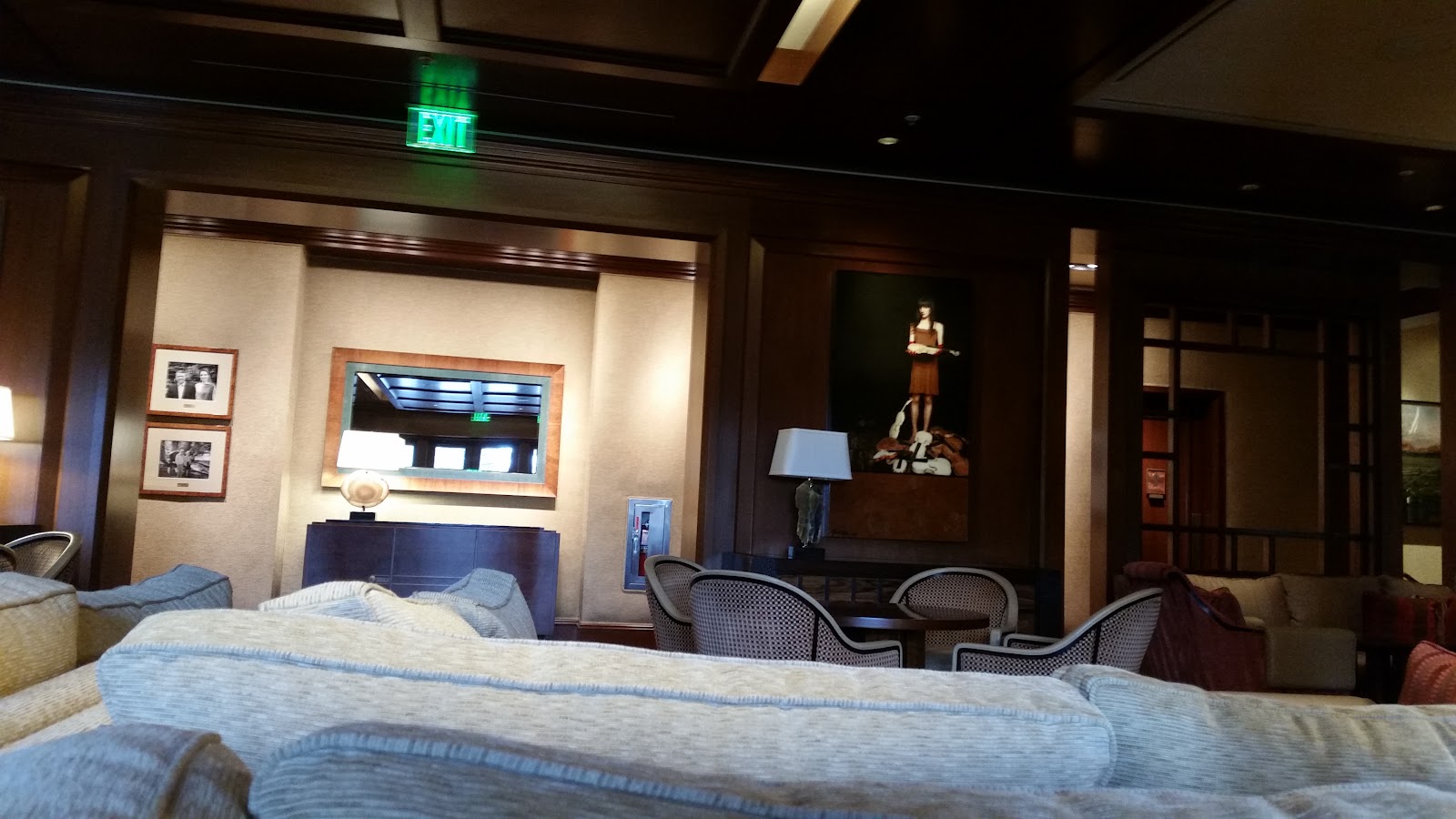
And the interiors are timber-lined, which means the ambient is a stop or two below what the eye estimates and the background behind a subject drops away for free. A metre from a window turned forty-five degrees to it, room lights off, and at altitude with snow outside that window light is bright and cool — which makes a winter interior better lit than a summer one.
The valley, the mountain, and the high desert year
Outside the village the valley is the second half of the site and its character is high dry mountain country rather than lush alpine.
The vegetation reflects that. Sagebrush steppe on the open south-facing slopes, aspen in the draws and on the north-facing ground, Douglas fir and lodgepole pine higher up, and cottonwood and willow along the creek. It is a dry landscape with a great deal of pale ground, which means it bounces generously.
Sagebrush is worth using rather than avoiding. It is silver-grey and fine-textured, which makes it a pale neutral foreground that reads as western high country and nowhere else — and in low raking light it has texture in every bush. A low camera with sage across the bottom of the frame and mountains behind is the composition this valley gives.
Aspen is the valley’s signature tree and the one to seek out. Pale smooth bark makes a stand a bright background of white verticals; the leaves are thin enough to transmit light, so a backlit canopy glows; and a grove is clonal, genetically a single organism connected below ground, which is why a whole stand turns at once rather than tree by tree.
Douglas fir is the shade and it is scarcer here than in wetter parts of Idaho. Where a stand exists, the canopy edge is the reliable position: a metre or two inside at the margin of an opening gives soft directional light in front and near-darkness behind, three or four stops of free separation. Lodgepole dapples and is a background rather than a shade.
The metering trap is severe in high dry country: dark fir makes a meter overexpose a face by a couple of stops, and pale sage, bare ground or snow fools it hard the other way. Manual, metered on skin, reset at every transition.
The mountain is the third element and if the lift runs in summer it changes what is available. A summit position gives distance in several directions and takes shade, shelter and the schedule — and the last downloading time is the question worth asking before a ceremony time is set, because at this latitude in July the best light is after eight and a five o’clock last chair makes it unreachable.
The valley’s timing is set by the ranges rather than by the sun. Mountains on both sides mean the floor loses the sun well before the published time and gains it late, which brings the evening forward and produces the interval frame: the valley in soft even shade while the upper slopes and the peaks are still lit, for twenty or thirty minutes.
That is the best mountain frame of the day and it is made by exposing for the lit ground and lifting the faces with a close warm-gelled source.
The days are long at this latitude in summer — light until well past nine — which means the good low light arrives late and lasts, and a portrait session at half past eight is entirely reasonable. The corollary is that a reception starting at six will be in full swing when the best light arrives, which makes asking in advance about stepping outside worth doing.
The high desert diurnal swing is the practical note. Dry air at altitude holds very little heat overnight, which means a July day in the eighties Fahrenheit can be followed by a night in the forties — and a party in formal clothes outdoors at ten in the evening will feel it. Coats matter more here than a summer date suggests.
Ultraviolet is the other: at nearly six thousand feet a party outdoors for an hour burns faster than expected, including under cloud and over snow.
And wind on open valley ground is the constant: a lightstand is a liability and a held modifier is a sail, so handheld or bracketed sources are the working configuration, and the lee of a building or a dense stand is worth walking to.
- Find the intended views; a designed village has them and they resolve
- Solid-roofed arcades matter more at altitude, where half-lit faces are unrecoverable
- Long lens for the ranges; expose for the mountains and lift faces close and gelled
- Custom white balance per position — at altitude the differences are larger
- The ranges end the day early; the light then runs until nine
The Sun Valley year
A high dry mountain valley has a short warm summer and a long cold winter, with a high proportion of clear days throughout — which is why the resort was built here.
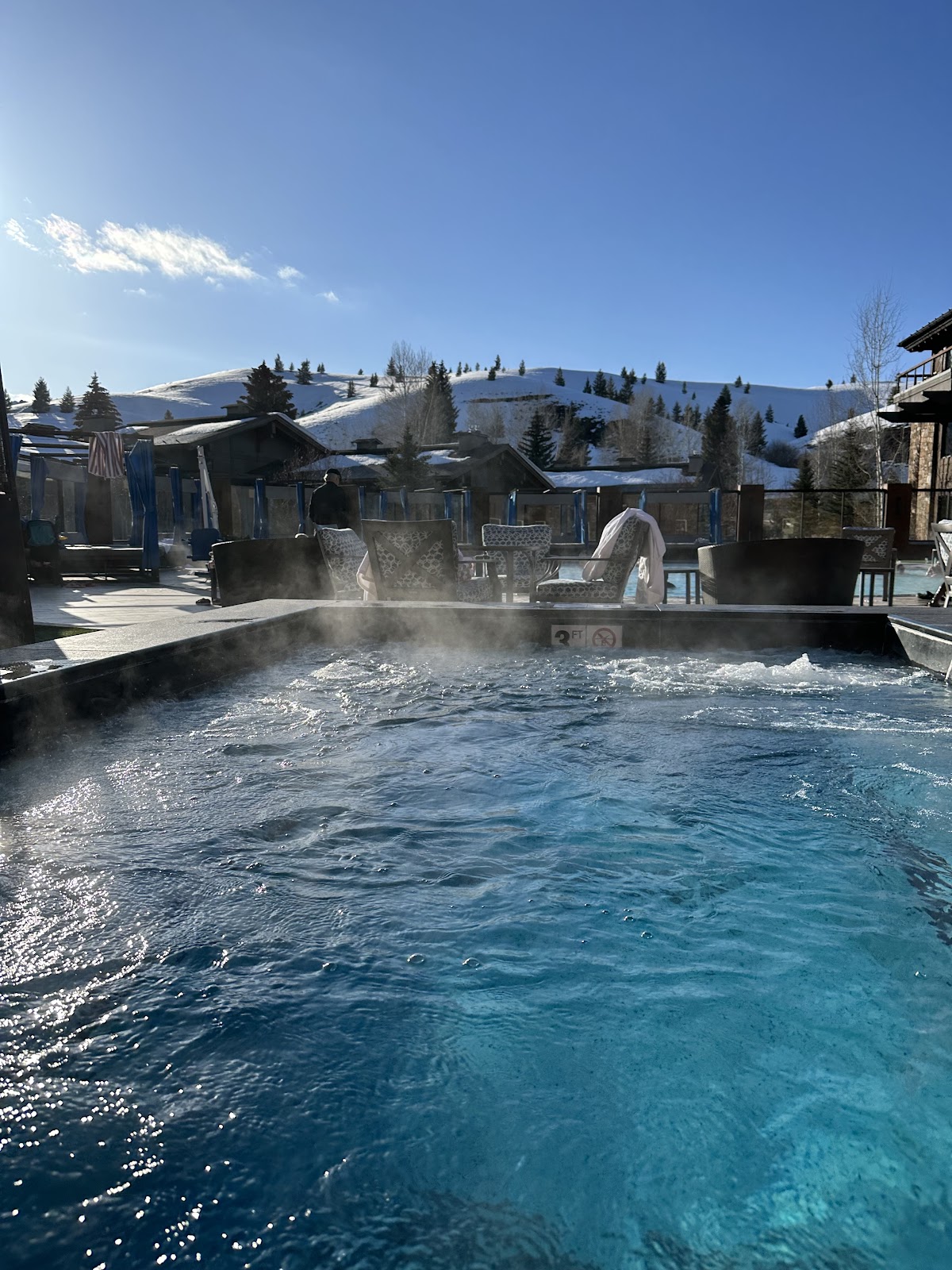
Winter is the resort’s own season and the snowfall is substantial. Snow turns the whole village and valley into a reflector: it fills the shadows a low sun carves, brightens every window, and throws light upward into every arcade and covered walk.
Snow is the best natural fill available outdoors and against near-black fir it gives the widest brightness range in this guide: expose for the snow and let the conifer go black, overexposing deliberately relative to the meter, which snow fools by about two stops.
The December sun at this latitude reaches only about twenty-four degrees above the horizon, which means the whole short day rakes rather than floods — removing the altitude’s hard-light problem entirely, modelling every building and every peak, and putting the good light inside a normal afternoon rather than after eight. On the light alone, winter is the easiest season here.
Winter is also when the lifts are running reliably, which makes a summit trip operationally simpler than it is in summer — and a fully snow-covered range in low light is the most dramatic it looks all year.
The costs are cold, a short day, batteries draining faster, a cold camera fogging when carried into a heated lodge, and a village full of skiers.
Spring is late at this elevation and it is the weakest part of the year: snow lies into April or May, break-up is muddy, the sage is grey and the aspen bare. A wedding in April here is a village and interior proposition rather than a landscape one.
June is when it turns. The valley greens, the creeks run hard with snowmelt, the aspen leaf out in a pale fresh green that transmits light beautifully, and the ranges still carry snow. The days are very long and the weather is settling.
July and August are the season and the most reliable weather of the year: warm days, cold nights, dry air and a high proportion of clear skies. The diurnal swing is large and the light runs until past nine.
The honest late-summer note is wildfire smoke. Idaho’s fire season runs from roughly July into September, and smoke from fires anywhere in the region can fill a mountain valley for days at a time — turning the sun orange, flattening contrast, removing the ranges entirely and shifting everything warm in a way no white balance resolves.
That is the single biggest risk to a summer wedding here and it cannot be planned for, only acknowledged. It is a genuine reason to prefer late September to mid-August if the date is movable.
Late September into early October is the best window of the year. The aspen turn gold and, because a grove is clonal, a whole stand turns at once — which in the draws and on the north-facing slopes of a high valley gives blocks of uniform gold against dark fir and silver sage. The first snow returns to the peaks, the air reaches its clearest, and the smoke risk has usually passed.
Gold aspen, silver sage, dark fir and snow-dusted ranges in one frame, in the clearest air of the year, is the strongest thing this valley produces. The window is about two weeks and it is the only answer worth giving a couple with a movable date.
October brings hard frost and the end of the season, and by November the valley is in winter.
More frames from Sun Valley Resort
Sun Valley Resort wedding photography: common questions
What is a purpose-built resort's logic?
It was designed as a single composition, so the materials are consistent, the sightlines were drawn rather than discovered, and the architecture works as a system.
How do I use that?
Walk the village once and find the intended views — a street terminating on a building, a framed courtyard, a gap revealing the mountain. Stand in them.
What does the elevation change?
About a fifth less atmosphere: harder sun, deeper shadow, cool shade under a deep blue sky, higher ultraviolet, and exceptional clarity at distance.
Why does full shade matter more here?
Because the difference between sun and shade is larger at altitude, which makes a face half in sun unrecoverable rather than merely difficult.
What is the main summer risk?
Wildfire smoke from roughly July into September, which can remove the ranges entirely for days and shifts everything warm.
When is the valley at its best?
Late September into early October: gold clonal aspen, silver sage, dark fir and fresh snow on the peaks, in the clearest air of the year.
More Idaho venue guides
We are writing a photographer’s guide to every venue we would happily shoot in Idaho. Here are three more, plus the full index:
- Teton Valley Lodge, Driggs: The Light Through the Day
- Trestle Creek Weddings, Sandpoint: The Problem, and Four Ways Out
- Willow Creek Ranch, Spirit Lake: A Walk Through the Site
Planning a wedding at Sun Valley Resort?
A village designed as one thing. Tell us your date and we will read it.