 The Riverside Hotel, Boise: The Light Through a Day
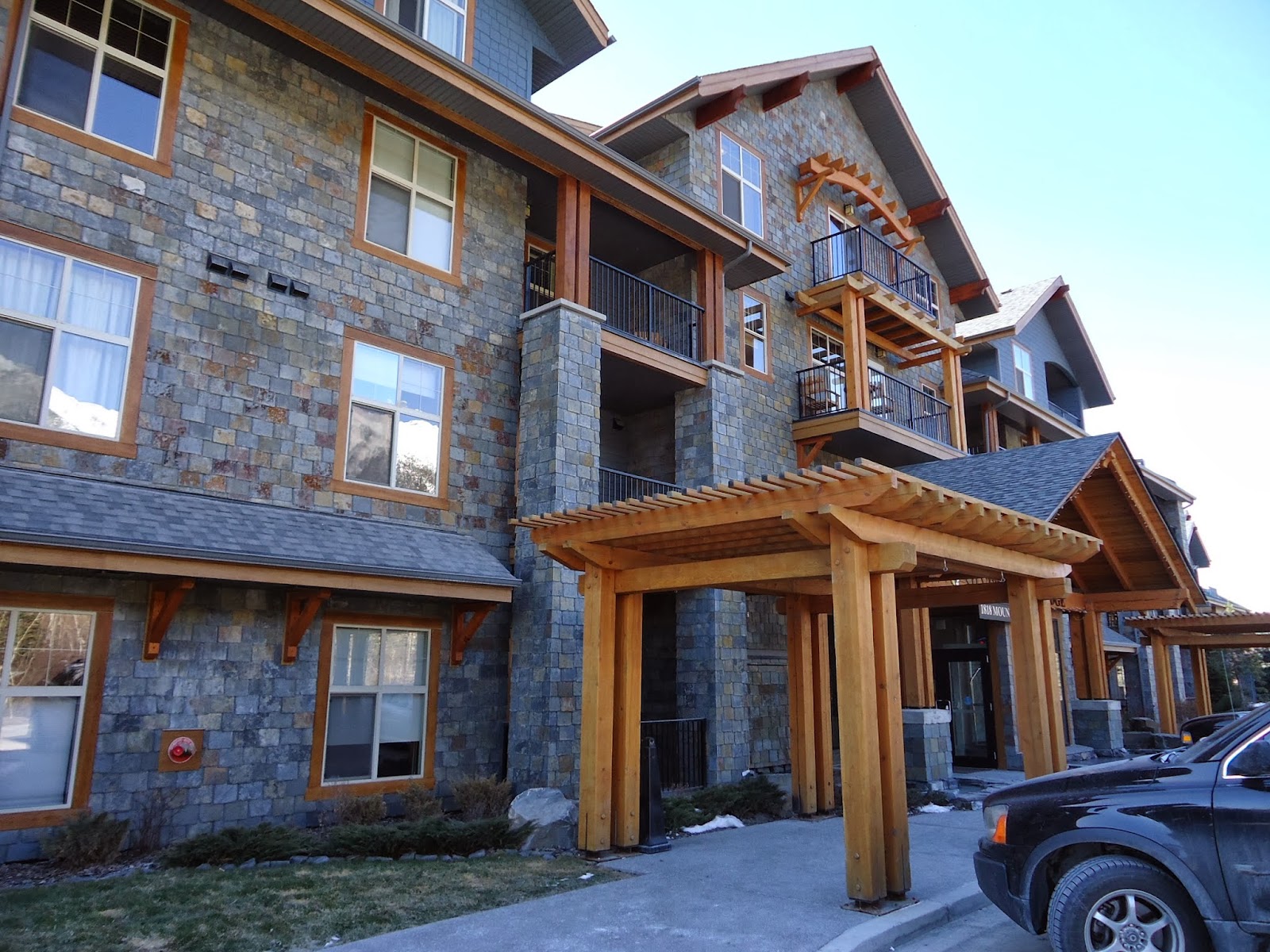
Silver Creek Lodge, Pine: Field Notes
A spring creek is glassy and clear and it runs the same all year. That is unusual and useful.
These are field notes on a lodge beside an Idaho spring creek, and the first note distinguishes it from every snowmelt stream in this guide.
A spring creek is fed by groundwater rather than by runoff. Water emerges from the rock having been filtered through it, which means three things: it is clear rather than turbid, it runs at a nearly constant temperature all year, and its flow is steady rather than surging with the seasons.
A snowmelt creek is the opposite: high and cloudy in spring, low and clear in late summer, and frozen or nearly so in winter. A spring creek looks much the same in February as in July, which is a rare kind of reliability and the reason such waters are famous among anglers.
The photographic consequences are direct. Clear water is transparent rather than reflective, which means a frame near it shows the bed through it rather than what is reflected in it — weed, gravel, the pale streambed. Steady low-gradient flow means the surface is glassy rather than broken, which means it does mirror where it is slow, unlike a tumbling stream. And the constant temperature means mist forms reliably whenever the air is colder than the water, which in the Idaho mountains is most of the year at dawn.
The second note is the setting. Pine sits in mountain country above a reservoir on the South Fork drainage, which means conifer forest, granite, and a valley with walls that block the sun at each end of the day.
We have not photographed a wedding at the Silver Creek Lodge; lodges beside Idaho spring creeks behave consistently. Which spaces are included, whether the lodge operates seasonally, what access there is to the water and where the limits are, the covered alternative, and what the road conditions are on the date are questions for their team.
Silver Creek Lodge at a glance
| Where | Beside a spring creek in mountain country near Pine, Idaho |
| The water | Groundwater-fed: clear, glassy, and the same temperature all year |
| The consequence | You see into it rather than onto it — except where it is slow enough to mirror |
| The mist | Constant water temperature makes dawn mist reliable most of the year |
| Ask first | Seasonal operation, water access and limits, covered alternative, roads |
The creek: the problems, and the solutions
The problem with clear water is that it is easy to lose. Its appearance depends on light penetrating it and scattering back out, which means it reads as clear and coloured when there is light on it and as simply dark when there is not — so a spring creek in deep conifer shade looks like nothing at all.
The solution is position and hour rather than technique. Clear water wants light on it, which in a forested mountain valley may mean the middle of the day rather than the ends of it — and establishing when the sun reaches the water is ten minutes of walking that decides when the water frames happen.
Bright high overcast is the other good condition and frequently the best: plenty of light on the water without the specular glare that direct sun makes on ripples, which means the bed and the weed read cleanly across the whole surface rather than in patches between highlights.
The second problem is the surface, and a spring creek has two states that want different treatment. Where the gradient is low and the flow slow, the surface is glassy — which means it mirrors, doubling the conifer and the sky, and a reflection runs about a stop darker than what it reflects. Where it quickens over gravel it breaks, which means it shows the bed and scatters light rather than reflecting it.
Both are usable and they are different frames: the slow water gives the mirror, the fast water gives the transparency. Walking the creek and noting which stretch does which is worth the ten minutes, because they are frequently thirty metres apart.
The exposure follows the usual rule for bright water: meter on skin and let the water be bright, or expose so the water holds its colour and lift the faces with a close gelled source. Averaging gives grey water and slightly dark faces, which is what automatic metering produces.
The white balance needs a decision. Clear water over a pale bed reads blue-green, and the conifer above bounces green, which means a face standing at the water’s edge is lit by a mixture of cool and green — and a custom setting made on a face in position handles it while a daylight preset renders skin grey-green.
The third problem is temperature and it is a comfort matter. Spring water in Idaho emerges at around ten to fifteen degrees Celsius year-round, which is refreshing in August and painfully cold in February — and anyone stepping into it for a photograph should know that in advance.
That constancy is what makes the mist, which is the site’s best condition. On any morning when the air is colder than the water — which in an Idaho mountain valley is most of the year — vapour forms over the surface reliably rather than occasionally, and it is heaviest in autumn and winter when the temperature difference is greatest.
Mist over a spring creek in a conifer valley, with a low sun making shafts through it, is the most atmospheric frame this site produces. It is available at dawn through most of the year and it needs a longer lens, because mist rewards compression — layers of receding tone read as layers only when the distances are stacked.
And the sound is the last note about the creek. A low-gradient spring creek is considerably quieter than a tumbling snowmelt stream, which is a genuine advantage for an unamplified ceremony — unlike almost every other moving water in this guide.
The valley, the forest, and the mountain year
The valley is the second half of the site and its walls decide the day.
A mountain valley with conifered slopes on both sides loses the sun well before the published time and gains it late, which means the direct-sun day on the floor is shorter than the sky above suggests. Reading the ridge rather than a sunset table is the whole fix and it takes thirty seconds: standing at the creek and estimating where the sun will meet the skyline gives the real end of the outdoor day.
The interval that follows is the site’s signature evening condition: the valley floor and the creek in soft even shade while the upper slopes and the ridge are still lit, which puts a subject in flattering light with a brilliantly lit slope behind them for twenty or thirty minutes. It is made by exposing for the lit slope and lifting the faces with a close warm-gelled source.
And because the creek is glassy where it is slow, that lit slope appears twice — once above and once in the water — which is the strongest frame the property gives.
The forest is the shade. This is mid-elevation Idaho conifer: ponderosa pine and Douglas fir with grand fir and lodgepole, and cottonwood, willow and alder along the water.
Douglas fir and grand fir are the real blockers, which means the canopy edge is the reliable position: a metre or two inside at the margin of an opening gives soft directional light in front and near-darkness behind, three or four stops of free separation. Ponderosa and lodgepole are colonnades rather than canopies — high open crowns that filter into hard patches — which makes them backgrounds rather than shades.
Ponderosa is worth using as a background deliberately. Mature trees have massive trunks with distinctive orange-brown plated bark, and a stand of them compressed on a longer lens is a strong repeating vertical pattern that reads as inland western mountain country and nowhere else.
The cottonwood along the creek is the real shade near the water, and it grows only where the water is — which means the shade and the creek are in the same places. Its leaves are large and glossy and transmit as well as reflect, which means the light beneath carries a green cast that a custom white balance handles.
The metering trap is severe: dark fir and shaded granite make a meter overexpose a face by a couple of stops, and bright water, pale granite or sky fool it hard the other way. Manual, metered on skin, reset at every transition.
Granite is the valley’s other material and it is a good one: neutral in colour and coarse in texture, it takes raking light beautifully and reads as a mid to dark tone in shade — which makes it a background with texture in it rather than the flat tone a hedge gives. Wet granite beside the creek is darker and more saturated still.
The practical notes are the mountain ones. The days are long at this latitude in summer — light until past nine — which means the good low light arrives late and lasts. Road access on a mountain drainage is a definite question for anything outside the summer season, and whether the lodge operates seasonally is the related one. And wildfire smoke from roughly July into September is the honest late-summer risk in Idaho: it can fill a valley for days, remove the slopes entirely, and eliminate the shafts through mist because scattered light no longer arrives in beams.
The seasons themselves run late at this elevation and the spring creek is the reason some of them work.
Winter is snowy and cold, and the creek is the site’s distinctive winter subject precisely because it does not freeze: clear moving water between snow-covered banks, with dense mist rising off it where the air is far colder than the water. That combination is unusual and it is the most striking thing the property produces all year.
Snow is the best natural fill available outdoors and against near-black fir it gives the widest brightness range in this guide — expose for the snow and let the conifer go black, overexposing deliberately relative to the meter, which snow fools by about two stops.
Spring is late and slow, with snow lingering and the surrounding slopes brown before they are green — but the creek is unchanged, which means the water frames are available when nothing else is. That is worth knowing for an April or May date.
Summer is warm, dry and long-lit, with the creek at its clearest and the weed beds at their fullest — which is when the transparency frames are strongest. Autumn is the best season overall: the cottonwood, aspen and willow along the water turn a clean gold through October, the air clears, the mornings are cold enough for heavy mist, and the smoke risk passes.
Gold cottonwood over clear glassy water with mist on it and dark fir behind is the strongest frame this site produces, and the window is roughly through October.
- Clear water needs light on it; in a conifer valley that may be midday
- Walk the creek: slow water mirrors, fast water shows the bed. Different frames
- Mist forms reliably most of the year, because the water temperature is constant
- Fir is the shade; ponderosa is a background; cottonwood is the shade near water
- Read the ridge, not a sunset table — the valley floor goes dark early
The mountain creek year
A mid-elevation Idaho mountain valley has a long snowy winter, a short dry summer and an excellent autumn — and a spring creek is the one element that is nearly the same in all of them.
Winter is snowy and cold, and the first practical questions are whether the lodge operates and whether the road is open. Where it is available, winter is the site’s most distinctive season for one reason: the creek does not freeze.
Groundwater emerging at a constant temperature keeps a spring creek open through the coldest weather, which gives clear moving water between snow-covered banks — and because the temperature difference between water and air is at its greatest, the mist over it is at its densest. Dense mist rising off open water in a snow-covered conifer valley, with a very low sun making shafts through it, is as good as anything in this guide.
The December sun at this latitude reaches only about twenty-three degrees above the horizon, and in a valley that means the floor receives little or no direct sun — which is soft even light everywhere, with snow doing the filling. Snow against near-black fir gives the widest brightness range available: expose for the snow and let the conifer go black, overexposing deliberately relative to the meter, which snow fools by about two stops.
The costs are cold, a short day, batteries draining faster, lens fogging near the mist, and road access that depends entirely on conditions.
Spring is late and slow at this elevation. Snow lingers, the slopes are brown before they are green, and the surrounding snowmelt streams run high and cloudy — while the spring creek is unchanged. That contrast is the season’s own subject and it means the water frames work when nothing else does, which is worth knowing for a late-spring date.
Mosquitoes arrive with the thaw and are a consideration near water in June.
Summer is warm, dry and long-lit: light until past nine at this latitude, which means the good low light arrives late and lasts. The creek is at its clearest and the aquatic weed beds are at their fullest, which is when the transparency frames — looking down into the water and seeing the bed through it — are strongest.
The honest late-summer note is wildfire smoke. Idaho’s fire season runs from roughly July into September and a valley traps it, which can fill the site for days: the sun turns orange, contrast flattens, the slopes disappear, and the shafts through mist vanish because scattered light no longer arrives in beams. That removes the site’s best frame and it cannot be planned for.
Autumn is the best season overall. The heat breaks in September, the smoke risk passes, the air clears, and the deciduous element along the water turns: cottonwood, aspen and willow going a clean intense gold through October, concentrated along the creek because that is where they grow.
That concentration is the point. In a conifer valley the autumn colour follows the water, which means the gold is exactly where the creek is — and gold cottonwood over clear glassy water with heavy dawn mist and dark fir behind is the strongest frame this property produces.
Autumn is also when the mist is most reliable at a workable hour, because the nights are cold and the days are still long enough to work in comfortably. The window runs roughly through October.
November brings cold rain and the first snow, and by December the valley is in winter — when, if the lodge is open, the creek is at its most remarkable.
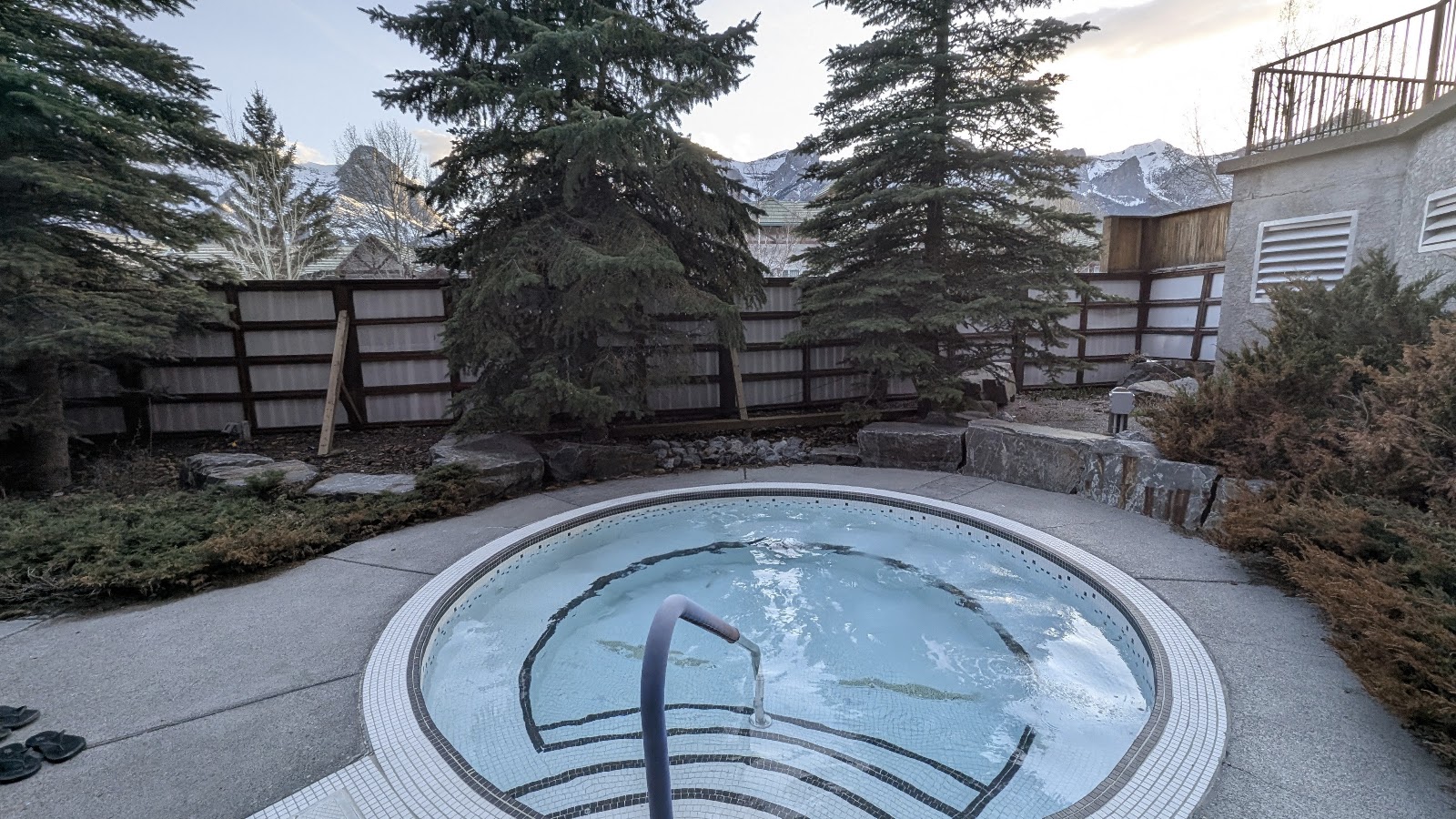
More frames from Silver Creek Lodge
Silver Creek Lodge wedding photography: common questions
How is a spring creek different from a mountain stream?
It is groundwater-fed, so it is clear rather than turbid, runs at a nearly constant temperature all year, and has a steady flow rather than a seasonal surge.
What does that mean for the frames?
You see into it rather than onto it where it is fast, and it mirrors where it is slow — and it looks much the same in February as in July.
Why is the mist so reliable?
The water temperature barely changes, so vapour forms whenever the air is colder — which in an Idaho mountain valley is most of the year at dawn.
When does the water look best?
When there is light on it, which in a forested valley may mean the middle of the day. Bright high overcast is the ideal condition.
Where is the shade?
Douglas and grand fir, and cottonwood along the water. Ponderosa and lodgepole are colonnades — backgrounds rather than shades.
When is the site at its best?
October, for gold cottonwood over clear water with heavy dawn mist — and midwinter, when the creek stays open between snow-covered banks.
More Idaho venue guides
We are writing a photographer’s guide to every venue we would happily shoot in Idaho. Here are three more, plus the full index:
- Sun Valley Resort: The Site’s Own Logic
- Teton Valley Lodge, Driggs: The Light Through the Day
- Trestle Creek Weddings, Sandpoint: The Problem, and Four Ways Out
Planning a wedding at Silver Creek Lodge?
Water that behaves the same all year. Tell us your date and we will walk the creek.