 Roxy’s Downtown: Photographing a Small Stage Room
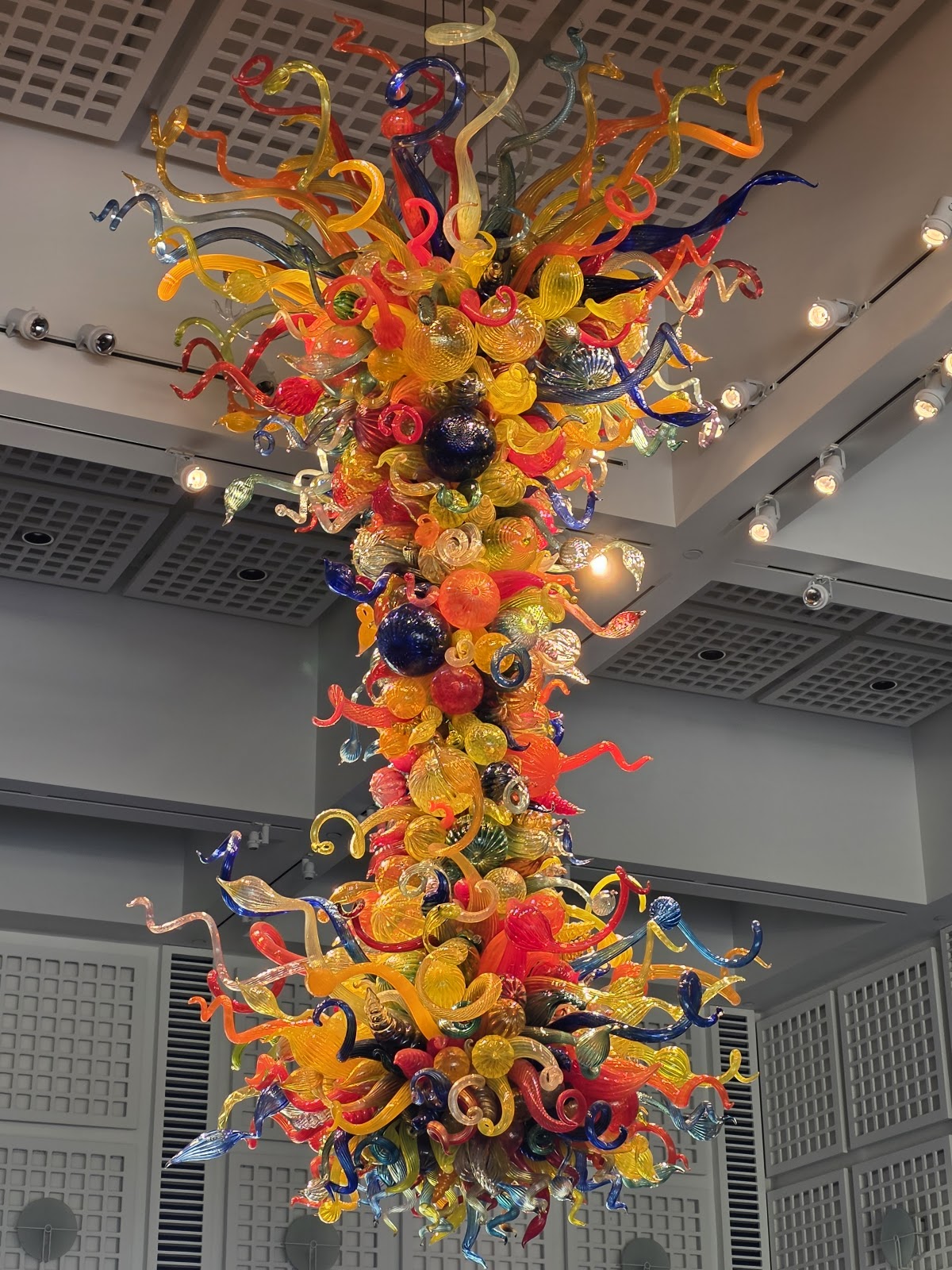
The Wichita Art Museum: Field Notes on Glass Under a Big Sky
A glass façade collects whatever is opposite it. On the plains, what is opposite it is sky.
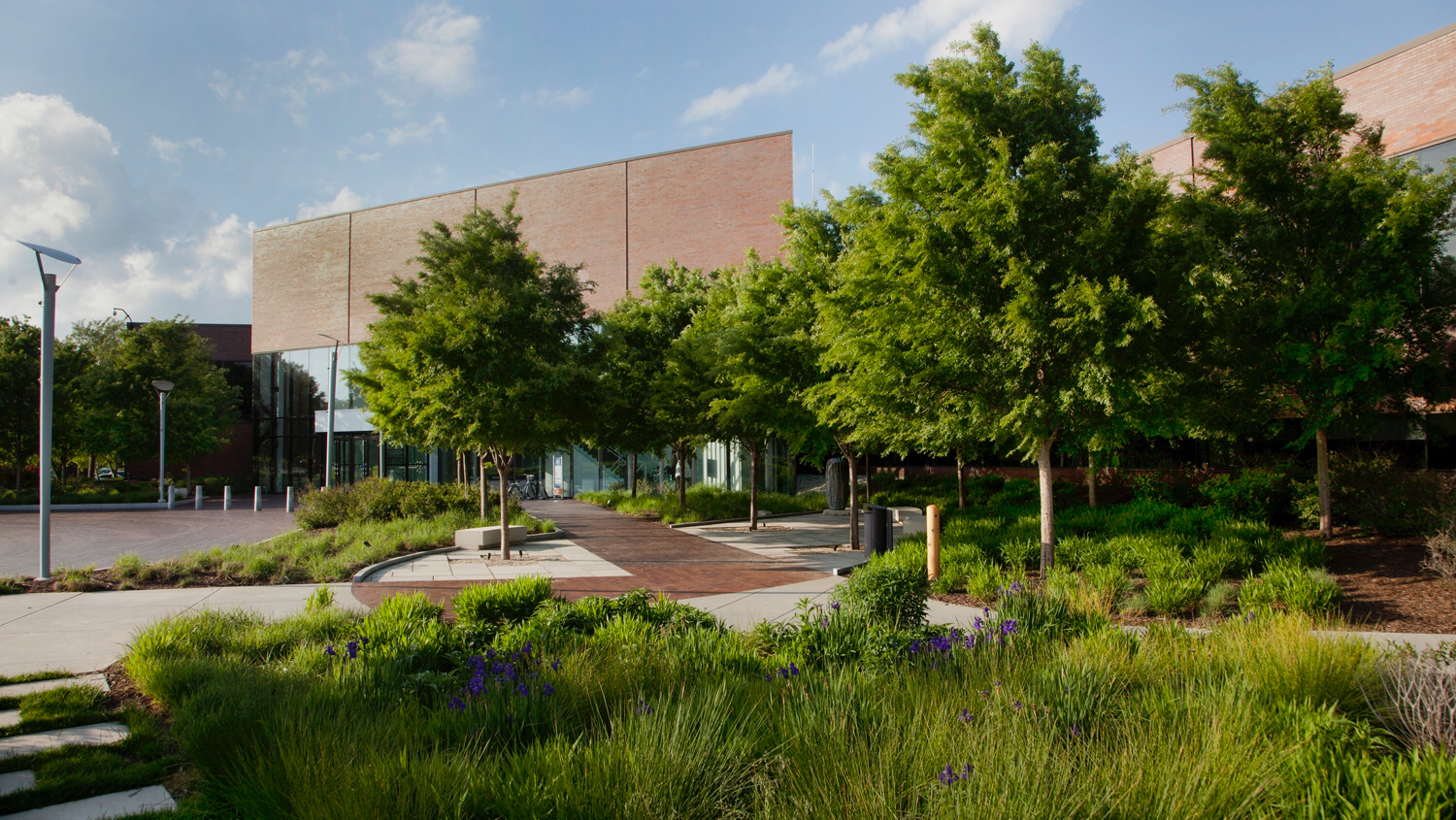
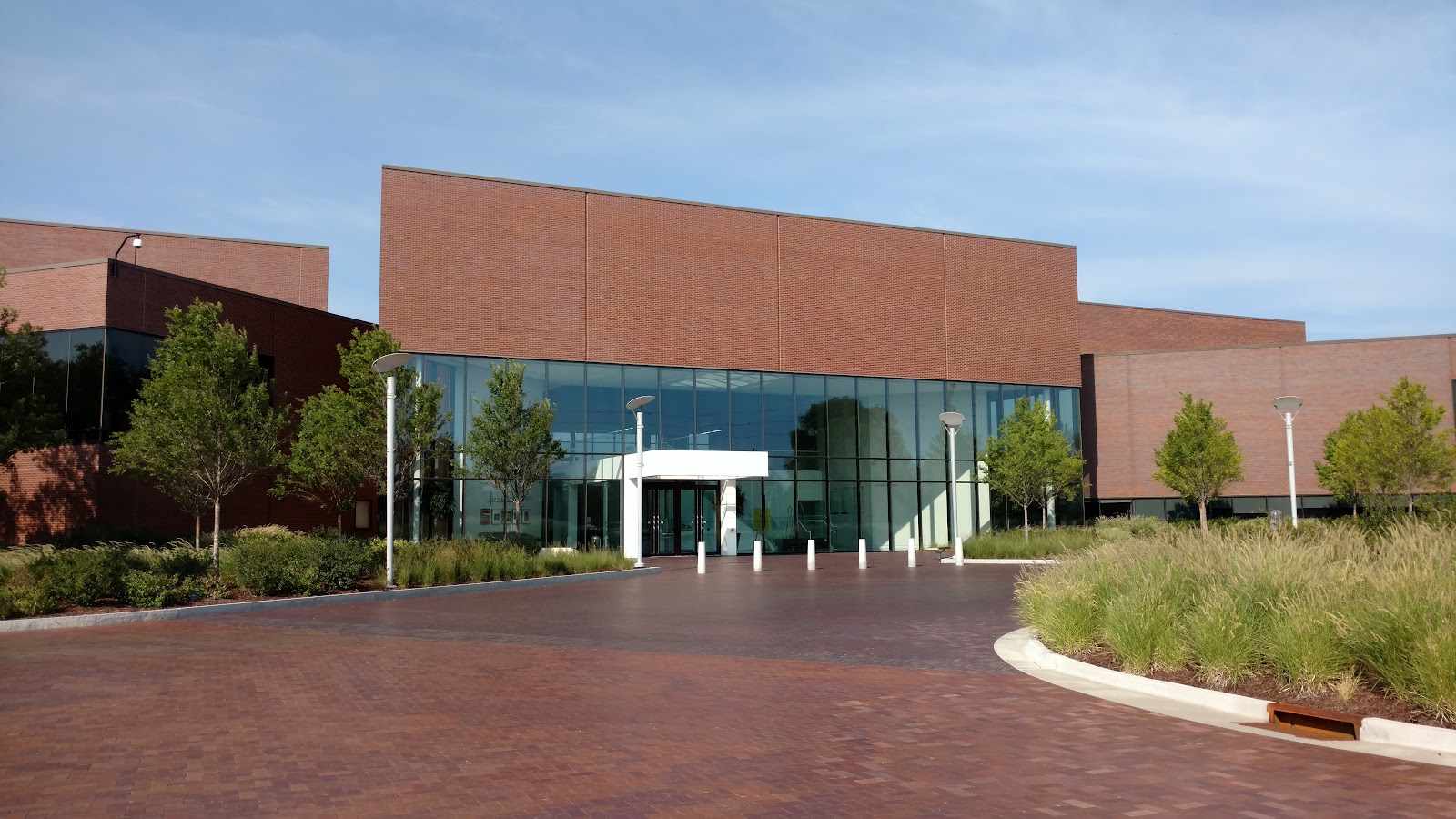
The Wichita Art Museum stands beside the Arkansas River in Wichita, Kansas, with substantial glass façades, gallery spaces and planted grounds around it.
Large glazing behaves differently depending on what is in front of it, and that is the fact worth carrying into this building. In a dense city, a glass wall faces other buildings: they shadow the light, bounce their own colour into it, and appear in the reflection. On open plains ground, a glass wall faces sky and lawn — which means it collects a very large area of unobstructed bright sky, delivers it inside as a clean strong soft source, and reflects sky rather than architecture on the outside.
Both of those are useful and both need handling. These are field notes on three conditions here: the glazing from inside, the glazing from outside, and the grounds under a plains sky. We have not photographed a wedding at the Wichita Art Museum; large glazing and open grounds behave the same wherever they meet. Which galleries and outdoor areas host events, and what the collection photography rules are, are questions for their events team.
The Wichita Art Museum at a glance
| Where | Beside the Arkansas River, Wichita, Kansas |
| Character | Art museum with large glass façades, galleries and planted grounds |
| From inside | An unobstructed sky collected into a clean, strong soft source |
| From outside | The glass reflects sky and cloud rather than buildings |
| Ask first | Collection photography rules, and whether flash is permitted |
Problem one: the glazing from inside is better than you expect
A large window facing open ground with nothing tall opposite receives light from a very large area of sky, with no shadowing and no colour bouncing in from neighbouring buildings. That makes it cleaner, stronger and more directional than an equivalent window in a built-up street, and it is the best portrait light the building has.
The working method is unchanged from any window: place a subject a metre or two back and turn them into it. What differs here is how much of it there is — the fall-off still gives separation, but the level is high enough that a large group can be lit evenly by a single façade, which is rarely true indoors.
The complication is direct sun. On the sunlit side, a large glass wall gives a hard bright patch, extreme contrast and, where the frames are close together, hard shadow bars across faces and fabric. Striping cannot be corrected, so the answers are to move to the other side of the building, wait for the sun to pass, or work in the shadow between structural members rather than in a lit panel.
A plains caveat worth knowing: with a sky this open and this bright, a glazed interior is brighter overall than the same room would be elsewhere, and a meter will want to darken it. Add a stop or more, as you would for snow, and check that the highlights still hold detail.
Problem two: the glazing from outside reflects the sky
From the exterior, a glass façade is a mirror of whatever faces it — and here that is sky and cloud rather than other buildings. That is a genuine asset and it is under-used. On a day with moving cloud, a large glazed elevation carries the whole sky across it, which means the building’s exterior changes character continuously and can be composed with deliberately: a couple against a façade reflecting towering cloud is a frame that only exists where the sky is the thing opposite the glass.
It also means the façade is usually brighter than it looks. A sky-reflecting glass wall can be as bright as the sky itself, which puts it several stops above a subject standing in front of it — so either expose for the reflection and light the couple up to it, or expose for the couple and accept a blown façade. The first is the better photograph and it needs real fill power outdoors.
The angle matters. Reflections are strongly directional, so moving a few metres along a façade changes what it shows entirely — more sky from one position, more lawn or more dark interior from another. That is a control worth using rather than an accident to accept, and it takes thirty seconds of walking to find.
After dark the relationship inverts as it does everywhere: the lit interior becomes brighter than the black sky, so the glass stops reflecting outward and starts showing the inside. Wide exterior frames that worked at six are uninformative at nine, and interior frames near the glass now include the room behind the camera.
- Place people a metre back from the glass, turned into it, and let fall-off separate
- Move off the sunlit side to avoid hard shadow bars from the frames
- Add a stop or more indoors; a plains-lit glazed room fools a meter
- Walk along a façade to choose what the reflection shows
- Expose for a sky-reflecting façade and light the couple up to it
Problem three: the grounds, and a sky that dominates
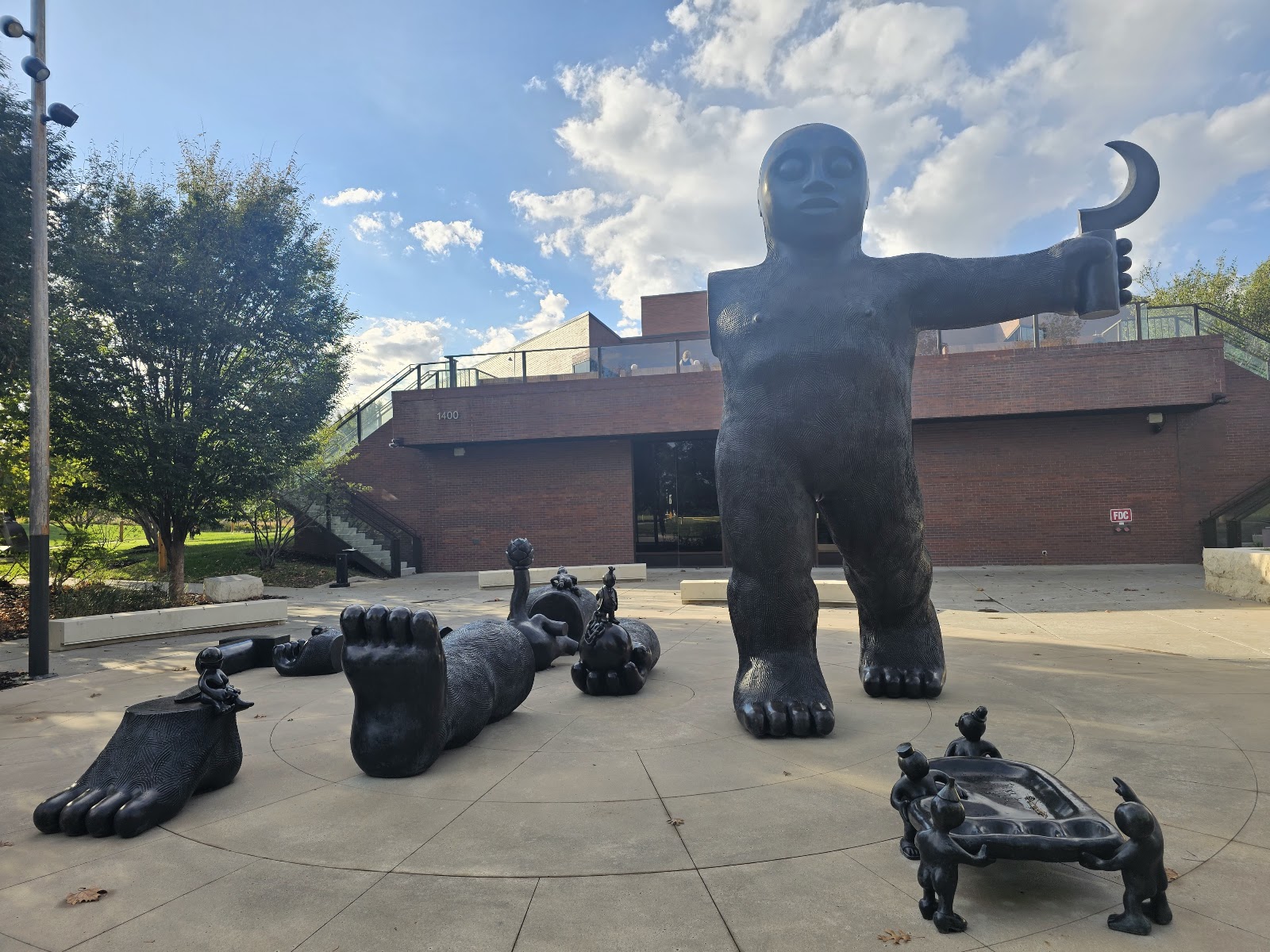
Open plains grounds give a long golden hour and no shade. The long golden hour is genuine: with no topography and little haze, the sun stays visible almost to the horizon, so the last hour is longer and lower than in a city or a valley, and the light is raking rather than merely warm.
The absence of shade is the other half. At midday there is nowhere to go outdoors except a building’s shadow, because plains planting is usually scattered rather than closed — and scattered trees give dapple, which is several stops across a face, random, moving with any breeze, and correctable only by moving people. The museum’s own shadow is a better answer than any tree on the site.
Wind is the Kansas constant and it applies here as everywhere in the state: veils need to be a held-or-removed decision rather than a hope, unweighted light stands are a hazard, and any water on the grounds stops reflecting the moment a breeze arrives. Plan the outdoor blocks to be short and decisive.
The compensation is the sky itself, and on open ground it occupies a genuinely large share of any wide frame. That changes composition: a couple placed small against a large dramatic sky is the shot this landscape gives, and it works better with a low camera position that pushes the horizon down and lets the sky fill the upper two-thirds. In a wooded venue the same frame is impossible.
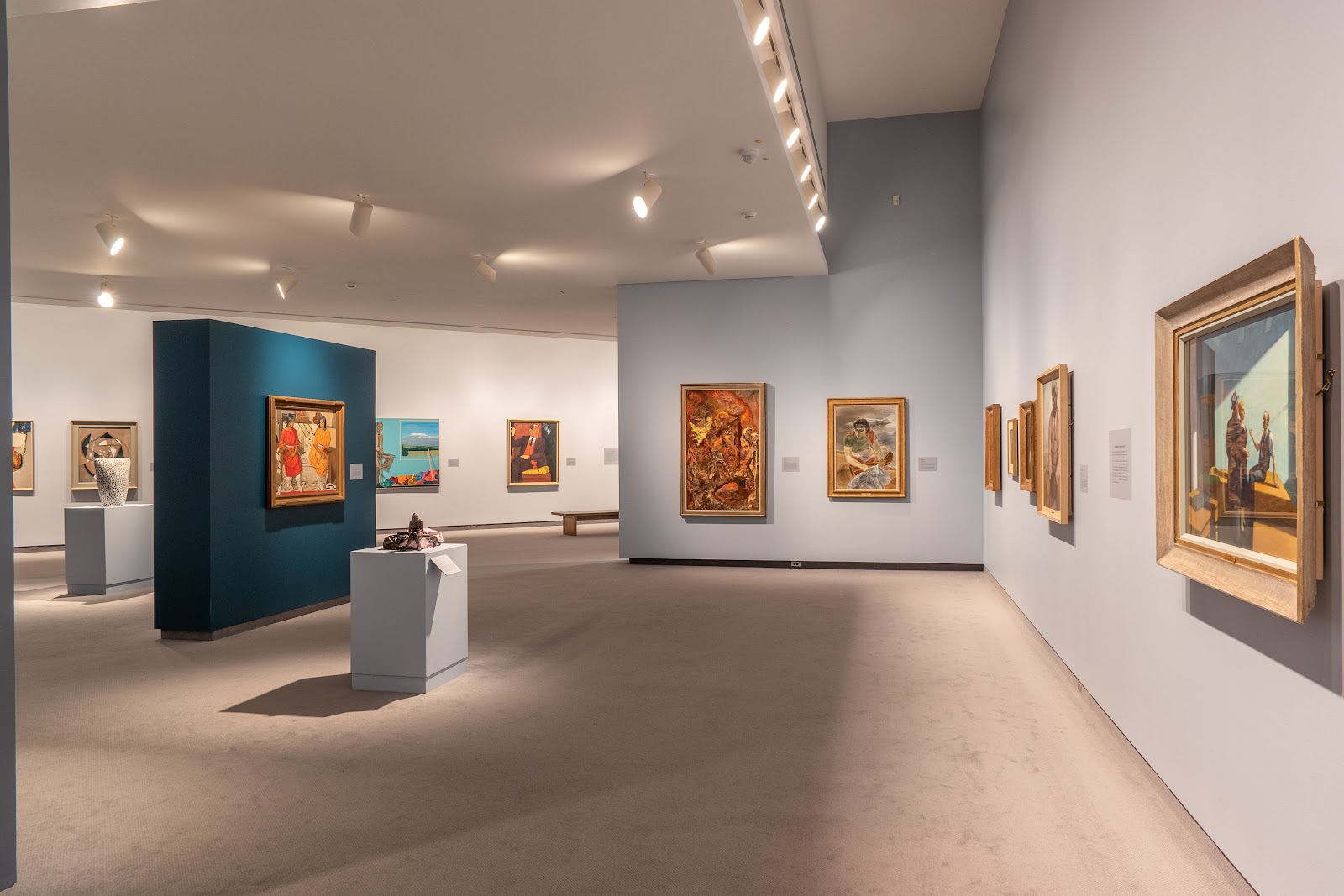
Galleries are the midday and weather answer, with the standard museum caveats: exhibit lighting is directional and mixed and aimed at objects, so bring a source and let it own the faces; artworks are assertive backgrounds so commit or subordinate; and collection rules on flash, tripods and publication vary and change with loans, so settle them in writing beforehand rather than on the day.
More frames from The Wichita Art Museum
The Wichita Art Museum wedding photography: common questions
Why is the window light here better than in a city?
Because the glass faces open ground and sky rather than other buildings — so there is no shadowing and no colour bouncing in, and it collects a very large area of unobstructed bright sky. It is cleaner, stronger and more directional than an equivalent window downtown.
What goes wrong on the sunlit side?
Hard shadow bars from the glazing frames printed across faces and fabric, plus extreme contrast. Striping cannot be corrected, so move to the other side of the building, wait for the sun to pass, or work in the shadow between structural members.
Is there an exposure trap indoors?
Yes. A glazed room under a bright open sky is brighter overall than the same room elsewhere, so a meter wants to darken it. Add a stop or more, exactly as you would for snow, and check the highlights still hold detail.
What does the glass do from outside?
It reflects sky and cloud rather than buildings, which is a real asset — a couple against a façade carrying towering cloud is a frame that only exists where sky is what faces the glass. Walk along the elevation to choose what it shows.
Where is the midday shade outdoors?
The building’s own shadow. Plains planting is scattered rather than closed, and scattered trees give dapple — several stops across a face, moving with the breeze, correctable only by moving. The building beats any tree on site.
How does the plains sky change composition?
It dominates. On open ground the sky fills a large share of any wide frame, so a couple placed small against dramatic cloud is the shot this landscape gives — best with a low camera that pushes the horizon down and lets sky fill the upper two-thirds.
More Kansas venue guides
We are writing a photographer’s guide to every venue we would happily shoot in Kansas. Here are three more, plus the full index:
- Colbert Hills Golf Course, Manhattan: What It Suits, and What It Does Not
- The Flint Hills Discovery Center, Manhattan: One Frame, and How It Is Made
- The Kansas State University Alumni Center, Manhattan: The One Decision That Governs Everything
Planning a wedding at The Wichita Art Museum?
Glazing under an open sky collects more of everything. Tell us your date and which side the sun will be on.